Genetic Guardians: The Asilomar Conference and its DNA Diplomacy

How a gathering of the world’s top genetic scientists helped create a roadmap for responsible biology.

Asilomar Conference Grounds Interior

In 1975, amidst the California coastal dunes of Asilomar near Monterey, a groundbreaking conference was held that would influence the direction of biotechnology and the course of scientific research for decades to come. This was the Asilomar Conference on Recombinant DNA, an assembly marked by both controversy and consensus. Its aim was not just to debate the scientific merits of a new and potentially groundbreaking technology but also to discuss its potential impacts on society and the environment. (Berg and others had met as Asilomar before in 1973, but that initial meeting resulted in little more than a realization there would have to be more discussion).

DNA

Among the seventy-five participants from sixteen countries were Paul Berg, a Nobel laureate, Maxine Singer, a prominent molecular biologist, and many others, each bringing their own perspective and expertise to the table. They recognized the vast potential that recombinant DNA (rDNA) technology, the process of combining DNA from different species, had to offer but were equally cognizant of the potential risks involved.

Berg was awarded the Nobel Prize in Chemistry for his work on nucleic acids, with a focus on recombinant DNA. Berg had first-hand experience with the transformative potential and risks of the technology. His ground-breaking experiments with recombinant DNA in 1972 and subsequent calls for a moratorium on such work had spurred the idea of the conference.

Maxine Singer, another significant contributor, was known for her advocacy for scientific responsibility and ethical considerations. She played a crucial role in drafting the initial letter to the journal “Science” advocating for a voluntary halt on certain types of rDNA research until its potential risks could be better understood. In 2002, Discover magazine recognized her as one of the 50 most important women in science.

CALIFORNIA CURATED ON ETSY

Purchase stunning art prints of iconic California scenes.
Check out our Etsy store.

The conference was the outcome of dramatic advances in molecular biology that took place mid-century. In the atomic age of the 1950s and ’60s, biology was not left behind in the wave of transformation. A pioneering blend of structural analysis, biochemical investigation, and informational decoding began to crack open the mystery of classical genetics. Central to this exploration was the realization that genes were crafted from DNA, and that this intricate molecular masterpiece held the blueprints for replication and protein synthesis.

Paul Berg (Photo: Stanford University)

This was a truth beautifully crystallized in the DNA model, a triumph of scientific collaboration that arose from the minds of James Watson, Francis Crick, and the often under-appreciated Rosalind Franklin. Their collective genius propelled a cascade of theoretical breakthroughs that nudged our understanding from mere observation to the brink of manipulation.

The crowning achievement of this era was the advent of recombinant DNA technology – a tool with the potential to rearrange life’s building blocks at our will. As the curtain lifted on this new stage of biological exploration, the promise and peril of our increasing control over life’s code started to unfurl.

Asilomar Conference Building

The ability to manipulate genes marked nothing less than a seismic shift in the realm of genetics. We had deciphered a new language. Now, it was incumbent upon us to assure ourselves and all others that we possessed the requisite responsibility to utilize it.

As Siddhartha Mukherjee put it in his excellent book The Gene: An Intimate History, “There is an illuminated moment in the development of a child when she grasps the recursiveness of language: just as thoughts can be used to generate words, she realizes, words can be used to generate thoughts. Recombinant DNA had made the language of genetics recursive.”

The conference served as a forum to deliberate the safety measures that would be needed to prevent accidental release of genetically modified organisms (GMOs) into the environment, the ethical considerations of manipulating the genetic code, and the potential implications for biological warfare. It was as much about the science as it was about its potential impact on society, mirroring aspects of the Pugwash Conferences that discussed nuclear arms control during the Cold War.
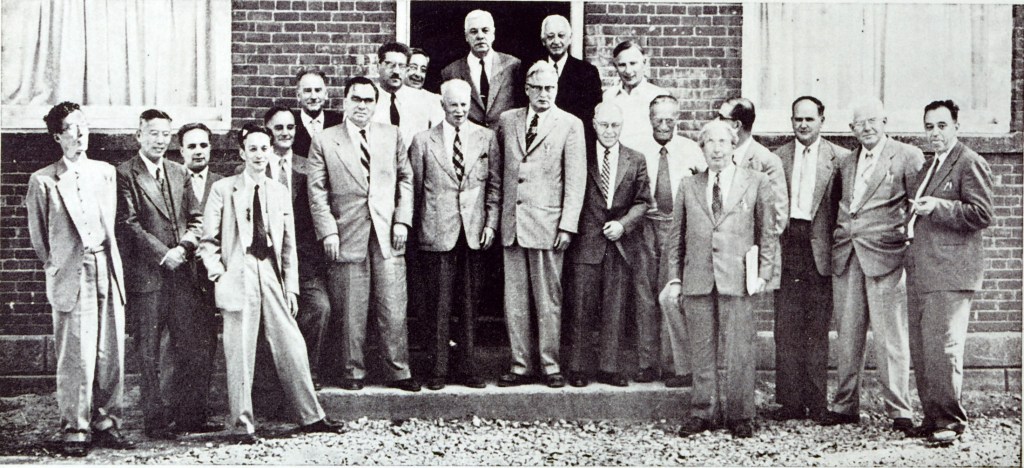
Participants in the First Pugwash Conference in 1957 in Pugwash, Nova Scotia, Canada. Notable figures included Joseph Rotblat, Bertrand Russell, Leo Szilard, Igor Tamm (pugwash.org)

Much like the Pugwash Conferences in Pugwash, Nova Scotia, Canada, brought together scientists from both sides of the Iron Curtain to discuss the implications of nuclear technology, the Asilomar Conference sought to bridge the divide between the proponents and critics of genetic engineering. Just as nuclear technology held the promise of unlimited power and the threat of unparalleled destruction, recombinant DNA offered the allure of potential solutions for numerous diseases and the specter of unforeseen consequences.

Another analogy might be the two-page letter written in August 1939 by Albert Einstein and Leo Szilard to alert President Roosevelt to the alarming possibility of a powerful war weapon in the making. A “new and important source of energy” had been discovered, Einstein wrote, through which “vast amounts of power . . . might be generated.” “This new phenomenon would also lead to the construction of bombs, and it is conceivable . . . that extremely powerful bombs of a new type may thus be constructed. A single bomb of this type, carried by boat and exploded in a port, might very well destroy the whole port.” 

The Einstein–Szilard letter

The Asilomar Conference reached a consensus that with proper containment measures, most rDNA experiments could be conducted safely. This resulted in a set of guidelines that differentiated experiments based on their potential biohazards and suggested appropriate containment measures. This framework, later adopted by the National Institutes of Health (NIH) in the United States, provided the bedrock for the safe and ethical use of rDNA technology.

The decisions made at Asilomar had far-reaching implications for both science and society. By promoting a culture of responsibility and precaution, the conference effectively prevented a public backlash against the nascent field of genetic engineering, allowing it to flourish. Moreover, it set a precedent for scientists to take an active role in the ethical and societal implications of their work.

“The most important lesson of Asilomar,” Berg said, “was to demonstrate that scientists were capable of self-governance.” Those accustomed to the “unfettered pursuit of research” would have to learn to fetter themselves.

CRISPR

Today, the spirit of Asilomar lives on in the field of synthetic biology and discussions around emerging technologies such as CRISPR and gene drives. It underscores the importance of scientific self-regulation, public dialogue, and transparent communication in navigating the ethical minefields that technological advancements often present.

The Asilomar Conference was a milestone in scientific history, a demonstration that scientists are not merely the creators of knowledge but also its stewards. It showed that with open dialogue, proactive self-regulation, and a deep sense of responsibility, we can both harness the promise of scientific breakthroughs and mitigate their potential risks.

Ghost of the West: The Tragic Story of the California Grizzly Bear’s Journey from Wilderness to State Flag

In the expansive and diverse landscape of California, many iconic animals are an integral part of the state’s reputation for natural beauty and untamed wilderness. Yet, one particular creature looms larger in the Californian narrative than many others – a species that has been extinct for nearly a century, but lives on as a powerful symbol: the California Grizzly Bear (Ursus arctos californicus).

The California Grizzly Bear, a subspecies of the Grizzly Bear, was a formidable presence in the wild terrains of California. This remarkable beast could grow up to 8 feet tall when standing on its hind legs, and adult males often weighed in excess of 2000 pounds. They sported a lustrous fur coat that varied in color from blond to dark brown, making them a striking, and sometimes terrifying, sight in the California wilderness.

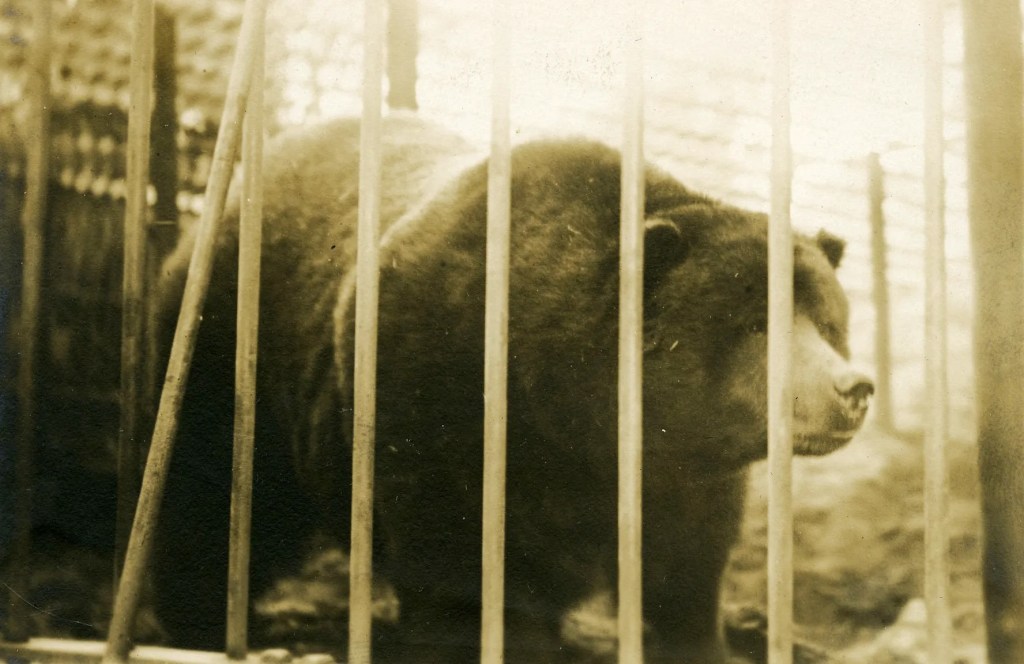
The famous California Grizzly “Monarch” was housed in an enclosure at Golden Gate Park around 1910.
It passed away the following year. (California State Archives)

The name “Grizzly” could have meant “grizzled,” a term referring to the animal’s golden and grey tips of hair. Or quite possibly it meant “fear-inspiring” (as a phonetic spelling of “grisly”). The naturalist George Ord formally classified it in 1815 as Ursus horribilis (“terrifying bear”).

This giant was an omnivore with a varied diet that changed with the seasons. The bear’s dietary staples included seeds, berries, roots, fish, and small mammals. But the California Grizzly was also known to take down larger prey, such as deer and elk, when the opportunity presented itself. The first recorded encounters with California grizzly bears are found in diaries kept by several members of the 1769 Portola expedition, the first European land exploration of the southern stretch of the West Coast. Several place names that include the Spanish word for bear (oso) trace their origins back to that first overland expedition. For example, the city of Los Osos

Prior to Spanish settlement in the second half of the 1700s, it is estimated that 10,000 grizzly bears inhabited what is today considered modern-day California.

CALIFORNIA CURATED ON ETSY

Purchase stunning art prints of iconic California scenes.
Check out our Etsy store.

Stories about the California Grizzly Bear echo throughout the annals of California’s history and literature. In his book “The Mountains of California,” renowned naturalist John Muir recounted his encounters with these awe-inspiring creatures, stating, “When I discovered him, he was standing in a narrow strip of meadow, and I was concealed behind a tree on the side of it.”

California State Flag featuring the California Grizzly

As enduring as any mountain or redwood forest, the legacy of the California Grizzly Bear persists in the emblem of the state flag.

The inclusion of the grizzly bear on the California flag traces its roots back to a revolt in 1846, before California was a part of the United States. At the time, California was under Mexican rule and a group of American settlers staged a revolt known as the Bear Flag Revolt, in which they declared California to be an independent republic.

The settlers needed a flag to represent their new republic, so they designed a simple flag that included a grizzly bear, a single red star (inspired by the lone star of Texas), and the words “California Republic.” The grizzly bear was chosen because it was seen as a powerful and formidable creature, much like the settlers saw themselves. It was intended to represent strength, unyielding resistance, and independence. The republic was short-lived, however, because soon after the Bear Flag was raised, the U.S. military began occupying California, which went on to join the union in 1850.

The man who drew the bear on the original flag, William L. Todd, was a cousin of Mary Todd Lincoln, the wife of Abraham Lincoln. Unfortunately, Todd was not a great artist, and his bear looked more like a pig, which led to some ridicule and a new design.

The original California state flag, as designed by William L. Todd

In 1911, the design of the flag was standardized, and the grizzly bear became the central figure that we recognize today. The bear depicted on the flag is named “Monarch” after the last California grizzly bear captured and held in captivity. Monarch was captured in 1889 by newspaper reporter Allan Kelly, at the behest of William Randolph Hearst. Monarch’s remaining life was not pleasant. He spent his remaining 22 years in captivity, and was moved to Woodwards Gardens in San Francisco, and then to the zoo at Golden Gate Park. After the bear’s death in 1911, it was mounted and preserved (ahem, poorly) at the Academy of Sciences at Golden Gate Park.

Monarch on display. (Wikipedia)

Despite its iconic status, the California Grizzly Bear could not withstand the pressures of expanding human civilization. The arrival of settlers during the California Gold Rush in the mid-19th century marked the beginning of the end for the bear. As the human population exploded, the bears’ natural habitats were destroyed to make way for towns and agriculture. Additionally, the bear, seen as a threat to livestock and a danger to humans, was hunted extensively.

By the early 20th century, the California Grizzly Bear was on the brink of extinction. The last confirmed sighting of a California grizzly bear occurred in 1924 within Sequoia National Park. This marked the end of the species’ presence in the state, following decades of hunting and habitat loss. Prior to this, the last known grizzly in Southern California was killed in 1916 near Sunland, in the San Fernando Valley. The California grizzly, once abundant throughout the region, was declared extinct in the wild by the mid-1920s. The California Grizzly was declared extinct in 1924.

In recent years, discussions have emerged about the feasibility of reintroducing grizzly bears to California. Research indicates that the state possesses substantial suitable habitat for grizzlies, particularly in the Sierra Nevada and other mountainous regions. Some studies suggest that California could support a population of approximately 500 grizzly bears. ​

In 2014, the Center for Biological Diversity filed a legal petition urging the U.S. Fish and Wildlife Service to expand grizzly bear recovery efforts across the American West, including California. The petition identified 110,000 square miles of potential grizzly habitat in areas such as the Sierra Nevada. However, the U.S. Fish and Wildlife Service rejected this petition, citing concerns about habitat suitability and potential human-bear conflicts. ​

California grizzly taxidermy specimen at the Santa Barbara Museum of Natural History (Vahe Martirosyan)

The following year, in 2015, the Center for Biological Diversity initiated a petition directed at the California state legislature to reintroduce grizzly bears to the state. This effort aimed to raise public awareness and encourage state officials to explore the possibility of reintroduction. Despite these initiatives, the California Department of Fish and Wildlife has expressed reservations, emphasizing the significant changes in the state’s landscape and human population density since the grizzly’s extirpation. Officials have highlighted the potential challenges of human-bear interactions, given California’s current population of nearly 40 million people.

The debate over reintroducing grizzly bears to California continues, balancing ecological restoration goals with concerns about human safety and land use. While the state retains areas that could potentially support grizzlies, the complexities of modern coexistence present significant challenges to reintroduction efforts.

A Deep Dive into the World of California’s Orcas: Majestic Ocean Predators

The marine ecosystem of California is both vibrant and diverse, boasting an array of majestic creatures, from the smallest microorganisms to the most massive marine mammals. One of the ocean’s most iconic inhabitants, the orca or killer whale (Orcinus orca), has attracted a significant amount of fascination and intrigue due to its striking appearance, formidable hunting abilities, complex social structure, and enduring presence in human culture.

In May, an uncommonly large grouping of orcas for Northern California — around 20 to 24 animals — was spotted by a whale-watching tour off the coast of San Francisco, likely gathered together to celebrate a successful hunt for sea lions or seals.

“I screamed ‘orca!’” Michael Pierson, an Oceanic Society naturalist leading the tour, told KTLA “those distinct dorsal finds poking out of the water.”

“It was really, really special,” Pierson said.

In June, a crowd of 30 killer whales met for a whale party in California’s Monterey Bay. Observers said they did belly flops into the water, slapped the waves with their flukes and spumed water from their blowholes, surprising marine biologists who had never seen the animals engage in such playful behavior for such a long period.

“Just like kids that are in a park, they get excited and play with the other kids and may be more active,” said Nancy Black, a marine biologist with Monterey Bay Whale Watch and the director of the California Killer Whale Project. “The little ones were wrestling and rolling like a bunch of puppies.”

An astonishing video last May showed a group of 30 orcas attacking two grey whales near Monterey. “We were able to observe the unique hunting strategies of the pods and the rarely seen defensive strategies of the two Grays,” Monterey Bay Whale Watch said. “The battered gray whales eventually made it to shallow water, and the orcas broke off.”

Black’s California Killer Whale Project has spent thirty years cataloging the killer whales that spend time in Monterey Bay. The group is able to recognize many of the whales by their spotted markings and the common tail notches.

The whales are rarely seen further south of Monterey, but another whale-watching tour off the coast of Southern California spotted a pod of killer whales last April, just off Newport Beach. The viewing included a rare glimpse of a three-year-old albino calf named Frosty due to its white appearance. (The white skin of the whale may not be albinism, per see. Several known conditions cause certain animals, including orcas, to look white. One condition is the extremely rare leucism, which is a genetic condition that causes the unusual coloring and the pigmentation of the skin to be paler. The other is Chediak-Higashi syndrome, an inheritable immune deficiency that can cause partial albinism.)

Jumping Orca

The term “killer whale” is a bit of a misnomer. Killer whales are actually dolphins and the largest species of the family Delphinidae. An adult male can typically grow up to 26 feet long and weigh up to 6 tons, while females are typically smaller. That said, The largest recorded male killer whale was 9.8 m (32 ft.) in length and weighed 10,000 kg (22,000 lbs.) The largest recorded female was 8.5 m (28 ft.) and weighed 7,500 kg (16,500 lbs.). They are known for their distinctive black and white coloration, with a dark dorsal side and a lighter ventral side. The tall, triangular dorsal fin of a male orca, which can reach heights of up to 6 feet, is a distinguishing characteristic.

Orcas are warm-blooded mammals, with an impressive ability to regulate their body temperature even in the cold waters off California’s coast. Their thick layer of blubber not only insulates them but also acts as a reservoir of energy when food is scarce.

Killer whales are top predators and display a diverse diet, although their food preference varies depending on the population. They are known to feed on fish, squids, seals, sea lions, and even other whales. In California waters, salmon, particularly Chinook, is a crucial part of their diet, but they also consume marine mammals such as sea lions and seals.

In orca societies, females generally choose the mates. Gestation lasts for about 17 months, with females giving birth every 3 to 10 years. The mother-calf bond in orcas is remarkably strong, often lasting for a lifetime. Orcas are known for their complex social structures, including matrilineal groups comprising grandmothers, mothers, and their offspring.

Killer whales are found in oceans worldwide, from the frigid Arctic and Antarctic regions to tropical seas. In California, they are most frequently sighted in Monterey Bay, the Gulf of the Farallones, and along the northern coast near the Oregon border. They migrate following their prey, and their appearance in California waters often aligns with the migration of gray whales, a favorite prey species.

Orcas have been popular in human culture, depicted in indigenous art, folklore, and mythology. Their image was catapulted into the modern mainstream by the 1993 film “Free Willy.” Yet, their captive display in marine parks like SeaWorld has sparked controversy and fueled a significant shift in public perception towards marine mammal captivity. The 2013 documentary “Blackfish” shed light on the stressors faced by these magnificent creatures in captivity, leading to policy changes and declining popularity of such exhibits.

Orcas are not typically dangerous to humans in the wild, and there are very few documented cases of wild orcas attacking people. However, tragic incidents involving captive orcas and their trainers have occurred, which some attribute to the psychological stress of captivity.

Despite their wide range and lack of natural predators, orcas face significant threats due to human activities. These include pollution, overfishing of their prey, habitat degradation, and noise disturbances. In some parts of the world, orcas are hunted for their meat and blubber.

A female resident orca whale breaches while swimming in Puget Sound near Bainbridge Island, Wash., as seen from a federally permitted research vessel. The National Marine Fisheries Service has finalized rules to expand the Southern Resident orca’s critical habitat from the Canadian border down to Point Sur, Calif., adding 15,910 square miles, (41,207 square kilometers) of foraging areas, river mouths and migratory pathways. (AP Photo/Elaine Thompson, File)

All killer whales are protected under the Marine Mammal Protection Act (MMPA) and the Southern Resident population is listed as an endangered species under the Endangered Species Act (ESA).

The majesty and power of the orca have undeniably earned it a special place in human imagination and culture. Yet, it’s crucial to understand and respect these creatures in their natural habitat, to learn from them, and to work towards preserving the marine ecosystems they call home. California’s orcas are a testament to the incredible life thriving in our oceans, a life we must commit to protecting.

The Long Life and Accidental Death of the Prometheus Bristlecone Pine

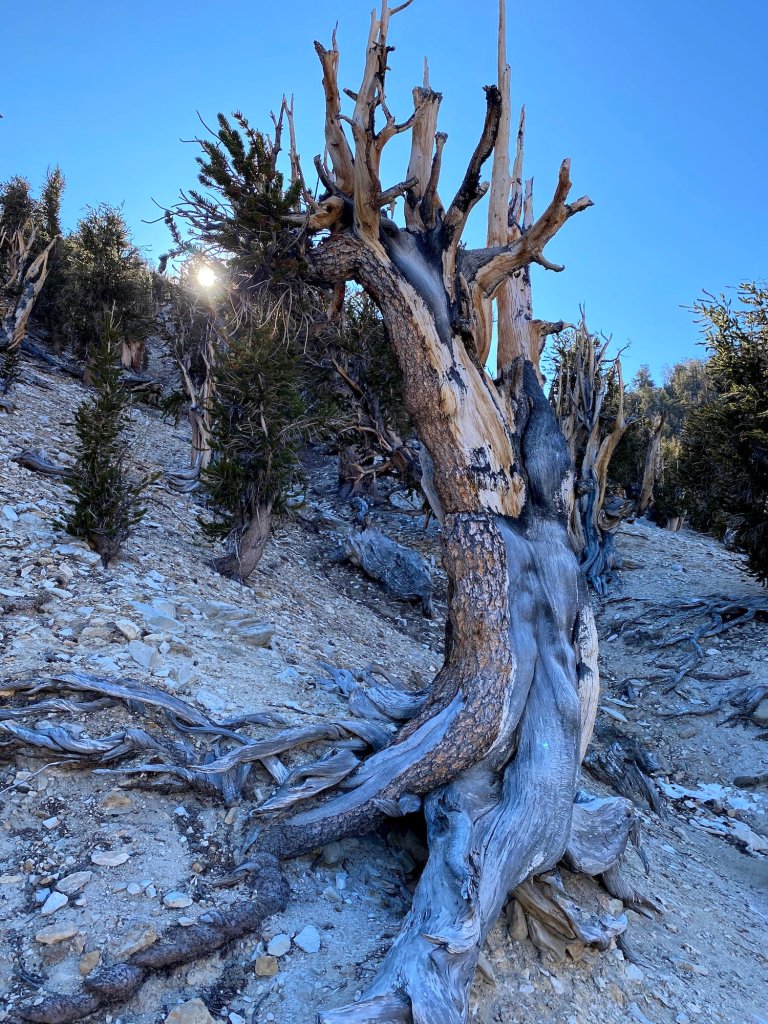
Bristlecone Pines in the White Mountains of California (Erik Olsen)

Amid the barren, high-altitude desert of California’s White Mountains, the Bristlecone Pines stand as enduring sentinels, their gnarled forms chronicling millennia of survival in one of the planet’s most unforgiving landscapes. For thousands of years, these ancient organisms have endured drought, freezing temperatures, and brutal winds. Each twisted trunk and weathered branch tells a story of resilience. Yet in a bitter twist, one of the oldest among them, a tree known as Prometheus that once grew in the nearby Great Basin National Park, met its end not from the slow violence of nature but from a single human decision. And it wasn’t the result of malice or careless destruction, like the foolish vandals who felled the U2 Joshua Tree. It was a mistake, made in the name of science.

The Prometheus stump. All that is left of one of the oldest organisms on Earth.

Prometheus, named after the Titan who defied the gods in Greek mythology, was an extraordinary specimen of the Pinus longaeva species, or the Great Basin Bristlecone Pine. It is believed to have germinated around the time of the Bronze Age, making it likely older than the Great Pyramids of Giza. By the 1960s, when its existence was noted by researchers, it was already around 4900 years old. Unfortunately, that’s when tragedy struck.

In 1964, a young geographer named Donald Rusk Currey was studying climate dynamics of the Little Ice Age. He was especially drawn to Bristlecone pines because their rings hold valuable records of past climate conditions, a core focus of dendrochronology, the study of tree rings, which continues to be an important scientific tool today. Some details of the story vary, but Currey had supposedly been coring several trees in the area to measure their age, but he encountered difficulties with Prometheus. He was unaware that the tree was not only ancient, but likely the oldest non-clonal organism on the planet. The coring tool broke, and unable to get the data he needed, Currey believed that cutting down the tree was the only way to continue his research. The Forest Service, unaware of the tree’s significance, approved the request.

And so he cut it down.

Bristlecone forest in the White Mountains of California (Erik Olsen)

Once Prometheus was cut down, its extraordinary age became clear. By counting its growth rings, Currey estimated that Prometheus was at least 4,844 years old, making it the oldest known tree in the world at the time. A few years later, this age was increased to 4,862 by Donald Graybill of the University of Arizona‘s Laboratory of Tree-Ring Research.

The scientific community and general public were outraged at the unnecessary loss, sparking conversations about the protection of these ancient trees. In the words of one writer-activist, Currey had “casually killed (yes, murdered!)” the world’s oldest tree. As if a curse had been unleashed, a year after Prometheus was cut down, a young Forest Service employee died of a heart attack while trying to remove a slab from the tree. Currey was obviously beside himself. Whoops.

Whether Prometheus should be considered the oldest organism ever known depends on how we define “oldest” and “organism.” Some clonal species may claim even more ancient origins when we consider the entire genetic individual rather than a single stem or trunk. The creosote bush ring known as King Clone, located in the Mojave Desert in California, is estimated to be nearly 12,000 years old. Similarly, the massive aspen colony known as Pando in Utah spans over 100 acres and may be more than 14,000 years old. Unlike Prometheus, which was a single, ancient tree, these clonal colonies persist by continuously regenerating themselves, allowing the larger organism to survive for tens of thousands of years.

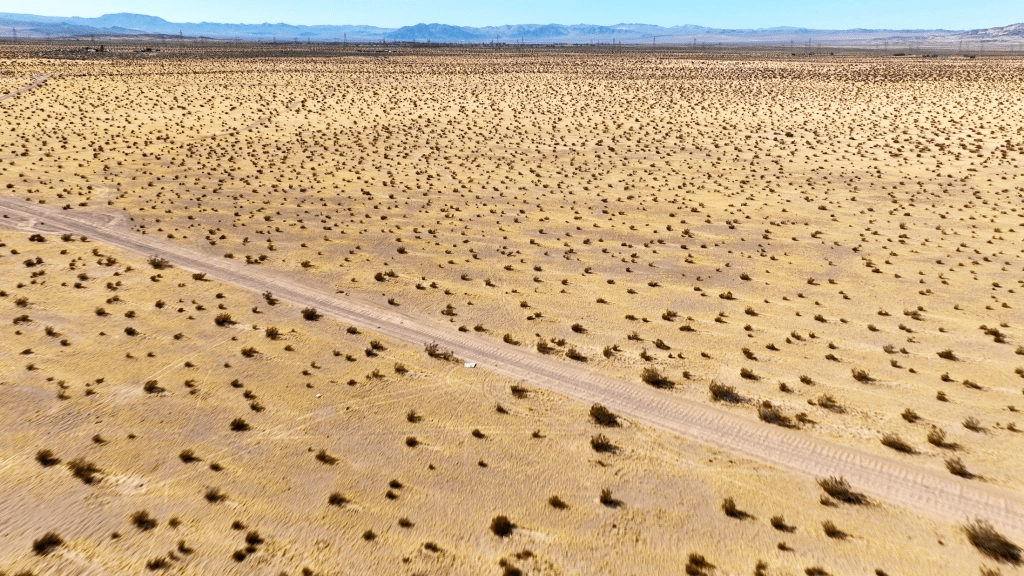
Creosote growing in the Mojave Desert (Photo: Erik Olsen)

Prometheus’s death brought global attention to the incredible age and ecological value of Bristlecone Pines, sparking a deeper appreciation for their role in Earth’s history. In the years since, increased protections have been put in place to preserve these ancient trees. Today, they are part of the Inyo National Forest’s Ancient Bristlecone Pine Forest, a protected area in the White Mountains that draws scientists and visitors from around the world.

California is home to the oldest, tallest, and largest trees on the planet, not just the ancient Bristlecone Pines, but also the sky-scraping coast redwoods and the enormous giant sequoias. It’s also the most biodiverse state in the U.S., making it one of the most ecologically exceptional places on Earth.

CALIFORNIA CURATED ART ON ETSY

Purchase stunning art prints of iconic California scenes.
Check out our Etsy store.

Even as we mourn Prometheus, it’s important to remember that it is not the end of the story for the Bristlecone Pines. There are still many of these ancient trees alive today. One of them, named Methuselah, is known to be 4,851 years old and is often considered the oldest living tree in the world. While it is known to live somewhere in the White Mountains of California, its exact location is kept a secret to protect it. The tree’s name refers to the biblical patriarch Methuselah, who ostensibly lived to 969 years of age.

There’s also the potential for even older specimens. Given the harsh, remote habitats these trees often occupy, it is likely that there are older Bristlecones yet to be discovered.

California’s White Mountains (Photo: Erik Olsen)

The cutting of Prometheus was a mistake, an irreversible loss. But its story became a turning point, highlighting the need to treat ancient and rare life with more care. While Prometheus is gone, many other long-lived and fragile organisms still exist. Its fate is a reminder that our curiosity should always be balanced by a responsibility to protect what can’t be replaced.

Today, a cross-section of Prometheus is on display at the Great Basin National Park visitor center in Nevada, as well as the U.S. Forest Service’s Institute of Forest Genetics in Placerville, California. The tree’s thousands of growth rings are a reminder of its incredible longevity and a sobering memory of the tree that had survived for millennia. The region’s diverse landscapes are home to an incredible abundance of life, from ancient trees to unique coastal ecosystems. Protecting and understanding these natural treasures ensures they remain for future generations to study, appreciate, and enjoy.

The Enduring Legacy of Hydraulic Mining in California

While the gold rush was an incredible boon for California, hydraulic mining’s environmental toll—eroded hillsides and choked rivers—remains a stark reminder of the cost of progress.

“Earth provides enough to satisfy every man’s needs, but not every man’s greed.” — Mahatma Gandhi

“Greed is a bottomless pit which exhausts the person in an endless effort to satisfy the need without ever reaching satisfaction.” — Erich Fromm

It was the tail end of the 19th century, a time of gunslingers and gold-diggers, of pioneers venturing forth into the vast expanse of the American West. The year was 1853, and the place was California. From the bustling seaports of San Francisco to the rugged mining towns dotting the Sierra Nevada foothills, the Golden State was witnessing an unprecedented phenomenon. This was the era of the California Gold Rush, a frenzy of ambition, adventure, and avarice that transformed the state and the nation.

The Gold Rush began in 1848 when gold nuggets were discovered at Sutter’s Mill in Coloma, near Sacramento. Soon after, miners from around the world rushed to California, lured by the promise of riches. But as the easily accessible placer deposits in river beds were quickly exhausted, the miners were forced to develop new, more efficient methods of extraction to mine the deeper and harder-to-reach gold seams. Thus, hydraulic mining – a form of mining that utilized high-pressure water jets to wash away soil and rock, revealing the precious metal underneath – was born.

CALIFORNIA CURATED ART ON ETSY

Purchase stunning art prints of iconic California scenes.
Check out our Etsy store.

Enter: The Innovators

Hydraulic mining in California is inextricably linked with two significant figures: Edward E. Matteson, an entrepreneurial miner, and Anthony Chabot, a young businessman turned water systems innovator. Matteson is credited as the originator of hydraulic mining in 1853, having invented the process out of necessity while trying to extract gold from the gravels of Nevada County, in a site later known as “Blue Tent.”

Matteson’s invention involved directing a powerful stream of water from a makeshift canvas hose onto a hillside, effectively washing away the dirt and gravel to expose the gold underneath. This crude but effective method marked a turning point in gold mining, facilitating the extraction of gold from areas previously deemed unprofitable or inaccessible.

University of California

However, it was Anthony Chabot who took Matteson’s idea and turned it into an industrial-scale operation. Chabot, known as the “Water King,” was a successful entrepreneur who had established multiple water systems in California. Intrigued by Matteson’s invention, he developed the hydraulic nozzle, or “monitor,” in 1855. With this high-pressure water cannon, miners could erode whole mountainsides in their search for gold, making hydraulic mining the most effective and popular method of gold extraction at that time.

The profits from hydraulic mining were enormous. As a result, the state economy boomed and many jobs were created. From 1860 to 1880, California’s mining operations yielded $170 million. San Francisco had more millionaires than New York or Boston. 

The Scourge of the Sierra

From the mid-1850s to the mid-1880s, hydraulic mining reigned supreme in California, especially in the counties of Nevada, Placer, and Yuba, where extensive networks of canals, reservoirs, and sluices were constructed to support the practice. Hydraulic mines became colossal operations, employing hundreds of workers and dislodging millions of tons of earth annually. But this progress came at a tremendous cost to the environment.

California State Library

The enormous water pressure used in hydraulic mining dislodged vast quantities of soil, rock, and debris, collectively referred to as “slickens.” These slickens were often laden with mercury, a neurotoxin used extensively in gold amalgamation processes. Water cannons, such as the one above, were used to wash away earth and mountains to access gold. In the early days of the gold rush, these cannons were small with canvas hoses, but more force was eventually needed. By the 1870s these cannons were anywhere from 13 to 18 feet long and could blast water 500 feet. The rivers of Northern California became choked with these toxic tailings, devastating local ecosystems.

 “I am at a loss to illustrate the tremendous force with which the water is projected from the pipes. The miners assert that they can throw a stream four hundred feet into the air. … Those streams directed upon an ordinary wooden building would speedily unroof and demolish it,” wrote a reporter for the San Francisco Daily Alta.

One notable example is the Yuba River. In its heyday, hydraulic mining along the Yuba generated approximately 685 million cubic yards of debris, enough to bury Manhattan under ten feet of waste. Much of this sediment still remains, hindering river navigation and threatening local wildlife to this day. The Feather and American rivers also bear the scars of this destructive practice.

The Aftermath and Lingering Effects

By the 1870s, the catastrophic consequences of hydraulic mining were impossible to ignore. Downstream communities, most notably Marysville and Sacramento, suffered frequent and devastating floods exacerbated by mining debris. Agricultural lands were rendered useless by layers of sterile slickens, and fish populations in rivers dwindled alarmingly. The long-term health impacts of widespread mercury contamination are still being understood today.

The tension between the mining industry and the downstream farming communities ultimately culminated in the landmark case of Woodruff vs. North Bloomfield Gravel Mining Company in 1884. This case, presided over by Judge Lorenzo Sawyer, resulted in the famous “Sawyer Decision,” which effectively banned hydraulic mining due to its destructive environmental impact.

But while the Sawyer Decision marked the end of large-scale hydraulic mining, the scars left on the landscape of Northern California are far from healed. The evidence of this destruction is still visible in the stark, eroded hillsides and vast debris fields of Malakoff Diggins State Historic Park in Nevada County, once the site of California’s largest hydraulic mine.

Wikipedia

Modern research is shedding new light on the enduring impacts of hydraulic mining. A study published in 2022 by the University of California, Davis, found that the mercury used in 19th-century mining operations has had far-reaching effects on the state’s ecosystems. Scientists discovered elevated levels of the neurotoxin in local wildlife, suggesting that the legacy of the Gold Rush continues to impact California’s environment and its inhabitants.

The Sierra Fund has introduced the Resilient Sierra Initiative to address the long-term impacts of mining in the Sierra Nevada. Their research estimates that around 26 million cubic yards of sediment remain trapped in reservoirs, which could be released as the climate changes, potentially increasing the frequency and severity of downstream flooding.

CALIFORNIA CURATED ART ON ETSY

Purchase stunning art prints of iconic California scenes.
Check out our Etsy store.

The advent of hydraulic mining during the California Gold Rush was undoubtedly a milestone in mining technology. It enabled the extraction of enormous amounts of gold and facilitated the growth and development of California. However, this innovation came with a heavy price. The ecological damage caused by hydraulic mining has left indelible marks on the landscape and continues to influence the state’s environment and communities.

Throughout history, humanity has often pursued wealth at the expense of the natural world. While some impacts are minor and fade over time, far too often, we cross a clear line without pausing to reflect on the damage we’re inflicting. Hydraulic mining in California serves as a powerful reminder: that line exists.

More information: KQED Documentary

The Desert Tortoise: A Resilient Survivor of the Mojave

a close-up of a desert tortoise

The Mojave Desert, a harsh yet strikingly beautiful landscape that extends across four western U.S. states, is home to an equally fascinating and resilient creature: the desert tortoise (Gopherus agassizii). This fascinating reptile has evolved to survive in one of the world’s most inhospitable environments, but today, it faces numerous threats that are jeopardizing its existence.

The desert tortoise is a tortoise species in the family Testudinidae native to the Mojave and Sonoran deserts. They are specially adapted to withstand the extreme conditions of their desert habitat. Desert tortoises can tolerate water, salt, and energy imbalances on a daily basis, which increases their lifespans. On average, adult desert tortoises measure between 10 to 14 inches in shell length and weigh from 8 to 15 pounds. They have a high-domed shell, typically brownish in color, which serves as protection from predators. Their strong, stocky limbs are adapted for digging, an essential behavior for both foraging and creating burrows for shelter.

One of the desert tortoise’s most fascinating adaptations is its ability to store water. They have a large urinary bladder that can store over 40% of the tortoise’s body weight in water, urea, uric acid, and nitrogenous wastes. During the hot, dry summer months, this stored water can be reabsorbed back into the tortoise’s system, effectively allowing them to survive up to a year without access to fresh water.

a close-up of a desert tortoise

Desert tortoises are a testament to survival, with their lineage dating back 15 to 20 million years. They are primarily herbivorous, with a diet consisting of a variety of desert grasses, herbs, and wildflowers, along with the occasional consumption of insects and new growth of cacti.

Tortoises spend much of their lives in burrows, which provide refuge from extreme heat, cold, and predators. They are most active during the cooler hours of the day, and their activity pattern shifts with the changing seasons. Mating typically occurs in the spring and fall, with females laying a clutch of up to 15 eggs, though the survival rate of these hatchlings is low due to predation and harsh environmental conditions.

In 2011, on the basis of DNA, geographic, and behavioral differences between desert tortoises east and west of the Colorado River, it was decided that two species of desert tortoises exist: Agassiz’s desert tortoise (Gopherus agassizii) and Morafka’s desert tortoise (Gopherus morafkai). The new species name is in honor of the late Professor David Joseph Morafka of California State University, Dominguez Hills.

Desert tortoises spend 95% of their lives in their burrow. Seeing them on the landscape is a rare treat.

Estimates suggest that the population of desert tortoises has plummeted by as much as 90% since the mid-20th century. This decline is due to a variety of factors, including habitat loss from urban development and agriculture, road mortality, predation by dogs and other introduced species, and disease. In particular, upper respiratory tract disease (URTD), caused by the bacterium Mycoplasma agassizii, has been responsible for significant mortality.

Recognizing the threats faced by the desert tortoise, the U.S. Fish and Wildlife Service listed the species as threatened under the Endangered Species Act in 1990. This has led to numerous conservation efforts aimed at preserving the desert tortoise and its habitat.

Habitat conservation is a key focus, with several Desert Wildlife Management Areas established to protect crucial tortoise habitats. Efforts are also being made to reduce the impact of roads and highways on tortoise populations, such as the construction of underpasses and fencing along known tortoise crossing areas.

Education and public engagement are also critical components of conservation efforts. Initiatives are underway to educate the public about the desert tortoise and the importance of not removing them from their natural environment, a practice that can lead to population decline and the spread of disease.

Over the past few decades, desert tortoise populations have declined significantly, with estimates suggesting a staggering 90% reduction in some areas of the Mojave Desert. This decline has led to the desert tortoise being listed as “threatened” under the U.S. Endangered Species Act.

Desert tortoise facts
Lifespan: 30-50 years, but some can live to be over 80 years old
Weight: 8-15 pounds (3.5-7 kilograms)
Length: 9-15 inches (23-38 centimeters)
Range: Only found in the Mojave Desert in California, Nevada, Arizona, and Utah
Conservation status: Listed as threatened under the Endangered Species Act

Nature Conservancy

Numerous factors contribute to this decline, including habitat loss due to urbanization, off-road vehicle use, and livestock grazing. Additionally, the introduction of non-native predators, such as the common raven, has led to increased predation on juvenile tortoises.

Conservation organizations, government agencies, and local communities have come together to implement various strategies aimed at protecting and preserving the desert tortoise. These efforts include habitat restoration, fencing off sensitive areas, and developing educational programs to raise awareness about the species.

One such initiative is the “Adopt-a-Tortoise” program, which allows individuals and organizations to symbolically adopt a tortoise, with the proceeds going towards conservation efforts. Another important initiative is the “Head Start” program, which raises hatchlings in captivity until they reach a size less vulnerable to predators before releasing them into the wild.

Hidden in Plain Sight: The Fascinating World of California’s Bush Toyon

Toyon. (Photo: Erik Olsen)

California is a land of endless natural wonder. From towering redwoods to sun-soaked deserts, the state offers an extraordinary tapestry of ecosystems teeming with life. Every day, we coexist with a fascinating array of plants and animals, many of which we might pass by without a second thought. But these creatures and plants play vital roles in the environment and tell remarkable stories of survival, adaptation, and beauty. Let’s pause for a moment to look closer at a few of them, starting with the elusive and captivating bush toyon—a plant that’s as iconic as it is intriguing.

With its vibrant red berries, glossy leaves, and resilience against harsh conditions, the toyon has captured the hearts of many Californians and can be found in yards, hillsides, and along roadsides throughout the state. Toyon (Heteromeles arbutifolia), is a versatile native shrub that has long played a prominent role in California’s natural and cultural history. Derived from the Greek words “heter” and “malus,” meaning “different” and “apple” respectively, the word Heteromeles refers to the resemblance of the toyon fruit to a small apple.

Toyon is a prominent component of the coastal sage scrub plant community and is a part of drought-adapted chaparral and mixed oak woodland habitats. This evergreen, drought-tolerant plant can be found from Baja California to Oregon, flourishing in a variety of habitats, such as coastal scrub, chaparral, and oak woodlands.

Toyon is a member of the rose family (Rosaceae) and can grow up to 8-15 feet tall, depending on its environment. The plant’s leaves are simple, alternate, and evergreen, with serrated margins and a leathery texture. Toyon is well-known for its clusters of bright red berries, which ripen in late fall and persist throughout the winter, providing a valuable food source for various bird species, such as cedar waxwings and robins. The berries also attract other wildlife, like coyotes and bears, and support a diverse ecosystem.

The plant’s cream-colored flowers bloom in early summer, attracting a variety of pollinators, including bees, butterflies, and hummingbirds. Toyon is a versatile plant that can adapt to different environmental conditions, such as sun or shade, dry or moist soils, and varying elevations. These adaptations make it an important component of California’s ecosystems and a valuable resource for both wildlife and humans.

Toyon along the California coast (Erik Olsen)

The indigenous people of California, such as the Chumash, Tongva, and Ohlone tribes, have long recognized the value of the toyon plant. The red berries, also known as “California holly,” are not only attractive to look at but also hold various practical uses.

Along these lines, while the origins of the name “Hollywood” remain uncertain, some suggest it may be tied to the toyon plant due to its bright red berries and festive appearance. Though there is no concrete evidence supporting this link, the plant’s prominence in the area makes the theory an intriguing possibility.

Toyon berries, although bitter and astringent when consumed raw, can be cooked, dried, or mashed to make a variety of foods, such as porridge, cider, and jelly. The berries were traditionally harvested and sun-dried, then ground into a flour-like consistency to make a nutritious, high-energy staple known as “pinole.” Later settlers added sugar to make custard and wine.

Toyon leaves were also of great importance. The Chumash, for example, used the leaves in a steam bath to alleviate rheumatic pain and respiratory issues. The leaves were also used as a poultice for sores, wounds, insect bites, and tea to treat stomach ailments.

The toyon’s hard, dense wood was used to make various tools, such as digging sticks, arrows, and ceremonial wands. The plant was also incorporated into many spiritual and cultural practices. For example, the Cahuilla tribe believed that the toyon was a symbol of rebirth and used its branches during mourning ceremonies.

Toyon in San Gabriel mountains

Toyon is such a common plant in California that its presence on the landscape can sometimes be easily ignored, and yet it is a remarkable plant that has played a significant role in California’s natural and cultural history. With its vibrant red berries, adaptability to various environmental conditions, and extensive traditional uses, it is a plant of remarkable beauty and utility. Today, the plant remains an important resource for wildlife, and its traditional uses continue to be recognized and celebrated by both indigenous people and modern Californians alike.