Berkeley’s Cosmic Breakthrough and the Alvarez Discovery That Rewrote Earth’s History

Artist’s rendering of the colossal Chicxulub meteor hurtling toward Earth, moments before impact on the Yucatán Peninsula, an event that reshaped life on our planet 66 million years ago. (Erik Olsen)

It is no coincidence that “Eureka” is the state motto of California. From its founding, the state has been a hub of groundbreaking discoveries, from the Gold Rush to advancements in space exploration, the rise of Silicon Valley and the development of modern computing, the development of seismic science, and the confirmation of the accelerating expansion of the universe. But one discovery made at the University of California, Berkeley, changed the way we see the world—or at least how it was almost destroyed, along with a huge part of life on the planet.

In 1977, Walter Alvarez arrived at Berkeley with rock samples from a small Italian town called Gubbio, unaware that they would help rewrite the history of life on Earth. He had spent years studying plate tectonics, but his father, Luis Alvarez, a Nobel Prize-winning physicist known for his unorthodox problem-solving at Berkeley, would propel him into a new kind of investigation, one deeply rooted in geology and Earth sciences. Their work led to one of the most significant scientific breakthroughs of the 20th century: the discovery that a massive meteorite impact was responsible for the extinction of the dinosaurs and much of life on Earth.

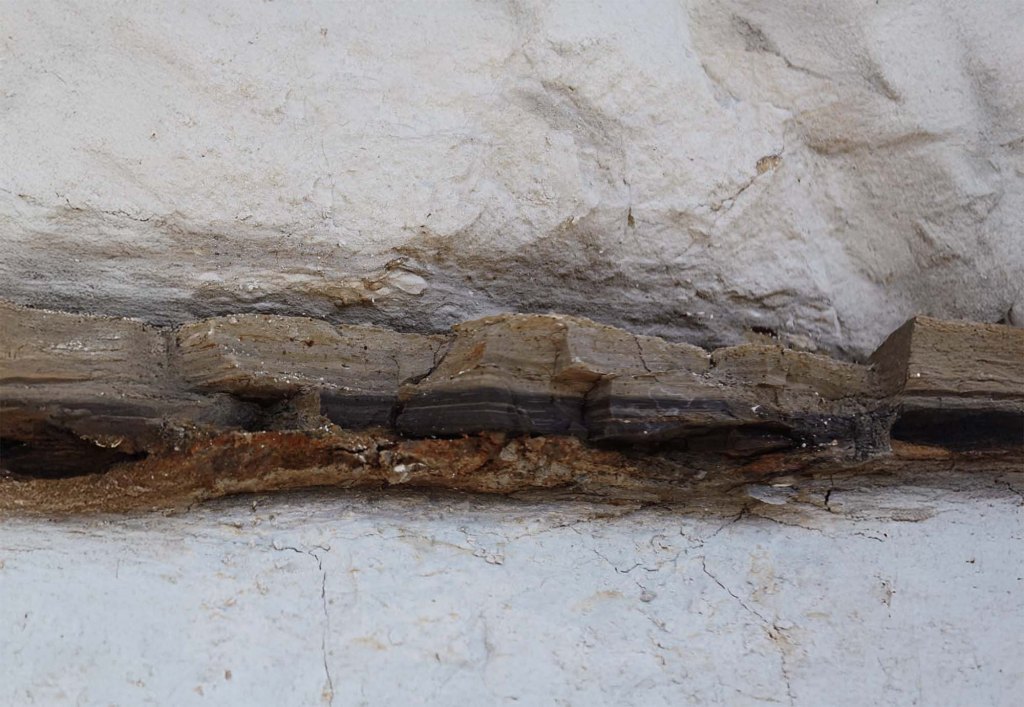
Luis and Walter Alvarez stand at the K–Pg boundary within the rock layers of a limestone outcrop near Gubbio, Italy, in 1981. This geological marker is linked to the asteroid impact that triggered the mass extinction 66 million years ago. (Lawrence Berkeley National Laboratory)

The samples Walter had collected contained a puzzling clay layer sandwiched between older and younger limestone deposits. This clay was rich in iridium—an element rare on Earth’s surface. The discovery of such an unusually high concentration of iridium in a single layer of buried rock was perplexing. Given that iridium is far more common in extraterrestrial bodies than on Earth’s surface, its presence suggested an extraordinary event—one that had no precedent in scientific understanding at the time. The implications were staggering: if this iridium had arrived all at once, it pointed to a cataclysmic event unlike anything previously considered in Earth’s history. Although some scientists had speculated about meteor impacts, solid evidence was scarce.

Alvarez determined that this layer corresponded precisely to the Cretaceous-Paleogene (K-Pg) boundary (formerly called Cretaceous–Tertiary or K–T boundary), the geological marker of the mass extinction that eradicated the non-avian dinosaurs 66 million years ago. Scientists had long debated the cause of this catastrophe, proposing theories ranging from volcanic activity to gradual climate change. But the Alvarez team would introduce a radical new idea—one that required looking beyond Earth.

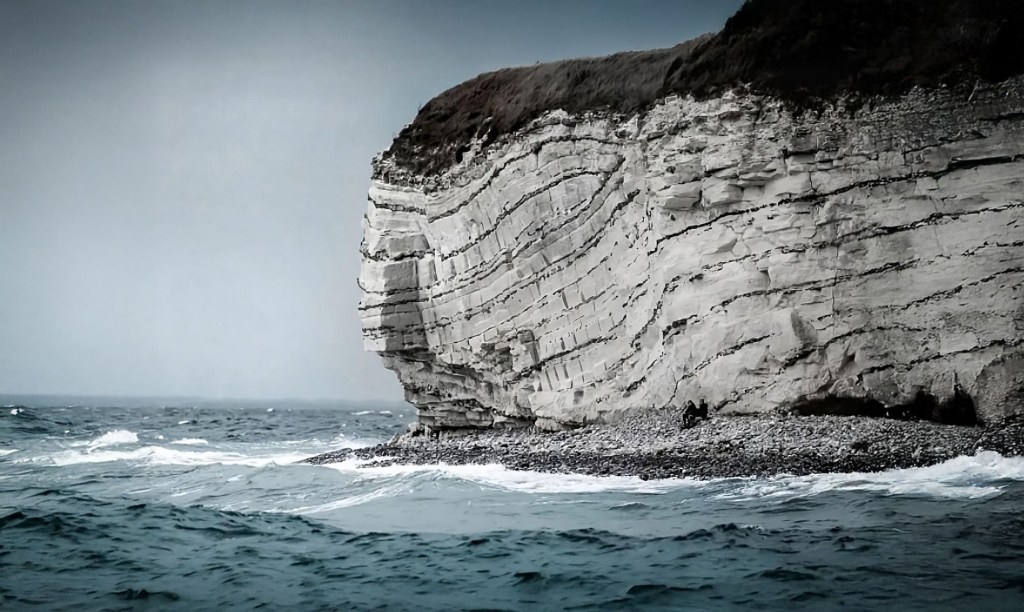
Layers of sediment at Stevns Klint, Denmark, showcasing the distinct K–Pg boundary. The dark clay layer, rich in iridium, marks the asteroid impact that led to the mass extinction of the dinosaurs 66 million years ago. (UNESCO)

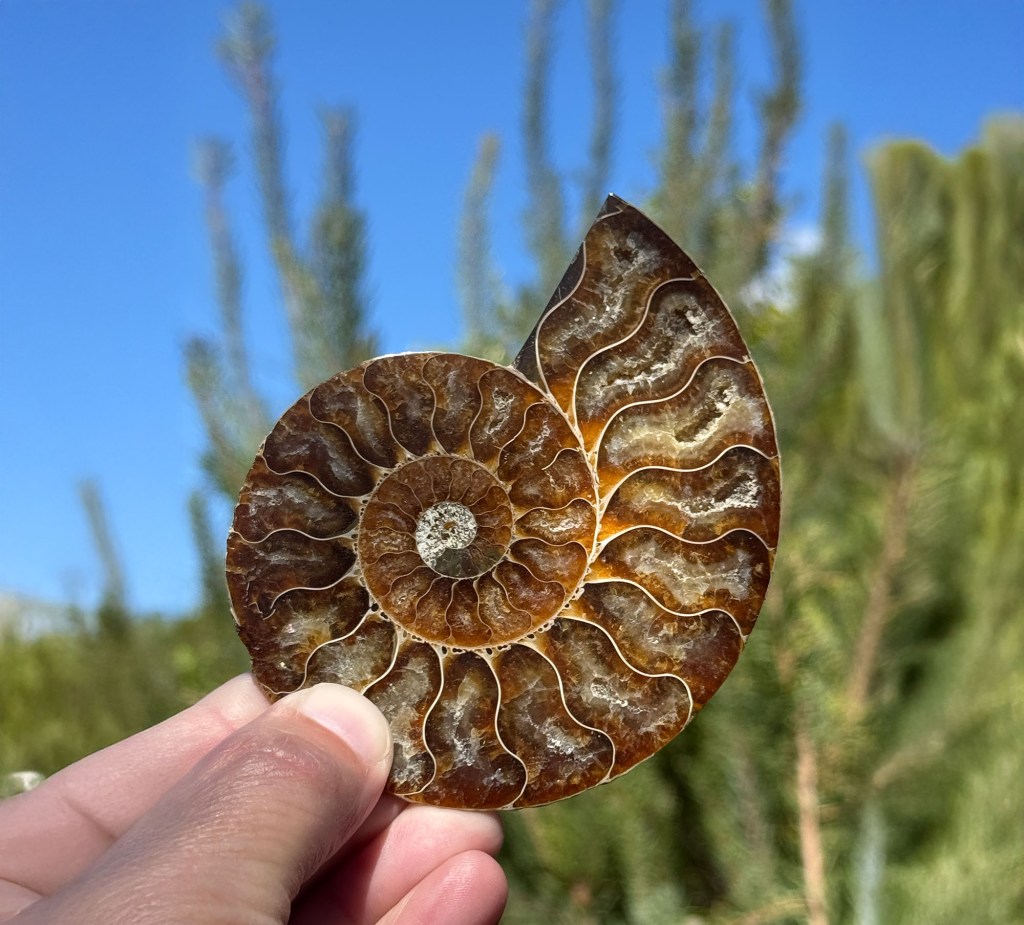
Mass extinctions stand out so distinctly in the fossil record that the very structure of geological time is based on them. In 1841, geologist John Phillips divided life’s history into three chapters: the Paleozoic, or “ancient life”; the Mesozoic, or “middle life”; and the Cenozoic, or “new life.” These divisions were based on abrupt breaks in the fossil record, the most striking of which were the end-Permian extinction and the end-Cretaceous extinction, noted here. The fossils from these three eras were so different that Phillips originally believed they reflected separate acts of creation. Charles Lyell, one of the founders of modern geology, observed a “chasm” in the fossil record at the end of the Cretaceous period, where species such as belemnites, ammonites, and rudist bivalves vanished entirely. However, Lyell and later Charles Darwin dismissed these apparent sudden extinctions as mere gaps in the fossil record, preferring the idea of slow, gradual change (known as gradualism, versus catastrophism). Darwin famously compared the fossil record to a book where only scattered pages and fragments of lines had been preserved, making abrupt transitions appear more dramatic than they were.

Luis Alvarez was a physicist whose career had spanned a remarkable range of disciplines, from particle physics to aviation radar to Cold War forensics. He had a history of bold ideas, from using muon detectors to search for hidden chambers in pyramids to testing ballistic theories in the Kennedy assassination with watermelons. When Walter shared his perplexing stratigraphic findings, Luis proposed a novel method to measure how long the clay layer had taken to form: by analyzing its iridium content.

A fossilized ammonite, one of many marine species that vanished at the K–Pg boundary, marking a sharp “chasm” in the fossil record after the asteroid impact 66 million years ago. (Photo: Erik Olsen)

As discusses, Iridium is a rare element on Earth’s surface but is far more abundant in meteorites. Luis hypothesized that if the clay had accumulated slowly over thousands or millions of years, it would contain only tiny traces of iridium from cosmic dust. But if it had been deposited rapidly—perhaps by a single catastrophic event—it might show an anomalously high concentration of the element. He reached out to a Berkeley colleague, Frank Asaro, whose lab had the sophisticated equipment necessary for this kind of analysis.

Nine months after submitting their samples, Walter received a call. Asaro had found something extraordinary: the iridium levels in the clay layer were off the charts—orders of magnitude higher than expected. No one knew what to make of this. Was it a weird anomaly, or something more significant? Walter flew to Denmark to collect some late-Cretaceous sediments from a set of limestone cliffs known as Stevns Klint. At Stevns Klint, the end of the Cretaceous period shows up as a layer of clay that’s jet black and contains high amounts of organic material, including remnants of ancient marine life. When the stinky Danish samples were analyzed, they, too, revealed astronomical levels of iridium. A third set of samples, from the South Island of New Zealand, also showed an iridium “spike” right at the end of the Cretaceous. Luis, according to a colleague, reacted to the news “like a shark smelling blood”; he sensed the opportunity for a great discovery.

Stevns Klint’s towering white chalk cliffs stand as a dramatic testament to Earth’s history, preserving the thin, dark Fish Clay layer that marks the cataclysmic asteroid impact that ended the age of dinosaurs 66 million years ago. (UNESCO)

The Alvarezes batted around theories. But all the ones they could think of either didn’t fit the available data or were ruled out by further tests. Then, finally, after almost a year’s worth of dead ends, they arrived at the impact hypothesis. On an otherwise ordinary day sixty-six million years ago, an asteroid six miles wide collided with the Earth. Exploding on contact, it released energy on the order of a hundred million megatons of TNT, or more than a million of the most powerful H-bombs ever tested. Debris, including iridium from the pulverized asteroid, spread around the globe. Day turned to night, and temperatures plunged. A mass extinction ensued. Even groups that survived, like mammals and lizards, suffered dramatic die-offs in the aftermath. Who perished, and who survived, set the stage for the next 66 million years—including our own origin 300,000 years ago.

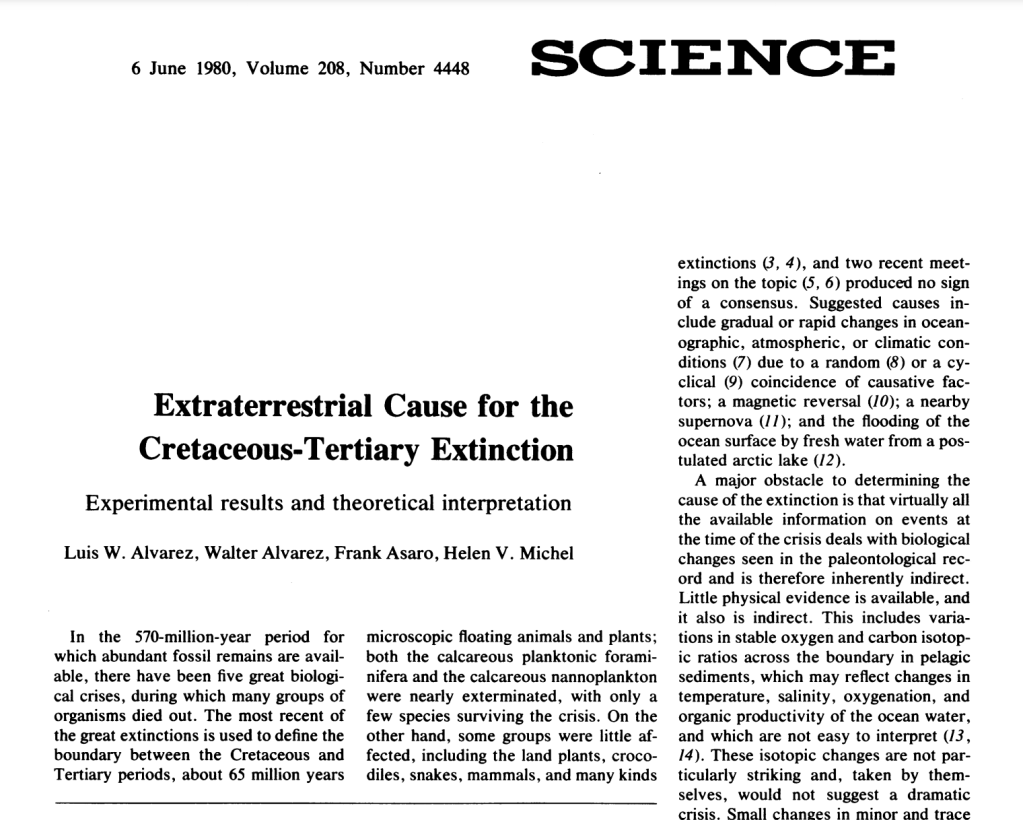
The Alvarezes wrote up the results from Gubbio and Stevns Klint and sent them, along with their proposed explanation, to Science. “I can remember working very hard to make that paper just as solid as it could possibly be,” Walter later recalled. Their paper, Extraterrestrial Cause for the Cretaceous-Tertiary Extinction, was published in June 1980. It generated enormous excitement, much of it beyond the bounds of paleontology, but it was also ridiculed by some who considered the idea far-fetched, if not ridiculous. Journals in disciplines ranging from clinical psychology to herpetology reported on the Alvarezes’ findings, and soon the idea of an end-Cretaceous asteroid was picked up by magazines like Time and Newsweek. In an essay in The New York Review of Books, the late American paleontologist Stephen Jay Gould quipped that linking dinosaurs—long an object of fascination—to a major cosmic event was “like a scheme a clever publisher might devise to ensure high readership.”

Inspired by the impact hypothesis, a group of astrophysicists led by Carl Sagan decided to try to model the effects of an all-out war and came up with the concept of “nuclear winter,” which, in turn, generated its own wave of media coverage. But as the discovery sank in among many professional paleontologists, the Alvarezes’ idea—and in many cases, the Alvarezes themselves—were met with hostility. “The apparent mass extinction is an artifact of statistics and poor understanding of the taxonomy,” one paleontologist told The New York Times. “The arrogance.”

Skepticism was immediate and intense. Paleontologists, geologists, and physicists debated the implications of the iridium anomaly. But as the search for supporting evidence intensified, the pieces of the puzzle began to fall into place. Shocked quartz, a telltale sign of high-energy impacts, was found at sites around the world. Soot deposits suggested massive wildfires had raged in the aftermath.

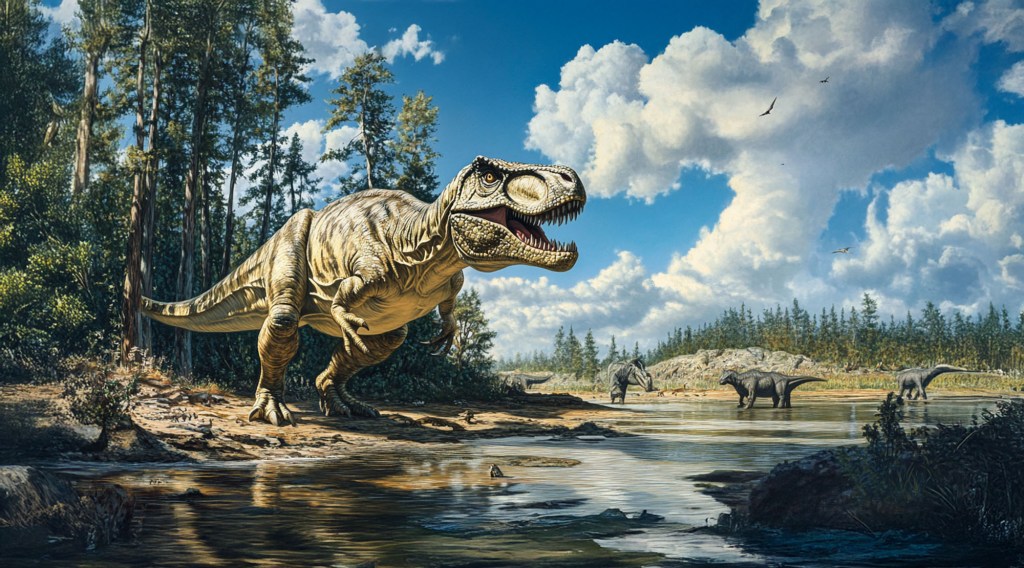
Artists rendering of T-rex and other dinosaurs prior to the impact of the asteroid (Erik Olsen)

In the early 1990s, conclusive evidence finally emerged. The Chicxulub crater, measuring roughly 180 kilometers across and buried under about half a mile of sediment in Mexico’s Yucatán Peninsula, was identified as the likely impact site. Although it was first detected by Mexico’s state-run oil company (PEMEX) in the 1950s during geophysical surveys, core samples taken decades later clinched the identification of Chicxulub as the long-sought impact site linked to the mass extinction that ended the Cretaceous era.

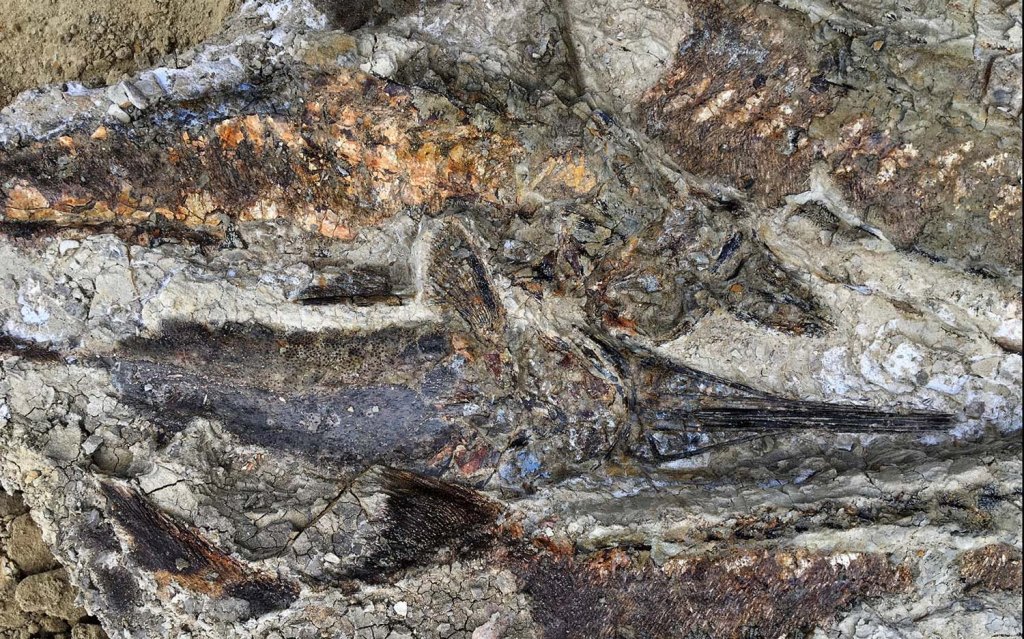
One of the more intriguing (if not astounding) recent discoveries tied to the end-Cretaceous impact is a site called Tanis, located in North Dakota’s Hell Creek Formation. Discovered in 2019 by a team led by Robert DePalma and spotlighted in a New Yorker article, Tanis preserves a remarkable snapshot of what appears to be the immediate aftermath of the asteroid strike.

Tanis fossils (Image credit: Courtesy of Robert DePalma)

The sedimentary layers at Tanis indicate large waves—often called “seiche waves”—that may have surged inland in the immediate aftermath of the impact. They also contain countless tiny glass spherules that rained down after the explosion. Known as microtektites, these blobs form when molten rock is hurled into the atmosphere by an asteroid collision and solidifies as it falls back to Earth. The site appears to hold them by the millions. In some cases, fish fossils have been found with these glass droplets lodged in their gills—a striking testament to how suddenly life was disrupted.

Although still under investigation, Tanis has drawn attention for its exceptional level of detail, potentially capturing events that took place within mere hours of the impact. The precise interpretation of this site continues to spark controversy among researchers. There is also controversy about the broader cause of the mass extinction itself: the main competing hypothesis is that the colossal “Deccan” volcanic eruptions, in what would become India, spewed enough sulfur and carbon dioxide into the atmosphere to cause a dramatic climatic shift. However, the wave-like deposits, along with the abundant glass spherules, suggest a rapid and violent disturbance consistent with a massive asteroid strike. Researchers hope to learn more about the precise sequence of disasters that followed—tidal waves, intense firestorms, and global darkness—further fleshing out the story of how the world changed so drastically, so quickly.

Glass spherules from cosmic impacts—microtektites from Tanis, tiny relics of Earth’s violent encounters with space. (Image credit: Courtesy of Robert DePalma)

All said, today the Alvarez hypothesis is widely accepted as the leading explanation for the K-Pg mass extinction. Their contributions at UC Berkeley—widely recognized as one of the world’s preeminent public institutions—not only reshaped our understanding of Earth’s history but also changed how we perceive planetary hazards. The realization that cosmic collisions have shaped life’s trajectory has led to renewed interest in asteroid detection and planetary defense.

Walter and Luis Alvarez’s discovery was a testament to the power of interdisciplinary science and the willingness to follow unconventional ideas. Their pursuit of an extraterrestrial explanation for a terrestrial mystery reshaped paleontology, geology, and astrophysics. What began with a father and son pondering an ancient Italian rock layer ended in a revelation that forever changed how we understand the history of life—and its vulnerability to forces from beyond our world.

Camp Pendleton’s Wild Landscape as a Natural Refuge

The Unlikely Intersection of Military Training and Coastal Preservation

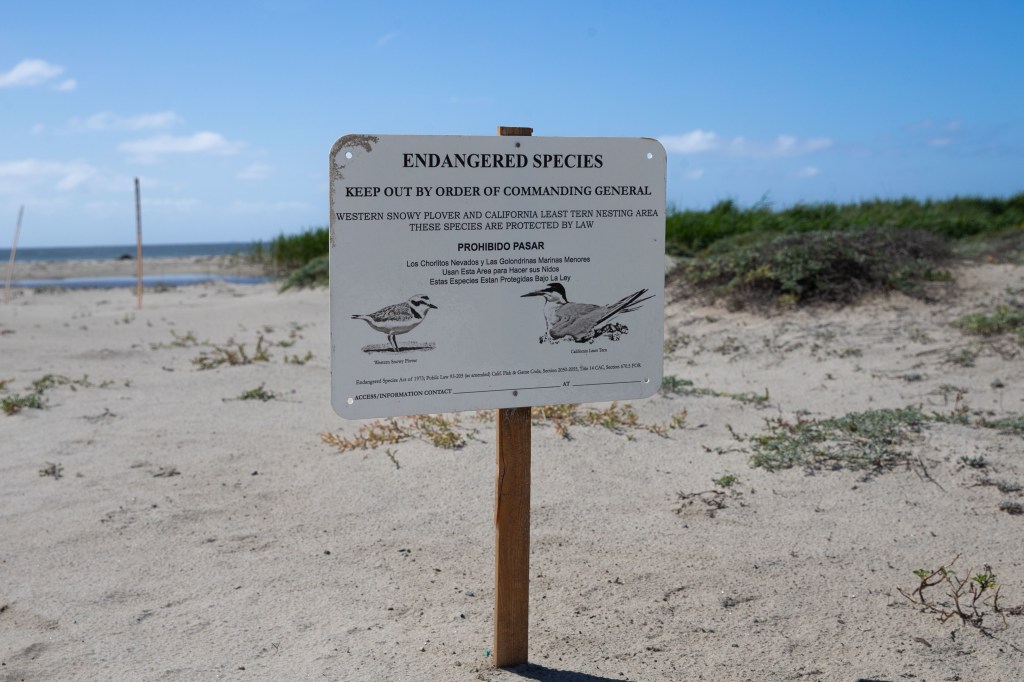
An endangered species sign is posted along the coastline on Marine Corps Base Camp Pendleton, California,
March 29, 2022. (U.S. Marine Corps photo by Lance Cpl. Nataly Espitia)

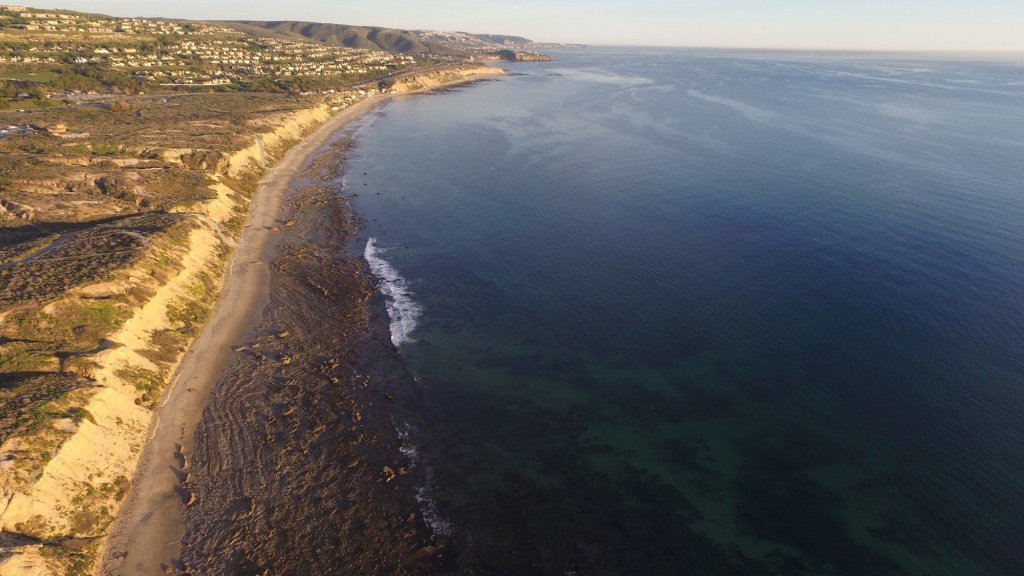
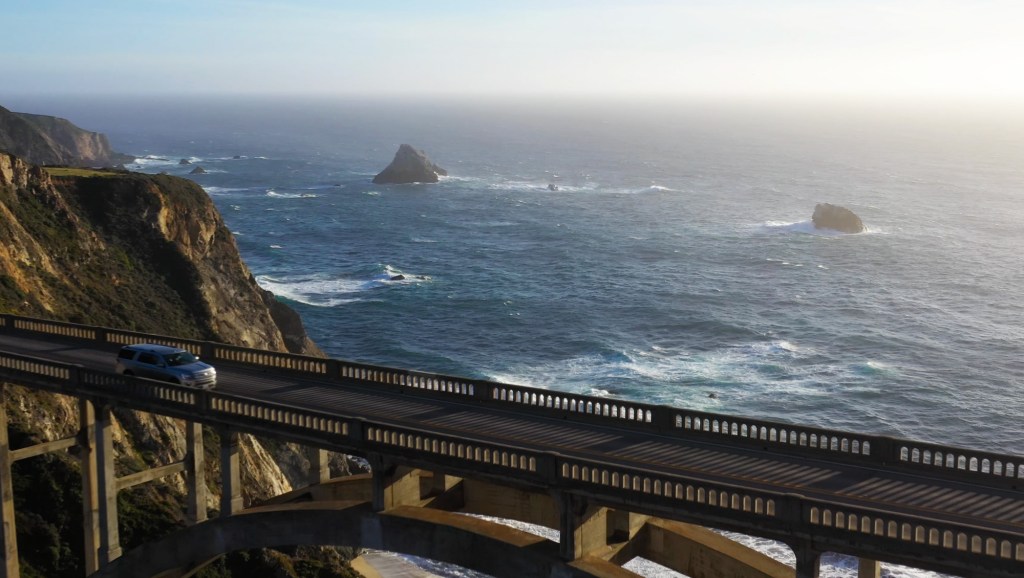
Driving along the Pacific Coast Highway, much of the Southern California coastline is a continuous stretch of development—expensive homes, commercial malls, and highways and railways built right up against the ocean. Then, unexpectedly, you reach Marine Corps Base Camp Pendleton, a vast, largely undeveloped expanse that starkly contrasts with the urban sprawl. This uninterrupted stretch of coastline offers a rare glimpse into what the region once looked like, a reminder of California’s natural beauty before widespread development.

We’re not suggesting that coastal development is inherently bad, but having stretches of coastline that preserve the coast’s natural state offers a valuable reminder of what it once looked like. One drawback of the base is that, as an active military installation, public access is highly restricted. However, this limited access has helped preserve the coastline in ways that might not have been possible otherwise. (Another well-known and much more accessible area with restricted development lies just to the north at Crystal Cove State Park in Orange County, a protected stretch of land established in 1979 that remains open to the public. It features some of the finest beaches in Southern California – IMHO.)

California least terns (Ernesto Gomez, Public Domain)

Marine Corps Base Camp Pendleton spans approximately 125,000 acres, including more than 17 miles of coastline in northwestern San Diego County. With less than 20% of the land developed, the base serves as a critical ecological buffer between the densely urbanized regions to its north and south. The base has served as a critical training ground for the U.S. Marine Corps since 1942. However, its restricted access and limited development have inadvertently preserved some of Southern California’s last remaining wild coastal terrain. As a result, the base has become an unlikely sanctuary for a rich array of plant and animal species, many of which are endangered or rare.

The base’s diverse ecosystems offer a window into California’s historical and biological landscapes prior to extensive development. Camp Pendleton’s coastal dunes, estuaries, chaparral, riparian woodlands, and sage scrub provide a range of habitats that are now scarce elsewhere. The base is home to 19 federally listed species, including the California least tern, a seabird that relies on the base’s protected beaches for nesting. The Santa Margarita River, one of the last free-flowing rivers in Southern California, cuts through the base, providing essential water resources for both wildlife and plant communities.

“Camp Pendleton is a biodiversity hotspot,” Melissa Vogt, a conservation law enforcement officer with Environmental Security said in a statement. “If it weren’t for Camp Pendleton existing, all this coastline would be condos and hotels.”

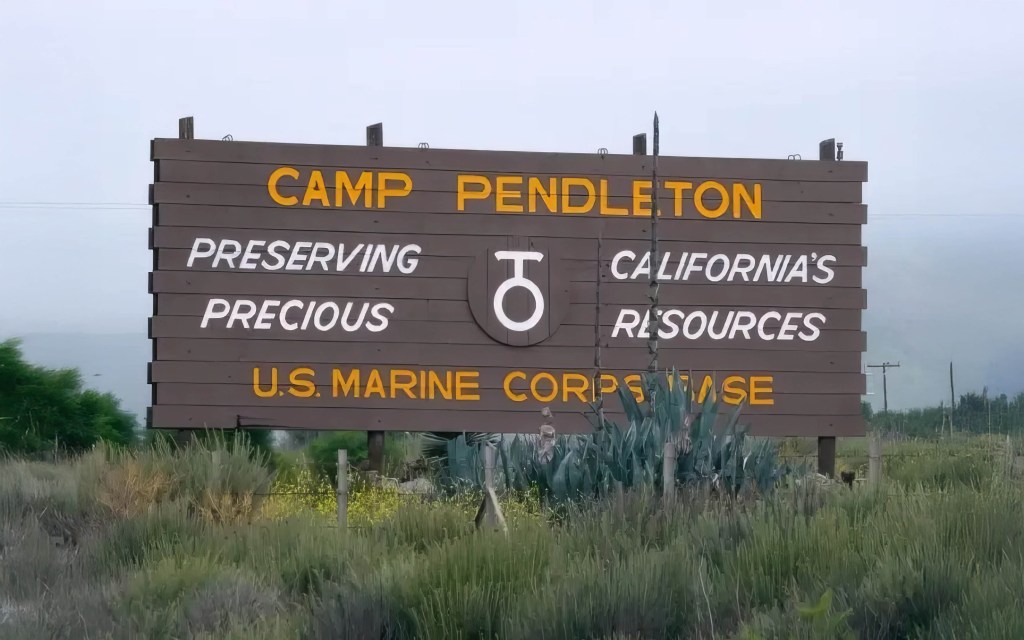
Camp Pendleton

Because of its ecological significance, Camp Pendleton has become a prime location for scientific study. Botanists have discovered species like the Pendleton button-celery (Eryngium pendletonense), a plant found only within the base. The relatively undisturbed nature of the land allows researchers to examine Southern California’s native ecosystems as they once were, offering insights into habitat conservation and restoration efforts beyond the base’s borders. There are few places left like it along the Southern California coast. Among other species benefiting from these efforts is the coast horned lizard (Phrynosoma blainvillii), a reptile that relies on sandy soils and native chaparral for shelter and food. The base’s protected status has helped sustain this lizard’s population, which has declined in many other parts of its range due to habitat loss.

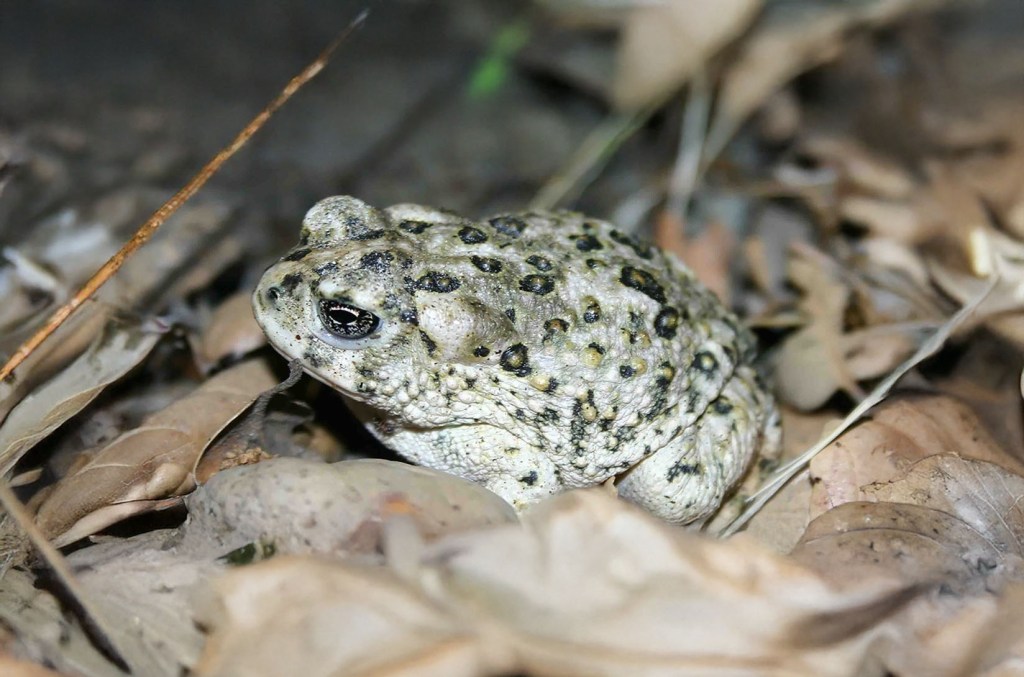
Arroyo toad – Anaxyrus californicus (US Fish and Wildlife Service)

The base’s management practices have contributed to the survival of species once thought to be on the brink of extinction. One of the most notable examples is the Pacific pocket mouse, a tiny rodent that was believed extinct until a population was rediscovered within Camp Pendleton in the 1990s. Conservationists, including the San Diego Zoo Wildlife Alliance, have since reintroduced captive-bred individuals to increase their numbers in protected areas on the base.

Similarly, the base’s wetlands and riparian zones serve as critical habitat for the southwestern willow flycatcher, an endangered songbird, as well as the arroyo toad, which depends on unspoiled riverbanks for breeding. Without the base’s restrictions on urban development, many of these species might have disappeared entirely from Southern California.

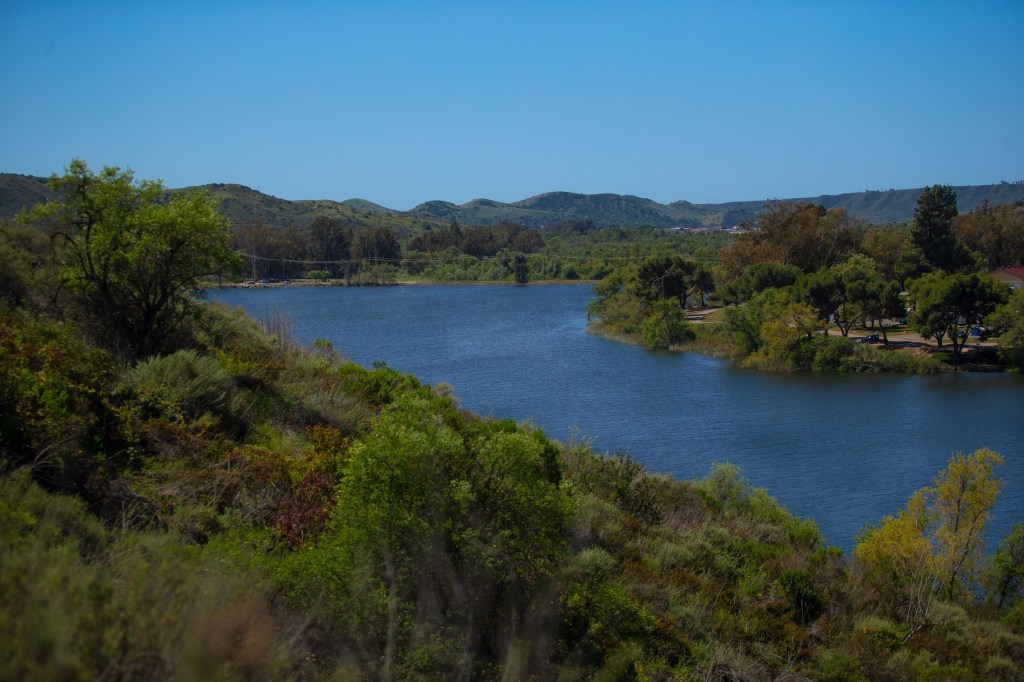
Lake O’Neill, located on Marine Corps Base Camp Pendleton, California, is a popular destination for fishing and camping and is a home to a wide variety of wildlife. (U.S. Marine Corps photo by Lance Cpl. Nataly Espitia)

Recognizing the base’s ecological value, Camp Pendleton has taken significant steps toward wildlife preservation through proactive environmental management. The Environmental Security Department has worked closely with researchers to document biodiversity, implement habitat restoration efforts, and ensure compliance with the Endangered Species Act. A key part of these efforts includes protecting breeding grounds and restoring sensitive habitats, such as the coastal dune systems that support the California least tern and the western snowy plover. Entomologists from the San Diego Natural History Museum have conducted extensive surveys on the base, cataloging insect and spider species across six distinct vegetation zones. These studies not only provide valuable data on the health of Southern California’s ecosystems but also help track how climate change is affecting biodiversity in the region.

CALIFORNIA CURATED ART ON ETSY

Purchase stunning mugs and art prints of iconic California scenes.
Check out our Etsy store.

“For any wildlife biologist that’s working with a threatened or endangered species, the ultimate goal is getting the animal off the list and making sure the species is doing well,” Nate Redetzke, Environmental Security wildlife biologist, said on the official US Marines Website.

The base has also implemented a long-term natural resource management plan that balances military training with conservation efforts. It may seem unlikely for troop transport vehicles to operate alongside protected coastal wilderness, but the balance between military use and conservation has largely been seen as a success.

Western snowy plover (Wikipedia)

The efforts include extensive land management practices such as erosion control, invasive species removal, and water quality monitoring to sustain Camp Pendleton’s ecosystems. In recent years, conservation teams have also focused on restoring the estuary habitats along the Santa Margarita River to enhance biodiversity and ensure the resilience of species that depend on these wetlands. This includes seasonal restrictions in certain areas to protect breeding wildlife, habitat restoration projects, and collaborations with state and federal agencies to support species recovery programs. Again, it’s complicated, but it seems to be working. These efforts were recognized when the U.S. Fish and Wildlife Service awarded Camp Pendleton the Military Conservation Partner Award in 2022 for its leadership in environmental stewardship.

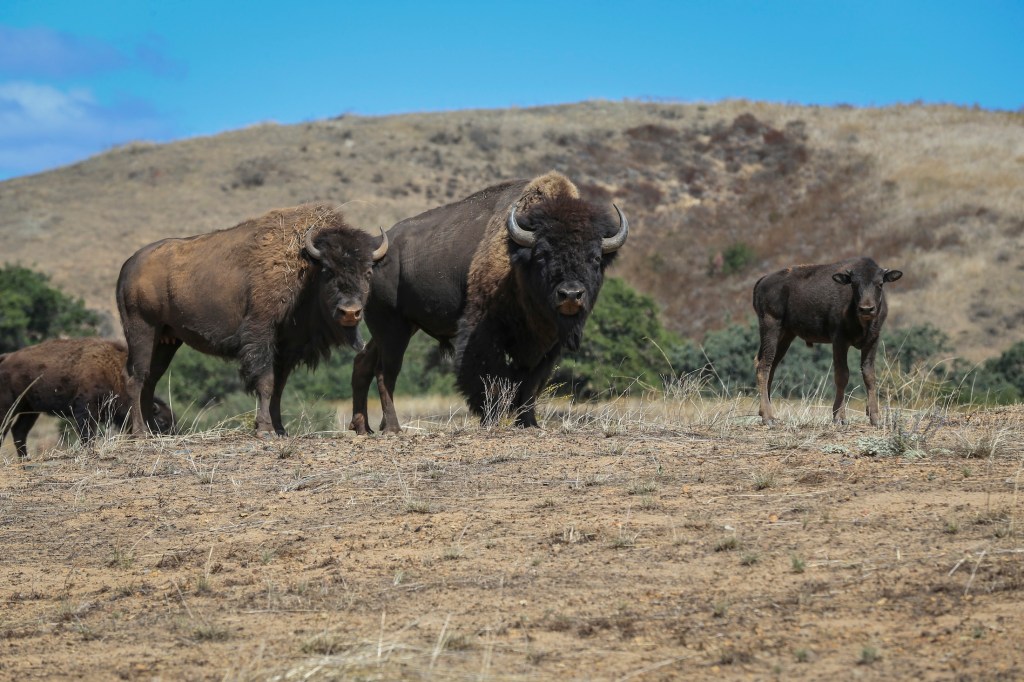
Remarkably, the base is also home to a small herd of American bison, which have roamed Camp Pendleton for decades. Originally introduced in the 1970s as part of a now-defunct recreational program, these bison have since adapted to the landscape, living largely undisturbed within the base’s remote areas. While not native to the region, their presence adds another layer of ecological interest to this protected land, demonstrating how species can persist in unexpected places.

An American bison herd roams the hills on Marine Corps Base Camp Pendleton, California.
(Marine Corps Photo by Lance Cpl. Andrew Cortez)

Camp Pendleton’s example demonstrates that large-scale conservation can happen in unexpected places. While military training remains its primary function, the base has unintentionally preserved one of the last remaining stretches of undeveloped Southern California coastline. In doing so, it has provided scientists with a unique opportunity to study and protect a wide range of species that might have otherwise been lost.

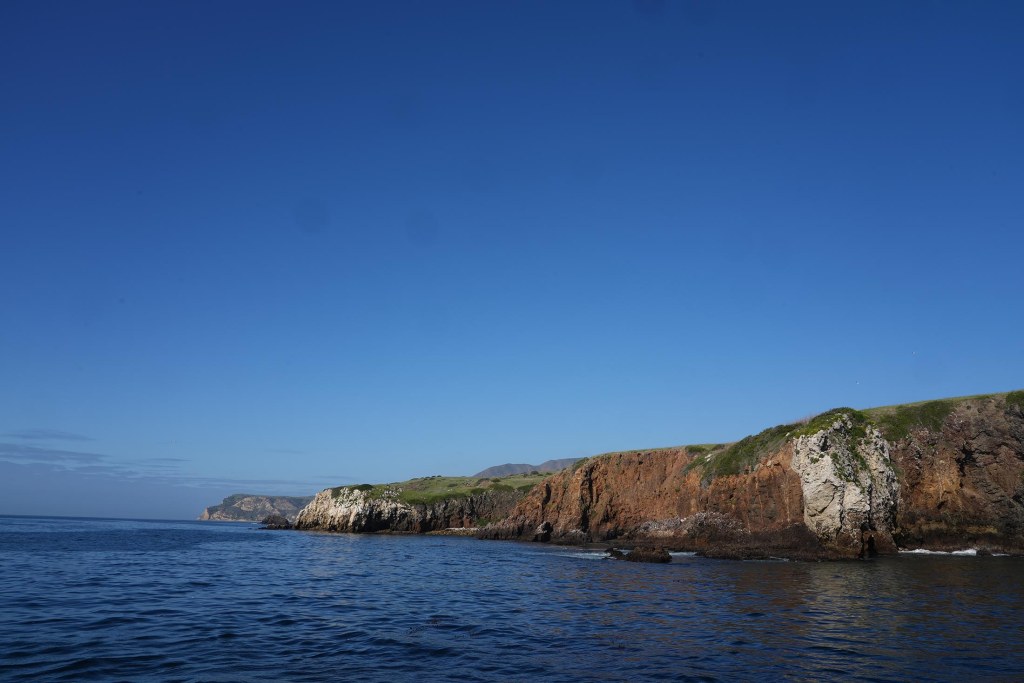
Of course, Camp Pendleton isn’t the only place where government protection for reasons other than conservation has preserved a remarkably untouched stretch of California’s coastline. Vandenberg Space Force Base, further north, restricts public access due to its role in military space launches, but in doing so, it has safeguarded miles of rugged shoreline and sensitive habitats. Similarly, Point Reyes National Seashore, though managed primarily for recreation and historical preservation, remains a rare example of undeveloped coastal wilderness in the Bay Area. Off the coast, some of the Channel Islands, particularly those further out but within Channel Islands National Park, have remained largely untouched due to federal protection, while others have suffered from past military activity and invasive species. Like Camp Pendleton, these areas demonstrate how federal oversight, whether for military, scientific, or historical purposes, has unintentionally maintained some of California’s last truly wild coastal spaces.

A Deep Dive into Monterey Canyon, California’s Great Abyss


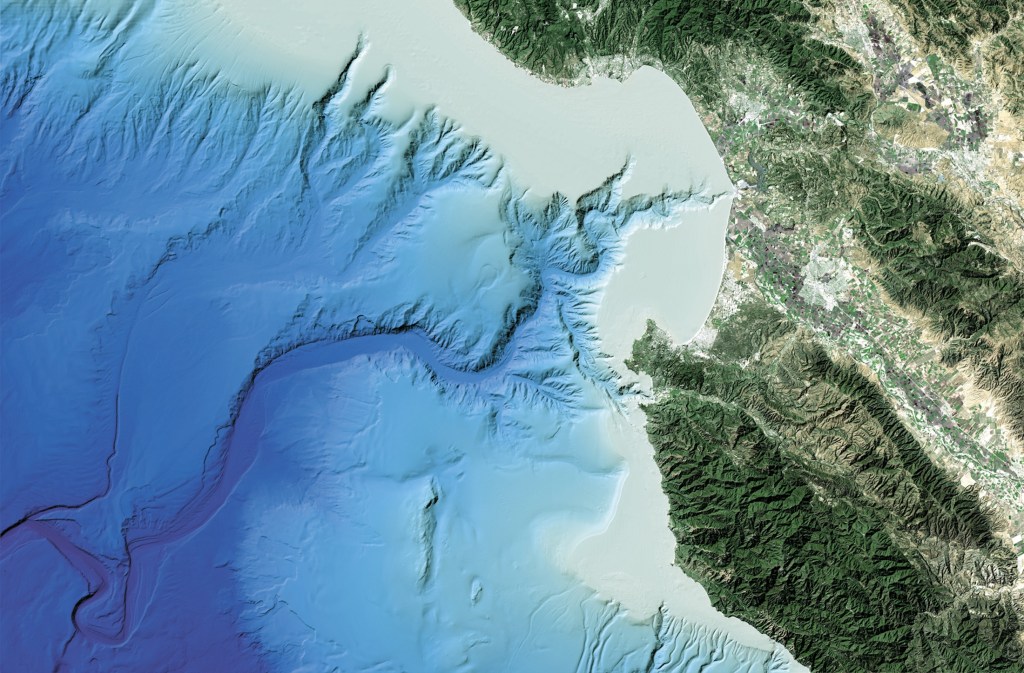
Monterey Canyon stretches nearly 95 miles out to sea, plunging over 11,800 feet into the depths—one of the largest submarine canyons on the Pacific Coast, hidden beneath the waves. (Courtesy: Monterey Bay Aquarium Research Institute MBARI)

Standing at Moss Landing, a quaint coastal town known for its fishing heritage, bustling harbor, and the iconic twin smokestacks of its power plant, you might never guess that a massive geological feature lies hidden beneath the waves. From this unassuming spot on the California coast, Monterey Canyon stretches into the depths, a colossal submarine landscape that rivals the grandeur of the Grand Canyon itself.

Monterey Canyon, often called the Grand Canyon of the Pacific, is one of the largest and most fascinating submarine canyons in the world. Stretching over 95 miles from the coast of Monterey, California, and plunging to depths exceeding 3,600 meters (11,800 feet), this underwater marvel rivals its terrestrial counterpart in size and grandeur. Beneath the surface of Monterey Bay, the canyon is a hotspot of geological, biological, and scientific exploration, offering a window into Earth’s dynamic processes and the mysterious ecosystems of the deep sea.

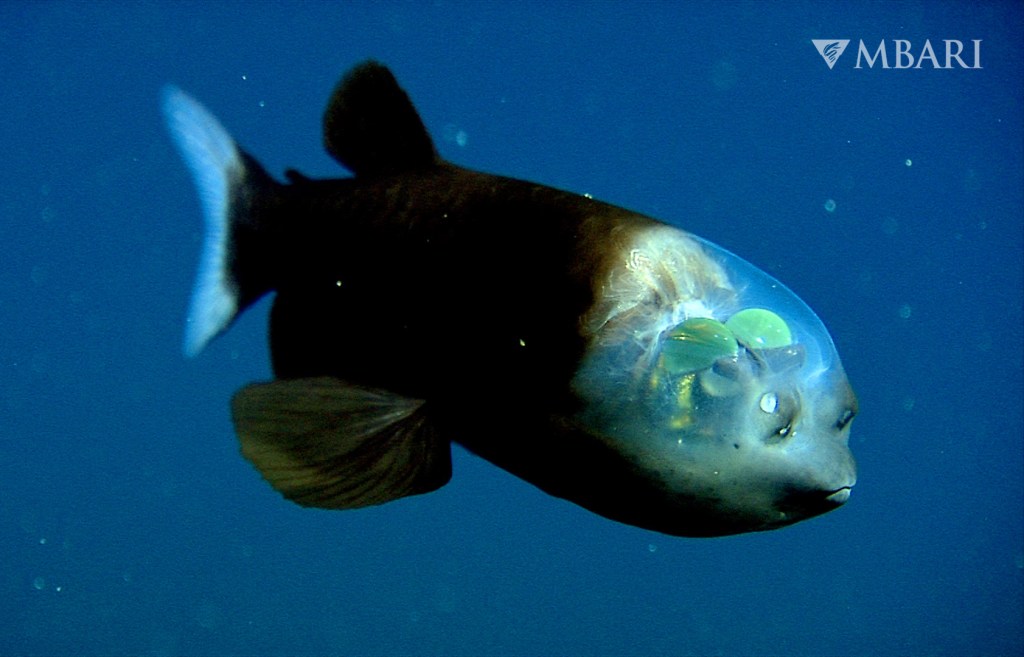
Drifting through the depths of Monterey Canyon, the elusive barreleye fish reveals its transparent head and tubular eyes—an evolutionary marvel perfectly adapted to the dark, mysterious waters off Monterey Bay.
(Courtesy: Monterey Bay Aquarium Research Institute MBARI)

Monterey Canyon owes its impressive scale and structure to the patient yet powerful forces of geological time. Formed over millions of years, Monterey Canyon has been shaped by a range of geological processes. One prevailing theory is that the canyon began as a river channel carved by the ancestral Salinas River, which carried sediments from the ancient Sierra Nevada to the ocean. As sea levels fluctuated during ice ages, the river extended further offshore, deepening the canyon through erosion. Another hypothesis points to tectonic activity along the Pacific Plate as a significant factor, creating fault lines and uplifting areas around the canyon while subsidence allowed sediment to accumulate and flow into the deep. These forces, combined with powerful turbidity currents—underwater landslides of sediment-laden water—worked in tandem to sculpt the dramatic contours we see today. Together, one or several of these processes forged one of Earth’s most dramatic underwater landscapes.

While the geology is awe-inspiring, the biology of Monterey Canyon makes it a living laboratory for scientists. The canyon is teeming with life, from surface waters to its darkest depths. Near the top, kelp forests and sandy seafloors support a wide variety of fish, crabs, and sea otters, while the midwater region, known as the “twilight zone,” is home to bioluminescent organisms like lanternfish and vampire squid that generate light for survival. Lanternfish, for example, employ bioluminescence to attract prey and confuse predators, while vampire squid use light-producing organs to startle threats or escape unnoticed into the depths. In the canyon’s deepest reaches, strange and hardy creatures thrive in extreme conditions, including the ghostly-looking Pacific hagfish, the bizarre gulper eel, and communities of tube worms sustained by chemical energy from cold seeps.

A vampire squid (Vampyroteuthis infernalis) observed by MBARI’s remotely
operated vehicle (ROV) Tiburon in the outer Monterey Canyon at a depth of approximately
770 meters. (Courtesy: Monterey Bay Aquarium Research Institute MBARI)
The barreleye fish, captured in stunning video footage by MBARI, is one of the canyon’s most fascinating inhabitants. This deep-sea fish is known for its’ domed transparent head, which allows it to rotate its upward-facing eyes to track prey and avoid predators in the dimly lit depths. Its unique adaptations highlight the remarkable ingenuity of life in the deep ocean. Countless deep-sea creatures possess astonishing adaptations and behaviors that continue to amaze scientists and inspire awe. Only in recent decades have we gained the technology to explore the depths and begin to uncover their mysteries.

The canyon’s rich biodiversity thrives on upwelling currents that draw cold, nutrient-rich water to the surface, triggering plankton blooms that sustain a complex food web. This process is vital in California waters, where it supports an astonishing array of marine life, from deep-sea creatures to surface dwellers like humpback whales, sea lions, and albatrosses. As a result, Monterey Bay remains a crucial habitat teeming with life at all levels of the ocean.

A woolly siphonophore (Apolemia lanosa) observed by MBARI’s remotely
operated vehicle (ROV) Tiburon in the outer Monterey Canyon at a depth of 1,200 meters.
(Courtesy: Monterey Bay Aquarium Research Institute MBARI)

What sets Monterey Canyon apart is the sheer accessibility of this underwater frontier for scientific exploration. The canyon’s proximity to the shore makes it a prime research site for organizations like the Monterey Bay Aquarium Research Institute (MBARI). Using remotely operated vehicles (ROVs) and advanced oceanographic tools, MBARI scientists have conducted groundbreaking studies on the canyon’s geology, hydrology, and biology. Their research has shed light on phenomena like deep-sea carbon cycling, the behavior of deepwater species, and the ecological impacts of climate change.

This animation, the most detailed ever created of Monterey Canyon, combines ship-based multibeam data at a resolution of 25 meters (82 feet) with high-precision autonomous underwater vehicle (AUV) mapping data at just one meter (three feet), revealing the canyon’s intricate underwater topography like never before.

MBARI’s founder, the late David Packard, envisioned the institute as a hub for pushing the boundaries of marine science and engineering, and it has lived up to this mission. Researchers like Bruce Robison have pioneered the use of ROVs to study elusive deep-sea animals, capturing stunning footage of creatures like the vampire squid and the elusive giant siphonophore, a colonial organism that can stretch over 100 feet, making it one of the longest animals on Earth.

Bruce Robison, deep-sea explorer and senior scientist at MBARI, has spent decades uncovering the mysteries of the ocean’s twilight zone, revealing the hidden lives of deep-sea creatures in Monterey Canyon. (Photo: Erik Olsen)

Among the younger generations of pioneering researchers at MBARI, Kakani Katija stands out for her groundbreaking contributions to marine science. Katija has spearheaded the development of FathomNet, an open-source image database that leverages artificial intelligence to identify and count marine animals in deep-sea video footage, revolutionizing how researchers analyze vast datasets. Her work has also explored the role of marine organism movements in ocean mixing, revealing their importance for nutrient distribution and global ocean circulation. These advancements not only deepen our understanding of the deep sea but also showcase how cutting-edge technology can transform our approach to studying life in the deep ocean.

Two leading scientists at MBARI, Steve Haddock and Kyra Schlining, have made groundbreaking discoveries in Monterey Canyon, expanding our understanding of deep-sea ecosystems. Haddock, a marine biologist specializing in bioluminescence, has revealed how deep-sea organisms like jellyfish and siphonophores use light for communication, camouflage, and predation. His research has uncovered new species and illuminated the role of bioluminescence in the deep ocean. Schlining, an expert in deep-sea video analysis, has played a key role in identifying and cataloging previously unknown marine life captured by MBARI’s remotely operated vehicles (ROVs). Her work has helped map the canyon’s biodiversity and track environmental changes over time, shedding light on the delicate balance of life in this hidden world.

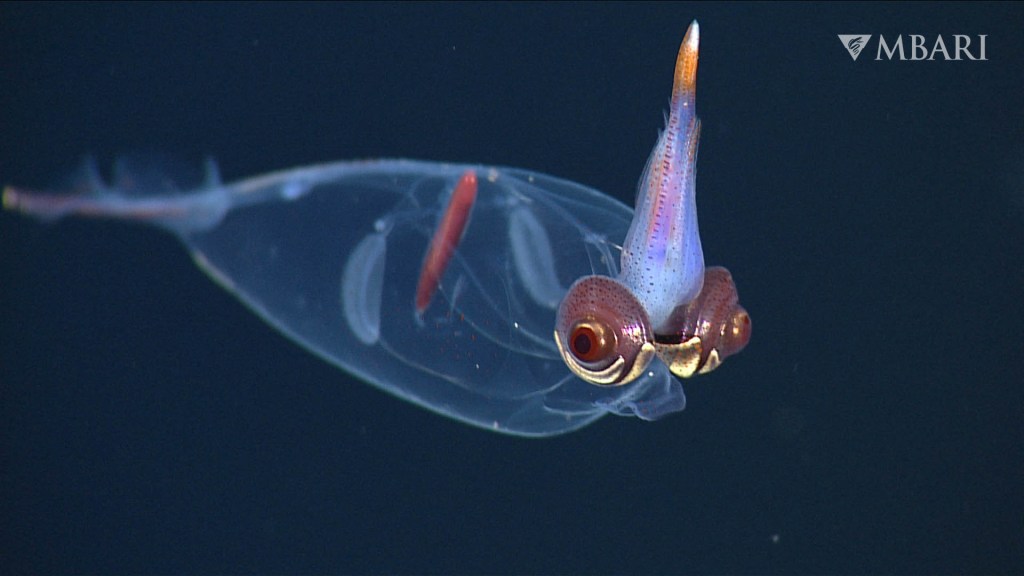
A peacock squid (Taonius sp.) observed by one of MBARI’s remotely operated
vehicles. (Courtesy: Monterey Bay Aquarium Research Institute MBARI)

Monterey Canyon continues to inspire curiosity and collaboration. Its unique conditions make it a natural laboratory for testing cutting-edge technologies, from autonomous underwater vehicles to sensors for tracking ocean chemistry. The canyon also plays a vital role in education and conservation efforts, with institutions like the Monterey Bay Aquarium engaging visitors and raising awareness about the importance of protecting our oceans.

As we venture deeper into Monterey Canyon—an astonishing world hidden just off our coast—we find ourselves with more questions than answers. How far can life push its limits? How do geology and biology shape each other in the depths? And how are human activities altering this fragile underwater landscape? Yet with every dive and every discovery, we get a little closer to unraveling the mysteries of one of Earth’s last great frontiers: the ocean.

California’s Two-Spot Octopus Combines Extraordinary Intelligence with Masterful Camouflage

A Model Organism Advancing Research in Genomics and Behavioral Science

California Two Spot Octopus (Photo: Erik Olsen)

(This post has been updated with new research on octopus neurology.)

While diving along the California coastline, spotting a California two-spot octopus is a rare and memorable experience. Nestled in rocky crevices or hidden among kelp, these octopuses are easily identified by their distinctive blue “eye-spots,” which are not actual eyes but mimicry patterns used to confuse predators. Such encounters provide a fascinating glimpse into the behavior of this remarkable marine species.
The California two-spot octopus (Octopus bimaculoides), found from Central California to Baja, is a master of adaptation. Its chromatophores—specialized skin cells—allow it to change color and pattern with precision, enabling camouflage, communication, and courtship displays. This ability, paired with its intelligence and problem-solving skills, highlights the octopus’s unique place in the marine ecosystem and makes it a subject of keen scientific interest.

The California two-spot octopus, Octopus bimaculoides, is a marine creature that not only captivates with its intelligence but also serves as a window into the complex tapestry of cephalopod behavior and genomics.

Their behavior is an orchestra of complexity; they are solitary creatures, favoring a reclusive life, with the exception of mating. Research has shown that they have a keen ability to learn and navigate mazes, unscrew jars, and engage in play, indicating a level of intelligence that is quite remarkable for an invertebrate. 

Santa Barbara Museum of Natural History Sea Center

The study of octopus intelligence, characterized by their remarkable problem-solving abilities and behavioral sophistication, has profound implications for our understanding of intelligence as a biological phenomenon. Octopuses, having diverged from the lineage that would lead to humans around 600 million years ago, share a common ancestor with us that was likely a simple, multicellular organism, a primitive flatworm. This vast evolutionary gulf highlights the fact that octopus intelligence developed along a trajectory entirely distinct from our own. Their decentralized nervous systems, capable of independently operating limbs and complex reflex actions, challenge the mammalian-centric view of brain-body coordination and cognitive processing, suggesting that intelligent behavior can arise from a variety of neural architectures.

Unlike humans and other vertebrates, where neural control is centralized in the brain, over two-thirds of this octopus’s neurons are located in its arms. This decentralized system allows each arm to function with remarkable independence, capable of exploring, tasting, and manipulating its environment without direct input from the brain. Recent studies reveal that octopus arm neurons are arranged in segmented clusters, enabling precise control of movement and the coordination of its powerful suckers. This unique adaptation not only enhances their hunting efficiency but also underscores the intricate evolutionary design of these intelligent marine creatures.

CALIFORNIA CURATED ON ETSY

Purchase stunning art prints of iconic California scenes.
Check out our Etsy store.

If you haven’t seen it yet, I highly recommend YouTuber Mark Rober’s recent video on octopus intelligence. His pet octopus Sashimi is a California Two Spot Octopus.

The ability of octopuses to adapt their skin color and texture in real-time, for purposes ranging from camouflage to communication, is a further testament to their cognitive prowess. This capability is controlled not just by their brains, but by the network of nerve cells spread across their body discussed above, showcasing a form of distributed intelligence. It indicates that cognition can be more holistic than previously thought, involving complex interactions between an organism’s nervous system and its environment. These findings prompt a reevaluation of intelligence, proposing that it is not a single trait but rather a spectrum of abilities that can manifest in diverse forms across different species.

Recent discoveries have shown the animal’s remarkable ability to actually see with its skin. A University of California at Santa Barbara study found that the skin of the California two-spot octopus can sense light even without input from the central nervous system. The animal does so by using the same family of light-sensitive proteins called opsins found in its eyes (and ours) — a process not previously described for cephalopods. The researchers’ findings appeared in the Journal of Experimental Biology.

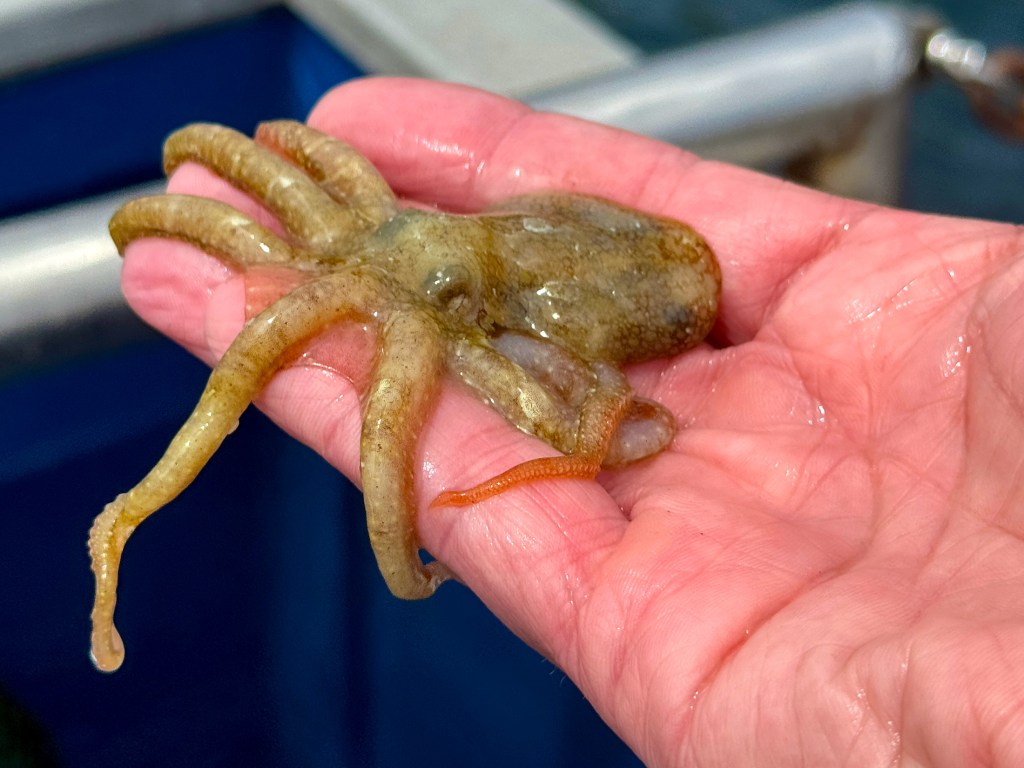
California two-spot octopus hatchling (UCSB)

The independent evolutionary path of octopus intelligence highlights the remarkable plasticity and adaptability of cognitive systems. It implies that intelligence can evolve under a variety of ecological pressures and life histories. In the case of the octopus, their short lifespans and lack of social structures, which are generally seen as drivers of intelligence in vertebrates, have not prevented them from developing complex behaviors and learning capacities. This independence suggests that intelligence is not a linear or singular progression but a trait that can emerge in multiple forms across the tree of life, shaped by the specific challenges and opportunities an organism faces in its niche.

Octopus chromatophores

The California Two-Spot Octopus is increasingly recognized as a valuable model organism for scientific research due to its unique biology and evolutionary position. New studies, particularly in the field of genomics using the genome of the California Two Spot octopus, have unveiled the vastness of the octopus’s genetic blueprint. Its sequenced genome provides an unparalleled resource for studying cephalopod-specific innovations, including their advanced nervous systems, remarkable cognitive abilities, and capacity for complex behaviors such as camouflage and problem-solving. As a model organism, the two-spot octopus enables researchers to explore fundamental questions about neural development, learning, and adaptation in animals, offering insights that extend to broader biological and evolutionary contexts. The genome’s wealth of information, including expanded gene families linked to neural function and adaptive traits, makes this octopus an ideal subject for addressing critical questions in genomics, neurobiology, and evolutionary biology.

CALIFORNIA CURATED ON ETSY

Purchase stunning art prints of iconic California scenes.
Check out our Etsy store.

Their genome is large and contains a greater number of genes than that of a human, with a massive proliferation of gene families associated with neural development hinting at the biological underpinnings of their brainpower and behavior. These genetic insights could explain not only their sophisticated nervous systems but also their adaptability and the evolution of their unique traits.

For the California science enthusiast, the two-spot octopus represents not just a local marine inhabitant but also a subject of profound scientific intrigue. The more we delve into their world, the more we uncover about the possibilities of life’s evolutionary paths. Their genomic complexity challenges our understanding of intelligence and consciousness, making them not just a marvel of the deep but a mirror reflecting the enigma of life itself.

The Remarkable Revival of the Giant Sea Bass in California: Catalina Island’s Growing Giants

National Park Service

If you’ve ever dived off Casino Point in Catalina, it’s possible you have encountered one of the most magnificent fish ever to ply the cold waters of California. The Giant Sea Bass, also known as Stereolepis gigas, has long been a majestic part of California’s coastal ecosystems. This behemoth of a fish can grow up to nearly 7 and a half feet long, weighing a whopping 560 pounds, and can live to the age of 75. These gigantic, slow-moving sea creatures were once a common sight in the coastal waters of Southern California, particularly around Catalina Island. However, overfishing in the 20th century dramatically reduced their populations to critically low levels. Now, thanks to conservation efforts, these gentle giants are making a triumphant, albeit precarious, return. This is their story of recovery and resilience.

Giant Sea Bass weighing over 400 pounds caught at Catalina in 1906

The plight of the Giant Sea Bass is a familiar story in the annals of marine conservation. Abundant in the early 1900s, they were targeted by both commercial and recreational fishers. Their large size and slow-moving nature made them an easy and attractive target. Overfishing led to a sharp decline in their numbers. By the 1970s, sightings had become rare, sparking concerns about the species’ survival.

However, the Giant Sea Bass was not ready to fade away into history. The California Department of Fish and Wildlife stepped in during the 1980s, implementing measures to protect the species. A ban was placed on commercial and recreational fishing, and a concerted effort was made to restore their habitat around the Southern California coast, especially around Catalina Island.

If you are a diver, Catalina Island is a hotspot to see Giant Sea Bass. (Erik Olsen)

The breeding population of giant sea bass — which is listed as critically endangered by the International Union for Conservation of Nature — is believed to be only about 500 individuals. But since the ban on fishing and the launch of habitat restoration projects, the Giant Sea Bass has been on a steady journey towards recovery. Research groups and marine scientists have been monitoring their numbers around Catalina Island, a critical habitat for the species. Much of the work has been done at the Wrigley Marine Science Center (WMSC), the USC Wrigley Institute for Environmental Studies’ satellite campus on Santa Catalina Island. They’ve been using a variety of methods, including underwater surveys and remotely operated vehicles (ROVs), to track the population.

Their work has yielded promising results. The number of Giant Sea Bass sightings has been steadily increasing over the years. Juvenile Giant Sea Bass have also been spotted, a positive sign that the species is breeding successfully. These observations suggest that their populations are recovering, albeit slowly.

In 2019 California State University, Northridge (CSUN), the Aquarium of the Pacific, and Cabrillo Marine Aquarium announced a successful joint effort involving raising and releasing juvenile giant sea bass into the ocean. For this project, CSUN shared giant sea bass eggs in an attempt to produce offspring. Three juveniles were raised at the Aquarium of the Pacific, and the Cabrillo Marine Aquarium successfully reared hundreds of baby giant sea bass babies from these eggs. In March 2020, 200 baby giant sea bass were released into the murky waters of Santa Monica Bay.

University of California Santa Barbara

Catalina Island, a jewel in Southern California’s marine landscape, is another big part of this conservation success. The island’s surrounding waters offer the perfect habitat for the Giant Sea Bass, with its ample kelp forests and rocky reefs, not to mention the ocean tends to be much cleaner around Catalina than along the mainland coast. The island’s commitment to marine conservation, exemplified by the Catalina Island Conservancy and its partners, has provided the ideal conditions for the species to rebound.

In addition to the protective regulations, the Island’s community has embraced their role as stewards of their marine environment. Local scuba divers often act as citizen scientists, providing valuable data through sightings and photographs of the Giant Sea Bass. We at California Curated have seen several of them while diving, gaping in awe as they hover like zeppelins in the kelp beds of Casino Point.

CALIFORNIA CURATED ART ON ETSY

Purchase stunning art prints of iconic California scenes.
Check out our Etsy store.

Researchers who have been studying large fish in Southern California for decades say persistence is key to successful conservation efforts for giant sea bass. Although their numbers have increased, they are only about 20% of what’s needed for long-term survival. Researchers understands fishers’ frustrations but believe the fishing ban must remain for 20-30 more years to prevent repeating past overfishing. Since giant sea bass take 11-13 years to reach maturity, their recovery is slow, and even a few boats could severely impact the current population.

The return of the Giant Sea Bass is a beacon of hope, reminding us of the resilience of nature when given a chance to recover. But the journey is far from over. While their numbers are increasing, the Giant Sea Bass still faces threats, including pollution, habitat degradation, and the looming challenges of climate change.

The Giant Sea Bass at the California Academy of Sciences.

Conservationists argue that the Giant Sea Bass’s recovery illustrates the importance of a multi-faceted approach to marine conservation. Protective legislation, habitat restoration, scientific research, and community engagement all played critical roles in this success story.

Although the story is far from over and recovery is incomplete, the story of the Giant Sea Bass stands as a testament to the impact of conservation, of thinking hard and acting on the protection of species and fragile environments. Continued research, monitoring, and community engagement will be essential to ensure the long-term survival of the giant sea bass. Their resurgence offers a valuable opportunity to learn from our past mistakes and work together to ensure a brighter future for these gentle giants and the marine ecosystems they call home.

California’s Dark-Eyed Juncos Are Quietly Evolving in Plain Sight

Dark-eyed junco in Southern California (Photo: Alex Fu)

When we step outside and see wildlife, we often think of it as unchanging. A bird on a branch, a crab in a tide pool, a lizard skittering across a sidewalk. It feels timeless. But in truth, these animals are evolving, slowly and steadily, right in front of us. As climates become more unpredictable, habitats shift, food sources change, and nature adapts. This is especially true in our cities. Built over just the past few centuries, these sprawling human environments are reshaping the natural world and pushing wildlife to adjust in new and often surprising ways.

As California’s cities have expanded and encroached upon natural landscapes, it turns out the state’s wildlife is adapting in fascinating ways. Studying these changes is central to urban evolution, or how species adapt over time, both genetically and behaviorally, to the unique pressures of city life. From coyotes navigating traffic to birds adjusting their songs to be heard over city noise, urban evolution reveals how nature is not just surviving in cities, but evolving with them. Darwin believed natural selection was too slow to observe in real time, but today we know evolution can happen rapidly, sometimes within just a few generations.

Thanks for reading California Curated Newsletter! Subscribe for free to receive new posts and support my work.

Dark-eyed junco in Southern California (Photo: Alex Fu)

One cool example of urban evolution in California is the story of the dark-eyed junco (Junco hyemalis), a small songbird traditionally found in mountainous forests that is now thriving in urban environments like San Diego and Los Angeles. If you’re a birder or simply someone who enjoys watching the wildlife in your backyard, you’ve almost certainly seen them. Dark-eyed juncos are small songbirds with distinctive dark heads, often spotted hopping around on the ground rather than perching at feeders. I see them all the time, pecking at the spilled seeds beneath my feeder (or, I should say feeders, as I have several…nerd alert!). It turns out they’re classic ground foragers, evolved to search for food by scratching through leaf litter or snow, uncovering seeds, insects, and other hidden bits.

Recent research has revealed that dark-eyed juncos are evolving in direct response to urban life. Traditionally migratory, these birds once spent summers breeding in cool mountain forests and winters at lower elevations. But in the early 1980s, a group of juncos broke from that pattern and settled year-round on the campus of UC San Diego. There, researchers began documenting striking behavioral shifts. The urban juncos were bolder, less fearful of humans, and had even altered their mating and nesting habits. These changes, observed over just a few decades, offer a vivid example of how quickly species can adapt to city environments, a real-time case study in urban evolution unfolding in human-shaped habitats.

University of California San Diego (Photo: Erik Olsen)

Similarly, at the University of California, Los Angeles (UCLA), a junco population has been thriving for decades, with numbers reaching approximately 300. This long-term success has provided the Yeh Lab at UCLA with a unique opportunity to study how urban environments influence the evolution and behavior of these adaptable songbirds. Their research sheds light on how juncos have adjusted to city life, offering broader insights into wildlife resilience in human-altered habitats.

“It’s impressive how rapidly these vertebrate species can evolve. In a matter of a handful of years, we can find some pretty significant changes,” Pamela Yeh, an associate professor in ecology and evolutionary biology at UCLA, told California Curated. Yeh studied the junco population at UC San Diego when she was an undergraduate student there and wanted to expand the research to the population at UCLA. Studying the two different populations may offer insights into how species evolve in urban environments.

“We want to know, does a city make you evolve?” asks Yeh. “Do the different cities make you evolve similarly? Do the birds all become smaller? Do they all become bigger? Do they all have different-sized beaks? Or is each city unique?”

Dark-eyed junco at UCLA (Photo: Sierra Glassman)

With decades of data, the work echoes the groundbreaking research of Princeton scientists Peter and Rosemary Grant, whose studies of Galápagos finches transformed our understanding of how swiftly natural selection can operate. Now, the junco studies are taking that idea further, showing evolution unfolding not on remote islands, but in the heart of our cities.

“I think it’s now really considered a model vertebrate system for urban evolution,” says Yeh.

In their natural forest environments, juncos breed in response to the changing seasons, triggered by increasing daylight hours and rising temperatures. But in urban areas like those around UCSD and UCLA, where food is plentiful year-round, juncos have begun breeding earlier than normal and throughout the year. They build nests higher off the ground, often on artificial structures, and have increased the number of clutches per breeding season. The availability of artificial light, abundant food from human sources, and fewer natural predators in the city all play roles in these behavioral shifts.

Yeh believes it’s no accident that junco populations have surged on college campuses in recent decades. In fact, she sees it as a direct response to the unique conditions these urban environments provide.

“We think it is is partially that [urban university environments] mimic the natural environment, which is a mix of meadows and tall trees. But the other thing that we think could be important is the irrigation in grassy areas that allow the juncos, even when it’s extremely hot, there are still small insects and worms to grab and feed their offspring.”

One of the most striking adaptations among urban juncos is their behavioral shift in regards to people. Unlike their shy mountain counterparts, urban juncos are much more tolerant of human presence. This is not only a matter of convenience; it’s a survival mechanism. In the city, humans are not a threat, and urban birds need to capitalize on the resources provided by their proximity to people. Their lack of fear “allows them to keep eating even when we walk by,” says Yeh.

Dark-eyed junco in Southern California (Photo: Alex Fu)

Studying junco evolution isn’t just a scientific curiosity. It has real conservation stakes. Things haven’t been looking good for birds. An October 2019 study published in Science by the Cornell Lab of Ornithology revealed that North America has lost nearly 3 billion birds over the past 50 years, with dark-eyed juncos alone declining by 168 million. Yet their ability to adapt to urban life suggests they may have the evolutionary tools needed to weather these dramatic changes.

Beyond behavior, there are physical differences between urban and rural populations of dark-eyed juncos. Urban juncos, for example, developed duller black plumage on their heads and showed reduced white markings in their tail feathers. Yeh and her team have also documented that the wings of urban juncos are smaller, an adaptation likely driven by the demands of maneuvering through a dense, built environment rather than long-distance flight.

Ellie Diamant, currently a Ph.D. candidate in the Department of Ecology and Evolutionary Biology at UCLA in the Yeh Lab, holding a dark-eyed junco. (Photo: Ellie Diamant)

“Juncos historically were migratory birds. The ones that live in the mountains still are. But in the urban environments, we see them year-round,” says Dr. Ellie Diamant, Visiting Assistant Professor at Bard College. “So the benefits are gone for the longer-distance flight, but there seems to be more benefit for these short wings.” Diamant completed her Ph.D. in the Department of Ecology and Evolutionary Biology at UCLA in the Yeh Lab.

The dark-eyed junco is just one example of the broader phenomenon of urban evolution, where species adjust to the challenges and opportunities posed by city life. In California, this phenomenon extends beyond birds. Coyotes, for example, have become fixtures in cities like Los Angeles, adapting to scavenge food from human waste. Coastal animals like sea lions and pelicans have also made urban waterfronts their home, thriving amid the bustle of human activity. Similarly, the Western Fence Lizard has swiftly adapted to life in an urbanized environment.

Junco hatchlings at UCLA. (Photo: Sierra Glassman)

In his book Darwin Comes to Town, Dutch evolutionary biologist Menno Schilthuizen highlights the junco as an exemplar of rapid evolution in urban settings, but it also goes much further, documenting how our manmade environments are accelerating and changing the evolution of the animals and plants around us. Of course, it’s not all good news. Not by a long shot.

Studies published in Evolutionary Applications, underscore that urbanization is a double-edged sword, offering opportunities for adaptation but also introducing serious threats. In Los Angeles, for instance, the fragmentation of habitat by highways has led to the deaths of countless animals, a problem now being tackled through the construction of wildlife bridges like the Wallis Annenberg Wildlife Crossing opening in 2026, designed to reconnect critical migration routes.

Wallis Annenberg Wildlife Crossing currently under construction (Photo: State of California)

The dark-eyed junco’s ability to adapt to city life is both encouraging and a bit sobering. It shows how some wildlife can adjust and find ways to thrive even as human development spreads. But it also reflects the growing pressure we’re putting on natural ecosystems. In other words, it’s not all good, and it’s not all bad. As scientists dig deeper into urban ecology in California and elsewhere, the junco stands out as a clear example of how life shifts and changes in response to the world we’re shaping.

For those of us who live in cities, the juncos flitting through parks, pecking in our yards, and hopping across college campuses offer a chance to see evolution happening right in front of us. Nature isn’t some distant thing beyond the city limits. It’s here, threaded into the daily patterns of urban life.

All the Fish We Did Not See – The Discovery of the Ocean’s False Bottom off California

A paper nautilus or Argonaut, a group of pelagic octopuses that dwell in the ocean’s twilight zone. (Erik Olsen)

In the summer of 1942, aboard the USS Jasper, a team of scientists embarked on a mission off the coast of San Diego, California, a hub for U.S. Navy operations and other military activities vital for the Pacific Theater of World War II. Their goal was to test a new technology called “long-range active sonar,” developed to detect enemy submarines—specifically Japanese submarines and German U-boats—during World War II. Long-range active sonar is a technology that sends sound waves through the ocean to map and visualize the seafloor across great distances, revealing details of underwater topography and structures that would otherwise remain hidden beneath the waves.

The expedition was led by Carl F. Eyring, an accomplished acoustic physicist known for his pioneering work in sonar technology. Eyring, along with his colleagues Ralph A. Christensen and Russell W. Raitt, played crucial roles in the mission. Their combined expertise in acoustics, naval operations, and marine science made them the perfect team to explore the deep ocean with sound.

The USS Jasper in 1945—just a few years after scientists discovered the first evidence of the Deep Scattering Layer during a research cruise aboard the ship. (Photo: Naval History and Heritage Command)

As they deployed sonar pulses into the depths, they encountered an unexpected anomaly: a persistent, dense layer approximately 300 yards (about 274 meters) below the surface that scattered their acoustic signals. It was almost as if the ocean floor had risen, looming closer with a strange, unyielding presence that defied all explanations.

This new reading was a complete anomaly, contradicting everything they knew about the seafloor’s topology. It was as though a solid mass had somehow materialized in the depths—a mass dense enough to obscure their sonar and make the familiar landscape unrecognizable. At the same time, their signal strength readings spiked erratically, suggesting significant interference in the water.

Carl F. Eyring (Brigham Young University)

The discovery of this peculiar layer presented an intriguing puzzle to the scientists aboard the Jasper. Yet, with a war raging, they couldn’t afford to lose focus. Instead, they concentrated on measuring its dimensions and mitigating the acoustic interference it created. Determining its true nature would have to wait for another time.

It wasn’t until almost three years later, in 1945, that oceanographer Martin Johnson deployed nets into the Pacific and uncovered the truth: the layer was actually a massive cloud of marine animals, most no larger than a human finger, migrating daily from the deep ocean to the surface and back. This dense biological layer, packed with animals capable of reflecting sonar, had created the illusion of a solid mass, effectively “masking” the true depth of the ocean floor by reflecting sonar waves off the swim bladders of the fish and other marine organisms. 

Bristlemouth trawled from the ocean’s twilight zone (Erik Olsen)

This phenomenon, later termed the Deep Scattering Layer (DSL), created a “false bottom” in sonar readings, revealing an unexpectedly dense concentration of biological life in a mid-ocean zone once thought to be relatively sparse. The discovery of the DSL challenged assumptions about life distribution in the ocean, showing that vast numbers of organisms—such as fish, squid, and zooplankton—populate these depths, rising and descending with daily cycles to avoid predators and optimize feeding.

The DSL is situated within the ocean’s mesopelagic zone, commonly referred to as the twilight zone, which extends from about 200 to 1,000 meters below the surface. This region is characterized by minimal sunlight penetration and hosts a diverse array of marine life. Indeed, this huge swath of biomass is exactly what the sonar was picking up. This remarkable behavior observed in this zone is the diurnal vertical migration—the largest daily movement of biomass on Earth, the world’s largest animal migration. Each evening, billions of organisms (some scientists actually believe they number into the quadrillions) including small fish like lanternfish, hatchetfish and bristlemouths, ascend toward the surface to feed under the cover of darkness, retreating to the depths at dawn to evade predators. (Bristlemouths, by the way, are said to be the most numerous vertebrate on the planet.)

Scattering layer seen on sonar (Erik Olsen)

The discovery of the DSL provided significant insights into marine biology and oceanography. The layer’s composition—primarily swarms of marine animals with gas-filled swim bladders—explained the sonar reflections that mimicked the seafloor. This understanding highlighted the abundance and biodiversity of life in the twilight zone and underscored the importance of these organisms in oceanic ecosystems.

The discovery also led over time to an understanding of the role this layer plays in the carbon cycle, the very phenomenon that helps regulate Earth’s climate. The daily migration of marine animals in this layer is not just a remarkable biological spectacle; it is also a key mechanism for transporting carbon from the ocean’s surface to its depths. As these organisms ascend at night to feed and then return to deeper waters during the day, they excrete waste and many of them die, effectively moving carbon downwards, often sequestering it in the deep ocean floor where it can remain for centuries. This process, known as the biological carbon pump, plays a vital role in mitigating the effects of carbon dioxide in the atmosphere, thus contributing to climate stability. Without the existence of the Deep Scattering Layer and its role in the carbon cycle, the Earth’s carbon balance would be significantly different, highlighting just how interconnected marine ecosystems are with global climate regulation.

In the decades following its discovery, the DSL has remained a subject of scientific inquiry. Advancements in sonar technology and deep-sea exploration have revealed the layer’s dynamic nature and its role in global carbon cycling.

Current research into the twilight zone, particularly by scientists at the Woods Hole Oceanographic Institution (WHOI), is uncovering fascinating insights into this enigmatic region of the ocean. The twilight zone remains one of the least explored parts of the ocean, despite being home to an abundance of life and playing a crucial role in global biogeochemical cycles. Woods Hole has been at the forefront of investigating this layer, employing advanced technology like remotely operated vehicles (ROVs), autonomous underwater vehicles (AUVs), submersibles, and cutting-edge acoustic techniques to understand its complex dynamics and ecosystem.

One of the leading researchers at WHOI, Dr. Heidi Sosik, has been focusing on the role that the twilight zone plays in the carbon cycle. Sosik’s work involves the use of automated imaging technologies to analyze the behavior and diversity of the organisms inhabiting this region. By documenting their daily migrations and interactions, Sosik’s team has been able to quantify the extent to which these animals contribute to carbon transport. This research is essential for understanding how much carbon is effectively being sequestered from the atmosphere through these daily migrations.

Bristlemouth fish (Erik Olsen)

Another prominent scientist at WHOI, Dr. Andone Lavery, is working to map the twilight zone’s acoustics in unprecedented detail. Lavery’s expertise in underwater sound technology has helped reveal not only the composition of the Deep Scattering Layer but also the behaviors of its inhabitants. Lavery’s recent findings indicate that the twilight zone’s acoustic properties are far more dynamic than previously thought, and these properties can significantly affect how marine animals detect predators and prey, as well as how researchers measure biomass in this layer.

Dr. Simon Thorrold, also from WHOI, has been studying the food web dynamics within the twilight zone. Thorrold’s research has uncovered surprising insights into predator-prey relationships among mesopelagic species. Using chemical tracers, his team has been able to track the movement of nutrients through the food web, revealing that many animals from the twilight zone are integral to surface ecosystems as well, either through vertical migration or being preyed upon by larger species such as tuna, swordfish, and marine mammals.

Scientists use a Triton submersible to explore the ocean’s twilight zone in the Bahamas. (Erik Olsen)

In addition, WHOI has been collaborating with international partners on the “Twilight Zone Exploration” (TZX) project, which aims to better understand how human activities, such as fishing and climate change, are impacting this critical part of the ocean. The mesopelagic zone is increasingly targeted by commercial fishing due to the sheer biomass it holds. Dr. Sosik and her colleagues are actively studying the potential consequences of harvesting these species, considering their importance in carbon sequestration and as a key link in marine food webs.

CALIFORNIA CURATED ART ON ETSY

Purchase stunning art prints of iconic California scenes.
Check out our Etsy store.

Together, these efforts are gradually revealing the twilight zone’s secrets, emphasizing its importance not only in regulating climate but also in maintaining the health of marine ecosystems. As the pressures of climate change and human exploitation continue to grow, understanding this mysterious part of the ocean has never been more critical.

The USS Jasper‘s encounter with the false bottom off California’s coast stands as a pivotal moment in oceanographic history. It not only unveiled the hidden complexities of the ocean’s twilight zone but also bridged the gap between military technology and marine science, leading to a deeper appreciation of the intricate and interconnected nature of Earth’s marine environments.