California’s Wild Laboratory and The Evolutionary Wonders of the Channel Islands

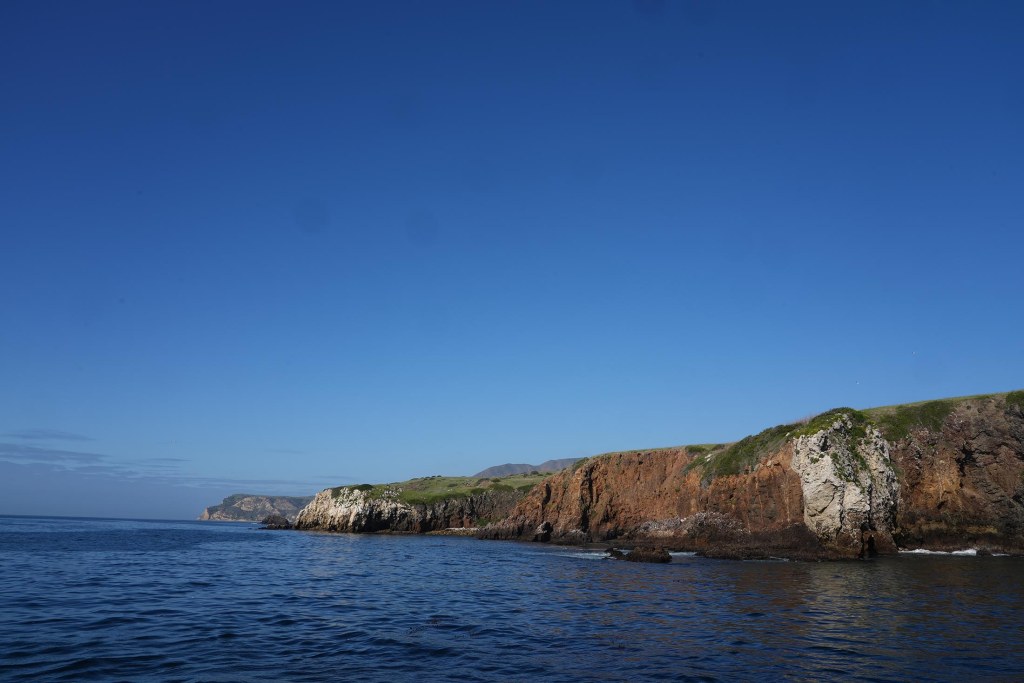
Anacapa Island in California’s Channel Islands (Photo: Erik Olsen)

I recently took two scuba diving trips out to the Channel Islands to investigate and help remove ghost lobster traps: abandoned or lost gear that poses a serious threat to marine life. While out there, I also had a chance to explore the marine protected areas surrounding Anacapa and Santa Cruz Islands, getting a firsthand look at how these underwater reserves are helping to restore ocean health and marine life (another story on that coming). Diving in the Channel Islands is a great way for certified divers to experience the incredible biodiversity of California’s coastal waters, even if the water is cold as hell.

The Channel Islands are actually relatively close to the California mainland, just 12 miles from Ventura in the case of Anacapa. But the wild and windswept chain feels like a world apart. On a clear day, you can see them from Ventura or Santa Barbara, but oddly, few people actually visit. Compared to other national parks, they remain relatively unknown, which only adds to their quiet allure. Sometimes called the “Galápagos of North America,” these eight islands are a refuge for wildlife and a place where evolution unfolds before your eyes.

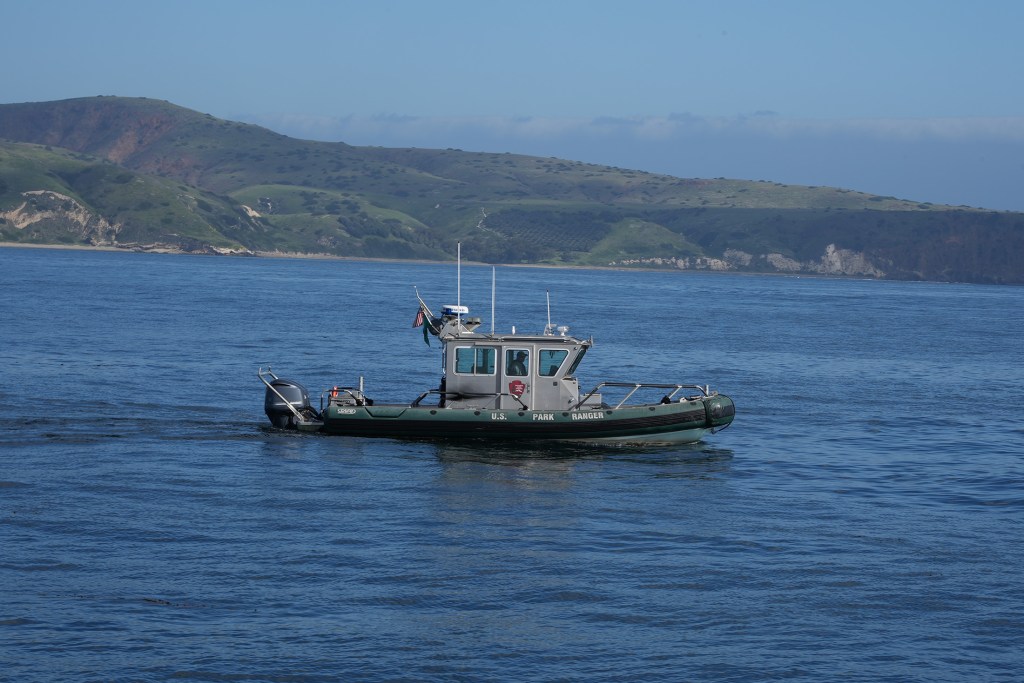
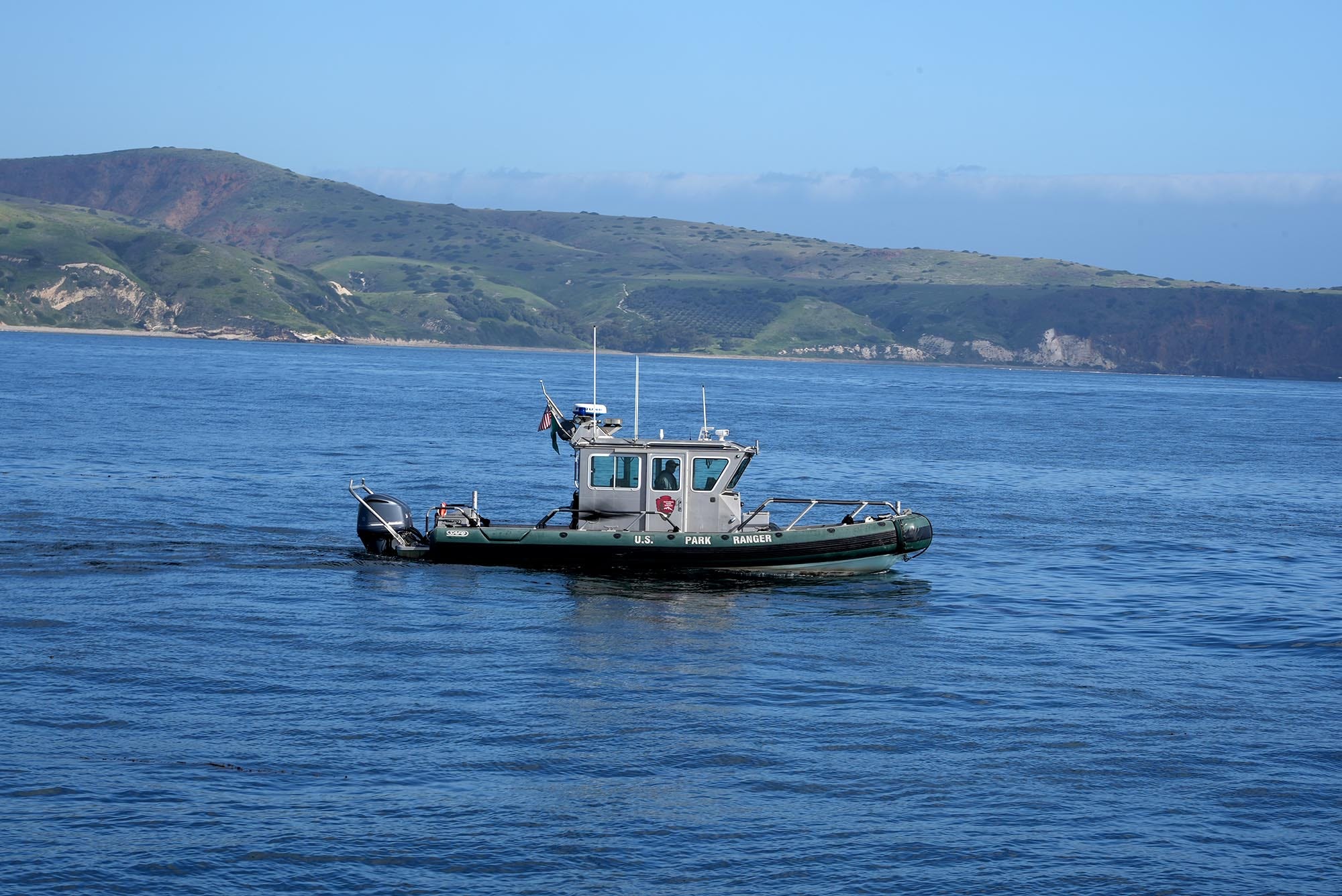
U.S. Park Service rangers patrol the marine protected area off of Anacapa Island in California’s Channel Islands
(Photo: Erik Olsen)

(Here’s a cool bit of history: there are eight Channel Islands today, but 20,000 years ago, during the last ice age when sea levels were much lower, four of them—San Miguel, Santa Rosa, Santa Cruz, and Anacapa—were connected as a single landmass called Santarosae.)

For scientists and nature lovers, the Channel Islands are more than just scenic, they’re a natural laboratory. Each island has its own shape, size, and ecological personality, shaped by millions of years of isolation. That makes them an ideal setting for the study of island biogeography, the branch of biology that looks at how species evolve and interact in isolated environments. What happens here offers insight into how life changes and adapts not just on islands, but across the planet.

Sea lions on the Channel Islands (NPS)

Island biogeography is anchored in the theory proposed by E.O. Wilson and Robert MacArthur in the 1960s. Their theory, focusing on the balance between immigration and extinction of species on islands, is brilliantly exemplified in the Channel Islands.

The Channel Islands’ rich mosaic of habitats, from windswept cliffs and rocky shores to chaparral-covered hillsides and dense offshore kelp forests, provides an ideal setting for studying how species adapt to varied and changing conditions. Each island functions like a separate ecological experiment, shaped by isolation, resource limits, and time. Evolution has had free rein here, tweaking species in subtle ways and, occasionally, producing striking changes.

One of the most significant studies conducted in the Channel Islands focused on the island fox (Urocyon littoralis), a species found nowhere else on Earth. Research led by the late evolutionary biologist Robert Wayne at UCLA and others showed that the fox populations on each of the six islands they inhabit have evolved in isolation, with distinct genetic lineages and physical traits. This makes them a remarkable example of rapid evolution and adaptive divergence, core processes in island biogeography.

Genetic analyses revealed that each island’s fox population carries unique genetic markers, shaped by long-term separation and adaptation to local environments. These differences aren’t just genetic, they’re physical and behavioral too. Foxes on smaller islands, for instance, tend to be smaller in body size, likely an evolutionary response to limited resources, a phenomenon known as insular dwarfism. Variations in diet, foraging behavior, and even coat coloration have been documented, offering scientists an unparalleled opportunity to study evolutionary processes in a real-world, relatively contained setting.

Excavation of pygmy mammoth bones on the Channel Islands (Photo: National Park Service)

This phenomenon of insular dwarfism isn’t unique to the island fox. One of the most striking examples from the Channel Islands is the pygmy mammoth (Mammuthus exilis), whose fossilized remains were discovered on Santa Rosa Island. Evolving from the much larger Columbian mammoth, these ancient giants shrank to about half their original size after becoming isolated on the islands during the last Ice Age. Limited food, reduced predation, and restricted space drove their dramatic transformation, a powerful illustration of how isolation and environmental pressures can reshape even the largest of species.

Furthermore, the Channel Islands have been instrumental in studying plant species’ colonization and adaptation. Due to their isolation, the islands host a variety of endemic plant species. Research by Kaius Helenurm, including genetic studies on species such as the Santa Cruz Island buckwheat (Eriogonum arborescens) and island mallow (Malva assurgentiflora), has shown how these plants have adapted to the islands’ unique environmental pressures and limited gene flow.

Island mallow (Malva assurgentiflora), a vibrant flowering plant found only on the Channel Islands, thrives in the harsh coastal environment—its striking blooms a testament to the power of isolation and adaptation. (Photo: Curtis Clark)

The islands have been a scientific boon to researchers over the decades because they are not only home to many diverse and endemic species, but their proximity to the urban centers and the universities of California make them amazingly accessible. It’s been suggested that if Darwin had landed on the Channel Islands, he arguably could have come up with the theory of natural selection off of California, rather than happening upon the Galapagos. A 2019 book about the islands, titled North America’s Galapagos: The Historic Channel Islands Biological Survey recounts the story of a group of researchers, naturalists, adventurers, cooks, and scientifically curious teenagers who came together on the islands in the late 1930s to embark upon a series of ambitious scientific expeditions never before attempted. 

The Channel Islands are renowned for their high levels of endemism — species that are found nowhere else in the world. This is a hallmark of island biogeography, as isolated landmasses often lead to the development of unique species. Darwin’s On the Origin of Species was one of the first extensive efforts to describe this phenomenon. For example, as mentioned above, the Channel Islands are home to the island fox (Urocyon littoralis), a small carnivore found only here. Each island has its own subspecies of the fox, differing slightly in size and genetics, a striking example of adaptive radiation, where a single species gives rise to multiple different forms in response to isolation and environmental pressures. That said, the foxes are also incredibly cute, but can be rather annoying if you are camping on the islands because they will ransack your food stores if you do not keep them tightly closed.

Island Fox on Santa Cruz Island (photo: Erik Olsen)

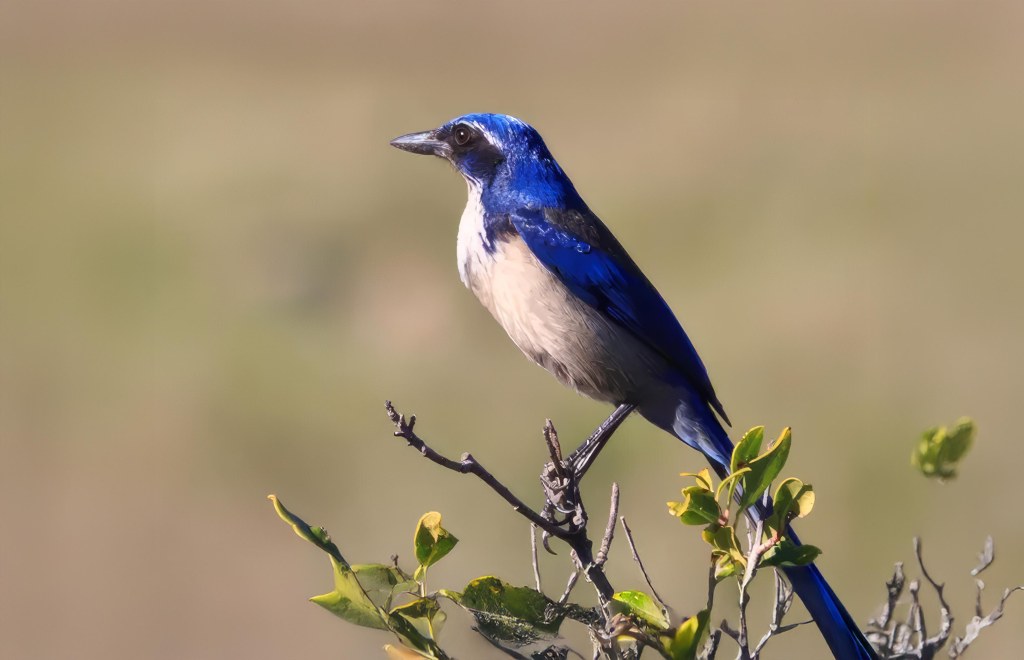
Bird life on the Channel Islands also reveals remarkable diversity and endemism. Much like the finches of the Galápagos, these islands are home to distinct avian species shaped by isolation and adaptation. The Santa Cruz Island Scrub Jay, for instance, is noticeably larger and more vividly colored than its mainland relatives, a reflection of its unique island habitat. Also, jays in pine forests tend to have longer, shallower bills, while those in oak woodlands have shorter, deeper bills. Evolutionary adaptations right out of the Darwinian playbook. Likewise, the San Clemente House Finch has evolved traits suited to its specific environment, illustrating how even common species can diverge dramatically when given time and separation.

The Island Scrub-Jay (Aphelocoma insularis), found only on Santa Cruz Island, is larger and more vividly colored than its mainland cousin—an unmistakable symbol of how isolation shapes evolution. (Photo: National Park Service)

The impacts of invasive species on island ecosystems, another critical aspect of island biogeography, are also evident in the Channel Islands. The islands have been an superb laboratory for the practice of conservation and human-driven species recovery. For example, efforts to remove invasive species, like pigs and rats, and the subsequent recovery of native species, like the island fox, provide real-time insights into ecological restoration and the resilience of island ecosystems.

These efforts at conservation and species recovery extend beyond the island fox. In 1997, the U.S. Fish and Wildlife Service identified that 13 plant species native to the northern Channel Islands in California were in dire need of protection under the Endangered Species Act. This need arose due to several decades of habitat degradation, primarily attributed to extensive sheep grazing. These conservation efforts have yielded good news. For instance, the island bedstraw (Galium buxifolium) expanded from 19 known sites with approximately 500–600 individuals in 1997 to 42 sites with over 15,700 individuals. Similarly, the Santa Cruz Island dudleya (Dudleya nesiotica) population stabilized at around 120,000 plants. As a result of these recoveries, both species were removed from the federal endangered species list in 2023, coinciding with the 50th anniversary of the Endangered Species Act.

Santa Cruz Island Dudleya (Photo: National Park Service)

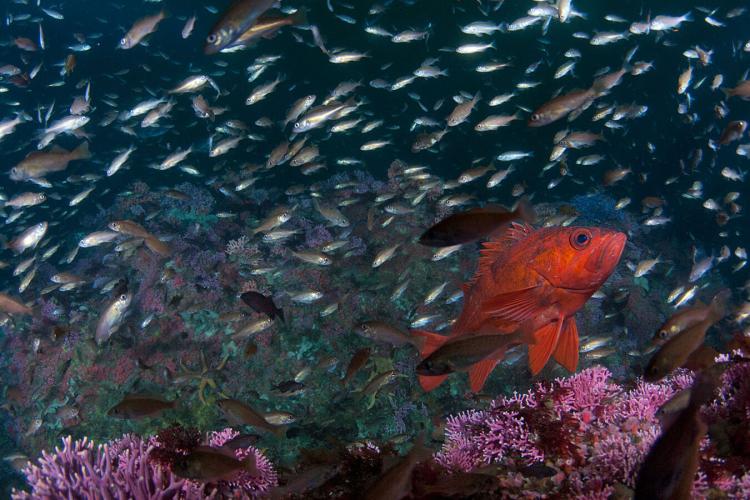
Conservation efforts at the Channel Islands extend beneath the waves, where marine protected areas (MPAs) have played a crucial role in restoring the rich biodiversity of the underwater world. I’ve seen the rich abundance of sea life firsthand on several dives at the Channel Islands, where the biodiversity feels noticeably greater than at many mainland dive sites in Southern California.

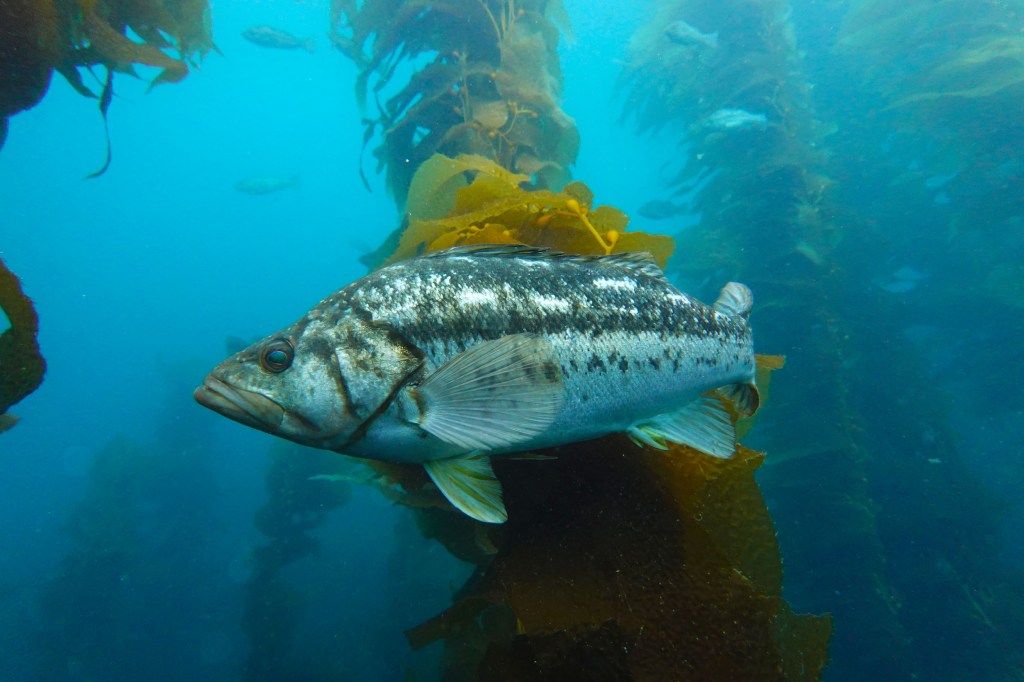
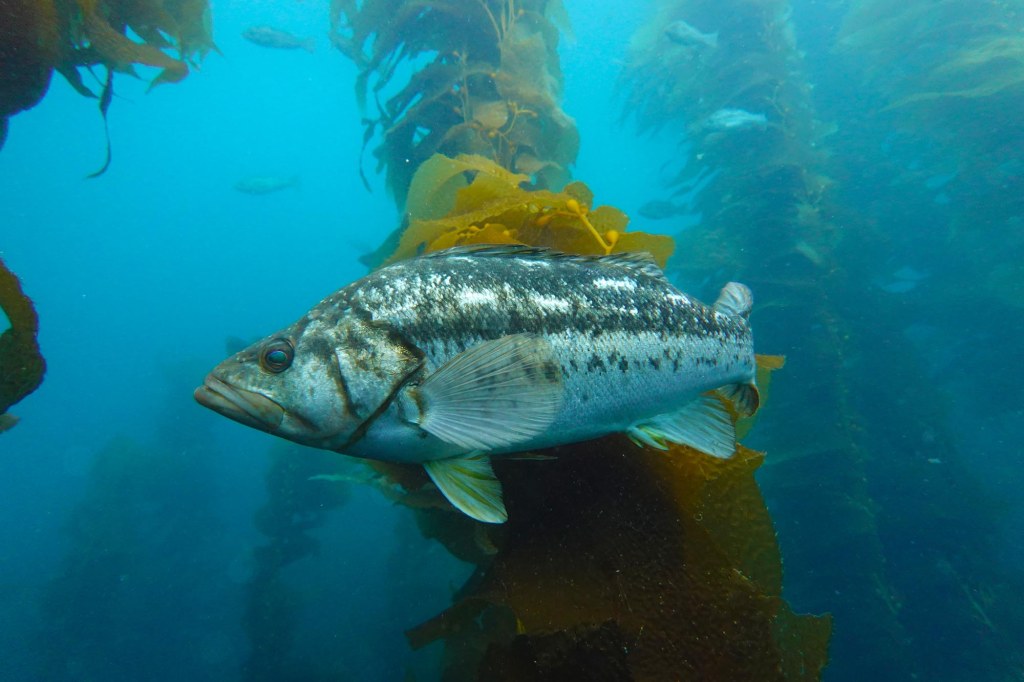
The Channel Islands Marine Protected Areas (MPAs), established in 2003, were among the first of their kind in California. The MPAs around Anacapa, Santa Cruz, and other islands act as refuges where fishing and other extractive activities are limited or prohibited, allowing marine ecosystems to recover and thrive. Over the past two decades, scientists have documented increases in the size and abundance of key species such as kelp bass, lobsters, and sheephead, alongside the resurgence of lush kelp forests that anchor a vibrant web of marine life. These protections have not only benefited wildlife but have also created living laboratories for researchers to study ecological resilience, predator-prey dynamics, and the long-term impacts of marine conservation, all taking place in the context of island biogeography.

Kelp bass in the kelp forest at the Channel Islands (Photo: Erik Olsen)

What makes all of this possible is the remarkable decision to keep these islands protected and undeveloped. Unlike much of the California coast, the Channel Islands were set aside, managed by the National Park Service and NOAA as both a national park and a marine sanctuary. These protections have preserved not just the landscapes, but the evolutionary stories still unfolding in real time. It’s a rare and precious thing to have a living laboratory of biodiversity right in our backyard, and a powerful reminder of why preserving wild places matters.

The Scourge of Ghost Lobster Traps and the Battle to Save Marine Life in California

Ghost lobster trap off Santa Cruz Island in California’s Channel Islands (Photo: Erik Olsen)

Lobster is delicious. Let’s just get that out of the way. Yes, I’m sure there are some who either don’t enjoy the taste of this prolific crustacean, or who are allergic, but for my part, lobster (with a small vial of melted butter) is ambrosia from the sea.

But beyond its place on the plate, the California spiny lobster plays a vital ecological role: hunting sea urchins, hiding in rocky reefs, and helping to keep kelp forests in balance. Its value extends far beyond what it fetches at market. But beneath the surface, particularly around the Channel Islands lurks a growing problem that doesn’t just threaten lobsters. It threatens the entire marine ecosystem: ghost traps.

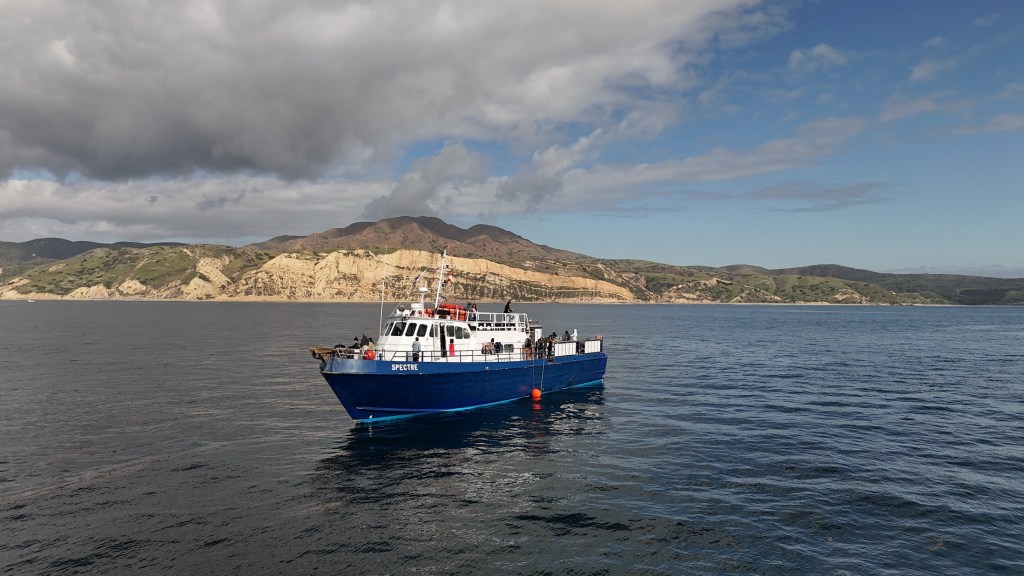
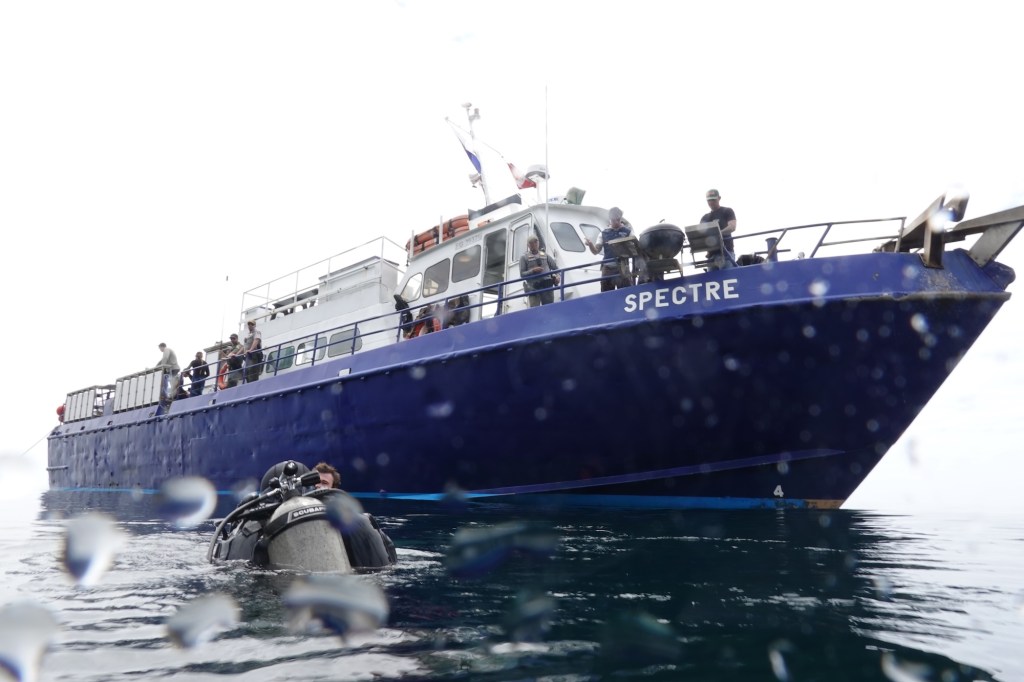
Dive ship Spectre off of Anacapa Island in California’s Channel Islands (Photo: Erik Olsen)

In Southern California, lobster fishing is both a cultural tradition and a thriving industry, worth an estimated $44 million annually to California’s economy from commercial landings as well as recreational fishing, tourism, and seafood markets.

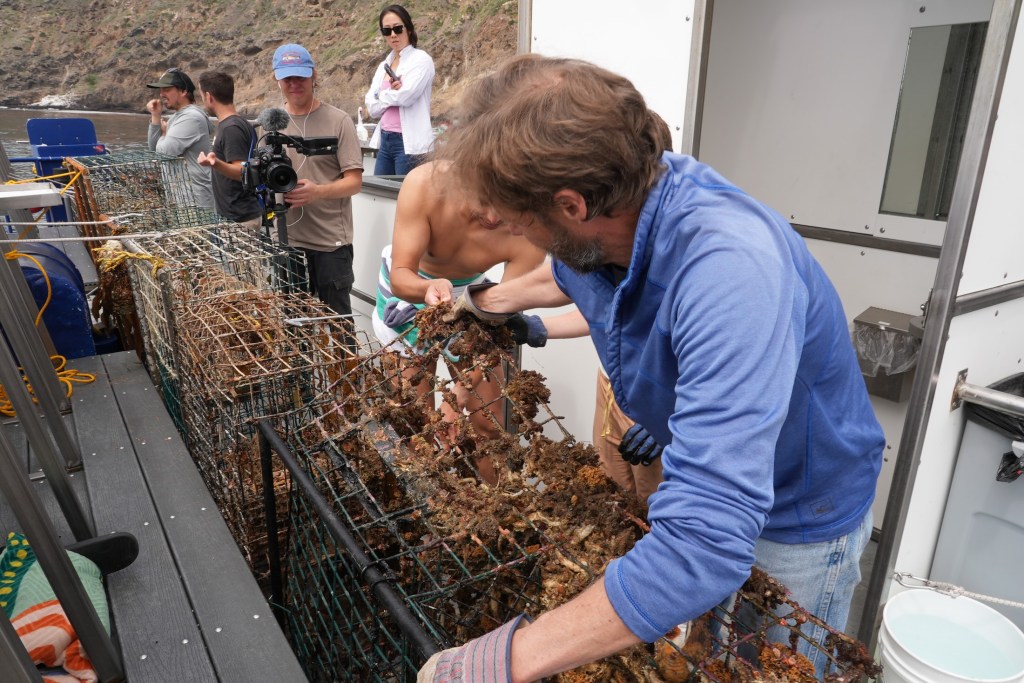
In late April, I traveled to the Channel Islands with my colleague Tod Mesirow to see the problem of ghost lobster traps firsthand. We were aboard the Spectre dive ship and pulled out of Ventura Harbor on an overcast morning, the sky a uniform gray that blurred the line between sea and cloud. The swell was gentle, but the air carried a sense of anticipati on. We were invited by the Benioff Ocean Science Laboratory, which is conducting research and outreach in the area. Our visit took us to Anacapa and Santa Cruz Islands, where I would be diving to observe the traps littering the sea floor. Tod, meanwhile, remained topside, capturing footage and speaking with marine scientists. Even before entering the water, we could see the toll: frayed lines tangled in kelp, buoys adrift, and entire areas where dive teams had marked clusters of lost gear.

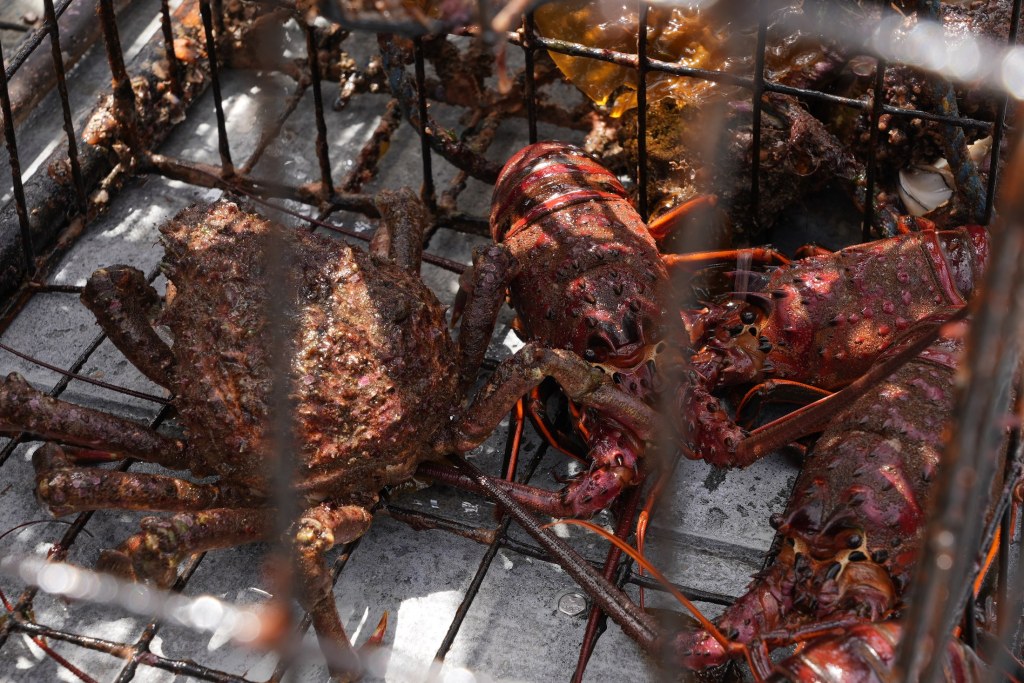
California spiny lobsters alive when the ghost trap was recovered (Photo: Erik Olsen)

Ghost traps are lobster pots that have been lost or abandoned at sea. Made of durable metal mesh and often outfitted with bait containers and strong ropes, these traps are built to last. And they do. For years. Sometimes decades. The problem is, even when their human operators are long gone, these traps keep fishing.

“It’s not uncommon to find multiple animals dead inside a single trap,” said Douglas McCauley, a marine science professor at UC Santa Barbara and director of the Benioff Ocean Science Laboratory who was onboard with us and leading the project. “It’s heartbreaking. These traps are still doing exactly what they were built to do, just without anyone coming back to check them.”

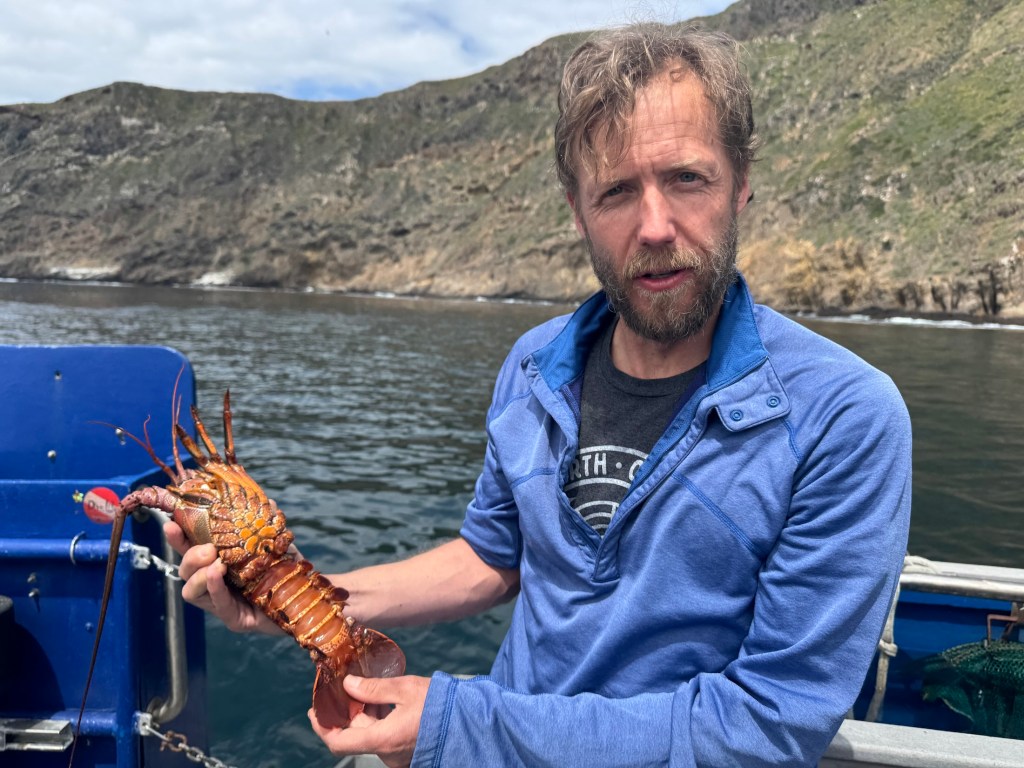
Douglas McCauley, director of the Benioff Ocean Science Laboratory at the University of California Santa Barbara holding a lobster caught in a ghost trap off the coast of the Channel Islands (Photo: Erik Olsen)

Around the Channel Islands National Marine Sanctuary, where fishing pressure is high and waters can be rough, thousands of traps are lost every season. Currents, storms, or boat propellers can sever buoys from their lines, leaving the traps invisible and unrecoverable. Yet they keep doing what they were designed to do: lure lobsters and other sea creatures inside, where they die and become bait for the next unfortunate animal. It’s a vicious cycle known as “ghost fishing.”

“They call them ghost traps because, like a ghost sailing ship, they keep doing their thing. They keep fishing.” said McCauley.

California Curated Etsy

Statewide, the numbers are staggering. Approximately 6,500 traps are reported lost off the California coast each fishing season, according to The California Department of Fish and Wildlife. The folks at the Benioff Ocean Science Laboratory said as many as 6,000 may lie off the coast of the Channel Islands alone. Ocean Divers removing marine debris have found traps stacked three and four high in underwater ravines—rusting, tangled, but still deadly. These ghost traps don’t just catch lobsters; they also trap protected species like sheephead, cabezon, octopuses, and even the occasional sea turtle or diving seabird.

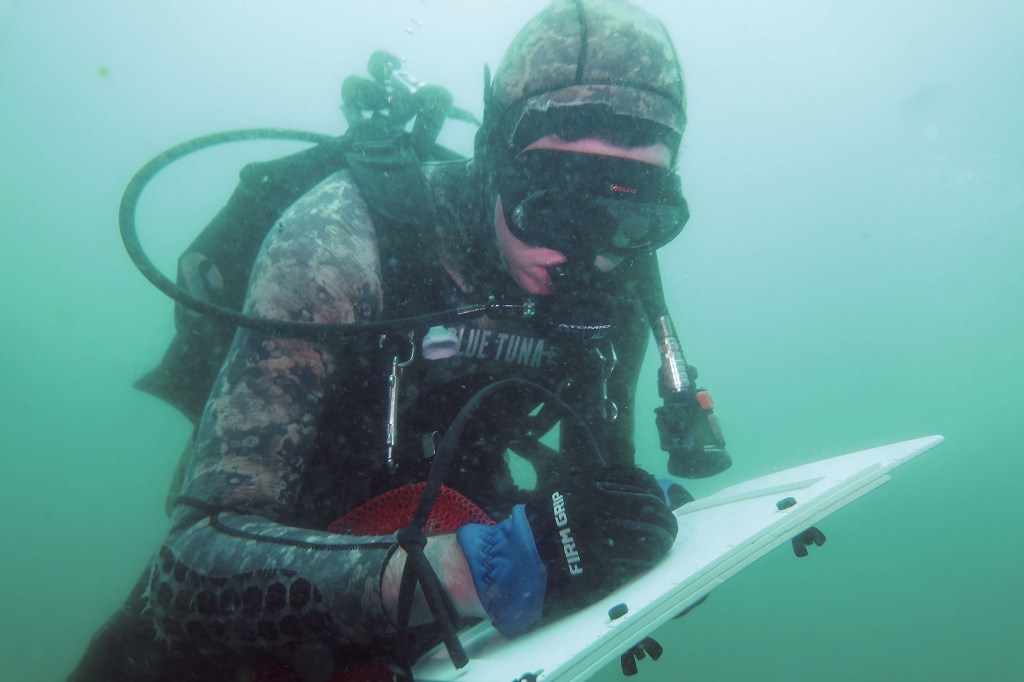
Diver and Project Scientist Chase Brewster of the Benioff Ocean Science Laboratory collecting data on ghost lobster traps near California’s Channel Islands (Photo: Erik Olsen)

Nowhere is this more evident than around the Channel Islands. These rugged islands are home to some of California’s richest kelp forests and underwater canyons. The islands and their surrounding waters are home to over 2,000 plant and animal species, with 145 of them being unique to the islands and found nowhere else on Earth. In fact, the Channel Islands are often referred to as North America’s Galapagos for the immense diversity of species here.

The islands are also the site of the state’s most productive spiny lobster fisheries. Every fall, hundreds of commercial and recreational fishers flood the area, setting thousands of traps in a race to catch California spiny lobsters (Panulirus interruptus). But rough swells and heavy gear mean traps go missing. Boats sometimes cut the lines of traps, making them near impossible to retrieve from the surface. And because this region is a patchwork of state waters, federal waters, and marine protected areas (MPAs), cleanup and regulation are anything but straightforward.

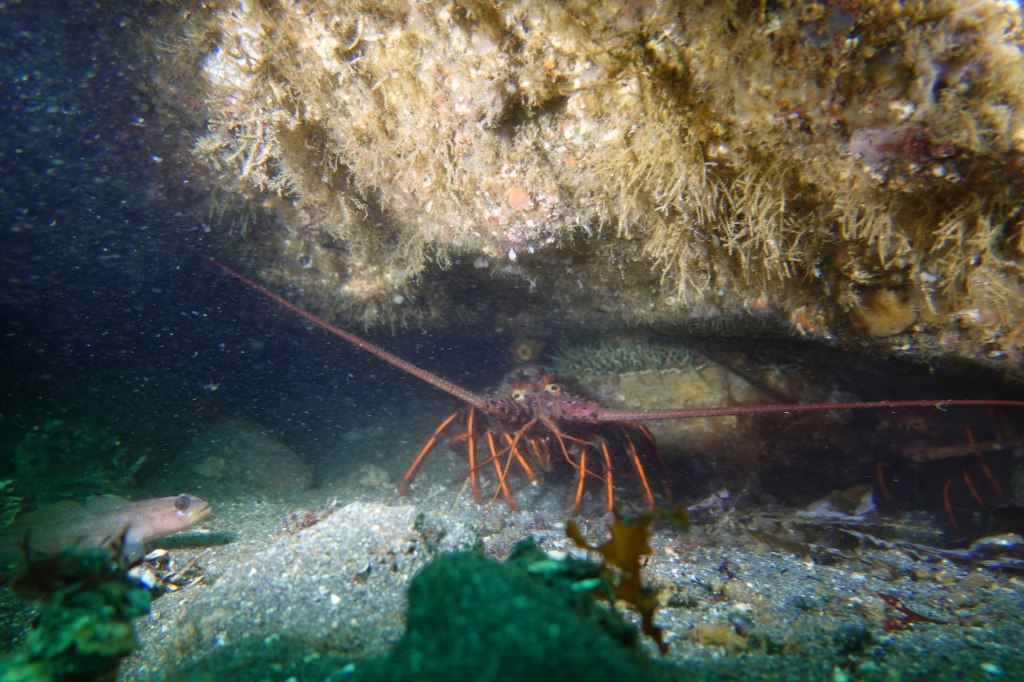
California Spiny Lobster off Anacapa Island (Photo: Erik Olsen)

The traps are often difficult to locate, partly because of their remote placement and the notoriously rough waters around the Channel Islands. But the Benioff Ocean Science Laboratory has a powerful asset: side scan sonar. From the ship, they can scan and map the seafloor, where the ghost traps often appear as dark, rectangular shapes against the sand. Once spotted, the team uses GPS to log their exact location.

“It’s creates a picture made of sound on the seafloor and you see these large lego blocks staring at you in bright yellow on the screen and those are your lobster traps,” sayd McCauley. “There’s nothing else except a ghost trap that looks like that.”

Plunging into the frigid waters off Santa Cruz Island was a jolt to the system. Visibility was limited, just 10 to 15 feet, but I followed two scientists from the Benioff Ocean Science Laboratory down to a depth of 45 feet. Their task: to attach a rope to the trap so it could be hauled up by the boat’s winch.

Dive ship Spectre off the coast of Santa Cruz Island in California’s Channel Islands (Photo: Erik Olsen)

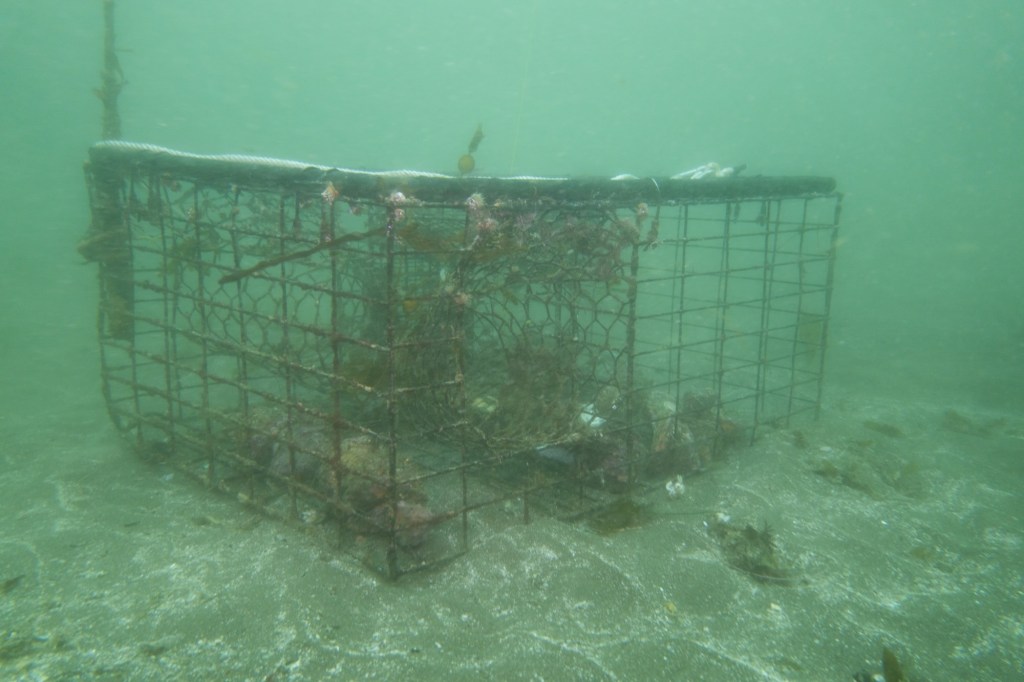
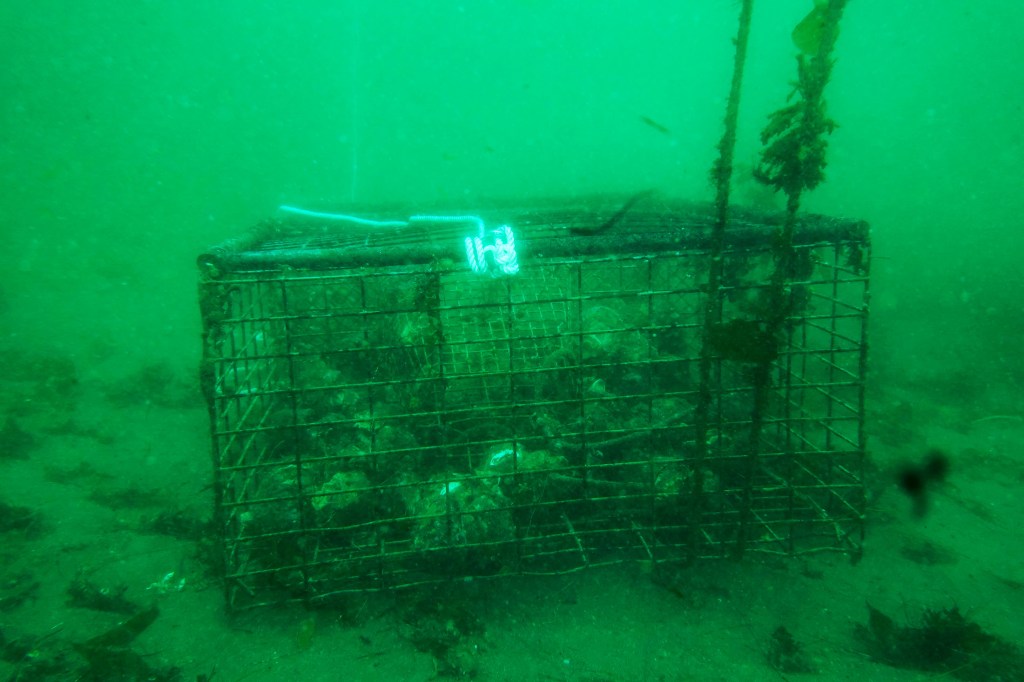
The water was thick with suspended particles, the light dimming quickly as we dropped lower. My 7mm wetsuit was just barely enough to stave off the cold. On the seafloor, the ghost trap emerged, a large rectangular cage resting dark and ominous in the sand. And it was teeming with life. Fish darted around its edges, lobsters clambered along the frame, and inside, several animals moved about, trapped and slowly dying. It was easy to see how a single trap could wreak quiet havoc for years.

California law technically requires all lobster traps to include biodegradable “escape panels” with zinc hinges that degrade over time, eventually allowing trapped animals to escape. But enforcement is tricky, and the panels don’t always work as intended. In practice, many traps, especially older or illegally modified ones, keep fishing long after they should have stopped. That’s what we were out here to find.

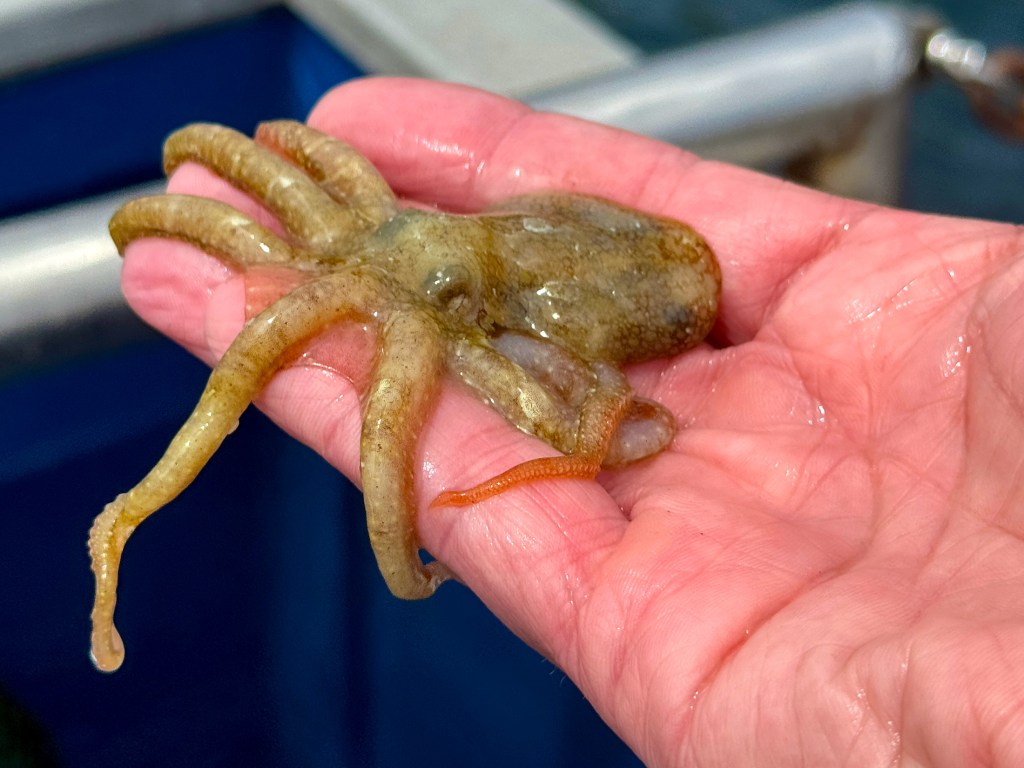
A baby octopus caught in a ghost trap in the waters off California’s Channel Islands (Photo: Erik Olsen)

Complicating matters is the fact that once a trap goes missing, there’s no easy way to retrieve it. Fishers are not legally allowed to touch traps that aren’t theirs, even if they’re obviously abandoned. And while a few small nonprofits and volunteer dive teams conduct periodic ghost gear removal missions, they can’t keep pace with the scale of the problem.

“At this fishery, we can’t get them all,” says McCauley. “But by going through and getting some species out and getting them back in the water, we’re making a difference. But in the process, we’re coming up with new ideas, new technologies, new research methods, which we think could play a role in and actually stopping this problem in the first instance.”

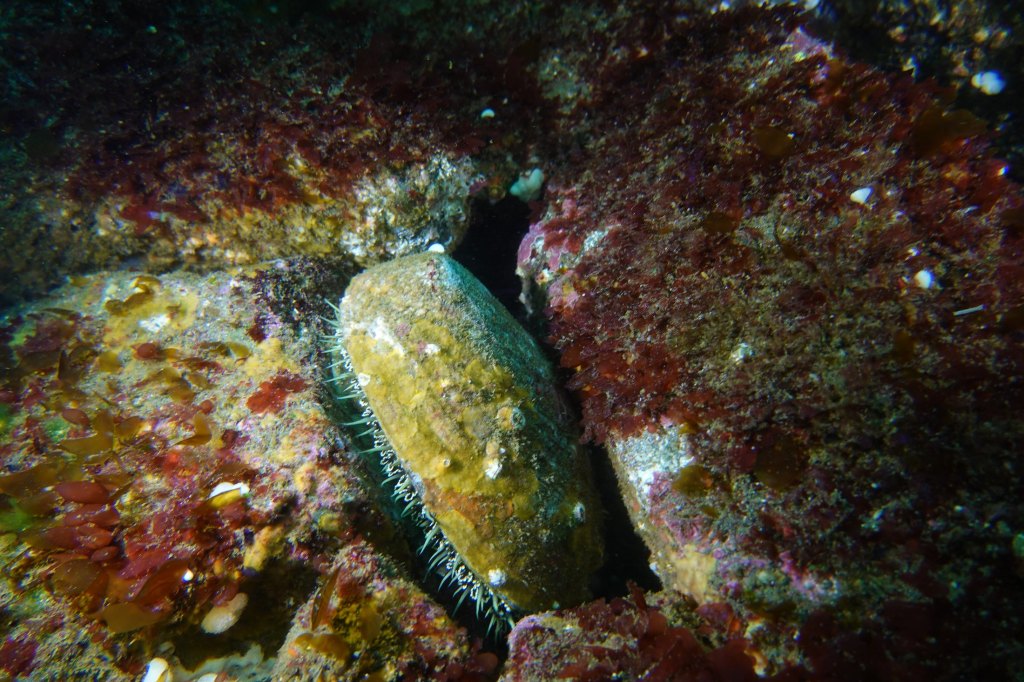
Once abundant along California’s coast, this large abalone spotted off Santa Cruz Island is a rare sight today—a quiet reminder of how overfishing, disease, and environmental change have decimated their populations. (Photo: Erik Olsen)

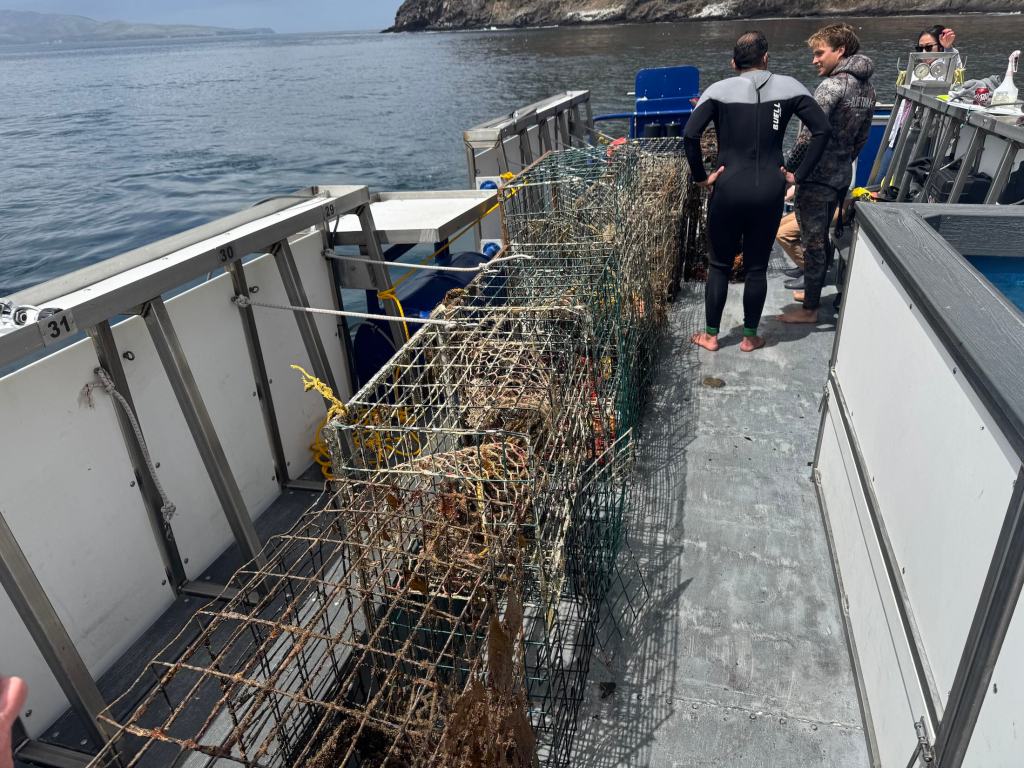
Back topside, the recovery team aboard the Spectre used a powerful hydraulic winch to haul the trap onto the deck. After climbing out of the cold water, still shivering, I joined the others to get a closer look. The trap was heavy and foul-smelling, but what stood out most was what was inside: lobsters, maybe ten or more. Some had perished, but many were alive and thrashed their tails when lifted by the scientists. Females could be identified by their broader, flatter tail fins—adapted to hold eggs. The team carefully measured each one before tossing them back into the sea, the lobsters flipping backward through the air and disappearing into the depths.

There were other animals, too. Large, rounded crabs known as Sheep crabs, common to these waters, scuttled at the bottom of the trap. Sea snails were clustered along the mesh, and in one cage, there were dozens of them, clinging and crawling with slow purpose. Even baby octopuses made appearances, slithering out onto the deck like confused aliens. I picked one up gently, marveling at its strange, intelligent eyes and soft, shifting forms, before tossing it back into the sea in hopes it would have another chance at life.

Ghost lobster trap lies on the seafloor off of Santa Cruz Island in California’s Channel Islands (Photo: Erik Olsen)

By then, the day had brightened and the sun had come out, easing the chill that lingered after the dive. The traps would be taken back to Ventura, where they’d likely be documented and disposed of. But this day wasn’t just about saving individual animals or pulling traps off the seafloor—it was about data. The Benioff team wants to understand just how big of a problem ghost traps really are. It’s not just about the number of traps lost each season, but the broader ecological toll: how many animals get caught, how many die, and how these traps alter the underwater food web. Every recovered trap adds a piece to the puzzle. This trip was about science as much as rescue.
State agencies, including the California Department of Fish and Wildlife (CDFW), have started pilot programs aimed at tackling ghost gear. In 2023, CDFW launched a limited recovery permit program that allows fishers to collect derelict traps at the end of the season, provided they notify the state. But participation is voluntary and poorly funded.

Elsewhere, states like Maine and Florida have created large-scale, state-funded programs to identify and remove ghost traps, often employing fishers in the off-season. California, despite having the nation’s fourth-largest lobster fishery, has yet to make a similar investment.

Ghost lobster traps recovered from the seafloor off the coast of California’s Channel Islands (Photo: Erik Olsen)

Some solutions are already within reach. Mandating GPS-equipped buoys for commercial traps could help track and retrieve gear before it’s lost. More robust escape hatch designs, made from materials that dissolve in weeks rather than months, would shorten the lifespan of a lost trap. And expanding retrieval programs with funding from fishing license fees or federal grants could make a big dent in ghost gear accumulation.

But even more powerful than regulation may be public awareness. Ghost traps are out of sight, but their damage is far from invisible. Every trap left behind in the Channel Islands’ waters becomes another threat to biodiversity, another source of plastic and metal waste, and another reminder that marine stewardship doesn’t stop when the fishing season ends.

Key to the whole effort is data:

“Every one of the animals that we put back in the water today, we’ll be taking a measure,” says McCauley. “After a little bit of crunching in the lab, we’ll be able to say, oh, actually, you know, every single trap undercuts the fishery by x percent for every single year that we don’t solve the problem.”

Doug McCauley with a lobster trap retrieved from the seafloor off the coast of California’s Channel Islands (Photo: Erik Olsen)

As we headed back toward Ventura, Tod and I talked with Douglas McCauley and Project Scientist Neil Nathan from the Benioff Ocean Science Laboratory. The team had collected a total of 13 traps that day alone, and 34 over the several days they’d been out. There was a sense of satisfaction on board, quiet but real. Each trap removed was a small win for the ecosystem, a little less pressure on an already strained marine environment.

“I would call today an incredible success, ” said Neil Nathan. “Feeling great about the number of traps we collected.”

California has long been a leader in ocean conservation. If it wants to stay that way, it needs to take ghost fishing seriously, not just around the Channel Islands, but up and down the coast. After all, we owe it to the lobsters, yes, but also to the underwater forests, reef communities, and countless species whose lives are tangled in the nets we leave behind.

The Fight for California’s Coastline and the Future of the Coastal Commission

For over 50 years, the California Coastal Commission has protected public access and natural beauty, but growing challenges—wildfires, housing shortages, and political pressure—are testing its authority like never before.
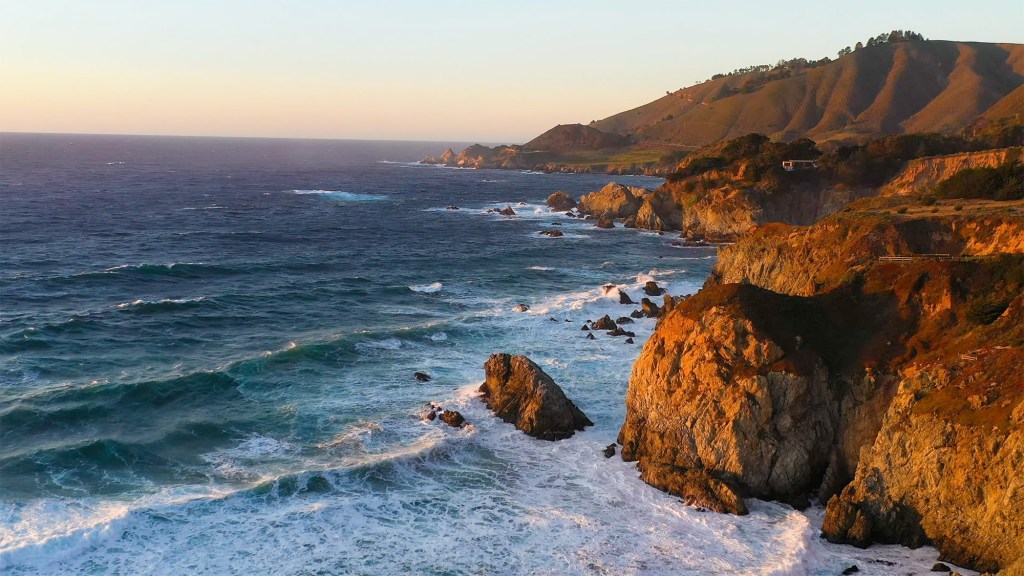
California Coast at Big Sur (Erik Olsen)

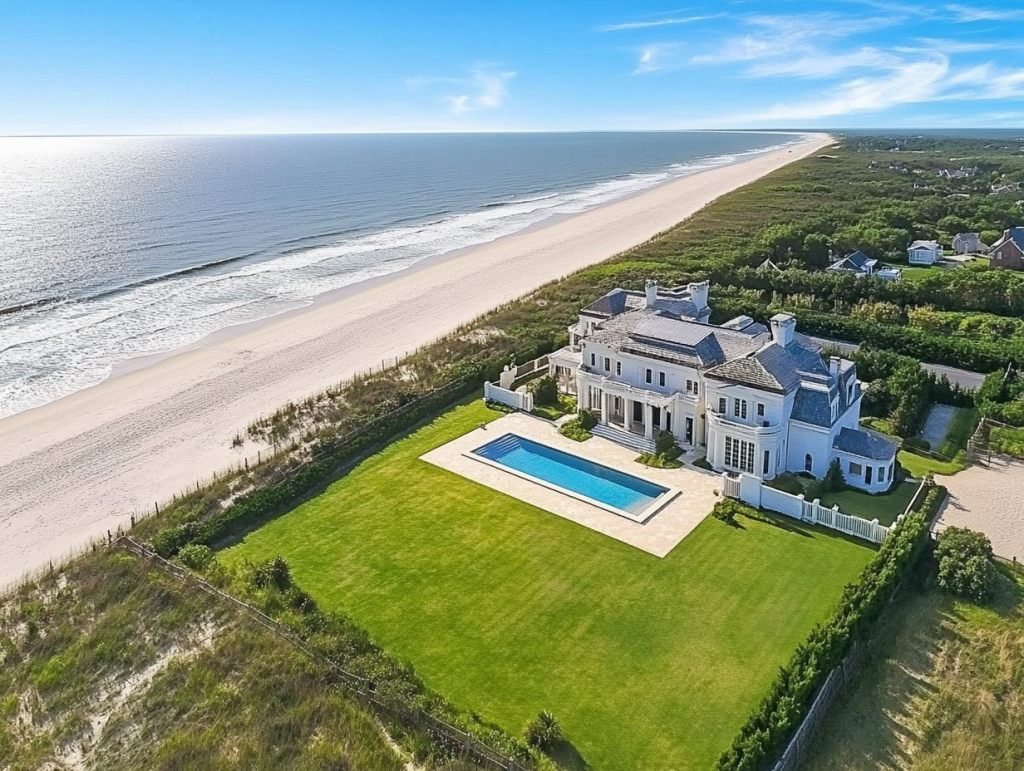
Having lived for nearly 20 years on the East Coast, I’ve witnessed firsthand how vast stretches of coastline have been heavily developed, often turning pristine shores into exclusive enclaves inaccessible to the general public. In the latter half of the 20th century, America saw a surge in coastal development, driving beachfront property values to unprecedented heights. This boom was accompanied by exclusionary practices from coastal property owners and municipalities, limiting access and reinforcing barriers to the shore. From gated beachfront mansions in the Hamptons to private communities along the Jersey Shore, not to mention the vast development of the coast of Florida (Carl Hiaasen shout out!), many coastal areas are reserved for a privileged few, limiting public access and enjoyment of natural spaces. In stark contrast, California learned from these mistakes early on, adopting a fundamentally different approach focused on keeping its coastline accessible and preserved for everyone.
Many beaches in the Hamptons are private. Unlike California, which has strong public access protections under the California Coastal Act, New York follows a mix of public and private beach ownership laws. In the Hamptons, beachfront property owners often hold rights extending to the high tide line, meaning much of the sandy shore is off-limits to the general public.

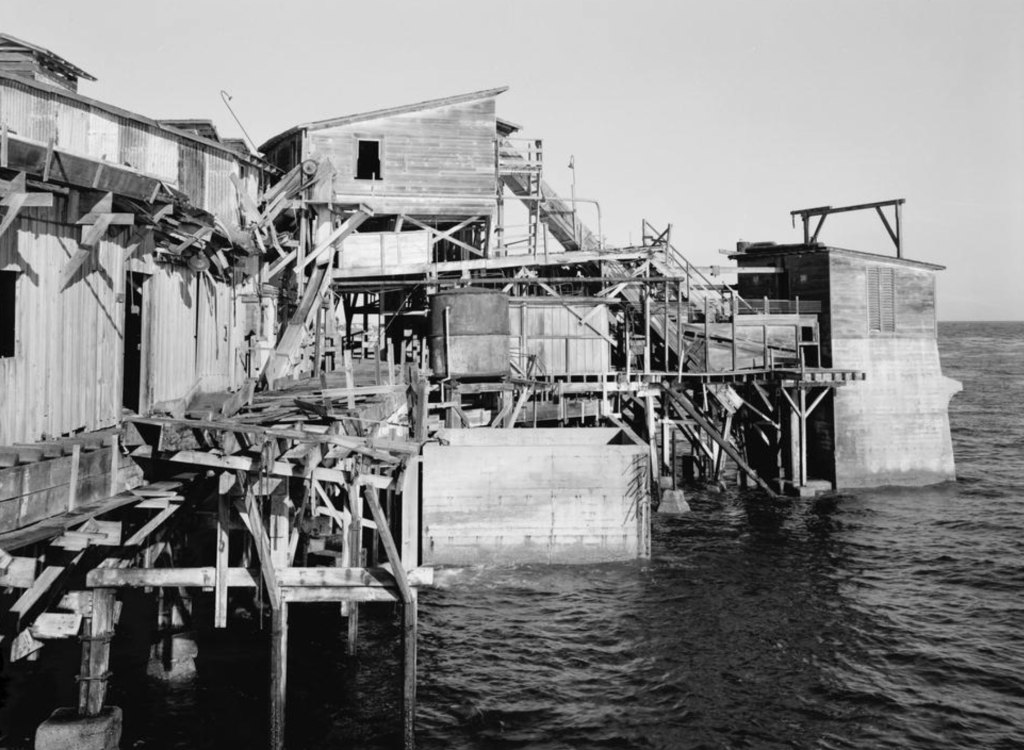
This ethic of preservation and accessibility has profoundly shaped California’s coastal policies and given rise to institutions specifically tasked with safeguarding the shore. The ethic of preserving California’s coast stretches back more than a century, championed by early conservationists like Julia Platt, a pioneering marine biologist and activist. Platt was a fascinating figure, and we previously covered her story, which you can read here. In the late 19th and early 20th centuries, Monterey’s coastline was being ravaged by sardine canneries and industrial operations that polluted the bay and threatened marine life. Defying societal barriers, Platt became mayor of Pacific Grove in 1931 and secured public control over the town’s intertidal zones, ensuring their protection from commercial exploitation.

Hovden Cannery, 886 Cannery Row, Monterey, Monterey County, CA (Library of Congress)

That ethic of appreciation and commitment to coastal preservation remained deeply embedded in California’s identity as the state moved into the 20th century. By the 1970s, this consciousness transformed into action, leading to formal protections that would shape the coastline for generations. Spanning approximately 840 miles from San Diego’s sun-drenched shores to the wild, windswept cliffs of Crescent City, California’s coastline did not remain protected and accessible by accident. It was the result of a concerted effort to safeguard its natural beauty and ensure public access—an effort that culminated in the establishment of the California Coastal Commission, a state agency created to oversee and enforce these critical protections.

The Coastal Commission’s story began in 1972 amid growing environmental awareness and concerns about unchecked development. California residents, alarmed by the threat of losing their treasured coastline to developers, launched grassroots campaigns resulting in Proposition 20—the Coastal Initiative. This public referendum created the Coastal Commission initially as a temporary regulatory body.

Senate President pro-tem Jim Mills led a bicycle tour of the coast from San Francisco to San Diego, stopping for press conferences and public events in coastal communities along the route. (Credit: California Coastal Commission)

In 1976, recognizing the importance of long-term coastal preservation, the California Legislature passed the Coastal Act, permanently institutionalizing the Coastal Commission and its values (values shared by a majority of Californians, I should add). Key legislative figures included Assemblymember Alan Sieroty and Senator Jerry Smith. Peter Douglas, a passionate advocate for environmental justice who later became the Commission’s long-serving Executive Director, was instrumental in drafting the Coastal Act. Born in Berlin and fleeing Nazi Germany during World War II, Douglas’s personal experiences deeply influenced his dedication to environmental protection. One of his most lasting statements about the coast is, “The coast is never saved, it is always being saved.” (Makes for a good T-shirt.)

Peter M. Douglas (1942–2012) was an environmental activist, UCLA law graduate, and key author of Proposition 20, which established the California Coastal Commission. He co-authored the 1976 Coastal Act and served as its Executive Director for 26 years.
(University of California, Berkeley)

Under Douglas’s leadership, which spanned from 1985 until his retirement in 2011, the Coastal Commission achieved significant conservation victories. One landmark success was securing public access to Malibu’s Broad Beach in 1981, previously restricted to wealthy homeowners (many of them famous celebrities). Similarly, the Commission prevented extensive development of Orange County’s Bolsa Chica Wetlands, preserving this crucial ecological habitat and protecting numerous bird and marine species. Also in Orange County, the historic cottages at Crystal Cove State Park were preserved as affordable accommodations rather than being transformed into a luxury resort. Douglas was tenacious and stubborn in his efforts to protect the coast. He was “the world’s best bureaucratic street fighter,” according to Steve Blank, a member of the commission, who spoke to The New York Times in 2010.

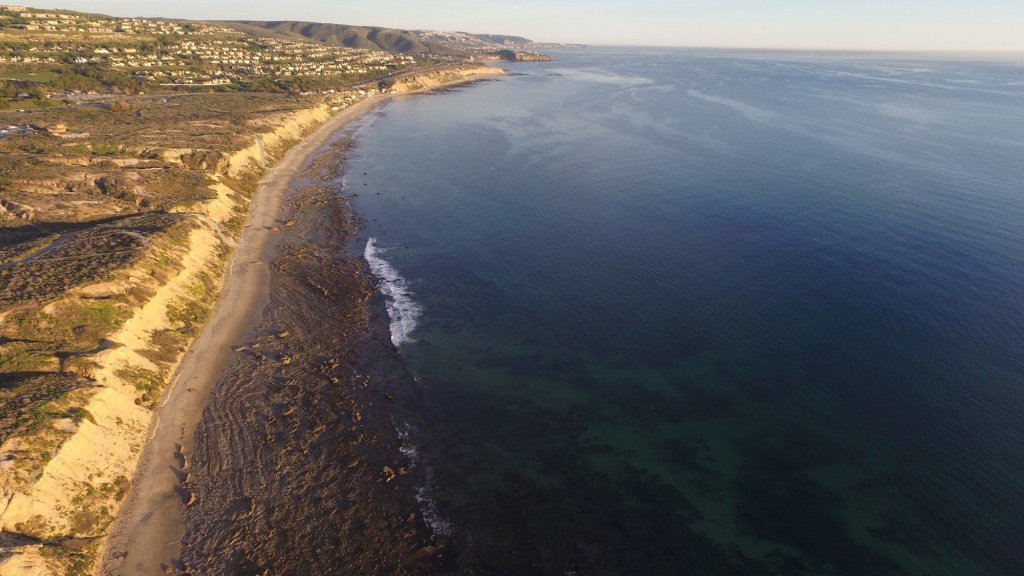
Crystal Cove’s unspoiled coastline remains protected thanks to the California Coastal Commission’s efforts to preserve both its natural beauty and fragile ecosystems. Once threatened by development, this stretch of shoreline continues to thrive as a sanctuary for marine life and a place for the public to experience California’s coast as it once was. (Photo: Erik Olsen)

Perhaps the Commission’s most publicized battle was with billionaire Vinod Khosla over Martins Beach near Half Moon Bay. After purchasing land surrounding the beach in 2008, Khosla closed the access road, igniting a lengthy legal fight. The Commission, alongside advocacy groups, successfully argued that public beach access must be maintained, culminating in court decisions mandating the reopening of Martins Beach to the public. It was a significant affirmation of the public’s coastal rights.

Khosla became something of a vilified figure, perhaps for a good reason. As of March 2025, the legal dispute over public access to Martins Beach continues. In May 2024, San Mateo County Superior Court Judge Raymond Swope ruled that the lawsuit filed by the California State Lands Commission and the California Coastal Commission against Khosla could proceed. The state agencies argue that, based on the public’s longstanding use of the beach, access should remain open under the legal doctrine of implied dedication.

Vinod Khosla speaks at South by Southwest 2024 (Wikipedia)

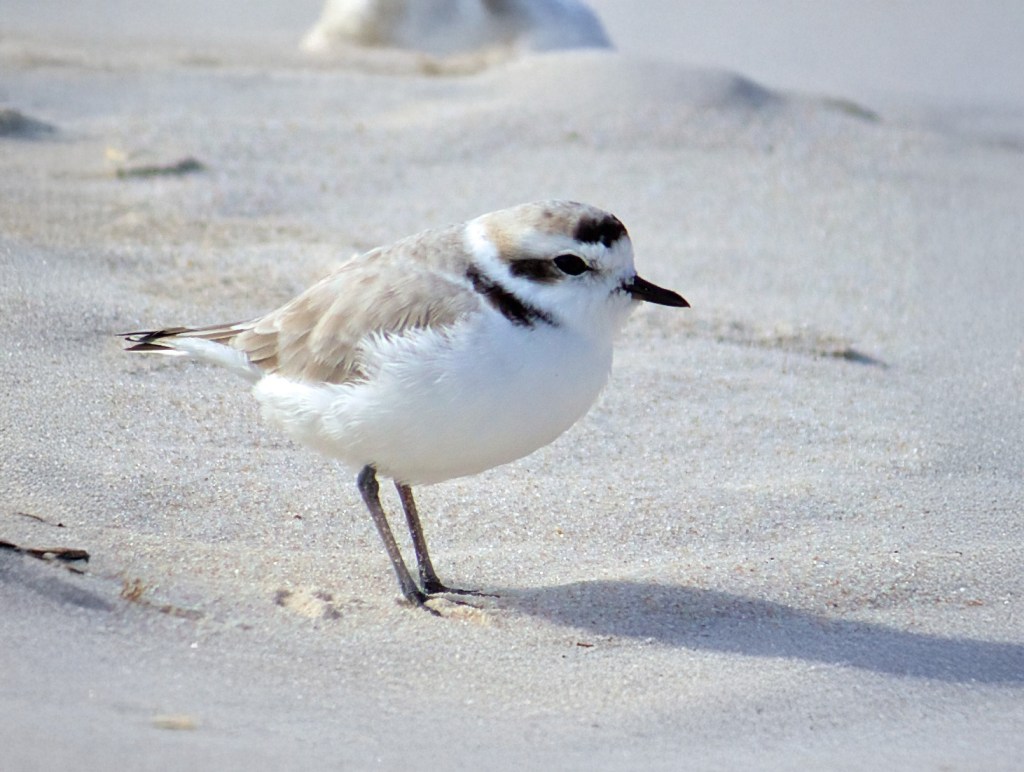
Beyond these high-profile victories, the Commission diligently protects scenic coastal views by regulating construction along vulnerable bluffs, safeguarding habitats for endangered species like the California least tern and the Western snowy plover. The significance of this protection extends far beyond simply claiming a spot on the sand or catching a wave. The California coast is a global treasure trove of biodiversity, shaped by the collision of cold and warm ocean currents, rugged geology, and an array of microclimates. Its kelp forests, some of the most productive ecosystems on Earth, form towering underwater cathedrals that shelter fish, sea otters, and invertebrates while sequestering carbon and buffering coastal erosion. Tide pools teem with anemones, sea stars, and scuttling crabs, while offshore waters host migrating gray whales, pods of orcas, and dolphin super pods. Few places on Earth does such a dramatic convergence of oceanic and terrestrial life create a living laboratory as dynamic, fragile, and irreplaceable as California’s coastline.

Safeguarding these resources has always been a core part of the Coastal Commission’s mission. Yet, the Commission’s broad regulatory authority hasn’t been without controversy (understatement alert!). In fact, there’s been a lot over the years, and in particular right now. Critics argue it often overreaches, impacting private property rights and overriding local governance. Property owners have faced severe challenges due to stringent permit requirements and mandatory easements for public access. Furthermore, vast amounts of red tape have often contributed to delays and higher costs, fueling tension between environmental protection and economic development, particularly in the context of California’s ongoing housing crisis. The commission’s plans for managed retreat in response to coastal erosion have sparked ongoing concern among coastal property owners.

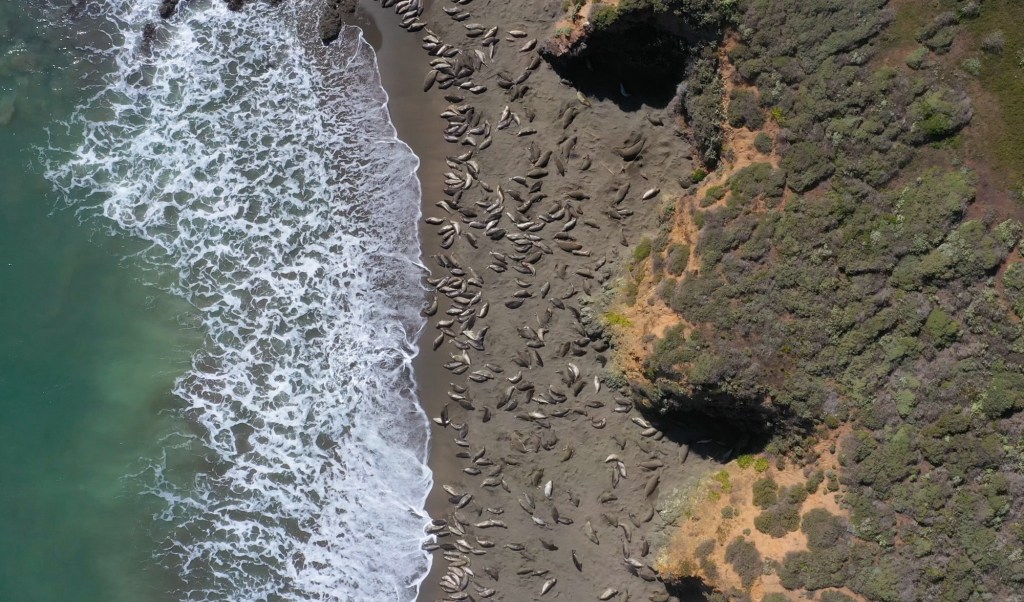
Elephant seal colony at San Simeon (Erik Olsen)

Jeff Jennings, the mayor of Malibu commented: “The commission basically tells us what to do, and we’re expected to do it. And in many cases that extends down to the smallest details imaginable, like what color you paint your houses, what kind of light bulbs you can use in certain places.

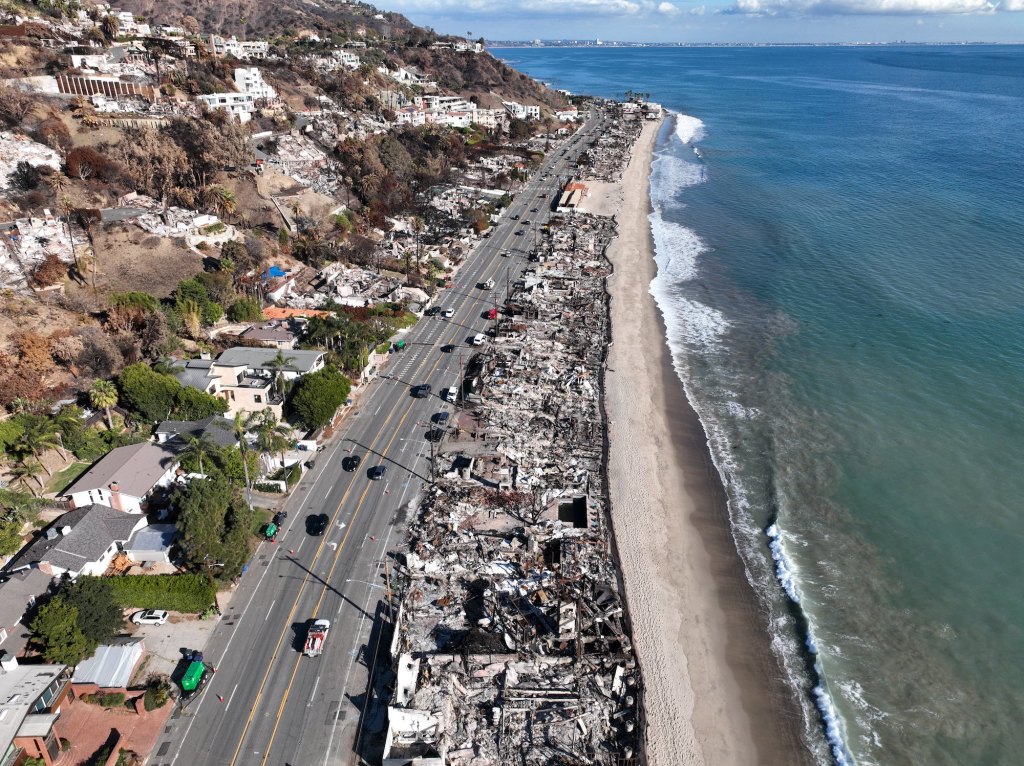
The challenges of balancing conservation with development have become even more urgent in the face of devastating wildfires, such as the Palisades Fire. This historically destructive blaze burned numerous homes along the coast, leaving behind not only physical devastation but also a complex and expensive rebuilding process. Restoring these communities requires immense resources, regulatory approvals, and long-term planning, raising questions about whether the Coastal Commission is up to the task.

Stretch of Malibu destroyed in the Palisades fire (Erik Olsen)

Even Governor Gavin Newsom has been critical of the Commission, citing delays and bureaucracy that may hinder swift rebuilding efforts. The ongoing tension between preserving the natural environment and addressing the needs of displaced residents continues to test the Commission’s authority and effectiveness. Before dismantling the Commission and stripping it of its authority as the guardian of the coast, we must ask ourselves what it would mean to lose an agency that has stood for public access, environmental protection, and coastal preservation for over 50 years. The consequences of weakening its influence could reshape California’s coastline in ways that future generations may come to regret.

The California Coastal Commission has 12 voting members and 3 non-voting members, appointed by the Governor, the Speaker of the Assembly, and the Senate Rules Committee. Six of these are locally elected officials, and six are public members. They are supported by key figures like Executive Director Kate Huckelbridge (the first woman to lead the California Coastal Commission in its 50-year history) and Chair Justin Cummings. However, the Commission now faces mounting pressure as it navigates growing criticism over its efficiency and decision-making. Some argue that the Commission has become too rigid, impeding much-needed development, while others warn that weakening its authority would open the door to rampant privatization and environmental degradation. Surely, there is a middle ground?

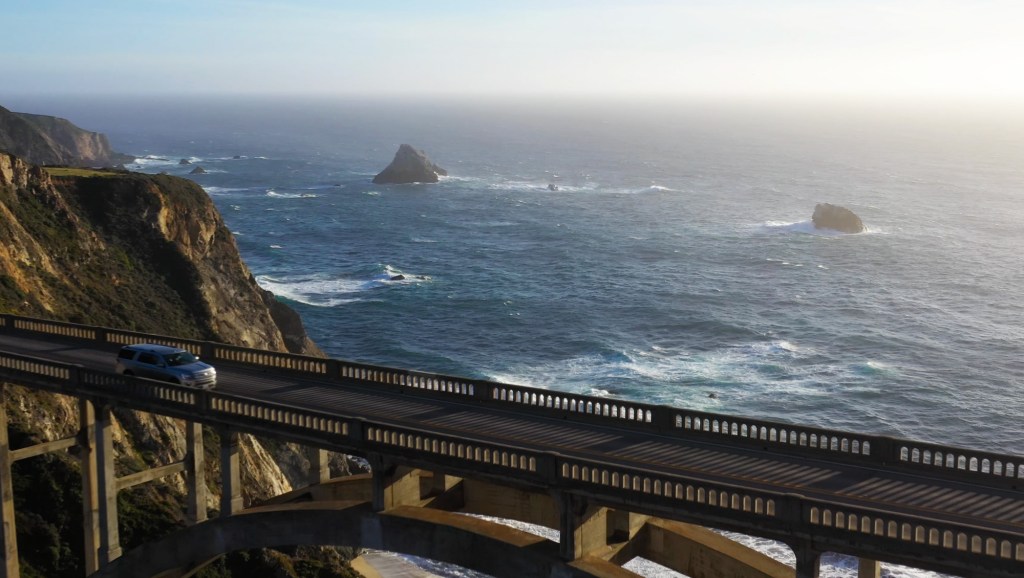
Bixby Bridge at Big Sur (Erik Olsen)

But before dismantling an institution that has served as California’s coastal safeguard for over five decades, we must fully understand what is at stake. The California Coastal Commission has played a crucial role in preserving public access, protecting natural habitats, and maintaining the scenic beauty of the shoreline. Its legacy is visible in the open beaches, thriving wetlands, and untouched bluffs that define the state’s coastline. Stripping away its influence could have lasting consequences, reshaping California’s shorelines in ways that future generations may find irreversible and regrettable. Changes to the Commission’s authority may be necessary, at least temporarily, to expedite rebuilding efforts for those who have lost their homes. However, we must be cautious about how much power is stripped away, ensuring that any reforms do not undermine the very protections that have kept California’s coast open and preserved for decades. 

Camp Pendleton’s Wild Landscape as a Natural Refuge

The Unlikely Intersection of Military Training and Coastal Preservation

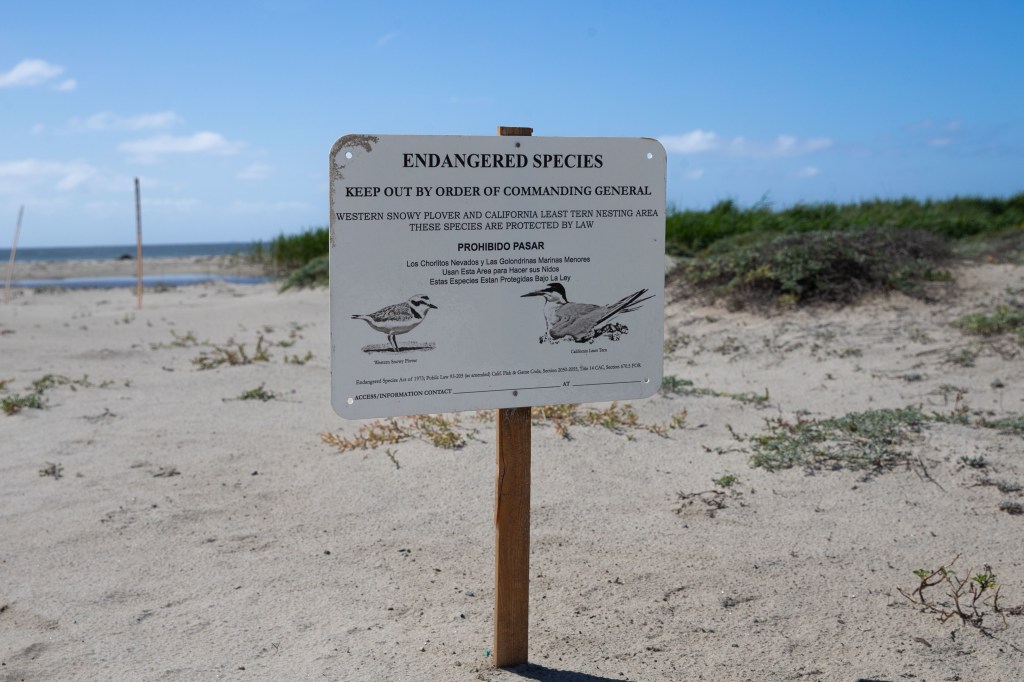
An endangered species sign is posted along the coastline on Marine Corps Base Camp Pendleton, California,
March 29, 2022. (U.S. Marine Corps photo by Lance Cpl. Nataly Espitia)

Driving along the Pacific Coast Highway, much of the Southern California coastline is a continuous stretch of development—expensive homes, commercial malls, and highways and railways built right up against the ocean. Then, unexpectedly, you reach Marine Corps Base Camp Pendleton, a vast, largely undeveloped expanse that starkly contrasts with the urban sprawl. This uninterrupted stretch of coastline offers a rare glimpse into what the region once looked like, a reminder of California’s natural beauty before widespread development.

We’re not suggesting that coastal development is inherently bad, but having stretches of coastline that preserve the coast’s natural state offers a valuable reminder of what it once looked like. One drawback of the base is that, as an active military installation, public access is highly restricted. However, this limited access has helped preserve the coastline in ways that might not have been possible otherwise. (Another well-known and much more accessible area with restricted development lies just to the north at Crystal Cove State Park in Orange County, a protected stretch of land established in 1979 that remains open to the public. It features some of the finest beaches in Southern California – IMHO.)

California least terns (Ernesto Gomez, Public Domain)

Marine Corps Base Camp Pendleton spans approximately 125,000 acres, including more than 17 miles of coastline in northwestern San Diego County. With less than 20% of the land developed, the base serves as a critical ecological buffer between the densely urbanized regions to its north and south. The base has served as a critical training ground for the U.S. Marine Corps since 1942. However, its restricted access and limited development have inadvertently preserved some of Southern California’s last remaining wild coastal terrain. As a result, the base has become an unlikely sanctuary for a rich array of plant and animal species, many of which are endangered or rare.

The base’s diverse ecosystems offer a window into California’s historical and biological landscapes prior to extensive development. Camp Pendleton’s coastal dunes, estuaries, chaparral, riparian woodlands, and sage scrub provide a range of habitats that are now scarce elsewhere. The base is home to 19 federally listed species, including the California least tern, a seabird that relies on the base’s protected beaches for nesting. The Santa Margarita River, one of the last free-flowing rivers in Southern California, cuts through the base, providing essential water resources for both wildlife and plant communities.

“Camp Pendleton is a biodiversity hotspot,” Melissa Vogt, a conservation law enforcement officer with Environmental Security said in a statement. “If it weren’t for Camp Pendleton existing, all this coastline would be condos and hotels.”

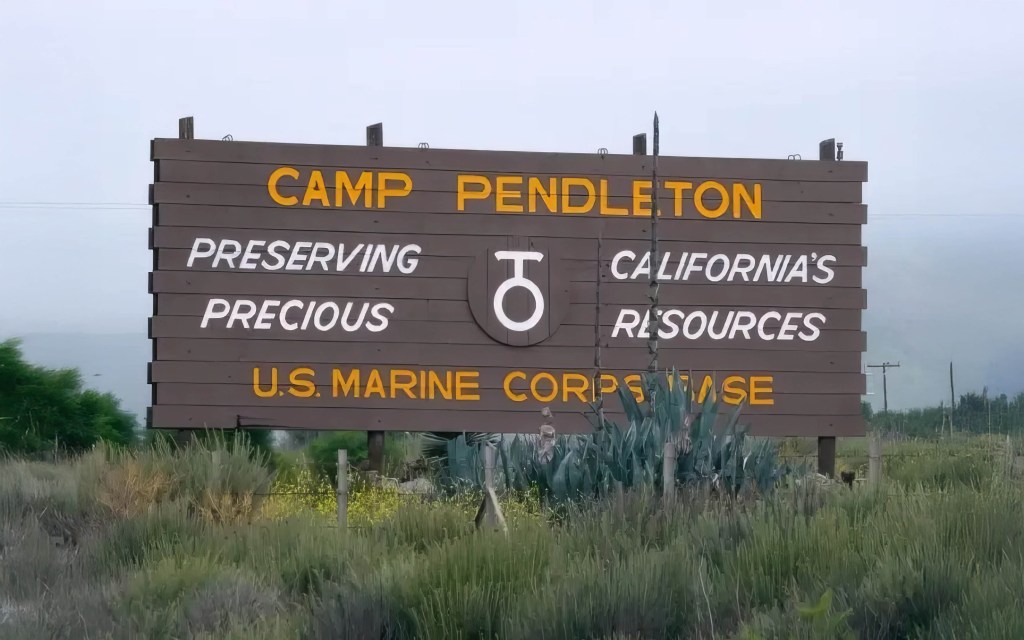
Camp Pendleton

Because of its ecological significance, Camp Pendleton has become a prime location for scientific study. Botanists have discovered species like the Pendleton button-celery (Eryngium pendletonense), a plant found only within the base. The relatively undisturbed nature of the land allows researchers to examine Southern California’s native ecosystems as they once were, offering insights into habitat conservation and restoration efforts beyond the base’s borders. There are few places left like it along the Southern California coast. Among other species benefiting from these efforts is the coast horned lizard (Phrynosoma blainvillii), a reptile that relies on sandy soils and native chaparral for shelter and food. The base’s protected status has helped sustain this lizard’s population, which has declined in many other parts of its range due to habitat loss.

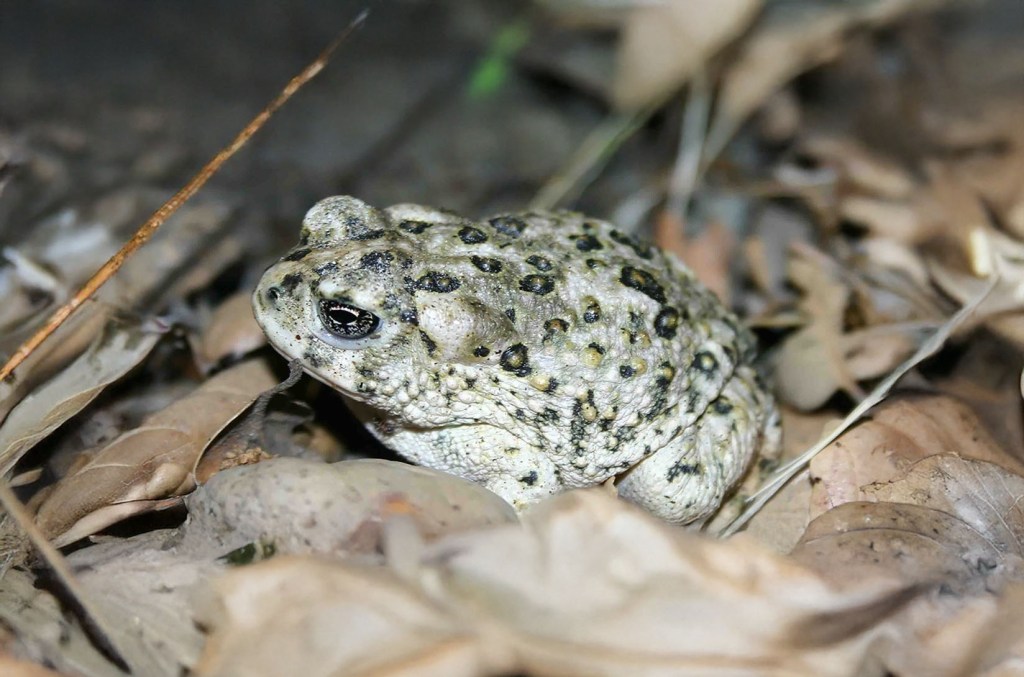
Arroyo toad – Anaxyrus californicus (US Fish and Wildlife Service)

The base’s management practices have contributed to the survival of species once thought to be on the brink of extinction. One of the most notable examples is the Pacific pocket mouse, a tiny rodent that was believed extinct until a population was rediscovered within Camp Pendleton in the 1990s. Conservationists, including the San Diego Zoo Wildlife Alliance, have since reintroduced captive-bred individuals to increase their numbers in protected areas on the base.

Similarly, the base’s wetlands and riparian zones serve as critical habitat for the southwestern willow flycatcher, an endangered songbird, as well as the arroyo toad, which depends on unspoiled riverbanks for breeding. Without the base’s restrictions on urban development, many of these species might have disappeared entirely from Southern California.

Lake O’Neill, located on Marine Corps Base Camp Pendleton, California, is a popular destination for fishing and camping and is a home to a wide variety of wildlife. (U.S. Marine Corps photo by Lance Cpl. Nataly Espitia)

Recognizing the base’s ecological value, Camp Pendleton has taken significant steps toward wildlife preservation through proactive environmental management. The Environmental Security Department has worked closely with researchers to document biodiversity, implement habitat restoration efforts, and ensure compliance with the Endangered Species Act. A key part of these efforts includes protecting breeding grounds and restoring sensitive habitats, such as the coastal dune systems that support the California least tern and the western snowy plover. Entomologists from the San Diego Natural History Museum have conducted extensive surveys on the base, cataloging insect and spider species across six distinct vegetation zones. These studies not only provide valuable data on the health of Southern California’s ecosystems but also help track how climate change is affecting biodiversity in the region.

CALIFORNIA CURATED ART ON ETSY

Purchase stunning mugs and art prints of iconic California scenes.
Check out our Etsy store.

“For any wildlife biologist that’s working with a threatened or endangered species, the ultimate goal is getting the animal off the list and making sure the species is doing well,” Nate Redetzke, Environmental Security wildlife biologist, said on the official US Marines Website.

The base has also implemented a long-term natural resource management plan that balances military training with conservation efforts. It may seem unlikely for troop transport vehicles to operate alongside protected coastal wilderness, but the balance between military use and conservation has largely been seen as a success.

Western snowy plover (Wikipedia)

The efforts include extensive land management practices such as erosion control, invasive species removal, and water quality monitoring to sustain Camp Pendleton’s ecosystems. In recent years, conservation teams have also focused on restoring the estuary habitats along the Santa Margarita River to enhance biodiversity and ensure the resilience of species that depend on these wetlands. This includes seasonal restrictions in certain areas to protect breeding wildlife, habitat restoration projects, and collaborations with state and federal agencies to support species recovery programs. Again, it’s complicated, but it seems to be working. These efforts were recognized when the U.S. Fish and Wildlife Service awarded Camp Pendleton the Military Conservation Partner Award in 2022 for its leadership in environmental stewardship.

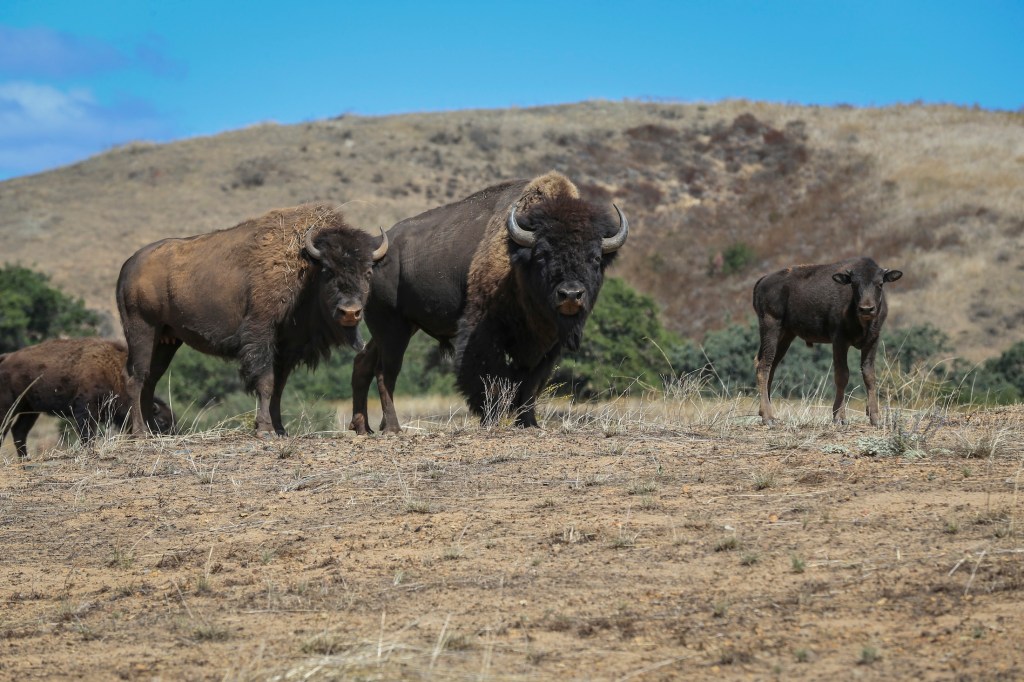
Remarkably, the base is also home to a small herd of American bison, which have roamed Camp Pendleton for decades. Originally introduced in the 1970s as part of a now-defunct recreational program, these bison have since adapted to the landscape, living largely undisturbed within the base’s remote areas. While not native to the region, their presence adds another layer of ecological interest to this protected land, demonstrating how species can persist in unexpected places.

An American bison herd roams the hills on Marine Corps Base Camp Pendleton, California.
(Marine Corps Photo by Lance Cpl. Andrew Cortez)

Camp Pendleton’s example demonstrates that large-scale conservation can happen in unexpected places. While military training remains its primary function, the base has unintentionally preserved one of the last remaining stretches of undeveloped Southern California coastline. In doing so, it has provided scientists with a unique opportunity to study and protect a wide range of species that might have otherwise been lost.

Of course, Camp Pendleton isn’t the only place where government protection for reasons other than conservation has preserved a remarkably untouched stretch of California’s coastline. Vandenberg Space Force Base, further north, restricts public access due to its role in military space launches, but in doing so, it has safeguarded miles of rugged shoreline and sensitive habitats. Similarly, Point Reyes National Seashore, though managed primarily for recreation and historical preservation, remains a rare example of undeveloped coastal wilderness in the Bay Area. Off the coast, some of the Channel Islands, particularly those further out but within Channel Islands National Park, have remained largely untouched due to federal protection, while others have suffered from past military activity and invasive species. Like Camp Pendleton, these areas demonstrate how federal oversight, whether for military, scientific, or historical purposes, has unintentionally maintained some of California’s last truly wild coastal spaces.

A Deep Dive into Monterey Canyon, California’s Great Abyss


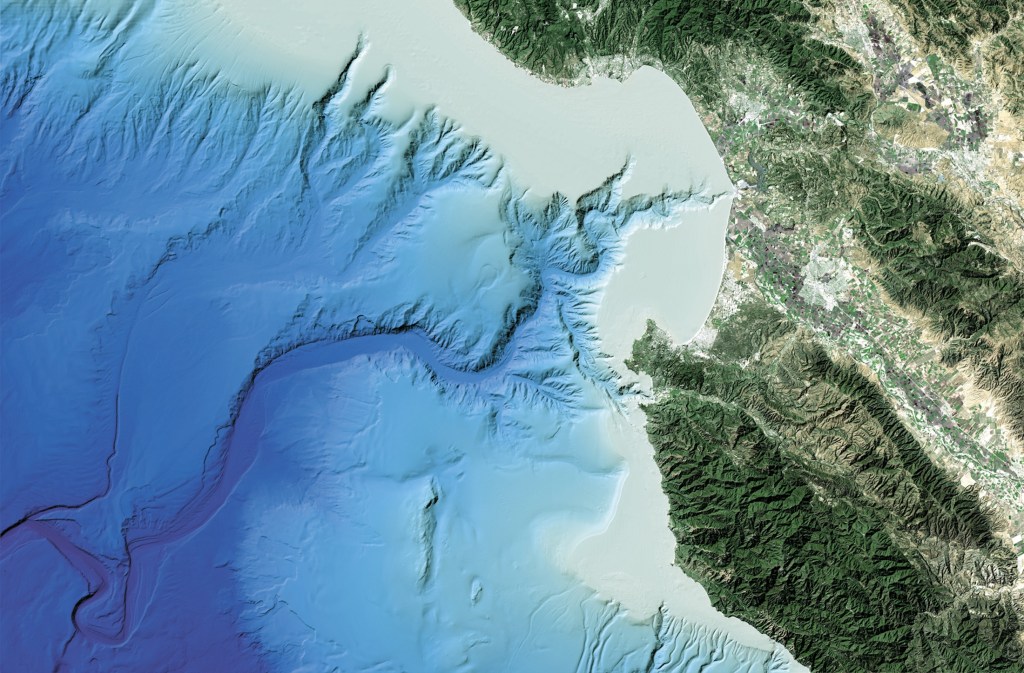
Monterey Canyon stretches nearly 95 miles out to sea, plunging over 11,800 feet into the depths—one of the largest submarine canyons on the Pacific Coast, hidden beneath the waves. (Courtesy: Monterey Bay Aquarium Research Institute MBARI)

Standing at Moss Landing, a quaint coastal town known for its fishing heritage, bustling harbor, and the iconic twin smokestacks of its power plant, you might never guess that a massive geological feature lies hidden beneath the waves. From this unassuming spot on the California coast, Monterey Canyon stretches into the depths, a colossal submarine landscape that rivals the grandeur of the Grand Canyon itself.

Monterey Canyon, often called the Grand Canyon of the Pacific, is one of the largest and most fascinating submarine canyons in the world. Stretching over 95 miles from the coast of Monterey, California, and plunging to depths exceeding 3,600 meters (11,800 feet), this underwater marvel rivals its terrestrial counterpart in size and grandeur. Beneath the surface of Monterey Bay, the canyon is a hotspot of geological, biological, and scientific exploration, offering a window into Earth’s dynamic processes and the mysterious ecosystems of the deep sea.

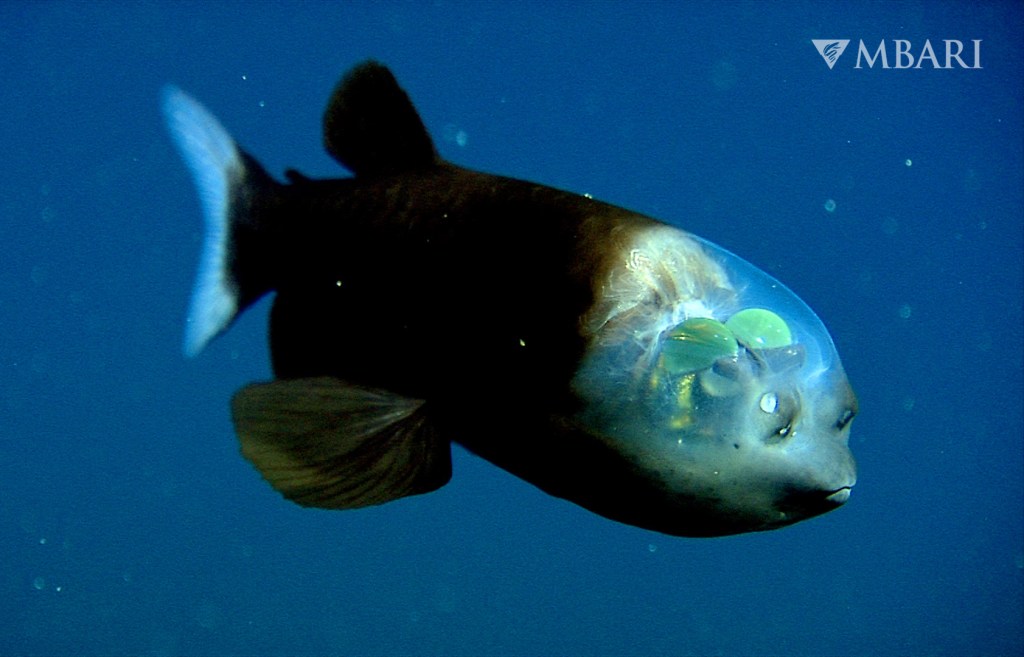
Drifting through the depths of Monterey Canyon, the elusive barreleye fish reveals its transparent head and tubular eyes—an evolutionary marvel perfectly adapted to the dark, mysterious waters off Monterey Bay.
(Courtesy: Monterey Bay Aquarium Research Institute MBARI)

Monterey Canyon owes its impressive scale and structure to the patient yet powerful forces of geological time. Formed over millions of years, Monterey Canyon has been shaped by a range of geological processes. One prevailing theory is that the canyon began as a river channel carved by the ancestral Salinas River, which carried sediments from the ancient Sierra Nevada to the ocean. As sea levels fluctuated during ice ages, the river extended further offshore, deepening the canyon through erosion. Another hypothesis points to tectonic activity along the Pacific Plate as a significant factor, creating fault lines and uplifting areas around the canyon while subsidence allowed sediment to accumulate and flow into the deep. These forces, combined with powerful turbidity currents—underwater landslides of sediment-laden water—worked in tandem to sculpt the dramatic contours we see today. Together, one or several of these processes forged one of Earth’s most dramatic underwater landscapes.

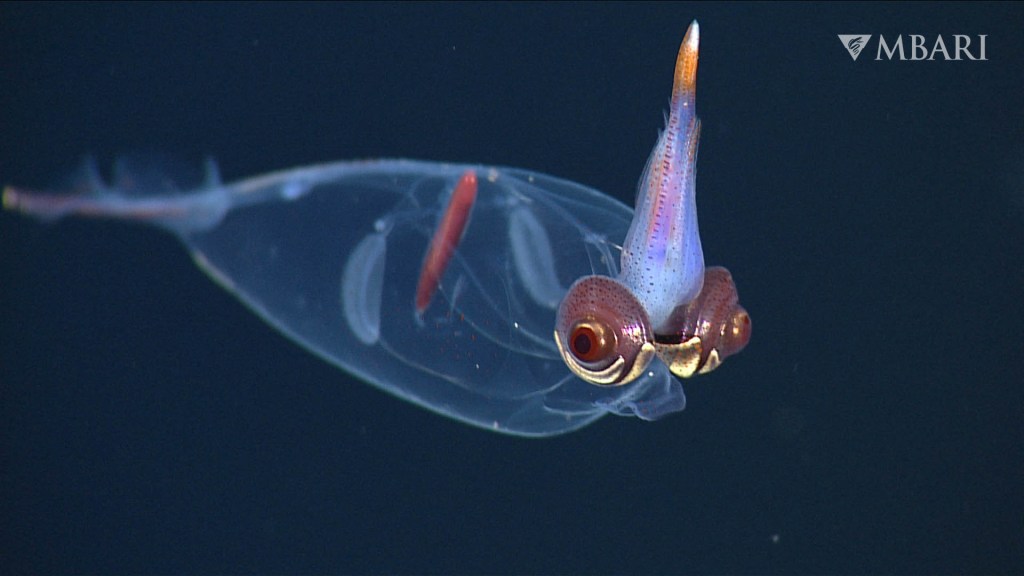
While the geology is awe-inspiring, the biology of Monterey Canyon makes it a living laboratory for scientists. The canyon is teeming with life, from surface waters to its darkest depths. Near the top, kelp forests and sandy seafloors support a wide variety of fish, crabs, and sea otters, while the midwater region, known as the “twilight zone,” is home to bioluminescent organisms like lanternfish and vampire squid that generate light for survival. Lanternfish, for example, employ bioluminescence to attract prey and confuse predators, while vampire squid use light-producing organs to startle threats or escape unnoticed into the depths. In the canyon’s deepest reaches, strange and hardy creatures thrive in extreme conditions, including the ghostly-looking Pacific hagfish, the bizarre gulper eel, and communities of tube worms sustained by chemical energy from cold seeps.

A vampire squid (Vampyroteuthis infernalis) observed by MBARI’s remotely
operated vehicle (ROV) Tiburon in the outer Monterey Canyon at a depth of approximately
770 meters. (Courtesy: Monterey Bay Aquarium Research Institute MBARI)

The barreleye fish, captured in stunning video footage by MBARI, is one of the canyon’s most fascinating inhabitants. This deep-sea fish is known for its’ domed transparent head, which allows it to rotate its upward-facing eyes to track prey and avoid predators in the dimly lit depths. Its unique adaptations highlight the remarkable ingenuity of life in the deep ocean. Countless deep-sea creatures possess astonishing adaptations and behaviors that continue to amaze scientists and inspire awe. Only in recent decades have we gained the technology to explore the depths and begin to uncover their mysteries.

The canyon’s rich biodiversity thrives on upwelling currents that draw cold, nutrient-rich water to the surface, triggering plankton blooms that sustain a complex food web. This process is vital in California waters, where it supports an astonishing array of marine life, from deep-sea creatures to surface dwellers like humpback whales, sea lions, and albatrosses. As a result, Monterey Bay remains a crucial habitat teeming with life at all levels of the ocean.

A woolly siphonophore (Apolemia lanosa) observed by MBARI’s remotely
operated vehicle (ROV) Tiburon in the outer Monterey Canyon at a depth of 1,200 meters.
(Courtesy: Monterey Bay Aquarium Research Institute MBARI)

What sets Monterey Canyon apart is the sheer accessibility of this underwater frontier for scientific exploration. The canyon’s proximity to the shore makes it a prime research site for organizations like the Monterey Bay Aquarium Research Institute (MBARI). Using remotely operated vehicles (ROVs) and advanced oceanographic tools, MBARI scientists have conducted groundbreaking studies on the canyon’s geology, hydrology, and biology. Their research has shed light on phenomena like deep-sea carbon cycling, the behavior of deepwater species, and the ecological impacts of climate change.

This animation, the most detailed ever created of Monterey Canyon, combines ship-based multibeam data at a resolution of 25 meters (82 feet) with high-precision autonomous underwater vehicle (AUV) mapping data at just one meter (three feet), revealing the canyon’s intricate underwater topography like never before.

MBARI’s founder, the late David Packard, envisioned the institute as a hub for pushing the boundaries of marine science and engineering, and it has lived up to this mission. Researchers like Bruce Robison have pioneered the use of ROVs to study elusive deep-sea animals, capturing stunning footage of creatures like the vampire squid and the elusive giant siphonophore, a colonial organism that can stretch over 100 feet, making it one of the longest animals on Earth.

Bruce Robison, deep-sea explorer and senior scientist at MBARI, has spent decades uncovering the mysteries of the ocean’s twilight zone, revealing the hidden lives of deep-sea creatures in Monterey Canyon. (Photo: Erik Olsen)

Among the younger generations of pioneering researchers at MBARI, Kakani Katija stands out for her groundbreaking contributions to marine science. Katija has spearheaded the development of FathomNet, an open-source image database that leverages artificial intelligence to identify and count marine animals in deep-sea video footage, revolutionizing how researchers analyze vast datasets. Her work has also explored the role of marine organism movements in ocean mixing, revealing their importance for nutrient distribution and global ocean circulation. These advancements not only deepen our understanding of the deep sea but also showcase how cutting-edge technology can transform our approach to studying life in the deep ocean.

Two leading scientists at MBARI, Steve Haddock and Kyra Schlining, have made groundbreaking discoveries in Monterey Canyon, expanding our understanding of deep-sea ecosystems. Haddock, a marine biologist specializing in bioluminescence, has revealed how deep-sea organisms like jellyfish and siphonophores use light for communication, camouflage, and predation. His research has uncovered new species and illuminated the role of bioluminescence in the deep ocean. Schlining, an expert in deep-sea video analysis, has played a key role in identifying and cataloging previously unknown marine life captured by MBARI’s remotely operated vehicles (ROVs). Her work has helped map the canyon’s biodiversity and track environmental changes over time, shedding light on the delicate balance of life in this hidden world.

A peacock squid (Taonius sp.) observed by one of MBARI’s remotely operated
vehicles. (Courtesy: Monterey Bay Aquarium Research Institute MBARI)

Monterey Canyon continues to inspire curiosity and collaboration. Its unique conditions make it a natural laboratory for testing cutting-edge technologies, from autonomous underwater vehicles to sensors for tracking ocean chemistry. The canyon also plays a vital role in education and conservation efforts, with institutions like the Monterey Bay Aquarium engaging visitors and raising awareness about the importance of protecting our oceans.

As we venture deeper into Monterey Canyon—an astonishing world hidden just off our coast—we find ourselves with more questions than answers. How far can life push its limits? How do geology and biology shape each other in the depths? And how are human activities altering this fragile underwater landscape? Yet with every dive and every discovery, we get a little closer to unraveling the mysteries of one of Earth’s last great frontiers: the ocean.

California’s Two-Spot Octopus Combines Extraordinary Intelligence with Masterful Camouflage

A Model Organism Advancing Research in Genomics and Behavioral Science

California Two Spot Octopus (Photo: Erik Olsen)

(This post has been updated with new research on octopus neurology.)

While diving along the California coastline, spotting a California two-spot octopus is a rare and memorable experience. Nestled in rocky crevices or hidden among kelp, these octopuses are easily identified by their distinctive blue “eye-spots,” which are not actual eyes but mimicry patterns used to confuse predators. Such encounters provide a fascinating glimpse into the behavior of this remarkable marine species.

The California two-spot octopus (Octopus bimaculoides), found from Central California to Baja, is a master of adaptation. Its chromatophores—specialized skin cells—allow it to change color and pattern with precision, enabling camouflage, communication, and courtship displays. This ability, paired with its intelligence and problem-solving skills, highlights the octopus’s unique place in the marine ecosystem and makes it a subject of keen scientific interest.

The California two-spot octopus, Octopus bimaculoides, is a marine creature that not only captivates with its intelligence but also serves as a window into the complex tapestry of cephalopod behavior and genomics.

Their behavior is an orchestra of complexity; they are solitary creatures, favoring a reclusive life, with the exception of mating. Research has shown that they have a keen ability to learn and navigate mazes, unscrew jars, and engage in play, indicating a level of intelligence that is quite remarkable for an invertebrate. 

Santa Barbara Museum of Natural History Sea Center

The study of octopus intelligence, characterized by their remarkable problem-solving abilities and behavioral sophistication, has profound implications for our understanding of intelligence as a biological phenomenon. Octopuses, having diverged from the lineage that would lead to humans around 600 million years ago, share a common ancestor with us that was likely a simple, multicellular organism, a primitive flatworm. This vast evolutionary gulf highlights the fact that octopus intelligence developed along a trajectory entirely distinct from our own. Their decentralized nervous systems, capable of independently operating limbs and complex reflex actions, challenge the mammalian-centric view of brain-body coordination and cognitive processing, suggesting that intelligent behavior can arise from a variety of neural architectures.

Unlike humans and other vertebrates, where neural control is centralized in the brain, over two-thirds of this octopus’s neurons are located in its arms. This decentralized system allows each arm to function with remarkable independence, capable of exploring, tasting, and manipulating its environment without direct input from the brain. Recent studies reveal that octopus arm neurons are arranged in segmented clusters, enabling precise control of movement and the coordination of its powerful suckers. This unique adaptation not only enhances their hunting efficiency but also underscores the intricate evolutionary design of these intelligent marine creatures.

CALIFORNIA CURATED ON ETSY

Purchase stunning art prints of iconic California scenes.
Check out our Etsy store.

If you haven’t seen it yet, I highly recommend YouTuber Mark Rober’s recent video on octopus intelligence. His pet octopus Sashimi is a California Two Spot Octopus.

The ability of octopuses to adapt their skin color and texture in real-time, for purposes ranging from camouflage to communication, is a further testament to their cognitive prowess. This capability is controlled not just by their brains, but by the network of nerve cells spread across their body discussed above, showcasing a form of distributed intelligence. It indicates that cognition can be more holistic than previously thought, involving complex interactions between an organism’s nervous system and its environment. These findings prompt a reevaluation of intelligence, proposing that it is not a single trait but rather a spectrum of abilities that can manifest in diverse forms across different species.

Recent discoveries have shown the animal’s remarkable ability to actually see with its skin. A University of California at Santa Barbara study found that the skin of the California two-spot octopus can sense light even without input from the central nervous system. The animal does so by using the same family of light-sensitive proteins called opsins found in its eyes (and ours) — a process not previously described for cephalopods. The researchers’ findings appeared in the Journal of Experimental Biology.

California two-spot octopus hatchling (UCSB)

The independent evolutionary path of octopus intelligence highlights the remarkable plasticity and adaptability of cognitive systems. It implies that intelligence can evolve under a variety of ecological pressures and life histories. In the case of the octopus, their short lifespans and lack of social structures, which are generally seen as drivers of intelligence in vertebrates, have not prevented them from developing complex behaviors and learning capacities. This independence suggests that intelligence is not a linear or singular progression but a trait that can emerge in multiple forms across the tree of life, shaped by the specific challenges and opportunities an organism faces in its niche.

Octopus chromatophores

The California Two-Spot Octopus is increasingly recognized as a valuable model organism for scientific research due to its unique biology and evolutionary position. New studies, particularly in the field of genomics using the genome of the California Two Spot octopus, have unveiled the vastness of the octopus’s genetic blueprint. Its sequenced genome provides an unparalleled resource for studying cephalopod-specific innovations, including their advanced nervous systems, remarkable cognitive abilities, and capacity for complex behaviors such as camouflage and problem-solving. As a model organism, the two-spot octopus enables researchers to explore fundamental questions about neural development, learning, and adaptation in animals, offering insights that extend to broader biological and evolutionary contexts. The genome’s wealth of information, including expanded gene families linked to neural function and adaptive traits, makes this octopus an ideal subject for addressing critical questions in genomics, neurobiology, and evolutionary biology.

CALIFORNIA CURATED ON ETSY

Purchase stunning art prints of iconic California scenes.
Check out our Etsy store.

Their genome is large and contains a greater number of genes than that of a human, with a massive proliferation of gene families associated with neural development hinting at the biological underpinnings of their brainpower and behavior. These genetic insights could explain not only their sophisticated nervous systems but also their adaptability and the evolution of their unique traits.

For the California science enthusiast, the two-spot octopus represents not just a local marine inhabitant but also a subject of profound scientific intrigue. The more we delve into their world, the more we uncover about the possibilities of life’s evolutionary paths. Their genomic complexity challenges our understanding of intelligence and consciousness, making them not just a marvel of the deep but a mirror reflecting the enigma of life itself.

Walter Munk was a Californian Oceanographer Who Changed Our Understanding of the Seas

Photo: Erik Jepsen (UC San Diego)

Walter Munk, often referred to as the “Einstein of the Oceans,” was one of the most influential oceanographers of the 20th century. Over a career that spanned more than 70 years, Munk fundamentally altered how we think about the oceans, contributing to our understanding of everything from wave prediction during World War II to deep-sea drilling in California. His work at the Scripps Institution of Oceanography in La Jolla, California, was groundbreaking and continues to influence scientific thinking to this day.

Walter Heinrich Munk was born in Vienna, Austria, on October 19, 1917. At 14, he moved to New York, where he later pursued physics at Columbia University. He became a U.S. citizen in 1939 and earned a bachelor’s degree in physics from the California Institute of Technology the same year, followed by a master’s in geophysics in 1940. Munk then attended the Scripps Institution of Oceanography and completed his Ph.D. in oceanography from the University of California in 1947.

Dr. Walter Munk in 1952. (Scripps Institution of Oceanography Archives/UC San Diego Libraries)

In the early 1940s, Munk’s career took a defining turn when the United States entered World War II. At the time, predicting ocean conditions was largely guesswork, and this posed a significant challenge for military operations. Munk, a PhD student at Scripps at the time, was recruited by the U.S. Army to solve a problem that could make or break military strategy—accurate wave prediction for amphibious landings.

CALIFORNIA CURATED ART ON ETSY

Purchase stunning art prints of iconic California scenes.
Check out our Etsy store.

One of his most famous contributions during the war came in 1944, ahead of the Allied invasion of Normandy. Alongside fellow oceanographer Harald Sverdrup, Munk developed a method to predict the size and timing of ocean waves, ensuring that troops could land safely during the D-Day invasion. Using their model, the Allied forces delayed the invasion by one day, a move that proved crucial in reducing casualties and securing the beachhead. This same wave prediction work was used again in the Pacific theater, particularly for landings on islands like Iwo Jima and Eniwetok. Munk’s contributions not only helped win the war but also laid the foundation for modern oceanography. Wave forecasting is now a standard tool for naval operations, shipping, and even recreational surfers.

Landing craft pass supporting warships in the Battle of Eniwetok, 19 February 1944. (U.S. Army)

After the war, Munk returned to Scripps, a place that would remain central to his career. Established in 1903, Scripps had been growing into a major center for oceanographic research, and Munk’s work helped elevate it to new heights. Located in La Jolla, just north of San Diego, Scripps was perfectly positioned on the California coastline to be at the forefront of oceanographic studies. Scripps is one of the premier oceanographic institutions in the world.

During the post-war years, Munk helped pioneer several new areas of research, from the study of tides and currents to the mysteries of the deep sea. California, with its rich marine ecosystems and coastal access, became the perfect laboratory. In La Jolla, Munk studied the Southern California Current and waves that originated across the Pacific, bringing new understanding to local coastal erosion and long-term climate patterns like El Niño. His research had a direct impact on California’s relationship with its coastline, from naval operations to public policy concerning marine environments.

Walter Munk in 1963 with a tide capsule. The capsule was dropped to the seafloor to measure deep-sea tides before such measurements became feasible by satellite. Credit Ansel Adams, University of California

While Munk’s contributions to wave forecasting may be his most widely recognized work, one of his boldest projects came in the 1960s with Project Mohole. It was an ambitious scientific initiative to drill into the Earth’s mantle, the layer beneath the Earth’s crust. The project was named after the Mohorovičić Discontinuity (named after the pioneering Croatian seismologist Andrija Mohorovičić), the boundary between the Earth’s crust and mantle. The boundary is often referred to as the “Moho”. The goal was revolutionary: to retrieve a sample from the Earth’s mantle, a feat never before attempted.

The idea was to drill through the ocean floor, where the Earth’s crust is thinner than on land, and reach the mantle, providing geologists with direct insights into the composition and dynamics of our planet. The project was largely conceived by American geologists and oceanographers, including Munk, who saw this as an opportunity to leapfrog the Soviet Union in the ongoing Cold War race for scientific supremacy.

The Glomar Challenger, launched in 1968, was the drill ship for NSF’s Deep Sea Drilling Project. (Public Domain)

California was again the backdrop for this audacious project. The drilling took place off the coast of Guadalupe Island, about 200 miles from the Mexican coast, and Scripps played a key role in organizing and coordinating the scientific work. The project succeeded in drilling deeper into the ocean floor than ever before, reaching 600 feet into the seabed. However, funding issues and technical challenges caused the U.S. Congress to abandon the project before the mantle could be reached. Despite its early end, Project Mohole is considered a precursor to modern deep-sea drilling efforts, and it helped pave the way for initiatives like the Integrated Ocean Drilling Program, which continues to explore the ocean’s depths today. For example, techniques for dynamic positioning for ships at sea were largely developed for the Mohole Project.

Munk’s work was deeply tied to California, a state whose coastlines and oceanography provided a wealth of data and opportunities for study. Scripps itself is perched on a stunning bluff overlooking the Pacific Ocean, a setting that greatly inspired Munk and his colleagues. Throughout his career, Munk worked on understanding the coastal dynamics of California, from studying the erosion patterns of beaches to analyzing how global warming might impact the state’s famous coastal cliffs.

Scripps Institution of Oceanography

His legacy continues to shape how California manages its vast coastline. The methodologies and insights he developed in wave prediction are now used in environmental and civil engineering projects that protect harbors, beaches, and coastal infrastructure from wave damage. As climate change accelerates the rate of sea level rise, Munk’s work on tides, ocean currents, and wave dynamics is more relevant than ever for California’s future.

Walter Munk’s contributions to oceanography stretched well beyond his wartime work and Project Mohole. He was instrumental in shaping how we understand everything from deep-sea currents to climate patterns, earning him numerous awards and accolades. His work at Scripps set the stage for the institution’s current status as a world leader in oceanographic research.

One of the most notable examples of this work was an experiment led by Munk to determine whether acoustics could be used to measure ocean temperatures on a global scale, offering insights into the effects of global warming. In 1991, Munk’s team transmitted low-frequency underwater acoustic signals from a remote site near Heard Island in the southern Indian Ocean. This location was strategically chosen because sound waves could travel along direct paths to listening stations in both the Pacific and Atlantic Oceans. The experiment proved successful, with signals detected as far away as Bermuda, New Zealand, and the U.S. West Coast. The time it took for the sound to travel was influenced by the temperature of the water, confirming the premise of the study.

Walter Munk in 2010 after winning the Crafoord Prize. (Crafoord Prize)

Munk passed away in 2019 at the age of 101, but his influence lives on. His approach to science—marked by curiosity, boldness, and a willingness to take on complex, high-risk projects—remains an inspiration for generations of scientists. He was a giant not only in oceanography but also in shaping California’s role in global scientific innovation. As the state faces the challenges of a changing climate, Munk’s legacy as the “Einstein of the Oceans” continues to be felt along its shores and beyond.