The Ivanpah Solar Project is an Engineering Solar Power Giant in the Mojave Desert

Ivanpah Solar Power Facility in the Mojave Desert (Erik Olsen)

Update (February 2025): The Ivanpah Solar Electric Generating System, once a milestone in renewable energy, now faces possible closure. Pacific Gas & Electric has agreed to terminate its contracts, citing the higher cost of Ivanpahโ€™s solar-thermal technology compared to photovoltaics. If approved, two of the plantโ€™s three units could shut down by 2026. Southern California Edison is also considering a contract buyout, adding to uncertainty. Environmental concerns, including bird and tortoise deaths from intense solar radiation, have further complicated Ivanpahโ€™s legacy, reflecting the challenges of large-scale clean energy projects.

In the heart of the Mojave Desert, a glittering sea of mirrors sprawls across 3,500 acres, harnessing the relentless desert sun to power homes and businesses across California. As you drive to or from Las Vegas to the West, the facility rises from the desert, resembling an alien spaceport in the distance. From the air, passengers on flights over the desert can easily spot the plant, with its three towering structures gleaming nearly as brilliantly as the sun.

This ambitious undertaking, known as the Ivanpah Solar Electric Generating System, stands as one of the largest concentrated solar power (CSP) plants in the world. Since its completion in 2014, Ivanpah has been celebrated as a major milestone in renewable energy innovation, while also facing considerable scrutiny and challenges. 

The idea behind Ivanpah was born from the vision of BrightSource Energy, led by Arnold Goldman, who was an early pioneer of solar thermal technology. Goldman had previously been involved with Luz International, a company that attempted similar solar ventures in the 1980s. Those early projects struggled due to high costs and limited efficiency, eventually falling victim to the market forces of low fossil fuel prices and a lack of policy support. But by the mid-2000s, the winds had shifted. California, driven by its Renewable Portfolio Standard (RPS), began pushing aggressively for renewable energy sources, setting ambitious targets that mandated utilities procure a large percentage of their electricity from clean sources. This provided fertile ground for a revived effort in concentrated solar power.

Ivanpah Solar Power Facility, a glittering sea of mirrors sprawls across 3,500 acres, harnessing the relentless desert sun to power homes and businesses across California. (Erik Olsen)

With significant financial backing from NRG Energy, Googleโ€”which has a strong interest in promoting renewable energy as part of its sustainability goalsโ€”and the U.S. Department of Energy (which provided a $1.6 billion loan guarantee), the Ivanpah project broke ground in 2010 and began operation in 2014. By its completion, it had become a landmark renewable energy installationโ€”a bold attempt to demonstrate the viability of CSP technology at scale, with a capacity of 392 megawatts (MW), enough to power around 140,000 homes at peak production.

Ivanpah’s CSP technology differs significantly from the more common photovoltaic (PV) solar panels that typically sprawl across rooftops and solar farms. Instead of directly converting sunlight into electricity, Ivanpah employs a central tower system that uses concentrated solar power to generate steam. The facility harnesses the reflections of 173,500 heliostats (large mirrors) spread across the desert floor, each of which tracks the sun throughout the day using computer algorithms, reflecting sunlight onto a central receiver at the top of Ivanpahโ€™s three 450-foot towers.

Photovoltaic solar array in the Mojave Desert in California (Erik Olsen)

Inside these towers, the intense, concentrated sunlight heats water to temperatures of over 1,000ยฐF (537ยฐC). This heat turns water into steam, which drives turbines to generate electricity. This processโ€”turning solar energy into heat, then into steam, and finally into electricityโ€”requires multiple stages of energy conversion, introducing inefficiencies along the way. While innovative, these conversions come with inherent energy losses that ultimately affect overall efficiency. Some of these inefficiencies and energy losses were unanticipated, demonstrating the complexities of scaling concentrated solar power to this level.

The theoretical efficiency of CSP systems like Ivanpah is generally around 15-20%. By comparison, modern PV panels convert sunlight directly into electricity, achieving efficiencies of 15-22%, with some high-end models exceeding 25%. The direct conversion of sunlight by PV systems avoids the multiple stages of transformation needed by CSP, making PV generally more efficient and cost-effective. That is not to say the project was not an unworthwhile effort, just that it has not yet met the early expectations for the technology.

Ivanpah Solar Power Facility from an airplane. (Erik Olsen)

While Ivanpah was a leap forward in solar technology, it has faced several challenges, both technical and environmental. One of the first issues arose in the initial years of operation: the plant produced less electricity than anticipated, often falling short of its projected targets. This shortfall was attributed to a combination of technical complications, lower-than-expected solar irradiance, and operational adjustments as engineers sought to optimize the plant’s complex systems.

In addition, Ivanpah relies on natural gas to preheat its boilers in the early morning or during cloudy weather, ensuring the turbines are ready to operate as soon as the sun provides enough energy. This auxiliary use of natural gas has sparked criticism, with some questioning whether Ivanpah can truly be considered a clean, renewable energy source. While the natural gas usage is minimal relative to the plant’s total output, it highlights a practical limitation of CSP systems, which need to overcome the intermittent nature of sunlight.

Visit the California Curated store on Etsy for original prints showing the beauty and natural wonder of California.

Environmental impacts have also drawn attention. Ivanpah’s vast array of mirrors produces a phenomenon known as solar flux, a concentrated field of heat that can reach temperatures high enough to injure or kill birds flying through it. Dubbed ‘streamers,’ because of the smoke that comes from their wings when they burn in midair, birds that enter this concentrated beam often die. (Here’s a video about it.) A report from the California Energy Commission refers to what they call a “megatrap,” where birds are drawn to insects that are attracted to the intense light emitted from the towers. This unintended effect on wildlife has been a significant concern for conservation groups, prompting Ivanpah to work on mitigation measures, including testing visual deterrents to keep birds away.

A burned MacGillivray’s Warbler found at the Ivanpah solar plant during a visit by U.S. Fish and Wildlife Service in October 2013. 
U.S. Fish and Wildlife Service/AP Photo

Moreover, the sheer size of Ivanpah, covering a significant area of desert land, has raised concerns about the impact on local ecosystems. The Mojave Desert is a delicate environment, and constructing such a large facility inevitably affected the flora and fauna, prompting debates about whether renewable energy projects should be balanced with efforts to preserve pristine habitats.

Ivanpah is just one of several large-scale CSP projects around the globe. Another notable example is the Noor Ouarzazate Solar Complex in Morocco, which is one of the largest CSP installations in the world. The Noor Complex uses both parabolic trough and solar tower technologies and, crucially, incorporates molten salt to store heat, allowing it to generate electricity even after the sun has set. The use of molten salt offers several advantages over water-based systems like Ivanpah. Molten salt can retain heat for longer periods, enabling the plant to continue generating power during periods of low sunlight or even after sunset, which greatly improves grid reliability and helps balance energy supply with demand.

The Crescent Dunes Solar Energy Project, once a symbol of cutting-edge solar technology with its 640-foot tower and field of over 10,000 mirrors, now stands as a cautionary tale of ambitious renewable energy efforts. Despite its initial promise, the project was plagued by technical issues and ultimately failed to meet its energy production goals, leading to its closure.
(U.S. Department of Energy)

Similarly, the Crescent Dunes project in Nevada was another attempt to utilize molten salt for energy storage. It initially showed promise but struggled with technical setbacks and eventually ceased operation in 2019 due to persistent issues with the molten salt storage system and failure to meet performance expectations. The technology, although innovative, struggled with high maintenance costs, particularly with the heliostat mirrors and salt storage tanks. The company behind Crescent Dunes, SolarReserve, went bankrupt after being sued by NV Energy for failing to meet its contractual obligations.

Despite these setbacks, the project has not been fully decommissioned. ACS Cobra, the Spanish firm involved in its construction, now operates the plant at reduced capacity, mainly delivering energy during peak demand at night. Although Crescent Dunes has never reached its full potential, it continues to produce some electricity for Nevada’s grid, albeit far below the originally planned levels.

Crescent Dunes underscored the challenges associated with large-scale CSP projects, particularly the difficulty of balancing complexity, maintenance, and operational costs. However, the use of molten salt in Crescent Dunes demonstrated the significant potential for improving CSP efficiency through effective thermal storage, highlighting a critical advantage over water-based systems like Ivanpah that lack extensive storage capabilities.

While CSP holds the advantage of potential energy storageโ€”something PV cannot inherently achieve without additional batteriesโ€”PV technology has seen a steep decline in cost and significant improvements in efficiency over the past decade. This rapid evolution has made PV panels more attractive, leading to widespread adoption across both utility-scale and residential projects. Hybrid projects, like Phase IV of the Mohammed bin Rashid Al Maktoum Solar Park in Dubai, are now combining PV and CSP technologies to maximize efficiency and output, utilizing each technology’s strengths.

Ivanpah remains operational, continuing to contribute renewable energy to Californiaโ€™s grid.

Photovoltaic solar array in the Mojave Desert in California (Erik Olsen)

Governor Gavin Newsom has commented on the importance of renewable projects like Ivanpah in meeting California’s ambitious clean energy goals. Newsom has praised Ivanpah as a vital component of the state’s effort to transition away from fossil fuels, emphasizing the need for innovative projects to meet California’s target of achieving 100% renewable energy by 2045. He has highlighted the symbolic value of Ivanpah, not only as a source of clean energy but as a testament to California’s leadership in renewable technology and environmental stewardship. Its story is one of both ambition and caution, highlighting the promise of concentrated solar power as well as its practical and environmental limitations. In many ways, Ivanpah serves as a testbed for CSP technology, providing valuable insights into the challenges of scaling such systems to utility-level production. It has also sparked discussions on the role of CSP compared to other forms of renewable energy, especially as battery technology advances to address PV’s storage challenges.

While CSP is unlikely to overtake PV in terms of widespread adoption due to its complexity and cost, it still has a role to play, particularly in regions with intense sunlight and a need for energy storage. The lessons learned at Ivanpahโ€”both the successes and the setbacksโ€”will inform the next generation of solar projects, driving innovation and helping policymakers, engineers, and investors make more informed decisions about the future of renewable energy infrastructure.

Mohammed bin Rashid Al Maktoum Solar Park (Government of Dubai)

Californiaโ€™s solar and renewable energy installations have seen remarkable success in recent years, as the state continues to push toward its ambitious goal of 100% clean electricity by 2045. In 2024, California achieved several milestones that highlight the effectiveness of its clean energy initiatives. For example, the state has more than 35,000 MW of renewable energy capacity already serving the grid, with 16,000 MW added just since 2020. A key component of this growth is the rapid expansion of battery storage, which has become essential for balancing the grid, especially during peak demand times when solar power diminishes in the evening. In 2024 alone, battery storage capacity grew by over 3,000 MW, bringing the total to more than 13,000 MWโ€”a 30% increase in just six monthsโ€‹

Visit the California Curated store on Etsy for original prints showing the beauty and natural wonder of California.

โ€‹In addition to storage, new solar projects like the Blythe Solar Power Project, which generates 485 MW of photovoltaic power and adds 387 MW of battery storage, are powering over 145,000 homes, further demonstrating Californiaโ€™s leadership in clean energy developmentโ€‹. This continued investment not only strengthens the grid but also ensures resilience during extreme weather events, which have become more frequent due to climate change.

Despite these successes, California still has a long way to go. The state will need to bring an additional 148,000 MW of renewable resources online by 2045 to fully meet its goalsโ€‹. However, with the state’s rapid advancements in storage technology, solar capacity, and governmental support, California is well on its way to achieving a cleaner, more sustainable energy future.

Google arranged the mirrors at Ivanpah to create a tribute to Margaret Hamilton, the pioneering computer scientist who led the software engineering efforts for the Apollo space missions. (Google)

Beyond its role in renewable energy, Ivanpah has also found itself at the intersection of technology and art. One notable example is when Google arranged the mirrors at Ivanpah to create a tribute to Margaret Hamilton, the pioneering computer scientist who led the software engineering efforts for the Apollo space missions. This artistic alignment of mirrors highlighted Ivanpah’s versatilityโ€”not just as an engineering marvel for energy generation but also as a symbol of human achievement. The intricate choreography of heliostats to form an image visible from above served as a powerful visual homage, merging art, science, and technology in a striking way. Such projects have helped broaden the cultural significance of Ivanpah, presenting it not only as a source of renewable energy but also as an inspirational platform that celebrates human creativity and accomplishment.

The next time you’re driving to Vegas and spot the three massive, sun-like objects glowing in the desert, give a thought to the immense powerโ€”and challengesโ€”of harnessing the sunโ€™s energy in such a dramatic way.

by Erik Olsen

Beyond the Beach: How Santa Monica Became Home to the RAND Corporation, America’s Premier Defense Think Tank

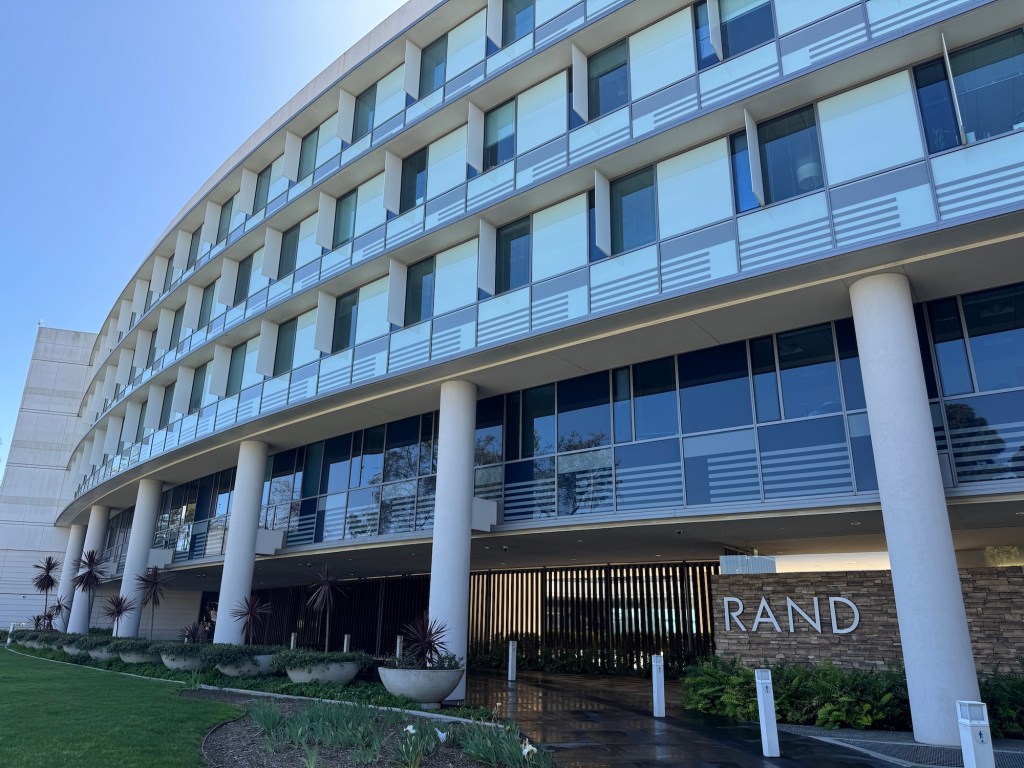
RAND’s current headquarters in Santa Monica (Erik Olsen)

When people think of Santa Monica, images of sun-soaked beaches, the iconic pier, and leisurely strolls along the Pacific Coast Highway often come to mind. It’s a city synonymous with surf, sand, and a laid-back California lifestyle. Yet, bunkered within this seaside haven is an institution far removed from the carefree spirit of the shore: RAND Corporation, one of the worldโ€™s most influential think tanks, with deep ties to the Department of Defense. While tourists flock to the hot sands and the 3rd Street Promenade, behind the walls of RAND’s headquarters, some of the nation’s brightest minds have quietly shaped U.S. policy and technology for decades.

The RAND Corporation, originally an acronym for “Research ANd Development,” is a think tank that has had a profound impact on policy and decision-making in various fields, including national security, science, technology, and social policy.

RAND emerged from the devastation of World War II, inspired by the success of the Manhattan Project, a $2 billion effort that produced the first atomic bomb. Seeing this achievement, five-star Air Force General Henry “Hap” Arnold recognized the need for a group of brilliant minds to keep America at the forefront of technological innovation. In 1946, Arnold assembled a small team of scientists with $10 million in funding to create RAND, short for Research and Development. He persuaded a family friend, aircraft mogul Donald Douglas, to host the project at his factory in Santa Monica.

Air Force General Henry “Hap” Arnold (USAF)

Within months, RAND captured the attention of academics, politicians, and military leaders with its groundbreaking report, “Preliminary Design of an Experimental World-Circling Spaceship.” At a time when rocket science was in its infancy, the think tank’s vision of an orbiting space station was revolutionary. The report not only detailed the type of fuel needed and the feasibility of constructing the station but also highlighted its potential to revolutionize weather forecasting, long-distance communication, and most crucially, its ability to intimidate America’s adversaries. If America could launch a satellite into space, what else might it achieve?

CALIFORNIA CURATED ART ON ETSY

Purchase stunning art prints of iconic California scenes.
Check out our Etsy store.

Although President Truman decided against pursuing the space station, the military quickly embraced RAND. Thanks to Hap Arnold’s connections, the Air Force became RAND’s primary contractor, and the think tank began consulting on a wide range of projects, from propeller turbines to missile defense systems. The influx of contracts soon overwhelmed RAND, prompting the need to hire hundreds of additional researchers. In its recruitment ads, RAND proudly highlighted its intellectual pedigree, even drawing a direct line from its president, Frank Collbohm, to Isaac Newton. Whether or not that claim held water, the institute rapidly earned a reputation as the go-to place for envisioning innovative strategies to wage wars and deter adversaries.

In fact, in 1960s the Soviet newspaper Pravda nicknamed RAND “the academy of science and death and destruction.” American media outlets preferred to call them the “wizards of Armageddon.” The Atlantic called them “the paramilitary academy of United States strategic thinking”.

RAND’s strategic theories, including the concept of Mutually Assured Destruction (MAD), were born from the devastating potential of atomic weapons, aiming to prevent nuclear war through deterrence.

But where is RAND located? When RAND was first established in 1946, it was housed in a building provided by Donald Douglas at his aircraft factory in Santa Monica. However, as RAND grew, it eventually moved to its own dedicated headquarters.

In 1953, RAND moved to a new building on a site provided by the city of Santa Monica. This building was designed specifically for RAND’s needs and became a recognizable landmark near the beach. In 2004, RAND moved again to a newly constructed headquarters in Santa Monica, located at 1776 Main Street. This modern facility was designed to better accommodate RAND’s evolving research activities and staff. So while RAND has always been in Santa Monica, it has moved to different buildings over the years.

Hand-tinted photo of the original RAND building at 1700 Main Street in Santa Monica, California, circa 1960s
RAND Archives

During the early years, RAND’s work was heavily focused on military and defense issues, reflecting the geopolitical climate of the Cold War. One of RAND’s most significant early contributions was the development of game theory and its application to military strategy. Pioneers like John Nash, who would later win the Nobel Prize in Economics, conducted seminal work at RAND during this period.

RAND’s analysts played a crucial role in the development of nuclear strategy, including the doctrine of mutually assured destruction (MAD). The think tank’s work on systems analysis, a method for evaluating complex systems, became a cornerstone of U.S. defense planning. RAND’s analysts developed strategies for deterrence, nuclear war scenarios, and the implications of various levels of nuclear arsenals.

“This was a very smart bunch,” said Ellsberg, just before his death on June 16, 2023. “The smartest group of people I ever did associate with. It turns out, by the way, intelligence is not a very good guarantee of wisdom.”

Daniel Ellsberg

Two key figures at the time, Albert Wohlstetter and Herman Kahn, were both pivotal figures at the RAND Corporation, where they contributed significantly to the development of U.S. nuclear strategy during the Cold War. Wohlstetter, known for his rigorous and analytical approach, emphasized the importance of maintaining a credible deterrent to Soviet aggression, which he articulated in his influential work, “The Delicate Balance of Terror.” Herman Kahn, another RAND was renowned for his work on nuclear warfare scenarios and is often credited with popularizing the concept of “mutual assured destruction” (MAD).

Albert Wohlstetter (Wikipedia)

Their paths intersected with Daniel Ellsberg, who also worked at RAND as an analyst. Ellsberg, who later became famous for leaking the Pentagon Papers, was influenced by both Wohlstetter’s strategic insights and Kahn’s scenarios, but the resulting plans for how America would manage a nuclear war with the Russians terrified Ellsberg. As he recounted in the Netflix Documentary Turning Point, Ellsberg revealed that serious plans at RAND estimated a nuclear war with Russia and China could result in 600 million casualties, highlighting the catastrophic consequences that were considered in Cold War strategic planning. These revelations, along with his evolving moral stance, eventually led Ellsberg to become a vocal critic of U.S. military policies.

“This was a very smart bunch,” said Ellsberg, before his death on June 16, 2023. “The smartest group of people I ever did associate with. It turns out, by the way, intelligence is not a very good guarantee of wisdom.”

RAND’s current headquarters in Santa Monica (Erik Olsen)

By the 1960s, RAND began to diversify its research agenda. The think tank started to tackle a wider array of issues, including healthcare, education, and social policy. In 1968, RAND established the Health Insurance Experiment, a landmark study that explored the effects of different levels of health insurance coverage on medical spending and health outcomes. This study had a lasting impact on health policy and remains one of the largest and most comprehensive studies of its kind.

Although Silicon Valley is given most of the credit, RAND also contributed to the development of the internet. In the 1960s, RAND researchers, including Paul Baran, were instrumental in developing the concept of packet-switching networks, which later became a fundamental technology underlying the internet. The key idea (which Baran worked on with others) was to develop a communication system that could withstand potential disruptions, such as those caused by a nuclear attack. His concept of breaking data into small packets and routing them through a decentralized network was groundbreaking, ensuring that information could still be transmitted even if parts of the network were compromised.

Paul Baran presents his work at a RAND in 2009
Photo by Diane Baldwin/RAND

In the 1980s and 1990s, RAND continued to expand its global influence. The organization opened offices in Europe and started collaborating with international governments and institutions. RAND’s research began to encompass global security, international development, and global health issues. RAND also pioneered the study of terrorism in the 1970s, well before the United Nations had even defined the term. Today, the RAND Terrorism Chronology Database, tracking all terrorist acts since 1968, is a crucial resource for the military and government.

One notable area of RAND’s recent work is in the field of education. RAND has conducted extensive research on educational policies and practices, including studies on school choice, teacher effectiveness, and the impacts of educational technology.

Despite its many contributions, RAND has faced criticisms and challenges. Some have argued that the think tank’s close ties to the military and government agencies may bias its research. Others have pointed out that, like any large organization, RAND’s influence can sometimes lead to the prioritization of certain agendas over others.

A British MQ-9A Reaper operating over Afghanistan in 2009 (Wikipedia)

One of RAND’s more controversial recent activities involved its research on U.S. drone warfare. Critics have raised concerns that RAND’s analyses have sometimes downplayed the ethical and civilian impact of drone strikes, focusing instead on the strategic advantages for the U.S. military. This has sparked debates about whether RANDโ€™s close ties to the Department of Defense might influence the objectivity of its findings, particularly in areas where the moral and humanitarian implications are significant.

As of the most recent data, RAND Corporation employs approximately 1,950 people, including researchers, analysts, and support staff. The think tank operates with an annual budget of around $390 million, funding a wide array of research projects across various disciplines, including national security, health, education, and more. These figures can fluctuate based on the specific projects and funding sources in any given year.

Despite concerns about its influence, the RAND Corporation has remained a significant player in policy research. Its ability to adapt and broaden its focus has helped it stay relevant over the years. RAND’s work continues to inform policies that affect many aspects of public life, reflecting the ongoing role of independent research in policy-making.

So the next time you take a trip to the beach, take a moment to consider that just a short distance from the waves, some of the nationโ€™s most critical and controversial policy decisions are being shaped at RANDโ€™s headquarters in Santa Monica.

Feathers on the Flyway: Unraveling Avian Mysteries at Bear Divide with the Moore Lab

Western tanager (Ryan Terrill)

โ€œPersonally, I really think itโ€™s one of the best birding spots in the world,โ€ Ryan Terrill, science director at the Klamath Bird Observatory.

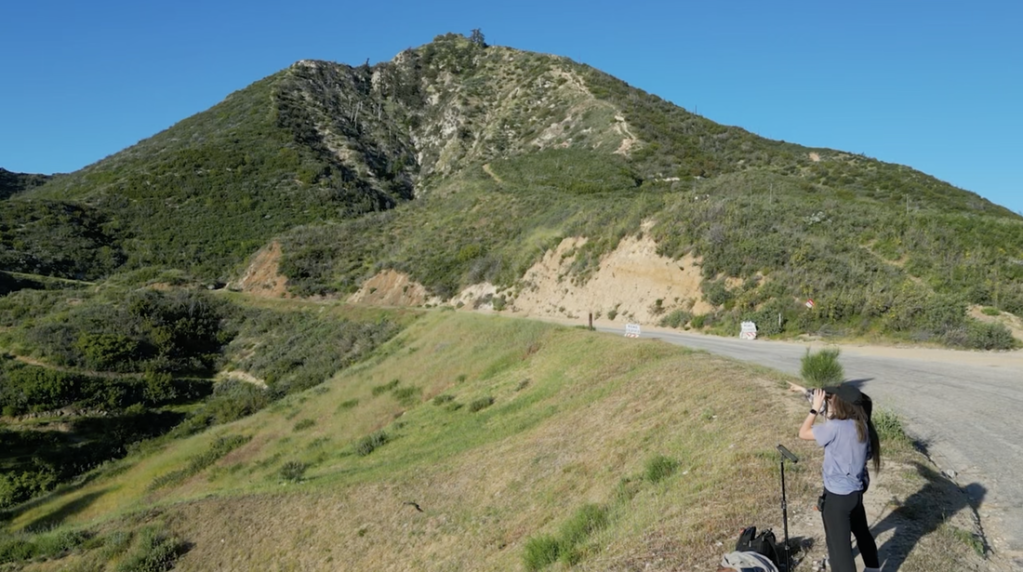
Within a 45 minute drive from the urban chaos of downtown Los Angeles, lies a natural, ornithological marvel: Bear Divide, a vital corridor for the annual migration of numerous bird species. Every year โ€” roughly between March 15 and June 15, with peak migration between April 10 and May 20 โ€” thousands of birds funnel through the narrow pass. The divide is a small dip in the otherwise impregnable San Gabriel mountains, allowing birds in the midst of their migration to pass through safely at relatively low altitudes. This area is not just a haven for bird enthusiasts but also a critical research site, especially for the team from the Moore Lab of Zoology at Occidental College, who have been delving into the intricacies of these migratory patterns.

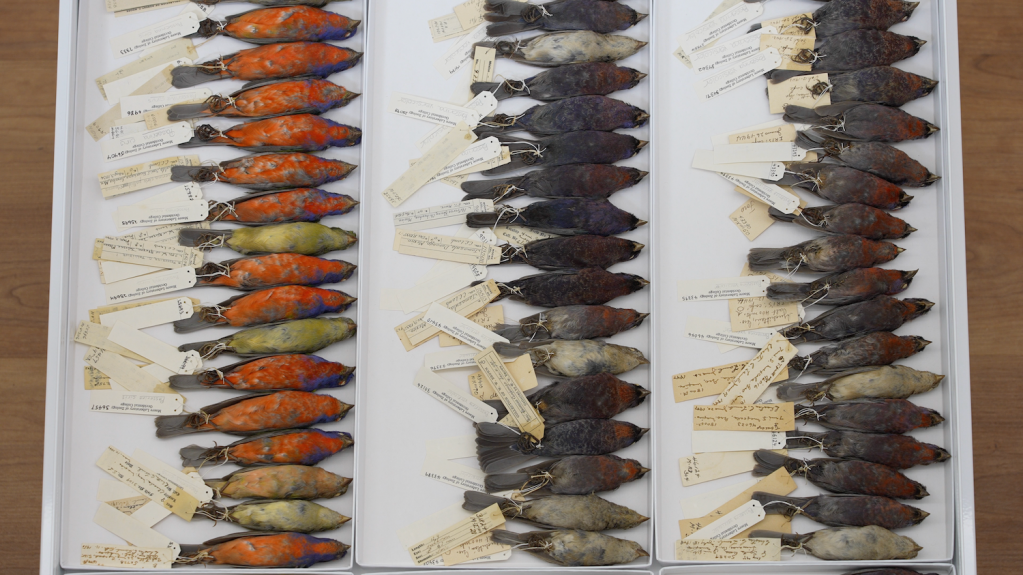
The Moore Lab of Zoology is renowned for its extensive bird specimen collection, one of the largest of its kind in the world for Mexican birds.

Part of the large bird collection at the Moore Lab at Occidental College in Pasadena (Erik Olsen)

Bear Divide is strategically positioned along the Pacific Flyway, a significant north-south migratory route used by birds traveling between Alaska and Patagonia. The geographical features of the San Gabriels provide an ideal resting and feeding ground for these birds, making Bear Divide a crucial stopover during their long journeys. It’s this unique combination of location and topography that makes Bear Divide an essential component of avian migration.

U.S. Fish and Wildlife Service

The discovery of Bear Divide was a lucky happenstance. A bird researcher was conducting overnight monitoring in the spring of 2016, and when morning came, he noticed legions of small songbirds whizzing past his monitoring spot. His report caught the attention of postdoc bird scientist Ryan Terrill at Moore Lab at the time, and he began an effort to monitor the birds. Terrill and his team would ultimately record as many as 20,000 birds in a single morning.

โ€œIt really is overwhelming to stand on the road and have 5,000 birds of 80 species fly by your knees in a morning,โ€ Terrill said. The effort has continued to this day with startling results. Terrill has since left and is now the science director at the Klamath Bird Observatory.

CALIFORNIA CURATED ON ETSY

Purchase stunning coffee mugs and art prints of iconic California species.
Check out our Etsy store.

“Last year 2023 we counted 53,511 birds of 140 species from February to May,” said John McCormack, a professor of biology and the Director and Curator of the Moore Laboratory of Zoology. “And of course, we missed many thousands more because most travel at night. It’s easy to say that there are hundreds of thousands of birds passing through Bear Divide.”

Swainson’s Hawk (Marky Mutchler)

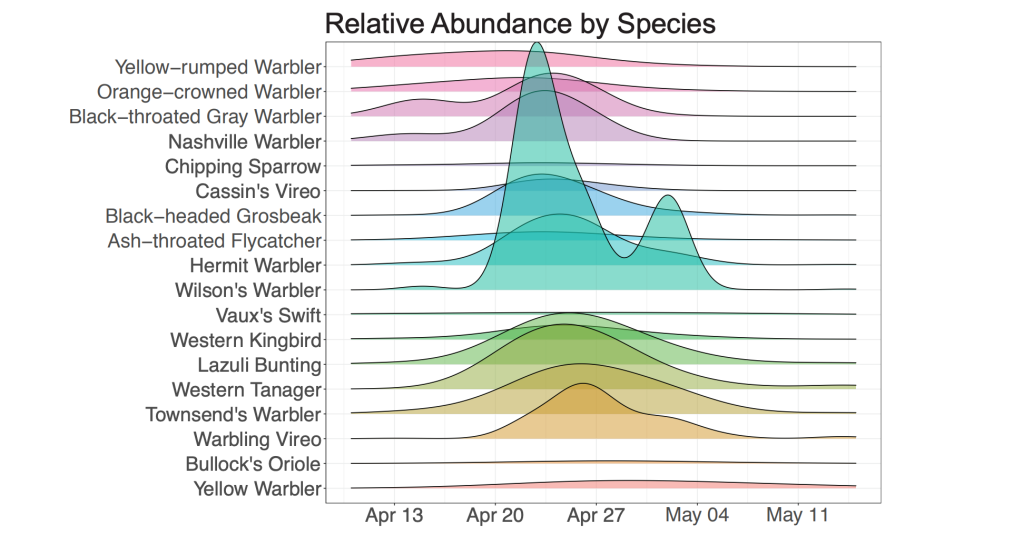
As many as 13,000 western tanagers, lazuli buntings, chipping sparrows, hermit warblers, orioles, grosbeaks and warblers pass through Bear Divide on a single day. Why they do so, is not entirely understood. The unusual topography of Bear Divide essentially serves as a funnel for the migrating birds, with many of them shooting through the gap just a meter or two above ground.

โ€œPersonally, I really think itโ€™s one of the best birding spots in the world,โ€ Terrill told the LA Times.

McCormack says that the “ultimate goal is to better understand the Pacific Flyway and how it’s used, especially by small terrestrial birds. Little is known about their movements because they are hard to see and usually travel at night.”

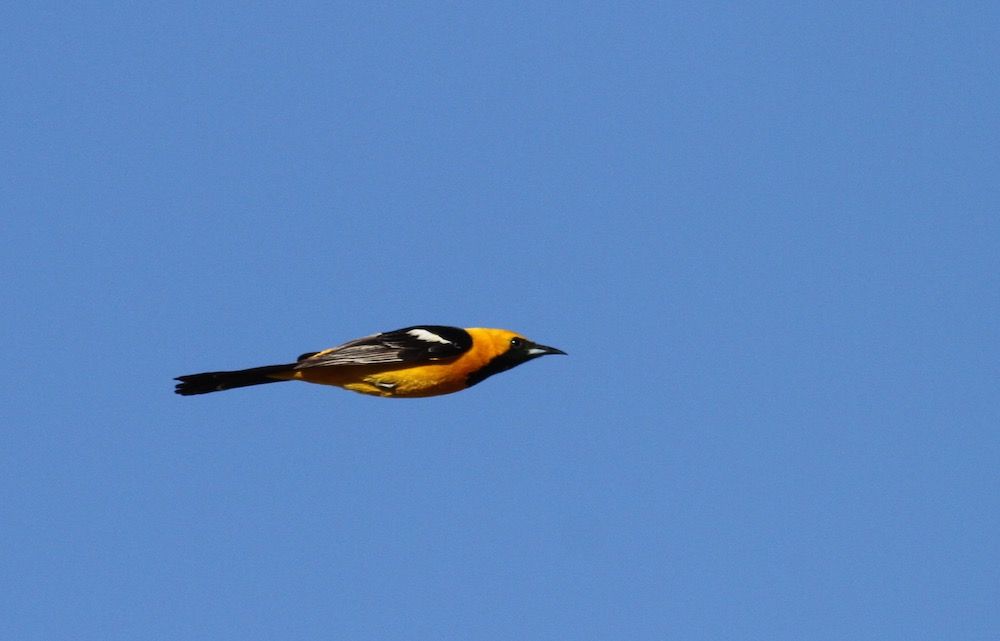
Hooded Oriole (Ryan Terrill)

Because many of the species sighted at Bear Divide are in steep decline. The lab says that year-to-year counts will help set a baseline for future trends that can be associated with weather, climate, and urbanization. “Tracking individual birds will give granular knowledge on how migratory birds use the landscape, which helps individuals and homeowners create corridors for them to travel,” says McCormack.

The best time to catch the show at Bear Divide is late winter early Spring. McCormack says Cliff Swallows and Lawrence’s Goldfinch are some of the early movers in March, and that by May, streaking by are Yellow Warblers, sunset-faced Western Tanagers, and bright blue Lazuli Buntings.

โ€œThere is so much we still donโ€™t know about these birds and their world,โ€ Lauren Hill, the siteโ€™s lead bird bander, told the Los Angeles Times. โ€œFor example, no one knows where they were before showing up here after sunrise.โ€

Lazuli Bunting zips past the camera at Bear Divide (Ryan Terrill)

The team is counting birds in order to establish a baseline of the populations coming through Bear Divide so they can understand how much we are changing the environment and what effect that may have on bird populations, many of which are in severe decline.

Their research spans a variety of topics, including how climate change is impacting migration routes and the effects of urbanization on bird populations. The lab has recently begun a program to put satellite trackers on birds at Bear Divide to follow individual birds, providing deep insight into their migration and resting patterns. This research is not only pivotal in understanding avian behavior but also crucial in shaping conservation policies.

One of the most fascinating aspects of Bear Divide is the sheer variety of bird species it attracts. From the diminutive hummingbirds to the impressive birds of prey, each species adds a unique dimension to the study of migration. The Moore lab’s findings have shed light on the varied responses of different species to environmental changes, offering a glimpse into the broader ecological shifts occurring across the globe.

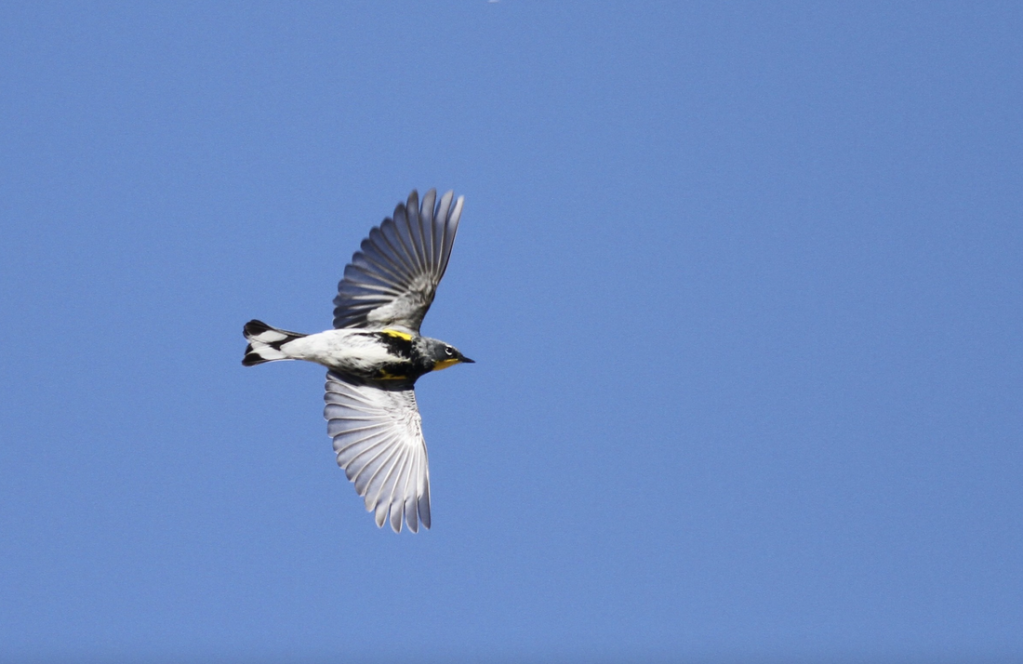
Yellow-rumped Warbler (Ryan Terrill)

One compelling result of the Moore Lab’s study at Bear Divide suggests that the peak of a particular speciesโ€™ migration is correlated with the latitude of its breeding site. Species that breed at higher latitudes migrated through Bear Divide at later dates. It’s also unusual in the West for species to migrate during the day. Most species of birds using the Pacific Flyway are known to migrate at night.

The Moore Lab of Zoology

In addition to its scientific contributions, the Moore lab is also known for its involvement in citizen science. Collaborating with local birdwatchers and volunteers, the lab extends its research capabilities and cultivates a community actively engaged in bird conservation. This collaborative approach not only enhances the breadth of their research but also underscores the importance of community involvement in conservation efforts.

Bear Divide is on public land, so anyone with a legitimate research project can get permission to work there. UCLA graduate student Kelsey Reckling, who has worked as a counter at Bear Divide since the beginning, is leading the counting efforts this Spring to understand changes in numbers of birds and species across years. Cal State L.A. graduate student Lauren Hill lea ds the group of bird banders, who catch some of the birds and record data, attaching a lightweight metal band around one leg and releasing them. Her lab mate Tania Romero is putting small, lightweight tracking devices on Yellow Warblers, which send signals to a network of tracking (MOTUS) towers across the continent.

Many bird species are under serious threat around the globe from a number of different impacts, including climate change, pesticides and habitat loss. Birds play a critical role in the health of our planet. They regulate ecosystems by preying on insects, pollinating plants, and spreading seeds. Healthy ecosystems are important for breathable air, food, and a regulated climate.

Bear Divide (Ian Davies)

According to a 2019 study, nearly 3 billion breeding birds have been lost in North America and the European Union since 1970. That’s about 30% of the bird population in North America. The 2022 State of the Birds Report for the United States found that bird declines are continuing in almost every habitat, except wetlands. Protecting birds’ habitats, and migration routes and reducing mortality through conservation efforts are crucial to ensuring the survival of these magnificent creatures.

The research conducted at Bear Divide by the Moore lab transcends academic interests, emphasizing the interconnectivity of ecosystems and underscoring the need to preserve natural migration corridors amid urban expansion. The insights gained here are invaluable to both the scientific community and conservation efforts, highlighting the need for a balanced approach to wildlife preservation and ecological sustainability.

Band-tailed Pigeon (Ryan Terrill)

“What’s magical about Bear Divide is that it’s the first real place to see small, migrating birds at eye level in daylight hours,” says McCormack. “I don’t want to oversell it: it’s still a lot of small birds zinging by in a wide open place and it takes a while to get good at identifying them. But by seeing them out there, struggling against the wind and the cold, but still making progress, it gives you a real sense of how amazing their journeys are–and how we shouldn’t make them harder if there’s anything we can do about it.”

Through the Looking Glass Head: The Enigmatic World of the Barreleye Fish

The barreleye (Macropinna microstoma)
(Courtesy: Monterey Bay Aquarium Research Institute MBARI)

Off the coast of Monterey, California, researchers captured rare footage of one of the deep seaโ€™s strangest residents: the Barreleye fish. With a see-through head and upward-facing, tube-shaped eyes, it looks like something dreamt up for a sci-fi film. Officially called Macropinna microstoma, this bizarre little fish is a real reminder of how much mystery still lies beneath the surface of the ocean and how otherworldly life can get down there.

First described in 1939, the fish astonished scientists who were stunned by its unique optical anatomy. The barreleye is found in the Pacific Ocean, with sightings ranging from the coasts of California, particularly around Monterey Canyon, to the mid-Pacific near Hawaii. Most commonly, it resides between 400 to 2,500 feet below the surface, a region known as the mesopelagic or “twilight” zone. At these depths, little light penetrates, making the area a seemingly inhospitable place for most life forms. But the Barreleye fish thrives here, adapting to its surroundings in the most bizarre ways.

Its most distinctive features, and the ones that give it its name, are its transparent head and barrel-shaped eyes that are usually directed upwards. These eyes are extremely sensitive to light, which is a scarce commodity where it lives. Interestingly, the eyes are encased in a dome-shaped, transparent head. This clear cranium allows the fish to capture as much light as possible, increasing its visual field. The upward-facing eyes allow the Barreleye fish to see silhouettes of prey or predators against the faint light filtering down from the surface. It’s like a built-in periscope for scanning the world above, allowing it to spot the bioluminescent glow of jellies or small fish that meander above it.

In 2009, researchers at the Monterey Bay Aquarium Research Institute elucidated a longstanding mystery surrounding the barreleye. For many years, marine biologists were under the impression that these specialized eyes were immobile and only provided the fish with a limited, tunnel-vision perspective, focused solely on the waters above its transparent head. Such a constraint would significantly limit the fish’s situational awareness, making it highly dependent on what occurs directly above it for both prey detection and predator evasion.

However, a groundbreaking paper by researchers Bruce Robison and Kim Reisenbichler overturned this conventional wisdom. Their findings reveal that the eyes of the barreleye fish are not static but can actually rotate within a transparent protective shield that envelops the fish’s head. This adaptation enables the fish not only to look upwards to identify potential prey but also to focus forward, thereby expanding its field of vision and facilitating more effective foraging.

A remotely operated vehicle or ROV named Doc Ricketts (MBARI)

Robison and Reisenbichler conducted their research using footage obtained from the Monterey Bay Aquarium Research Institute’s remotely operated vehicles (ROVs) to investigate the barreleye fish in the deep-sea regions adjacent to Central California. Situated at depths ranging from 600 to 800 meters (approximately 2,000 to 2,600 feet) beneath the ocean’s surface, the ROVs’ cameras typically captured images of these fish in a state of immobility, floating like zeppelins with their eyes radiating an intense green hue due to the illumination provided by the ROV’s powerful lighting system. The remotely captured video data also divulged a hitherto undocumented anatomical featureโ€”namely, that the eyes of the barreleye fish are encased in a transparent, fluid-filled protective shield that encompasses the upper region of the fish’s cranial structure.

CALIFORNIA CURATED ON ETSY

Celebrate Californiaโ€™s incredible birdlife one mug at a time. Each design features a native species illustrated in vivid detail,
Check out our Etsy store.

The implications of this discovery extend beyond mere academic curiosity. Understanding the unique visual system of the barreleye fish provides crucial insights into the mechanisms of evolutionary adaptation. It showcases how even seemingly minor anatomical modifications can result in significant survival advantages in the highly competitive and challenging marine environment. Moreover, it challenges our existing perceptions and encourages scientists to revisit and reevaluate other long-standing assumptions in marine biology.

The Barreleye isn’t just a pair of eyes swimming around in the ocean, though. It has a suite of other adaptations to its challenging environment. For instance, it has large, flat fins that let it remain almost motionless in the water, conserving energy in an environment where every calorie counts. Also, it’s got a small mouth. This mouth is adapted to consume tiny organisms, like zooplankton, that are abundant in the deep ocean. So while the Barreleye may not be the apex predator down there, it has carved out its own unique niche.

Monterey Bay Aquarium Research Institute (MBARI) in Moss Landing, California

The fish also has what are called “lateral line canals” that are filled with fluid and are sensitive to changes in pressure. This allows the Barreleye to detect movement in the water, effectively giving it a “sixth sense” to sense prey or predators around it. Imagine you’re trying to navigate a pitch-black roomโ€”every little bit of extra information helps.

Despite its enigmatic nature, we know relatively little about its breeding habits, lifespan, or social interactions. Part of the reason is the difficulty in studying a creature that lives in such an extreme environment. Researchers have managed to capture only a few specimens, and observations in their natural habitat are relatively scarce.

While the Barreleye fish might look like a figment of a wild imagination, it’s very much a real creature, adeptly adapted to its harsh surroundings. It represents the myriad ways life can evolve to meet the unique challenges of extreme environments. As we continue to explore the depths of our oceans, who knows what other fantastical creatures we might find? That said, the Barreleye fish remains one of the most compelling arguments for the strange and wondrous biodiversity hidden in the ocean’s twilight zone, a testament to the endless creativity of evolution.

Einstein in Pasadena: Three Wonderful Winters in Paradise

Einstein at the Santa Barbara home of Caltech trustee Ben Meyer on Feb. 6, 1933.
(The Caltech Archives)

“Here in Pasadena, it is like Paradise. Always sunshine and clear air, gardens with palms and pepper trees and friendly people who smile at one and ask for autographs.” – Albert Einstein (U.S. Travel Diary, 1930-31, p. 28)

Albert Einstein is often associated with Princeton, where he spent his later years as a towering intellectual figure, and with Switzerland, where he worked as a young patent clerk in Bern. It was in that spartan, dimly lit office, far from the great universities of the time, that Einstein quietly transformed the world. In 1905, his annus mirabilis or “miracle year,” he published a series of four groundbreaking papers that upended physics and reshaped humanityโ€™s understanding of space, time, and matter. With his insights into the photoelectric effect, Brownian motion, special relativity, and the equivalence of mass and energy (remember E=mc2?), he not only laid the foundation for quantum mechanics and modern physics but also set in motion technological revolutions that continue to shape the future. Pretty good for a guy who was just 26.

Albert Einstein spent his later years as a world-famous scientist traveling the globe and drawing crowds wherever he went. His letters and travel diaries show how much he loved exploring new places, whether it was the mountains of Switzerland, the temples of Japan, or the intellectual circles of his native Germany. In 1922, while on his way to accept the Nobel Prize, he and his wife, Elsa, arrived in Japan for a six-week tour, visiting Tokyo, Kyoto, and Osaka.

But of all the places he visited, one city stood out for him in particular. Pasadena, with its warm weather, lively culture, and, most importantly, its reputation as a scientific hub, had a deep personal appeal to Einstein. โ€‹He visited Pasadena during the winters of 1931, 1932, and 1933, each time staying for approximately two to three months. These stays were longer than many of his other travels, giving him time to fully immerse himself in the city. He spent time at Caltech, exchanging ideas with some of the brightest minds in physics, and fully embraced the California experience, rubbing elbows with Hollywood stars (Charlie Chapman among them), watching the Rose Parade, and even tutoring local kids. Einstein may have only been a visitor, but his time in Pasadena underscores how deeply rooted science was in the city then, and how strongly that legacy endures today. Pasadena remains one of the rare places in the country where scientific inquiry and creative spirit continue to thrive side by side. Pasadena was among the earliest cities to get an Apple Store, with its Old Pasadena location opening in 2003.

Einstein’s residence at 707 South Oakland Avenue in Pasadena, where he stayed his first winter in California (CalTech Archives)

Few scientists have received the public adulation that Einstein did during his winter stays in Pasadena. As a hobbyist violinist, he engaged in one-on-one performances with the conductor of the Los Angeles Philharmonic. Local artists not only painted his image and cast him in bronze but also transformed him into a puppet figure. Frank J. Callier, a renowned violin craftsman, etched Einstein’s name into a specially carved bow and case.

During his first winter of residence in 1931, Einstein lived in a bungalow at 707 South Oakland Avenue. During the following two winters, he resided at Caltech’s faculty club, the Athenaeum, a faculty and private social club that is still there today.

Yet, the FBI was keeping a watchful eye on Einstein as well. He was one of just four German intellectuals, including Wilhelm Foerster, Georg Nicolai, and Otto Buek, to sign a pacifist manifesto opposing Germanyโ€™s entry into World War I. Later, Einstein aligned himself with Labor Zionism, a movement that supported Jewish cultural and educational development in Palestine, but he opposed the formation of a conventional Jewish state, instead calling for a peaceful, binational arrangement between Jews and Arabs.

In front of the Athenaeum Faculty Club, Caltech, 1932. 
(Courtesy of the Caltech Archives.)

After his annus mirabilis in 1905, Einstein’s influence grew rapidly. In 1919, his theory of relativity was confirmed during a solar eclipse by the English astronomer Sir Arthur Eddington. The announcement to the Royal Society made Einstein an overnight sensation among the general public, and in 1922, he was awarded the 1921 Nobel Prize in Physics. While teaching at the University of Berlin in 1930, Arthur H. Fleming, a lumber magnate and president of Caltech’s board, successfully persuaded him to visit the university during the winter. The visit was intended to remain a secret, but Einstein’s own travel arrangements inadvertently made it public knowledge.

Einstein speaking at the dedication of the Pasadena Junior College (now PCC) astronomy building, February 1931. 
(Courtesy of the Caltech Archives)

After arriving in San Diego on New Year’s Eve 1930, following a month-long journey on the passenger ship Belgenland, Einstein was swarmed by reporters and photographers. He and his second wife, Elsa, were greeted with cheers and Christmas carols. Fleming then drove them to Pasadena, where they settled into the bungalow on S Oakland Ave.

Albert Einstein and his violin (Caltech Archives)

During their first California stay, the Einsteins attended Charlie Chaplin’s film premiere and were guests at his Beverly Hills home. “Here in Pasadena, it is like Paradise,” Einstein wrote in a letter. He also visited the Mt. Wilson Observatory high in the San Gabriel Mountains. Einstein’s intellectual curiosity extended far beyond his scientific endeavors, leading him to explore the Huntington Library in San Marino, delighting in its rich collections. At the Montecito home of fellow scientist Ludwig Kast, he found comfort in being treated more as a tourist than a celebrity, relishing a brief respite from the spotlight.

In Palm Springs, Einstein relaxed at the winter estate of renowned New York attorney and human rights advocate Samuel Untermeyer. He also embarked on a unique adventure to the date ranch of King Gillette, the razor blade tycoon, where he left with a crate of dates and an intriguing observation. He noted that female date trees thrived with nurturing care, while male trees fared better in tough condition: โ€œI discovered that date trees, the female, or negative, flourished under coddling and care, but in adverse conditions the male, or positive trees, succeeded best,โ€ he said in a 1933 interview.

CALIFORNIA CURATED ON ETSY

Purchase stunning coffee mugs and art prints of California icons.
Check out our Etsy store.

Not exactly relativity, but a curiosity-driven insight reflecting his ceaseless fascination with the world.

During his three winters in Pasadena, Einstein’s presence was a source of intrigue and inspiration. Students at Caltech were treated to the sight of the disheveled-haired genius pedaling around campus on a bicycle, launching paper airplanes from balconies, and even engaging in a heated debate with the stern Caltech president and Nobel laureate, Robert A. Millikan, on the steps of Throop Hall. Precisely what they debated remains a mystery. (Maybe something about the dates?)

Einstein with Robert A. Millikan, a prominent physicist who served as the first president of Caltech from 1921 to 1945 and won the Nobel Prize in Physics in 1923.ย (Courtesy of the Caltech Archives.)

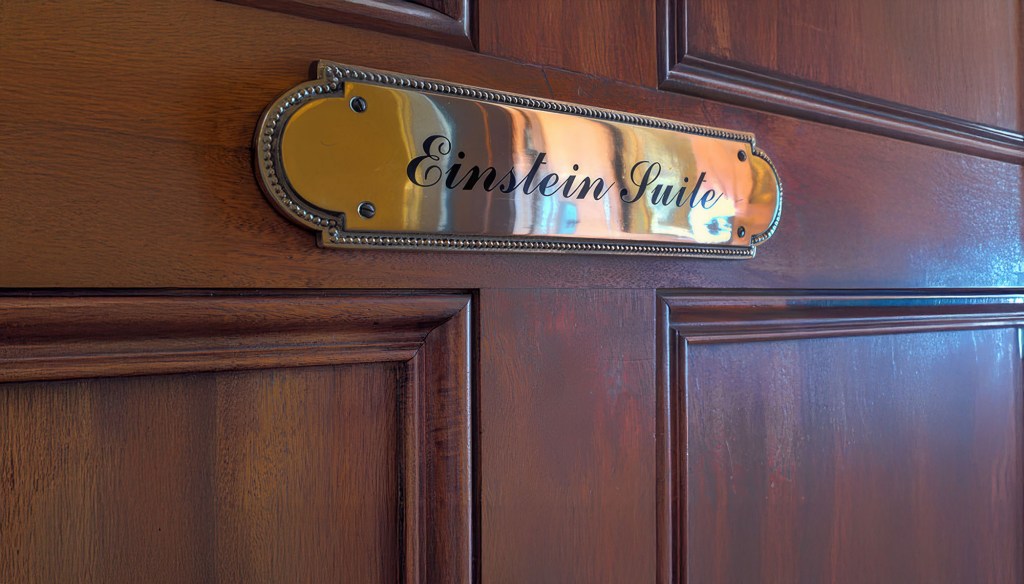
During his final winter in California, a near-accident led the couple to move into Caltech’s Athenaeum. His suite, No. 20, was marked with a distinctive mahogany door, a personal touch from his sponsor, Fleming. In 1933, as Nazi power intensified in Germany, Einstein began searching for a safe place to continue his work. Although Caltech made an offer, it was Princeton University‘s proposal that ultimately won him over. Einstein relocated to Princeton that same year, where he played a significant role in the development of the Institute for Advanced Study and remained there until his death in 1955.

Suite No. 20, Einstein’s mahogany door at the Caltech Athenaeum

Today, a large collection of Einstein’s papers are part of the Einstein Papers Project at Caltech. And Einstein’s suite at Caltech’s Athenaeum, still displaying the mahogany door, serves as a physical reminder of his visits.

During his third and final visit to Caltech in 1933, Hitler rose to power as Chancellor of Germany. Realizing that, as a Jew, he could not safely return home, Einstein lingered in Pasadena a little longer before traveling on to Belgium and eventually Princeton, where he received tenure. He never returned to Germany, or to Pasadena. Yet he often spoke fondly of the California sunshine, which he missed, and in its own way, the sunshine seemed to miss him too.

Hannes Keller’s Deadly 1,000-Foot Descent off Catalina Island Was the Dive of the Century

An ambitious quest for underwater exploration that ended in tragedy beneath the Pacific waves.

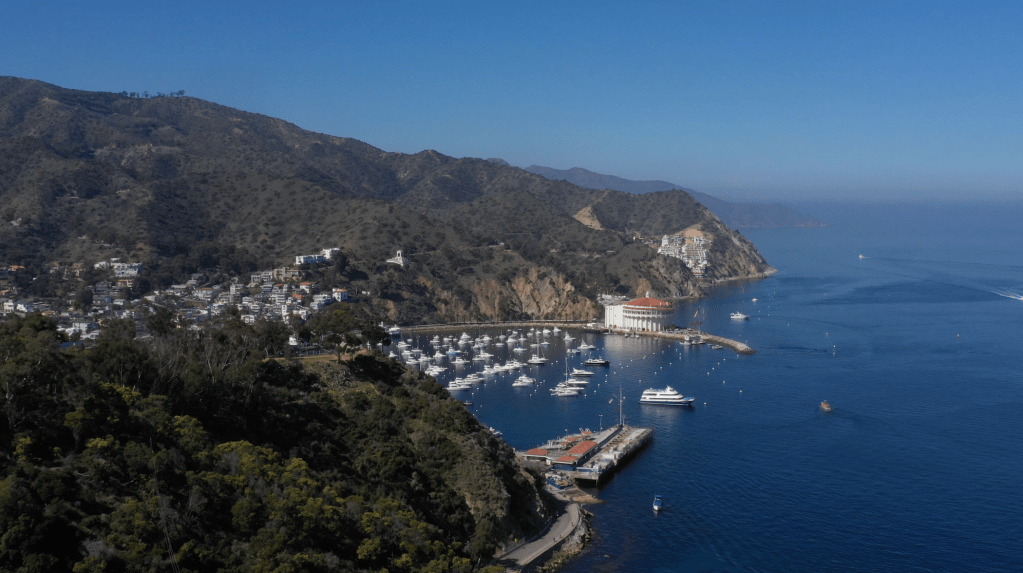
The city of Avalon on Catalina Island (Erik Olsen)

In 1962, Swiss physicist and deep-sea diving pioneer Hannes Keller embarked on an ambitious and perilous mission to push the boundaries of human endurance and underwater exploration. California, with its dramatic coastline and history of daring maritime ventures, became the setting for this bold effort to make history in diving. Partnered with British diver and journalist Peter Small, Keller aimed to descend inside a specially designed diving bell named Atlantis to an unprecedented depth of 1,000 feet off the coast of Catalina Island. Their plan involved exiting the pressurized diving bell once it reached the ocean floor, a groundbreaking and dangerous procedure that would allow them to perform tasks outside in the extreme depths. What promised to be a historic achievement, however, took a tragic turn.

Keller’s passion for deep-sea diving had recently garnered international attention, fueled by his record-breaking dives and groundbreaking research into advanced breathing gas mixtures. Working alongside Dr. Albert Bรผhlmann, a renowned physiologist specializing in respiration, Keller employed cutting-edge technology, including an IBM computer, to meticulously design gas formulas that could counteract the dangers of deep diving. Their innovative work addressed the twin challenges of nitrogen narcosis and decompression sickness, promising to revolutionize underwater exploration.

For Keller, diving was initially an unconventional pursuit. He was engaged in teaching mathematics to engineering students in his native town of Winterthur, close to Zurich, and had aspirations to become a pilot. However, the prohibitive cost of flying on a teacher’s salary led him to explore other avenues. Introduced to the burgeoning sport of scuba diving by a friend in the late 1950s, Keller applied his mathematical and scientific acumen to the field. He soon concluded that the existing techniques in deep-sea diving were outdated and ripe for revolutionary advancement.

โ€œIf a man could go, for instance, to 1,000 feet down and do practical work,โ€ Mr. Keller wrote in The Sydney Morning Herald, โ€œthen all the continental shelf zone could be explored, a total of more than 16 million square miles.โ€

Keller prepares for his May 1961 chamber dive at the United States Navy Experimental Diving Unit (NEDU). Photo: US Navy

Keller and Bรผhlmann worked collaboratively to expand their computerized concoction of breathing gases, ultimately selecting a dive site off near Avalon Bay at Catalina Island in Southern California. This location was chosen due to its dramatic underwater geography, where the ocean floor descends sharply from the coast into the deep ocean.

At the time, it was widely believed that no human being could safely dive to depths beyond three hundred feet. That was because, beginning at a depth of one hundred feet, a diver breathing normal air starts to lose his mind due to nitrogen narcosis.

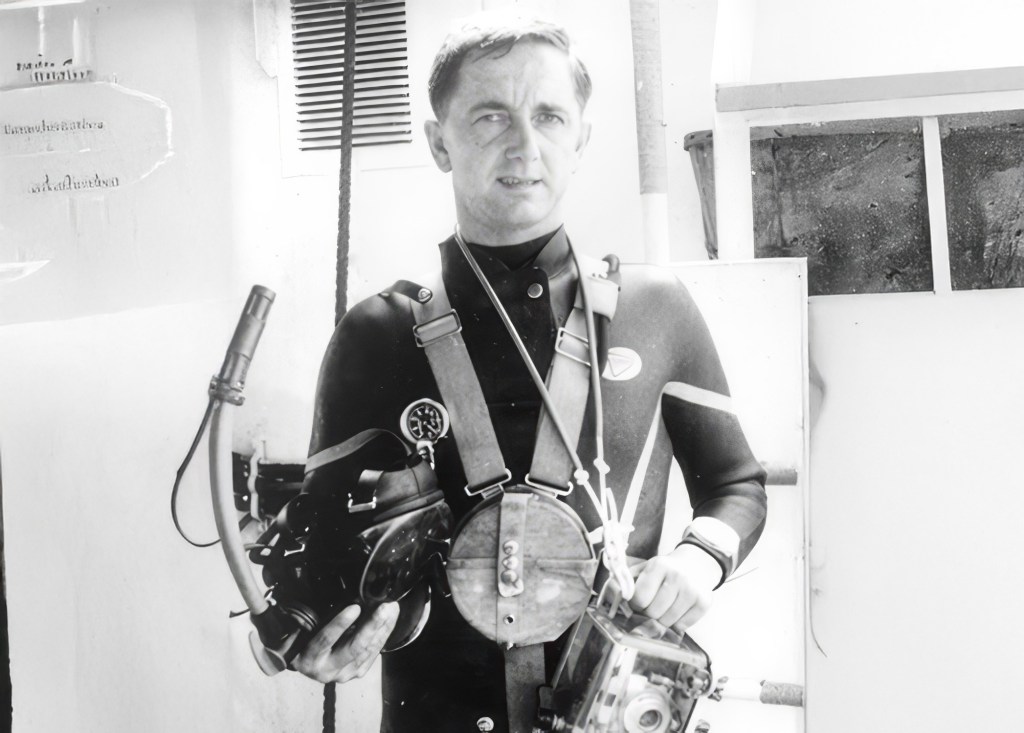
Partnering with Peter Small, co-founder of the British Sub Aqua Club, Hannes Keller planned their historic descent using a specially designed diving bell named Atlantis. This advanced pressurized chamber, deployed from a surface support vessel, was staffed by a skilled technical crew tasked with monitoring gas levels and maintaining constant communication with the divers through a surface-to-bell phone link. The Atlantis diving bell represented a significant leap in underwater technology, providing a controlled environment that allowed divers to venture into previously unreachable depths. Its design and operational success revolutionized the field of deep-sea exploration, offering invaluable insights into human physiology under extreme pressure and laying the groundwork for future advancements in underwater science and technology.

Keller’s experimental dives piqued the interest of the U.S. Navy, as they saw the potential to revolutionize diving safety and practicality. If proven successful, Keller’s methods could transform existing dive tables and enable safer, more practical deep-sea exploration. Encouraged by the promising outcomes of Keller’s preliminary chamber tests and several less extreme open-sea trials, the Navy allowed him to perform a test dive at their primary experimental facility, adjacent to the Washington dive school. They also became a financial supporter of Keller’s ambitious thousand-foot dive.

To carefully scrutinize the operation, the Navy designated Dr. Robert Workman, one of their foremost decompression specialists, to be present on site. A few days after reaching Catalina in late November, Dr. Workman joined Dr. Bรผhlmann, the rest of Keller’s team, and various onlookers aboard Eureka, an experimental offshore drilling vessel provided by Shell Oil Co. Shell, like other oil and gas enterprises, had a vested interest in innovative techniques that could enhance the productivity of commercial divers. If the dive was successful, the company would receive Kellerโ€™s secret air mixture technology and thereby become an instant frontrunner in offshore oil exploration. Their interest was particularly relevant as offshore drilling initiatives were venturing into deeper waters, both off the California shore and in the Gulf of Mexico.

Resembling a huge can of soup, Atlantis stood seven feet tall and had a diameter slightly greater than four feet. Its structure featured an access hatch at the bottom and was adorned with an array of protruding pipes and valves, adding to its industrial appearance.

British journalist Peter Small (BSAC)

As a journalist, Peter Small intended to pen a first-hand narrative of the groundbreaking dive. On December 1, as part of a final preparatory dive, Small and Keller were lowered inside Atlantis to a depth of three hundred feet, where they spent an hour scuba diving outside the bell. During the decompression process within the bell, both divers experienced relatively mild symptoms of decompression sickness, commonly known as the bends. Keller felt the effects in his belly, while Small was afflicted in his right arm. Decompression sickness is still a relatively poorly understood phenomenon, and it remains unpredictable as to which part of the body it might affect.

Keller’s symptoms abated on their own that night, but Small’s discomfort lingered until he underwent recompression treatment. Despite this warning sign, Keller was determined to continue with the dive as planned, without conducting further incremental tests at increasing depths before the ambitious thousand-foot descent. His decision was likely influenced, at least in part, by the assembled crowd of journalists and other spectators eager to witness the historic dive. The constraints of time, finances, and equipment availability added to the pressure, compelling the team to proceed with the experimental dive as scheduled.

The diving bell Atlantis is lifted out of the water after Keller and the journalist Peter Small descended 1,020 feet to the Pacific Ocean floor in December 1962.

On Monday, December 3, around noon, Atlantis began its descent beneath the surface of the Pacific, enclosing its two divers within. The journey towards the ocean floor took under thirty minutes. Upon reaching the target depth of a thousand feet, a series of dark and chaotic moments ensued. Keller exited the bell to plant a Swiss flag and an American flag on the ocean floor. In the process, his breathing hoses became entangled with the flags, and after clambering back inside Atlantis, he lost consciousness.

The gas mixture had somehow become compromised. Peter Small also blacked out, despite never having left the diving bell. As Atlantis was hastily ascended to within two hundred feet of the surface, several support divers swam down to meet the bell. Tragically, one of these support divers, Christopher Whittaker, a young man of just nineteen, disappeared without a trace.

Pacific Ocean off Catalina Island (Erik Olsen)

Keller came to roughly a half-hour after the incident, and Small regained consciousness, but it took nearly two hours for him to do so. Upon awakening, Small engaged Keller in coherent questions about what had transpired. He reported feeling cold and, although he retained the ability to speak, see, and hear, he could not feel his legs. Despite not experiencing any pain, he was too weak to stand. Leaning against his Swiss counterpart, he drifted off to sleep as their decompression within the bell continued.

Several hours later, as Atlantis was being transported back to shore to Long Beach from the dive site near Catalina, Keller discovered that Small had ceased breathing and had no pulse. Desperate to revive him, Keller administered mouth-to-mouth resuscitation and cardiac massage, but to no avail. Small was cold and pallid. The remaining pressure inside the bell, about two atmospheres, was hastily released in a frantic effort to get Small to a hospital after being trapped inside Atlantis for eight hours. Tragically, upon arrival, he was promptly pronounced dead.

The Atlantis diving bell (Paul Tzimoulis)

The Los Angeles County coroner identified the cause of death as decompression sickness. An examination revealed that Small’s tissues and organs were filled with Nitrogen gas bubbles. However, Keller contended that other factors, such as a potential heart attack and the panic Small displayed upon reaching the thousand-foot mark, contributed to the tragedy.

Regardless of the underlying causes, the catastrophic dive to thirty atmospheres and the loss of two lives led to a rapid waning of interest in Keller’s previously sensational methods. The potential for failure of this magnitude had been a concern to many in the deep diving community and the dayโ€™s events set back research in the emerging field of saturation diving. Even before this event, saturation diving had only tepid support from the Navy, but this made some people loss faith in the technique. Of course, it would not be the end of saturation diving, not by a long shot. 

Hannes Keller in his later years. (Credit: Keller, Esther, Niederglatt, Switzerland)

Modern deep-water diving owes much to the groundbreaking experiments of Hannes Keller. His historic dive to 1,020 feet (311 meters) off Catalina Island was a remarkable achievement that captivated the world. Far from being a mere stunt, as some critics claimed, Kellerโ€™s dive was a meticulously planned scientific endeavor designed to push the boundaries of human exploration of the ocean depths. This Swiss adventurerโ€™s pioneering work laid the foundation for advances in deep-sea diving techniques, leaving an enduring legacy in the field.

CALIFORNIA CURATED ART ON ETSY

Purchase stunning art prints of iconic California scenes.
Check out our Etsy store.

Christopher Swann, a diving historian, said the dive โ€œwas a milepost in the sense that it was the first time something like that had been done.โ€

Keller ended up living a rich and long life, dying on December 1, 2022, at at a nursing home in Wallisellen, Switzerland, near his home in Niederglatt. He was 88.

Lithium in Death Valley, Frogs making comeback, JPL’s Climate Elvis, Science of traffic jams, Mono Lake’s gulls, Amazing scallop eyes, Cow burps, Bee thieves

Sign up for the California Science Weekly newsletter. Fresh California science every Friday!

Week of May 10, 2019


Editor’s note: We’re heading to Indonesia next week on an assignment, so we’ll miss an issue of California Science Weekly. But keep an eye on our Twitter feed for posts.

A war is brewing over lithium mining near Death Valley

Lithium. It is one of the world’s most valuable elements, allowing batteries to be more powerful and longer-lasting than ever before. Right now, most lithium is mined in the high deserts of South America, but a new battle is being waged between battery companies and environmentalists over whether to mine lithium in Panamint Valley in California, right on the edge of Death Valley. There are strong arguments to be made that having a large domestic source of lithium is key to a carbon-free future, but some are saying that mining would potentially despoil one of California’s most treasured natural areas.

The LA Times has a story on how Australia-based firm Battery Mineral Resources Ltd. is seeking permission to drill four exploratory wells beneath the valley floor to see if enough lithium is there to make a mine economically viable. 


Environment / Animals

The comeback of Mark Twain’s frogs

Red-Legged Frog Release.

The California red-legged frog is said to be the species featured in Twain’s short story “The Celebrated Jumping Frog of Calaveras County.”

They began to disappear decades ago due to disease and habitat destruction, but a recent program to reintroduce them back in Yosemite Valley is seeing some progress. The program reintroduced about 4,000 California red-legged frog eggs and tadpoles and 500 adult frogs, into Yosemite and near the Merced River. For the first time, biologists have found eggs from the reintroduced frogs. That’s great news, given the rapidly declining state of frogs around the globe. The recent IPBES UN report says that more than 40 percent of amphibian species around the world are threatened with extinction.

KQED 


Space / Climate Change

Climate Elvis at JPL

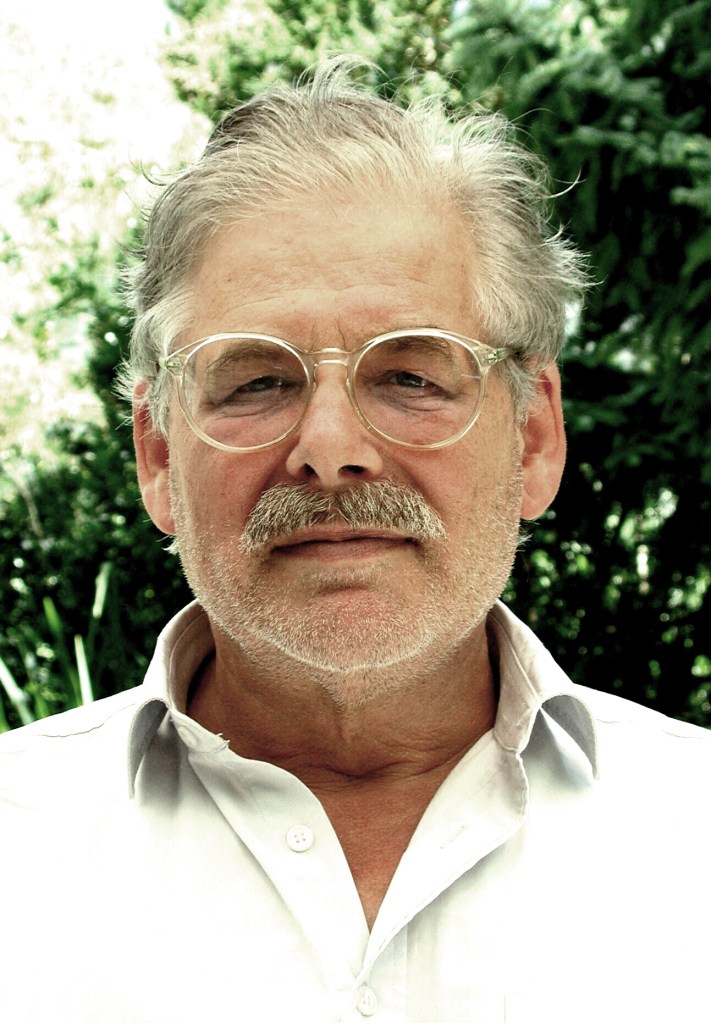
Josh Willis works at the Jet Propulsion Laboratory in La Canada Flintridge, California. He’s a scientist studying the change in ocean temperatures and how they impact Greenlandโ€™s melting glaciers. He’s also an Elvis impersonator and a comedian, who hopes to make people aware of the perils we face if we don’t change our behavior towards the changing climate, but getting a laugh along the way. Laughter is, after all, the best medicine. That said, we won’t be laughing much if climate change gets as bad as many scientists say. See the UN report referenced above.  
Grist


Infrastructure

Science of traffic jams

Credit: Erik Olsen

Traffic jams. They are the bane of California drivers. But what causes them, and is there any way to lessen their severity? Mathematicians have developed all sorts of models to better understand how traffic forms, and some of them has been helpful to improve flow. For example, extra-long freeway entry lanes (take a drive on Highway 110, the old Route 66, which has very short entry lanes, to see what I’m talking about.) An interesting story in Nautilus examines how fluid models are being used to better predict and reduce traffic jams. It’s complicated, but you will learn about the jamiton. And we’re not holding our breath that things will improve in places like LA anytime soon. 

Nautilus


Animals

Gulls of Mono Lake

Kristie Nelson studies seagulls at Mono Lake, home to massive colonies of gulls. Her Mono Lake Gull Project examines how gulls serve as an indicator of ecosystem health. The gulls spend most of their time at the coast, but during breeding season they make fly to saline places like Mono Lake where the population can reach up to 65,000 birds. 

A video at Science Friday looks at her work and has some great scenes of the voracious birds going after the lake’s insanely numerous Alkali Flies, moving across the bazillions of them, beaks open, like a lawnmower.

Science Friday


Marine science / Animals

Scallop eyes surprise scientists

Wikipedia

Many people know that scallops have eyes, blue ones, in fact. But their eyes function a bit differently than our own. As light enters into the scallop eye, it goes through the pupil and then a lens. Interestingly, the scallop has two retinas, and when the light hits them it strikes a crystal mirror made of guanine at the back of the eye. 

A study in Current Biology looks at two species: the bay scallop Argopecten irradians and the sea scallop Placopecten magellanicus, and reveals that scallops have a novel way of focusing light. They have no irises like ours and so they use their pupils to dilate and contract, and this, along with changes to the curvature of the cornea, improves resolution and forms crisper images. Vision is such an amazingly complex ability, yet it has likely evolved 50 times among animals, a process called convergent evolution. There are several scallop species in California, and the next time you are diving and see one, remember that it probably sees you right back.

Current Biology Smithsonian


Climate Change

Reducing cow burps with seaweed

UC Davis

You’ve seen Harris Ranch on I5? Did you know that California is a major producer of beef and dairy. Cows produce prodigious amounts of methane, one of the most potent greenhouse gases. In fact, methane is 30 times worse than CO2. Meanwhile, more than halfย of all methane emissions in California come from the burps, farts, and exhalations of livestock. And belches are the worst, accounting for roughly 95% of the methane released into the environment. Worldwide, livestock accounts for 16% of our greenhouse gas emissions. A fascinating new approach at Scripps Institution of Oceanography proposes using seaweed as cow feed. Scripps notes that “just a small amount ofย Asparagopsisย seaweed to cattle feed can dramatically reduce methane emissions from dairy cows by more than 50 percent”.

Agriculture

Bee thieves in California

National Geographic

It’s no longer cattle rustling and horse stealing. Bee thieves are threatening almond growers in California. A lucrative bee rental industry has surged.


MORE

Scientists have identified 67 marine species in California moving north from their commonly known habitat due to severe marine heatwaves from 2014-2016.

The Keeling Curve has been called one of the most important scientific works of the 20th century. Developed by Charles Keeling at the Scripps Institute of Oceanography in San Diego, California, it is a measurement of the concentration of carbon dioxide in the atmosphere from Hawaiiโ€™s Mauna Loa since 1958. Here’s why it’s so important.   

Thanks to the rains the areas where the Woolsey burned outdoor areas, scorched an Old West film set and Jewish summer camps in the Santa Monica Mountains, there is lush green and wildflowers.

Once a Gold Rush boomtown, Bodie, California, is now an isolated ghost town. Meet one of the five people who still live there in the winter.

Lovely pictures of a sunrise. On Mars.

HUGE Basking sharks are swimming around and feeding right off the coast of California.

Design by Luis Ramirez