How a Tiny Beetle Helped Save California

California’s citrus industry confronted a deadly challenge, leading to a groundbreaking innovation in pest control.

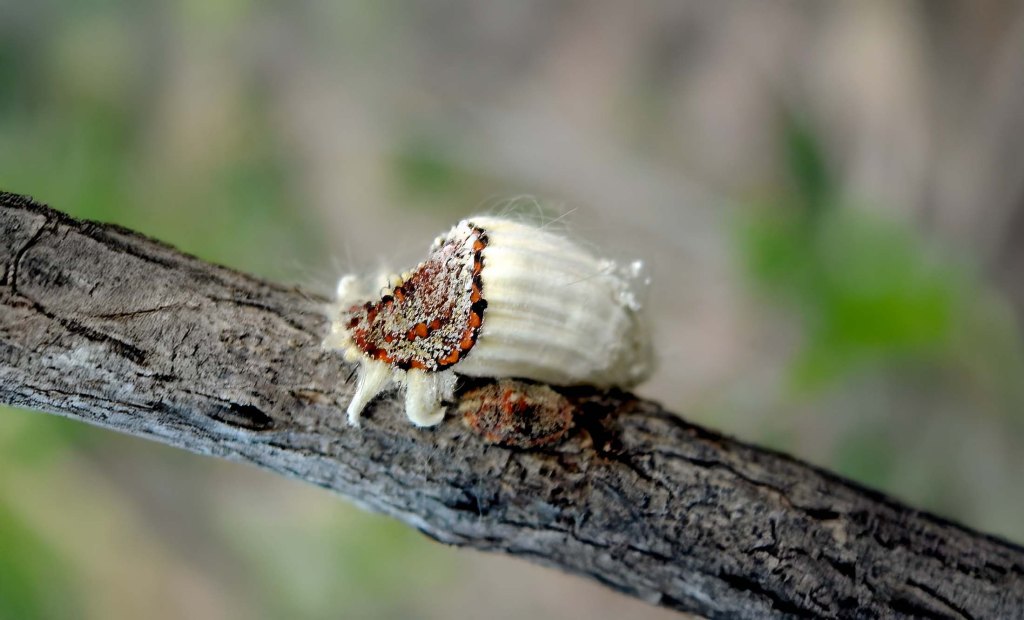
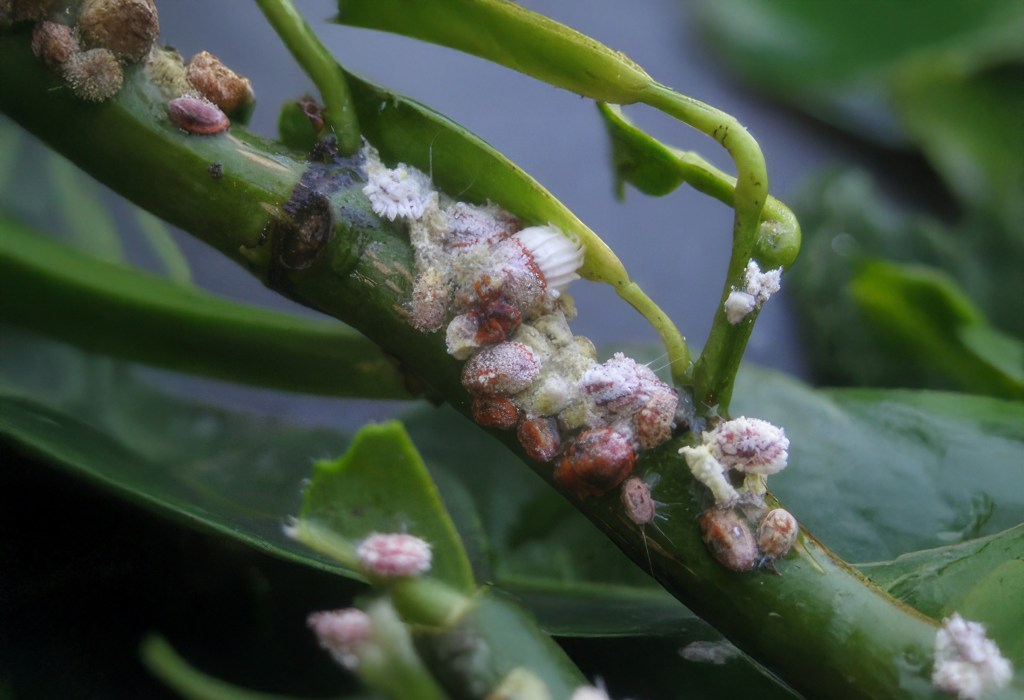
Cottony Cushion Scale (Public Domain)

In the sun-drenched orchards of late 19th-century California, a crisis was unfolding that threatened to decimate the state’s burgeoning citrus industry. The culprit was a small sap-sucking insect native to Australia called the cottony cushion scale (Icerya purchasi). First identified in New Zealand in 1878, this pest had made its way to California by the early 1880s, wreaking havoc on citrus groves. The pest is believed to have arrived in the United States through the global trade of plants, a common vector for invasive species during the 19th century. As horticulture expanded globally, ornamental plants and crops were frequently shipped between countries without the quarantine measures we have today. Once established in the mild climate of California, the cottony cushion scale found ideal conditions to thrive, spreading rapidly and wreaking havoc on the citrus industry.

The cottony cushion scale infested trees with a vengeance, covering branches and leaves with a white, cotton-like secretion. This not only weakened the trees by extracting vital sap but also led to the growth of sooty mold on the honeydew excreted by the insects, further impairing photosynthesis. Growers employed various methods to combat the infestation, including washing trees with whale oil, applying blistering steam, and even detonating gunpowder in the orchards. Despite these efforts, the pest continued its relentless spread, causing citrus exports to plummet from 2,000 boxcars in 1887 to just 400 the following year. This decline translated to millions of dollars in lost revenue, threatening the livelihoods of countless farmers and jeopardizing the state’s citrus economy, which was valued at over $10 million annually (approx. $627 million in today’s dollars) during this period.

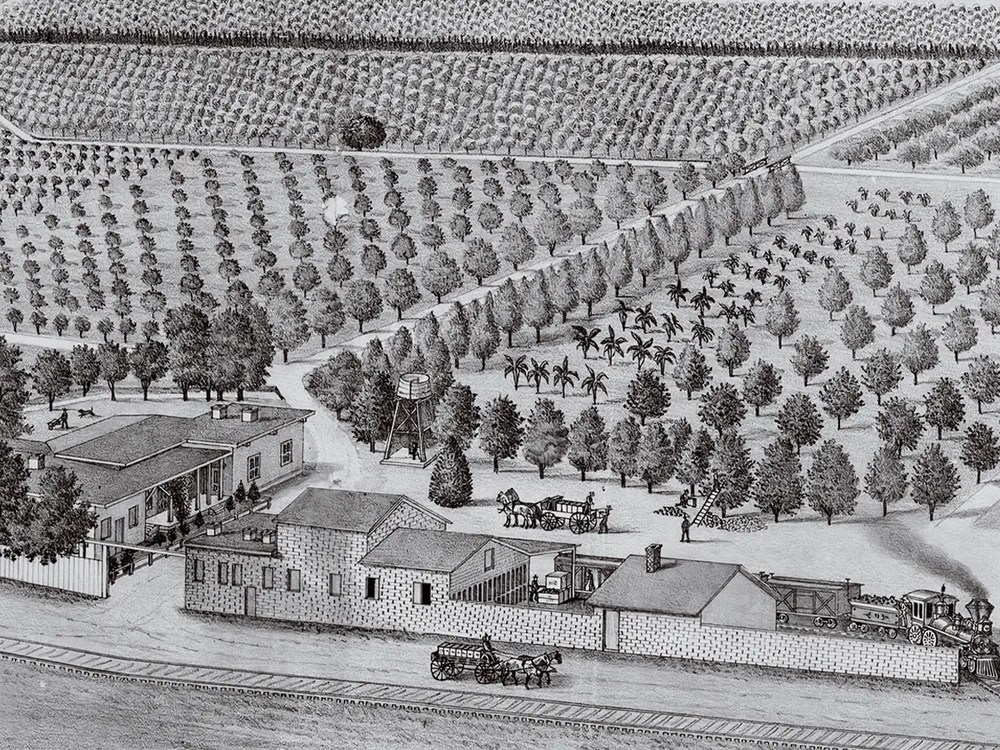
Orange and lemon groves, along with the home of citrus pioneer William Wolfskill, circa 1882. (California Historical Society)

In 1885, the independent growers across Southern California banded together in response to the insect invasion and the broader difficulties facing citrus growers at the time, forming the state’s first fruit cooperative, which would later become Sunkist. Despite their efforts, homemade mixtures of kerosene, acids, and other chemicals failed to halt the relentless spread of Icerya purchasi. The pests, with an endless supply of citrus trees to feed on, continued to multiply unchecked. New laws mandated growers to uproot and burn infected orange trees, but the devastation was widespread. By 1888, real estate values, which had soared by 600 percent since 1877, had plummeted.

Enter Charles Valentine Riley, the Chief Entomologist for the U.S. Department of Agriculture. A visionary in the field of entomology, Riley had previously attempted biological control by introducing predatory mites to combat grape phylloxera in France, albeit with limited success. Undeterred, he proposed a similar strategy for the cottony cushion scale crisis. In 1888, Riley dispatched his trusted colleague, a fellow entomologist named Albert Koebele, to Australia to identify natural enemies of the pest.

The cottony cushion scale infestations were so severe that citrus trees appeared as though they had been coated with artificial snow, resembling Christmas flocking. Fruit production sharply declined, and many trees succumbed to the damage. (UC Riverside)

Interestingly, Valentine resorted to subterfuge to send an entomologist to Australia despite Congress’s objections. Lawmakers had prohibited foreign travel by the Agriculture Department to curb Riley’s frequent European excursions. However, Riley, well-versed in navigating political obstacles, cleverly arranged for an entomologist to join a State Department delegation heading to an international exposition in Melbourne.

Charles Valentine Riley (Wikipedia)

Koebele’s expedition proved fruitful. He worked with Australian experts to locate the pest in its rare habitats along with its natural enemies, including a parasitic fly and approximately the Vedalia beetle. The vedalia beetle (Rodolia cardinalis) is a small ladybird with a voracious appetite for the cottony cushion scale. Koebele collected and shipped hundreds of these beetles back to California. Upon their release into infested orchards, the vedalia beetles rapidly established themselves, feasting on the scales and reproducing prolifically. Within months, the cottony cushion scale populations had diminished dramatically, and by 1890, the pest was largely under control across the state. This 1888-89 campaign marked the beginning of biological control in the United States, a strategy involving the introduction of natural predators to manage invasive pests.

In her 1962 classic Silent Spring, Rachel Carson described the Novius beetle’s work in California as “the world’s most famous and successful experiment in biological control.”

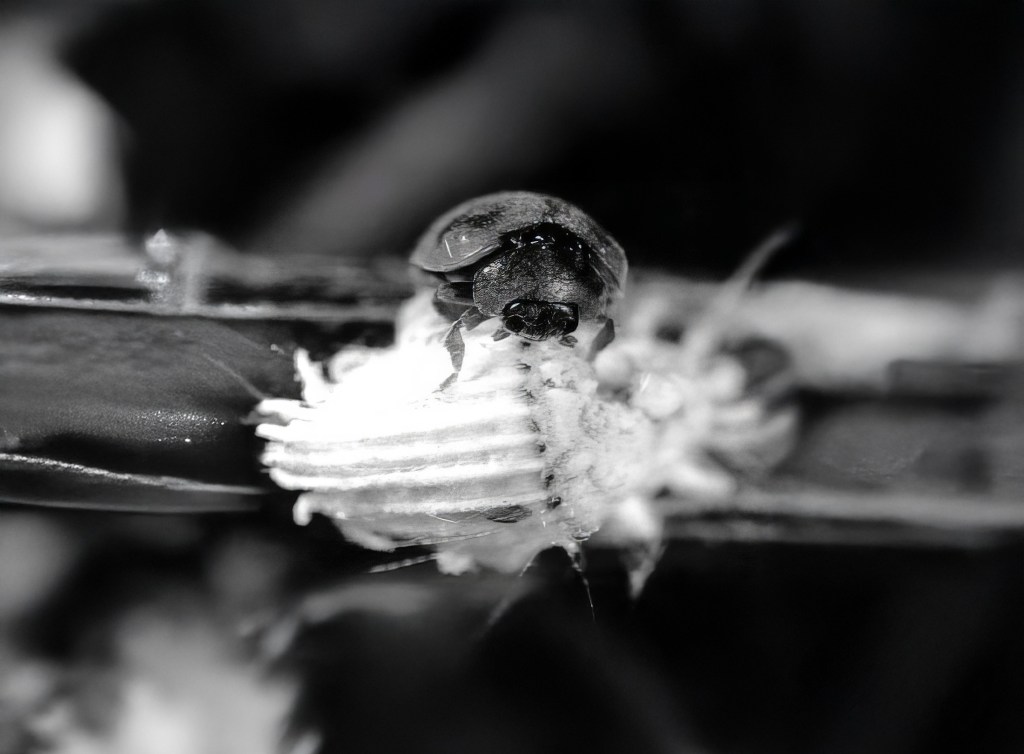
Novius ladybug devours an Icerya.  (UC Riverside)

This was far from the last time California employed such measures. It became a relatively common practice to introduce new species to control those that posed threats to the state’s economically vital crops, but not always successfully.

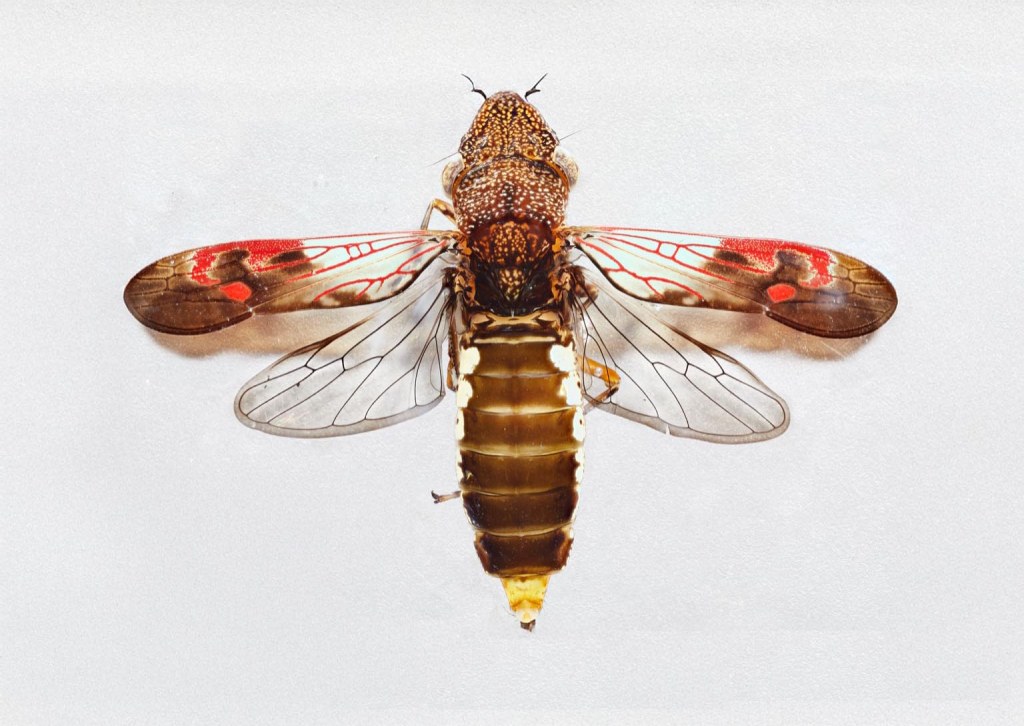
In the 1940s, California introduced parasitic wasps such as Trioxys pallidus to control the walnut aphid, a pest threatening the state’s walnut orchards. These tiny wasps laid their eggs inside the aphids, killing them and dramatically reducing infestations, saving the industry millions of dollars. Decades later, in the 1990s, the state faced an invasive glassy-winged sharpshooter, a pest that spread Pierce’s disease in grapevines. (Interesting fact: The glassy-winged sharpshooter drinks huge amounts of water and thus pees frequently, expelling as much as 300 times its own body weight in urine every day.) To combat this, scientists introduced Gonatocerus ashmeadi, a parasitic wasp that targets the pest’s eggs. This biological control effort helped protect California’s wine industry from devastating losses.

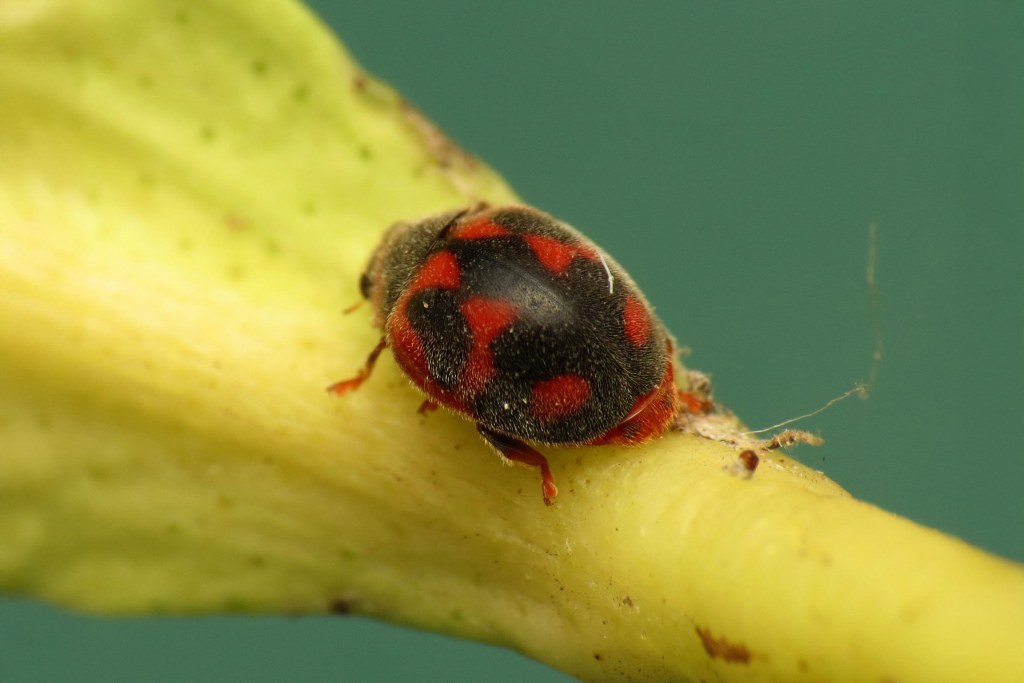
The Vedalia beetle (novius cardinalis) also known as the cardinal ladybird (Katja Schulz Wikipedia)

While the introduction of the vedalia beetle was highly effective and hailed as a groundbreaking success, biological control efforts are not without risks, often falling prey to the law of unintended consequences. Although no major ecological disruptions were recorded in the case of the cottony cushion scale, similar projects have shown how introducing foreign species can sometimes lead to unforeseen negative impacts. For example, the cane toad in Australia, introduced to combat beetles in sugarcane fields, became a notorious ecological disaster as it spread uncontrollably, preying on native species and disrupting ecosystems. Similarly, the mongoose introduced to control rats in sugarcane fields in Hawaii also turned predatory toward native birds. These examples highlight the need for meticulous study and monitoring when implementing biological control strategies. Today, regulatory frameworks require rigorous ecological assessments to minimize such risks.

The glassy-winged sharpshooter (Georgia Tech)

In the case of the Vedalia beetle, its precise and targeted predation led to a highly successful outcome in California. Citrus quickly became one of the state’s most dominant and profitable crops, helping to establish California as a leader in agricultural production—a position it continues to hold firmly today.

This groundbreaking use of biological control not only rescued California’s citrus industry but also established a global precedent for environmentally sustainable pest management. The success of the Vedalia beetle’s introduction showcased the power of natural predators in managing agricultural pests, offering an alternative to chemical pesticides. While pesticides remain widely used in California and across the world, this effort underscores the value of understanding ecological relationships, evolutionary biology, and the benefits of international scientific collaboration.

Visit the California Curated store on Etsy for original prints showing the beauty and natural wonder of California.

The story of the Vedalia beetle and the cottony cushion scale highlights human ingenuity and the effectiveness of nature’s own checks and balances. It stands as an early example of integrated pest management, a method that continues to grow and adapt to meet modern agricultural challenges. This successful intervention underscores the importance of sustainable practices in protecting both our food systems and the environment.

The Remarkable Revival of the Giant Sea Bass in California: Catalina Island’s Growing Giants

National Park Service

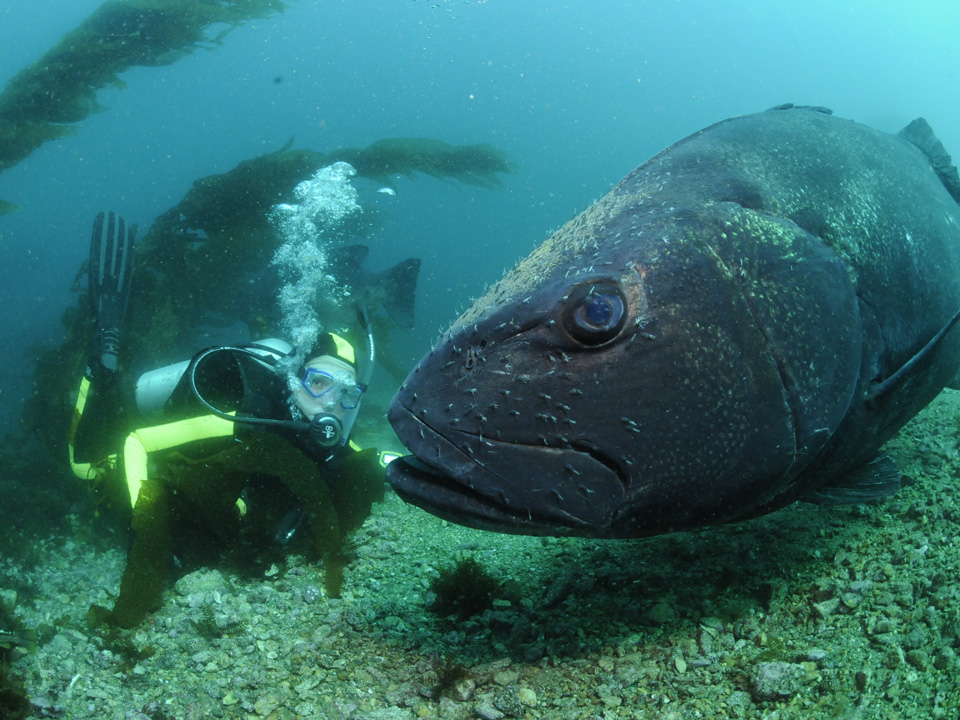
If you’ve ever dived off Casino Point in Catalina, it’s possible you have encountered one of the most magnificent fish ever to ply the cold waters of California. The Giant Sea Bass, also known as Stereolepis gigas, has long been a majestic part of California’s coastal ecosystems. This behemoth of a fish can grow up to nearly 7 and a half feet long, weighing a whopping 560 pounds, and can live to the age of 75. These gigantic, slow-moving sea creatures were once a common sight in the coastal waters of Southern California, particularly around Catalina Island. However, overfishing in the 20th century dramatically reduced their populations to critically low levels. Now, thanks to conservation efforts, these gentle giants are making a triumphant, albeit precarious, return. This is their story of recovery and resilience.

Giant Sea Bass weighing over 400 pounds caught at Catalina in 1906

The plight of the Giant Sea Bass is a familiar story in the annals of marine conservation. Abundant in the early 1900s, they were targeted by both commercial and recreational fishers. Their large size and slow-moving nature made them an easy and attractive target. Overfishing led to a sharp decline in their numbers. By the 1970s, sightings had become rare, sparking concerns about the species’ survival.

However, the Giant Sea Bass was not ready to fade away into history. The California Department of Fish and Wildlife stepped in during the 1980s, implementing measures to protect the species. A ban was placed on commercial and recreational fishing, and a concerted effort was made to restore their habitat around the Southern California coast, especially around Catalina Island.

If you are a diver, Catalina Island is a hotspot to see Giant Sea Bass. (Erik Olsen)

The breeding population of giant sea bass — which is listed as critically endangered by the International Union for Conservation of Nature — is believed to be only about 500 individuals. But since the ban on fishing and the launch of habitat restoration projects, the Giant Sea Bass has been on a steady journey towards recovery. Research groups and marine scientists have been monitoring their numbers around Catalina Island, a critical habitat for the species. Much of the work has been done at the Wrigley Marine Science Center (WMSC), the USC Wrigley Institute for Environmental Studies’ satellite campus on Santa Catalina Island. They’ve been using a variety of methods, including underwater surveys and remotely operated vehicles (ROVs), to track the population.

Their work has yielded promising results. The number of Giant Sea Bass sightings has been steadily increasing over the years. Juvenile Giant Sea Bass have also been spotted, a positive sign that the species is breeding successfully. These observations suggest that their populations are recovering, albeit slowly.

In 2019 California State University, Northridge (CSUN), the Aquarium of the Pacific, and Cabrillo Marine Aquarium announced a successful joint effort involving raising and releasing juvenile giant sea bass into the ocean. For this project, CSUN shared giant sea bass eggs in an attempt to produce offspring. Three juveniles were raised at the Aquarium of the Pacific, and the Cabrillo Marine Aquarium successfully reared hundreds of baby giant sea bass babies from these eggs. In March 2020, 200 baby giant sea bass were released into the murky waters of Santa Monica Bay.

University of California Santa Barbara

Catalina Island, a jewel in Southern California’s marine landscape, is another big part of this conservation success. The island’s surrounding waters offer the perfect habitat for the Giant Sea Bass, with its ample kelp forests and rocky reefs, not to mention the ocean tends to be much cleaner around Catalina than along the mainland coast. The island’s commitment to marine conservation, exemplified by the Catalina Island Conservancy and its partners, has provided the ideal conditions for the species to rebound.

In addition to the protective regulations, the Island’s community has embraced their role as stewards of their marine environment. Local scuba divers often act as citizen scientists, providing valuable data through sightings and photographs of the Giant Sea Bass. We at California Curated have seen several of them while diving, gaping in awe as they hover like zeppelins in the kelp beds of Casino Point.

CALIFORNIA CURATED ART ON ETSY

Purchase stunning art prints of iconic California scenes.
Check out our Etsy store.

Researchers who have been studying large fish in Southern California for decades say persistence is key to successful conservation efforts for giant sea bass. Although their numbers have increased, they are only about 20% of what’s needed for long-term survival. Researchers understands fishers’ frustrations but believe the fishing ban must remain for 20-30 more years to prevent repeating past overfishing. Since giant sea bass take 11-13 years to reach maturity, their recovery is slow, and even a few boats could severely impact the current population.

The return of the Giant Sea Bass is a beacon of hope, reminding us of the resilience of nature when given a chance to recover. But the journey is far from over. While their numbers are increasing, the Giant Sea Bass still faces threats, including pollution, habitat degradation, and the looming challenges of climate change.

The Giant Sea Bass at the California Academy of Sciences.

Conservationists argue that the Giant Sea Bass’s recovery illustrates the importance of a multi-faceted approach to marine conservation. Protective legislation, habitat restoration, scientific research, and community engagement all played critical roles in this success story.

Although the story is far from over and recovery is incomplete, the story of the Giant Sea Bass stands as a testament to the impact of conservation, of thinking hard and acting on the protection of species and fragile environments. Continued research, monitoring, and community engagement will be essential to ensure the long-term survival of the giant sea bass. Their resurgence offers a valuable opportunity to learn from our past mistakes and work together to ensure a brighter future for these gentle giants and the marine ecosystems they call home.

California’s Dark-Eyed Juncos Are Quietly Evolving in Plain Sight

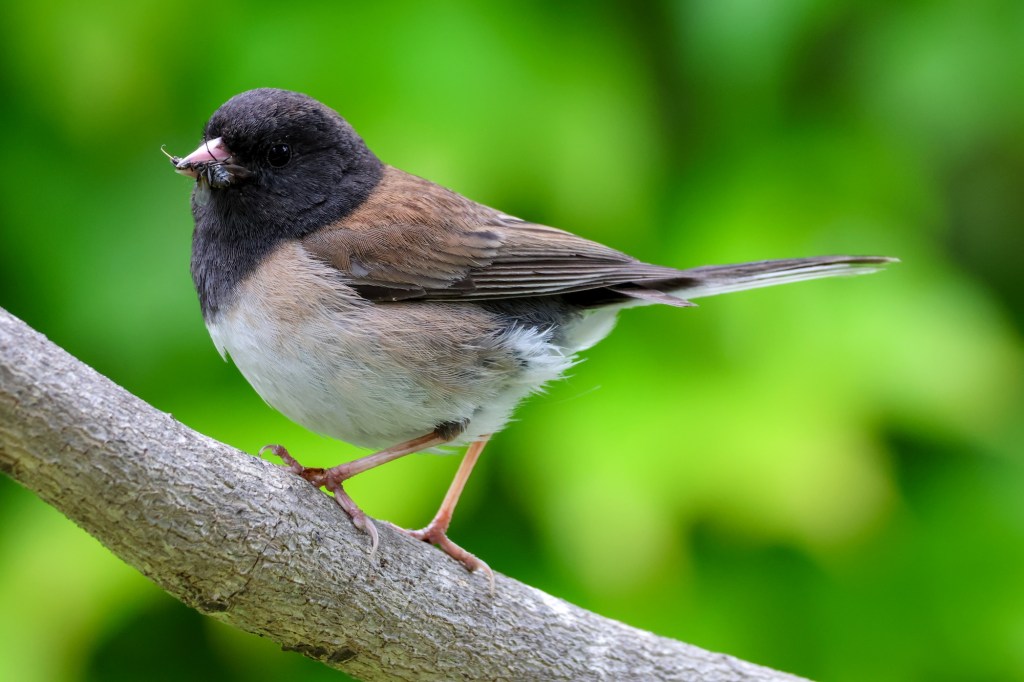
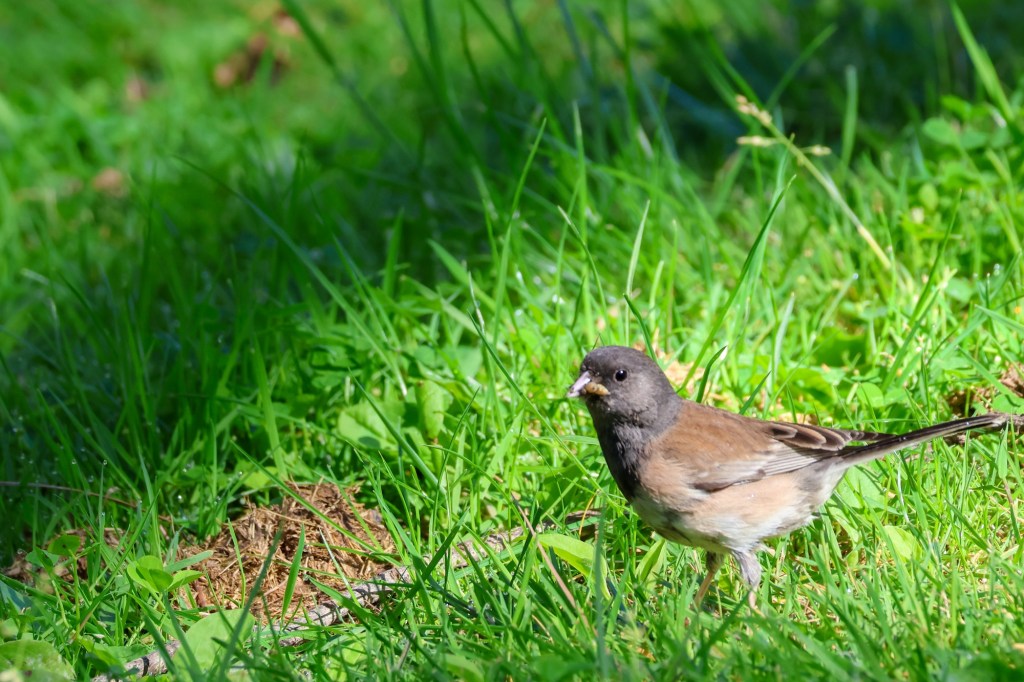
Dark-eyed junco in Southern California (Photo: Alex Fu)

When we step outside and see wildlife, we often think of it as unchanging. A bird on a branch, a crab in a tide pool, a lizard skittering across a sidewalk. It feels timeless. But in truth, these animals are evolving, slowly and steadily, right in front of us. As climates become more unpredictable, habitats shift, food sources change, and nature adapts. This is especially true in our cities. Built over just the past few centuries, these sprawling human environments are reshaping the natural world and pushing wildlife to adjust in new and often surprising ways.

As California’s cities have expanded and encroached upon natural landscapes, it turns out the state’s wildlife is adapting in fascinating ways. Studying these changes is central to urban evolution, or how species adapt over time, both genetically and behaviorally, to the unique pressures of city life. From coyotes navigating traffic to birds adjusting their songs to be heard over city noise, urban evolution reveals how nature is not just surviving in cities, but evolving with them. Darwin believed natural selection was too slow to observe in real time, but today we know evolution can happen rapidly, sometimes within just a few generations.

Thanks for reading California Curated Newsletter! Subscribe for free to receive new posts and support my work.

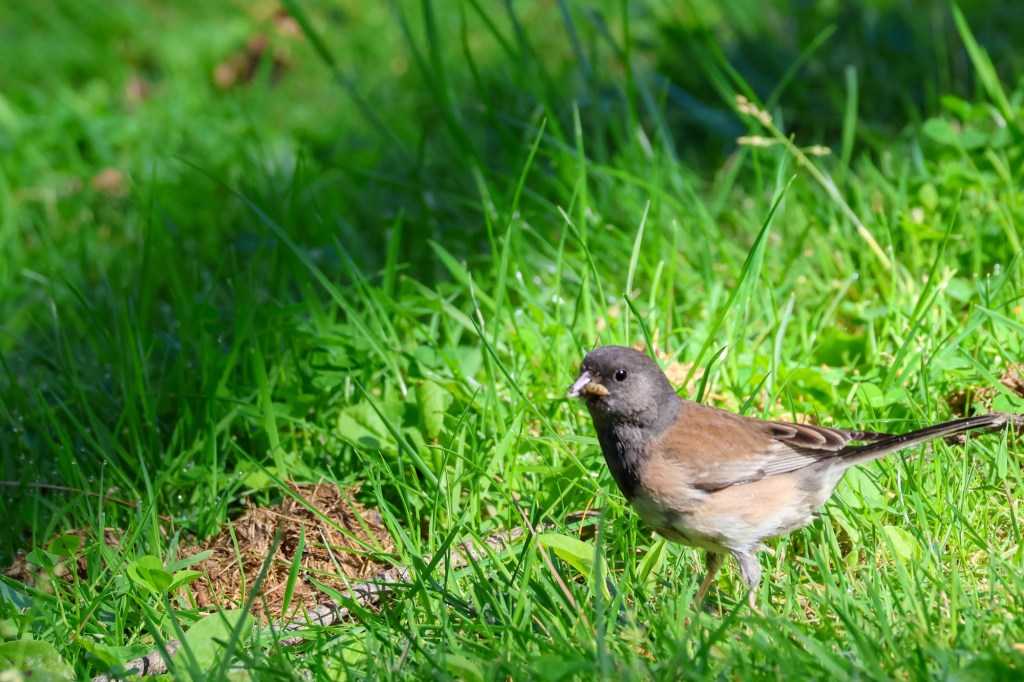
Dark-eyed junco in Southern California (Photo: Alex Fu)

One cool example of urban evolution in California is the story of the dark-eyed junco (Junco hyemalis), a small songbird traditionally found in mountainous forests that is now thriving in urban environments like San Diego and Los Angeles. If you’re a birder or simply someone who enjoys watching the wildlife in your backyard, you’ve almost certainly seen them. Dark-eyed juncos are small songbirds with distinctive dark heads, often spotted hopping around on the ground rather than perching at feeders. I see them all the time, pecking at the spilled seeds beneath my feeder (or, I should say feeders, as I have several…nerd alert!). It turns out they’re classic ground foragers, evolved to search for food by scratching through leaf litter or snow, uncovering seeds, insects, and other hidden bits.

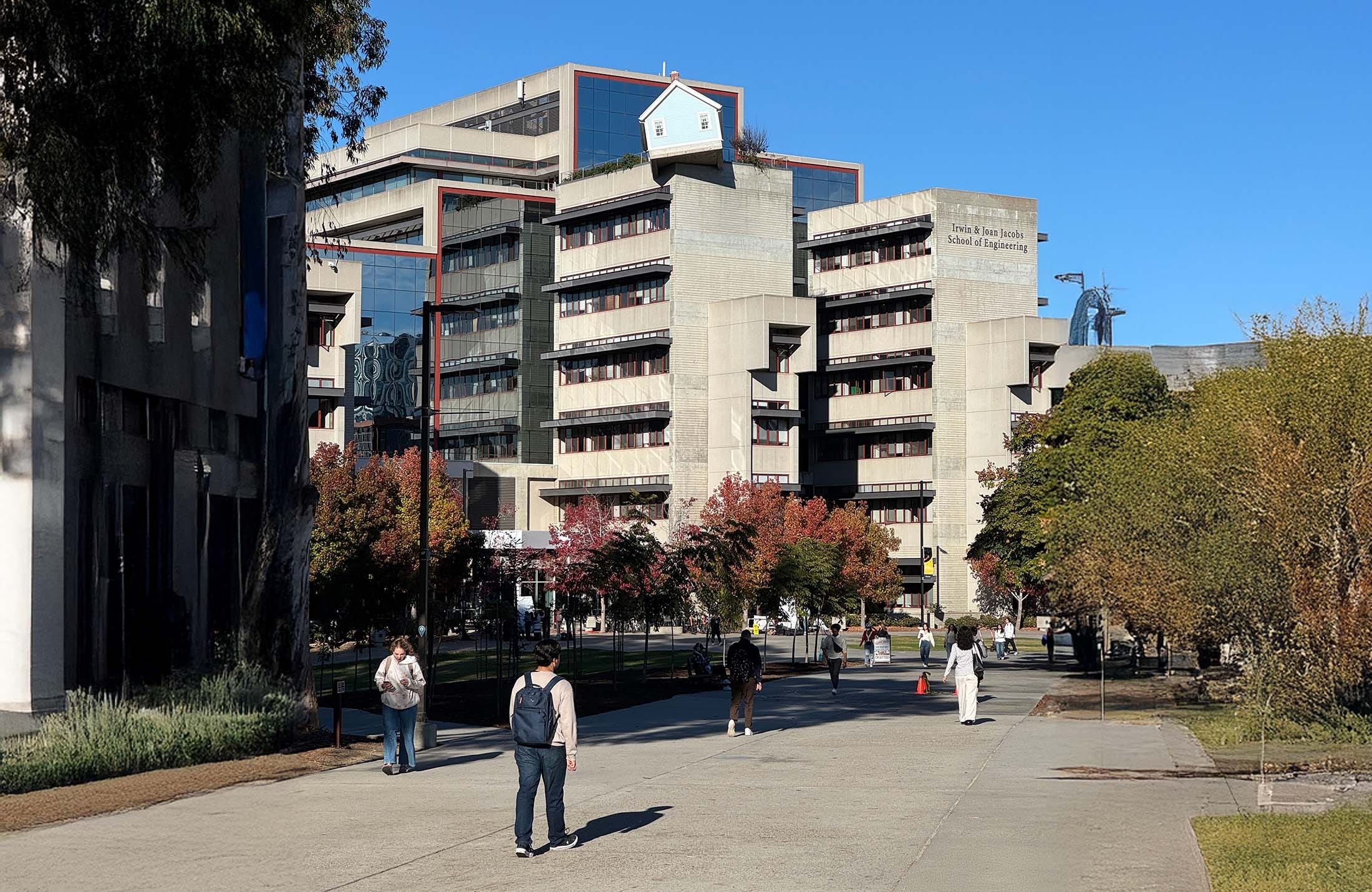
Recent research has revealed that dark-eyed juncos are evolving in direct response to urban life. Traditionally migratory, these birds once spent summers breeding in cool mountain forests and winters at lower elevations. But in the early 1980s, a group of juncos broke from that pattern and settled year-round on the campus of UC San Diego. There, researchers began documenting striking behavioral shifts. The urban juncos were bolder, less fearful of humans, and had even altered their mating and nesting habits. These changes, observed over just a few decades, offer a vivid example of how quickly species can adapt to city environments, a real-time case study in urban evolution unfolding in human-shaped habitats.

University of California San Diego (Photo: Erik Olsen)

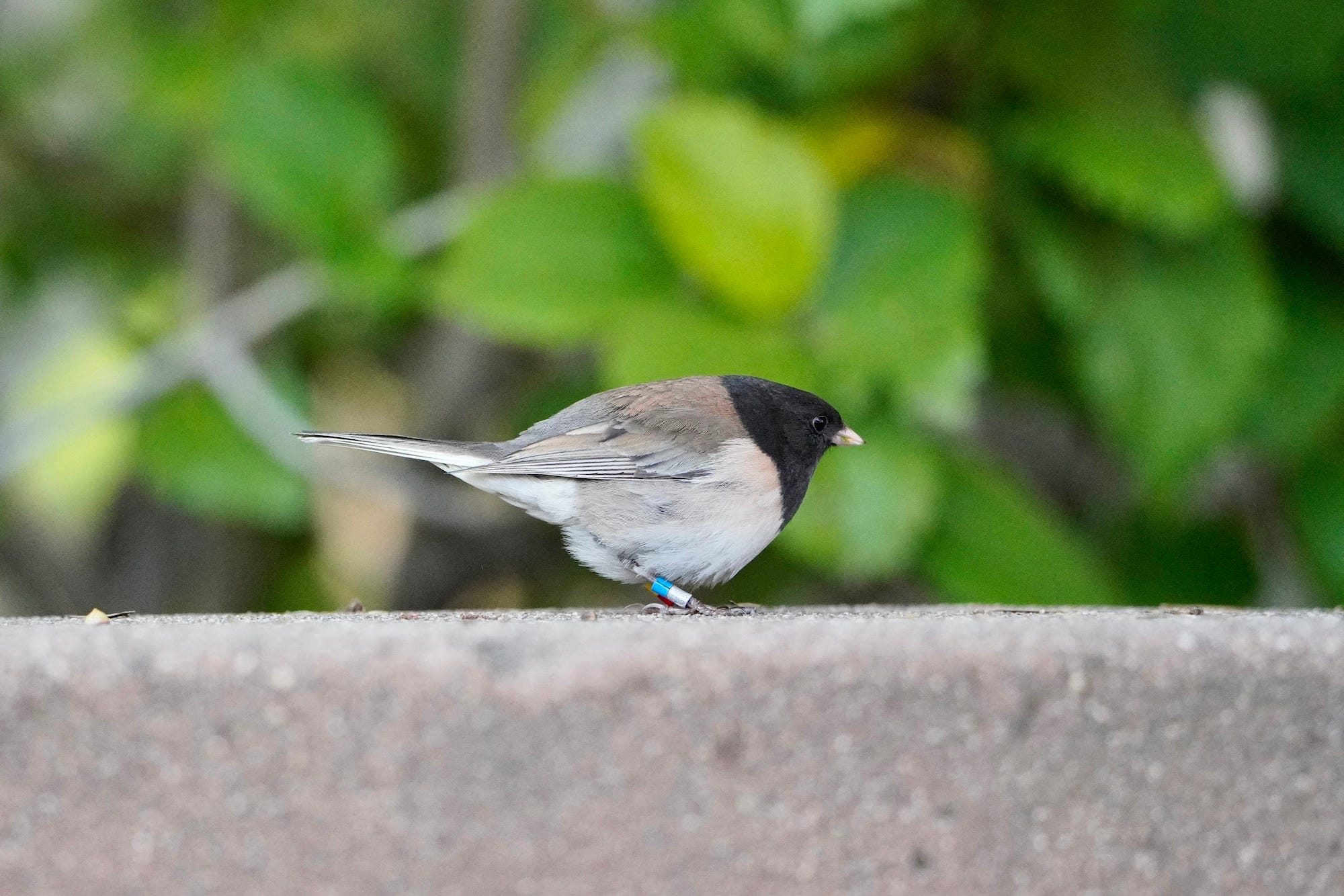
Similarly, at the University of California, Los Angeles (UCLA), a junco population has been thriving for decades, with numbers reaching approximately 300. This long-term success has provided the Yeh Lab at UCLA with a unique opportunity to study how urban environments influence the evolution and behavior of these adaptable songbirds. Their research sheds light on how juncos have adjusted to city life, offering broader insights into wildlife resilience in human-altered habitats.

“It’s impressive how rapidly these vertebrate species can evolve. In a matter of a handful of years, we can find some pretty significant changes,” Pamela Yeh, an associate professor in ecology and evolutionary biology at UCLA, told California Curated. Yeh studied the junco population at UC San Diego when she was an undergraduate student there and wanted to expand the research to the population at UCLA. Studying the two different populations may offer insights into how species evolve in urban environments.

“We want to know, does a city make you evolve?” asks Yeh. “Do the different cities make you evolve similarly? Do the birds all become smaller? Do they all become bigger? Do they all have different-sized beaks? Or is each city unique?”

Dark-eyed junco at UCLA (Photo: Sierra Glassman)

With decades of data, the work echoes the groundbreaking research of Princeton scientists Peter and Rosemary Grant, whose studies of Galápagos finches transformed our understanding of how swiftly natural selection can operate. Now, the junco studies are taking that idea further, showing evolution unfolding not on remote islands, but in the heart of our cities.

“I think it’s now really considered a model vertebrate system for urban evolution,” says Yeh.

In their natural forest environments, juncos breed in response to the changing seasons, triggered by increasing daylight hours and rising temperatures. But in urban areas like those around UCSD and UCLA, where food is plentiful year-round, juncos have begun breeding earlier than normal and throughout the year. They build nests higher off the ground, often on artificial structures, and have increased the number of clutches per breeding season. The availability of artificial light, abundant food from human sources, and fewer natural predators in the city all play roles in these behavioral shifts.

Yeh believes it’s no accident that junco populations have surged on college campuses in recent decades. In fact, she sees it as a direct response to the unique conditions these urban environments provide.

“We think it is is partially that [urban university environments] mimic the natural environment, which is a mix of meadows and tall trees. But the other thing that we think could be important is the irrigation in grassy areas that allow the juncos, even when it’s extremely hot, there are still small insects and worms to grab and feed their offspring.”

One of the most striking adaptations among urban juncos is their behavioral shift in regards to people. Unlike their shy mountain counterparts, urban juncos are much more tolerant of human presence. This is not only a matter of convenience; it’s a survival mechanism. In the city, humans are not a threat, and urban birds need to capitalize on the resources provided by their proximity to people. Their lack of fear “allows them to keep eating even when we walk by,” says Yeh.

Dark-eyed junco in Southern California (Photo: Alex Fu)

Studying junco evolution isn’t just a scientific curiosity. It has real conservation stakes. Things haven’t been looking good for birds. An October 2019 study published in Science by the Cornell Lab of Ornithology revealed that North America has lost nearly 3 billion birds over the past 50 years, with dark-eyed juncos alone declining by 168 million. Yet their ability to adapt to urban life suggests they may have the evolutionary tools needed to weather these dramatic changes.

Beyond behavior, there are physical differences between urban and rural populations of dark-eyed juncos. Urban juncos, for example, developed duller black plumage on their heads and showed reduced white markings in their tail feathers. Yeh and her team have also documented that the wings of urban juncos are smaller, an adaptation likely driven by the demands of maneuvering through a dense, built environment rather than long-distance flight.

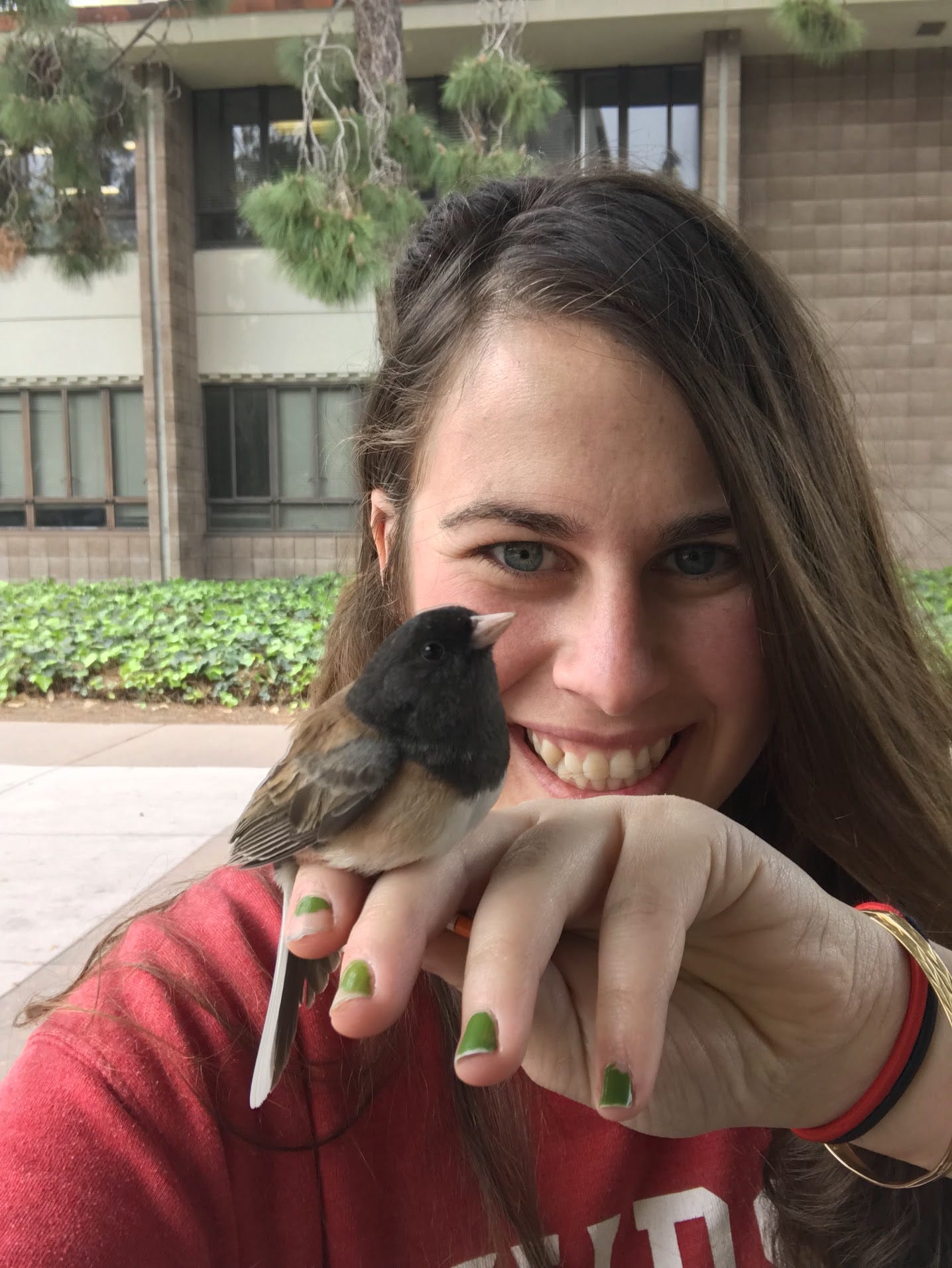
Ellie Diamant, currently a Ph.D. candidate in the Department of Ecology and Evolutionary Biology at UCLA in the Yeh Lab, holding a dark-eyed junco. (Photo: Ellie Diamant)

“Juncos historically were migratory birds. The ones that live in the mountains still are. But in the urban environments, we see them year-round,” says Dr. Ellie Diamant, Visiting Assistant Professor at Bard College. “So the benefits are gone for the longer-distance flight, but there seems to be more benefit for these short wings.” Diamant completed her Ph.D. in the Department of Ecology and Evolutionary Biology at UCLA in the Yeh Lab.

The dark-eyed junco is just one example of the broader phenomenon of urban evolution, where species adjust to the challenges and opportunities posed by city life. In California, this phenomenon extends beyond birds. Coyotes, for example, have become fixtures in cities like Los Angeles, adapting to scavenge food from human waste. Coastal animals like sea lions and pelicans have also made urban waterfronts their home, thriving amid the bustle of human activity. Similarly, the Western Fence Lizard has swiftly adapted to life in an urbanized environment.

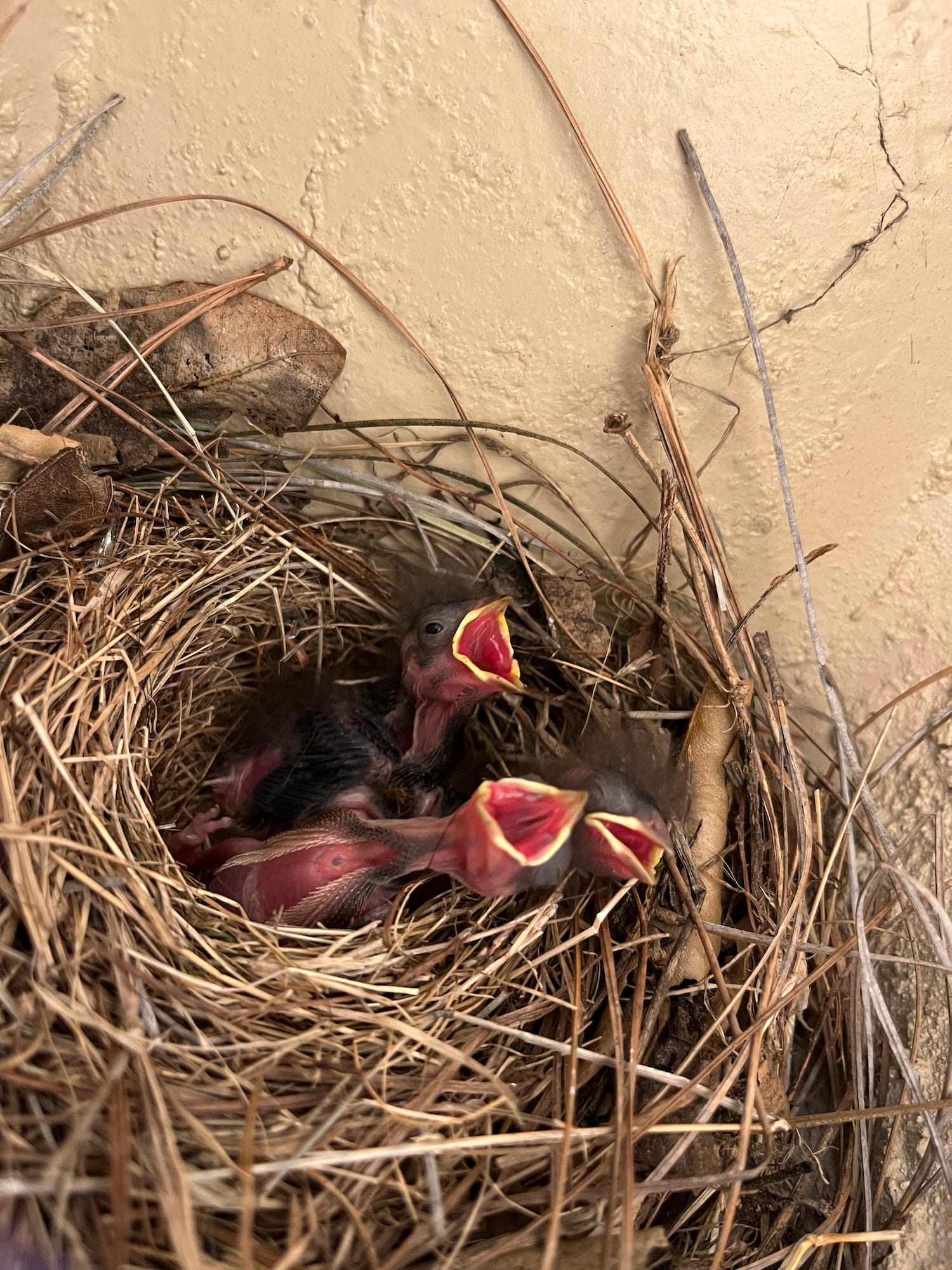
Junco hatchlings at UCLA. (Photo: Sierra Glassman)

In his book Darwin Comes to Town, Dutch evolutionary biologist Menno Schilthuizen highlights the junco as an exemplar of rapid evolution in urban settings, but it also goes much further, documenting how our manmade environments are accelerating and changing the evolution of the animals and plants around us. Of course, it’s not all good news. Not by a long shot.

Studies published in Evolutionary Applications, underscore that urbanization is a double-edged sword, offering opportunities for adaptation but also introducing serious threats. In Los Angeles, for instance, the fragmentation of habitat by highways has led to the deaths of countless animals, a problem now being tackled through the construction of wildlife bridges like the Wallis Annenberg Wildlife Crossing opening in 2026, designed to reconnect critical migration routes.

Wallis Annenberg Wildlife Crossing currently under construction (Photo: State of California)

The dark-eyed junco’s ability to adapt to city life is both encouraging and a bit sobering. It shows how some wildlife can adjust and find ways to thrive even as human development spreads. But it also reflects the growing pressure we’re putting on natural ecosystems. In other words, it’s not all good, and it’s not all bad. As scientists dig deeper into urban ecology in California and elsewhere, the junco stands out as a clear example of how life shifts and changes in response to the world we’re shaping.

For those of us who live in cities, the juncos flitting through parks, pecking in our yards, and hopping across college campuses offer a chance to see evolution happening right in front of us. Nature isn’t some distant thing beyond the city limits. It’s here, threaded into the daily patterns of urban life.

All the Fish We Did Not See – The Discovery of the Ocean’s False Bottom off California

A paper nautilus or Argonaut, a group of pelagic octopuses that dwell in the ocean’s twilight zone. (Erik Olsen)

In the summer of 1942, aboard the USS Jasper, a team of scientists embarked on a mission off the coast of San Diego, California, a hub for U.S. Navy operations and other military activities vital for the Pacific Theater of World War II. Their goal was to test a new technology called “long-range active sonar,” developed to detect enemy submarines—specifically Japanese submarines and German U-boats—during World War II. Long-range active sonar is a technology that sends sound waves through the ocean to map and visualize the seafloor across great distances, revealing details of underwater topography and structures that would otherwise remain hidden beneath the waves.

The expedition was led by Carl F. Eyring, an accomplished acoustic physicist known for his pioneering work in sonar technology. Eyring, along with his colleagues Ralph A. Christensen and Russell W. Raitt, played crucial roles in the mission. Their combined expertise in acoustics, naval operations, and marine science made them the perfect team to explore the deep ocean with sound.

The USS Jasper in 1945—just a few years after scientists discovered the first evidence of the Deep Scattering Layer during a research cruise aboard the ship. (Photo: Naval History and Heritage Command)

As they deployed sonar pulses into the depths, they encountered an unexpected anomaly: a persistent, dense layer approximately 300 yards (about 274 meters) below the surface that scattered their acoustic signals. It was almost as if the ocean floor had risen, looming closer with a strange, unyielding presence that defied all explanations.

This new reading was a complete anomaly, contradicting everything they knew about the seafloor’s topology. It was as though a solid mass had somehow materialized in the depths—a mass dense enough to obscure their sonar and make the familiar landscape unrecognizable. At the same time, their signal strength readings spiked erratically, suggesting significant interference in the water.

Carl F. Eyring (Brigham Young University)

The discovery of this peculiar layer presented an intriguing puzzle to the scientists aboard the Jasper. Yet, with a war raging, they couldn’t afford to lose focus. Instead, they concentrated on measuring its dimensions and mitigating the acoustic interference it created. Determining its true nature would have to wait for another time.

It wasn’t until almost three years later, in 1945, that oceanographer Martin Johnson deployed nets into the Pacific and uncovered the truth: the layer was actually a massive cloud of marine animals, most no larger than a human finger, migrating daily from the deep ocean to the surface and back. This dense biological layer, packed with animals capable of reflecting sonar, had created the illusion of a solid mass, effectively “masking” the true depth of the ocean floor by reflecting sonar waves off the swim bladders of the fish and other marine organisms. 

Bristlemouth trawled from the ocean’s twilight zone (Erik Olsen)

This phenomenon, later termed the Deep Scattering Layer (DSL), created a “false bottom” in sonar readings, revealing an unexpectedly dense concentration of biological life in a mid-ocean zone once thought to be relatively sparse. The discovery of the DSL challenged assumptions about life distribution in the ocean, showing that vast numbers of organisms—such as fish, squid, and zooplankton—populate these depths, rising and descending with daily cycles to avoid predators and optimize feeding.

The DSL is situated within the ocean’s mesopelagic zone, commonly referred to as the twilight zone, which extends from about 200 to 1,000 meters below the surface. This region is characterized by minimal sunlight penetration and hosts a diverse array of marine life. Indeed, this huge swath of biomass is exactly what the sonar was picking up. This remarkable behavior observed in this zone is the diurnal vertical migration—the largest daily movement of biomass on Earth, the world’s largest animal migration. Each evening, billions of organisms (some scientists actually believe they number into the quadrillions) including small fish like lanternfish, hatchetfish and bristlemouths, ascend toward the surface to feed under the cover of darkness, retreating to the depths at dawn to evade predators. (Bristlemouths, by the way, are said to be the most numerous vertebrate on the planet.)

Scattering layer seen on sonar (Erik Olsen)

The discovery of the DSL provided significant insights into marine biology and oceanography. The layer’s composition—primarily swarms of marine animals with gas-filled swim bladders—explained the sonar reflections that mimicked the seafloor. This understanding highlighted the abundance and biodiversity of life in the twilight zone and underscored the importance of these organisms in oceanic ecosystems.

The discovery also led over time to an understanding of the role this layer plays in the carbon cycle, the very phenomenon that helps regulate Earth’s climate. The daily migration of marine animals in this layer is not just a remarkable biological spectacle; it is also a key mechanism for transporting carbon from the ocean’s surface to its depths. As these organisms ascend at night to feed and then return to deeper waters during the day, they excrete waste and many of them die, effectively moving carbon downwards, often sequestering it in the deep ocean floor where it can remain for centuries. This process, known as the biological carbon pump, plays a vital role in mitigating the effects of carbon dioxide in the atmosphere, thus contributing to climate stability. Without the existence of the Deep Scattering Layer and its role in the carbon cycle, the Earth’s carbon balance would be significantly different, highlighting just how interconnected marine ecosystems are with global climate regulation.

In the decades following its discovery, the DSL has remained a subject of scientific inquiry. Advancements in sonar technology and deep-sea exploration have revealed the layer’s dynamic nature and its role in global carbon cycling.

Current research into the twilight zone, particularly by scientists at the Woods Hole Oceanographic Institution (WHOI), is uncovering fascinating insights into this enigmatic region of the ocean. The twilight zone remains one of the least explored parts of the ocean, despite being home to an abundance of life and playing a crucial role in global biogeochemical cycles. Woods Hole has been at the forefront of investigating this layer, employing advanced technology like remotely operated vehicles (ROVs), autonomous underwater vehicles (AUVs), submersibles, and cutting-edge acoustic techniques to understand its complex dynamics and ecosystem.

One of the leading researchers at WHOI, Dr. Heidi Sosik, has been focusing on the role that the twilight zone plays in the carbon cycle. Sosik’s work involves the use of automated imaging technologies to analyze the behavior and diversity of the organisms inhabiting this region. By documenting their daily migrations and interactions, Sosik’s team has been able to quantify the extent to which these animals contribute to carbon transport. This research is essential for understanding how much carbon is effectively being sequestered from the atmosphere through these daily migrations.

Bristlemouth fish (Erik Olsen)

Another prominent scientist at WHOI, Dr. Andone Lavery, is working to map the twilight zone’s acoustics in unprecedented detail. Lavery’s expertise in underwater sound technology has helped reveal not only the composition of the Deep Scattering Layer but also the behaviors of its inhabitants. Lavery’s recent findings indicate that the twilight zone’s acoustic properties are far more dynamic than previously thought, and these properties can significantly affect how marine animals detect predators and prey, as well as how researchers measure biomass in this layer.

Dr. Simon Thorrold, also from WHOI, has been studying the food web dynamics within the twilight zone. Thorrold’s research has uncovered surprising insights into predator-prey relationships among mesopelagic species. Using chemical tracers, his team has been able to track the movement of nutrients through the food web, revealing that many animals from the twilight zone are integral to surface ecosystems as well, either through vertical migration or being preyed upon by larger species such as tuna, swordfish, and marine mammals.

Scientists use a Triton submersible to explore the ocean’s twilight zone in the Bahamas. (Erik Olsen)

In addition, WHOI has been collaborating with international partners on the “Twilight Zone Exploration” (TZX) project, which aims to better understand how human activities, such as fishing and climate change, are impacting this critical part of the ocean. The mesopelagic zone is increasingly targeted by commercial fishing due to the sheer biomass it holds. Dr. Sosik and her colleagues are actively studying the potential consequences of harvesting these species, considering their importance in carbon sequestration and as a key link in marine food webs.

CALIFORNIA CURATED ART ON ETSY

Purchase stunning art prints of iconic California scenes.
Check out our Etsy store.

Together, these efforts are gradually revealing the twilight zone’s secrets, emphasizing its importance not only in regulating climate but also in maintaining the health of marine ecosystems. As the pressures of climate change and human exploitation continue to grow, understanding this mysterious part of the ocean has never been more critical.

The USS Jasper‘s encounter with the false bottom off California’s coast stands as a pivotal moment in oceanographic history. It not only unveiled the hidden complexities of the ocean’s twilight zone but also bridged the gap between military technology and marine science, leading to a deeper appreciation of the intricate and interconnected nature of Earth’s marine environments.

California’s Western Fence Lizards Are Evolving in Real-time in Response to Urbanization

Western Fence Lizard (Sceloporus occidentalis)

When you think of Southern California, bustling cities and sprawling suburbs likely come to mind. But amidst the concrete, glass, and steel, there’s a hidden world of wildlife quietly adapting to the rapid changes humans bring. Among the surprising survivors in this urban wilderness are creatures like the western fence lizard, seamlessly blending into the landscape. Yet, these lizards aren’t just surviving—they’re evolving right before our eyes, a living example of how urban ecology drives real-time adaptation and recent evolution.

If you live in Southern California, you’ve probably had the experience of walking out your front door and catching just the slightest flicker of movement in your peripheral vision. Your instincts kick in: something skittered, something small. You glance over and, sure enough, it’s Sceloporus occidentalis, better known as the western fence lizard.

This reptile is a regular in the California cast of critters. With its vibrant blue belly and sun-loving mien, it’s the unsung hero of our yards, patios, and hiking trails, darting from log to rock, always a step ahead. Impressively, the lizards have found a home in the urban sprawl of our cities, and new research reveals they are evolving to thrive here, adapting to the ever-changing urban landscape.

Western fence lizard’s blue belly.

It is the males who sport vibrant patches of blue on their bellies and throats, making them easy to identify. Females, while less flashy, still have a subtle charm with their more muted tones. They are able to darken or lighten their scales in response to environmental conditions, particularly temperature. In cooler conditions, they tend to darken, which helps them absorb more heat from the sun. Conversely, in warmer conditions, they may lighten to reflect sunlight and avoid overheating. This color change is not as dramatic as in animals like chameleons, but it’s an important survival mechanism for thermoregulation.

Western Fence Lizard

The Western Fence Lizard has a long and fascinating evolutionary history, stretching back millions of years. They belong to the genus Sceloporus, or spiny lizards, which consists of over 90 different species, and their closest relatives include the Sagebrush Lizard and the Eastern Fence Lizard, each of which they very closely resemble. These fantastic reptiles evolved to fill a specific ecological niche, with their coloration and agility being key to their survival in the wild.

The Western Fence Lizard is a versatile tenant, thriving in a range of habitats, from coastal sage scrub and chaparral to forests and grasslands. You see them everywhere in the San Gabriel Mountains, and throughout Southern California. They’re extremely common in backyards and some of the dryer areas around Los Angeles. These lizards are known for their love of basking in the sun, which they do to thermoregulate. You’ll often find them perched on rocks, fence posts, or tree branches, soaking up rays and keeping an eye out for predators and tasty nibbles. Small crickets are one of their favorites, although they will also munch on ants, beetles, spiders, grasshoppers, and flies. In fact, having a few of them in your yard can be a somewhat effective method of pest control.

The males sport vibrant patches of blue on their bellies and throats, making them easy to identify. (Erik Olsen)

When it comes to love, the Western Fence Lizard has some fascinating rituals. The mating season, which typically spans from April to July, is when the males put on a dazzling display to attract a mate. They perform a series of push-ups, showing off their bright blue bellies and throats. Scientists believe this is both a territorial display, typically to intimidate other male lizards and asserting dominance, but also a tact to impress females, who are wooed by the workout as well as the color, and who then select the most vigorous and flashy males to father their offspring. It’s not unlike what happens on a typical summer afternoon down at Muscle Beach in Santa Monica.

Western fence lizards lay their eggs in moist soil, and after a few months, a new generation of color-changing acrobats emerges, ready to take on the world. The females dig small burrows or shallow nests in these locations, and after laying the eggs, they cover them with soil to keep them insulated and safe. I love it when this happens because very often there are a dozen or more adorable little baby lizards hanging out around the yard.

The lizards are also an excellent local example of what called urban ecology. Urban ecology is the study of the relationships between living organisms and their environment in urban areas. Numerous studies around the world have shown that the spread and growth of urban environments has caused genetic changes in various species. It’s happening here, too, with our own local flora and fauna, including the western fence lizard.

“We usually think of evolution as being this super slow process that takes millions of years to happen and that no human could ever observe,” says San Diego State University herpetologist Kinsey Brock. “But really, things can happen fast when the environment changes quickly, and if they don’t, you don’t persist.”

Recent studies have shown that western fence lizards in California are not just surviving in urban environments—they’re adapting in fascinating ways, providing a glimpse into natural selection in real-time. As cities and suburbs expand into their natural habitats, these resilient reptiles have begun to develop traits that help them thrive in the concrete jungle. Researchers have found that urban lizards are exhibiting changes in their behavior and physiology compared to their rural counterparts. For example, they tend to have reduced escape responses to humans and other urban disturbances, likely because they’ve grown accustomed to frequent interactions with people and cars. Instead of darting away at the slightest movement, urban lizards may tolerate closer proximity to humans, conserving energy for more immediate threats.

Moreover, their physical traits are also shifting in response to city life. A recent study on western fence lizards in Los Angeles reveals how urbanization is driving evolutionary changes in this species morphology. Researchers at the University of California Los Angeles (UCLA) found that urban lizards have shorter limbs and smaller toes compared to their rural counterparts. These adaptations are likely responses to navigating artificial surfaces and coping with the warmer temperatures in cities.

Western fence lizard (Erik Olsen)

Another study conducted in Los Angeles found that urban western fence lizards have fewer scales than their rural counterparts, likely in response to the urban heat island effect. Lizards lose moisture through the skin between their scales, so those with many small scales have more exposed skin and greater evaporative water loss. In contrast, fewer and larger scales reduce the amount of exposed skin, minimizing water loss in the warmer urban environments. This adaptation helps urban lizards cope with the heat by retaining moisture more effectively, an essential trait for survival in cities where temperatures are often higher than in surrounding natural areas.

These changes are a testament to the flexibility of natural selection, as the urban landscape becomes a new selective pressure driving small but significant shifts in the species. It’s a remarkable example of how wildlife can adapt to human environments, and in a relatively short period of time, offering a window into how evolution can occur almost quickly even in the most unexpected places.

The Magic, Wonder, and Science of Ocean Bioluminescence in Southern California

How and why so many of earth’s creatures make their own light.

Bioluminescent waves in Southern California

Last month, a video went viral showing a small pod of dolphins swimming at night off the coast of Newport Beach. Seeing dolphins off Southern California is not particularly unusual, but this was a very special moment. In the video, the dolphins appear to be swimming through liquid light, their torpedo-shaped bodies generating an ethereal blue glow like a scene straight out of Avatar. The phenomenon that causes the blue glow has been known for centuries, but that in no way detracts from its wonder and beauty. The phenomenon is called bioluminescence, and it is one of nature’s most magical and interesting phenomena. 

A Caridean shrimp, Parapandalus sp., enveloped in bioluminescent spew emitted during an escape response. (NOAA/OER)

Bioluminescence is the production and emission of light by a living organism, and it is truly one of the great magical properties of nature. At its core, bioluminescence is the way animals can visually sense the world around them. It’s all built on vision, one of the most fascinating and useful senses in the animal kingdom. Seeing is impossible without light, and so it makes sense that in the absence of sunlight, some animals created a way to make their own light. 

I have been fascinated by bioluminescence since I was a child growing up near Newport Beach when the occasional nearshore red tide bloom would illuminate the waves like a high tech LED light show. It’s a truly magical experience. I’ve also experienced bioluminescence in various places around the world, including Thailand, Mexico, and Puerto Rico. In fact, 13 years ago, I made the trip to Puerto Rico’s Vieques Island and its world-famous Mosquito Bay, for the sole purpose of seeing the bay in person and swimming and kayaking in its warm, glowing waters (there is a rental outfit there that does tours at night…it’s amazing. Trust me.)

The phenomenon of bioluminescence is surprisingly common in nature. Both terrestrial and sea animals do it, as do plants, insects (for example, fireflies), and fungi. Curiously, no mammals bioluminesce. That we know of, although several species fluoresce, which is when organisms absorb light at one wavelength and emit it at another, often under ultraviolet (UV) light. The platypus is an example. But the ocean is definitely the place that animals and plants bioluminesce the most. Which makes sense because deep in the ocean, there is little or no light. Light is absorbed very quickly in the water, so while on land you might be able to see a single streetlight miles away, after about 800 feet, light largely disappears in the depths of the ocean. I know. I’ve been there

It’s estimated that nearly 90 percent of the animals living in the open ocean, in waters below 1,500 feet, make their own light. Why they do this is in part a mystery, but scientists are pretty sure they understand the basic reasons animals do it: to eat, to not be eaten, and to mate. In other words, to survive. And to communicate. 

Credit: NOAA

The angler fish dangles a lighted lure in front of its face to attract prey. Some squid expel bioluminescent liquid, rather than ink, to confuse their predators. A few shrimp do too. Worms and small crustaceans use bioluminescence to attract mates. When it is attacked, the Atolla jellyfish (Atolla wyvillei) broadcasts a vivid, circular display of bioluminescent light, which scientists believe may be a kind of alarm system. The theory is that the light will attract a larger predator to go after whatever is attacking the jellyfish. While this is still a theory, a 2019 expedition that took the very first images of the giant squid used a fake Atolla jellyfish designed by the scientist Edith Widder to lure the squid into frame. I had the fortune of interviewing Dr. Widder, one of the world’s top experts on bioluminescence, several years ago for the New York Times.   

Edith Widder holds a vial of bioluminescent plankton. Credit: Erik Olsen

Making light is clearly beneficial. That’s why, say evolutionary biologists, it appears that bioluminescence has arisen over forty separate times in evolutionary history. The process is called convergent evolution and is the same reason that bats and birds and insects all evolved to fly independently. Clearly, flying confers a major advantage. So does making light.

While the Internet is awash in images of bioluminescent creatures, very often the term is confused with fluorescence (mentioned above). Even reputable science organizations sometimes do this. Bioluminescence is not the same thing as fluorescence. Fluorescence is the emission of light by a substance that has absorbed light or other electromagnetic radiation. Many animals like scorpions and coral fluoresce, meaning that they appear to glow a bright otherworldly color when blue light is shone on them. The key idea here is that the animals are not generating their own light, but rather contain cells that reflect light in fluorescence.  

Fluorescent (not bioluminescent) scorpion in Baja California, Mexico. Credit: Erik Olsen

So what about the recent explosion of bioluminescence in Southern California? The light we are seeing is made by tiny organisms, type of plankton called dinoflagellates (Lingulodinium polyedra) that occasionally “bloom” off-shore. Often, this is the result of recent storms that bring tons of nutrient-laden runoff into the ocean. The tiny plankton feed on nitrogen and other nutrients that enter the ocean from rivers and streams and city streets. A lot of the nutrients come from California’s vast farms, specifically the fertilizer used to grow California’s fruits and vegetables. With all that “food” coming into the ocean system, the algae rapidly multiply, creating red tides, or vast patches of ocean that turn dark brownish red, the color of pigment in the algae that helps protect it from sunlight. Michael Latz, a scientist at Scripps Institution of Oceanography at UC San Diego, says that the animals use bioluminescence as a predator avoidance behavior. 

Sometimes red tides are toxic and can kill animals and make people sick who swim in the ocean. (That does not appear to be the case in California right now). At night, when they are still, the animals can’t be seen. But when the water is disturbed, which adds oxygen into the mix, a chemical reaction takes place in their bodies that causes luciferin (from the Latin lucifer or ‘light-bearer’) to oxidize and becomes catalyzed to make luciferase, which emits photons or particles of light. It’s not understood exactly how or why this happens, but we do know there are many kids of luciferase. In fact, scientists know the genes that create luciferases and have implanted them into organisms like mice, silkworms, and potatoes so that they glow. They’ve made bioluminescent plants, too. An Idaho-based start up called Light Bio, in fact, sells bioluminescent petunias that you can purchase.


Light Bio’s genetically engineered petunias glow green thanks to DNA added from bioluminescent mushrooms. Photo (Light Bio)

Perhaps the most magical thing about bioluminescence is that it doesn’t create heat. Almost all the lights we are familiar with, particularly incandescent light, like that from generic light bubs, generate a tremendous amount of heat. Of course, we have learned how to make this heatless chemical light ourselves, easily experienced when you crack and shake a glow stick, mixing together several chemicals in a process similar to the one animals in the ocean use to create bioluminescent light. But the light from glow sticks is not nearly strong enough to illuminate your back yard. In the last few decades, we’ve learned how to make another kind of light that produces little heat: LEDs. Though the process is very different, the concept is the same: talking a molecule or a material and promoting it to an excited state. Where electricity is used, in the case of LEDs, it’s called electroluminescence, where it’s a chemical reaction it’s chemiluminescence, of which bioluminescence is one form. 

Whether you are a religious person or not (I’m not) it’s no coincidence that one of the first things God said was, “Let there be light!” Light and light energy give us plants and animals to eat, and allows us to see. It heats our world, it fuels our cars (oil is really just dead organic material compressed over time, and that organic material would not have existed without sunlight). While some animals deep in the ocean can live without light, most of us cannot. And it’s a rather astounding feat of nature than when there is no light, many of the earth’s creatures have evolved to produce it themselves. If you don’t believe me, just go down to the Southern California shore in the evening when there is a red tide. Leave your flashlight at home. You won’t need it.

The Lost Island of Santarosae off California’s Coast

Santarosae Midjourney rendering

Imagine a massive island off the coast of California roughly thrice the size of Maui, a lush and wild place where miniature mammoths once roamed and ancient humans hunted in the shadows of towering trees. This island once existed and it’s called Santarosae, and while it is gone now, it was once a thriving ecosystem, teeming with life. Its story provides a captivating window into the ever-changing natural history of the California coast region.

During the last Ice Age, approximately 20,000 to 25,000 years ago, when sea levels were significantly lower, Santarosae Island was a single, expansive landmass that now comprises most of California’s Channel Islands. As the cooler Pleistocene climate transitioned into the warmer Holocene (the epoch we are in now), the Earth’s oceans heated and expanded. Continental ice sheets and glaciers melted, releasing vast amounts of water and causing sea levels to rise dramatically.

At its peak, Santarosae was massive—four of today’s Channel Islands (San Miguel, Santa Rosa, Santa Cruz, and Anacapa) were all connected into a single landmass. It spanned around 1,500 square miles, making it a significant feature of the Pacific coast landscape. Today, only remnants remain in the form of those four separate islands, but evidence of Santarosae’s ancient past continues to reveal itself to scientists.

Map depicting the reconstructed geography of Santarosae.

Anacapa was the first to break away, around 10,300 to 10,900 years ago, as rising waters gradually submerged the narrow isthmus that once connected it to the rest of Santarosae. This slow disintegration of the super island was witnessed by the humans already inhabiting the region. Having arrived between 12,710 and 13,010 years ago, possibly even earlier, these early settlers likely traveled by boat, following the “kelp highway“—a rich, coastal ecosystem of underwater seaweed forests stretching from northern Japan and Kamchatka, along the southern shores of Beringia, down the Pacific Northwest, and into Baja California. For these early explorers, Santarosae would have appeared as a land of abundant resources.

One of the island’s most captivating features was its population of pygmy mammoths, found exclusively on Santarosae. Standing between 4.5 to 7 feet tall at the shoulder and weighing around 2,000 pounds, these miniaturized versions of mainland Columbian mammoths were about the size of a large horse and evolved to suit their isolated island habitat (see our story on the island biogeography of the Channel Islands). The reasons for their dwarfism stem from a phenomenon called island rule, where species on islands often shrink due to limited resources and isolation, as well as a shortage of predators. Despite their smaller size, these island-dwelling mammoths likely shared many characteristics with their larger relatives, including a similar body shape, short fur, and a large head. These mammoths roamed Santarosae until they disappeared around 13,000 years ago, coinciding with both climate changes and the arrival of humans.

Pygmy Mammoth excavation on the Channel Islands (NPS)

The first discovery of “elephant” remains on Santa Rosa Island was reported in 1873. Over time, additional excavations provided insight into the island’s mammoth population, which gradually became smaller over generations, eventually disappearing at the end of the Pleistocene. Notably, paleontological digs conducted on Santa Rosa Island in 1927 and 1928 unearthed the remains of a new species, Mammuthus exilis. In the 1940s and 1950s, Philip Orr of the Santa Barbara Museum of Natural History recovered further specimens while conducting archaeological and geological work on the island.

CALIFORNIA CURATED ON ETSY

Purchase stunning art prints of iconic California scenes.
Check out our Etsy store.

Most pygmy mammoth remains have been discovered on Santa Rosa and San Miguel Islands, with fewer finds from Santa Cruz Island and even fewer from San Nicolas Island, which lies outside the Channel Islands National Park.

Santarosae was not just a wilderness for megafauna—it was home to some of the earliest known human settlers in North America. Archaeological discoveries, such as the remains of a 13,000-year-old woman unearthed on Santa Rosa Island, point to a sophisticated maritime culture. These ancient humans, likely ancestors of the Chumash people, navigated the waters around Santarosae in plank canoes, hunting seals, birds, and fish, while gathering plants and shellfish.

Archaeologists excavate a anthropological site at the Channel Islands (NPS)

The island provided ample resources, but it wasn’t isolated from the rest of the world. The people of Santarosae were part of a complex trade network that stretched across the California coast. Evidence of these connections can be seen in the tools and materials found on the island, some of which came from distant sources. As sea levels rose, however, these early inhabitants had to adapt to the shrinking island, eventually migrating to the mainland.

Santarosae’s landscape during the Ice Age was strikingly different from what we see on today’s Channel Islands. Dense forests of pines, oaks, and other vegetation covered much of the island, supporting a rich diversity of life. The island’s topography included hills, valleys, and freshwater sources, offering an ideal environment for both humans and animals. As the climate warmed and sea levels rose, the island’s ecology shifted. Forests retreated, and the landscape began to resemble the wind-swept, scrubby terrain seen on the modern Channel Islands.

Anacapa Island today (Erik Olsen)

The rise in sea levels didn’t just transform the landscape; it also altered the ecosystems. Many of the animals, like the pygmy mammoths, couldn’t survive the changing conditions (or human hunters), while new species adapted to the shrinking landmass. Birds, insects, and plant species began to dominate, and the island ecosystems became more specialized.

Today, the remnants of Santarosae offer an invaluable window into the past. The Channel Islands National Park protects much of the area, and researchers continue to uncover clues about the island’s history. Ongoing archaeological digs and ecological studies on the islands help piece together the story of Santarosae’s people, animals, and landscape.

Tourists now enjoy the natural beauty of the Channel Islands (Erik Olsen)

For those who visit the Channel Islands today, it’s hard to imagine the ancient world of Santarosae—a much larger island teeming with life. But the remnants of this lost island still hold secrets waiting to be uncovered, offering a fascinating glimpse into California’s distant past and a reminder of how the forces of nature continually reshape our world.

Though Santarosae is now submerged, its influence is still a significant part of California’s natural history.