The Caltech Experiment That Proved How Life Copies Itself

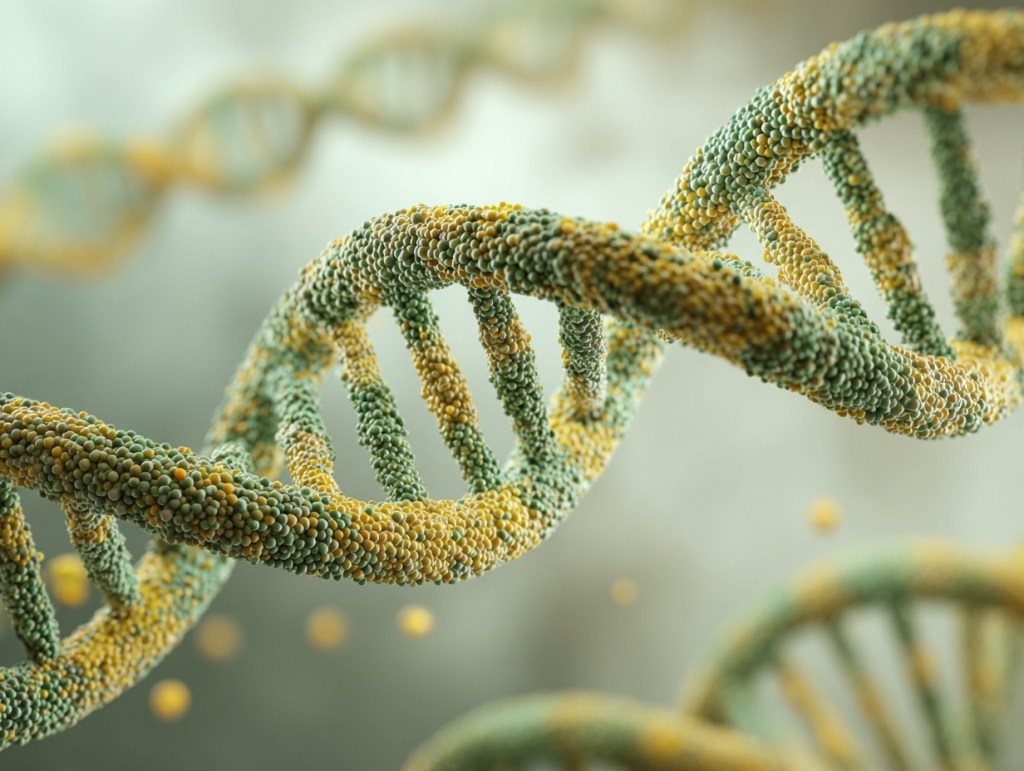
DNA molecule (Midjourney)

I love reading New York Times obituaries, not because of any morbid fascination with death, but because they offer a window into extraordinary lives that might otherwise go unnoticed. These tributes often highlight people whose work had real impact, even if their names were never widely known. Unlike the celebrity coverage that fills so much of the media, these obituaries can be quietly riveting, full of depth, insight, and genuine accomplishment.

For two years I managed the New York Times video obituary series called Last Word. We interviewed people of high accomplishment who had made a difference in the world BEFORE they died, thus giving them a chance, at a latter age (in our case 75 was the youngest, but more often people would be in their 80s) to tell their own stories about their lives. They signed an agreement acknowledging that the interview would not be shown until after their death. Hence the series title: Last Word. Anyway, when I ran the program, I produced video obituaries for people as varied as Neil Simon, Hugh Hefner, Sandra Day O’Connor, Philip Roth, Edward Albee, and my favorite, the great Harvard biologist E.O. Wilson. Spending time and learning about their lives in their own words was a joy.

All of that is to say that obituaries often reveal the lives and accomplishments of people who have changed the world. These are stories that might never be told so thoughtfully or thoroughly anywhere else.
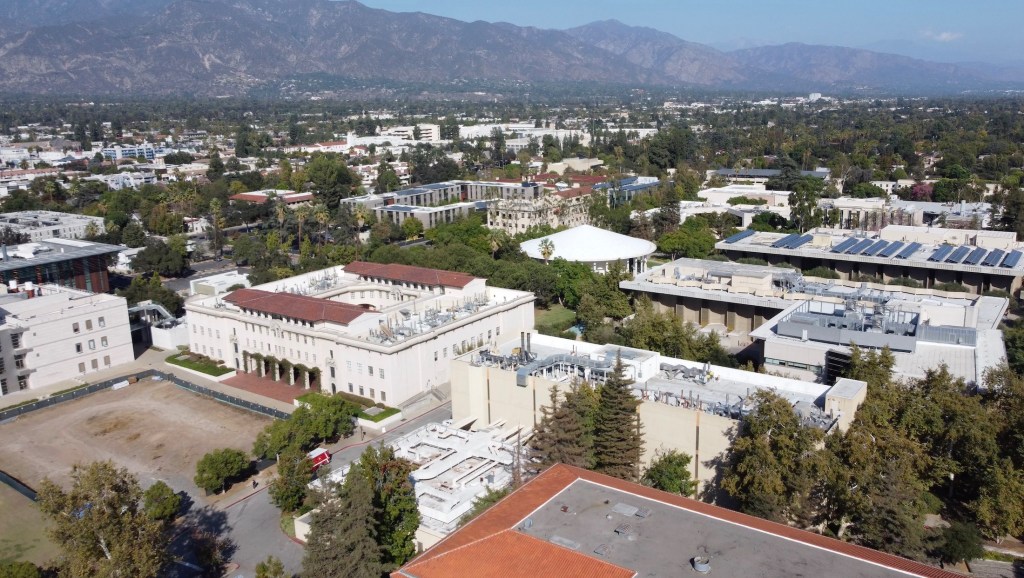
California Institute of Technology (Photo: Erik Olsen)

Which bring us to a quiet lab at Caltech in 1958, where two young biologists performed what some still call “the most beautiful experiment in biology”. Their names were Matthew Meselson and Franklin Stahl, and what they uncovered helped confirm the foundational model of modern genetics. With a simple centrifuge, a dash of heavy nitrogen, and a bold hypothesis, they confirmed how DNA, life’s instruction manual, copies itself. And all of it took place right here in California at one of the world’s preeminent scientific institutions: the California Institute of Technology or CalTech, in Pasadena. The state is blessed to have so many great scientific minds and institutions where people work intensely, often in obscurity, to uncover the secrets of life and the universe.
California Curated Etsy

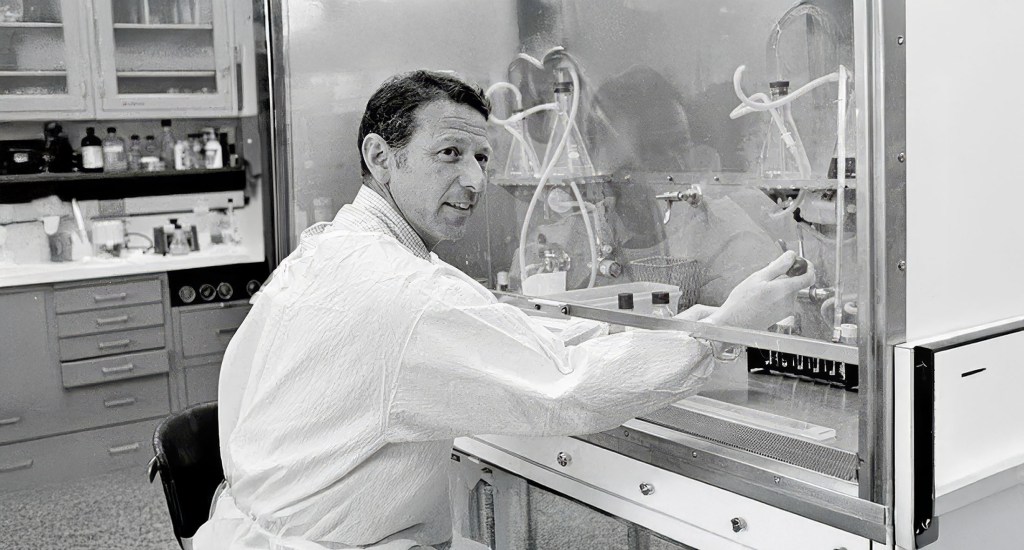
Franklin Stahl died recently at his home in Oregon, where he had spent much of his career teaching and researching genetics. The New York Times obituary offered a thoughtful account of his life and work, capturing his contributions to science with typical respect. But after reading it, I realized I still didn’t fully grasp the experiment that made him famous, the Meselson-Stahl experiment, the one he conducted with Matthew Meselson at Caltech. It was mentioned, of course, but not explained in a way that brought its brilliance to life. So I decided to dig a little deeper.
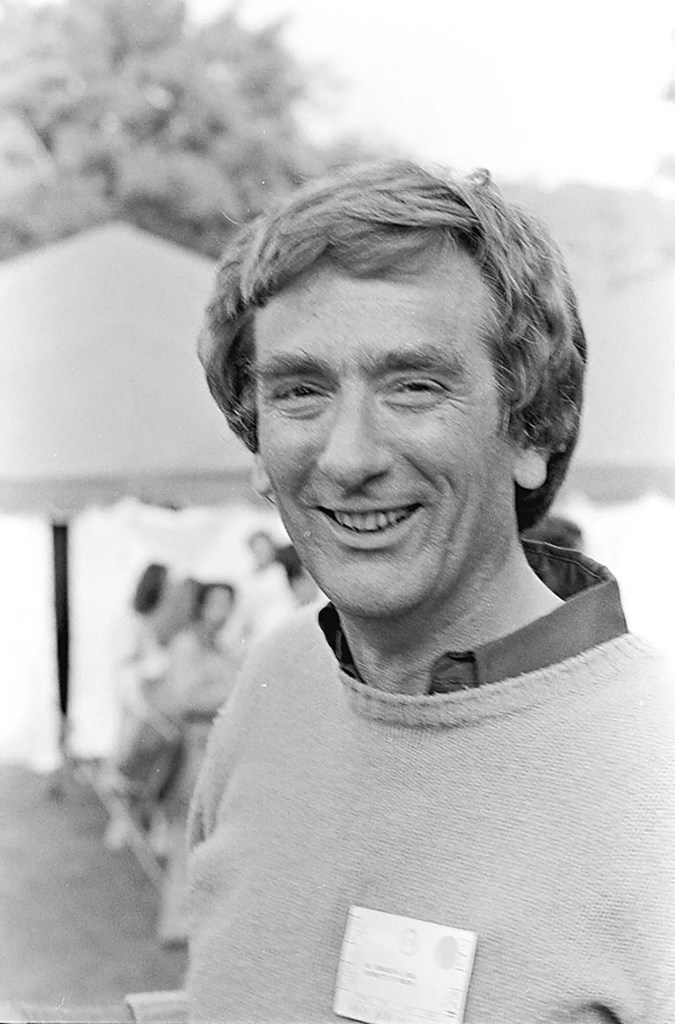
Franklin Stahl in an undated photo. (Cold Spring Harbor Laboratory Library and Archives)

The Meselson-Stahl experiment didn’t just prove a point. It told a story about how knowledge is built: carefully, creatively, and with a precision that leaves no room for doubt. It became a model for how science can answer big questions with simple, clean logic and careful experimentation. And it all happened in California.

Let’s back up: When Watson and Crick proposed their now-famous double helix structure of DNA in 1953 (with significant, poorly recognized help from Rosalind Franklin), they also suggested a theory about how it might replicate. Their idea was that DNA separates into two strands, and each strand acts as a template to build a new one. That would mean each new DNA molecule is made of one old strand and one new. It was called the semi-conservative model. But there were other theories too. One proposed that the entire double helix stayed together and served as a model for building an entirely new molecule, leaving the original untouched. Another suggested that DNA might break apart and reassemble in fragments, mixing old and new in chunks. These were all plausible ideas. But only one could be true.
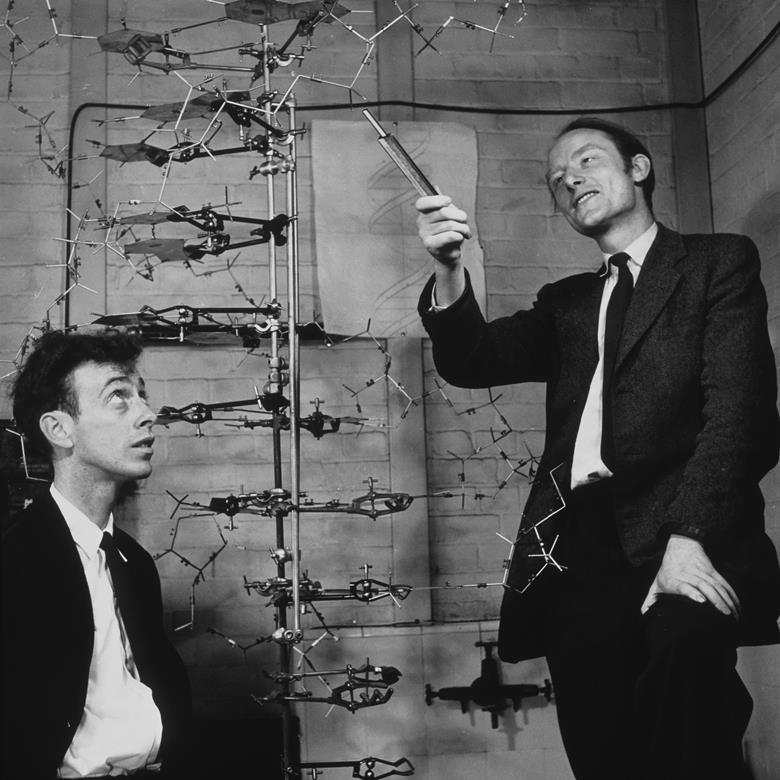
Watson and Crick with their model of the DNA molecule (Photo: A Barrington Brown/Gonville & Caius College/Science Photo Library)

To find out, Meselson and Stahl grew E. coli bacteria in a medium containing heavy nitrogen (nitrogen is a key component of DNA), a stable isotope that made the DNA denser than normal. After several generations, all the bacterial DNA was fully “heavy.” Then they transferred the bacteria into a medium with normal nitrogen and let them divide. After one generation, they spun the DNA in a centrifuge that separated it by weight. If DNA copied itself conservatively, the centrifuge would show two bands: one heavy, one light. If it was semi-conservative, it would show a single band at an intermediate weight. When they performed the experiment, the result was clear. There was only one band, right between the two expected extremes. One generation later, the DNA split into two bands: one light, one intermediate. The semi-conservative model was correct.

Their results were published in Proceedings of the National Academy of Sciences in 1958 and sent shockwaves through the biological sciences.
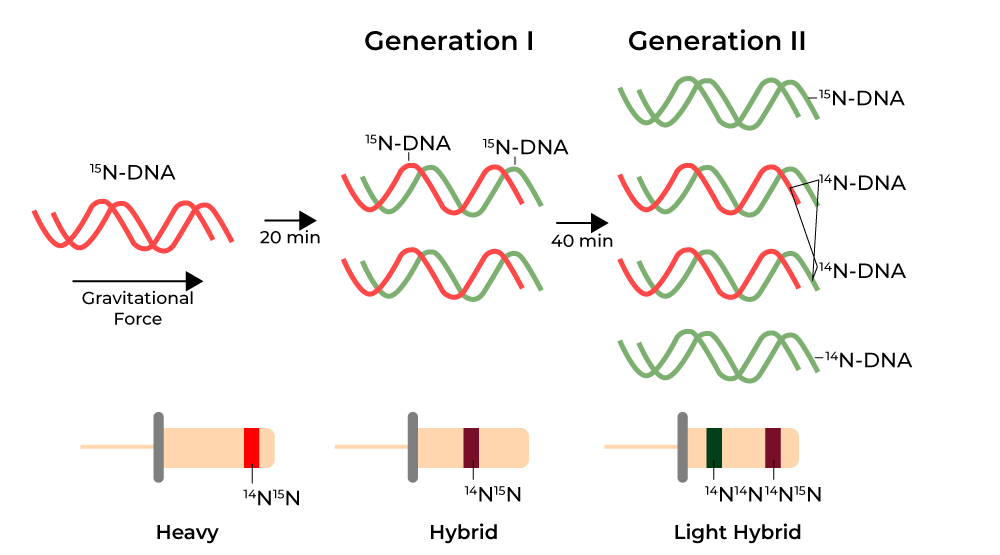
Meselson and Stahl experiment in diagram.

To me, the experiment brought to mind the work of Gregor Mendel, an Augustinian monk who, in the mid-1800s, quietly conducted his experiments in the garden of a monastery in Brno, now part of the Czech Republic. By breeding pea plants and meticulously tracking their traits over generations, Mendel discovered the basic principles of heredity, dominant and recessive traits, segregation, and independent assortment, decades before the word “gene” even existed. Like Mendel’s experiments, the Meselson-Stahl study was striking in its simplicity and clarity. Mendel revealed the rules; Meselson and Stahl uncovered the mechanism.

There’s a fantastic video where the two men discuss the experiment that is worth watching. It was produced produced by iBiology, part of the nonprofit Science Communication Lab in Berkeley. In it Meselson remembered how the intellectual climate of CalTech at the time was one of taking bold steps, not with the idea of making a profit, but for the sheer joy of discovery: “We could do whatever we wanted,” he says. “It was very unusual for such young guys to do such an important experiment.”
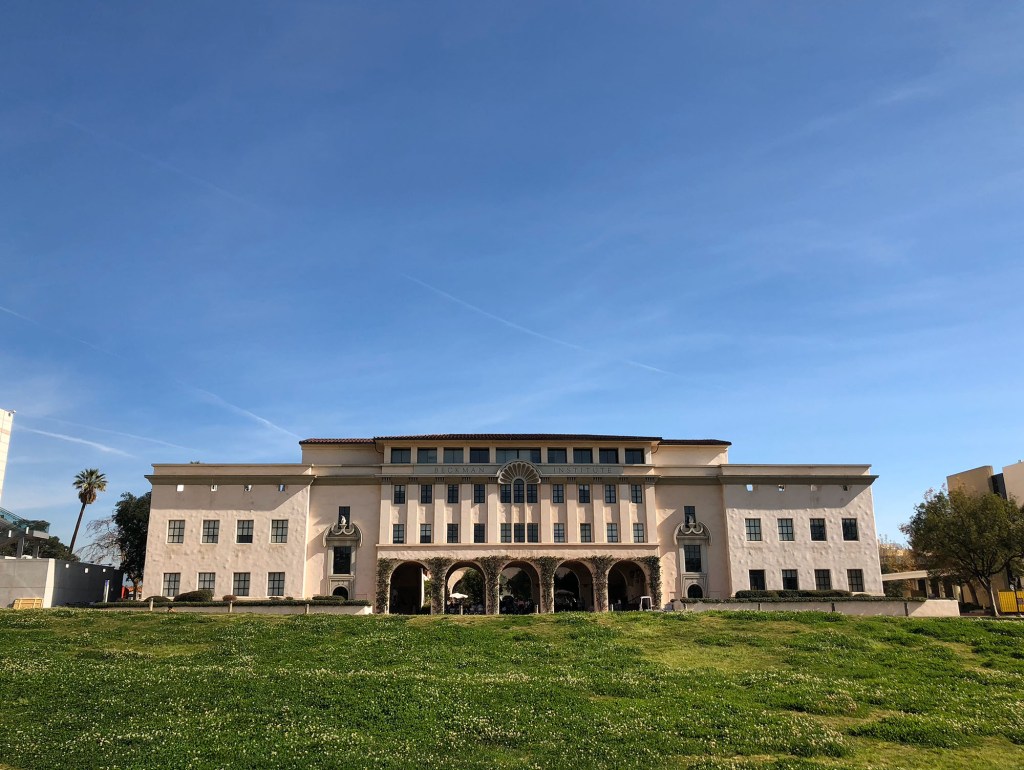
California Institute of Technology (Photo: Erik Olsen)

Most people think of Caltech as a temple of physics. It’s where Einstein lectured, where the Jet Propulsion Laboratory was born (CalTech still runs it), and where the gravitational waves that rippled through spacetime were detected. But Caltech has a quieter legacy in biology. Its biologists were among the first to take on the structure and function of molecules inside cells. The institute helped shape molecular biology as a new discipline at a time when biology was still often considered a descriptive science. Long before Silicon Valley made biotech a household term, breakthroughs in genetics and neurobiology were already happening in Southern California.
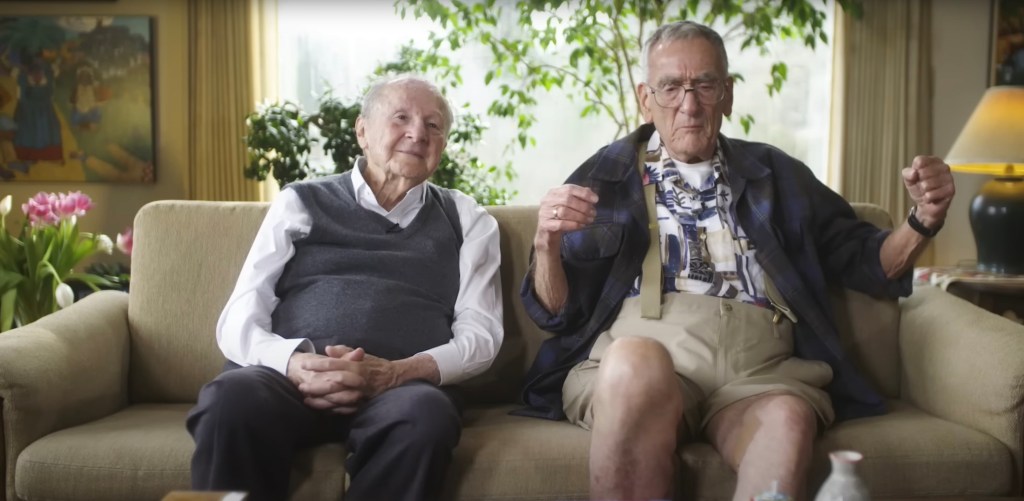
Meselson and Stahl in the iBiology video (Screen grab: Science Communication Lab)

The Meselson-Stahl experiment is still taught in biology classrooms (my high school age daughter knew of it) because of how perfectly it answered the question it set out to ask. It was elegant, efficient, and unmistakably clear. And it showed how a well-constructed experiment can illuminate a fundamental truth. Their discovery laid the groundwork for everything from cancer research to forensic DNA analysis to CRISPR gene editing. Any time a scientist edits a gene or maps a mutation, they are relying on that basic understanding of how DNA replicates.

In a time when science often feels far too complex, messy, or inaccessible, the Meselson-Stahl experiment is a reminder that some of the most important discoveries are also the simplest. Think Occam’s Razor. Two young scientists, some nitrogen, a centrifuge, a clever idea, and a result that changed biology forever.

California Curated Etsy

Genetic Guardians: The Asilomar Conference and its DNA Diplomacy

How a gathering of the world’s top genetic scientists helped create a roadmap for responsible biology.

Asilomar Conference Grounds Interior

In 1975, amidst the California coastal dunes of Asilomar near Monterey, a groundbreaking conference was held that would influence the direction of biotechnology and the course of scientific research for decades to come. This was the Asilomar Conference on Recombinant DNA, an assembly marked by both controversy and consensus. Its aim was not just to debate the scientific merits of a new and potentially groundbreaking technology but also to discuss its potential impacts on society and the environment. (Berg and others had met as Asilomar before in 1973, but that initial meeting resulted in little more than a realization there would have to be more discussion).

DNA

Among the seventy-five participants from sixteen countries were Paul Berg, a Nobel laureate, Maxine Singer, a prominent molecular biologist, and many others, each bringing their own perspective and expertise to the table. They recognized the vast potential that recombinant DNA (rDNA) technology, the process of combining DNA from different species, had to offer but were equally cognizant of the potential risks involved.

Berg was awarded the Nobel Prize in Chemistry for his work on nucleic acids, with a focus on recombinant DNA. Berg had first-hand experience with the transformative potential and risks of the technology. His ground-breaking experiments with recombinant DNA in 1972 and subsequent calls for a moratorium on such work had spurred the idea of the conference.

Maxine Singer, another significant contributor, was known for her advocacy for scientific responsibility and ethical considerations. She played a crucial role in drafting the initial letter to the journal “Science” advocating for a voluntary halt on certain types of rDNA research until its potential risks could be better understood. In 2002, Discover magazine recognized her as one of the 50 most important women in science.

CALIFORNIA CURATED ON ETSY

Purchase stunning art prints of iconic California scenes.
Check out our Etsy store.

The conference was the outcome of dramatic advances in molecular biology that took place mid-century. In the atomic age of the 1950s and ’60s, biology was not left behind in the wave of transformation. A pioneering blend of structural analysis, biochemical investigation, and informational decoding began to crack open the mystery of classical genetics. Central to this exploration was the realization that genes were crafted from DNA, and that this intricate molecular masterpiece held the blueprints for replication and protein synthesis.

Paul Berg (Photo: Stanford University)

This was a truth beautifully crystallized in the DNA model, a triumph of scientific collaboration that arose from the minds of James Watson, Francis Crick, and the often under-appreciated Rosalind Franklin. Their collective genius propelled a cascade of theoretical breakthroughs that nudged our understanding from mere observation to the brink of manipulation.

The crowning achievement of this era was the advent of recombinant DNA technology – a tool with the potential to rearrange life’s building blocks at our will. As the curtain lifted on this new stage of biological exploration, the promise and peril of our increasing control over life’s code started to unfurl.

Asilomar Conference Building

The ability to manipulate genes marked nothing less than a seismic shift in the realm of genetics. We had deciphered a new language. Now, it was incumbent upon us to assure ourselves and all others that we possessed the requisite responsibility to utilize it.

As Siddhartha Mukherjee put it in his excellent book The Gene: An Intimate History, “There is an illuminated moment in the development of a child when she grasps the recursiveness of language: just as thoughts can be used to generate words, she realizes, words can be used to generate thoughts. Recombinant DNA had made the language of genetics recursive.”

The conference served as a forum to deliberate the safety measures that would be needed to prevent accidental release of genetically modified organisms (GMOs) into the environment, the ethical considerations of manipulating the genetic code, and the potential implications for biological warfare. It was as much about the science as it was about its potential impact on society, mirroring aspects of the Pugwash Conferences that discussed nuclear arms control during the Cold War.

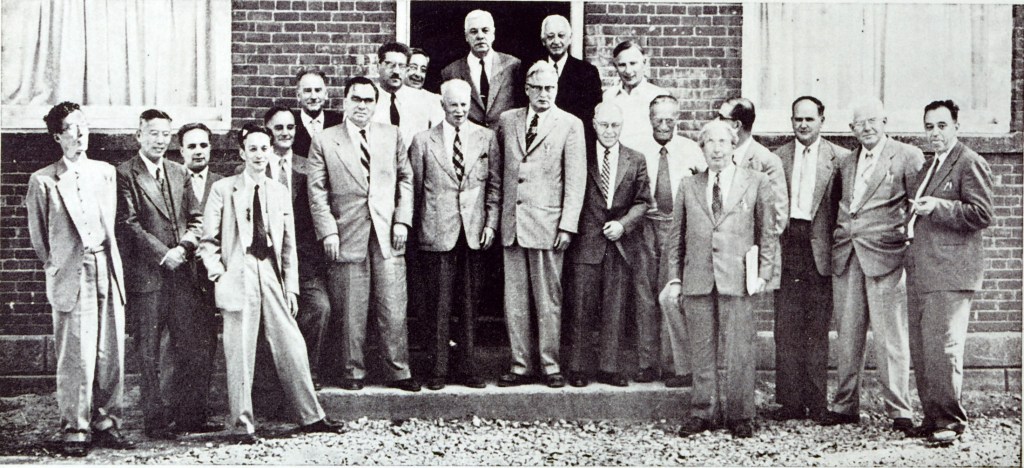
Participants in the First Pugwash Conference in 1957 in Pugwash, Nova Scotia, Canada. Notable figures included Joseph Rotblat, Bertrand Russell, Leo Szilard, Igor Tamm (pugwash.org)

Much like the Pugwash Conferences in Pugwash, Nova Scotia, Canada, brought together scientists from both sides of the Iron Curtain to discuss the implications of nuclear technology, the Asilomar Conference sought to bridge the divide between the proponents and critics of genetic engineering. Just as nuclear technology held the promise of unlimited power and the threat of unparalleled destruction, recombinant DNA offered the allure of potential solutions for numerous diseases and the specter of unforeseen consequences.

Another analogy might be the two-page letter written in August 1939 by Albert Einstein and Leo Szilard to alert President Roosevelt to the alarming possibility of a powerful war weapon in the making. A “new and important source of energy” had been discovered, Einstein wrote, through which “vast amounts of power . . . might be generated.” “This new phenomenon would also lead to the construction of bombs, and it is conceivable . . . that extremely powerful bombs of a new type may thus be constructed. A single bomb of this type, carried by boat and exploded in a port, might very well destroy the whole port.” 

The Einstein–Szilard letter

The Asilomar Conference reached a consensus that with proper containment measures, most rDNA experiments could be conducted safely. This resulted in a set of guidelines that differentiated experiments based on their potential biohazards and suggested appropriate containment measures. This framework, later adopted by the National Institutes of Health (NIH) in the United States, provided the bedrock for the safe and ethical use of rDNA technology.

The decisions made at Asilomar had far-reaching implications for both science and society. By promoting a culture of responsibility and precaution, the conference effectively prevented a public backlash against the nascent field of genetic engineering, allowing it to flourish. Moreover, it set a precedent for scientists to take an active role in the ethical and societal implications of their work.

“The most important lesson of Asilomar,” Berg said, “was to demonstrate that scientists were capable of self-governance.” Those accustomed to the “unfettered pursuit of research” would have to learn to fetter themselves.

CRISPR

Today, the spirit of Asilomar lives on in the field of synthetic biology and discussions around emerging technologies such as CRISPR and gene drives. It underscores the importance of scientific self-regulation, public dialogue, and transparent communication in navigating the ethical minefields that technological advancements often present.

The Asilomar Conference was a milestone in scientific history, a demonstration that scientists are not merely the creators of knowledge but also its stewards. It showed that with open dialogue, proactive self-regulation, and a deep sense of responsibility, we can both harness the promise of scientific breakthroughs and mitigate their potential risks.