How California Has Revived Its Groundfish Fisheries

How Smart Policy and Collaboration Brought Groundfish Back From the Brink

Vermillion Rockfish scientific illustration

Recently, I wrote a more personal essay than I usually would, one in which I reflected on the state of overfishing globally and the broader exploitation of our oceans.I hoped to draw attention to the new National Geographic documentary Oceans, featuring David Attenborough, which paints a broad and dire picture of the heath of the oceans and global fisheries…and it didn’t even cover deep sea mining which is a whole other megillah.

I’ve been following ocean conservation issues for decades, I’ve done numerous stories on the subject for major publications, and I’m deeply aware of the many threats facing the sea. These challenges extend to human society, too. Climate change, pollution, political instability, and species loss are just a few of the crises that fill our doom-scrolling feeds every day.

But not everything is lost.
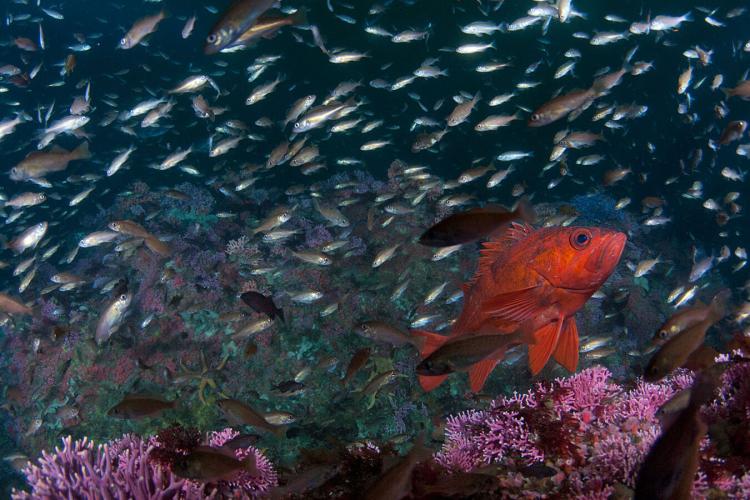
Vermilion rockfish. (Photo: Robert Lee/NOAA)

Despite the scale of these problems, there are reasons for hope. Around the world, we are beginning to better manage some of our natural resources. There is growing awareness about how to extract from the planet in ways that do not destroy it. Slowly, we are learning how to sustain a growing, hungry population without collapsing the ecosystems we rely on. At least, that’s the hope. If you look around a bit, there are a few positive signs. I cited California’s Marine Protected Area program, but there are others.

Another particularly hopeful development is unfolding just off the coast of California.

The story of groundfish in California and the West Coast is one of collapse, struggle, rebirth, as well as evolving policy. Following passage of the Magnuson-Stevens Fishery Conservation and Management Act in 1976, which was supposed to help the fishery by banning foreign commercial fishing, between 1976 and 1979, the West Coast groundfish fleet tripled in size, growing from about 300 to nearly 1,000 vessels. New technologies made those boats far more effective. By the mid-1980s, about half the fleet could electronically track their fishing paths and return to the same productive grounds again and again. Sophisticated fishfinders like the “Chromascope” gave vessels an unprecedented edge.
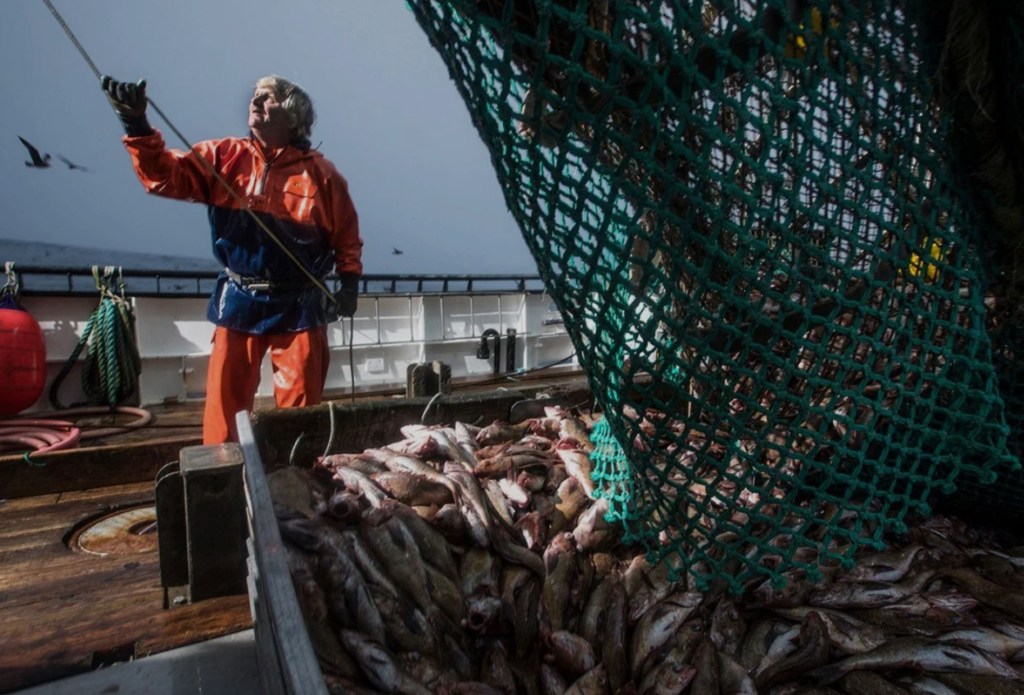
A fishermen tending a groundfish trawl net off the coast of Oregon in 2019. (Photo: John Rae/NOAA)

Groundfish catch soared. In 1976, domestic harvests (excluding Pacific whiting) totaled around 57,000 tons. By 1982, that number had more than doubled to 119,000 tons. Rockfish, barely counted in the earlier fishery, made up more than 40,000 tons of the catch by that year alone.

But the science hadn’t caught up.

Fishery managers at the time didn’t fully understand how slowly groundfish grow, how long they live, or how vulnerable they are to overfishing. As a result, catch limits were set too high. The boom quickly gave way to collapse.

In the late 1990s and early 2000s, rockfish, bocaccio, Pacific ocean perch and other deep‑dwelling species teetered on collapse. Overfishing, excessive trawling, and habitat damage from bottom nets stripped populations across hundreds of miles of West Coast shelf. Regulators sounded the alarm and declared fishery disasters.
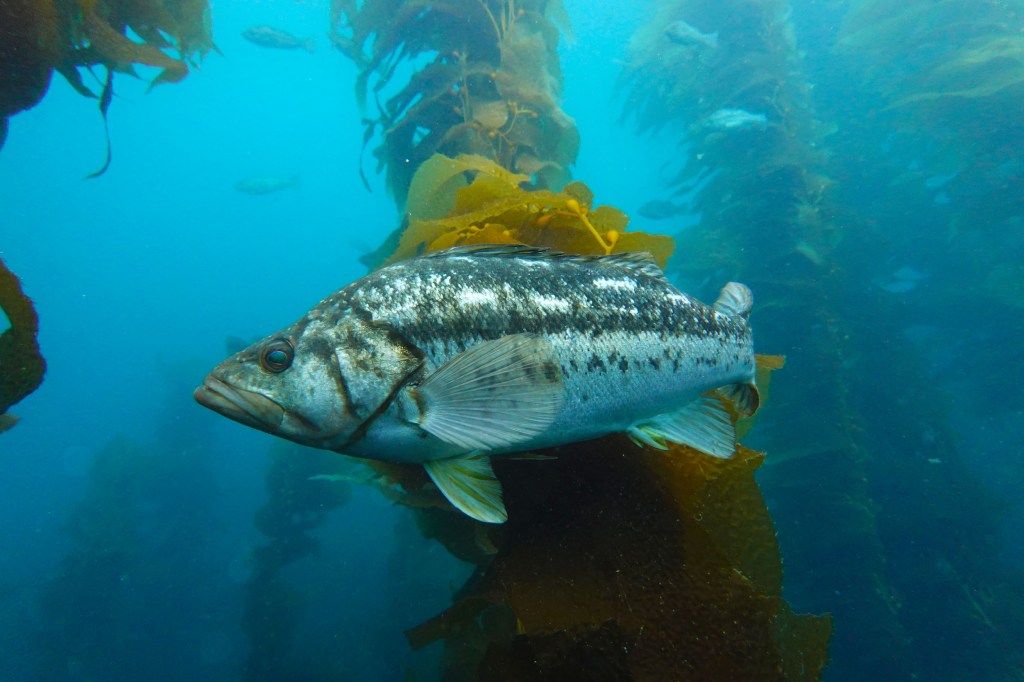
Sea bass in a California kelp forest (Photo: Erik Olsen)

Kenneth Weiss wrote in the Los Angeles Times, “Behind the sweeping action is a reluctant realization that the vast ocean has limits and cannot, as was long believed, provide an inexhaustible supply of fish.” Ya think?

To halt the decline, Congress and managers took bold, controversial steps. In 2003 a $46 million vessel‐buyback reduced the commercial trawl fleet by one‑third; by 2011 only about 108 vessels remained. That same year, the Pacific Fishery Management Council launched the groundbreaking Trawl Catch Share Program: individual fishing quotas based on historical catch and mandatory onboard observers. Within a year, discard rates plummeted from roughly 25 percent to below 5 percent.
California Curated Etsy

In fact, California law explicitly prohibits bottom trawling in its state waters except under very limited conditions. Fish and Game Code § 8841 makes bottom trawling unlawful in state ocean waters unless a state commission determines that it is sustainable and low-impact. According to NOAA, commercial bottom trawling is only permitted within the California Halibut Trawl Grounds (CHTG), a small coastal zone from roughly 1 to 3 nautical miles offshore between Point Arguello and Point Mugu.

Santa Cruz Island in California’s Channel Islands (Photo: Erik Olsen)

There are gear restrictions, including bans on roller gear larger than eight inches and a requirement for bycatch reduction devices in shrimp and prawn trawl fisheries. Bycatch is nothing but pure waste, bordering on evil, and reducing it or stopping altogether should be a goal. The state also pushes more sustainable gear types and has phased out new permits for trawlers.

At the same time, an extensive system of area closures was put in place. As the documentary points out, if you protect a habitat, it can recover, and we’ve seen that in places like the Channel Islands. Since the early 2000s, Rockfish Conservation Areas and Cowcod Conservation Areas have helped protect critical habitat. Then, in 2020, new federal rules expanded essential fish habitat protections, closing nearly 90 percent of the seafloor off California, Oregon, and Washington to bottom trawling.

Fast forward: these measures have worked! By the mid‑2010s, most of the over‑90 managed groundfish stocks were recovering or rebuilt, some years ahead of earlier projections. Pacific ocean perch, for instance, had been declared rebuilt in 2017 after 17 years under rebuilding plans. The fishery earned sustainability certification from the Marine Stewardship Council in 2014. Today, only yelloweye rockfish remains overfished, with rebuilding projected by 2029.

According to John Field, who leads the Fisheries and Ecosystem Oceanography Team at NOAA’s Southwest Fisheries Science Center, this turnaround didn’t happen by accident. “The fleet, the scientists, the managers, and everyone else saw there was a serious problem, and worked together to make difficult choices and rebuild populations,” Field told California Curated. “The solution required restructuring the fishery to conserve the species, with many tough years for the fleet. Although the groundfish fishery still faces many challenges, most populations are thriving, market demand is recovering, and there is more domestic seafood on American dinner plates.”

Equipment and methods have evolved. Vessels switched from race‑to‑fish trawls to quota‑based systems, often fishing more selectively using non‑trawl fixed gear, longline, pots, hook‑and‑line for sablefish and flatfish. Electronic monitoring and observer programs help track catches closely (you gotta have enforcement). 

Not all this has been smooth sailing. The shift to quotas and catch shares was controversial: many fishermen struggled with limited quotas, economic hardship, and uncertainty. Communities dependent on processors shrank as processors closed or consolidated. Some fishermen under‑caught allowable species to avoid hitting rockfish caps. Environmental groups have cautiously welcomed reopenings, but some expressed concerns that habitat recovery might still be fragile.
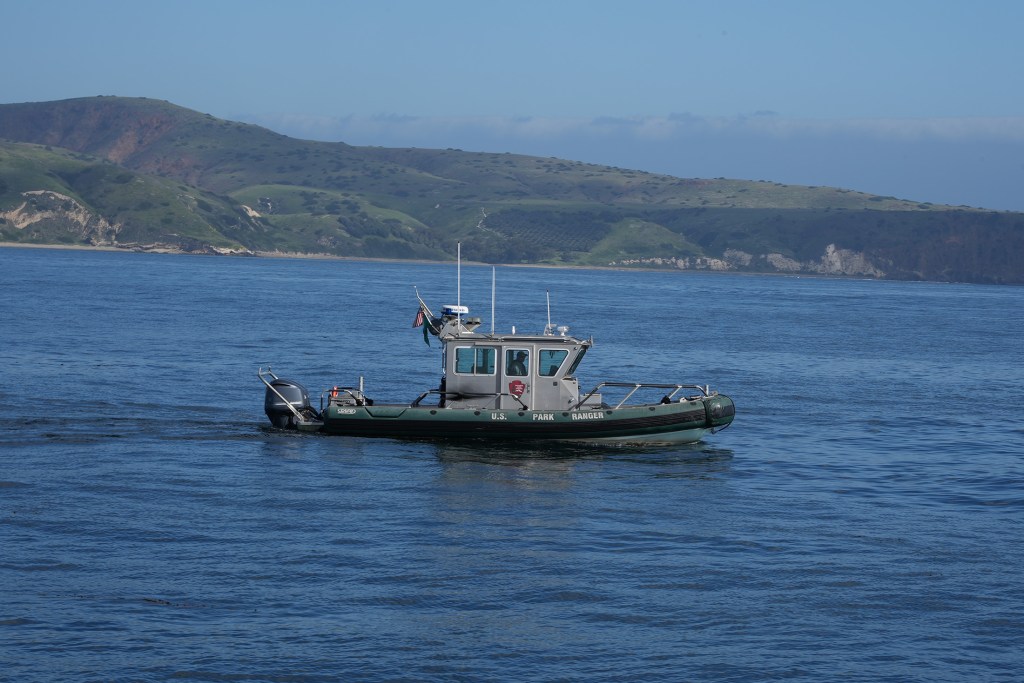
A ranger patrol boat off the coast of the Channel Islands in California (Photo: Erik Olsen)

So, looking back (and forward): policies over the past two decades, from trawl‐fleet reduction, gear rules, catch shares, quotas, habitat closures and strict rebuilding plans, not to mention MPAs, have turned the tide. Stocks are rebounding, many fisheries are sustainable, and management of the system is reviewed and changed if needed through amendments every two years. Of course, climate change and warming seas could render all this moot, so there’s still an element of keeping ones fingers crossed as we move forward.

This kind of drastic change takes time. And courage. And persistence. The long arc of recovery shows how science‑based regulation can bring back health to ocean ecosystems, and opportunity to coastal communities. Much of this work happens out of sight, in deep water and policy meetings alike, but its impact reaches every one of us: on our plates, in our economies, and in the resilience of the planet we all share.
What David Attenborough Reminded Me About the Sea

(Photo: Alamy)

I’m going to keep this week’s article shorter than usual. I want to talk about the ocean. I know I do this a lot; many articles on California Curated are ocean-related (please explore, I think you’ll enjoy them). But that’s because I honestly believe it’s the most important feature on the planet. Protecting the ocean is the most important thing we can do. Let me explain.

The ocean covers more than 70 percent of Earth’s surface. So why do we even call this place Earth? We should call it Planet Ocean. Or Thalassa, from the Greek word for sea.

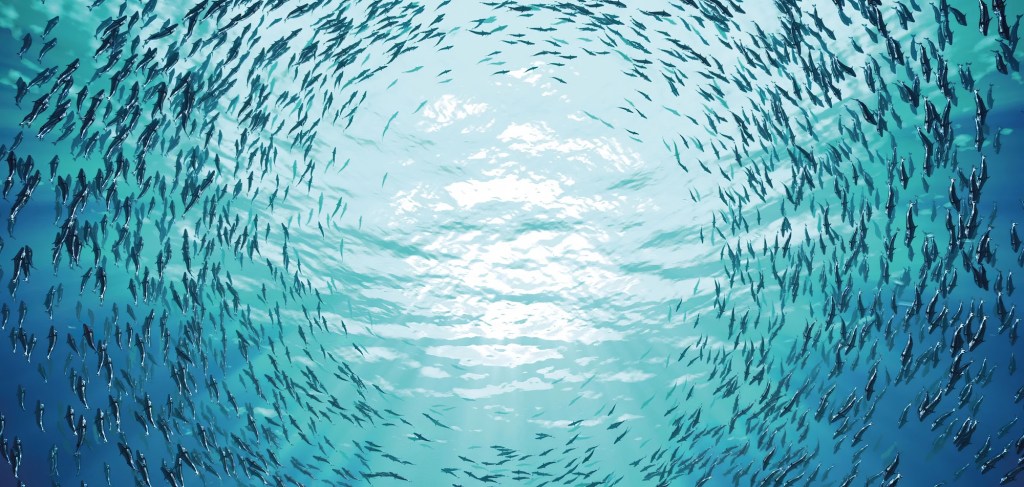
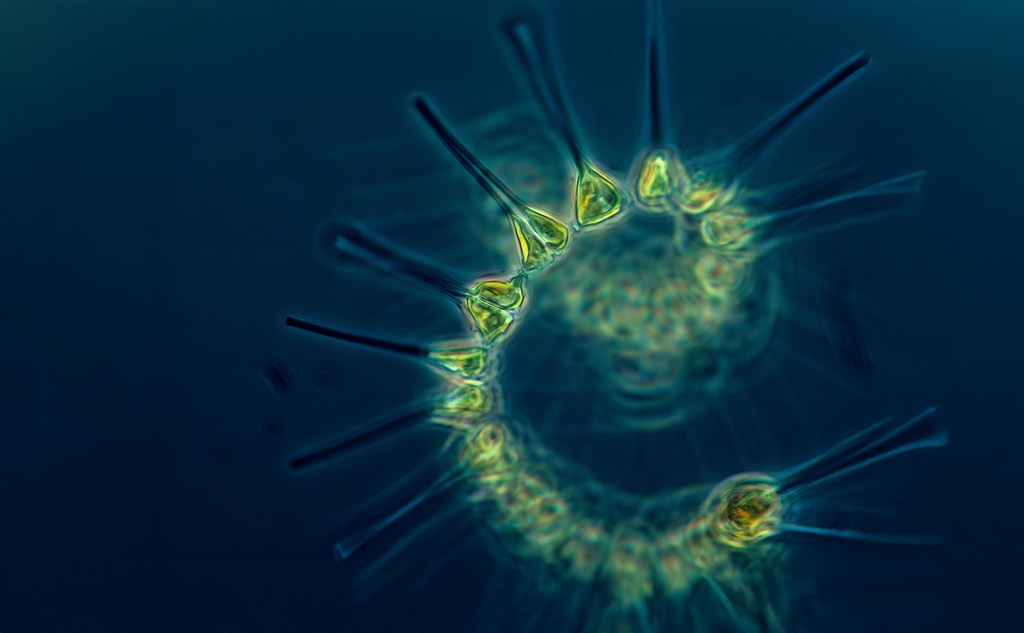
But it’s not just the size that matters, it’s the ocean’s vast, mysterious depth and the essential role it plays in sustaining life on Earth. The ocean is vital to all living things. Tiny organisms called phytoplankton absorb more carbon dioxide from the atmosphere than any other biological force on the planet. Through photosynthesis, they transform sunlight and carbon into organic matter, forming the base of the marine food web. Despite making up just a fraction of Earth’s plant biomass, phytoplankton are responsible for nearly half of all global carbon fixation. Zooplankton are tiny animals that eat phytoplankton. Zooplankton feed small fish, which feed bigger fish, which feed us. That’s the food chain. It’s literally a scaffolding for all life on earth. And a huge percentage of humanity depends on it to survive. If one link breaks, the whole thing risks collapse.

Phytoplankton (Photo: NOAA)

Which brings me to why I’m writing this. I recently watched the new National Geographic documentary Oceans, narrated by David Attenborough. I love Attenborough. His calm, British-inflected voice has been the backdrop to so much of my science education over the years. He feels like a wise grandfather. Kind, brilliant, and usually right.

In this film, he is absolutely right.

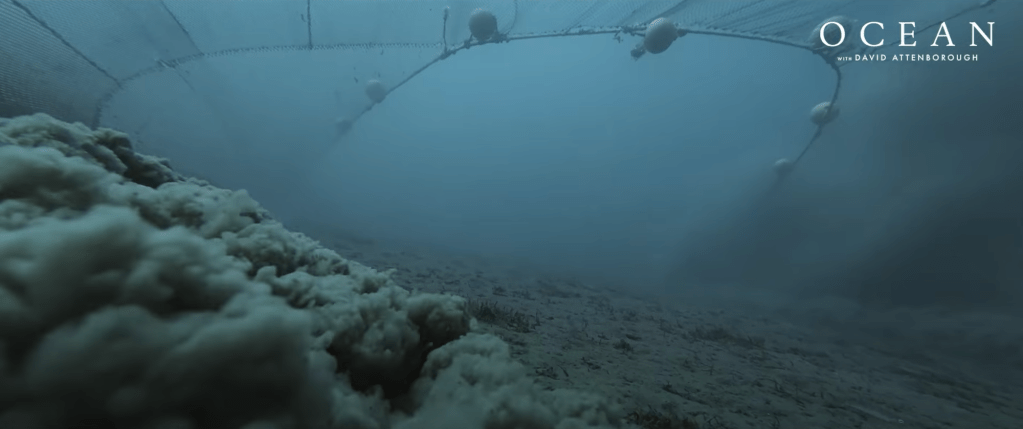
The documentary takes us to places no human has ever seen. In one scene, the team attaches cameras to a deep-sea trawling net. The footage is devastating. These massive nets kill everything in their path. Octopuses, fish, coral, entire ecosystems. Most of the species caught never even make it to market. They are bycatch, considered waste and tossed back into the sea. It’s wasteful, brutal, and legal. These trawlers are still out there, operating at scale, stripping the sea of life.

Bottom Trawling scene from Oceans with David Attenborough (National Geographic)

The film also shows how industrial fishing has hammered fish populations around the world. We are seeing species crash and food chains fracture. According to the Food and Agriculture Organization, nearly 35 percent of the world’s fish stocks are being overfished, a figure that has more than tripled since the 1970s. This kind of collapse has never happened before at this scale. And it is not getting better. We are talking about extinctions. We are talking about systems breaking down.

California Curated Etsy

Friends often tell me the biggest threats to our planet are climate change, pollution, and microplastics. They’re not wrong. All this stuff is connected in a way. But if you ask me what really threatens human survival, it’s the breakdown of ocean ecosystems. If we lose one part of that chain for good, it won’t just be bad. It could be the beginning of the end. And I mean for humans, for organized society, not for all life on earth.

And yet, there is hope.

Kelp bed and bass in a marine protected area (MPA) in California’s Channel Islands (Photo: Erik Olsen)

Like any great documentary, Oceans ends with a sliver of optimism. It brings us back to California. Specifically, to the Channel Islands, one of my favorite places on Earth. I’ve been out there many times, several times recently reporting on ghost lobster traps and exploring. It’s stunning. And there is something very special going on.

Park rangers patrol the waters off the Channel Islands (Photo: Erik Olsen)

Much of the Channel Islands are protected as a Marine Protected Area, or MPA. You can’t fish. You can’t extract. And, most importantly, the rules are enforced. There are rangers out there at most all times patrolling. That part is key. I’ve done stories in places like Belize, Kiribati and Indonesia where the protections exist on paper but don’t work in practice. Kiribati, for instance, established the Phoenix Islands Protected Area, one of the largest MPAs on the planet. But it’s so vast and remote that enforcing its protections is nearly impossible. It’s a good idea on paper, but a cautionary tale in execution. But here in California, the rangers take it seriously. Because of that, the ecosystem is bouncing back. Twenty years after protection began, the kelp, the fish, the invertebrates, they’re thriving. These islands are alive.

California’s MPAs are a model for the world. They prove that if we give the ocean space and time, it will heal. But they remain the exception. They don’t have to be.

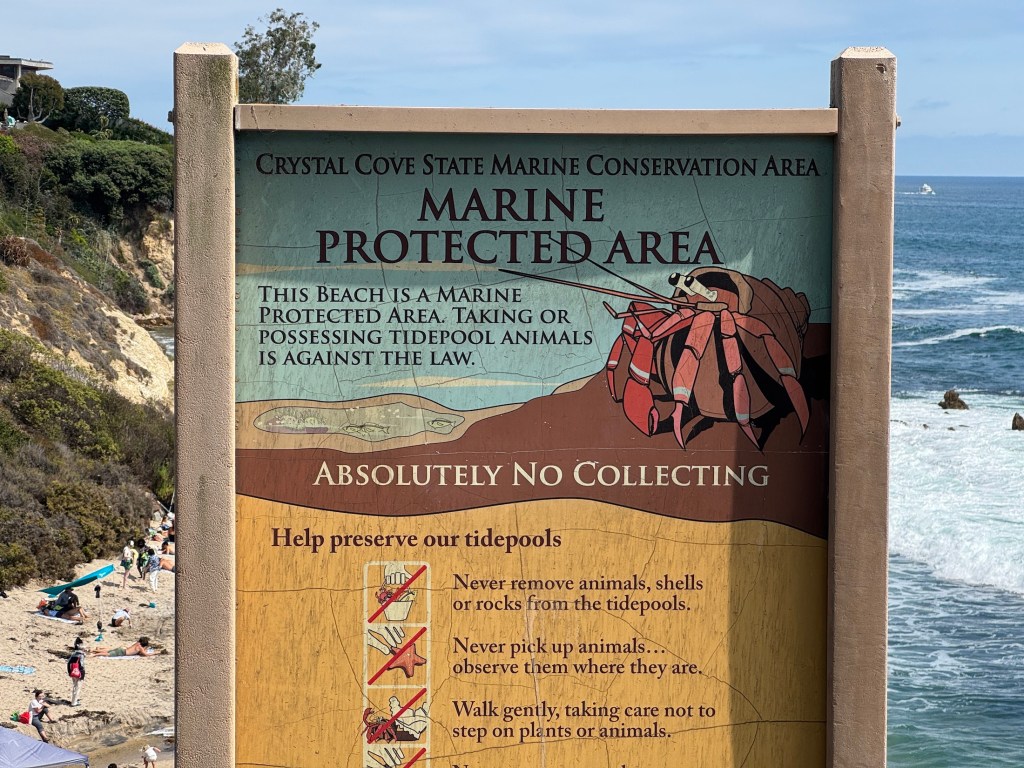
Marine Protected Area (MPA) sign in Corona del Mar, CA (Photo: Erik Olsen)

There’s a global movement right now to protect 30 percent of the world’s oceans by 2030. It’s called 30 by 30. Just recently, at the 2025 UN Ocean Conference in Nice, France, more than 70 countries reaffirmed their commitment to the 30 by 30 goal, calling for urgent action to protect ocean biodiversity and create well-managed, effectively enforced MPAs around the world. I’m not naive. I don’t think we’ll hit that goal perfectly. But we are finally moving in the right direction. And we don’t have another option. The ocean is too important.

So I’ll step off the soapbox now and let you enjoy your day. But before you click away, please take a moment to think about the ocean. Think about what it gives us. Think about how it restores us. As a diver, I can tell you there’s nothing like the world beneath the waves. It’s as strange, beautiful, and alien as any other planet we’ve imagined. The creatures there rival anything you’d find in Mos Eisley on Tatooine.

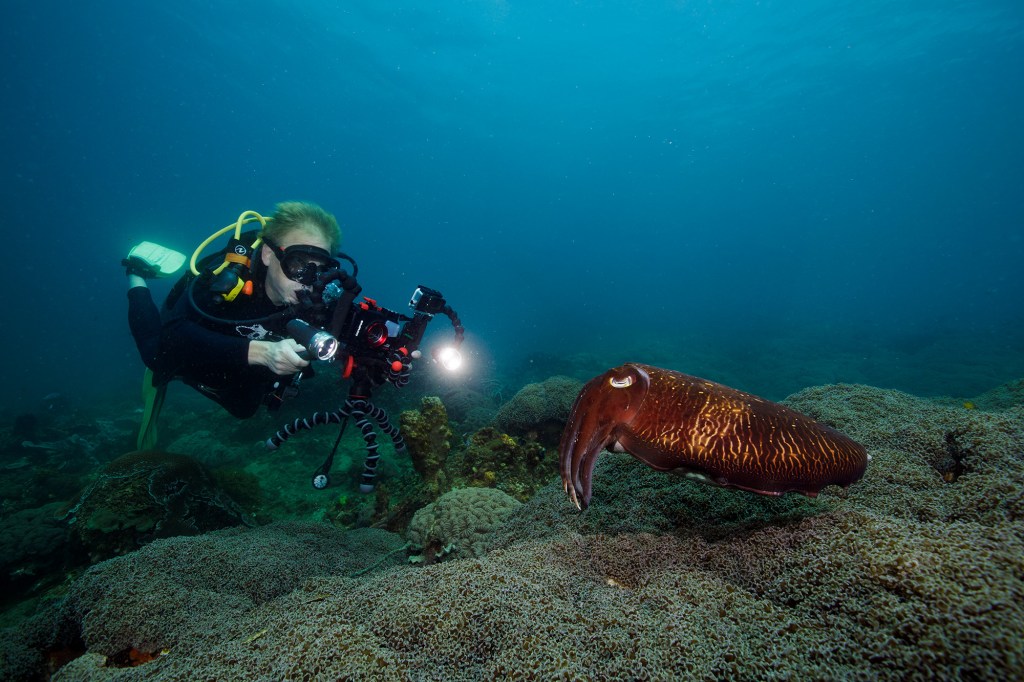
The author filming cuttlefish in Indonesia. Such strange creatures. (Photo: Erik Olsen)

Watch the documentary. Let it educate and inspire you. It might fill you with dread too. But in the end, its message is hopeful. And that message lands right here off the coast of California, the greatest state in the country. Or at least, that’s the opinion of one well-traveled guy with a newsletter about the state he loves.

Saving California’s White Abalone is Part of a Much Bigger Story

The current effort to bring back the white abalone is one of numerous projects underway in California to revive the state’s once-thriving marine environment.

White abalone

If you grew up in Southern California in the 1970s, there were a few things that defined California: surfing, skateboarding, the Eagles (preferably on the radio while driving down the Pacific Coast Highway) and abalone.

The abalone was an icon of beach culture, celebrated in poetry and song, a wondrous gift from Mother Nature. Almost every house near the coast had upturned abalone shells on the coffee table or as decorative items in a garden, their opalescent mother-of-pearl interior shells glistening jewel-like beneath the warm California sun. They hung near front doors or in backyards by the half dozen from string or fishing line, acting as wind chimes when the cool breezes blew in from the Pacific. Our air, our light is different than other places.

They once numbered in the millions off the California coast, but now they are endangered. As the Los Angeles Times put it in 2019, “Abalone once were to California what lobster is to Maine and blue crab to Maryland, so plentiful they stacked one on top of another like colorful paving stones.” 

But then something terrible happened.

The white abalone (Haliotis sorenseni) fishery, in particular, went out of control. Commercial abalone fishing from 1969–1972 was so lucrative and so unrestrained that the catch went from roughly 143,000 pounds per year to just 5,000 pounds per year in less than a decade. Millions of pounds were harvested by commercial fishermen, and diving for abalone was a common and favored pastime. In 1997, state officials in California ceased all white abalone fishing because population levels had reached perilous lows. By 2001, the numbers of white abalone found along the coast were so low that they became the first marine invertebrate listed as endangered on the Endangered Species Act. But it was too late. The population had declined by almost 99 percent.

It is estimated that around 1,600 individuals remain, and at one point, it was feared the species would go extinct by 2010 without intervention. Currently, there is growing concern that the small populations still surviving in the wild may be highly vulnerable to withering syndrome disease.

California is home to seven species of abalone (red, pink, black, green, white, pinto, and flat), none of them are plentiful any longer in California waters, but it is the white abalone, in particular, that became the most prized for its tender, flavorful flesh. We loved white abalone. And then they were gone.

White abalone. Credit: NOAA

Despite a fishing ban for over two decades, wild populations of white abalone have not shown signs of recovery. Abalone reproduce through broadcast spawning, where they release their gametes into the water. This method requires a certain population density to be effective, but current wild populations of white abalone are too sparse for successful natural reproduction.

In 2019, scientists at UC Davis’ Bodega Marine Lab in Bodega Bay launched one of the most important species restoration efforts in the history of the state. On November 18, 2019, researchers from the marine lab, in cooperation with the National Oceanic and Atmospheric Administration (NOAA) carefully released thousands of baby white abalone into the waters of Southern California. Biologists measured and marked each one with a unique numbered tag affixed to their shell to distinguish them from wild white abalone (of which there are perilously few). This marked the first release of endangered white abalone into the wild in coastal waters. What’s crazy is that the white abalone that have been bred in the lab constitute the largest population of the slow-moving mollusks in the world. That’s right, there are more white abalone living in captivity than there are in the wild. Until now.

“Early on we knew that this species was really in danger of going extinct and that the only viable alternative to save it was starting a captive breeding program,” said Ian Taniguchi, a biologist with the California Department of Fish and Wildlife (CDFW) who has been involved in white abalone restoration since 1992.

The White Abalone Restoration Program in California has made significant progress in recent years, although challenges remain. The program, now led by a coalition of organizations including NOAA Fisheries, the University of California, Davis, and The Bay Foundation, focuses on restoring the population of this critically endangered species through captive breeding and outplanting efforts.

Currently, the program has successfully bred and outplanted thousands of juvenile white abalone into the wild, particularly along the Southern California coast. These efforts are part of a broader strategy that includes improving spawning techniques, monitoring wild populations, and enhancing habitat conditions. Despite these efforts, white abalone populations in the wild are still vulnerable due to factors like disease, warming waters, and low population densities that hinder natural reproduction.

The program’s ongoing efforts include monitoring environmental conditions that affect abalone habitats, such as oxygen levels and temperature, to optimize outplanting strategies. Additionally, the restoration efforts are expanding, with new techniques and partnerships aimed at increasing the resilience of outplanted populations and ultimately ensuring the species’ survival in the wild​

Cultured Abalone Farm (Photo: Jennifer Boyce)

“Early on we knew that this species was really in danger of going extinct and that the only viable alternative to save it was starting a captive breeding program.”

Ian Taniguchi, a biologist with the California Department of Fish and Wildlife (CDFW)

Abalone are far more valuable than merely as a food item. They are keepers of the kelp forest. According to scientists, the abalone eat kelp, but they also clear rocks of any dominant species and thus increase kelp diversity so that multiple kelp species can flourish. When the kelp is healthy and diverse, coastal waters see an explosion of diversity in fish and other animals that depend on kelp forest habitat.  

While the success of the abalone recovery program hangs in the balance, its mere existence needs to be recognized as part of a much larger tapestry of species and ecosystem recovery projects currently underway that are aimed at restoring California’s coastal ecosystem to some semblance of what it was centuries ago.

That is, of course, impossible. The numerous written accounts by early California settlers (many of them Spanish) describe plants and animals in such unfathomable abundances, the likes of which we will never be able to return. But we can reclaim some of it. And after decades of witnessing severe declines in fish species, kelp, water quality and coastal habitat, it seems we may be finally turning a corner. Maybe.

Some of the projects underway include bringing back white sea bass, protection of sea lions, whales and dolphins under the Marine Mammal Protection Act, a rise in white shark populations, kelp restoration, and, perhaps the most significant achievement of all, the creation of a vast (and enforced), network of Marine Protected Areas (MPAs).

White abalone shell

Alone, each of these efforts is a small step in the right direction in making our seas healthy and fruitful. Together, they represent the most significant set of achievements to reverse the impact of human settlement on the ocean environment in the history of the world. Of course, we are nowhere near done, and the growing (and terrifying) threats from climate change could render all of this moot. Warming seas, the spread of new diseases (and old ones), acidification, all these things together could unravel these accomplishments in mere decades.

There are still many challenges ahead. Recent kelp die-offs in Northern California due to the explosion in purple urchin populations are extremely worrisome. Phenomena like sea star wasting disease and the marine heatwave of 2013-2015 may have wrought permanent change to our marine ecosystem. But the fact that we are now acting so aggressively to apply science and ingenuity to solve the myriad problems we ourselves caused should give us some hope that positive change is possible.

There is no time for rest. If anything now is the time to redouble our efforts to make our oceans cleaner, to help species recover and to restore the lost balance so that future generations can experience the incredible beauty and bounty of the sea.