Corals Revealed as Never Before Through a Groundbreaking New Microscope in California

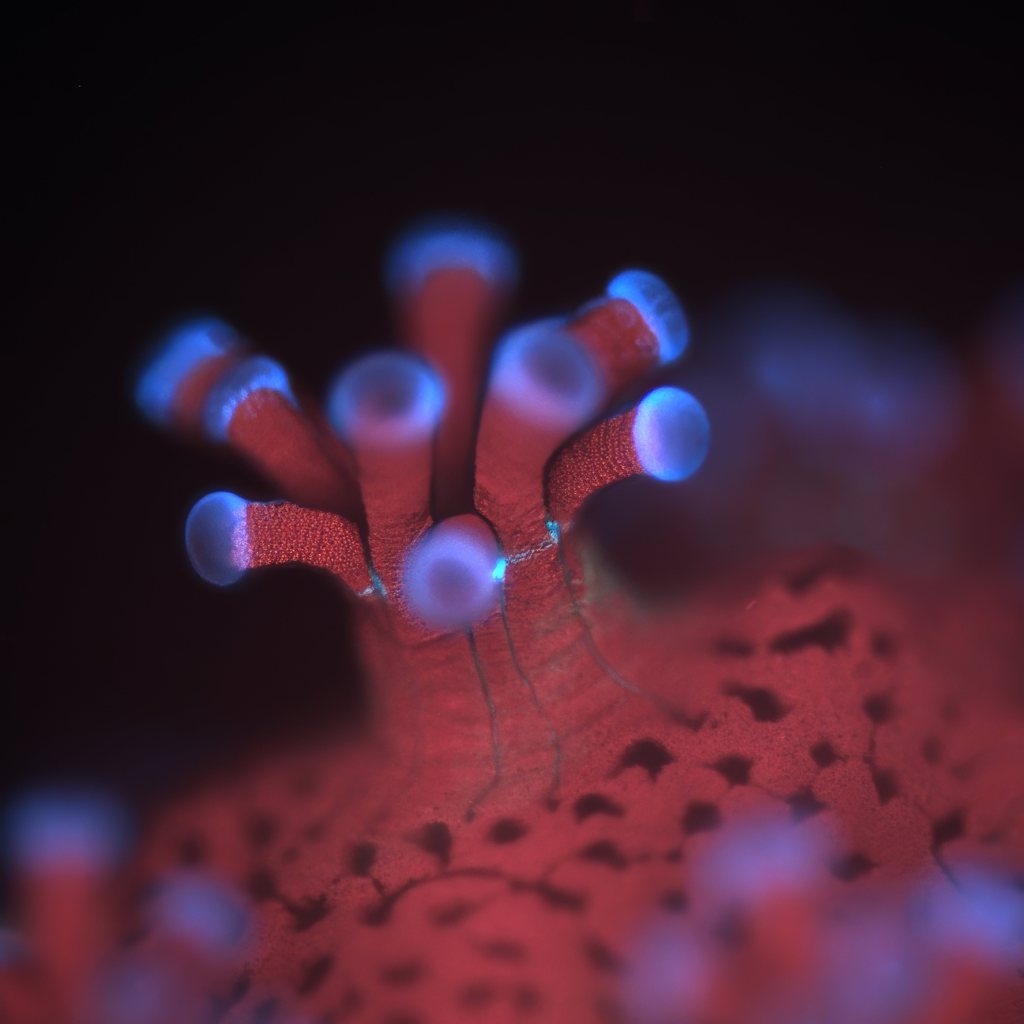
A fluorescence image of a polyp from the coral Stylophora pistillata (side view) taken with the BUMP. (Credit: Or Ben-Zvi)

(We did a video about this story as well. We hope you watch! )

The story of corals in the modern age on this planet is one of near-total despair. I’ve done several stories on corals and have spent many hours diving reefs around the world, from the Mesoamerican Reef in Belize to the unbelievably robust and dazzling reefs in Indonesia. There are still some incredible places where corals survive, but they are becoming fewer and farther between. I don’t want to get too deep into all the statistics, but suffice it to say: scientists estimate that we have already lost about half of the world’s corals since the 1950s, and that number could rise to as much as 90 percent by 2050 if current rates of bleaching and die-offs continue.

What’s crazy is that we still don’t completely understand corals, or exactly why they are dying. We know that corals are symbionts with microscopic algae called zooxanthellae (pronounced zo-zan-THEL-ee). The corals provide cover, a place to live, and nutrients for the algae. In return, the algae provide sugars and oxygen through photosynthesis, fueling coral growth and reef-building. But when the planet warms, or when waters become too acidic, the relationship often collapses. The algae either die or flee the coral. Without that steady food source—what one scientist I interviewed for this story called “a candy store”—corals turn ghostly white in a process known as bleaching. If stressful conditions persist, they starve and die. 

But why? 
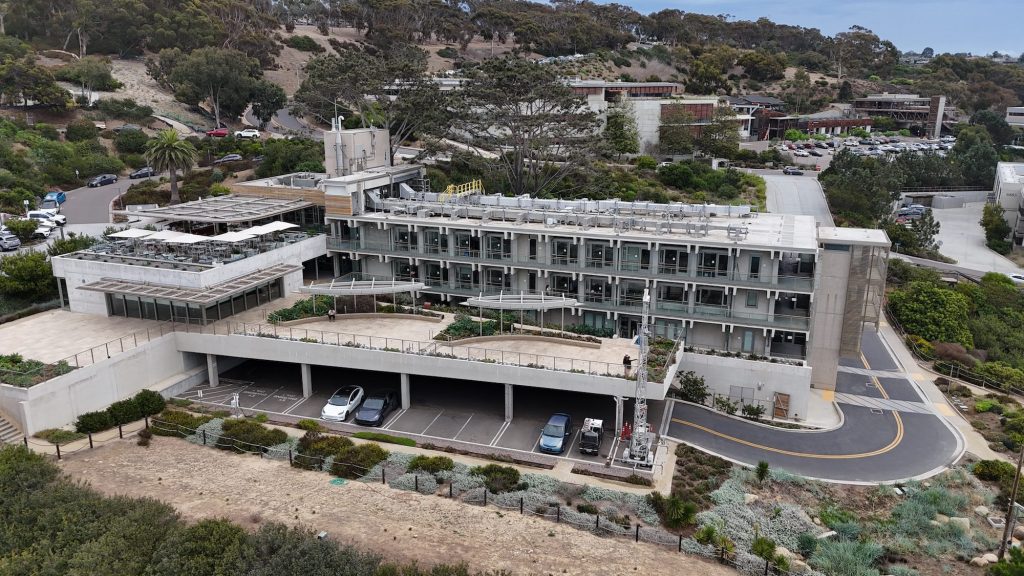
Scripps Institution of Oceanography in La Jolla (Photo: Erik Olsen)

“We still have no idea, physiologically, in the types of environments where bleaching predominates, whether the animal is throwing them out because it’s going to try to survive, or whether the little tiny plants say to the animal, ‘look, we can’t get along in this environment, so we got to go somewhere else’” says Dr. Jules Jaffe, an oceanographer at the Scripps Institution of Oceanography at the University of California, San Diego in La Jolla, California, and the head of the Jaffe Laboratory for Underwater Imaging

The Great Barrier Reef, once Earth’s largest living structure, has suffered five mass bleaching events since 1998, and vast stretches have become little more than graveyards of coral skeletons. The scale of this ecological disaster is almost unimaginable. And so scientists around the world are in a race to figure out what’s happening and how to at least try to slow down the bleaching events sweeping through nearly every major reef system.
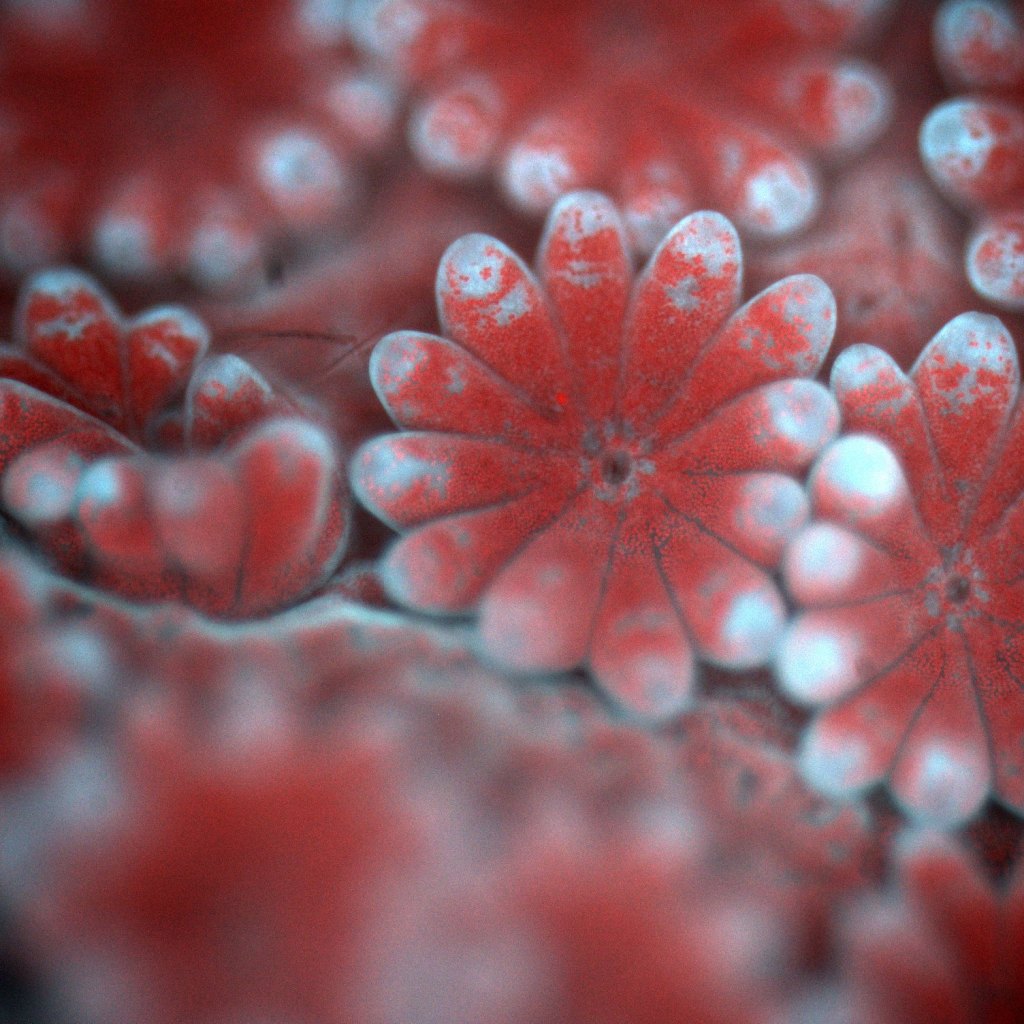
An image of Montipora coral polyps taken with the BUMP. Each polyp has a mouth and a set of tentacles and the red dots are individual microalgae residing inside the coral tissue. (Photo: Or Ben-Zvi)

One place where scientists are making small strides is at the Jaffe Lab, which I visited with my colleague Tod Mesirow and where researchers like Dr. Jaffe and Dr. Or Ben-Zvi have developed a new kind of underwater microscope that allows them to get close enough to corals to actually see the algae in action. 

This is no small feat. Zooxanthellae are only about 5–10 microns across, about one-tenth the width of a human hair, and invisible to the naked eye. With the new microscope and camera system, though, they can be seen in astonishing detail. The lab has captured unprecedented behavior, including corals fighting with each other for space, fusing together, and even responding to invading algae.

When I first reported on this imaging system years ago, it was still in its early stages. At the time, it was known as the BUM for Benthic Underwater Microscope. Since then, the Scripps team has added a powerful new capability: a pulsing blue light that lets them measure photosynthesis in real time. They call it pulse amplitude modulated light or PAM, and so now the system is known as the BUMP. 
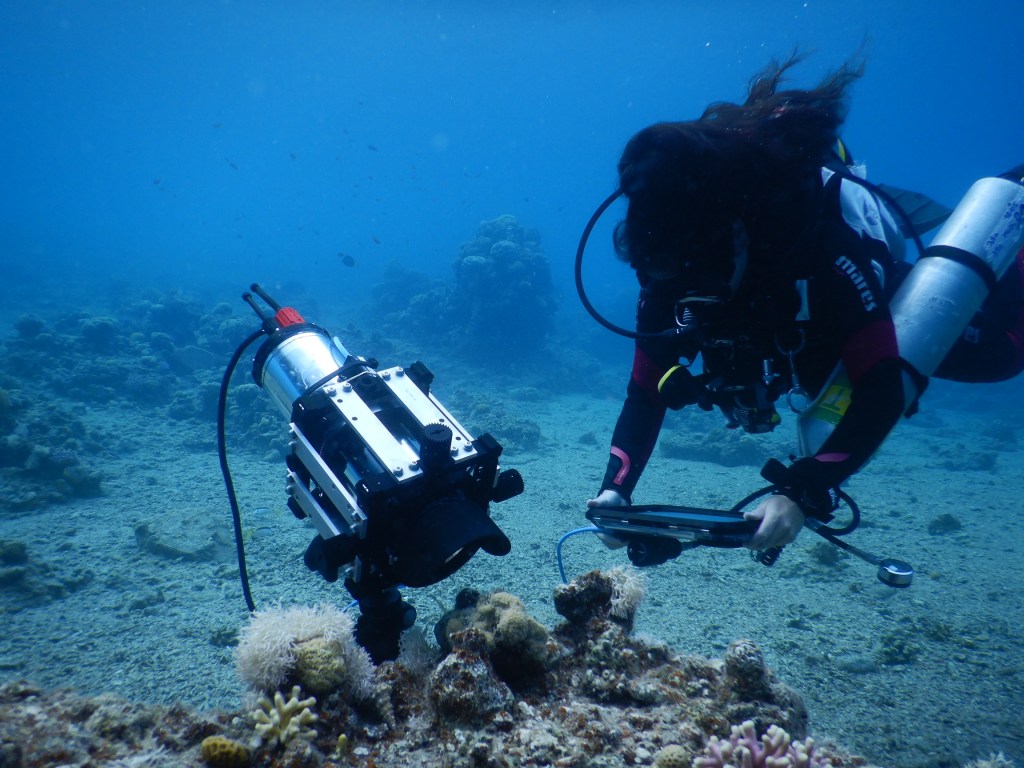
A field deployment of the BUMP in the Red Sea, where local corals were imaged and measured.  (Photo: Or Ben-Zvi)

Here’s how it works: blue excitation light stimulates the algae’s chlorophyll, which then re-emits some of that energy as red fluorescence. By tracking how much of this red fluorescence is produced, researchers can calculate indices of photochemical efficiency, essentially how well the algae are converting light into energy for photosynthesis. This doesn’t give a direct count of sugars or photons consumed, but it does provide a reliable window into the health and productivity of the algae, and by extension, the coral itself.

What’s crucial is that all of this imaging takes place in situ—right in the ocean, on living reefs—rather than in the artificial setting of an aquarium or laboratory.
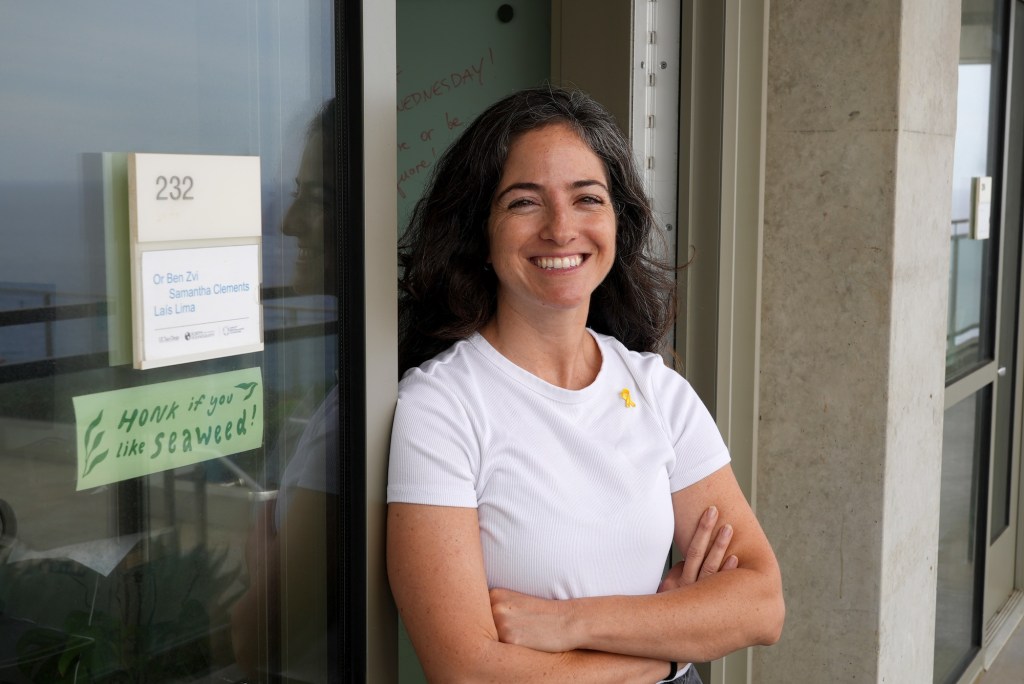
Dr. Or Ben-Zvi, doctoral scholar at Scripps Institution of Oceanography (Photo: Erik Olsen)

New tools are essential if we’re going to solve many of our biggest problems, and it’s at places like Scripps in California where scientists are hard at work creating instruments that help us see the world in entirely new ways. “There’s so much to learn about the ocean and its ecosystems, and my own key to understanding them is really the development of new instrumentation,” says Jaffe.

Dr. Ben-Zvi gave us a demonstration of how the system works in an aquarium holding several species of corals, including Stylophora, a common collector’s coral. She showed us the remarkable capabilities of the camera-microscope, which illuminated and brought into crisp focus the tiny coral polyps along with their algal partners. On the screen we watched them in real time, tentacles waving as they absorbed the flashes of light from the BUMP, appearing, almost, as if they were dancing happily.
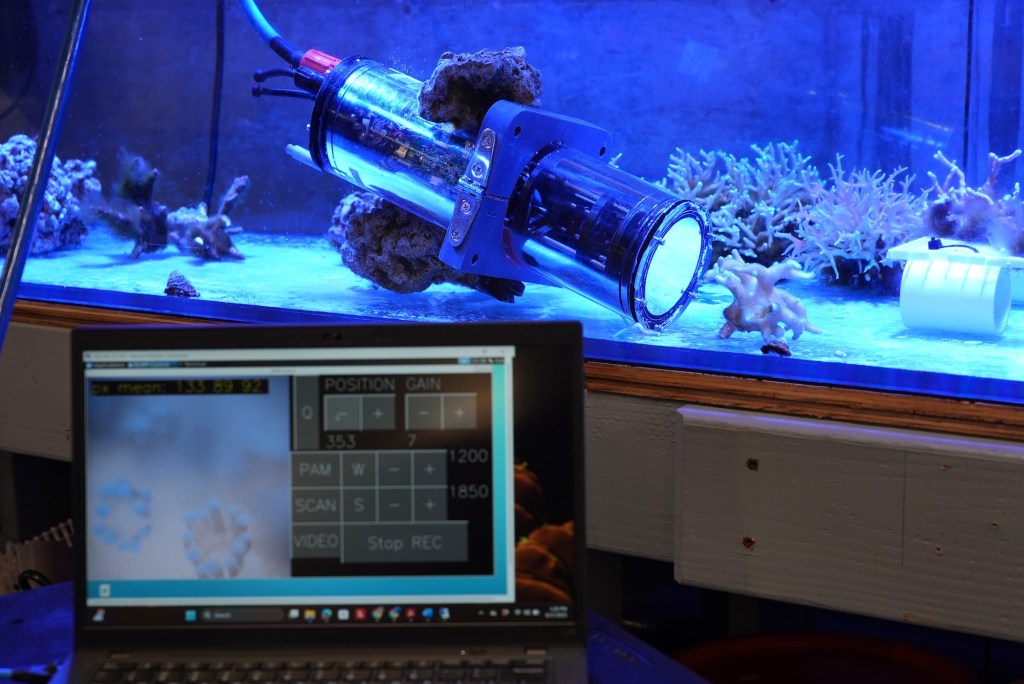
The Benthic Underwater Microscope PAM (BUMP) in action in the lab at Scripps Institution of Oceanography in La Jolla.
(Photo: Erik Olsen)

What this new tool allows scientists to do is determine whether corals may be under stress from factors like warming seas, pollution, or disease. Ideally, these warning signs are detected before the corals expel their zooxanthellae and bleach. Researchers are also learning far more about the everyday behavior of corals: something rarely studied in situ, directly in the ocean. 

That in-their-native-environment aspect of the work is crucial, because corals often behave very differently in aquariums than they do on wild reefs. That’s where this microscope promises to be a powerful tool: offering insights into how corals really live, fight, and respond to stress.
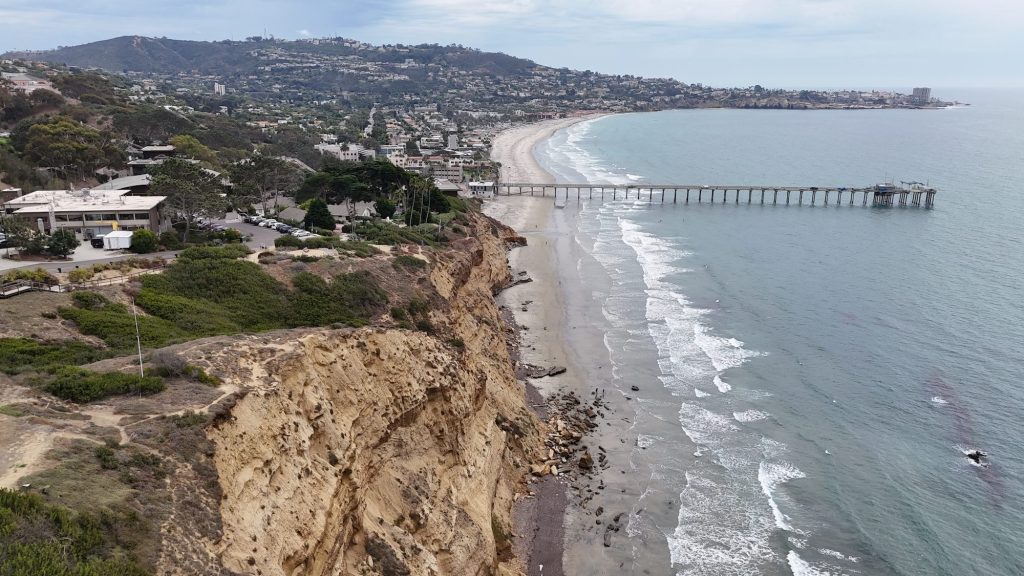
The view of La Jolla from the Scripps Institution of Oceanography (Photo: Erik Olsen)

Of course, what we do once we document a reef under stress is another matter. Dr. Ben-Zvi suggests there may be possibilities for remediation, though she admits it’s difficult to know exactly what those are. Perhaps reducing pollution, limiting fishing, or cutting ship traffic in vulnerable areas could help. But given that we seem unable—or unwilling—to stop the warming of the seas, these measures can feel like stopgaps rather than solutions. Still, knowledge is the foundation for any action, and this new tool is a breakthrough for coral imaging. If deployed widely, it could generate an invaluable dataset for researchers around the globe. The scientists behind it even hope to build multiple systems, perhaps commercializing them, to vastly expand the reach of this kind of monitoring.

But even Jaffe concedes it may already be too late: “Could a world exist without corals? Yeah, I think so,” he said. “It would be sad, but it’s going that way.”

All the same, the images the tool produces are breathtaking, and at the very least, they might jolt people into realizing that this is a crisis worth trying to solve. If we can’t, then future generations will be left only with these hauntingly beautiful images to remember the diverse and gorgeous animals that once flourished along the edges of the sea. 
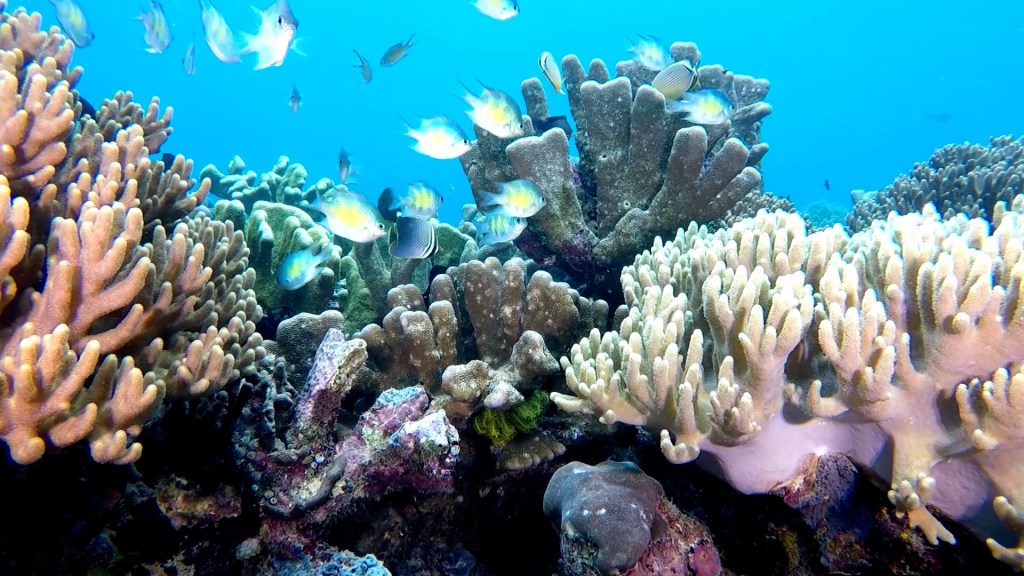
A healthy coral reef in Indonesia (Photo: Erik Olsen)

Is that valuable? Yes, but not nearly as valuable as saving the living reefs themselves. Dr. Jaffe told us,

“I’m on a mission to help people feel empathy toward the creatures of the sea. At the same time, we need to learn just how beautiful they are. For me, the combination of beauty and science has been at the heart of my life’s work.”

His words capture the spirit of this research. The underwater microscope isn’t just a scientific instrument. It’s a lens into a hidden world, one that may inspire people to care enough to act before it’s gone. Too bad the clock is ticking so fast.

(We did a video about this story as well. We hope you watch! )
California’s Wild Laboratory and The Evolutionary Wonders of the Channel Islands

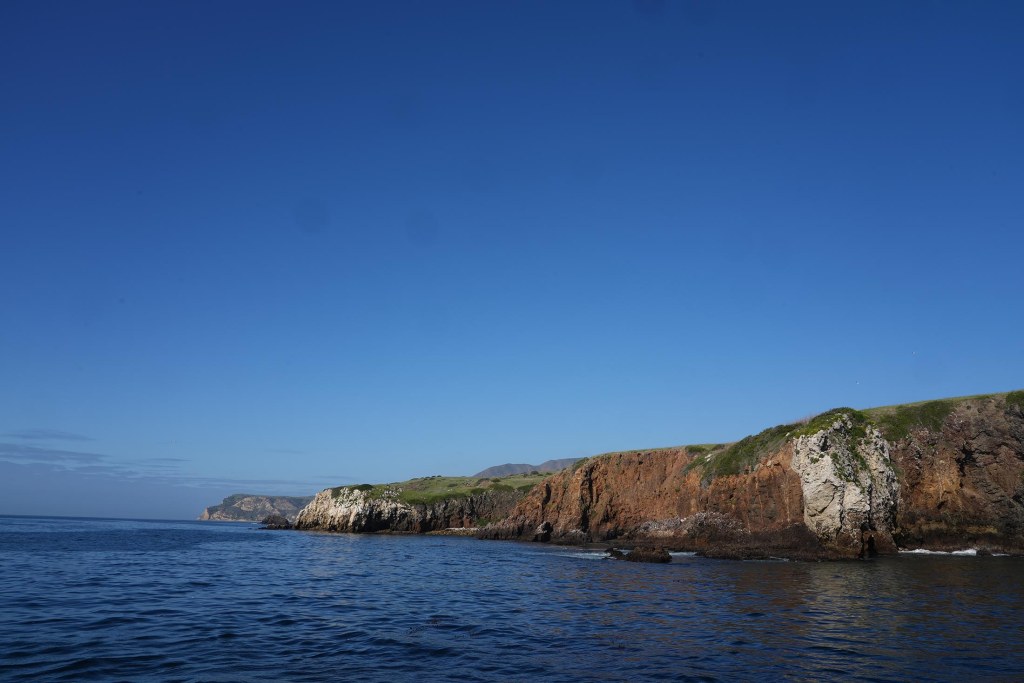
Anacapa Island in California’s Channel Islands (Photo: Erik Olsen)

I recently took two scuba diving trips out to the Channel Islands to investigate and help remove ghost lobster traps: abandoned or lost gear that poses a serious threat to marine life. While out there, I also had a chance to explore the marine protected areas surrounding Anacapa and Santa Cruz Islands, getting a firsthand look at how these underwater reserves are helping to restore ocean health and marine life (another story on that coming). Diving in the Channel Islands is a great way for certified divers to experience the incredible biodiversity of California’s coastal waters, even if the water is cold as hell.

The Channel Islands are actually relatively close to the California mainland, just 12 miles from Ventura in the case of Anacapa. But the wild and windswept chain feels like a world apart. On a clear day, you can see them from Ventura or Santa Barbara, but oddly, few people actually visit. Compared to other national parks, they remain relatively unknown, which only adds to their quiet allure. Sometimes called the “Galápagos of North America,” these eight islands are a refuge for wildlife and a place where evolution unfolds before your eyes.

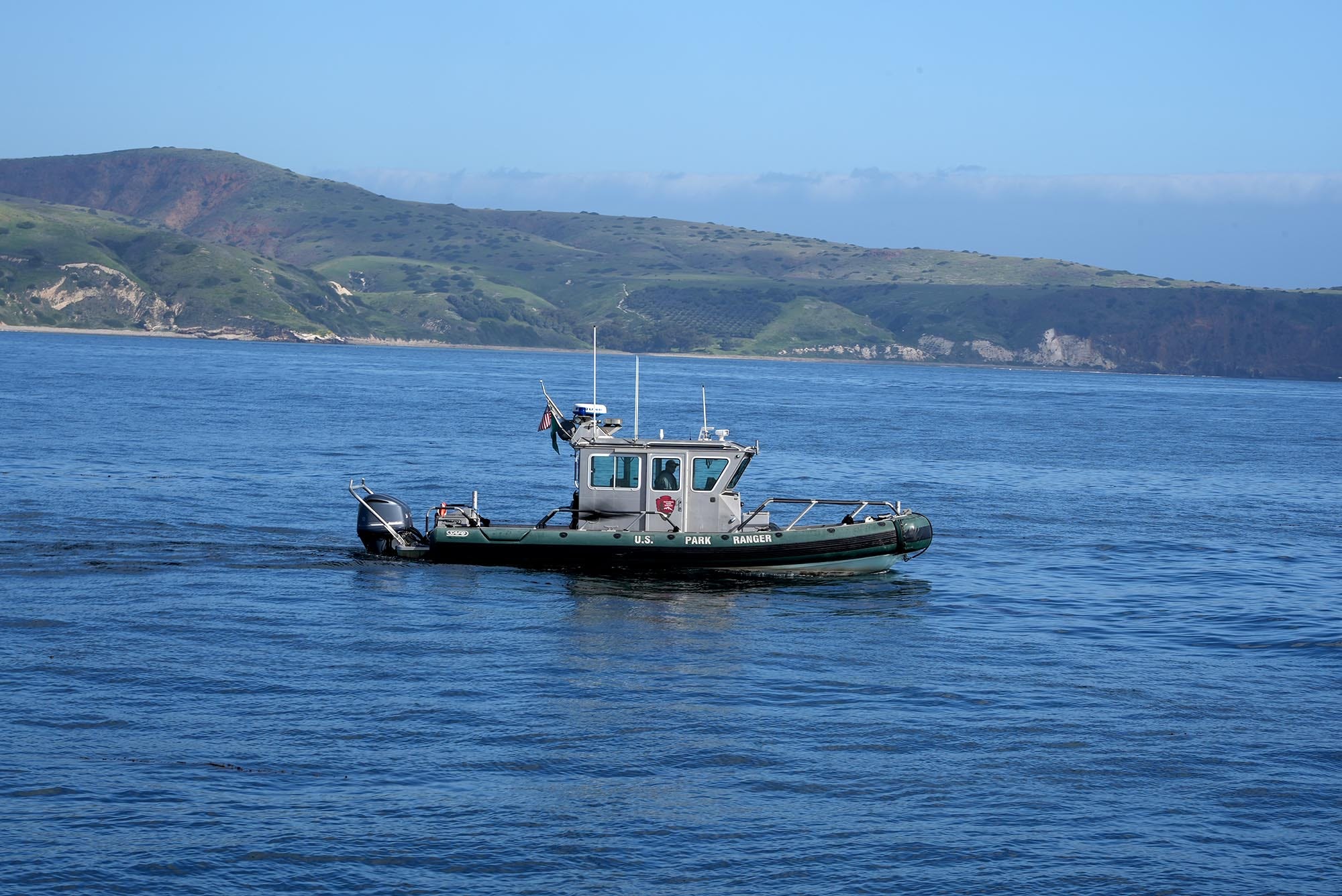
U.S. Park Service rangers patrol the marine protected area off of Anacapa Island in California’s Channel Islands
(Photo: Erik Olsen)

(Here’s a cool bit of history: there are eight Channel Islands today, but 20,000 years ago, during the last ice age when sea levels were much lower, four of them—San Miguel, Santa Rosa, Santa Cruz, and Anacapa—were connected as a single landmass called Santarosae.)

For scientists and nature lovers, the Channel Islands are more than just scenic, they’re a natural laboratory. Each island has its own shape, size, and ecological personality, shaped by millions of years of isolation. That makes them an ideal setting for the study of island biogeography, the branch of biology that looks at how species evolve and interact in isolated environments. What happens here offers insight into how life changes and adapts not just on islands, but across the planet.

Sea lions on the Channel Islands (NPS)

Island biogeography is anchored in the theory proposed by E.O. Wilson and Robert MacArthur in the 1960s. Their theory, focusing on the balance between immigration and extinction of species on islands, is brilliantly exemplified in the Channel Islands.

The Channel Islands’ rich mosaic of habitats, from windswept cliffs and rocky shores to chaparral-covered hillsides and dense offshore kelp forests, provides an ideal setting for studying how species adapt to varied and changing conditions. Each island functions like a separate ecological experiment, shaped by isolation, resource limits, and time. Evolution has had free rein here, tweaking species in subtle ways and, occasionally, producing striking changes.

One of the most significant studies conducted in the Channel Islands focused on the island fox (Urocyon littoralis), a species found nowhere else on Earth. Research led by the late evolutionary biologist Robert Wayne at UCLA and others showed that the fox populations on each of the six islands they inhabit have evolved in isolation, with distinct genetic lineages and physical traits. This makes them a remarkable example of rapid evolution and adaptive divergence, core processes in island biogeography.

Genetic analyses revealed that each island’s fox population carries unique genetic markers, shaped by long-term separation and adaptation to local environments. These differences aren’t just genetic, they’re physical and behavioral too. Foxes on smaller islands, for instance, tend to be smaller in body size, likely an evolutionary response to limited resources, a phenomenon known as insular dwarfism. Variations in diet, foraging behavior, and even coat coloration have been documented, offering scientists an unparalleled opportunity to study evolutionary processes in a real-world, relatively contained setting.

Excavation of pygmy mammoth bones on the Channel Islands (Photo: National Park Service)

This phenomenon of insular dwarfism isn’t unique to the island fox. One of the most striking examples from the Channel Islands is the pygmy mammoth (Mammuthus exilis), whose fossilized remains were discovered on Santa Rosa Island. Evolving from the much larger Columbian mammoth, these ancient giants shrank to about half their original size after becoming isolated on the islands during the last Ice Age. Limited food, reduced predation, and restricted space drove their dramatic transformation, a powerful illustration of how isolation and environmental pressures can reshape even the largest of species.

Furthermore, the Channel Islands have been instrumental in studying plant species’ colonization and adaptation. Due to their isolation, the islands host a variety of endemic plant species. Research by Kaius Helenurm, including genetic studies on species such as the Santa Cruz Island buckwheat (Eriogonum arborescens) and island mallow (Malva assurgentiflora), has shown how these plants have adapted to the islands’ unique environmental pressures and limited gene flow.

Island mallow (Malva assurgentiflora), a vibrant flowering plant found only on the Channel Islands, thrives in the harsh coastal environment—its striking blooms a testament to the power of isolation and adaptation. (Photo: Curtis Clark)

The islands have been a scientific boon to researchers over the decades because they are not only home to many diverse and endemic species, but their proximity to the urban centers and the universities of California make them amazingly accessible. It’s been suggested that if Darwin had landed on the Channel Islands, he arguably could have come up with the theory of natural selection off of California, rather than happening upon the Galapagos. A 2019 book about the islands, titled North America’s Galapagos: The Historic Channel Islands Biological Survey recounts the story of a group of researchers, naturalists, adventurers, cooks, and scientifically curious teenagers who came together on the islands in the late 1930s to embark upon a series of ambitious scientific expeditions never before attempted. 

The Channel Islands are renowned for their high levels of endemism — species that are found nowhere else in the world. This is a hallmark of island biogeography, as isolated landmasses often lead to the development of unique species. Darwin’s On the Origin of Species was one of the first extensive efforts to describe this phenomenon. For example, as mentioned above, the Channel Islands are home to the island fox (Urocyon littoralis), a small carnivore found only here. Each island has its own subspecies of the fox, differing slightly in size and genetics, a striking example of adaptive radiation, where a single species gives rise to multiple different forms in response to isolation and environmental pressures. That said, the foxes are also incredibly cute, but can be rather annoying if you are camping on the islands because they will ransack your food stores if you do not keep them tightly closed.

Island Fox on Santa Cruz Island (photo: Erik Olsen)

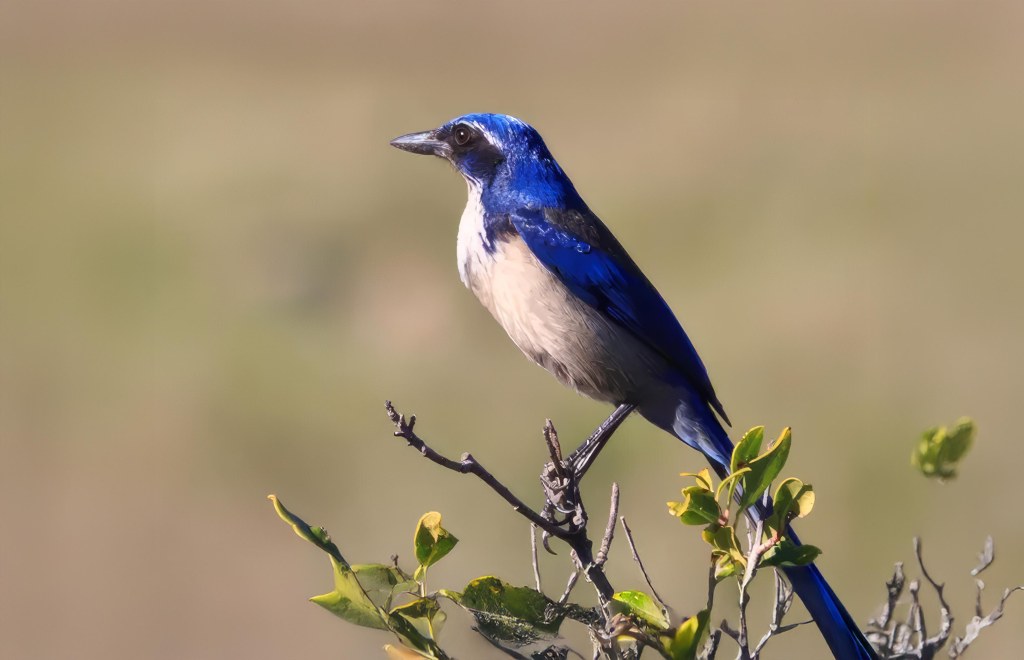
Bird life on the Channel Islands also reveals remarkable diversity and endemism. Much like the finches of the Galápagos, these islands are home to distinct avian species shaped by isolation and adaptation. The Santa Cruz Island Scrub Jay, for instance, is noticeably larger and more vividly colored than its mainland relatives, a reflection of its unique island habitat. Also, jays in pine forests tend to have longer, shallower bills, while those in oak woodlands have shorter, deeper bills. Evolutionary adaptations right out of the Darwinian playbook. Likewise, the San Clemente House Finch has evolved traits suited to its specific environment, illustrating how even common species can diverge dramatically when given time and separation.

The Island Scrub-Jay (Aphelocoma insularis), found only on Santa Cruz Island, is larger and more vividly colored than its mainland cousin—an unmistakable symbol of how isolation shapes evolution. (Photo: National Park Service)

The impacts of invasive species on island ecosystems, another critical aspect of island biogeography, are also evident in the Channel Islands. The islands have been an superb laboratory for the practice of conservation and human-driven species recovery. For example, efforts to remove invasive species, like pigs and rats, and the subsequent recovery of native species, like the island fox, provide real-time insights into ecological restoration and the resilience of island ecosystems.

These efforts at conservation and species recovery extend beyond the island fox. In 1997, the U.S. Fish and Wildlife Service identified that 13 plant species native to the northern Channel Islands in California were in dire need of protection under the Endangered Species Act. This need arose due to several decades of habitat degradation, primarily attributed to extensive sheep grazing. These conservation efforts have yielded good news. For instance, the island bedstraw (Galium buxifolium) expanded from 19 known sites with approximately 500–600 individuals in 1997 to 42 sites with over 15,700 individuals. Similarly, the Santa Cruz Island dudleya (Dudleya nesiotica) population stabilized at around 120,000 plants. As a result of these recoveries, both species were removed from the federal endangered species list in 2023, coinciding with the 50th anniversary of the Endangered Species Act.

Santa Cruz Island Dudleya (Photo: National Park Service)

Conservation efforts at the Channel Islands extend beneath the waves, where marine protected areas (MPAs) have played a crucial role in restoring the rich biodiversity of the underwater world. I’ve seen the rich abundance of sea life firsthand on several dives at the Channel Islands, where the biodiversity feels noticeably greater than at many mainland dive sites in Southern California.

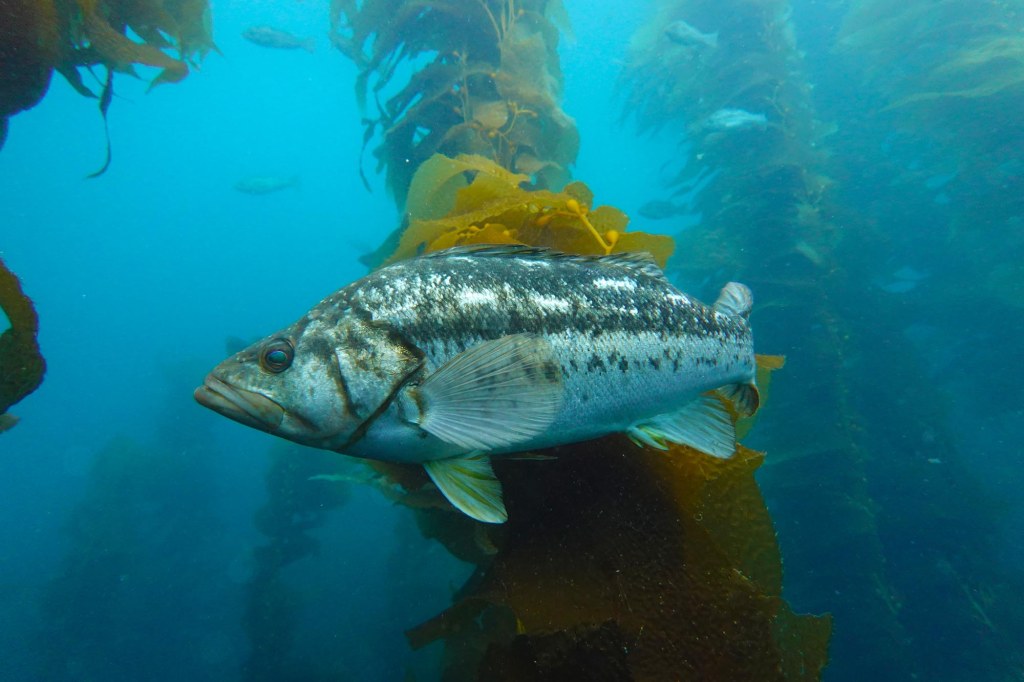
The Channel Islands Marine Protected Areas (MPAs), established in 2003, were among the first of their kind in California. The MPAs around Anacapa, Santa Cruz, and other islands act as refuges where fishing and other extractive activities are limited or prohibited, allowing marine ecosystems to recover and thrive. Over the past two decades, scientists have documented increases in the size and abundance of key species such as kelp bass, lobsters, and sheephead, alongside the resurgence of lush kelp forests that anchor a vibrant web of marine life. These protections have not only benefited wildlife but have also created living laboratories for researchers to study ecological resilience, predator-prey dynamics, and the long-term impacts of marine conservation, all taking place in the context of island biogeography.

Kelp bass in the kelp forest at the Channel Islands (Photo: Erik Olsen)

What makes all of this possible is the remarkable decision to keep these islands protected and undeveloped. Unlike much of the California coast, the Channel Islands were set aside, managed by the National Park Service and NOAA as both a national park and a marine sanctuary. These protections have preserved not just the landscapes, but the evolutionary stories still unfolding in real time. It’s a rare and precious thing to have a living laboratory of biodiversity right in our backyard, and a powerful reminder of why preserving wild places matters.

California’s Two-Spot Octopus Combines Extraordinary Intelligence with Masterful Camouflage

A Model Organism Advancing Research in Genomics and Behavioral Science

California Two Spot Octopus (Photo: Erik Olsen)

(This post has been updated with new research on octopus neurology.)

While diving along the California coastline, spotting a California two-spot octopus is a rare and memorable experience. Nestled in rocky crevices or hidden among kelp, these octopuses are easily identified by their distinctive blue “eye-spots,” which are not actual eyes but mimicry patterns used to confuse predators. Such encounters provide a fascinating glimpse into the behavior of this remarkable marine species.

The California two-spot octopus (Octopus bimaculoides), found from Central California to Baja, is a master of adaptation. Its chromatophores—specialized skin cells—allow it to change color and pattern with precision, enabling camouflage, communication, and courtship displays. This ability, paired with its intelligence and problem-solving skills, highlights the octopus’s unique place in the marine ecosystem and makes it a subject of keen scientific interest.

The California two-spot octopus, Octopus bimaculoides, is a marine creature that not only captivates with its intelligence but also serves as a window into the complex tapestry of cephalopod behavior and genomics.

Their behavior is an orchestra of complexity; they are solitary creatures, favoring a reclusive life, with the exception of mating. Research has shown that they have a keen ability to learn and navigate mazes, unscrew jars, and engage in play, indicating a level of intelligence that is quite remarkable for an invertebrate. 

Santa Barbara Museum of Natural History Sea Center

The study of octopus intelligence, characterized by their remarkable problem-solving abilities and behavioral sophistication, has profound implications for our understanding of intelligence as a biological phenomenon. Octopuses, having diverged from the lineage that would lead to humans around 600 million years ago, share a common ancestor with us that was likely a simple, multicellular organism, a primitive flatworm. This vast evolutionary gulf highlights the fact that octopus intelligence developed along a trajectory entirely distinct from our own. Their decentralized nervous systems, capable of independently operating limbs and complex reflex actions, challenge the mammalian-centric view of brain-body coordination and cognitive processing, suggesting that intelligent behavior can arise from a variety of neural architectures.

Unlike humans and other vertebrates, where neural control is centralized in the brain, over two-thirds of this octopus’s neurons are located in its arms. This decentralized system allows each arm to function with remarkable independence, capable of exploring, tasting, and manipulating its environment without direct input from the brain. Recent studies reveal that octopus arm neurons are arranged in segmented clusters, enabling precise control of movement and the coordination of its powerful suckers. This unique adaptation not only enhances their hunting efficiency but also underscores the intricate evolutionary design of these intelligent marine creatures.

CALIFORNIA CURATED ON ETSY

Purchase stunning art prints of iconic California scenes.
Check out our Etsy store.

If you haven’t seen it yet, I highly recommend YouTuber Mark Rober’s recent video on octopus intelligence. His pet octopus Sashimi is a California Two Spot Octopus.

The ability of octopuses to adapt their skin color and texture in real-time, for purposes ranging from camouflage to communication, is a further testament to their cognitive prowess. This capability is controlled not just by their brains, but by the network of nerve cells spread across their body discussed above, showcasing a form of distributed intelligence. It indicates that cognition can be more holistic than previously thought, involving complex interactions between an organism’s nervous system and its environment. These findings prompt a reevaluation of intelligence, proposing that it is not a single trait but rather a spectrum of abilities that can manifest in diverse forms across different species.

Recent discoveries have shown the animal’s remarkable ability to actually see with its skin. A University of California at Santa Barbara study found that the skin of the California two-spot octopus can sense light even without input from the central nervous system. The animal does so by using the same family of light-sensitive proteins called opsins found in its eyes (and ours) — a process not previously described for cephalopods. The researchers’ findings appeared in the Journal of Experimental Biology.

California two-spot octopus hatchling (UCSB)

The independent evolutionary path of octopus intelligence highlights the remarkable plasticity and adaptability of cognitive systems. It implies that intelligence can evolve under a variety of ecological pressures and life histories. In the case of the octopus, their short lifespans and lack of social structures, which are generally seen as drivers of intelligence in vertebrates, have not prevented them from developing complex behaviors and learning capacities. This independence suggests that intelligence is not a linear or singular progression but a trait that can emerge in multiple forms across the tree of life, shaped by the specific challenges and opportunities an organism faces in its niche.

Octopus chromatophores

The California Two-Spot Octopus is increasingly recognized as a valuable model organism for scientific research due to its unique biology and evolutionary position. New studies, particularly in the field of genomics using the genome of the California Two Spot octopus, have unveiled the vastness of the octopus’s genetic blueprint. Its sequenced genome provides an unparalleled resource for studying cephalopod-specific innovations, including their advanced nervous systems, remarkable cognitive abilities, and capacity for complex behaviors such as camouflage and problem-solving. As a model organism, the two-spot octopus enables researchers to explore fundamental questions about neural development, learning, and adaptation in animals, offering insights that extend to broader biological and evolutionary contexts. The genome’s wealth of information, including expanded gene families linked to neural function and adaptive traits, makes this octopus an ideal subject for addressing critical questions in genomics, neurobiology, and evolutionary biology.

CALIFORNIA CURATED ON ETSY

Purchase stunning art prints of iconic California scenes.
Check out our Etsy store.

Their genome is large and contains a greater number of genes than that of a human, with a massive proliferation of gene families associated with neural development hinting at the biological underpinnings of their brainpower and behavior. These genetic insights could explain not only their sophisticated nervous systems but also their adaptability and the evolution of their unique traits.

For the California science enthusiast, the two-spot octopus represents not just a local marine inhabitant but also a subject of profound scientific intrigue. The more we delve into their world, the more we uncover about the possibilities of life’s evolutionary paths. Their genomic complexity challenges our understanding of intelligence and consciousness, making them not just a marvel of the deep but a mirror reflecting the enigma of life itself.

Squid Pro Quo: How the California Market Squid Gives Back to Nature and Economy

California Market Squid. The animal’s skin is covered with thousands of tiny chromatophores that change color and can dramatically transform the squid’s appearance.

The ocean’s depths are filled with mysterious and fascinating creatures, but few have made quite the splash in both nature and culture as the squid. Sleek, swift, and full of surprises, these little cephalopods are not only culinary favorites but also masters of survival in the ever-changing marine world.

The California market squid, scientifically known as Doryteuthis opalescens, is an integral component of the marine ecosystem and significantly contributes to California’s economy. Although these cephalopods may not captivate public imagination as vividly as their larger, more enigmatic cousins like the giant squid, or even California’s charismatic Two-Spotted Octopus, their role is both ecologically and economically invaluable.

In appearance, Doryteuthis opalescens is a relatively small squid, typically measuring up to a foot in length. It is characterized by its elongated tubular body and mantle. It has a set of eight shorter arms and two longer tentacles, all equipped with suckers for prey capture. The skin of the California market squid contains specialized pigment cells called chromatophores, which allow it to change color in mesmerizing ways. This is not just a display of beauty; the capability is used for camouflage from predators and likely communication with other squids. Their complex eyes are especially remarkable. These structures are highly developed and contain a lens that can focus, similar to the optical system in the human eye, allowing the squid to have keen vision—a trait essential for both hunting and avoiding predators.


The squid’s eyes contain a lens that can focus, similar to the optical system in the human eye, allowing the squid to have keen vision. (Wikipedia)

As for their reproductive habits, the mating and spawning of California market squid generally occur from April to November. The male deposits a spermatophore, or sperm packet, into the female’s mantle cavity. Post-fertilization, the female lays between 200 to 300 eggs, encapsulated in clusters, and attaches them to the substrate on the ocean floor. Neither parent plays a role in the post-fertilization life of these eggs. Both males and females often die shortly after mating, leading to a rather short life span for these creatures, usually between six to nine months.

CALIFORNIA CURATED ART ON ETSY

Purchase stunning art prints of iconic California scenes.
Check out our Etsy store.

The feeding behavior of the California market squid is best described as opportunistic. They primarily consume plankton, small fish, and other marine organisms. This diet situates them in a critical role within the food web, serving as both predator to smaller organisms and prey to larger marine animals. Typically, they inhabit depths less than 300 meters and are more active during nighttime, migrating vertically within the water column to follow prey and avoid predators.

Squid vessels at night, lights ablaze, looking for market squid in Monterey Bay. (Photo: CDFW)

Economically, the California market squid has an enormous impact. According to reports, it represents the largest fishery in California by volume. In 2022, commercial landings of market squid totaled 147 million pounds and were valued at $88 million, according to the NOAA Fisheries commercial fishing landings database. The fishery for this particular species accounts for nearly 25% of all commercial fishery landings by weight in the state. The significance of the market squid extends to the international sphere, as a considerable portion of the catch is exported to countries in Europe and Asia. In some years, the squid are abundant, but in other years, they are hard to find. Cyclical changes in ocean conditions can change the productivity of California waters and squid populations plummet. In some particularly bad years, the squid fishing industry suffers.

In California, the Fish and Game Commission collaborates with the Department of Fish and Wildlife to actively manage the market squid fishery in line with federal guidelines and the state’s Market Squid Fishery Management Plan.

California Market Squid (NOAA)

Changes in climate may end up having a major impact on the squid and the fishery. A 2020 paper from Stanford University published in The American Naturalist, details how climate change has likely ushered the squid north in the Gulf of Alaska, perhaps due to rising ocean temperatures causing the squid to move to more suitable habitats. The study highlights how the squid’s migration could impact local ecosystems, where their presence could alter food chains by competing with or preying on native species like young salmon. This research may predict broader marine species shifts in the future​. The squid’s populations are also clearly linked to El Niño cycles.

“As climate change progresses, there are bound to be other species like the California market squid that move to more suitable seas,”  Mark Denny, the John B. and Jean De Nault Professor in Marine Science at Hopkins Marine Station and senior author on the paper told Stanford’s Earth Matters Magazine. “Investigating what happens to this squid and the ecosystems around them right now will help researchers predict what could happen to other marine life later.”

As mentioned above, given its economic and ecological relevance, there are stringent regulations and monitoring programs in place to ensure sustainable fishing practices. Seasonal closures of the fishery, especially during peak spawning seasons, and restrictions on the type of fishing gear used are examples of such management strategies. The squid is considered a “smart seafood choice” by NOAA. These measures aim to minimize bycatch and preserve the squid population, thereby sustaining the ecological balance within the marine environment.

However, the agency notes: “Short- and long-term changes in the market squid population are poorly understood, The stock has not been assessed so there are no reliable estimates of the population size and the overfished and overfishing status are unknown.”

Despite being delicious, particularly when fried, the California market squid is far more than just an item on a seafood menu. It is a linchpin species that not only contributes to biodiversity in California, but also holds substantial economic value. Its role in the food web as both predator and prey, as well as its economic impact on both the local and global scales, positions it as a vital species deserving of ongoing scientific study and responsible management.

Buy us a cup of coffee?

Lots of work goes into writing California Curated. We’d appreciate it!