A Deep Dive into Monterey Canyon, California’s Great Abyss


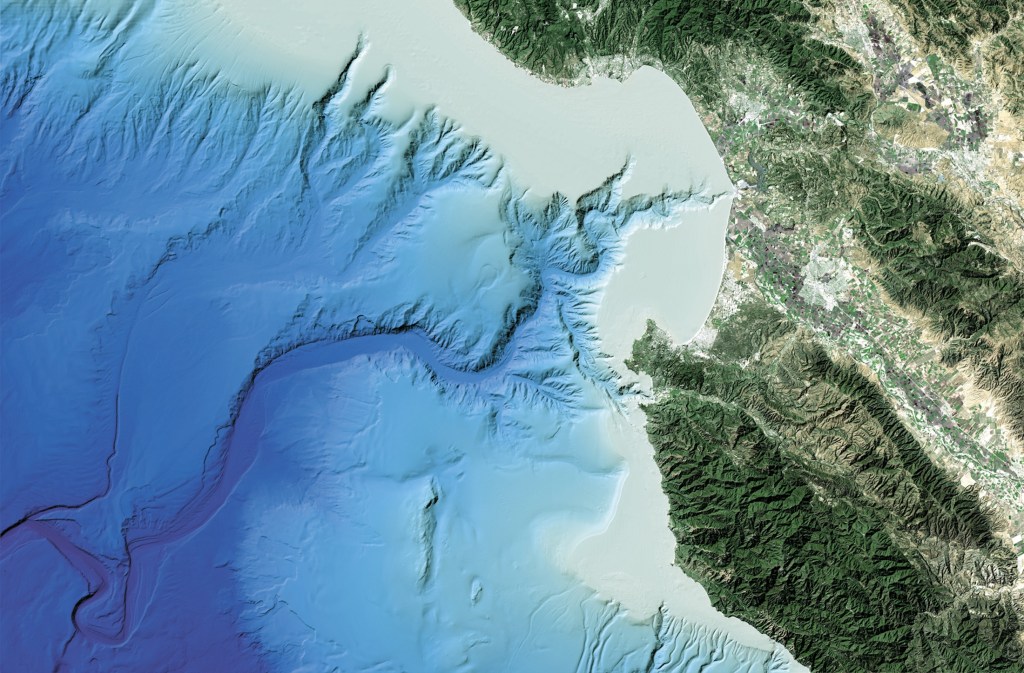
Monterey Canyon stretches nearly 95 miles out to sea, plunging over 11,800 feet into the depths—one of the largest submarine canyons on the Pacific Coast, hidden beneath the waves. (Courtesy: Monterey Bay Aquarium Research Institute MBARI)

Standing at Moss Landing, a quaint coastal town known for its fishing heritage, bustling harbor, and the iconic twin smokestacks of its power plant, you might never guess that a massive geological feature lies hidden beneath the waves. From this unassuming spot on the California coast, Monterey Canyon stretches into the depths, a colossal submarine landscape that rivals the grandeur of the Grand Canyon itself.

Monterey Canyon, often called the Grand Canyon of the Pacific, is one of the largest and most fascinating submarine canyons in the world. Stretching over 95 miles from the coast of Monterey, California, and plunging to depths exceeding 3,600 meters (11,800 feet), this underwater marvel rivals its terrestrial counterpart in size and grandeur. Beneath the surface of Monterey Bay, the canyon is a hotspot of geological, biological, and scientific exploration, offering a window into Earth’s dynamic processes and the mysterious ecosystems of the deep sea.

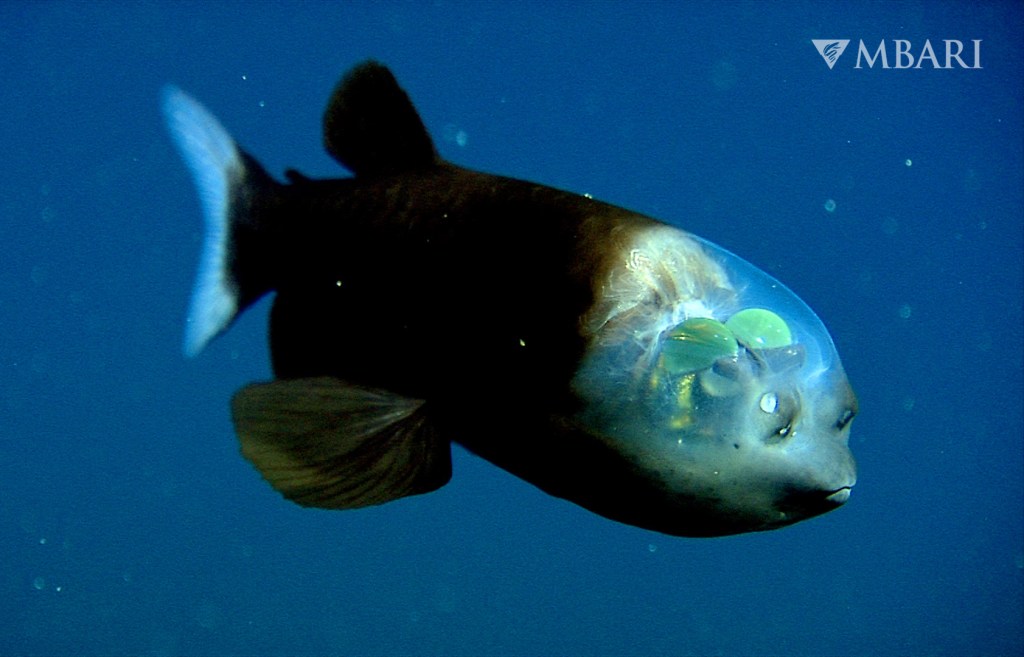
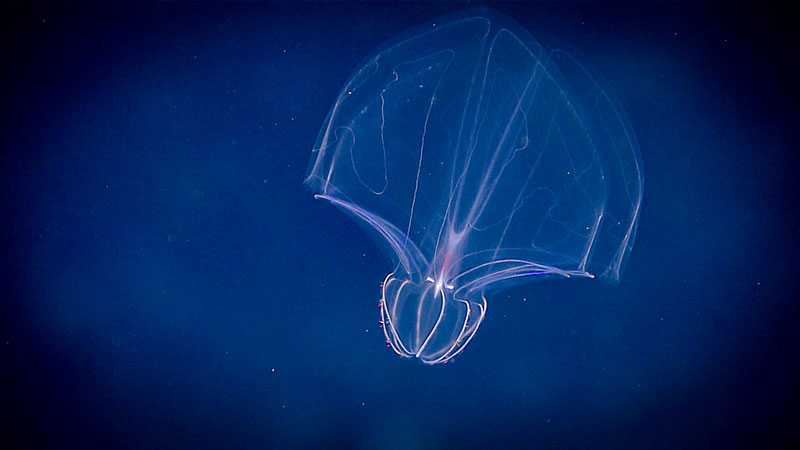
Drifting through the depths of Monterey Canyon, the elusive barreleye fish reveals its transparent head and tubular eyes—an evolutionary marvel perfectly adapted to the dark, mysterious waters off Monterey Bay.
(Courtesy: Monterey Bay Aquarium Research Institute MBARI)

Monterey Canyon owes its impressive scale and structure to the patient yet powerful forces of geological time. Formed over millions of years, Monterey Canyon has been shaped by a range of geological processes. One prevailing theory is that the canyon began as a river channel carved by the ancestral Salinas River, which carried sediments from the ancient Sierra Nevada to the ocean. As sea levels fluctuated during ice ages, the river extended further offshore, deepening the canyon through erosion. Another hypothesis points to tectonic activity along the Pacific Plate as a significant factor, creating fault lines and uplifting areas around the canyon while subsidence allowed sediment to accumulate and flow into the deep. These forces, combined with powerful turbidity currents—underwater landslides of sediment-laden water—worked in tandem to sculpt the dramatic contours we see today. Together, one or several of these processes forged one of Earth’s most dramatic underwater landscapes.

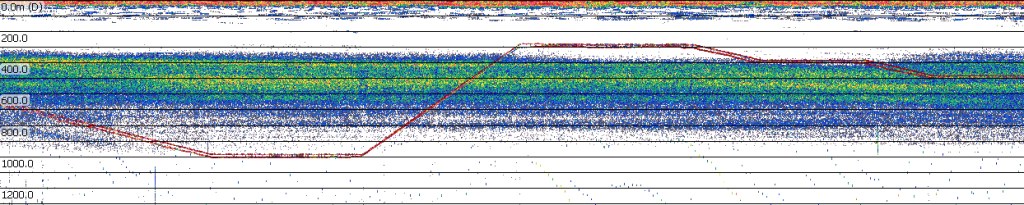
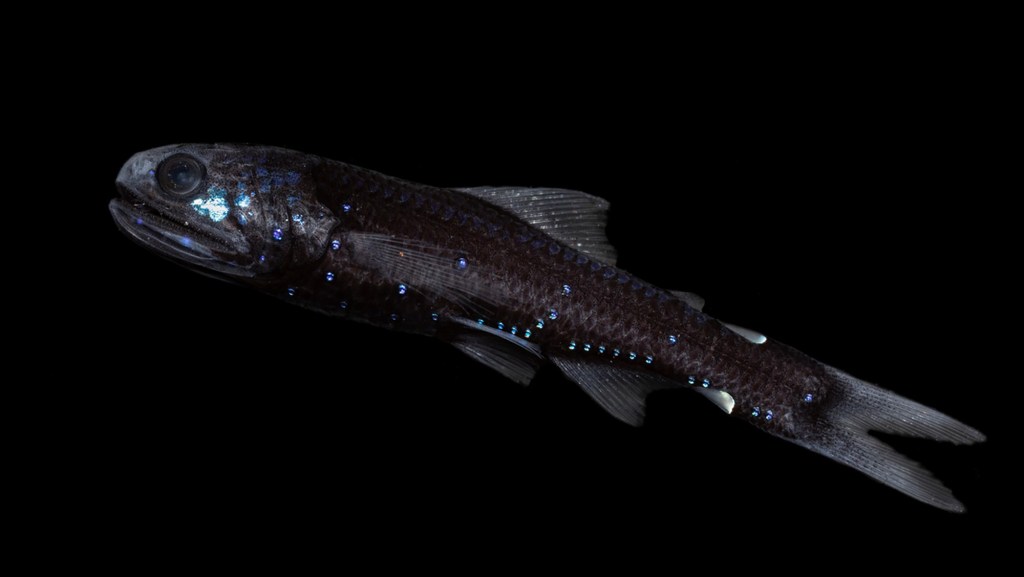
While the geology is awe-inspiring, the biology of Monterey Canyon makes it a living laboratory for scientists. The canyon is teeming with life, from surface waters to its darkest depths. Near the top, kelp forests and sandy seafloors support a wide variety of fish, crabs, and sea otters, while the midwater region, known as the “twilight zone,” is home to bioluminescent organisms like lanternfish and vampire squid that generate light for survival. Lanternfish, for example, employ bioluminescence to attract prey and confuse predators, while vampire squid use light-producing organs to startle threats or escape unnoticed into the depths. In the canyon’s deepest reaches, strange and hardy creatures thrive in extreme conditions, including the ghostly-looking Pacific hagfish, the bizarre gulper eel, and communities of tube worms sustained by chemical energy from cold seeps.

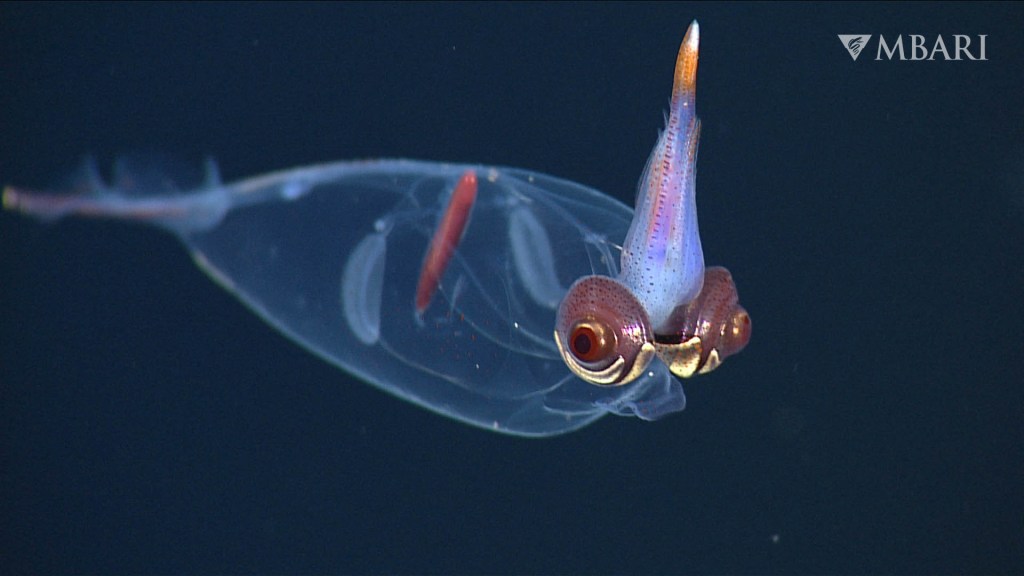
A vampire squid (Vampyroteuthis infernalis) observed by MBARI’s remotely
operated vehicle (ROV) Tiburon in the outer Monterey Canyon at a depth of approximately
770 meters. (Courtesy: Monterey Bay Aquarium Research Institute MBARI)

The barreleye fish, captured in stunning video footage by MBARI, is one of the canyon’s most fascinating inhabitants. This deep-sea fish is known for its’ domed transparent head, which allows it to rotate its upward-facing eyes to track prey and avoid predators in the dimly lit depths. Its unique adaptations highlight the remarkable ingenuity of life in the deep ocean. Countless deep-sea creatures possess astonishing adaptations and behaviors that continue to amaze scientists and inspire awe. Only in recent decades have we gained the technology to explore the depths and begin to uncover their mysteries.

The canyon’s rich biodiversity thrives on upwelling currents that draw cold, nutrient-rich water to the surface, triggering plankton blooms that sustain a complex food web. This process is vital in California waters, where it supports an astonishing array of marine life, from deep-sea creatures to surface dwellers like humpback whales, sea lions, and albatrosses. As a result, Monterey Bay remains a crucial habitat teeming with life at all levels of the ocean.

A woolly siphonophore (Apolemia lanosa) observed by MBARI’s remotely
operated vehicle (ROV) Tiburon in the outer Monterey Canyon at a depth of 1,200 meters.
(Courtesy: Monterey Bay Aquarium Research Institute MBARI)

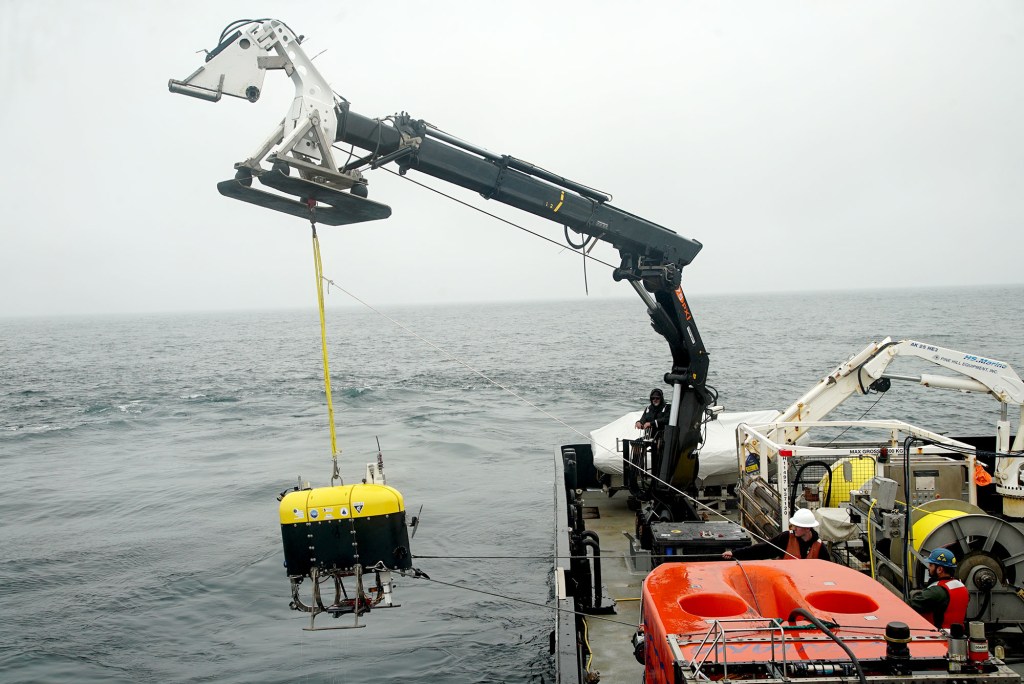
What sets Monterey Canyon apart is the sheer accessibility of this underwater frontier for scientific exploration. The canyon’s proximity to the shore makes it a prime research site for organizations like the Monterey Bay Aquarium Research Institute (MBARI). Using remotely operated vehicles (ROVs) and advanced oceanographic tools, MBARI scientists have conducted groundbreaking studies on the canyon’s geology, hydrology, and biology. Their research has shed light on phenomena like deep-sea carbon cycling, the behavior of deepwater species, and the ecological impacts of climate change.

This animation, the most detailed ever created of Monterey Canyon, combines ship-based multibeam data at a resolution of 25 meters (82 feet) with high-precision autonomous underwater vehicle (AUV) mapping data at just one meter (three feet), revealing the canyon’s intricate underwater topography like never before.

MBARI’s founder, the late David Packard, envisioned the institute as a hub for pushing the boundaries of marine science and engineering, and it has lived up to this mission. Researchers like Bruce Robison have pioneered the use of ROVs to study elusive deep-sea animals, capturing stunning footage of creatures like the vampire squid and the elusive giant siphonophore, a colonial organism that can stretch over 100 feet, making it one of the longest animals on Earth.

Bruce Robison, deep-sea explorer and senior scientist at MBARI, has spent decades uncovering the mysteries of the ocean’s twilight zone, revealing the hidden lives of deep-sea creatures in Monterey Canyon. (Photo: Erik Olsen)

Among the younger generations of pioneering researchers at MBARI, Kakani Katija stands out for her groundbreaking contributions to marine science. Katija has spearheaded the development of FathomNet, an open-source image database that leverages artificial intelligence to identify and count marine animals in deep-sea video footage, revolutionizing how researchers analyze vast datasets. Her work has also explored the role of marine organism movements in ocean mixing, revealing their importance for nutrient distribution and global ocean circulation. These advancements not only deepen our understanding of the deep sea but also showcase how cutting-edge technology can transform our approach to studying life in the deep ocean.

Two leading scientists at MBARI, Steve Haddock and Kyra Schlining, have made groundbreaking discoveries in Monterey Canyon, expanding our understanding of deep-sea ecosystems. Haddock, a marine biologist specializing in bioluminescence, has revealed how deep-sea organisms like jellyfish and siphonophores use light for communication, camouflage, and predation. His research has uncovered new species and illuminated the role of bioluminescence in the deep ocean. Schlining, an expert in deep-sea video analysis, has played a key role in identifying and cataloging previously unknown marine life captured by MBARI’s remotely operated vehicles (ROVs). Her work has helped map the canyon’s biodiversity and track environmental changes over time, shedding light on the delicate balance of life in this hidden world.

A peacock squid (Taonius sp.) observed by one of MBARI’s remotely operated
vehicles. (Courtesy: Monterey Bay Aquarium Research Institute MBARI)

Monterey Canyon continues to inspire curiosity and collaboration. Its unique conditions make it a natural laboratory for testing cutting-edge technologies, from autonomous underwater vehicles to sensors for tracking ocean chemistry. The canyon also plays a vital role in education and conservation efforts, with institutions like the Monterey Bay Aquarium engaging visitors and raising awareness about the importance of protecting our oceans.

As we venture deeper into Monterey Canyon—an astonishing world hidden just off our coast—we find ourselves with more questions than answers. How far can life push its limits? How do geology and biology shape each other in the depths? And how are human activities altering this fragile underwater landscape? Yet with every dive and every discovery, we get a little closer to unraveling the mysteries of one of Earth’s last great frontiers: the ocean.

Walter Munk was a Californian Oceanographer Who Changed Our Understanding of the Seas

Photo: Erik Jepsen (UC San Diego)

Walter Munk, often referred to as the “Einstein of the Oceans,” was one of the most influential oceanographers of the 20th century. Over a career that spanned more than 70 years, Munk fundamentally altered how we think about the oceans, contributing to our understanding of everything from wave prediction during World War II to deep-sea drilling in California. His work at the Scripps Institution of Oceanography in La Jolla, California, was groundbreaking and continues to influence scientific thinking to this day.

Walter Heinrich Munk was born in Vienna, Austria, on October 19, 1917. At 14, he moved to New York, where he later pursued physics at Columbia University. He became a U.S. citizen in 1939 and earned a bachelor’s degree in physics from the California Institute of Technology the same year, followed by a master’s in geophysics in 1940. Munk then attended the Scripps Institution of Oceanography and completed his Ph.D. in oceanography from the University of California in 1947.

Dr. Walter Munk in 1952. (Scripps Institution of Oceanography Archives/UC San Diego Libraries)

In the early 1940s, Munk’s career took a defining turn when the United States entered World War II. At the time, predicting ocean conditions was largely guesswork, and this posed a significant challenge for military operations. Munk, a PhD student at Scripps at the time, was recruited by the U.S. Army to solve a problem that could make or break military strategy—accurate wave prediction for amphibious landings.

CALIFORNIA CURATED ART ON ETSY

Purchase stunning art prints of iconic California scenes.
Check out our Etsy store.

One of his most famous contributions during the war came in 1944, ahead of the Allied invasion of Normandy. Alongside fellow oceanographer Harald Sverdrup, Munk developed a method to predict the size and timing of ocean waves, ensuring that troops could land safely during the D-Day invasion. Using their model, the Allied forces delayed the invasion by one day, a move that proved crucial in reducing casualties and securing the beachhead. This same wave prediction work was used again in the Pacific theater, particularly for landings on islands like Iwo Jima and Eniwetok. Munk’s contributions not only helped win the war but also laid the foundation for modern oceanography. Wave forecasting is now a standard tool for naval operations, shipping, and even recreational surfers.

Landing craft pass supporting warships in the Battle of Eniwetok, 19 February 1944. (U.S. Army)

After the war, Munk returned to Scripps, a place that would remain central to his career. Established in 1903, Scripps had been growing into a major center for oceanographic research, and Munk’s work helped elevate it to new heights. Located in La Jolla, just north of San Diego, Scripps was perfectly positioned on the California coastline to be at the forefront of oceanographic studies. Scripps is one of the premier oceanographic institutions in the world.

During the post-war years, Munk helped pioneer several new areas of research, from the study of tides and currents to the mysteries of the deep sea. California, with its rich marine ecosystems and coastal access, became the perfect laboratory. In La Jolla, Munk studied the Southern California Current and waves that originated across the Pacific, bringing new understanding to local coastal erosion and long-term climate patterns like El Niño. His research had a direct impact on California’s relationship with its coastline, from naval operations to public policy concerning marine environments.

Walter Munk in 1963 with a tide capsule. The capsule was dropped to the seafloor to measure deep-sea tides before such measurements became feasible by satellite. Credit Ansel Adams, University of California

While Munk’s contributions to wave forecasting may be his most widely recognized work, one of his boldest projects came in the 1960s with Project Mohole. It was an ambitious scientific initiative to drill into the Earth’s mantle, the layer beneath the Earth’s crust. The project was named after the Mohorovičić Discontinuity (named after the pioneering Croatian seismologist Andrija Mohorovičić), the boundary between the Earth’s crust and mantle. The boundary is often referred to as the “Moho”. The goal was revolutionary: to retrieve a sample from the Earth’s mantle, a feat never before attempted.

The idea was to drill through the ocean floor, where the Earth’s crust is thinner than on land, and reach the mantle, providing geologists with direct insights into the composition and dynamics of our planet. The project was largely conceived by American geologists and oceanographers, including Munk, who saw this as an opportunity to leapfrog the Soviet Union in the ongoing Cold War race for scientific supremacy.

The Glomar Challenger, launched in 1968, was the drill ship for NSF’s Deep Sea Drilling Project. (Public Domain)

California was again the backdrop for this audacious project. The drilling took place off the coast of Guadalupe Island, about 200 miles from the Mexican coast, and Scripps played a key role in organizing and coordinating the scientific work. The project succeeded in drilling deeper into the ocean floor than ever before, reaching 600 feet into the seabed. However, funding issues and technical challenges caused the U.S. Congress to abandon the project before the mantle could be reached. Despite its early end, Project Mohole is considered a precursor to modern deep-sea drilling efforts, and it helped pave the way for initiatives like the Integrated Ocean Drilling Program, which continues to explore the ocean’s depths today. For example, techniques for dynamic positioning for ships at sea were largely developed for the Mohole Project.

Munk’s work was deeply tied to California, a state whose coastlines and oceanography provided a wealth of data and opportunities for study. Scripps itself is perched on a stunning bluff overlooking the Pacific Ocean, a setting that greatly inspired Munk and his colleagues. Throughout his career, Munk worked on understanding the coastal dynamics of California, from studying the erosion patterns of beaches to analyzing how global warming might impact the state’s famous coastal cliffs.

Scripps Institution of Oceanography

His legacy continues to shape how California manages its vast coastline. The methodologies and insights he developed in wave prediction are now used in environmental and civil engineering projects that protect harbors, beaches, and coastal infrastructure from wave damage. As climate change accelerates the rate of sea level rise, Munk’s work on tides, ocean currents, and wave dynamics is more relevant than ever for California’s future.

Walter Munk’s contributions to oceanography stretched well beyond his wartime work and Project Mohole. He was instrumental in shaping how we understand everything from deep-sea currents to climate patterns, earning him numerous awards and accolades. His work at Scripps set the stage for the institution’s current status as a world leader in oceanographic research.

One of the most notable examples of this work was an experiment led by Munk to determine whether acoustics could be used to measure ocean temperatures on a global scale, offering insights into the effects of global warming. In 1991, Munk’s team transmitted low-frequency underwater acoustic signals from a remote site near Heard Island in the southern Indian Ocean. This location was strategically chosen because sound waves could travel along direct paths to listening stations in both the Pacific and Atlantic Oceans. The experiment proved successful, with signals detected as far away as Bermuda, New Zealand, and the U.S. West Coast. The time it took for the sound to travel was influenced by the temperature of the water, confirming the premise of the study.

Walter Munk in 2010 after winning the Crafoord Prize. (Crafoord Prize)

Munk passed away in 2019 at the age of 101, but his influence lives on. His approach to science—marked by curiosity, boldness, and a willingness to take on complex, high-risk projects—remains an inspiration for generations of scientists. He was a giant not only in oceanography but also in shaping California’s role in global scientific innovation. As the state faces the challenges of a changing climate, Munk’s legacy as the “Einstein of the Oceans” continues to be felt along its shores and beyond.

Hannes Keller’s Deadly 1,000-Foot Descent off Catalina Island Was the Dive of the Century

An ambitious quest for underwater exploration that ended in tragedy beneath the Pacific waves.

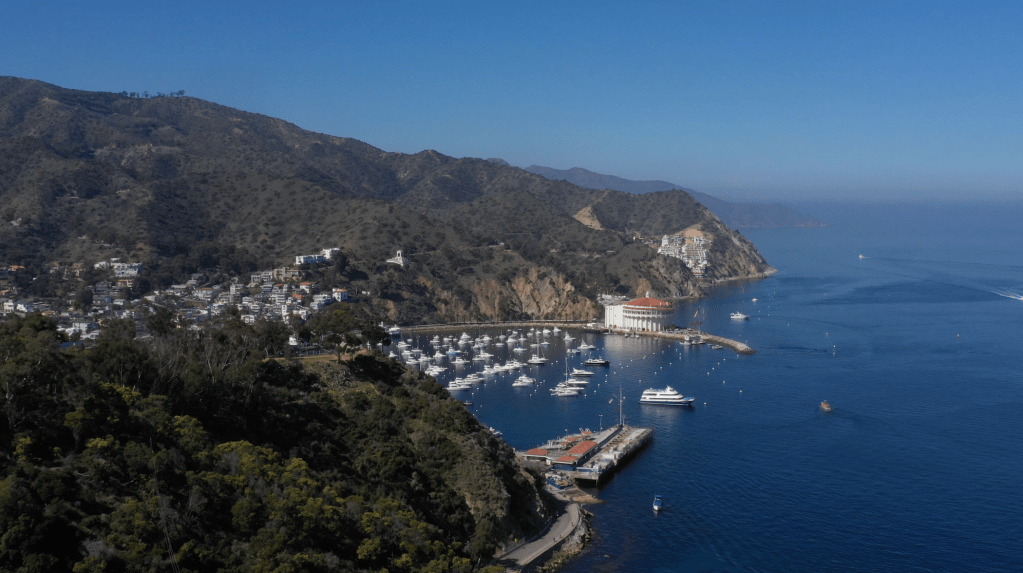
The city of Avalon on Catalina Island (Erik Olsen)

In 1962, Swiss physicist and deep-sea diving pioneer Hannes Keller embarked on an ambitious and perilous mission to push the boundaries of human endurance and underwater exploration. California, with its dramatic coastline and history of daring maritime ventures, became the setting for this bold effort to make history in diving. Partnered with British diver and journalist Peter Small, Keller aimed to descend inside a specially designed diving bell named Atlantis to an unprecedented depth of 1,000 feet off the coast of Catalina Island. Their plan involved exiting the pressurized diving bell once it reached the ocean floor, a groundbreaking and dangerous procedure that would allow them to perform tasks outside in the extreme depths. What promised to be a historic achievement, however, took a tragic turn.

Keller’s passion for deep-sea diving had recently garnered international attention, fueled by his record-breaking dives and groundbreaking research into advanced breathing gas mixtures. Working alongside Dr. Albert BĂĽhlmann, a renowned physiologist specializing in respiration, Keller employed cutting-edge technology, including an IBM computer, to meticulously design gas formulas that could counteract the dangers of deep diving. Their innovative work addressed the twin challenges of nitrogen narcosis and decompression sickness, promising to revolutionize underwater exploration.

For Keller, diving was initially an unconventional pursuit. He was engaged in teaching mathematics to engineering students in his native town of Winterthur, close to Zurich, and had aspirations to become a pilot. However, the prohibitive cost of flying on a teacher’s salary led him to explore other avenues. Introduced to the burgeoning sport of scuba diving by a friend in the late 1950s, Keller applied his mathematical and scientific acumen to the field. He soon concluded that the existing techniques in deep-sea diving were outdated and ripe for revolutionary advancement.

“If a man could go, for instance, to 1,000 feet down and do practical work,” Mr. Keller wrote in The Sydney Morning Herald, “then all the continental shelf zone could be explored, a total of more than 16 million square miles.”

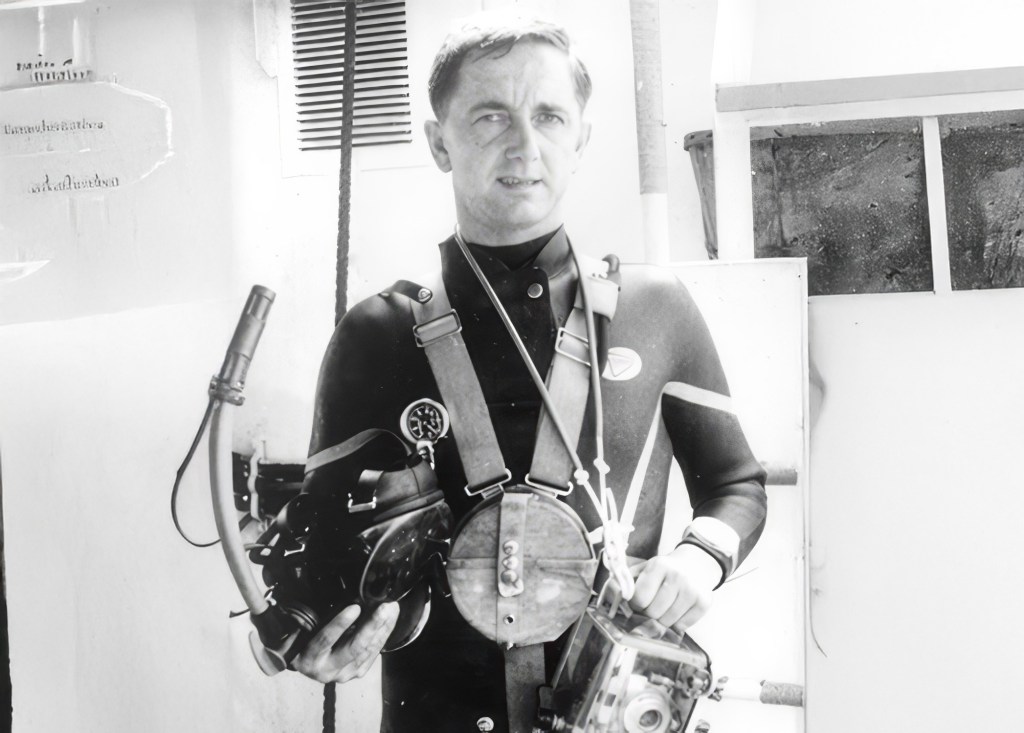
Keller prepares for his May 1961 chamber dive at the United States Navy Experimental Diving Unit (NEDU). Photo: US Navy

Keller and BĂĽhlmann worked collaboratively to expand their computerized concoction of breathing gases, ultimately selecting a dive site off near Avalon Bay at Catalina Island in Southern California. This location was chosen due to its dramatic underwater geography, where the ocean floor descends sharply from the coast into the deep ocean.

At the time, it was widely believed that no human being could safely dive to depths beyond three hundred feet. That was because, beginning at a depth of one hundred feet, a diver breathing normal air starts to lose his mind due to nitrogen narcosis.

Partnering with Peter Small, co-founder of the British Sub Aqua Club, Hannes Keller planned their historic descent using a specially designed diving bell named Atlantis. This advanced pressurized chamber, deployed from a surface support vessel, was staffed by a skilled technical crew tasked with monitoring gas levels and maintaining constant communication with the divers through a surface-to-bell phone link. The Atlantis diving bell represented a significant leap in underwater technology, providing a controlled environment that allowed divers to venture into previously unreachable depths. Its design and operational success revolutionized the field of deep-sea exploration, offering invaluable insights into human physiology under extreme pressure and laying the groundwork for future advancements in underwater science and technology.

Keller’s experimental dives piqued the interest of the U.S. Navy, as they saw the potential to revolutionize diving safety and practicality. If proven successful, Keller’s methods could transform existing dive tables and enable safer, more practical deep-sea exploration. Encouraged by the promising outcomes of Keller’s preliminary chamber tests and several less extreme open-sea trials, the Navy allowed him to perform a test dive at their primary experimental facility, adjacent to the Washington dive school. They also became a financial supporter of Keller’s ambitious thousand-foot dive.

To carefully scrutinize the operation, the Navy designated Dr. Robert Workman, one of their foremost decompression specialists, to be present on site. A few days after reaching Catalina in late November, Dr. Workman joined Dr. BĂĽhlmann, the rest of Keller’s team, and various onlookers aboard Eureka, an experimental offshore drilling vessel provided by Shell Oil Co. Shell, like other oil and gas enterprises, had a vested interest in innovative techniques that could enhance the productivity of commercial divers. If the dive was successful, the company would receive Keller’s secret air mixture technology and thereby become an instant frontrunner in offshore oil exploration. Their interest was particularly relevant as offshore drilling initiatives were venturing into deeper waters, both off the California shore and in the Gulf of Mexico.

Resembling a huge can of soup, Atlantis stood seven feet tall and had a diameter slightly greater than four feet. Its structure featured an access hatch at the bottom and was adorned with an array of protruding pipes and valves, adding to its industrial appearance.

British journalist Peter Small (BSAC)

As a journalist, Peter Small intended to pen a first-hand narrative of the groundbreaking dive. On December 1, as part of a final preparatory dive, Small and Keller were lowered inside Atlantis to a depth of three hundred feet, where they spent an hour scuba diving outside the bell. During the decompression process within the bell, both divers experienced relatively mild symptoms of decompression sickness, commonly known as the bends. Keller felt the effects in his belly, while Small was afflicted in his right arm. Decompression sickness is still a relatively poorly understood phenomenon, and it remains unpredictable as to which part of the body it might affect.

Keller’s symptoms abated on their own that night, but Small’s discomfort lingered until he underwent recompression treatment. Despite this warning sign, Keller was determined to continue with the dive as planned, without conducting further incremental tests at increasing depths before the ambitious thousand-foot descent. His decision was likely influenced, at least in part, by the assembled crowd of journalists and other spectators eager to witness the historic dive. The constraints of time, finances, and equipment availability added to the pressure, compelling the team to proceed with the experimental dive as scheduled.

The diving bell Atlantis is lifted out of the water after Keller and the journalist Peter Small descended 1,020 feet to the Pacific Ocean floor in December 1962.

On Monday, December 3, around noon, Atlantis began its descent beneath the surface of the Pacific, enclosing its two divers within. The journey towards the ocean floor took under thirty minutes. Upon reaching the target depth of a thousand feet, a series of dark and chaotic moments ensued. Keller exited the bell to plant a Swiss flag and an American flag on the ocean floor. In the process, his breathing hoses became entangled with the flags, and after clambering back inside Atlantis, he lost consciousness.

The gas mixture had somehow become compromised. Peter Small also blacked out, despite never having left the diving bell. As Atlantis was hastily ascended to within two hundred feet of the surface, several support divers swam down to meet the bell. Tragically, one of these support divers, Christopher Whittaker, a young man of just nineteen, disappeared without a trace.

Pacific Ocean off Catalina Island (Erik Olsen)

Keller came to roughly a half-hour after the incident, and Small regained consciousness, but it took nearly two hours for him to do so. Upon awakening, Small engaged Keller in coherent questions about what had transpired. He reported feeling cold and, although he retained the ability to speak, see, and hear, he could not feel his legs. Despite not experiencing any pain, he was too weak to stand. Leaning against his Swiss counterpart, he drifted off to sleep as their decompression within the bell continued.

Several hours later, as Atlantis was being transported back to shore to Long Beach from the dive site near Catalina, Keller discovered that Small had ceased breathing and had no pulse. Desperate to revive him, Keller administered mouth-to-mouth resuscitation and cardiac massage, but to no avail. Small was cold and pallid. The remaining pressure inside the bell, about two atmospheres, was hastily released in a frantic effort to get Small to a hospital after being trapped inside Atlantis for eight hours. Tragically, upon arrival, he was promptly pronounced dead.

The Atlantis diving bell (Paul Tzimoulis)

The Los Angeles County coroner identified the cause of death as decompression sickness. An examination revealed that Small’s tissues and organs were filled with Nitrogen gas bubbles. However, Keller contended that other factors, such as a potential heart attack and the panic Small displayed upon reaching the thousand-foot mark, contributed to the tragedy.

Regardless of the underlying causes, the catastrophic dive to thirty atmospheres and the loss of two lives led to a rapid waning of interest in Keller’s previously sensational methods. The potential for failure of this magnitude had been a concern to many in the deep diving community and the day’s events set back research in the emerging field of saturation diving. Even before this event, saturation diving had only tepid support from the Navy, but this made some people loss faith in the technique. Of course, it would not be the end of saturation diving, not by a long shot. 

Hannes Keller in his later years. (Credit: Keller, Esther, Niederglatt, Switzerland)

Modern deep-water diving owes much to the groundbreaking experiments of Hannes Keller. His historic dive to 1,020 feet (311 meters) off Catalina Island was a remarkable achievement that captivated the world. Far from being a mere stunt, as some critics claimed, Keller’s dive was a meticulously planned scientific endeavor designed to push the boundaries of human exploration of the ocean depths. This Swiss adventurer’s pioneering work laid the foundation for advances in deep-sea diving techniques, leaving an enduring legacy in the field.

CALIFORNIA CURATED ART ON ETSY

Purchase stunning art prints of iconic California scenes.
Check out our Etsy store.

Christopher Swann, a diving historian, said the dive “was a milepost in the sense that it was the first time something like that had been done.”

Keller ended up living a rich and long life, dying on December 1, 2022, at at a nursing home in Wallisellen, Switzerland, near his home in Niederglatt. He was 88.