San Clemente Island is Where War Games and Wildlife Coexist

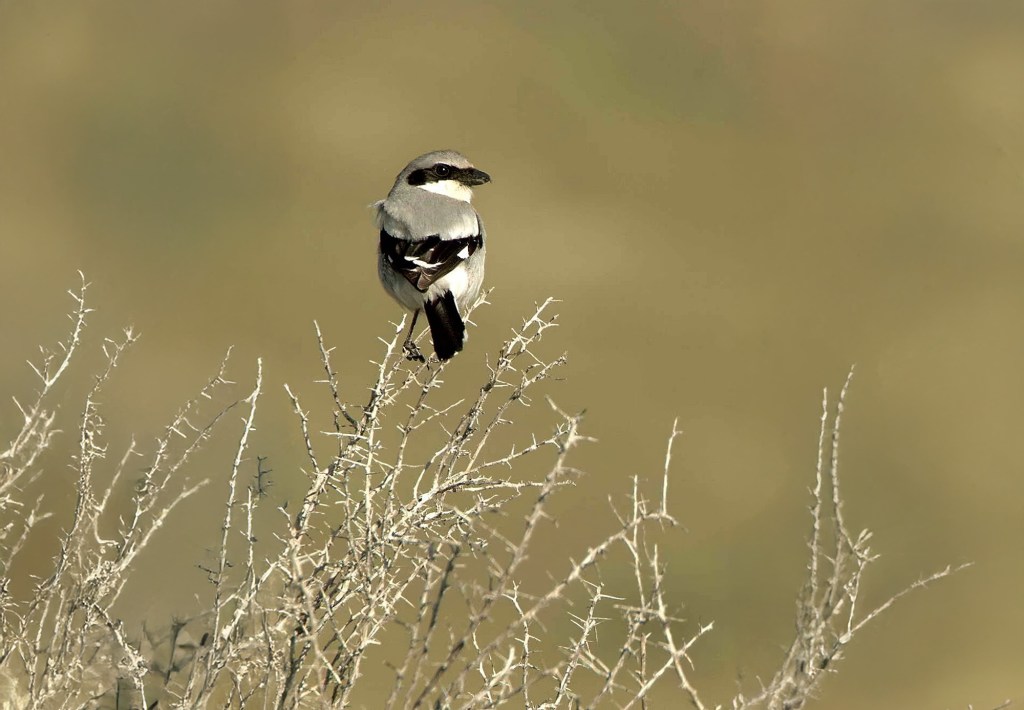
Loggerhead Shrike (Photo: US Fish and Wildlife Service)

A few months ago, I took a fishing trip out to the western side of San Clemente Island. I woke at two in the morning to the rattle of the anchor chain dropping and stepped out onto the deck, expecting darkness all around us. Instead the night was alive with a strange glow. Dozens of squid boats floated offshore, their powerful lights illuminating the water with a bluish, Avatar-like brightness. The lights draw squid toward the surface before the crews scoop them up in nets.

As I knew from earlier research, and from being a long-time California resident, squid are one of California’s top commercial fisheries, a multimillion-dollar industry built around what is known as market squid. They thrive in enormous numbers in the deep waters around the Channel Islands and up toward Santa Barbara, even though the average beachgoer rarely thinks about them. From the rail of the fishing boat I was I could see vast swarms just below the surface.
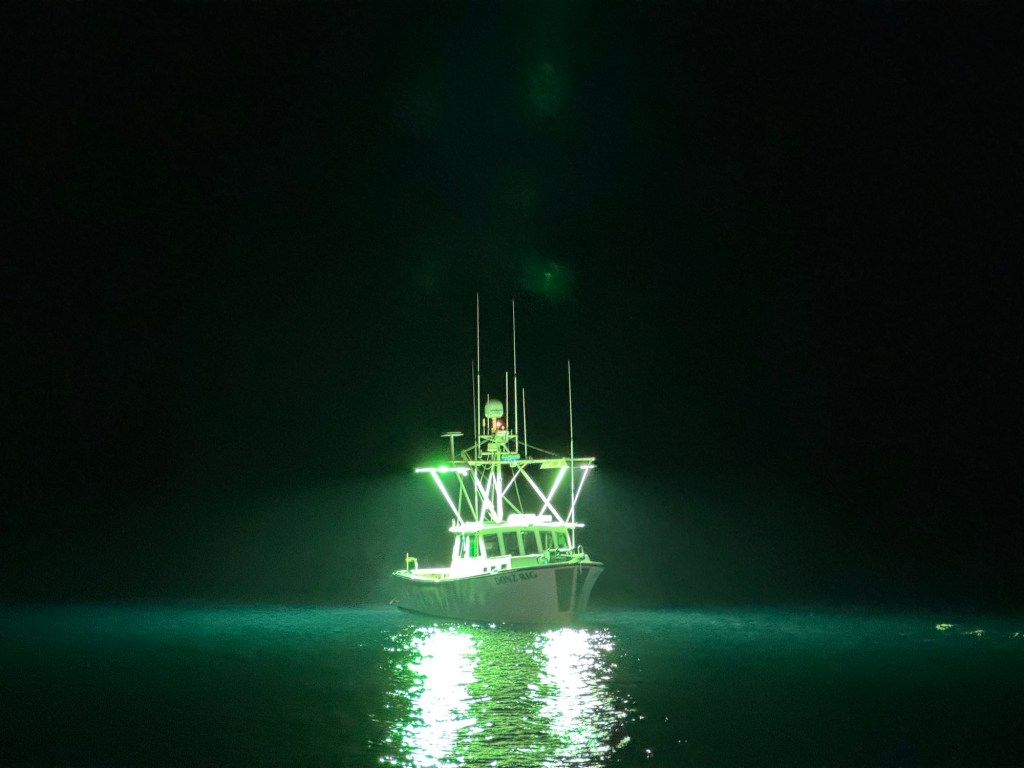
Squid boat off shore San Clemente Island (Photo: Erik Olsen)

When dawn broke, San Clemente Island emerged ahead of us, and I was struck by how stark and empty it looked. In both directions stretched the same raw, rugged coastline, with almost no sign of human presence (there were what appeared to be radio towers on the top of a peak, but no people).

It felt desolate and otherworldly. But the reality is more complicated.

The island is part of the Channel Islands, a chain that trends east to west rather than the usual north–south pattern of most California ranges. The Channel Islands are often called North America’s Galápagos because they support an extraordinary number of species found nowhere else, shaped by the deep isolation that defines island biogeography (we wrote about this earlier).

San Clemente Island (photo: U.S. Navy)

San Clemente is no exception. The island is abundant in wildlife, with its own collection of rare plants and animals. But what makes it stand apart from the other islands is the scale of the military activity just beyond the barren cliffs. The U.S. Navy conducts constant training here, including missile tests, amphibious landings, and live-fire exercises. The island is considered one of the most important training grounds for the United States military, operating around the clock even as endangered species cling to survival in the canyons and plateaus nearby.

San Clemente Island looks like a long volcanic ridge from offshore, but it has been one of the most important and least visible military landscapes in California for almost a century. It is the southernmost of the Channel Islands and has been owned entirely by the U.S. Navy since the late 1930s. Over time it became a central part of Naval Base Coronado, and today its main airfield supports helicopters, jets, drones, and special operations teams that rotate through the island throughout the year.

It all seemed really interesting. I desperately wanted to go ashore, but if I’d tried, I almost certainly would have been arrested.

Live fire training exercises with mortars on San Clemente Island Photo: (Spc. William Franco Espinosa / U.S. Army National Guard)

The island began shaping military history just before World War II. In 1939, naval engineers brought early versions of the Higgins boat to San Clemente Island to test how they handled surf, wind, and timing with naval gunfire. These flat-bottomed landing craft became essential to Allied victories in places like Normandy and Guadalcanal. The island’s rugged shoreline helped the US military refine the tactics behind the amphibious assaults that defined twentieth century warfare.

During the Cold War, San Clemente Island evolved into one of the Navy’s busiest live fire training sites. The waters around Pyramid Cove hosted decommissioned ships used as targets. Carrier air wings practiced bombing runs across the southern plateau. Marine units rehearsed ship-to-shore landings on isolated beaches, while submarines conducted simulated missions under restricted airspace. We did a short video you can watch here.

Few places on the West Coast allowed sea, air, and land forces to operate together with real weapons, and the island’s remoteness made it ideal for rehearsing missions that couldn’t take place near populated coastlines. Yet all of this is happening just about 60 miles offshore from Los Angeles. (It took us about five hours to get back).

Higgins Boat (Photo: US Navy)

Civilian access has always been extremely limited, which is why the island only reaches the news when something unusual happens. One widely reported event occurred in 2023, when a private pilot illegally landed a small plane on the island’s runway and then stole a Navy truck before being detained. He tried again in 2025. This kind of thing underscores how isolated and tightly controlled the installation is. For the most part, the only people who ever set foot on the island are service members using it as a sophisticated, real world training environment.

Oh, and scientists, too.

That’s because the island’s natural history has been studied intensively. Decades ago, ranching introduced goats, sheep, and invasive plants that stripped vegetation from entire hillsides. Feral cats and rats preyed greedily on ground nesting birds, and live fire exercises fragmented habitat. By the 1970s and 1980s, San Clemente Island held one of the highest concentrations of endangered species in California, but everything was under threat.

San Clemente Island looks otherworldly and barren from a fishing boat (Photo: Erik Olsen)

Enter the U.S. Fish and Wildlife Service, which worked with the military to balance military readiness with the legal requirements of the Endangered Species Act. And it’s been, by many measures, a pretty major success.

No species became more symbolic of the struggle to protect the island than the San Clemente loggerhead shrike, a lovely, black masked songbird that lives nowhere else on Earth. By the late 1990s its wild population had fallen to as few as fourteen individuals. The Navy funded a comprehensive recovery effort that included captive breeding, predator removal, and habitat reconstruction, all with the expertise help of the San Diego Zoo Wildlife Alliance. By restoring vegetation and extensive breeding, scientists released shrikes which eventually began to hunt, build territories, and raise their young. The species is now considered one of the most successful island bird recoveries in North America.
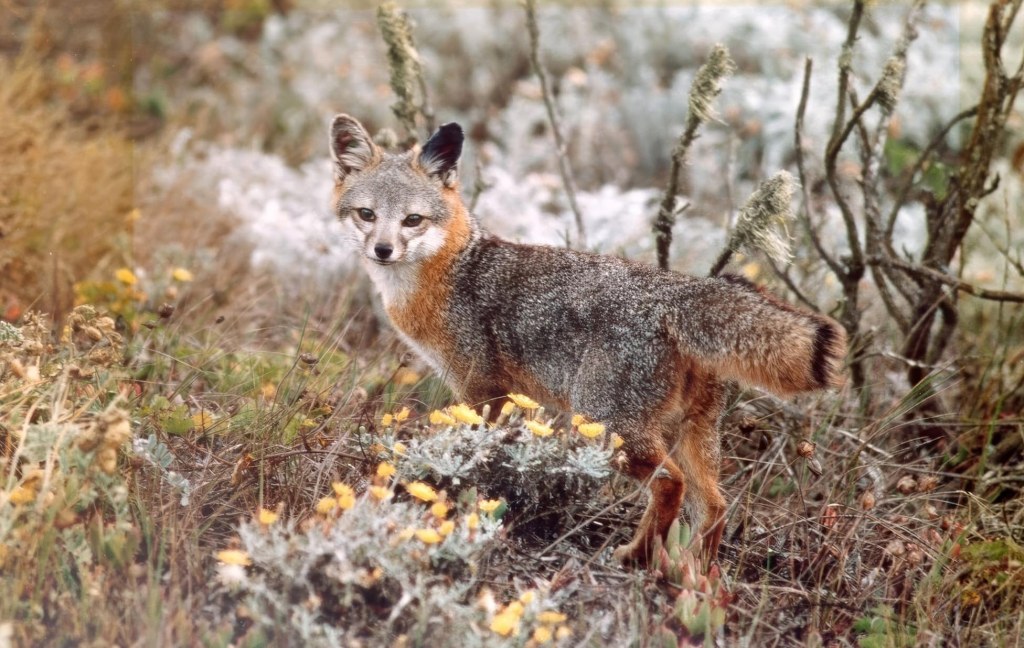
The San Clemente Island fox, once threatened by habitat loss and predation, has rebounded significantly thanks to intensive conservation efforts that stabilized its population and restored its native ecosystem. (Photo: USFWS)

And that wasn’t the only success. Once goats and sheep were removed, native shrubs and herbs began returning to the island. Endemic plants such as the San Clemente Island lotus and San Clemente Island paintbrush, responded quickly once the pressure from grazing disappeared. In 2023, after decades of habitat recovery, the Fish and Wildlife Service announced that five island species were healthy enough to be removed from the endangered species list, a pretty cool milestone that suggested a major ecological turnaround for San Clemente and the Channel Islands as a whole.

San Clemente Island lotus (Photo: USFWS)

Today, San Clemente Island remains one of the most unusual places in California. It is a live fire training range where carrier groups, SEAL teams, and Marines rehearse some of the most complex operations in the Navy. It is also a refuge where rare birds and plants have recovered after hovering near extinction. Conservation biologists and military planners now coordinate schedules, field surveys, and habitat protections to keep both missions intact. There’s an excellent documentary on this recovery effort made by SoCal PBS.

California has become a national leader in restoring damaged ecosystems. And while the state has lost much of its original wildness over the centuries, it also offers some of the most compelling examples of species and habitats recovered from the brink. San Clemente Island is more ecologically stable today than at any point in the past century, and it continues to serve as one of the Navy’s most valuable training grounds.


Get California wildlife gifts at our Etsy store. It helps support us!

California Is a Nobel Powerhouse

You can keep your Oscars, Emmys, Grammys, and Tonys. Take your Pulitzers, Bookers, and Peabodys, too. Even the Pritzker and the Fields Medal don’t quite measure up. For me, nothing competes with the Nobel Prize as a symbol that someone has truly changed the world.

I’m not a scientist, but my mind lives in that space. Science, more than anything else, runs the world and reshapes it. This newsletter was born out of my fascination with how things work and the quiet mechanics behind the visible world and my love for all that California has to offer in the way of innovation and natural beauty. I love standing in front of something familiar and asking: why? how? what exactly is going on here? And nothing satisfies that intense curiosity more than science.

That said, I’ve never loved the word science. It feels cold and sometimes intimidating, as if it applies to people in lab coats and not to everyone else. I kinda wish there were a better word for that spirit of discovery that lives in all of us. Maybe it’s wonder. Maybe curiosity. I dunno. “Science” turns people off sometimes, unfortunately.

Whatever you call it, the Nobel Prize represents the highest acknowledgment of that pursuit. It is the world’s way of saying: this mattered. This changed something. And there are few places (if any) on Earth that can rival California when it comes to the number of people who have earned that honor.

This year, 2025, was no different. Three of the Nobel Prizes announced this week carried California fingerprints, adding to a tradition that stretches back more than a century.

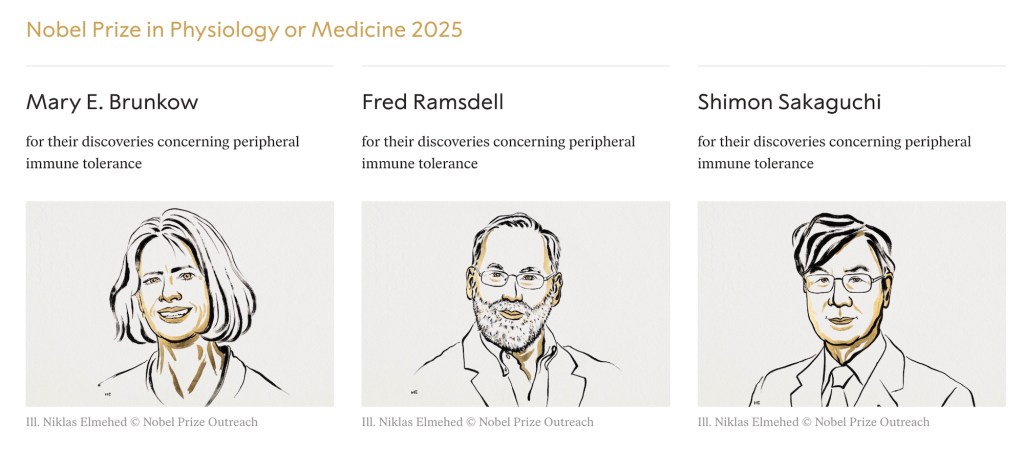
The Nobel Prize in Physiology or Medicine came first. It went to Mary Brunkow, Shimon Sakaguchi, and Fred Ramsdell, the last of whom studied at UCLA and UC San Diego. (In epic California fashion, Ramsdell, who studied at UCLA and UC San Diego, didn’t even learn he’d become a Nobel laureate until after returning from a trip deep into the Wyoming wilderness, where he’d been out of contact with the outside world. What’s more Californian than that?) Their research on regulatory T cells explained how the immune system knows when to attack and when to stand down. Ramsdell’s discovery of a key gene that controls these cells has transformed how scientists think about autoimmune disease and organ transplantation.

Next came the Nobel Prize in Physics, awarded to John Clarke of UC Berkeley, Michel H. Devoret of UC Santa Barbara and Yale, and John M. Martinis of UC Santa Barbara (big shout out to UCSB!). Their award honored pioneering work that revealed how the strange laws of quantum mechanics can be seen in circuits large enough to hold in your hand. Beginning in Clarke’s Berkeley lab in the 1980s, the trio built superconducting loops that behaved like subatomic particles, “tunneling” and flipping between quantum energy states. Those experiments helped create the foundation for today’s quantum computers.

The Chemistry Prize followed a day later, shared by Susumu Kitagawa, Richard Robson, and Omar M. Yaghi of UC Berkeley for discoveries in metal–organic frameworks, or MOFs. These are crystalline materials so porous that a single gram can hold an entire roomful of gas (mind blown). MOFs are now used to capture carbon dioxide, filter water, and even pull drinking water from desert air. Yaghi’s Berkeley lab coined the term “reticular chemistry” to describe this new molecular architecture. His work has become one of California’s most important contributions to the climate sciences.

California Institute of Technology (Photo: Erik Olsen)

Those three announcements in as many days lit up California’s scientific community, has garnered many headlines and carried on a tradition that has made the state one of the world’s most reliable engines of Nobel-level discovery.

The University of California system now counts 74 Nobel Prizes among its faculty and researchers. 23 in physics and 16 in chemistry. Berkeley leads the list, with 26 laureates, followed by UC San Diego, UCLA, UC Santa Barbara, and UC San Francisco. Even smaller campuses, such as UC Riverside, have ties to winners like Barry Barish, who shared the 2017 Nobel in Physics for detecting gravitational waves.

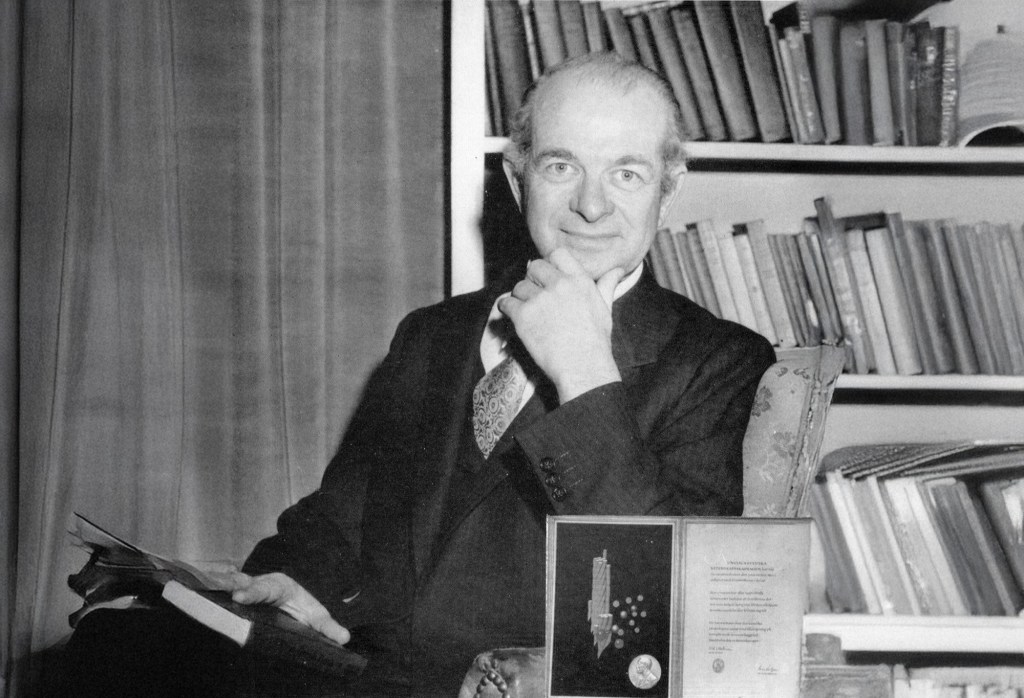
Linus Pauling with an inset of his Nobel Prize in 1955 (Wikipedia – public domain)

Caltech, which I have written about extensively and is quite close to my own home, counts 47 Nobel laureates (faculty, alumni, or postdocs). Its history is the stuff of legend. In 1923, Robert Millikan won for measuring the charge of the electron. In 1954, Linus Pauling received the Chemistry Prize for explaining the nature of the chemical bond. He later won the Peace Prize for his anti-nuclear activism, making him the only person to win two unshared Nobels.

Stanford University sits not far behind, with 36 Nobel winners in its history and about 20 currently active in its community. From the development of transistors and lasers to modern work in medicine and economics, Stanford’s laureates have changed the modern world in ways that is impossible to quantify, but profound in their impact.

These numbers tell a clear story: since the mid-twentieth century, about one in every four Nobel Prizes in the sciences awarded to Americans has gone to researchers based at California institutions, an extraordinary concentration of curiosity, intellect, and ambition within a single state.

University of California Santa Barbara (Photo: Erik Olsen)

California’s Nobel dominance began early. In the 1930s, UC Berkeley’s Ernest Lawrence invented the cyclotron, a device that would transform physics and eventually medicine. Caltech, meanwhile, became a magnet for the world’s brightest physicists and chemists.

Over the decades, California’s universities turned their focus to molecular biology, biochemistry, and genetics. In the 1980s, the state’s physicists and engineers drove advances in lasers, semiconductors, and now, quantum circuits. And as biotechnology rose, San Diego and the Bay Area became ground zero for breakthroughs in medicine and life sciences. One of the great moments in genetics took place in Asilomar on the coast. 

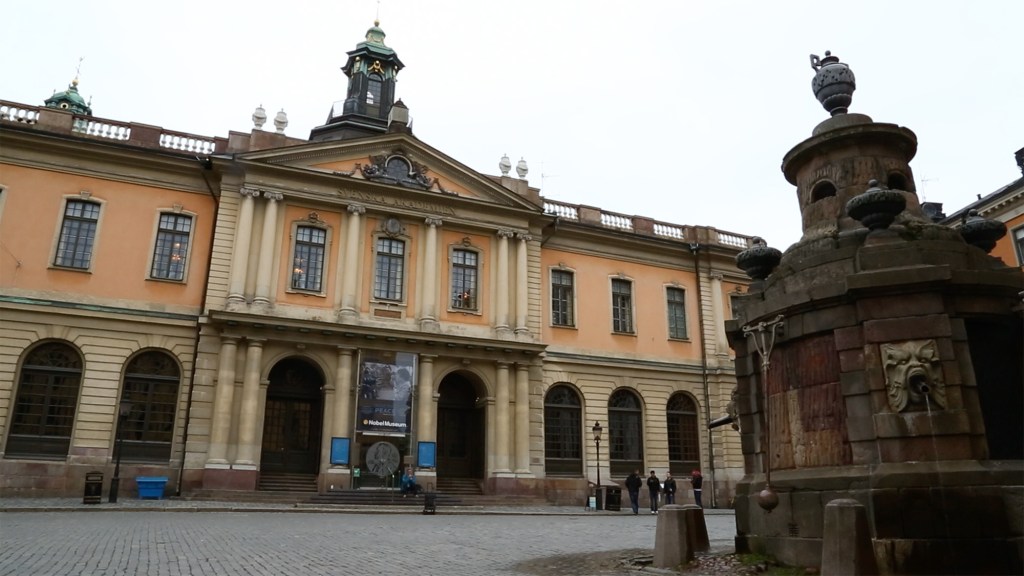
Nobel Museum in Stockholm, Sweden (Photo: Erik Olsen)

This is all about more than geography and climate (although those are a big sell, for sure). California’s research institutions kick ass because they operate as ecosystems rather than islands. Berkeley physicists collaborate with engineers at Stanford. Caltech chemists trade ideas with biotech firms in San Diego. Graduate students drift between labs, startups, and national research centers like Lawrence Livermore and JPL. The boundaries between university and industry blur, with campuses like Stanford turning breakthrough discoveries into thriving commercial ventures (look how many of our big tech brains came out of Stanford). In California, research doesn’t end in the lab, it often turns into companies, technologies, and treatments that generate both knowledge and enormous economic value. Just look at AI today. 

Check out our Etsy store for cool California wildlife swag.

I think the secret is cultural. Over the years, I’ve lived on the East coast for almost two decades, and abroad for several as well, and nothing compares to the California vibe. California has never been afraid of big risks. Its scientists are encouraged to chase questions that might take decades to answer (see our recent story on just this idea). There’s an openness to uncertainty here that works well in the natural sciences, but can also be found in Hollywood, Silicon Valley and, of course, space exploration. 

When next year’s round of early morning calls comes from Stockholm, it is a good bet that someone in California will pick up. Maybe a physicist in Pasadena, a chemist in Berkeley, or a physician in La Jolla. Maybe they’ll pick up the phone in bed, maybe a text from a spouse while camping, or on a morning jog. That’s when a Swedish-accented voice tells them that the world has just caught up to what they’ve been quietly building for years.

California’s Dark-Eyed Juncos Are Quietly Evolving in Plain Sight

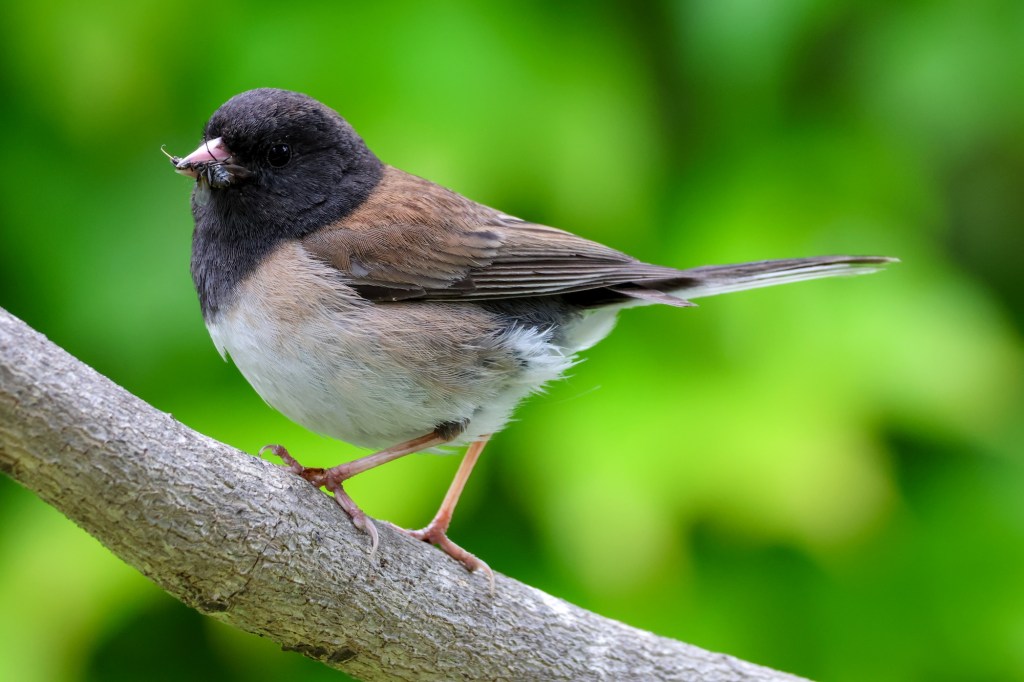
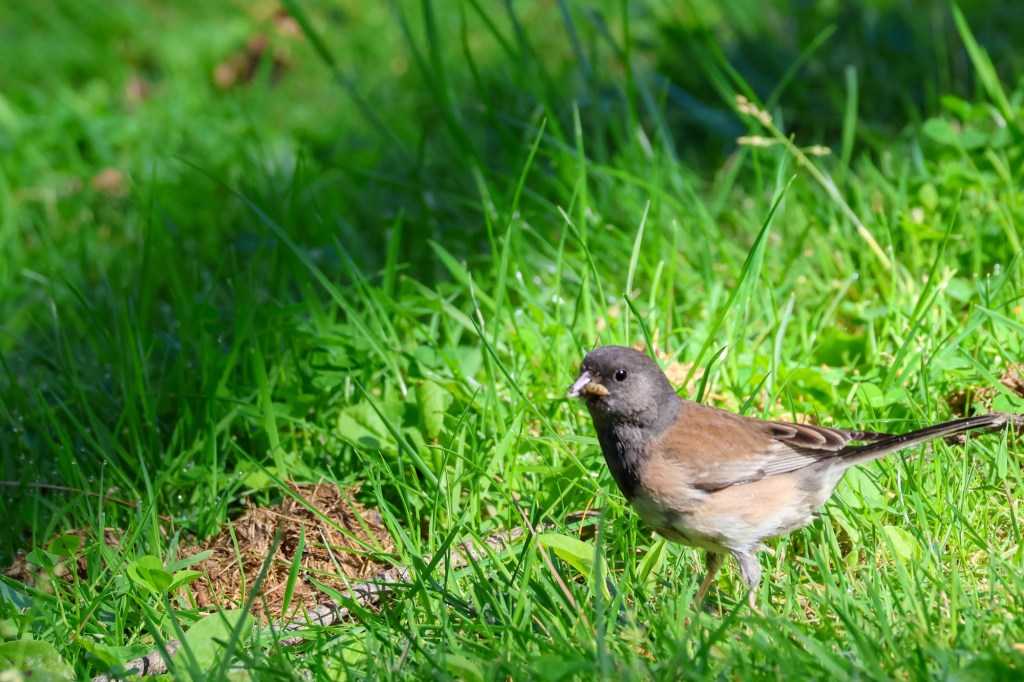
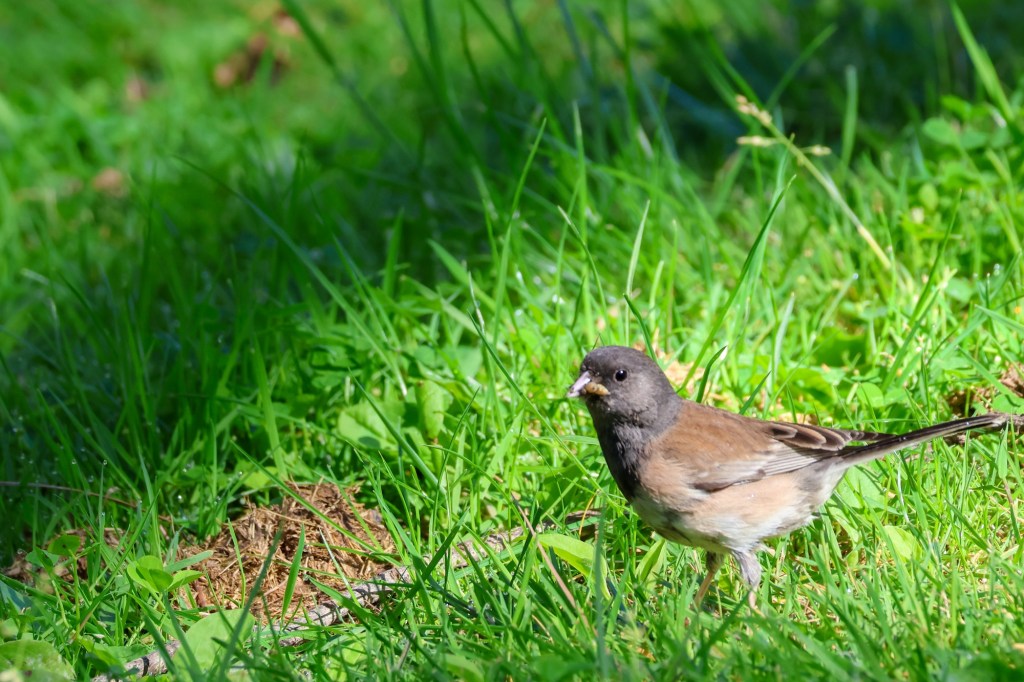
Dark-eyed junco in Southern California (Photo: Alex Fu)

When we step outside and see wildlife, we often think of it as unchanging. A bird on a branch, a crab in a tide pool, a lizard skittering across a sidewalk. It feels timeless. But in truth, these animals are evolving, slowly and steadily, right in front of us. As climates become more unpredictable, habitats shift, food sources change, and nature adapts. This is especially true in our cities. Built over just the past few centuries, these sprawling human environments are reshaping the natural world and pushing wildlife to adjust in new and often surprising ways.

As California’s cities have expanded and encroached upon natural landscapes, it turns out the state’s wildlife is adapting in fascinating ways. Studying these changes is central to urban evolution, or how species adapt over time, both genetically and behaviorally, to the unique pressures of city life. From coyotes navigating traffic to birds adjusting their songs to be heard over city noise, urban evolution reveals how nature is not just surviving in cities, but evolving with them. Darwin believed natural selection was too slow to observe in real time, but today we know evolution can happen rapidly, sometimes within just a few generations.

Thanks for reading California Curated Newsletter! Subscribe for free to receive new posts and support my work.

Dark-eyed junco in Southern California (Photo: Alex Fu)

One cool example of urban evolution in California is the story of the dark-eyed junco (Junco hyemalis), a small songbird traditionally found in mountainous forests that is now thriving in urban environments like San Diego and Los Angeles. If you’re a birder or simply someone who enjoys watching the wildlife in your backyard, you’ve almost certainly seen them. Dark-eyed juncos are small songbirds with distinctive dark heads, often spotted hopping around on the ground rather than perching at feeders. I see them all the time, pecking at the spilled seeds beneath my feeder (or, I should say feeders, as I have several…nerd alert!). It turns out they’re classic ground foragers, evolved to search for food by scratching through leaf litter or snow, uncovering seeds, insects, and other hidden bits.

Recent research has revealed that dark-eyed juncos are evolving in direct response to urban life. Traditionally migratory, these birds once spent summers breeding in cool mountain forests and winters at lower elevations. But in the early 1980s, a group of juncos broke from that pattern and settled year-round on the campus of UC San Diego. There, researchers began documenting striking behavioral shifts. The urban juncos were bolder, less fearful of humans, and had even altered their mating and nesting habits. These changes, observed over just a few decades, offer a vivid example of how quickly species can adapt to city environments, a real-time case study in urban evolution unfolding in human-shaped habitats.

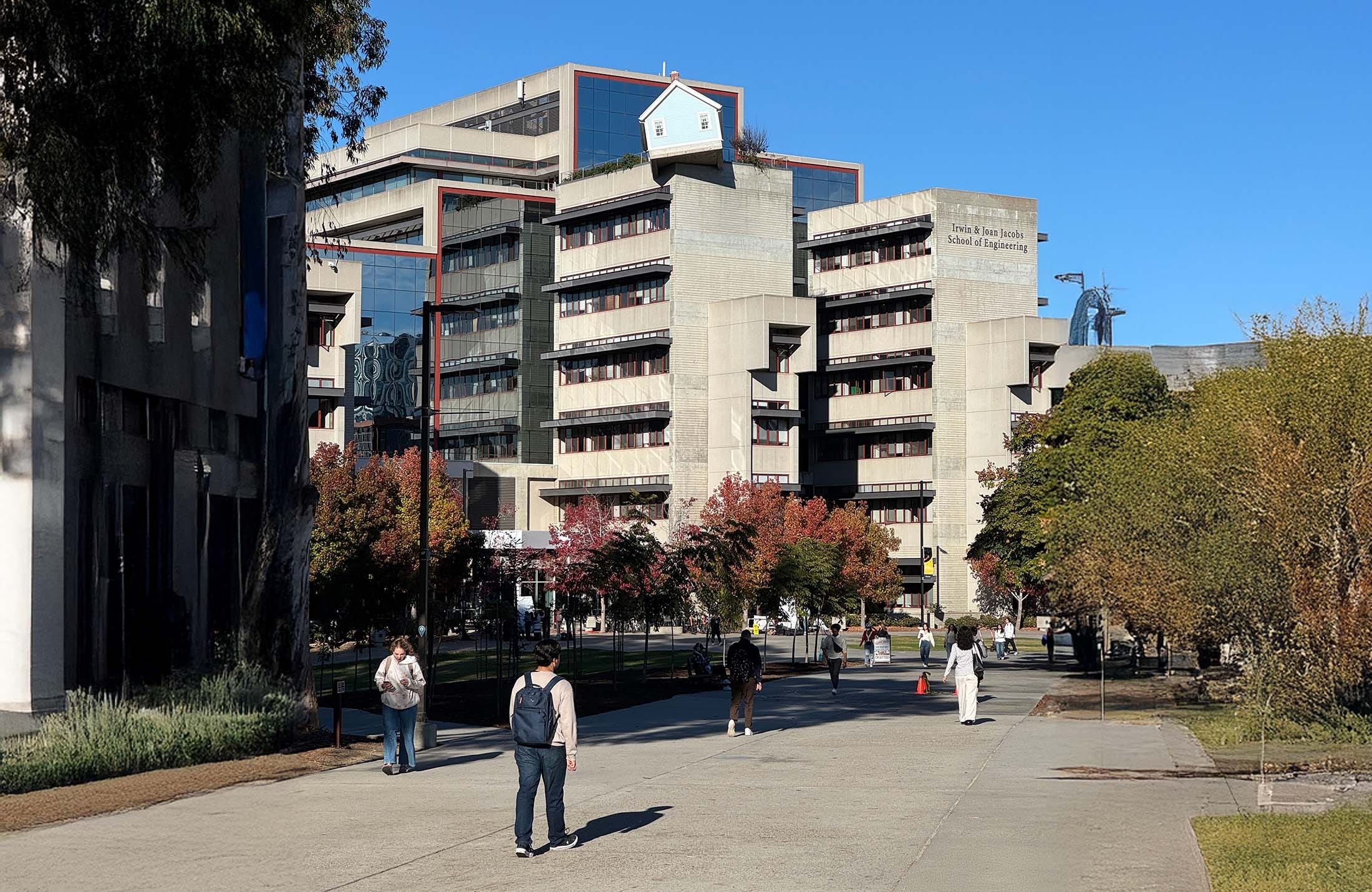
University of California San Diego (Photo: Erik Olsen)

Similarly, at the University of California, Los Angeles (UCLA), a junco population has been thriving for decades, with numbers reaching approximately 300. This long-term success has provided the Yeh Lab at UCLA with a unique opportunity to study how urban environments influence the evolution and behavior of these adaptable songbirds. Their research sheds light on how juncos have adjusted to city life, offering broader insights into wildlife resilience in human-altered habitats.

“It’s impressive how rapidly these vertebrate species can evolve. In a matter of a handful of years, we can find some pretty significant changes,” Pamela Yeh, an associate professor in ecology and evolutionary biology at UCLA, told California Curated. Yeh studied the junco population at UC San Diego when she was an undergraduate student there and wanted to expand the research to the population at UCLA. Studying the two different populations may offer insights into how species evolve in urban environments.

“We want to know, does a city make you evolve?” asks Yeh. “Do the different cities make you evolve similarly? Do the birds all become smaller? Do they all become bigger? Do they all have different-sized beaks? Or is each city unique?”

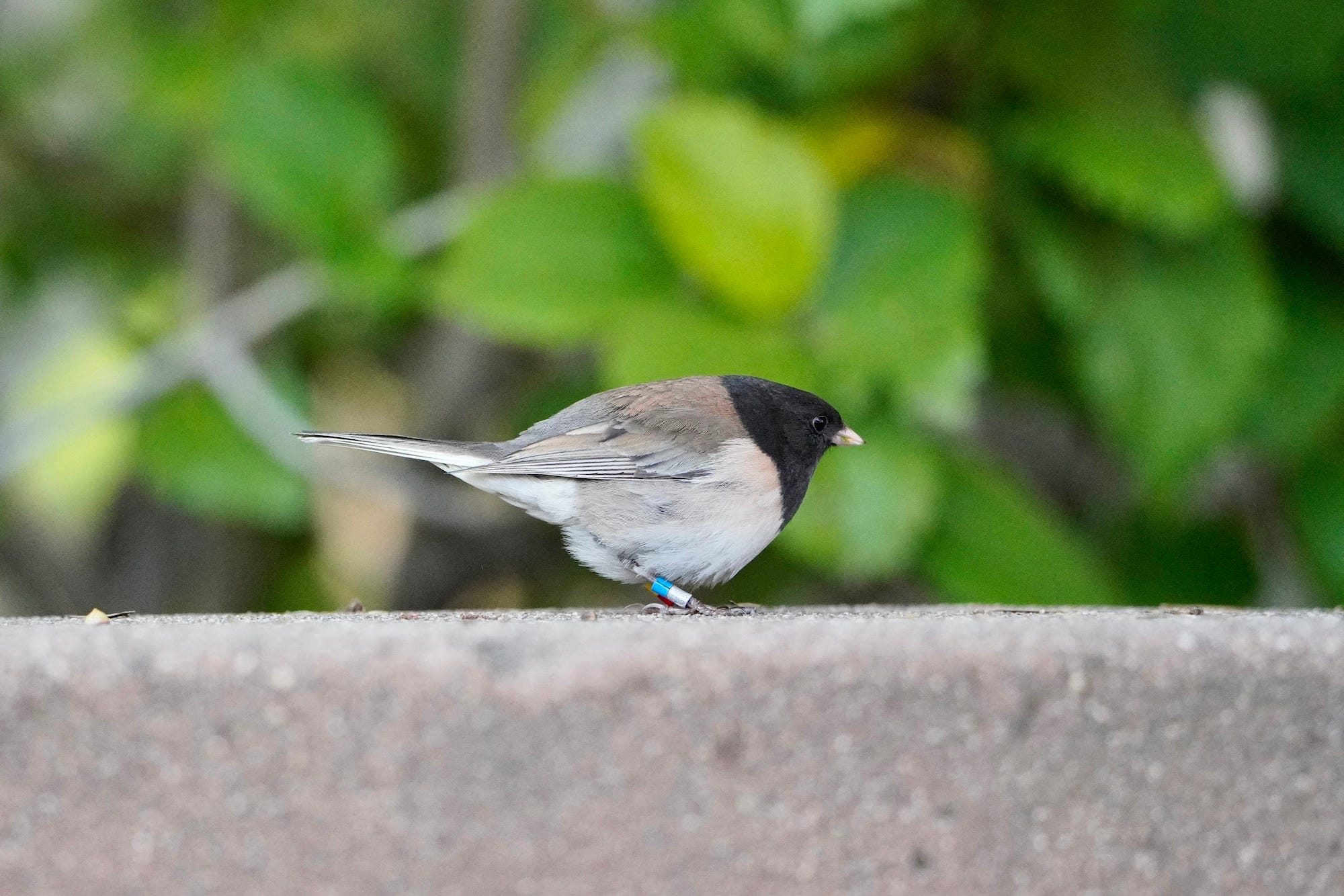
Dark-eyed junco at UCLA (Photo: Sierra Glassman)

With decades of data, the work echoes the groundbreaking research of Princeton scientists Peter and Rosemary Grant, whose studies of Galápagos finches transformed our understanding of how swiftly natural selection can operate. Now, the junco studies are taking that idea further, showing evolution unfolding not on remote islands, but in the heart of our cities.

“I think it’s now really considered a model vertebrate system for urban evolution,” says Yeh.

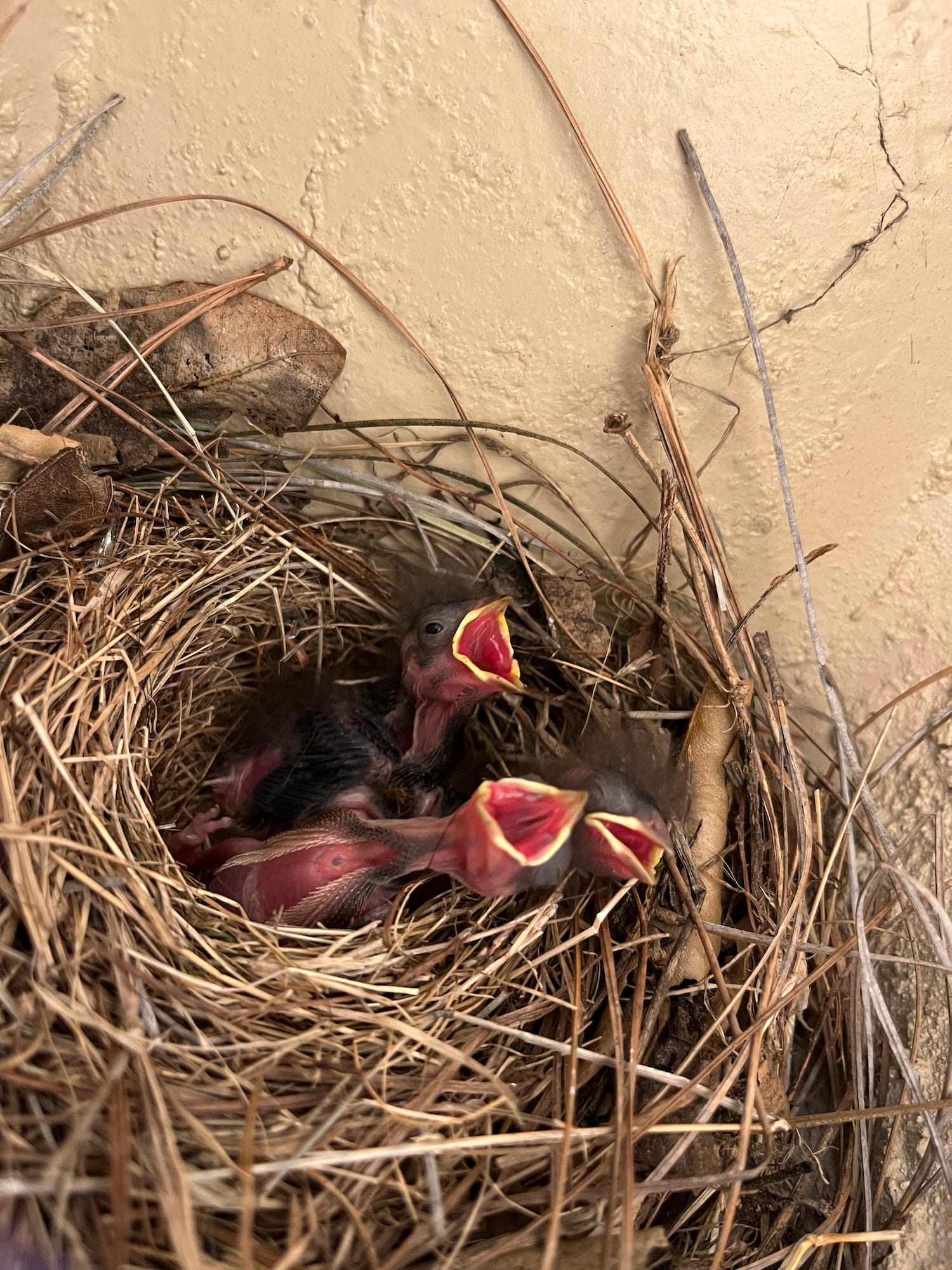
In their natural forest environments, juncos breed in response to the changing seasons, triggered by increasing daylight hours and rising temperatures. But in urban areas like those around UCSD and UCLA, where food is plentiful year-round, juncos have begun breeding earlier than normal and throughout the year. They build nests higher off the ground, often on artificial structures, and have increased the number of clutches per breeding season. The availability of artificial light, abundant food from human sources, and fewer natural predators in the city all play roles in these behavioral shifts.

Yeh believes it’s no accident that junco populations have surged on college campuses in recent decades. In fact, she sees it as a direct response to the unique conditions these urban environments provide.

“We think it is is partially that [urban university environments] mimic the natural environment, which is a mix of meadows and tall trees. But the other thing that we think could be important is the irrigation in grassy areas that allow the juncos, even when it’s extremely hot, there are still small insects and worms to grab and feed their offspring.”

One of the most striking adaptations among urban juncos is their behavioral shift in regards to people. Unlike their shy mountain counterparts, urban juncos are much more tolerant of human presence. This is not only a matter of convenience; it’s a survival mechanism. In the city, humans are not a threat, and urban birds need to capitalize on the resources provided by their proximity to people. Their lack of fear “allows them to keep eating even when we walk by,” says Yeh.

Dark-eyed junco in Southern California (Photo: Alex Fu)

Studying junco evolution isn’t just a scientific curiosity. It has real conservation stakes. Things haven’t been looking good for birds. An October 2019 study published in Science by the Cornell Lab of Ornithology revealed that North America has lost nearly 3 billion birds over the past 50 years, with dark-eyed juncos alone declining by 168 million. Yet their ability to adapt to urban life suggests they may have the evolutionary tools needed to weather these dramatic changes.

Beyond behavior, there are physical differences between urban and rural populations of dark-eyed juncos. Urban juncos, for example, developed duller black plumage on their heads and showed reduced white markings in their tail feathers. Yeh and her team have also documented that the wings of urban juncos are smaller, an adaptation likely driven by the demands of maneuvering through a dense, built environment rather than long-distance flight.

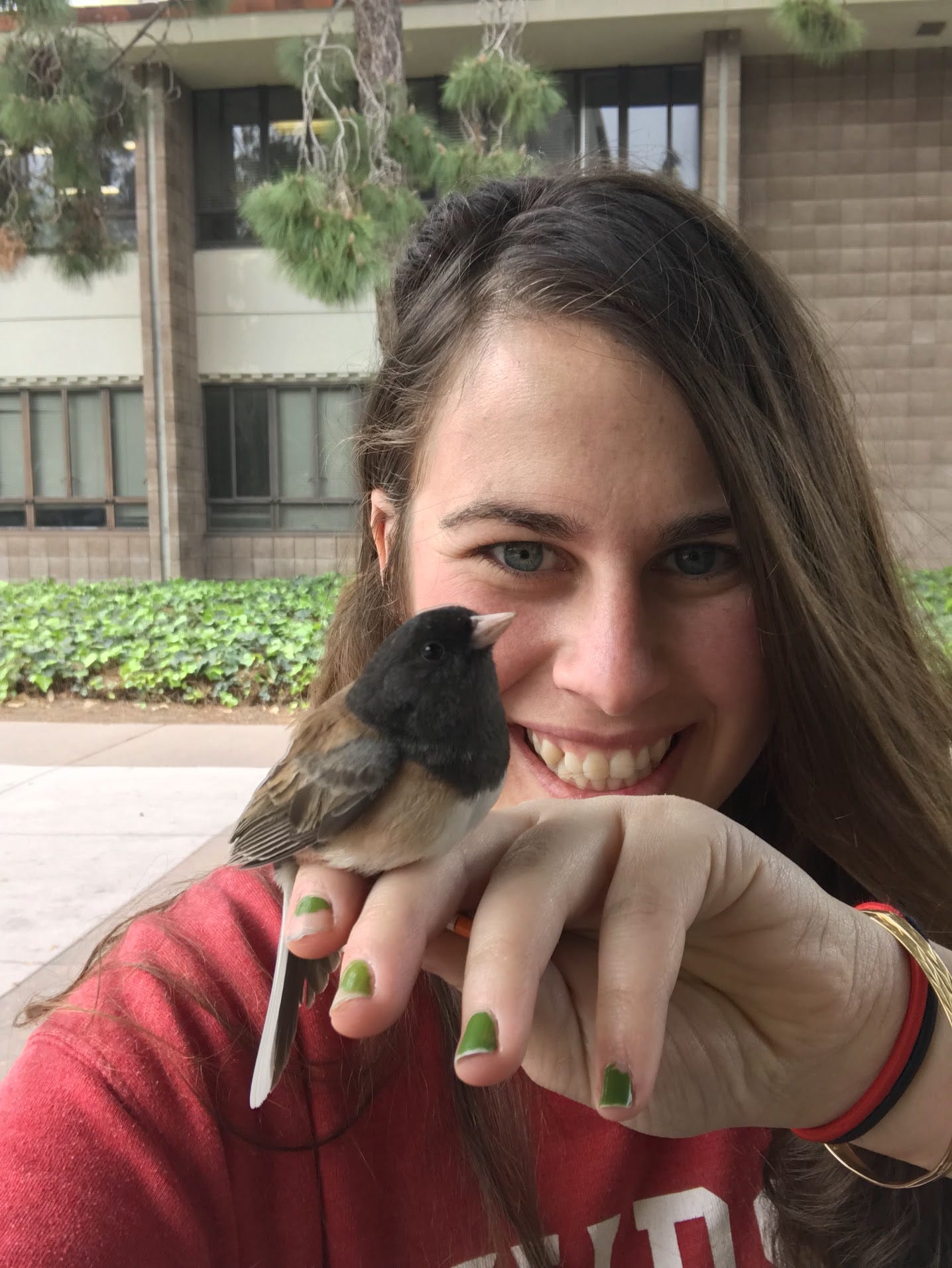
Ellie Diamant, currently a Ph.D. candidate in the Department of Ecology and Evolutionary Biology at UCLA in the Yeh Lab, holding a dark-eyed junco. (Photo: Ellie Diamant)

“Juncos historically were migratory birds. The ones that live in the mountains still are. But in the urban environments, we see them year-round,” says Dr. Ellie Diamant, Visiting Assistant Professor at Bard College. “So the benefits are gone for the longer-distance flight, but there seems to be more benefit for these short wings.” Diamant completed her Ph.D. in the Department of Ecology and Evolutionary Biology at UCLA in the Yeh Lab.

The dark-eyed junco is just one example of the broader phenomenon of urban evolution, where species adjust to the challenges and opportunities posed by city life. In California, this phenomenon extends beyond birds. Coyotes, for example, have become fixtures in cities like Los Angeles, adapting to scavenge food from human waste. Coastal animals like sea lions and pelicans have also made urban waterfronts their home, thriving amid the bustle of human activity. Similarly, the Western Fence Lizard has swiftly adapted to life in an urbanized environment.

Junco hatchlings at UCLA. (Photo: Sierra Glassman)

In his book Darwin Comes to Town, Dutch evolutionary biologist Menno Schilthuizen highlights the junco as an exemplar of rapid evolution in urban settings, but it also goes much further, documenting how our manmade environments are accelerating and changing the evolution of the animals and plants around us. Of course, it’s not all good news. Not by a long shot.

Studies published in Evolutionary Applications, underscore that urbanization is a double-edged sword, offering opportunities for adaptation but also introducing serious threats. In Los Angeles, for instance, the fragmentation of habitat by highways has led to the deaths of countless animals, a problem now being tackled through the construction of wildlife bridges like the Wallis Annenberg Wildlife Crossing opening in 2026, designed to reconnect critical migration routes.

Wallis Annenberg Wildlife Crossing currently under construction (Photo: State of California)

The dark-eyed junco’s ability to adapt to city life is both encouraging and a bit sobering. It shows how some wildlife can adjust and find ways to thrive even as human development spreads. But it also reflects the growing pressure we’re putting on natural ecosystems. In other words, it’s not all good, and it’s not all bad. As scientists dig deeper into urban ecology in California and elsewhere, the junco stands out as a clear example of how life shifts and changes in response to the world we’re shaping.

For those of us who live in cities, the juncos flitting through parks, pecking in our yards, and hopping across college campuses offer a chance to see evolution happening right in front of us. Nature isn’t some distant thing beyond the city limits. It’s here, threaded into the daily patterns of urban life.