The Desert Garden at The Huntington is a Sanctuary for Succulents and a Battleground Against Poaching

Golden Barrel cacti in the Desert Garden at The Huntington Library, Art Museum and Botanical Gardens (Erik Olsen)

Plant theft, especially of rare and exotic succulents, has become a significant concern for botanical gardens, nurseries, and natural landscapes worldwide. The growing popularity of these visually striking, low-maintenance plants among collectors and hobbyists has fueled a thriving black market, now worth billions of dollars globally.

From private collections to protected areas, thieves target rare, endangered, or difficult-to-cultivate species, undermining conservation efforts and threatening the survival of these plants in the wild. The scale of this problem is vast; between 2016 and 2020, the illegal global trade in protected plant species was valued at $9.3 billion, nearly five times higher than the value of the illicit animal trade, according to the 2022 World Wildlife Trade Report by the Convention on International Trade in Endangered Species (CITES).

The Huntington Library, Art Museum and Botanical Gardens in San Marino

The Huntington Library, Art Museum and Botanical Gardens in San Marino, California, is one of the institutions on the front lines of this battle against plant theft. The Desert Garden at The Huntington is a place of exquisite charm…if weather permits and the temperatures are below 90 degrees. Spanning over 10 acres, the garden is one of the oldest and largest collections of cacti and succulents in the world, with over 2,000 species on display. Established in 1919 by Henry E. Huntington, it showcases a diverse array of plants from arid regions around the world, including unique specimens from North and South America, Africa, and Madagascar.

CALIFORNIA CURATED ON ETSY

Purchase stunning art prints of iconic California scenes.
Check out our Etsy store.

The Desert Garden at The Huntington features a stunning variety of succulents from arid regions around the world, some of which are rarely seen outside their natural habitats. This expansive collection includes towering cacti, like the iconic saguaro and golden barrel, alongside unique agaves and aloe plants with their spiky rosettes. Smaller, intricate species like Echeveria and Crassula provide a contrast with their colorful, fleshy leaves, ranging from deep greens to vibrant reds. The garden’s layout showcases the amazingly diverse shapes, textures, and growth habits of these hardy plants, creating a landscape that highlights the beauty and adaptability of desert flora. It is a succulent lover’s paradise. Trust me, I’m one of them.

At the upper end of the desert garden, a greenhouse shelters around 3,000 vulnerable succulents that are highly sensitive to excessive water or freezing temperatures. Some of these plants are too small and delicate to compete with more robust species in the outdoor environment. Even larger specimens, like the impressive Astrophytum ornatum, remain fragile despite their size, requiring careful protection to thrive.

Unfortunately, the stunning array of succulent plants in the garden attracts not only those captivated by the diverse and resilient forms these hardy plants can take but also those who seek to add them to their private collections or profit in their illicit trade.

Succulent plants (Sedum rubrotinctum) at The Huntington Library, Art Museum and Botanical Gardens (Erik Olsen)

Succulent theft has become a growing concern both at The Huntington and across California and the world, fueled by the global demand for these visually striking and low-maintenance plants. Between 2016 and 2020, the illegal global trade in protected plant species was valued at $9.3 billion, approximately five times higher than the value of the illicit animal trade, according to the 2022 World Wildlife Trade Report by the Convention on International Trade in Endangered Species.

The report emphasizes that plant poaching is a growing concern that leads to the loss of species, with many threatened or becoming extinct in the wild. Botanic gardens, as repositories for rare and endangered plant species, are uniquely positioned to combat this problem through various means, including raising public awareness, research, and collaboration with law enforcement and other stakeholders.

In response to a series of plant thefts from the Desert Garden in 2021, The Huntington created signage that calls attention to the crime. Photo by Linnea Stephan. | © The Huntington Library, Art Museum, and Botanical Gardens.

The Huntington’s Desert Garden, with its rare and mature specimens, is particularly vulnerable to thieves who recognize the high market value of certain succulents. Theft at the garden has been an ongoing problem, with criminals targeting species that are rare, endangered, or difficult to cultivate. Such thefts not only undermine the conservation efforts of botanical gardens but also pose a threat to the survival of these plants in the wild.

“People don’t think of it as theft when they’re just taking a little piece here or there,” says John Trager, The Huntington’s Bernie and Miyako Storch Curator of the Desert Garden and Collections. “But it’s most annoying, of course, when they take an entire plant, dig it out of the ground. Sometimes those are not that easy to replace.”

Blue echeveria, Echeveria secunda. (Erik Olsen)

Trager reported that the garden recently suffered a significant theft involving a species of succulent called echeveria, a large genus of flowering plants from the Crassulaceae family, native to the semi-desert regions of Central America, Mexico, and northwestern South America. The Huntington had three documented specimens, each with known provenance, making them especially valuable for scientific research. Two of the three specimens were stolen.

“When the second one was taken, we’re left with a lone individual that can’t be self-pollinated and with no chance of being able to propagate that documented collection for perpetuity,” laments Trager.

Nationally, and particularly in California, succulent theft has reached alarming levels in recent years. California’s native dudleya plants have been especially targeted by poachers, who uproot them from coastal cliffs and wilderness areas to sell them on the black market, often overseas. In 2018, California law enforcement agencies seized over 3,500 succulent plants from poachers bound for Asia, where they can fetch high prices among collectors and gardening enthusiasts.

Aloe bussei in the Desert Garden at the The Huntington Library, Art Museum and Botanical Gardens (Erik Olsen)

The illegal succulent trade is now estimated to be worth millions of dollars annually, with plants like Dudleya farinosa (also known as bluff lettuce) selling for as much as $100 each or more, depending on their size and rarity, and poachers often harvest them by the truckload. The damage caused by the theft of these plants may seem modest compared to the illegal wildlife trade in animals, but the impact is devastating.

Wild succulent plants have a special cachet in Asia. “It’s like having a Fendi bag on Rodeo Drive,” a California game warden told a student journalist. “A dudleya farinosa from the wild bluffs of Mendocino, California, especially a five-headed one, is apparently a super cool thing to have.”

More than 65 species and subspecies of Dudleya can be found from Southern Oregon to the southern tip of Baja California, including the Channel Islands and Baja California Islands, the Sierra Nevada and Santa Monica Mountains, and parts of Arizona and Utah. Poaching operations often involve stripping entire landscapes, leaving behind ecological damage that can take decades to repair.

California wildlife officer Pat Freeling replants a Dudleya in Mendocino County, CA
(Travis VanZant/California Department of Fish and Wildlife via AP)

“When you start removing them from the ecosystem, the cascading effects are potentially really significant,” Jared Margulies, an assistant professor at the University of Alabama who studies the illicit succulent trade told Vox.

The environmental damage caused by succulent poaching has become so severe that, in September 2021, California enacted a law prohibiting the harvesting of dudleya from the wild without explicit permission from the landowner or a proper permit. Violating this law is considered a misdemeanor and can result in a prison sentence of up to six months and fines reaching as high as $500,000. But enforcement remains a challenge due to the remote locations where thefts often occur.

Desert Garden at The Huntington Library, Art Museum and Botanical Gardens (Erik Olsen)

To combat this growing threat, The Huntington has implemented a range of measures. The garden’s extensive security protocols include increased surveillance, patrolling guards, and staff vigilance around particularly vulnerable plants. But The Huntington has also taken a more innovative approach by launching a facility dedicated to propagating and selling plants recovered from theft sting operations. This facility operates in partnership with law enforcement and conservation agencies to recover stolen plants and reintroduce them to legal, sustainable markets. The recovered plants, after undergoing health checks and quarantine periods to prevent the spread of pests and diseases, are propagated in controlled environments to ensure their survival and genetic diversity.

Succulent plants available to buy at the annual Cactus and Succulent Show and Sale.
Photo by Sandy Masuo. | © The Huntington Library, Art Museum, and Botanical Gardens.

The Huntington’s unique program, known as International Succulent Introductions (ISI), is designed to encourage the conservation and cultivation of rare and unusual succulents from across the globe. Founded in 1958 at the UC Botanical Garden at Berkeley, the ISI was taken over by the Huntington in 1989, where it has been steadily expanding ever since. The ISI aims to reduce the demand for wild-collected plants by offering collectors, researchers, and enthusiasts an opportunity to acquire ethically propagated succulents.

“The purpose is to distribute new and interesting plants to collectors, institutions, researchers, et cetera, anyone who’s interested,” says Trager. “A lot of them are increasingly endangered, so there’s a conservation component, but we’re interested in both wild species and horticultural entities. So both of them are within our purview.”

The Covid pandemic led to a rise in interest in indoor gardening and houseplants, including succulents, as people spent more time at home and looked for ways to enhance their living spaces and alleviate stress. Succulents, known for their low-maintenance care and unique aesthetic appeal, became particularly popular. The existence of the ISI allowed many people to collect unusual varieties not available at their local nurseries.

“The ISI is fairly unique,” says Trager. “It’s the only plant introduction program of any botanic garden that exclusively focuses on succulent plants.”

Visitors walk through the Desert Garden at The Huntington Library, Art Museum and Botanical Gardens (Erik Olsen)

Each year, the ISI introduces a carefully curated selection of plants, including both new species and cultivated varieties, all grown at The Huntington’s facilities. They offer about 30 plants through mail order each year via an online catalog. The remaining plants are then sold to visitors at the annual Cactus and Succulent Show and Sale, which took place this June at the Huntington. This initiative not only provides access to rare specimens but also supports conservation efforts by raising awareness about the risks of poaching and habitat destruction. The proceeds from the sale of these plants are reinvested into further conservation work, research, and education, making ISI a vital component in the global effort to protect succulent diversity.

Trager points out that since the program moved to the Huntington, the garden has distributed over 1,480 species and cultivars, totaling approximately 74,000 plants. Given that many of these plants are endangered, the program functions as a kind of Noah’s Ark, protecting these rare species and helping to ensure their survival for the future.

By using recovered plants to promote sustainability and education, The Huntington sets a powerful example in the fight against illegal succulent trade. This effort highlights the vital role botanical gardens play in conserving plant diversity while celebrating the stunning beauty and intricate wonder of desert flora, inspiring visitors to cherish and protect these unique organisms.

Buy us a cup of coffee?

Lots of work goes into writing California Curated. We’d appreciate it!

The Mighty Oaks of California Are a Keystone of the Golden State’s Ecosystem

Oak trees hold a profound presence in the landscape of California, constituting a living link between the state’s rich biodiversity and cultural history. Approximately 20 species of oak trees have been recorded in California, each playing a vital role in the ecosystem and making these trees an essential part of the state’s natural landscape.

Among the most significant species are the Coast Live Oak, the Valley Oak, the Blue Oak, and the California Black Oak. The Coast Live Oak, resilient against the salty sea breeze, thrives along California’s coastal regions. The Valley Oak, a symbol of endurance, dominates the fertile inner valleys, while the Blue Oak’s blue-green foliage characterizes the hot, dry foothills of the Sierra Nevada and Coast Ranges. Meanwhile, the California Black Oak, found primarily in mountain regions, is appreciated for its vibrant autumnal foliage and acorns, an essential food source for various wildlife. (Most oak species, particularly those in California, tend to have evergreen foliage or don’t exhibit the same dramatic autumn color change as the black oak.)

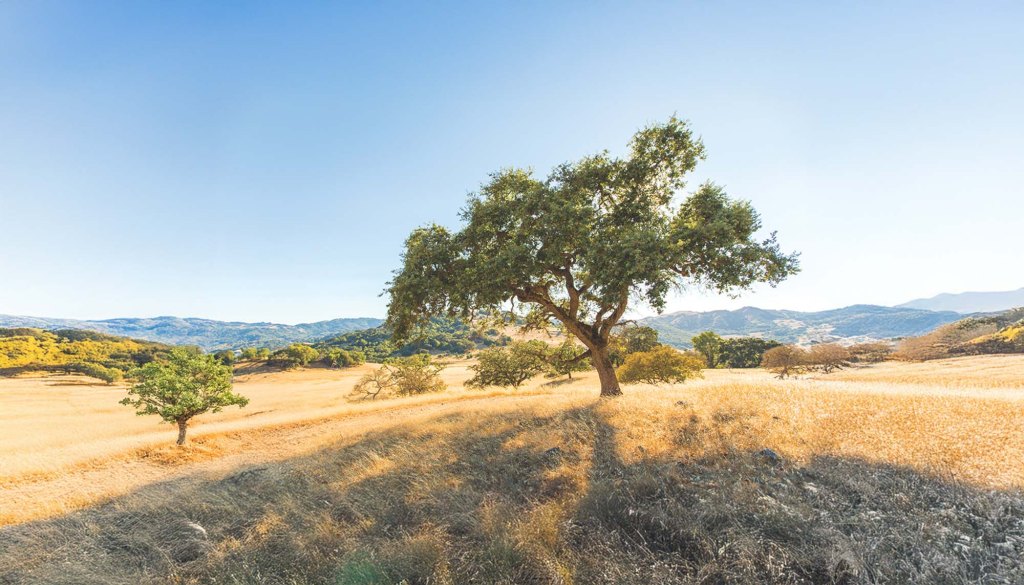
Oak tree in Descanso Gardens in La Cañada Flintridge

Oaks in California boast a rich history that dates back millions of years, with fossil records suggesting their presence since the Miocene epoch. This rich lineage is intertwined with the tree’s biological traits, with each species evolving to inhabit specific ecosystems. As a result, oak trees have managed to extend their reach across the state’s diverse terrain, from the sun-bathed coasts to the crisp mountain ranges. Whether deciduous or evergreen – with most species in California being the latter – oaks have a remarkable ability to withstand the dry summer months as well as the occasional harsh winter. This resilience can be attributed to their deep root systems and hardy leaves, allowing them to survive and thrive in the region’s unique climate.

Oak Tree in California

Genetics plays a huge role as well: Oaks have a robust genetic makeup that equips them with resilience against various environmental stresses. A study published in the journal “Nature Plants” in 2020, led by researchers at the University of California, Davis, revealed that the genome of the oak tree contains a rich diversity of genes involved in resistance to diseases and stresses. This genetic diversity allows oaks to adapt and survive in different environments and against various threats.

One of the most intriguing findings from the study is the presence of duplicated genes in the oak genome. These gene duplications have occurred over millions of years and are associated with enhanced disease resistance, essentially they get more than the regular protection. This genetic diversity allows oak trees to adapt to various threats, such as pests and pathogens, over time. The study also suggests that these somatic mutations—genetic changes that occur in the cells over the tree’s lifetime—are heritable, contributing to the ongoing evolution of the species and its capacity to survive in changing environments.

Oaks are also remarkably adept at withstanding environmental stresses such as drought, extreme temperatures, and poor soil conditions. Research in forest ecology, including studies published in journals like Trees and Forest Ecosystems, has shown that oaks’ physiological adaptability to different environmental conditions is a crucial factor in their long lifespan. These studies highlight how oaks exhibit significant plasticity in their physiological traits, allowing them to adjust to varying levels of water availability, temperature, and other environmental factors.

California oaks are not just a testament to natural resilience; they are an ecosystem unto themselves. They are the cornerstone of a vibrant biodiversity that encompasses hundreds of animal species. The trees provide shelter and serve as breeding habitats for various animals, from squirrels and deer to a myriad of bird species. The acorn, in particular, play a vital role as a food source. Insects, too, have carved out an existence around the oaks, with some species laying their eggs within the tree’s bark.

This intrinsic connection between the oaks and the animal kingdom extends to humans as well. Historical records show that indigenous tribes in the region used acorns as a staple food. In modern times, the strength and durability of oak wood have made it a preferred choice for construction and furniture-making. Oak is also used in the production of high-quality wine barrels, lending its unique character to the Californian wine industry. The top fifty most expensive wines in the world are oak-aged in some way.

The oak trees of California are renowned for their impressive size and longevity. The Valley Oak, the largest of California’s native oaks, can reach over 100 feet in height and live for several centuries. These grand trees also contribute significantly to carbon sequestration. A mature oak has the capacity to absorb up to 50 pounds of CO2 annually, thus helping mitigate climate change while improving air quality. A mature oak forest can store up to 50% more carbon than an equally-sized forest of other trees.

Despite their remarkable resilience, oaks in California face a myriad of challenges. Threats stem from habitat loss, climate change, and diseases such as Sudden Oak Death. Urban development often comes at the expense of oak woodlands, while shifts in climate patterns pose potential risks to the growth and distribution of oaks.

Coast Live Oak (Erik Olsen)

Conservation efforts to protect California’s majestic oaks have become increasingly critical in recent years, shaped by a heightened understanding of the tree’s ecological significance and the mounting threats they face. Various local, state, and federal entities, as well as numerous non-profit organizations, have joined forces in these endeavors, harnessing a broad array of strategies to ensure the survival and thriving of California’s oaks. The Oak Woodlands Conservation Act is a key legislative effort, providing funding to conserve oak habitats. Additionally, various organizations, such as the California Oak Foundation, run planting and restoration projects, as well as research initiatives to combat threats like Sudden Oak Death and climate change.

One of the primary conservation strategies involves the protection of oak habitats, specifically oak woodlands. These regions are often hotspots of biodiversity, and their preservation is crucial for the health of many interconnected species, including oaks themselves. For example, the Oak Woodlands Conservation Act, mentioned above and enacted by the state of California, provides funding to acquire oak woodland habitats for conservation purposes, ensuring these areas remain untouched by urban development or agriculture.

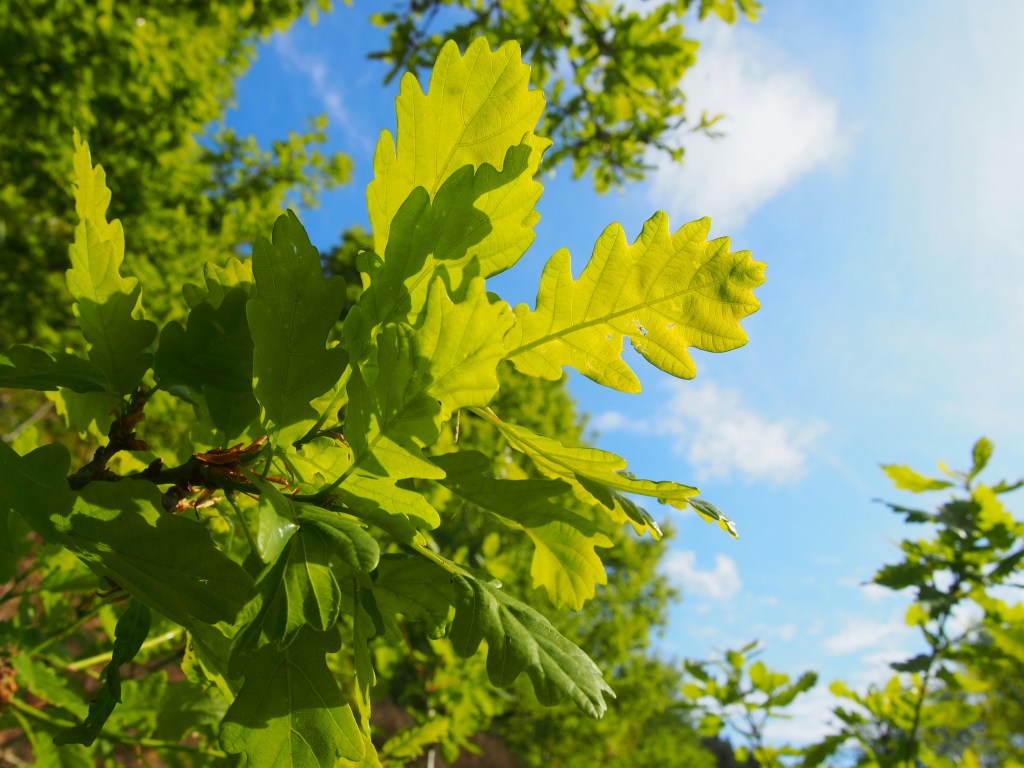
Leaves of California Black Oak

In addition to the legal protection of existing oak habitats, restoration projects are an important aspect of conservation efforts. These projects involve the replanting of oaks in areas where they have been lost due to disease, development, or other causes. The California Oak Foundation runs regular planting programs, involving local communities in the process to raise awareness about the importance of oaks and fostering a sense of responsibility for their protection.

Research also plays a vital role in oak conservation. Scientists are continually studying the threats faced by oaks, including diseases like Sudden Oak Death, and developing ways to mitigate them. They are also exploring the potential impacts of climate change on California’s oaks, seeking strategies to bolster their resilience against rising temperatures and shifting weather patterns. This research informs management strategies and policy-making, ensuring conservation efforts are based on the best available science.

Charlie Day, via Flickr

By fostering a deeper connection between the people of California and their native oaks, these initiatives cultivate a broader culture of conservation that can help ensure the survival of these majestic trees for generations to come. The collective aim of these diverse conservation strategies is not merely the survival, but the flourishing of California’s oaks, securing their rightful place in the state’s rich and dynamic ecosystems.

Giants Fallen: The Destruction of Converse Basin Grove and its Giant Sequoias

The true tragic story of one of the worst environmental crimes in California history.

The stump of a Giant Sequoia at Converse Grove in California. (Photo: National Park Service)

“A story of greed and mass destruction of a mighty forest.”

California has faced its share of environmental calamities. We’ve experienced wildfires that have denuded the landscape, destroying valuable forests and homes, and taking human lives. Oil spills have soiled coastlines and killed wildlife. But of all the great environmental crimes the state has faced, perhaps few rank as high as the destruction of Converse Basin Grove in the late 1800s. And yet very few people have ever heard of it.  

Located in the southern part of the Sierra Nevada Mountains east of Fresno, just outside Kings Canyon National Park, Converse Basin Grove spans over 6,000 acres and 700 feet of elevation. The basin was once home to the densest and most majestic expanse of Giant Sequoia (Sequoiadendron giganteum) on the planet. This remarkable concentration of trees was largely due to the basin’s unique combination of geological and climatic conditions.

The grove’s deep, well-draining granitic soils provided a stable foundation for sequoia growth, allowing their extensive root systems to spread and access water efficiently. Additionally, the region’s position in the Sierra Nevada ensured a steady supply of moisture from winter snowfall, which melted slowly into the summer, maintaining the soil’s hydration even during dry months. Sequoias also depend on periodic low-intensity wildfires, which clear competing vegetation, release seeds from their cones, and create the mineral-rich soil conditions necessary for seedlings to establish. This natural fire cycle once maintained the grove’s density, fostering the exceptional concentration of ancient trees that once dominated area.

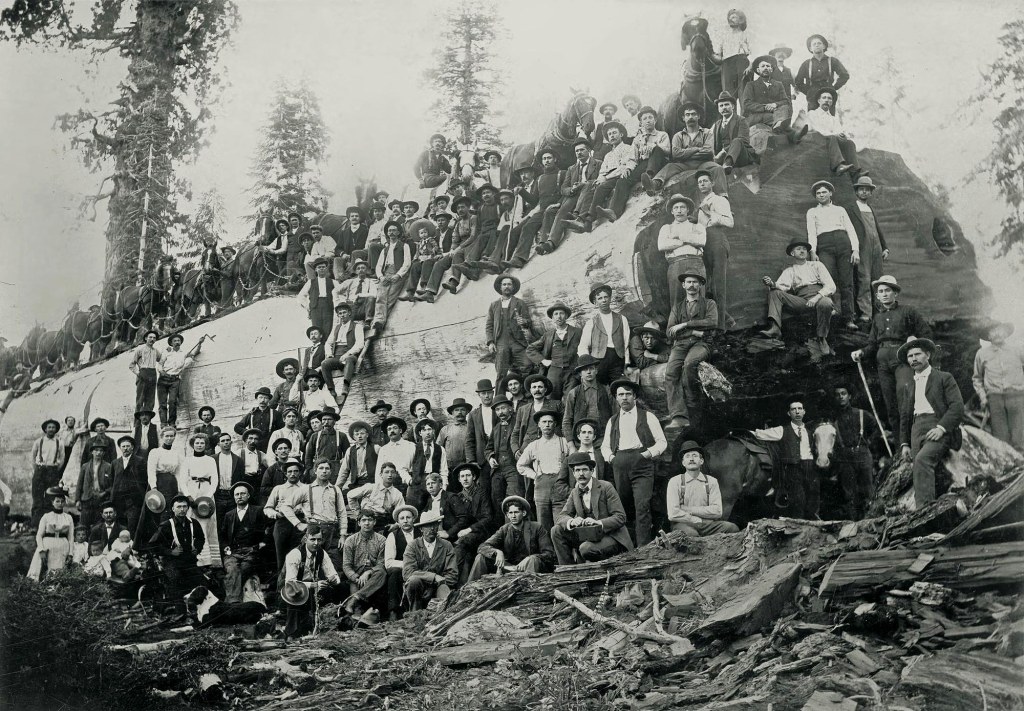
Loggers and a team of horses pose on a fallen sequoia 26 feet in diameter. Converse Grove, California 1917. (Wikipedia)

Between 1892–1918, the Sanger Lumber Company logged the grove using ruinous clearcutting practices, and cut down 8,000 giant sequoias, some of them over 2000 years old, in a decade-long event that has been described as “the greatest orgy of destructive lumbering in the history of the world.” Only 60-100 large specimens survived.

CALIFORNIA CURATED ON ETSY

Purchase stunning art prints of iconic California scenes.
Check out our Etsy store.

Currently, the most expansive remaining sequoia domain is the Giant Forest in Sequoia National Park, which has an estimated 8,400 giant sequoia trees that are more than one foot in diameter at their bases. The park is home to the world’s biggest tree, the General Sherman

(See our feature on the biology behind the immense size of redwoods and sequoias here.)

General Sherman Tree (Photo: Erik Olsen)

So how did this happen? The Converse Basin grove’s discovery in the late 19th century coincided with a burgeoning demand for lumber in the wake of California’s Gold Rush and subsequent population boom, particularly in San Francisco. A huge portion of early San Francisco was built using redwood. In fact, redwood was the dominant building material in much of 19th-century California, and San Francisco was practically a redwood city.

This demand drew the attention of loggers to the massive potential of sequoias. In particular, the Kings River Lumber Company, which secured this coveted area through both lawful and dubious means shortly after its incorporation in 1888. This marked the first instance of industrial-scale logging targeting the Sierra redwoods, a venture that required substantial initial investment due to the challenges of building a mill in the mountains and the engineering marvel needed to transport the colossal timber to lower elevations.

The 54-mile-long flume, or log conveyor, from Converse Basic Grove to the town of Sanger, about 20 miles from Fresno.
(Photo: National Park Service)

To get the logs to mills from the High Sierra Mountains the SF-based company constructed a 54-mile-long flume, or log conveyor, from Converse Basic Grove to the town of Sanger, about 20 miles from Fresno. This giant wooden waterslide, balanced on trestles along steep canyon sides, allowed lumber to be swiftly transported to the nearest train station, some 60 miles away, in just half a day. Upon reaching the station in Sanger, a town that proudly proclaimed itself the “Flumeopolis of the West,” the lumber was dried, finished and prepared for rail transport to markets across California.

Fun fact: the massive flume later inspired modern amusement park log rides like the Timber Mountain Log Ride at Knotts Berry Farm in Southern California.

High trestle under construction on the Sanger Flume 1905. (Public Domain)

But how did this happen in the first place?

Rugged terrain and unnavigable streams had protected these big trees for decades. That it became possible to log so many magnificent trees in such a hard-to-reach place was due to the passage of one of the most unintentionally destructive environmental laws ever passed in the United States.

In 1878, the United States Congress enacted the Timber and Stone Act to promote the private ownership of timberland and support the logging industry. This legislation permitted individuals to claim federal lands in the Sierra Nevada mountains, acquiring individual parcels of 160 acres for a nominal fee if they simply filed a claim.  Like other land laws of the era, it was also designed to encourage westward expansion by making it easier for settlers and speculators to acquire and develop land in the American West.

Stacks of lumber with workers at Converse Basin (Public Domain)

Prior to this legislation, there was no legal framework allowing individuals to purchase timberland directly from the government specifically for logging purposes, as opposed to agricultural use. However, following the enactment of the law in 1878, it became possible to acquire nonarable, nonmineral public lands at a minimal cost of $2.50 per acre. To claim these 160-acre parcels, the claimant only needed to attest that their intention was to utilize the land for practical, non-speculative purposes, excluding any plans for resale or contractual transfer to another entity.

This enabled the easy transfer of vast expanses of land from the government to lumber companies, which commonly enlisted and compensated individuals to file claims on their behalf. Among these companies was the Kings River Lumber Company, which acquired some of the lands legally, but also got its hands on vast acreages using dubious and illegal tactics that took place right under the noses of government regulators. 

Converse Basin Panorama from 1900. (Photo: National Park Service)

The Timber and Stone Act required buyers to use the land for personal, non-speculative purposes, but the company circumvented these restrictions by using a practice known as “dummying.” In this scheme, the lumber company recruited individuals to act as stand-ins or “dummies” to file claims on parcels of the Converse Basin under the pretense that these claims were for personal use. After securing the claims, these individuals would then transfer the parcels to the Kings River Lumber Company, often for a profit. This allowed the company to amass large areas of prime sequoia forest, much of which was still old-growth timber, under dubious legal pretenses.

Lumber production began in Converse Basin in 1891, launching with 20 million board feet of timber flowing down the flume. But the company had been created through the issuance of massive debt, and the company was under pressure to increase output to become profitable. However, the flume frequently required costly repairs. In 1895, following an unsuccessful reorganization attempt, the firm was taken over by creditors and renamed Sanger Lumber. The new management pushed for maximum production, extending the narrow-gauge railroad deeper into the basin and constructing a new sawmill in 1897.

Cut end of tree showing welded crosscut saws. (Photo: National Park Service)

During its operation, Sanger Lumber was responsible for the felling of approximately eight thousand mature sequoias within the 5,000-acre Converse Basin, leaving only one giant standing. At the northern edge of the grove, overlooking Kings Canyon, loggers spared a single large tree, now among the world’s ten largest, and named it after their foreman, Frank Boole. The Boole Tree still stands today. It is the eighth tallest sequoia in the world and ranks No. 1 in base circumference, at 112 feet. Estimated to be more than 2,000 years old, the behemoth is the largest tree in America’s national forests, but it stands less as a monument to the grandeur of the trees themselves than as a testament to human avarice and recklessness. 

The operation peaked in 1903 with a production of 191 million board feet, employing up to seven hundred men. However, the process was notoriously unsafe and wasteful. Decades later, the superintendent of Sequoia National Park noted the profound damage and inefficiency of the logging, with many fallen trunks left unprocessed, free to decompose over time.

Logging, Converse Basin, near Boole Tree. (Photo: National Park Service)

The entire operation ended without profit, leading to the sale of the company in 1905 and the eventual destruction of the Converse Basin mill. What followed was a period of secondary logging, akin to scavenging, that persisted into the 1910s. In a Harpers’ essay titled The Last Stand of the Redwoods, the Yale English professor Henry Seidel Canby wrote that a visit to the basin evoked a deep sense of melancholy, describing what he saw as “a vast and lonely cemetery”.

By 1905, after depleting the majestic stand of trees without turning a profit, a Michigan lumberman acquired the operation and shifted focus to a lower-elevation, mixed-species forest. The remaining structures at Converse Basin were deliberately burned, and logging continued on a smaller scale, resembling scavenging more than harvesting.

In 1935, the U.S. government repurchased the ravaged land for fifteen dollars per acre, incorporating it into what is now the Giant Sequoia National Monument. This area, marked by fields of blackened stumps and surrounded by new growth, stands as a public testament to the historic exploitation and a somber reminder of the past.

Converse Basin Grove today (Wikipedia)

The devastation of Converse Basin helped to catalyze the conservation movement in the early 20th century. Galvanized by the widespread destruction of such majestic trees, naturalists and conservationists, led by figures like John Muir, began to advocate more vehemently for the protection of natural landscapes. Their efforts were instrumental in the establishment of national parks and protected areas, ensuring that other groves and natural habitats were spared from the fate of Converse Basin.

Today, most remaining sequoia groves are publicly owned and managed for conservation purposes. Giant sequoia forests have faced extensive fire exclusion over the past century and suffer from the lack of frequent low-intensity fires that are necessary for giant sequoia reproduction. The long-term trend of Sierra snowpack reduction, in combination with warmer temperatures and widespread fir, pine, and cedar tree mortality from drought and pests, is greatly increasing the risk of severe fire and threatening the giant sequoia ecosystem. 

U.S. Forest Service wildland firefighters protect Giant Sequoia tree during the Castle Fire in August 2020.
(Photo: US Forest Service)

The 2020 Castle Fire, part of the larger SQF Complex Fire in California, was particularly devastating for the giant sequoia population. Estimates suggest that approximately 7,500 to 10,600 mature giant sequoias were killed by this fire, which represents 10-14% of the total population. These numbers underscore the severe impact of intense wildfires on these ancient trees, which are typically resilient to fire but have been increasingly vulnerable due to factors like drought and climate change. This event has highlighted the need for new strategies in forest management and fire prevention to protect these iconic trees.

Today, the area, with its fields of blackened stumps encircled by new growth, stands as a testament to both the destructive power of industrial logging and the fragility and resilience of nature.

The Mystical Sentinels of the Mojave: Unraveling the Secrets of the Joshua Tree

Standing tall against the backdrop of the sun-scorched Mojave Desert, the Joshua Tree (Yucca brevifolia) is an emblematic figure of resilience and beauty. With its twisted, bristled limbs reaching towards the sky, this iconic species is not just a tree but a symbol of the untamed wilderness that is California’s desert landscape.

The Joshua Tree’s biology is as unique as its silhouette. It’s often considered to be a member of the Agavaceae family (along with agaves), more closely related to the asparagus than to other trees. This desert dweller is an arborescent, or tree-like, species of yucca, characterized by its stout, shaggy trunk and a crown of spiky leaves. Unlike most trees, the Joshua Tree doesn’t have growth rings, making it difficult to determine their age. However, these trees can live for hundreds of years, with some ancient sentinels estimated to be over a millennium old. The tallest trees reach about 15 m (49 ft). New plants can grow from seed, but in some populations, new stems grow from underground rhizomes that spread out around the parent tree.

Joshua Tree National Park (Erik Olsen)

The Joshua tree is also known as izote de desierto (Spanish for “desert dagger”). It was first formally described in the botanical literature as Yucca brevifolia by George Engelmann in 1871 as part of the famous Geological Exploration of the 100th meridian (or “Wheeler Survey“).

The moniker “Joshua tree” is believed to originate from Mormon pioneers traversing the expanses of the Mojave Desert around the mid-1800s. They found the tree’s distinctive shape—with its limbs persistently outstretched—reminiscent of the biblical tale where Joshua extends his hands for a prolonged period, assisting the Israelites in their capture of Canaan, as recounted in the Book of Joshua. The tree’s tangled leaves also contributed to this image, giving it the semblance of a beard.

Nevertheless, this charming story lacks direct historical evidence from the period and the name “Joshua tree” doesn’t appear in records until after the Mormons had already settled in the area. Interestingly, the tree’s unique form may bear a stronger resemblance to narratives associated with Moses rather than Joshua. The absence of contemporary accounts leaves the true origin of the name enshrouded in the mystery of the past, adding to the tree’s allure and the folklore of the American West.

Joshua Trees burned in the 2020 Dome fire. (Photo: Erik Olsen)

The habitat of the Joshua Tree is as unforgiving as it is beautiful. They are found primarily in the Mojave Desert, the highest and coldest desert in the United States. These trees have adapted to the extremes, flourishing at elevations between 2,000 and 6,000 feet where the temperatures can plummet below freezing at night and soar during the day.

One of the most fascinating aspects of the Joshua Tree is its symbiotic relationship with the yucca moth. In a marvelous evolutionary dance, the moth is the tree’s sole pollinator, and in turn, the tree provides the moth a place to lay its eggs. This mutualistic relationship underscores the delicate balance of desert ecosystems.

Joshua Tree National Park was established as a national monument in 1936 and later upgraded to a national park in 1994, largely to protect the distinctive Joshua Trees and the unique desert ecosystem they epitomize. The effort to safeguard this landscape was driven by citizens and supporters who were passionate about the conservation of its otherworldly terrain and the diverse life forms that inhabit it.

Despite their hardy appearance, Joshua Trees harbor secrets that are only now being fully understood by scientists. Their root systems, for instance, can extend vertically to 30 feet and horizontally to 36 feet, a testament to their search for water in arid soils. Moreover, these trees are a keystone species, providing critical habitat for a host of desert organisms, from the Scott’s Oriole that nests in its branches to the black-tailed jackrabbit seeking shade under its canopy.

Joshua Trees burned in the 2020 Dome Fire (Photo: Erik Olsen)

However, the stability of the Joshua Tree’s future is uncertain. Climate change poses a significant threat to its survival. Rising temperatures and altered precipitation patterns are projected to shrink the suitable habitat for Joshua Trees by up to 90% by the end of the century. Efforts are underway to understand and mitigate these impacts, with conservationists advocating for policies to reduce carbon emissions and protect the Joshua Tree’s habitat from development and resource exploitation.

In August 2020, a devastating blaze known as the Dome Fire swept through the Mojave National Preserve, scorching over 43,000 acres of one of the most extensive Joshua tree forests on the planet, located at Cima Dome​​​​. The inferno, which was one of the most destructive in recent history, decimated an estimated 1 million to 1.3 million Joshua trees, transforming a once thriving ecosystem into a haunting landscape of charred remains​​​​.

Joshua Trees burned in the 2020 Dome Fire (Photo: Erik Olsen)

This catastrophic event not only altered the physical landscape but also raised urgent questions about the future of these iconic trees in the face of escalating climate change threats. The resilience of Joshua trees to fire is typically low, and the recovery of these forests could be severely hampered by the changing climate, with hotter, drier conditions becoming more common. The loss of these trees in such vast numbers is a stark reminder of the vulnerability of desert ecosystems and the need for immediate action to mitigate the impacts of climate change and protect these natural treasures for future generations.

Although California came out of drought in 2023, there is no guarantee that dry, hot conditions won’t continue. If they do, Joshua trees could lose 90 percent of their range by the end of the century, Dr. Cameron Barrows, a research ecologist with the University of California Riverside’s Center for Conservation Biology told Outside magazine

The Joshua Tree’s importance to California’s landscape is indelible. It’s not only an ecological mainstay but also a cultural and historical icon, inspiring artists, musicians, and nature lovers alike. The trees’ spiky profiles are a testament to the unrivaled beauty of the American West.

The Eucalyptus Tree’s Twisted Path to Californian Soil

Eucalyptus in Los Angeles (Erik Olsen)

The California landscape is dotted with numerous plant species, many of them native, but few have a story as rich and multi-faceted as the eucalyptus tree. Native to Australia, this tree has made California its home over the past century and a half, creating a blend of wonder, economic expectation, and ecological concerns.

The journey of the eucalyptus tree to California dates back to the mid-19th century. Attracted by tales of gold and prosperity, many Australians made their way to the Golden State. Along with them came seeds of the eucalyptus tree, which they believed had great potential value. By the 1870s and 1880s, California was amidst a timber crisis. Native woodlands were diminishing, and the state was in dire need of a rapidly growing timber source. The eucalyptus tree, known for its rapid growth and towering heights, appeared to be a promising solution. Its proponents, believing it would not only serve as an excellent timber source but also act as a windbreak and ornamental plant, began widespread plantations.

While the eucalyptus grew impressively fast, hopes for it being a top-tier lumber source were quickly dashed. Most species planted in California had wood that was prone to warping and splitting upon drying. The enthusiasm surrounding the eucalyptus as a miracle timber tree gradually waned. What was initially perceived as a solution turned out to be more of a decorative element in the landscape rather than an economic boon.

CALIFORNIA CURATED ART ON ETSY

Purchase stunning art prints of California icons.
Check out our Etsy store.

Despite its failure in the lumber industry, the eucalyptus managed to root itself firmly in the Californian soil. Over time, this rapid settler began to pose significant environmental concerns. Eucalyptus trees are thirsty plants. Their deep roots often outcompete native species for water, hindering the growth and survival of native Californian plants and altering the balance of local ecosystems. Furthermore, eucalyptus groves have become a concern for wildfires. Their oil-rich leaves and peeling bark make them exceptionally flammable, amplifying dangers during California’s fire-prone seasons.

While over 700 eucalyptus species exist, only a handful made it to California. The most commonly planted and now dominant species is the blue gum eucalyptus (Eucalyptus globulus). Towering over most trees, the blue gum can reach staggering heights, quickly establishing its dominance in the landscape. Other species like the red gum (Eucalyptus camaldulensis) and the sugar gum (Eucalyptus cladocalyx) have also found their way into California, albeit in smaller numbers. The sugar gum is particularly present around the campus of Stanford University.

Sugar gum pods Stanford

By the late 1900s, concerns over the eucalyptus’ impact on native habitats led to movements advocating for their removal. Environmentalists and local residents began to see the tree as an invasive species that hindered the natural balance. Efforts to cut down and manage the eucalyptus population intensified, often clashing with those who had come to admire the tree’s majestic presence and the unique ambiance it provided.

Considered among the thousand-plus established alien vascular plants in California—two-thirds of which originated in Eurasia—Eucalyptus seems relatively benign. Of the 374 species in the genus that have been introduced since the 1850s, only 18 have naturalized, and only one of those, E. globulus, has become a nuisance, and then only at the urban-wildland interface along the fog belt of the central coast and Bay Area, and there only after humans gave it an enormous head start with plantations.

Even in these locations, self-sustaining feral forests have not grown dramatically beyond the boundaries of the original plantings. In the Golden State the blue gum has never been especially invasive; rather, it used to be hugely desirable. Other vegetation imported to California for ornamental purposes has spread far more widely or densely—for example, English ivy, periwinkle, ice plant, and pampas grass. Unlike Saltcedar (Tamarix ramosissima), Tasmanian blue gum is not a true problem plant. It cannot be considered a paradigmatic invader, or even a noteworthy one. The authoritative Encyclopedia of Biological Invasions makes note of the “enigmatic” low invasiveness of eucalypts worldwide—“orders of magnitude less successful as invaders than pines.”

From the perspective of both ecology and fire safety, the blue gum eucalyptus is particularly concerning in California when plantations of a single species have transformed into dense, closed-canopy forests. This issue, though, is confined to a limited number of areas within the fog belt. Even within these regions, the eucalyptus thickets are far from being barren, hostile environments.

Eucalyptus grove in California

That said, a relatively recent event did not cast the tree in good light.

The East Bay firestorm of 1991 was a catastrophic event that claimed 25 lives and rendered thousands homeless. Extensive areas of eucalyptus were consumed by the flames. For 26 years, the East Bay Firestorm firestorm was considered the worst fire in California’s history. It was also America’s most costly fire in the wildland-urban interface (WUI).

“People at the time, I don’t think, associated that with a planted plantation; it was just a eucalyptus forest,” CalPoly botanist Jenn Yost told KQED. “And then when the fire came through — I mean that fire came through so fast and so hot and so many people lost their homes that it was a natural reaction to hate blue gums at that point.”

However, it is again important to point out that the density of trees in the area was unusual and not representative of many other areas where eucalyptus have taken root.

Those opposed to the trees argue that their tendency to shed large quantities of bark exacerbates the fire hazard, and hence, they should be removed. On the other hand, proponents highlight that many of California’s native plants are also prone to burning. The 2018 Camp Fire scorched an area 153,336 acres in size, and destroyed more than 18,000 structures, most of the destruction happened within the first four hours of the fire and most of the destruction was the result of pine forests that have long been improperly managed. Both factions claim that science supports their viewpoint, but as of now, no definitive study has been able to settle the argument conclusively.

Camp Fire of 2018

This ongoing debate has stirred deep emotions. A few years ago, an incident in the East Bay hills saw federal funding for cutting down trees withdrawn after protesters, in a dramatic display of support for the eucalyptus, got naked and literally embraced the trees on the Cal campus. While some have argued that California needs to return its natural environment to a more “pristine” state, meaning just California natives, others say that the eucalyptus poses no greater danger than many species of conifer, and that the effort to expunge eucalyptus from the landscape, given its contribution to the culture and beautification of the state is tantamount to discrimination against immigrant trees solely due to their origin, an idea which some have extended to the human population.

“We’re not natives either,” the San Diego County chief entomologist said in defense of the county’s signature tree genus.

One ecological study that compared a gathering of oaks to a blue gum grove in the neighboring areas, concluded that the blue gem eucalyptus has no major impact on animal life. In fact, the tree’s leaf litter is bustling with life, containing a complex array of microhabitats. In fact, while oaks tend to be home to more rodents, eucalyptus contains a greater number of below-ground invertebrates.

Fruit of Eucalyptus globulus

The complex relationship between Californians and the eucalyptus reflects deeper questions about nature, risk, and our connection to the landscape, and it’s a debate that shows no signs of resolution.

Among the thousand-plus non-native vascular plants that have made their home in California—two-thirds of which hail from Eurasia—the Eucalyptus is relatively mild-mannered. Since the 1850s, 374 species of Eucalyptus have been introduced to the state. Yet, of these, only 18 have successfully naturalized, and merely one, the E. globulus, has ever become problematic. This issue is isolated mainly to the WUI boundary along the fog belt of the central coast and Bay Area, and even there, only after humans heavily promoted its growth through plantation efforts.

Even within these specific regions, the self-sustaining “feral” forests haven’t expanded significantly beyond the original planting sites. In California, the blue gum eucalyptus has never been notorious for being particularly invasive; rather, it was once highly sought-after. Other non-native plants brought to California for decorative purposes, such as periwinkle, English ivy, ice plant, pampas grass, and tamarisk, have spread much more extensively or densely.

Pampas Grass

Unlike plants like Scotch and French broom, the Tasmanian blue gum eucalyptus doesn’t qualify as a genuine problem plant. It’s not viewed as a typical invader, nor is it even considered particularly noteworthy in that regard. A state survey that consulted floricultural experts produced a broad spectrum of opinions concerning the potential threat posed by eucalyptus to California’s wildlands. This contrasts sharply with the unified negative evaluation of salt cedar, which has bedeviled land managers from Southern California to Mexico.

CALIFORNIA CURATED ART ON ETSY

Purchase stunning coffee mugs and art prints of California icons.
Check out our Etsy store.

The final verdict on the fate of eucalyptus in Southern California has yet to be rendered. Many still think the trees have become an iconic symbol of the state, with so many trees proudly and elegantly lining pocketed and immensely Instagrammable stretches of California highway. Perhaps the key to the trees survivability and reputation is simply one of proper management. Where the trees have become too dense in fire-prone areas, maybe some measure of thinning is prudent. But to eliminate them entirely would be a great loss to the aesthetic visual appeal of California, an appeal that many Californians, even conservation-minded artists like Ansel Adams and Erin Hanson often summoned in their work.

The eucalyptus tree’s journey in California is a tale of expectations, surprises, and evolving perspectives. Whether viewed as an ornamental marvel or an ecological concern, the eucalyptus remains an integral part of California’s diverse tapestry.

The Sweet Journey of the Boysenberry from Family Farms to Theme Park Fame

Bowl of boysenberries on wooden table.

California has long been a hub for berry innovation, boasting a rich history of developing countless berry cultivars. While it’s tough to pin down an exact number, the state’s contributions span a wide range of fruits, from strawberries to blackberries to loganberries, raspberries, and even blueberries.

Somewhere in the pantheon of berries, tucked between the familiar blackberry and the enigmatic lingonberry (a Scandinavian staple, just ask the Swedes, or swing by IKEA), you’ll find the boysenberry. With its deep maroon color, plump size, and a flavor that dances between sweet and tart, the boysenberry is a delicious emblem of California’s horticultural creativity. (Who knew we needed yet another berry?) But how did this berry come to be, and what’s the story behind a Southern California amusement park helping to make it famous?

The journey of the boysenberry begins with its namesake, Rudolph Boysen. In the early 1920s, Boysen, a curious California-based farmer and horticulturist, began experimenting with berry plants at his home in Napa, California. His objective? To develop a new hybrid berry that combined the best attributes of the European raspberry, blackberry, American dewberry, and loganberry.

Rudolph Boysen

On relocating to Orange County, he didn’t leave his passion behind; instead, he brought along his precious berry vines, planting them on his in-law’s property in Anaheim, which at that time was a relatively unpopulated expanse dominated by vast orange and lemon groves, interspersed with small farms and ranches. 

Between 1921 and 1950, Boysen dedicated his professional life to serving as the Anaheim City Parks superintendent. His persistent efforts bore fruit (ha) in 1923 when his hybrid successfully grafted and flourished. However, while Boysen was successful in creating the berry, he faced challenges in cultivating it on a larger scale. Some years after his initial success, a near-fatal accident sidelined him, and his boysenberry plants began to wither, seemingly destined for obscurity.

Enter Walter Knott, another farmer with an insatiable curiosity and a healthy dose of ambition,. Upon discovering that Boysen had given up his cultivation experiments and sold his property, Knott went in search of the delicious berry. Accompanied by  George M. Darrow of the USDA, the duo ventured to Boysen’s former farm. There, amidst an overgrowth of weeds, they discovered a few withering vines clinging to life. Determined to give these vines a new lease on life, they carefully relocated them to Knott’s farm in Buena Park, California. With diligent care and attention, Knott revived these plants, enabling them to thrive and produce fruit once again. As a result, Walter Knott became the pioneering figure in the commercial cultivation of the berry in Southern California. Knott learned about Boysen’s creation and, understanding its potential, sought out the remaining withered vines.

Knott’s Berry Farm

With a blend of horticultural expertise and an entrepreneur’s spirit, Knott not only rescued the dying boysenberry vines but also began cultivating and selling the berries on his own farm, which was located in Buena Park, California.

As the berries grew in popularity, so did Knott’s business. By the 1940s, Knott’s farm had transformed into a bustling destination, offering visitors not just the chance to buy fresh boysenberries and boysenberry products, but also to experience the charm of a recreated ghost town and other attractions. As the business evolved, it gave birth to what is now known as Knott’s Berry Farm, one of the most popular amusement parks in Southern California.

Today, it’s a full-blown amusement park with high-speed roller coasters like GhostRider, a massive wooden coaster, and Silver Bullet, a looping steel ride that twists over the park’s lake. The Timber Mountain Log Ride, one of the park’s most beloved attractions, simulates a journey through a 19th-century logging camp, complete with animatronic lumberjacks and sawmills. It’s a tribute to the massive wooden flumes that loggers once built to move timber from deep in the forest down to the mills and markets. One of the largest of these flumes was at Converse Basin, once home to the biggest contiguous grove of giant sequoias on Earth. That same area became the site of one of the most devastating logging operations in American history, where thousands of ancient sequoias—some millenia old—were cut down in the rush to harvest timber. We did a story about it you can read here. It’s a sobering reminder of how quickly early California’s natural wonders were exploited in the name of progress.

But back to Boysenberries. Let’s finish this one up, shall we?

Biologically, the boysenberry is a testament to the wonders of plant hybridization, showcasing the ability to combine distinct plant species to produce something entirely new. And tasty. The boysenberry isn’t just a product of careful crossbreeding, it’s a classic California story of perseverance, partnership, and a dose of luck. Sunshine helps too. It’s about how a nearly forgotten berry was saved from obscurity by two determined farmers and went on to become a symbol of California itself, thanks in part to the magic of an amusement park.

Hey there! If you enjoy California Curated, consider donating the price of a coffee to support its creation!

How Citrus Transformed California

A Look into the Roots and Ripened Impact of the Citrus Industry

You might associate California with Hollywood, Silicon Valley, or even its stunning coastline. However, a significant cornerstone in the Golden State’s development, prosperity, and identity was quite literally golden: zesty, golden orbs of citrus fruit. California’s citrus industry had a profound impact on the state’s economic, labor, and global landscape, particularly within Southern California. 

San Gabriel Mission

The citrus industry in California has surprisingly humble beginnings. Spanish missionaries brought orange seeds to California in 1769. The San Gabriel Mission was established in 1771 and had extensive gardens that included a variety of fruits and vegetables. The seeds for the Mission’s citrus trees are believed to have come from the Spanish missions in Baja California, Mexico, which in turn got them from the Spanish mainland. The original citrus varieties in Spain were likely brought over from Asia, as citrus trees are native to South Asia and the East Indies. 

But the true beginning of what became a multibillion-dollar industry can be attributed to one man. In 1841, William Wolfskill, an American-Mexican pioneer, cowboy, and agronomist in Los Angeles, planted the first commercial orange grove on a 100-acre ranch near what is now downtown Los Angeles. Wolfskill, a frontier entrepreneur, had initially tried his hand at vineyards, but saw potential in the rugged, fertile Californian soil for more than just grapes.

William Wolfskill

Obtaining his initial seeds from the orchards of the San Gabriel Mission, Wolfskill’s citrus venture started small. However, his methodical approach to farming and his adoption of innovative irrigation techniques allowed his grove to flourish in the Mediterranean-like climate of Southern California. Wolfskill’s oranges were renowned for their quality, gaining him a reputation that extended beyond the borders of California.

Known as the father of the California citrus industry, his foresight and innovation set the stage for the development of an industry that became a cornerstone of the state’s economy and identity. Wolfskill’s real legacy lies in his profound impact on California’s agricultural landscape. When William Wolfskill passed away in Los Angeles in 1866, citrus was booming, but it was mostly a local industry. 

Valencia Oranges

The real turning point for the Californian citrus industry was the completion of the transcontinental railroad in 1869. The railroad’s establishment allowed for the efficient transportation of his citrus crops to markets in the east, bringing the sweet, sun-kissed taste of California’s oranges to consumers across the country. This access to nationwide markets transformed local citrus farming into a profitable commercial industry.

The citrus boom in California reached its zenith in the late 19th and early 20th century. It was during this period that the citrus industry became a pivotal part of the state’s economy and helped shape its cultural identity. The industry’s growth was inextricably tied to specific regions, primarily Southern California, including Riverside, Los Angeles, and Orange counties.

Orange groves cover the Southern California landscape early in the 20th century.

Riverside, the city in which the iconic parent Washington navel orange tree still stands, was the epicenter of the navel orange industry. These sweet, seedless fruits were a hit across the nation, revolutionizing the American diet and transforming Riverside from a small town to a thriving city.

Characterized by its bright orange skin, seedless interior, and distinctive “navel” at the blossom end, the navel orange is a variety synonymous with California. But its journey to the Golden State began thousands of miles away, in the far-off city of Bahia, Brazil.

The navel orange is a natural mutation that occurred in a Selecta orange tree, a variety of sweet orange, in the early 19th century in Bahia. This mutation caused a secondary fruit to develop at the base of the primary fruit, giving the appearance of a ‘navel’. The resultant fruit was larger, sweeter, and seedless, distinguishing it from other orange varieties.

Navel Orange

But the navel orange is not the only variety that came to define California citrus. Orange County, aptly named, was a crucial player in the citrus game, its groves sprawling over thousands of acres. At one point, Orange County was the largest producer of Valencia oranges in the world.

Valencia oranges, named for the city of Valencia in Spain, are believed to have originally come from Southeast Asia, just like all other citrus varieties. Citrus trees are native to regions including present-day China, India, Myanmar, and surrounding countries. Over centuries, traders and explorers disseminated citrus fruits across the globe.

The Valencia orange was brought to the United States in the mid-19th century. In California, they found a new home in the perfect growing conditions of Southern California. The peak ripening season of Valencia oranges — late spring through mid-summer — complemented that of the navel oranges, which ripen in the winter. This made Valencia oranges an appealing addition for California citrus growers as they could provide fresh oranges to markets year-round by growing both varieties.

Los Angeles County, although now synonymous with the urban sprawl of the film industry, was once carpeted with citrus groves. The rolling, sun-dappled orchards were integral to the local economy and became an iconic image of the Golden State.

But the growth of the citrus industry brought about significant labor issues. As the demand for citrus surged, so did the need for labor. Initially, much of the work was done by Chinese immigrants. However, with the implementation of the Chinese Exclusion Act of 1882, growers turned to Japanese immigrants, then later to Mexican immigrants.

Working conditions in the citrus fields were often harsh, leading to numerous labor disputes and strikes, notably the Citrus Strike of 1936 by Mexican workers in Tulare County. The citrus industry thus played a significant role in the evolution of labor rights and immigration policy in California and the United States more broadly.

The golden fruits of California did not just revolutionize the state but also had far-reaching global impacts. California’s citrus industry significantly influenced agricultural practices worldwide. Its innovative irrigation systems, pest control methods, and marketing strategies were adopted by many other countries.

However, the industry also faced challenges on the global stage. Competition from other citrus-growing regions, like Florida and countries in the Mediterranean, put pressure on California’s growers. Additionally, changes in international trade policies and global consumer preferences continually shaped the trajectory of the state’s citrus industry.

Today, while the landscape has changed with urbanization and competition, California’s citrus industry remains a significant part of the state’s agriculture, generating billions of dollars annually. Moreover, the citrus industry’s historical and cultural impact is undeniably intertwined with California’s identity. Its echoes can still be seen in the names of places, like Orange County, or tasted in the sweet tang of a California navel orange.

The story of citrus in California is a tale of transformation, from a single orange grove in Los Angeles to a global industry that rippled through the state’s economy, workforce, and identity. It’s a testament to the power of agriculture to shape a region and its people and serves as a vivid reminder of California’s golden past.

California Citrus State Historical Park

Today, California Citrus State Historical Park preserves some of the rapidly vanishing cultural landscape of the citrus industry and tells the story of this industry’s role in the history and development of California. Furthermore, it recaptures the time when “Citrus was King” in California, recognizing the importance of the citrus industry in southern California.

Hey there! If you enjoy California Curated, consider donating the price of a coffee to support its creation!