Caltech Fly Labs and a Century of Genetic Discovery

Fruit fly Drosophila melanogaster

Few organisms in the history of science have been as important to our understanding of life as the humble fruit fly. The genus Drosophila melanogaster holds a particularly esteemed spot among the dozens of model organisms that provide insight into life’s inner workings. For more than 100 years, this tiny, but formidable creature has allowed scientists to unwind the infinitesimal mechanisms that make every living creature on the planet what it is.

And much of the work to understand the fruit fly has taken place and is taking place now, right here in California at the Cal Tech fly labs.
CALIFORNIA CURATED ON ETSY

Purchase stunning art prints of iconic California scenes.
Check out our Etsy store.

Over the decades, Drosophila have been key in studying brain, behavior, development, flight mechanics, genetics, and more in many labs across the globe. These tiny, round-bodied, (usually) red-eyed flies might appear irrelevant, but their simplicity makes them ideal models. They’re easy to breed—mix males and females in a test tube, and in 10 days, you have new flies. Their 14,000-gene DNA sequence is relatively short, but extremely well-studied and there are some 8,000 genes which have human analogs. (The fly’s entire genome was fully sequenced in 2000.) Crucially, a century of fruit fly research, much of it led by Caltech, has produced genetic tools for precise genome manipulation and shed light on the act of flight itself.

But how did Drosophila become the darling of genetics?

In the early 20th century, the field of genetics was still in its infancy. Thomas Hunt Morgan, a biologist at Columbia University with a background in embryology and a penchant for skepticism began with an effort to find a simple, cheap, easy-to-breed model organism. At Columbia, he established a laboratory in room 613 of Schermerhorn Hall. This cramped space became famous for groundbreaking research in genetics, with Morgan making innovative use of the common fruit fly.

Thomas Hunt Morgan in the Fly Room at Columbia, 1922 (Cal Tech Archives)

Morgan, who joined Columbia University after teaching at Bryn Mawr College, chose the fruit fly for its ease of breeding and rapid reproduction cycle. Morgan observed a male fly with white eyes instead of the usual red. Curious about this trait’s inheritance, he conducted breeding experiments and discovered that eye color is linked to the X chromosome. He realized a male fly, with one X and one Y chromosome, inherits the white-eye trait from its mother, who provides the X chromosome. This led him to conclude that other traits might also be linked to chromosomes. His extensive experiments in this lab confirmed the chromosomal theory of inheritance, demonstrating that genes are located on chromosomes and that some genes are linked and inherited together.

After his groundbreaking research in genetics at Columbia University, Morgan moved to Pasadena and joined the faculty at CalTech in 1928, where he became the first chairman of its Biology Division and continued his influential work in the field of genetics establishing a strong genetics research program. Morgan’s work, supported by notable students like Alfred Sturtevant and Hermann Muller, laid the foundation for modern genetics and earned him the Nobel Prize in 1933.

CalTech then became a world center for genetics research using the fruit fly. Other notable names involved in fruit fly research at CalTech include Ed Lewis, a student of Morgan, who focused his research on the bithorax complex, a cluster of genes responsible for the development of body segments in Drosophila. His meticulous work over several decades revealed the existence of homeotic and Hox genes, which control the basic body plan of an organism (for which he won the 1995 Nobel Prize).

Novel prize winner Edward Lewis (Nobel Prize.org)

Seymour Benzer, another luminary at CalTech, shifted the focus from genes to behavior. Benzer’s innovative experiments in the 1960s and 1970s sought to understand how genes influence behavior. His work demonstrated that mutations in specific genes could affect circadian rhythms, courtship behaviors, and learning in fruit flies. Benzer’s approach was revolutionary, merging genetics with neurobiology and opening new avenues for exploring the genetic basis of behavior. His contributions are chronicled in Jonathan Weiner’s “Time, Love, Memory: A Great Biologist and His Quest for the Origins of Behavior,” a riveting account of Benzer’s quest to uncover the genetic roots of behavior. Lewis Wolpert in his review for the New York Times wrote, “Benzer has many gifts beyond cleverness. He has that special imagination and view of the world that makes a great scientist.”

Since Benzer’s retirement in 1991, new vanguard in genetics research has taken over at CalTech, which continues to be at the forefront of scientific discovery, driven by a new generation of researchers who are unraveling the complexities of the brain and behavior with unprecedented precision.

Elizabeth Hong is a rising star in biology, with her Hong lab investigating how the brain orders and encodes complex odors. Her research focuses on the olfactory system of Drosophila, which, despite its simplicity, shares many features with the olfactory systems of more complex organisms. Hong’s work involves mapping the synapses and neural circuits that process olfactory information, seeking to understand how different odors are represented in the brain and how these representations influence behavior. Her findings could have profound implications for understanding sensory processing and neural coding in general.

David Anderson, another prominent figure at Caltech, studies the neural mechanisms underlying emotions and behaviors. While much of Anderson’s work now focuses on mice as a model organism, the lab’s research explores how different neural circuits contribute to various emotional states, such as fear, aggression, and pleasure, essentially how emotions are encoded in the circuitry and chemistry of the brain, and how they control animal behavior. Using advanced techniques like optogenetics and calcium imaging, Anderson’s lab can manipulate specific neurons and observe the resulting changes in behavior. This work aims to bridge the gap between neural activity and complex emotional behaviors, providing insights into mental health disorders and potential therapeutic targets.

In 2018, the Anderson laboratory identified a cluster of just three neurons in the fly brain that controls a “threat display” — a specific set of behaviors male fruit flies exhibit when facing a male challenger. During a threat display, a fly will extend its wings, make quick, short lunges forward, and continually reorient itself to face the intruder.

California Institute of Technology (Photo: Erik Olsen)

Michael Dickinson is renowned for his studies on the biomechanics and neural control of flight in Drosophila. In the Dickenson Lab, researchers combine behavioral experiments with computational models and robotic simulations, seeking to understand how flies execute complex flight maneuvers with such precision. His work has broader applications in robotics and may inspire new designs for autonomous flying robots.

“He’s a highly original scientist,” Alexander Borst, a department director at the Max Planck Institute of Neurobiology in Germany, told the New York Times. 

Fruit fly scientific illustration

Dickinson’s investigations also delve into how sensory information is integrated and processed to guide flight behavior, offering insights into the general principles of motor control and sensory integration.

As science advances, Caltech’s Fly Lab’s remind us of the power of curiosity, perseverance, and the endless quest to uncover the mysteries of life. The tiny fruit fly, with its simple elegance, remains a powerful model organism, driving discoveries that illuminate the complexities of biology and behavior. Just recently, scientists (though not at CalTech) unveiled the first fully image of the fruit fly brain. Smaller than a poppy seed, the brain is an astonishingly complex tangle of 140,000 neurons, joined together by more than 490 feet of wiring.

In essence, the fruit fly remains a key to unlocking the wonders and intricacies of life, and in the Fly Labs at Caltech, that spirit of discovery thrives, ensuring that the legacy of Morgan, Lewis, Benzer, and their successors will continue to inspire generations of scientists to come.

California Coastline Teems with Whale Skeletons

A whale fall recorded off the Coast of California. (Photo: Ocean Exploration Trust/NOAA)

In the depths of the ocean, when a whale dies, its carcass sinks to the seafloor, creating a unique and rich ecosystem known as a whale fall. Recently, scientists have discovered an extraordinary number of these whale falls off the coast of Los Angeles—over 60 skeletons, a number that surpasses the total found worldwide since 1977. This remarkable density of whale falls has turned the region into a hotspot for marine biologists and ecologists eager to study these deep-sea oases. A recent video (2019) from the Exploration Vessel (E/V) Nautilus captured the excitement as scientists came upon a whale fall on the Davidson Seamount off California.

(The Davidson Seamount, which we have written about before, is a hotbed of biological activity, a deep sea oasis of life, providing habitat for millions of creatures, including the famous gathering of brooding ocotpus (Muusoctopus robustus) known as the Octopus Garden, seen in video here.)

Photo: Ocean Exploration Trust

Whale falls provide a dramatic example of how death can foster life. When a whale carcass settles on the ocean floor, it becomes a feast for a variety of marine creatures. Initially, scavengers like hagfish, sharks, and crabs strip the soft tissues. Over time, the remaining bones support a succession of organisms, including bone-eating worms called Osedax, which bore into the bones and extract lipids. These processes can sustain life for decades, creating a complex and dynamic micro-ecosystem.

The discovery off Los Angeles is attributed to several factors. Detailed surveys of the area have been conducted, coupled with the region’s oxygen-poor waters, which slow decomposition and preserve the skeletons longer. Additionally, the lack of heavy sedimentation ensures that the whale bones remain exposed and easier to find. However, the proximity to busy shipping lanes raises concerns about the potential role of ship strikes in the high number of whale deaths.

Blue whale (Photo: Erik Olsen)

Eric Terrill and Sophia Merrifield, oceanographers from the Scripps Institution of Oceanography at UCSD, led surveys in 2021 and 2023 to assess waste spread across 135 square miles of seafloor in the San Pedro Basin. This area, twice the size of Washington, D.C., and located about 15 miles offshore, was used as an industrial dumping ground in the early to mid-1900s. Many of the objects discovered during the survey were barrels containing the banned pesticide DDT and its toxic byproducts.

Visit the California Curated store on Etsy for original prints showing the beauty and natural wonder of California.

Researchers consider it unlikely that the toxic waste and discarded weapons in the area are causing whale deaths. Instead, the high volume of ship traffic is a probable factor, as this area might see more whales killed by ship strikes compared to other regions. The Los Angeles and Long Beach ports, the two busiest in the United States, are located just northeast of the study site, with shipping lanes spreading throughout the area. Additionally, thousands of gray whales migrate through these waters each year, and blue whales regularly feed here, John Calambokidis, a marine biologist with Cascadia Research Collective, a nonprofit in Washington State, told The Atlantic.

Blue whale off the coast of Los Angeles (Photo: Erik Olsen)

Whale falls are crucial not only for the biodiversity they support but also for their role in carbon sequestration. When a whale dies and sinks, it transfers a significant amount of carbon to the deep sea, where it can be stored for centuries. This process helps mitigate the effects of climate change by reducing the amount of carbon dioxide in the atmosphere. The impact is not huge, but scientists say it is significant.

The size of whales plays a significant role in the extent of these ecosystems. Blue whales, the largest animals on Earth, are now seen regularly off the coast. The population of blue whales off the coast of California (as well as Oregon, Washington and Alaska) is known as the Eastern North Pacific blue whale population. This group is one of the largest populations of blue whales globally and migrates between feeding grounds off the coast of California and breeding grounds in the tropical waters of the Pacific Ocean. Their massive bodies provide an abundant food source, supporting a greater diversity and number of species at whale fall sites.

(It should be noted that many articles and Web sites regularly claim that blue whales often reach 100 feet or more. That is false. It is unlikely any blue whale over 80 feet has plied California waters in modern history. John Calambokidis told California Curated that the persistent use of the 100-foot figure can be misleading, especially when the number is used as a reference to all blue whales.)

Ocean Exploration Trust (OET) 

As many who spend time along the shore know, the waters off California are home to a variety of whale species, including blue whales, humpback whales, gray whales, and fin whales. Blue whale populations, although still endangered, have shown signs of recovery due to conservation efforts. Humpback whales, known for their acrobatic breaches and complex songs, undertake one of the longest migrations of any mammal, traveling between feeding grounds in the Arctic and breeding grounds in Mexico. Fin whales, the second-largest whale species, are also present in these waters, though their populations are also still recovering from historic whaling.

The newfound whale falls off Los Angeles offer a unique opportunity to study these deep-sea ecosystems in greater detail. Researchers are particularly interested in understanding the succession of species that colonize these sites and the overall impact on deep-sea biodiversity. Furthermore, studying whale falls can provide insights into the health of whale populations and the broader marine environment.

The discovery of whale falls in the deep sea reveals the remarkable interdependence of life in our oceans. These massive carcasses, sinking silently to the ocean floor, become rich oases that sustain a diverse array of creatures—from giant scavengers to microscopic bone-eating worms. This cycle of life and death highlights the ocean’s intricate balance, where even in the darkest depths, every organism contributes to a larger, interconnected web. Gaining a deeper understanding of these hidden processes is vital, not just for the sake of marine conservation, but for preserving the overall health and resilience of our planet’s ecosystems.

JPL and the Voyager Golden Record: Humanity’s A Cosmic Mixtape in Space

The Jet Propulsion Laboratory (JPL) in La Canada Flintridge, California is well-known for building and sending spacecraft far into the cosmos to help us better understand the universe. But the agency was also extensively involved in one of the most ambitious and symbolic projects in the history of space exploration, one that in many ways was more art than science: the Voyager Golden Record.

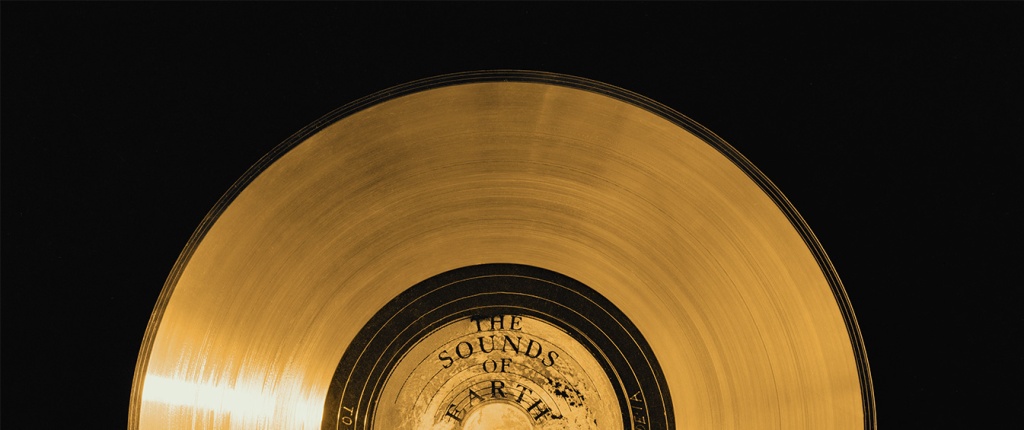
In 1977, as the twin Voyager spacecraft prepared to journey beyond the confines of our solar system, they carried with them what might be the most profound artifacts ever created by humanity: the Voyager Golden Records. These records, designed to last a billion years, are time capsules intended not for Earthlings but for potential extraterrestrial finders or future humans. Engraved in gold-plated copper discs, the records encapsulate the Earth’s diverse cultural and natural heritage—from music to languages to sounds of nature.

Photo: NASA/JPL-Cal Tech

The idea of the Golden Record was developed by a talented team led by Carl Sagan, the renowned astronomer and science communicator. Sagan, alongside other prominent figures such as Frank Drake, Ann Druyan, science journalist Jon Lomberg, and Linda Salzman Sagan, crafted a selection that aimed to represent the entirety of Earth. The content ranged from classical music by Bach and Beethoven to greetings in 55 languages, natural sounds like thunderstorms and whales, and a diverse set of 115 images depicting life and culture on Earth.

But producing a record that could survive the harsh environment of space, while also being understandable and playable by beings of unknown technology, posed unique challenges. This is where the Jet Propulsion Laboratory (JPL) stepped in, playing a pivotal role in transforming this ambitious vision into a tangible, durable artifact capable of traversing the cosmos.

Inspection of the engraving of the Voyager Golden Record.
Photo: NASA/JPL-Cal Tech

JPL, managed by Caltech under a NASA contract, was primarily responsible for the construction and operation of the Voyager spacecraft. Their expertise was crucial not just in the scientific instrumentation and engineering of the spacecraft but also in integrating the Golden Records. The lab’s engineers worked meticulously to ensure that the records were equipped with everything needed for potential playback: a cartridge, a needle, and symbolic instructions detailing their use. These instructions, etched onto the record’s cover, provided a universal map indicating Earth’s location in relation to pulsar stars, which are highly stable and can be used as galactic landmarks.

JPL’s involvement extended to the actual physical preparation of the records. They coordinated closely with RCA Records to produce the master disc from which the Voyager records were replicated. The final products were then plated in gold and encased in a protective aluminum jacket, designed to withstand the vacuum of space, cosmic rays, and extreme temperatures.

Photo: NASA/JPL-Cal Tech

The technical contributions of JPL ensured that the Golden Records were not only a feat of cultural expression but also a marvel of scientific and engineering ingenuity. By equipping the Voyager spacecraft with these messages, JPL helped bridge the human desire to explore and communicate with the tangible reality of space travel. The records, mounted aboard Voyagers 1 and 2, continue to be ambassadors of Earth, carrying sounds, music, and images intended to convey the story of our world to whoever, or whatever, might find them.

Today, both Voyager spacecraft, with their Golden Records, have entered interstellar space, marking them as the most distant human-made objects in existence. They serve as reminders of humanity’s ambition to reach beyond our immediate grasp and to communicate across vast cosmic distances. JPL’s role in this historic endeavor highlights the profound connection between human creativity and technological advancement, ensuring that our message to the cosmos will endure long after the original voices have faded.

JPL written on the Voyager Golden Record
Photo: NASA/JPL-Cal Tech

As these records voyage through the cosmos, they remind us not just of where we have been, but also of the far reaches that our curiosity can take us. Through the combined efforts of visionaries like Carl Sagan and the engineering prowess of JPL, the Voyager Golden Record stands as a testament to the best of human knowledge, culture, and technological achievement.


The Voyager Golden Records are phonograph records, much like the vinyl records used to listen to music before digital media became widespread. They are constructed from copper discs coated in gold to withstand the harsh environment of space. Each record is encased in a protective aluminum jacket, along with a cartridge and a needle. Instructions in symbolic language explain the origin of the spacecraft and indicate how the record should be played. The playback speed (16 2/3 revolutions per minute) is much slower than typical records, which typically spin at 33 1/3 or 45 rpm.

The content of the Golden Record is a meticulously curated selection intended to represent the diversity of life and culture on Earth:

Sounds of Earth: The records include audio of nature sounds like thunder, wind, and animals (including the songs of birds and whales). Human sounds like footsteps, a heartbeat, and laughter are also embedded, capturing the biological and social essence of Earth.

The DNA structure magnified, light hit image is one of the pictures electronically placed on the phonograph records which are carried onboard the Voyager 1 and 2 spacecraft. Credit: Jon Lomberg

Musical Selections: There are 27 musical tracks from different cultures and eras, ranging from classical pieces by Bach and Beethoven to traditional songs from various cultures, including a Navajo chant and a Peruvian wedding song. These selections were intended to showcase the diversity of musical expression on Earth.

Greetings in 55 Languages: A variety of spoken greetings from “Hello” in English to ancient languages like Akkadian. The inclusion of a broad range of languages aims to depict the linguistic diversity of humanity.

Images: The record also contains 115 analog-encoded photographs and diagrams. These images show a wide range of subjects, including humans of different sexes and races, everyday activities, scientific knowledge like mathematical definitions, and the Solar System. The intent was to offer a visual summary of our planet and its inhabitants.

CALIFORNIA CURATED ART ON ETSY

Purchase stunning art prints of iconic California scenes.
Check out our Etsy store.

Message from the UN Secretary-General and the President of the United States: There are also printed messages from prominent global leaders at the time, including U.S. President Jimmy Carter and United Nations Secretary-General Kurt Waldheim.

Sounds of Human Origin: Beyond natural and environmental sounds, the record also includes a montage of the sounds of Earth, a screaming chimpanzee, a medley of human-originated noises like tools, vehicles, and a kiss, among others.

The idea behind the Voyager Golden Record is not just to communicate where and who we are but also to share a message of hope and peace with any possible recipient, even if that recipient is far in the future. The chances of the Voyager spacecraft actually being found by extraterrestrial life are slim, but the Golden Record serves as a profound gesture of goodwill and a testament to the human spirit’s longing to reach out and explore the universe.

Feathers on the Flyway: Unraveling Avian Mysteries at Bear Divide with the Moore Lab

Western tanager (Ryan Terrill)

“Personally, I really think it’s one of the best birding spots in the world,” Ryan Terrill, science director at the Klamath Bird Observatory.

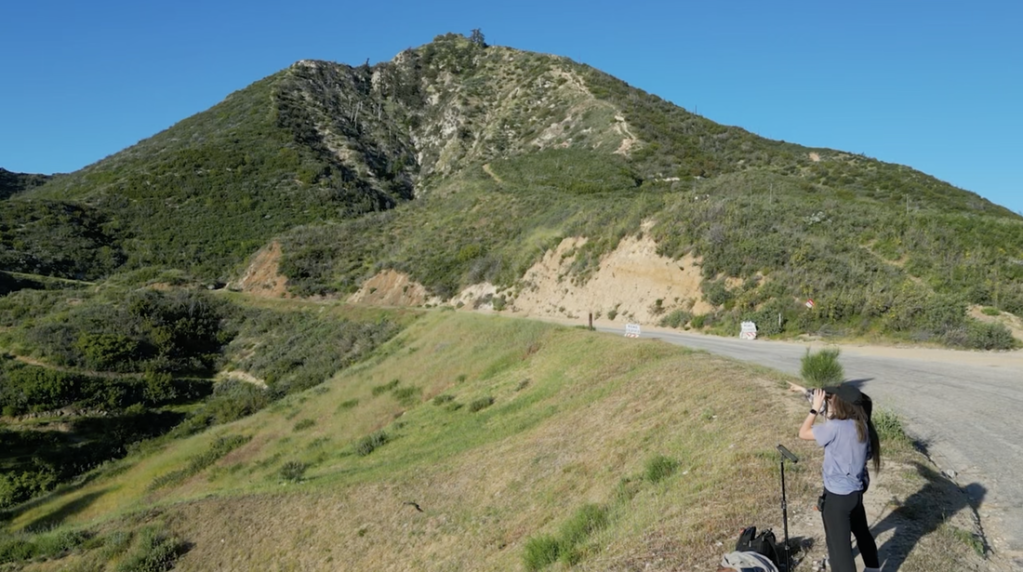
Within a 45 minute drive from the urban chaos of downtown Los Angeles, lies a natural, ornithological marvel: Bear Divide, a vital corridor for the annual migration of numerous bird species. Every year — roughly between March 15 and June 15, with peak migration between April 10 and May 20 — thousands of birds funnel through the narrow pass. The divide is a small dip in the otherwise impregnable San Gabriel mountains, allowing birds in the midst of their migration to pass through safely at relatively low altitudes. This area is not just a haven for bird enthusiasts but also a critical research site, especially for the team from the Moore Lab of Zoology at Occidental College, who have been delving into the intricacies of these migratory patterns.

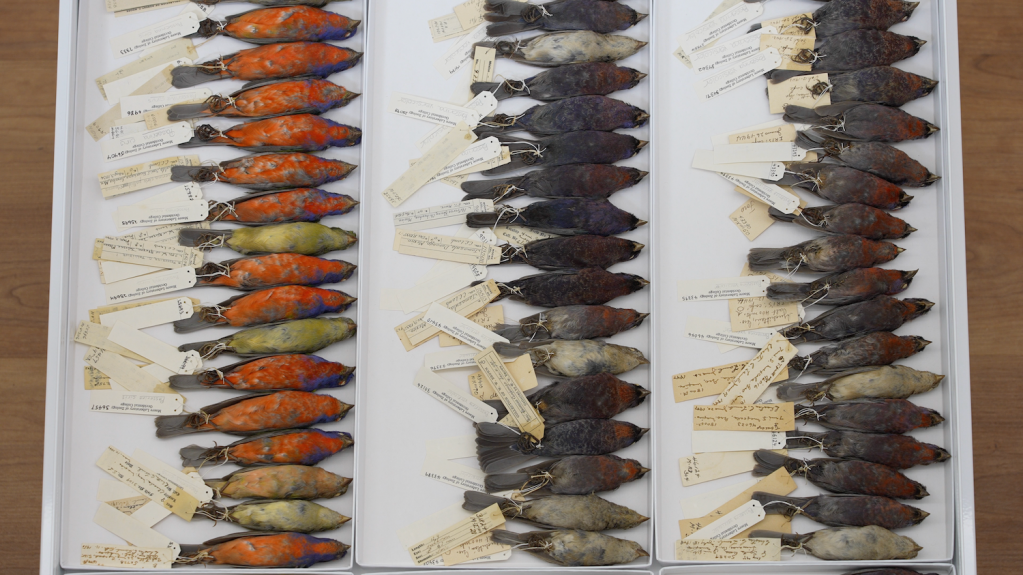
The Moore Lab of Zoology is renowned for its extensive bird specimen collection, one of the largest of its kind in the world for Mexican birds.

Part of the large bird collection at the Moore Lab at Occidental College in Pasadena (Erik Olsen)

Bear Divide is strategically positioned along the Pacific Flyway, a significant north-south migratory route used by birds traveling between Alaska and Patagonia. The geographical features of the San Gabriels provide an ideal resting and feeding ground for these birds, making Bear Divide a crucial stopover during their long journeys. It’s this unique combination of location and topography that makes Bear Divide an essential component of avian migration.

U.S. Fish and Wildlife Service

The discovery of Bear Divide was a lucky happenstance. A bird researcher was conducting overnight monitoring in the spring of 2016, and when morning came, he noticed legions of small songbirds whizzing past his monitoring spot. His report caught the attention of postdoc bird scientist Ryan Terrill at Moore Lab at the time, and he began an effort to monitor the birds. Terrill and his team would ultimately record as many as 20,000 birds in a single morning.

“It really is overwhelming to stand on the road and have 5,000 birds of 80 species fly by your knees in a morning,” Terrill said. The effort has continued to this day with startling results. Terrill has since left and is now the science director at the Klamath Bird Observatory.

CALIFORNIA CURATED ON ETSY

Purchase stunning coffee mugs and art prints of iconic California species.
Check out our Etsy store.

“Last year 2023 we counted 53,511 birds of 140 species from February to May,” said John McCormack, a professor of biology and the Director and Curator of the Moore Laboratory of Zoology. “And of course, we missed many thousands more because most travel at night. It’s easy to say that there are hundreds of thousands of birds passing through Bear Divide.”

Swainson’s Hawk (Marky Mutchler)

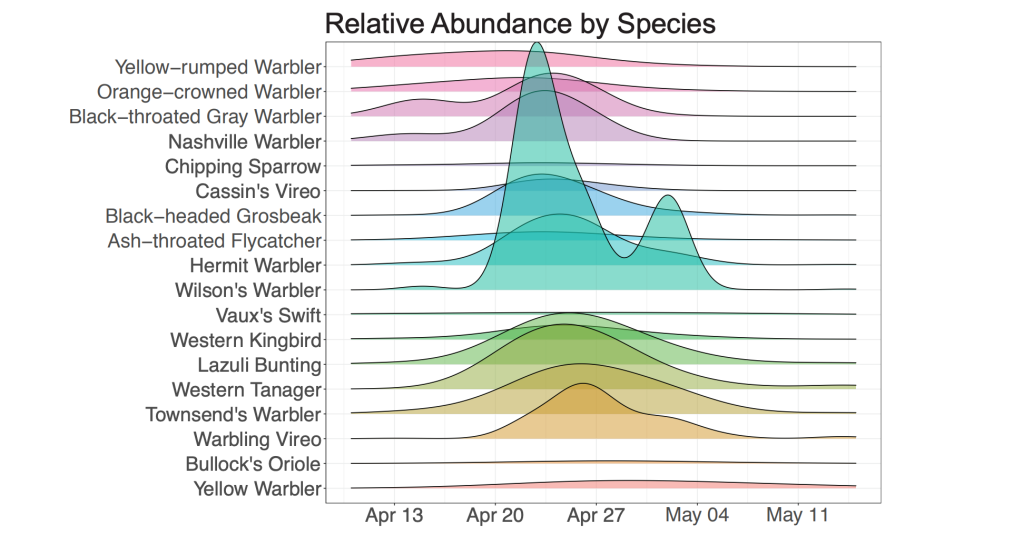
As many as 13,000 western tanagers, lazuli buntings, chipping sparrows, hermit warblers, orioles, grosbeaks and warblers pass through Bear Divide on a single day. Why they do so, is not entirely understood. The unusual topography of Bear Divide essentially serves as a funnel for the migrating birds, with many of them shooting through the gap just a meter or two above ground.

“Personally, I really think it’s one of the best birding spots in the world,” Terrill told the LA Times.

McCormack says that the “ultimate goal is to better understand the Pacific Flyway and how it’s used, especially by small terrestrial birds. Little is known about their movements because they are hard to see and usually travel at night.”

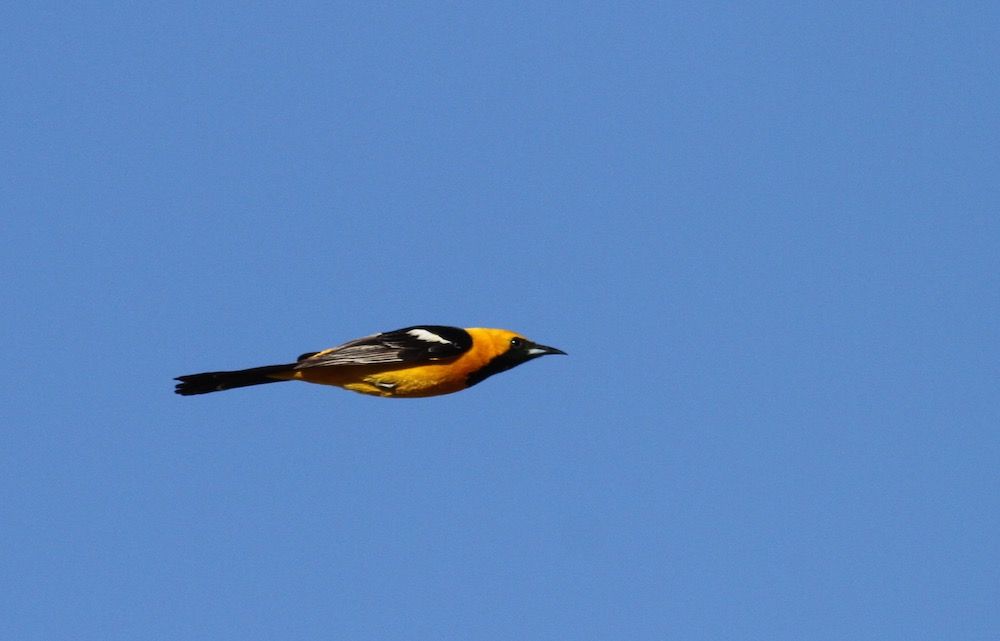
Hooded Oriole (Ryan Terrill)

Because many of the species sighted at Bear Divide are in steep decline. The lab says that year-to-year counts will help set a baseline for future trends that can be associated with weather, climate, and urbanization. “Tracking individual birds will give granular knowledge on how migratory birds use the landscape, which helps individuals and homeowners create corridors for them to travel,” says McCormack.

The best time to catch the show at Bear Divide is late winter early Spring. McCormack says Cliff Swallows and Lawrence’s Goldfinch are some of the early movers in March, and that by May, streaking by are Yellow Warblers, sunset-faced Western Tanagers, and bright blue Lazuli Buntings.

“There is so much we still don’t know about these birds and their world,” Lauren Hill, the site’s lead bird bander, told the Los Angeles Times. “For example, no one knows where they were before showing up here after sunrise.”

Lazuli Bunting zips past the camera at Bear Divide (Ryan Terrill)

The team is counting birds in order to establish a baseline of the populations coming through Bear Divide so they can understand how much we are changing the environment and what effect that may have on bird populations, many of which are in severe decline.

Their research spans a variety of topics, including how climate change is impacting migration routes and the effects of urbanization on bird populations. The lab has recently begun a program to put satellite trackers on birds at Bear Divide to follow individual birds, providing deep insight into their migration and resting patterns. This research is not only pivotal in understanding avian behavior but also crucial in shaping conservation policies.

One of the most fascinating aspects of Bear Divide is the sheer variety of bird species it attracts. From the diminutive hummingbirds to the impressive birds of prey, each species adds a unique dimension to the study of migration. The Moore lab’s findings have shed light on the varied responses of different species to environmental changes, offering a glimpse into the broader ecological shifts occurring across the globe.

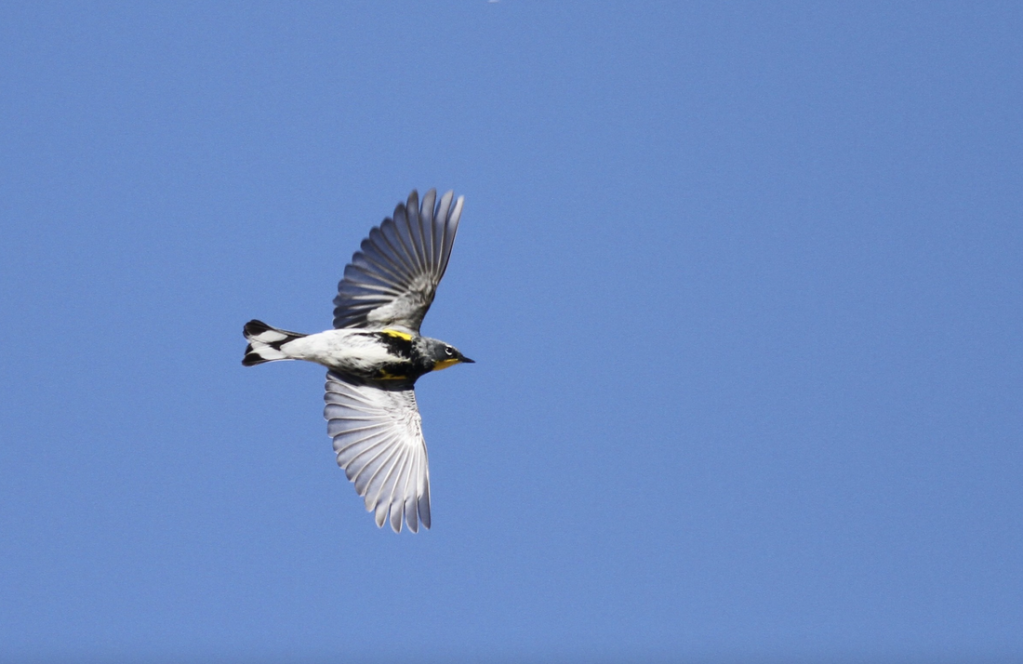
Yellow-rumped Warbler (Ryan Terrill)

One compelling result of the Moore Lab’s study at Bear Divide suggests that the peak of a particular species’ migration is correlated with the latitude of its breeding site. Species that breed at higher latitudes migrated through Bear Divide at later dates. It’s also unusual in the West for species to migrate during the day. Most species of birds using the Pacific Flyway are known to migrate at night.

The Moore Lab of Zoology

In addition to its scientific contributions, the Moore lab is also known for its involvement in citizen science. Collaborating with local birdwatchers and volunteers, the lab extends its research capabilities and cultivates a community actively engaged in bird conservation. This collaborative approach not only enhances the breadth of their research but also underscores the importance of community involvement in conservation efforts.

Bear Divide is on public land, so anyone with a legitimate research project can get permission to work there. UCLA graduate student Kelsey Reckling, who has worked as a counter at Bear Divide since the beginning, is leading the counting efforts this Spring to understand changes in numbers of birds and species across years. Cal State L.A. graduate student Lauren Hill lea ds the group of bird banders, who catch some of the birds and record data, attaching a lightweight metal band around one leg and releasing them. Her lab mate Tania Romero is putting small, lightweight tracking devices on Yellow Warblers, which send signals to a network of tracking (MOTUS) towers across the continent.

Many bird species are under serious threat around the globe from a number of different impacts, including climate change, pesticides and habitat loss. Birds play a critical role in the health of our planet. They regulate ecosystems by preying on insects, pollinating plants, and spreading seeds. Healthy ecosystems are important for breathable air, food, and a regulated climate.

Bear Divide (Ian Davies)

According to a 2019 study, nearly 3 billion breeding birds have been lost in North America and the European Union since 1970. That’s about 30% of the bird population in North America. The 2022 State of the Birds Report for the United States found that bird declines are continuing in almost every habitat, except wetlands. Protecting birds’ habitats, and migration routes and reducing mortality through conservation efforts are crucial to ensuring the survival of these magnificent creatures.

The research conducted at Bear Divide by the Moore lab transcends academic interests, emphasizing the interconnectivity of ecosystems and underscoring the need to preserve natural migration corridors amid urban expansion. The insights gained here are invaluable to both the scientific community and conservation efforts, highlighting the need for a balanced approach to wildlife preservation and ecological sustainability.

Band-tailed Pigeon (Ryan Terrill)

“What’s magical about Bear Divide is that it’s the first real place to see small, migrating birds at eye level in daylight hours,” says McCormack. “I don’t want to oversell it: it’s still a lot of small birds zinging by in a wide open place and it takes a while to get good at identifying them. But by seeing them out there, struggling against the wind and the cold, but still making progress, it gives you a real sense of how amazing their journeys are–and how we shouldn’t make them harder if there’s anything we can do about it.”

The Blythe Intaglios are the California’s Nazca Lines. They are True Mysteries Etched in Earth.

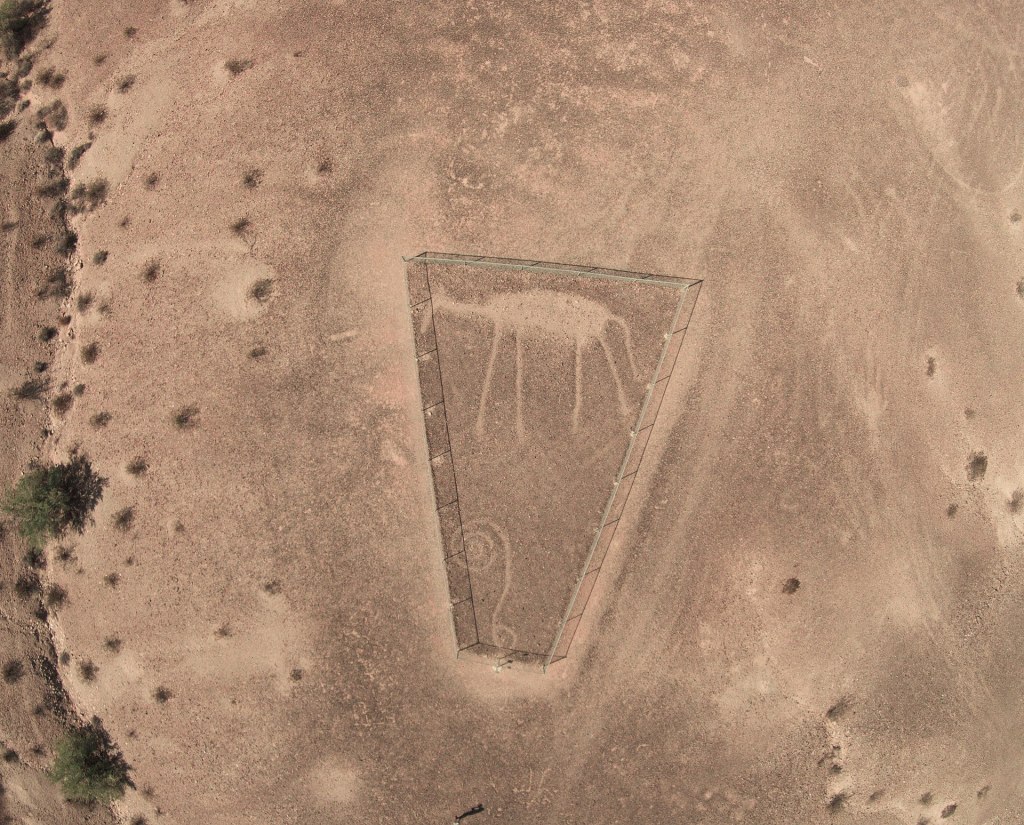
Blythe Intaglio of a human figure in Southern California (Wikipedia)

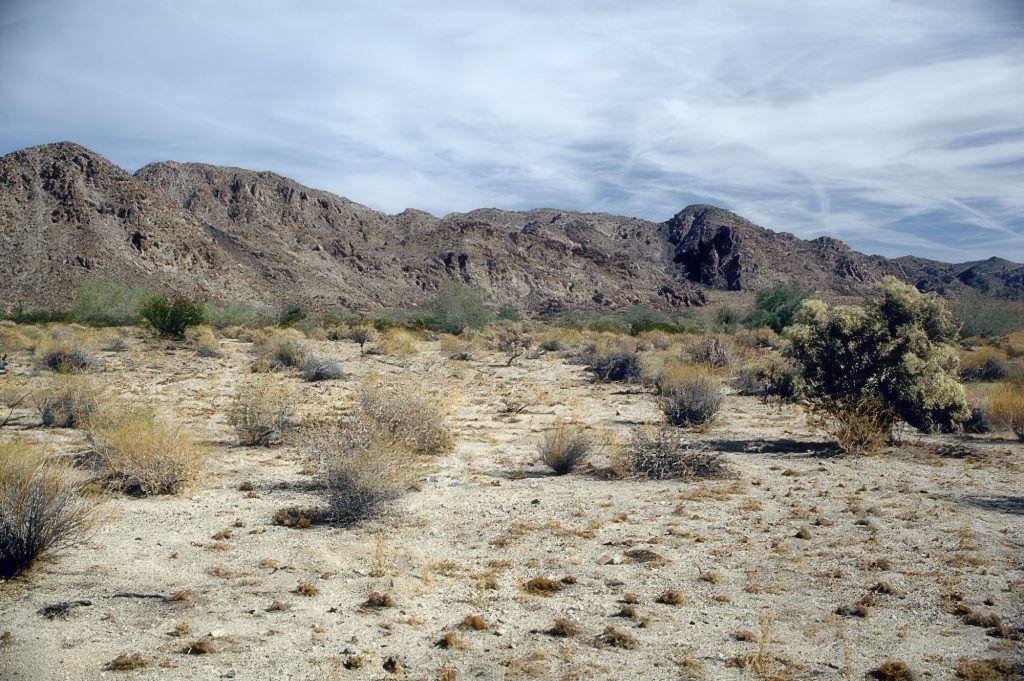
In the vast expanses of California’s Colorado Desert, less than four hours from Los Angeles, a series of ancient and enigmatic figures etched into the earth—the Blythe Intaglios—have long puzzled anthropologists and captivated the imagination of those who visit them or view them from the sky. They were brought to modern attention somewhat by chance. In 1932, George Palmer, a pilot flying over the Mojave Desert between Las Vegas, Nevada and Blythe, glimpsed these enigmatic formations, sparking curiosity and awe. 

Named for the nearby town of Blythe, California, these large geoglyphs (human-made designs created on the ground by arranging or moving objects in a landscape), sprawl across the desert floor, and are an extraordinary example of prehistoric art, yet they remain one of the lesser-known archaeological wonders of North America. The Colorado Desert, just south of the Mojave, contains the only known desert intaglios in North America. 

The Blythe Intaglios are best observed from above by drone or by plane, where their full scale and intricacy become apparent. The largest figure – of a human with outstretched arms – spans an immense 171 feet, an impressive endeavor considering the primitive tools likely used in their creation. One has to wonder why they were created at all since the people who made them certainly had no way of viewing them from the air. In addition to humans, the figures depict animals such as a rattlesnake and possibly a horse (yeah, what is that thing?), as well as geometric shapes, each meticulously carved by removing the dark desert varnish to reveal the lighter soil underneath. Intaglios in general are classified by their shapes, such as anthropomorphs (humanlike), zoomorphs (animal-like) and various geometric shapes.

Blythe Intaglio quadruped (Wikipedia)

The intaglios are mostly located along the Colorado River, a fact that some scientists consider significant. Rivers often hold a central place in the spiritual and cultural lives of indigenous peoples. For the tribes associated with the Blythe Intaglios, such as the Mojave and Quechan, the Colorado River was likely a vital part of their spiritual and everyday life. The proximity of these geoglyphs to the river suggests that they could have been part of a broader cultural landscape that included the river as a critical element. The river may have been seen as a source of life and a spiritual boundary, making the nearby land a significant place for creating these monumental figures.

While the Nazca Lines in Peru have gained worldwide fame, the Blythe Intaglios, though similar in form and function, have remained relatively obscure. Most Californians probably have no idea that such unique archaeological artifacts can be found in the state, let alone so close to a major urban center. This obscurity, however, adds to their mystique. 

The geoglyphs are believed to date back at least a thousand years, but their exact age remains uncertain. If the quadruped figures represent horses (reintroduced in North America by the Spanish) then a historical date of sometime after the 1500s would be supported. Archaeologist Jay von Werlhof obtained radiocarbon dates for the figures, ranging from 900 BCE to 1200 CE. The human figures, particularly the largest, are thought to represent Mastamho, the creator of life in Mojave and Quechan mythology. The animal figures, like the mountain lions, are steeped in symbolic meaning, potentially reflecting the tribes’ cosmology and spiritual beliefs.

Nazca Lines in Peru. (UNESCO World Heritage Site)

The precise purpose of the Blythe Intaglios is a matter of ongoing debate. Some scholars propose that they were part of religious rituals or celestial observances. The alignment and positioning of the figures suggest a possible astronomical function, marking significant events in the lunar or solar calendars. Or perhaps making them was just a fun way to pass the time and express creativity.  

CALIFORNIA CURATED ON ETSY

Purchase stunning coffee mugs and art prints of iconic California species.
Check out our Etsy store.

Despite their historical and cultural significance, the Blythe Intaglios have not been immune to threats. Off-road vehicle traffic and natural erosion have damaged some of the figures. Conservation efforts are in place, but the remote location and sheer scale of the site present unique challenges. Fences have been erected around some figures to protect them, but much work remains to ensure their preservation.

California’s Colorado Desert (Wikipedia)

The Blythe Intaglios are more than just ancient art; they are a wonderful example of the rich and diverse cultural heritage of the indigenous peoples of the Southwest. These geoglyphs offer a window into a past that likely predates European influence, a past that is integral to understanding the complex tapestry of American history. Places like the Blythe Intaglios are in constant threat of disappearing forever, but they’re important because they connect us with the human past and remind us of the power of human expression over time and the mysteries beneath our feet.

The Enigmatic Island Fox: A Tale of Survival and Conservation

Nature Conservancy

In the rugged, isolated beauty of California’s Channel Islands, a small, curious creature scampers through the chapparal, playing a crucial role in the archipelago’s ecosystem. It’s the Island Fox (Urocyon littoralis), a species that encapsulates both the vulnerability and resilience of island ecosystems.

The island fox only lives on six of the eight Channel Islands off the coast of southern California–they are found nowhere else on Earth. Each island population is recognized as a separate endemic or unique subspecies. This divergence is a classic case of allopatric speciation, where geographic isolation leads to the evolution of different species.

The Island Fox, notably smaller than its mainland cousin, the gray fox, stands as a striking example of insular dwarfism – a phenomenon found in the theory of island biogeography where species evolve smaller sizes on islands. It should be noted that island biogeography, which explores the distribution of species and ecosystems in island environments, finds a perfect case study in the Channel Islands. For instance, the discovery of remains of the pygmy mammoth (Mammuthus exilis) on Santa Rosa Island provides a classic example of how isolation and limited resources can lead to significant evolutionary changes. 

Skeleton of the Pygmy Mammoth at the Santa Barbara Museum of Natural History

The Island Fox is known for its curiosity and intelligence. It’s primarily nocturnal but is often active during the day, especially when tourists and their food are around. Visitors to the most popular Channel Islands like Anacapa, Santa Rosa, and Santa Cruz may regularly see the foxes scurrying around campsites looking for scraps of food. They readily approach humans, perhaps an unfortunate sign that they have become too habituated to humans. The island fox is an omnivore, with a diet ranging from fruits and insects to small mammals and birds. Its diet shifts with the seasons, reflecting the availability of different food sources on the islands.

Island Foxes typically form monogamous pairs during the breeding season, which runs from January to March. The female gives birth to a litter of two to four pups around 50 days after mating. These pups are weaned and ready to fend for themselves after about 9 months, reaching sexual maturity at 10 months. The average lifespan of an Island Fox in the wild is 4 to 6 years, though they can live longer in captivity.

Island Fox on the Channel Islands (Photo: Erik Olsen)

The story of the Island Fox’s conservation is one of remarkable success but also a stark reminder of the fragility of island ecosystems. In the late 1990s, the Island Fox population faced a catastrophic decline, primarily due to predation by golden eagles and a disease outbreak. By 2004, fewer than 100 foxes remained on some islands, leading to their classification as an endangered species.

Island Fox looking for food scraps. (Photo: Erik Olsen)

A concerted effort by conservationists, including the National Park Service and the Nature Conservancy, initiated a recovery program. This program involved breeding foxes in captivity, vaccinating them against diseases, and relocating golden eagles while reintroducing bald eagles, a natural competitor. Remarkably, by 2016, the Island Fox populations had bounced back sufficiently for them to be removed from the endangered species list, marking one of the fastest recoveries of an endangered species in U.S. history.

The Island Fox’s journey from the brink of extinction to a conservation success story is a testament to the power of dedicated conservation efforts. It also highlights the importance of maintaining ecological balance in sensitive environments like the Channel Islands.

The Mystical Sentinels of the Mojave: Unraveling the Secrets of the Joshua Tree

Standing tall against the backdrop of the sun-scorched Mojave Desert, the Joshua Tree (Yucca brevifolia) is an emblematic figure of resilience and beauty. With its twisted, bristled limbs reaching towards the sky, this iconic species is not just a tree but a symbol of the untamed wilderness that is California’s desert landscape.

The Joshua Tree’s biology is as unique as its silhouette. It’s often considered to be a member of the Agavaceae family (along with agaves), more closely related to the asparagus than to other trees. This desert dweller is an arborescent, or tree-like, species of yucca, characterized by its stout, shaggy trunk and a crown of spiky leaves. Unlike most trees, the Joshua Tree doesn’t have growth rings, making it difficult to determine their age. However, these trees can live for hundreds of years, with some ancient sentinels estimated to be over a millennium old. The tallest trees reach about 15 m (49 ft). New plants can grow from seed, but in some populations, new stems grow from underground rhizomes that spread out around the parent tree.

Joshua Tree National Park (Erik Olsen)

The Joshua tree is also known as izote de desierto (Spanish for “desert dagger”). It was first formally described in the botanical literature as Yucca brevifolia by George Engelmann in 1871 as part of the famous Geological Exploration of the 100th meridian (or “Wheeler Survey“).

The moniker “Joshua tree” is believed to originate from Mormon pioneers traversing the expanses of the Mojave Desert around the mid-1800s. They found the tree’s distinctive shape—with its limbs persistently outstretched—reminiscent of the biblical tale where Joshua extends his hands for a prolonged period, assisting the Israelites in their capture of Canaan, as recounted in the Book of Joshua. The tree’s tangled leaves also contributed to this image, giving it the semblance of a beard.

Nevertheless, this charming story lacks direct historical evidence from the period and the name “Joshua tree” doesn’t appear in records until after the Mormons had already settled in the area. Interestingly, the tree’s unique form may bear a stronger resemblance to narratives associated with Moses rather than Joshua. The absence of contemporary accounts leaves the true origin of the name enshrouded in the mystery of the past, adding to the tree’s allure and the folklore of the American West.

Joshua Trees burned in the 2020 Dome fire. (Photo: Erik Olsen)

The habitat of the Joshua Tree is as unforgiving as it is beautiful. They are found primarily in the Mojave Desert, the highest and coldest desert in the United States. These trees have adapted to the extremes, flourishing at elevations between 2,000 and 6,000 feet where the temperatures can plummet below freezing at night and soar during the day.

One of the most fascinating aspects of the Joshua Tree is its symbiotic relationship with the yucca moth. In a marvelous evolutionary dance, the moth is the tree’s sole pollinator, and in turn, the tree provides the moth a place to lay its eggs. This mutualistic relationship underscores the delicate balance of desert ecosystems.

Joshua Tree National Park was established as a national monument in 1936 and later upgraded to a national park in 1994, largely to protect the distinctive Joshua Trees and the unique desert ecosystem they epitomize. The effort to safeguard this landscape was driven by citizens and supporters who were passionate about the conservation of its otherworldly terrain and the diverse life forms that inhabit it.

Despite their hardy appearance, Joshua Trees harbor secrets that are only now being fully understood by scientists. Their root systems, for instance, can extend vertically to 30 feet and horizontally to 36 feet, a testament to their search for water in arid soils. Moreover, these trees are a keystone species, providing critical habitat for a host of desert organisms, from the Scott’s Oriole that nests in its branches to the black-tailed jackrabbit seeking shade under its canopy.

Joshua Trees burned in the 2020 Dome Fire (Photo: Erik Olsen)

However, the stability of the Joshua Tree’s future is uncertain. Climate change poses a significant threat to its survival. Rising temperatures and altered precipitation patterns are projected to shrink the suitable habitat for Joshua Trees by up to 90% by the end of the century. Efforts are underway to understand and mitigate these impacts, with conservationists advocating for policies to reduce carbon emissions and protect the Joshua Tree’s habitat from development and resource exploitation.

In August 2020, a devastating blaze known as the Dome Fire swept through the Mojave National Preserve, scorching over 43,000 acres of one of the most extensive Joshua tree forests on the planet, located at Cima Dome​​​​. The inferno, which was one of the most destructive in recent history, decimated an estimated 1 million to 1.3 million Joshua trees, transforming a once thriving ecosystem into a haunting landscape of charred remains​​​​.

Joshua Trees burned in the 2020 Dome Fire (Photo: Erik Olsen)

This catastrophic event not only altered the physical landscape but also raised urgent questions about the future of these iconic trees in the face of escalating climate change threats. The resilience of Joshua trees to fire is typically low, and the recovery of these forests could be severely hampered by the changing climate, with hotter, drier conditions becoming more common. The loss of these trees in such vast numbers is a stark reminder of the vulnerability of desert ecosystems and the need for immediate action to mitigate the impacts of climate change and protect these natural treasures for future generations.

Although California came out of drought in 2023, there is no guarantee that dry, hot conditions won’t continue. If they do, Joshua trees could lose 90 percent of their range by the end of the century, Dr. Cameron Barrows, a research ecologist with the University of California Riverside’s Center for Conservation Biology told Outside magazine

The Joshua Tree’s importance to California’s landscape is indelible. It’s not only an ecological mainstay but also a cultural and historical icon, inspiring artists, musicians, and nature lovers alike. The trees’ spiky profiles are a testament to the unrivaled beauty of the American West.