The Blythe Intaglios Are California’s Own Nazca Lines
Giant human and animal figures, the largest 171 feet long, are scraped into the desert near Blythe. Nobody knows exactly how old they are or why they were made. California’s little-known geoglyphs.
Updated
Out in the Colorado Desert near Blythe, less than four hours from Los Angeles, there are giant figures scratched into the ground: a man 171 feet long, four-legged animals and geometric shapes. Nobody’s sure exactly how old they are or what they were for. Outsiders didn’t even notice them until 1932, when a pilot named George Palmer, flying between Las Vegas and Blythe along the Colorado River, looked down and saw them.
They’re called the Blythe Intaglios, after the nearby town of Blythe. They’re geoglyphs, designs made on the ground by moving rocks and soil, and they’re among the most impressive Native American art in the country. Hardly anyone has heard of them. They’re part of the largest concentration of desert intaglios in North America, with hundreds more scattered along the lower Colorado River in California and Arizona.

They’re best seen from the air. The biggest, a human figure with arms outstretched, is 171 feet long. The people who made them scraped away the dark, sun-baked pebbles on the surface, called desert pavement, to expose the lighter ground underneath. Which raises the obvious question: why make something this big if you can never see it from above? Besides the human figures, there are four-legged animals (yeah, what is that thing?) and geometric shapes. Archaeologists sort intaglios into anthropomorphs (human figures), zoomorphs (animals) and geometric designs.
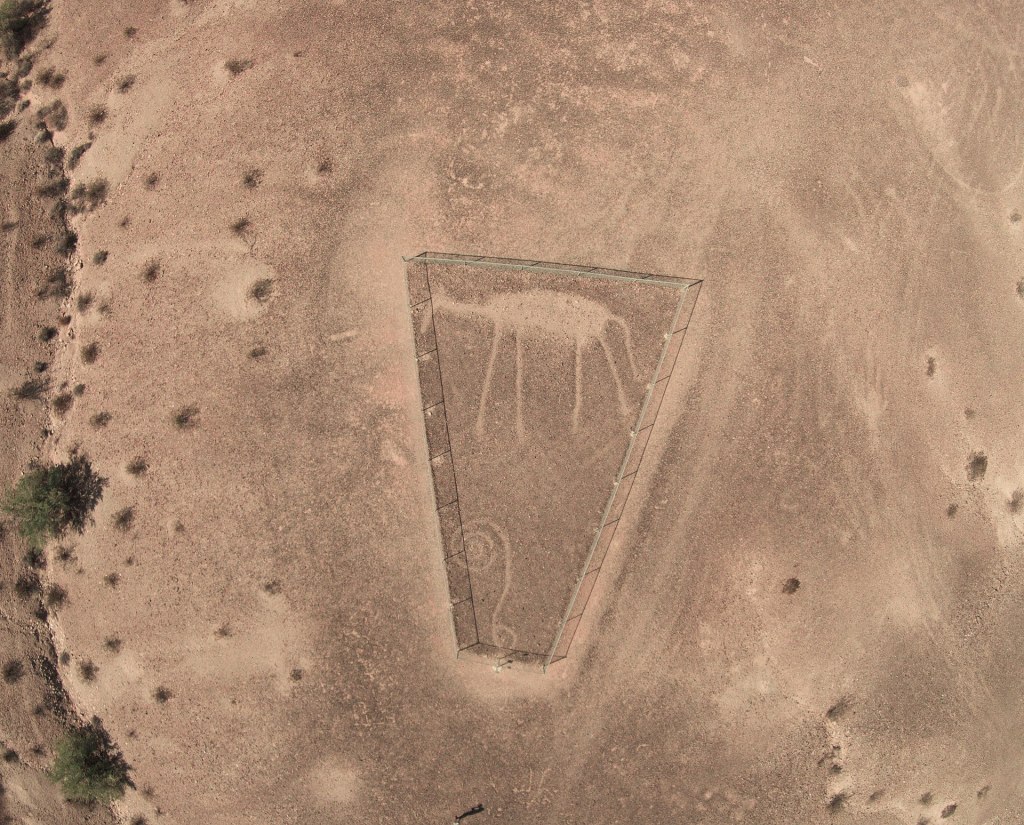 Blythe Intaglio quadruped (Wikipedia)
Most intaglios are near the Colorado River, and that’s probably not an accident. For the tribes connected to them, including the Mojave and Quechan, the river was the center of life, both practical and spiritual, and the figures were likely part of a sacred landscape built around it.
Everybody’s heard of Peru’s Nazca Lines. The Blythe Intaglios are a similar kind of thing, and most Californians have no idea they exist, a few hours’ drive from LA.
How old are they? Nobody’s sure. The archaeologist Jay von Werlhof got radiocarbon dates ranging from about 900 BCE to 1200 CE. But if some of the four-legged figures are horses, which the Spanish brought back to North America, those would have to be younger than the 1500s. According to Mojave and Quechan tradition, the giant human figures represent Mastamho, the creator, and the four-legged figures may be Hatakulya, mountain lion beings who helped in the creation.
 Nazca Lines in Peru. (UNESCO World Heritage Site)
What they were for is still debated. Many scholars think they were used in ceremonies, and some have suggested they could be tied to the sky and the seasons. Or maybe, at least partly, people just wanted to make something big and beautiful.
Purchase stunning coffee mugs and art prints of iconic California species.
**Check out our Etsy store. **
They’re fragile. Off-road vehicles have driven over some of them, and erosion wears away at the rest. Fences now surround several figures, but the site is remote and hard to watch over.
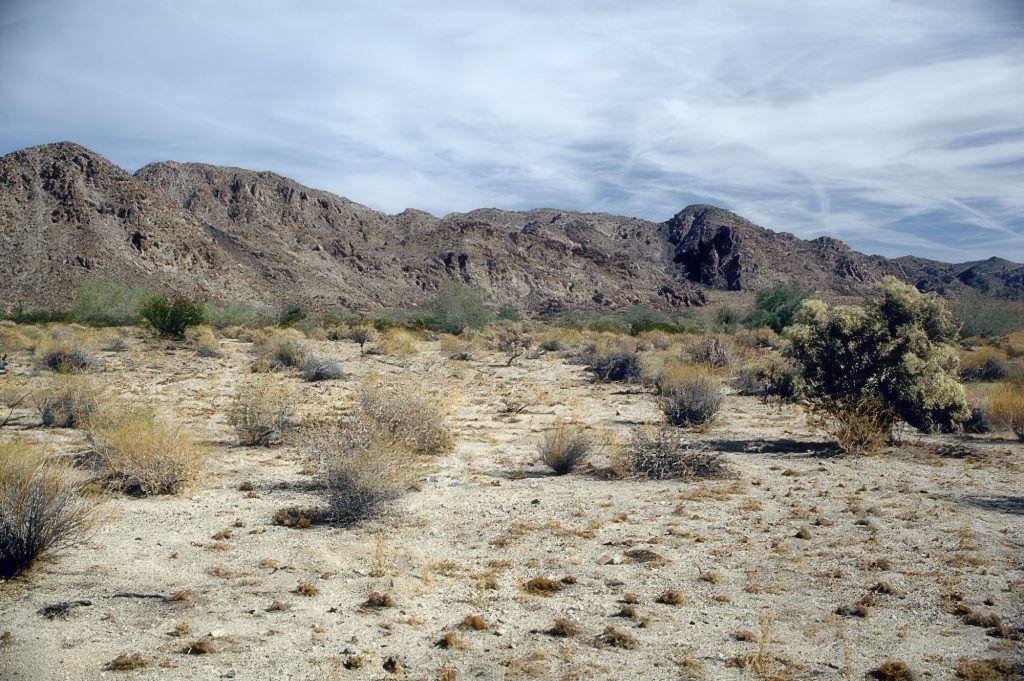 California’s Colorado Desert (Wikipedia)
If you go, stay on the trails and outside the fences. These figures have survived hundreds, maybe thousands, of years of desert weather. They’re still sacred to the tribes whose ancestors made them, and they’re one of the most remarkable things in California that almost nobody knows about.
More California science, photography and wild places on Instagram @californiacuratedus