I recently revisited a book I enjoyed: The Blue Machine by physicist, oceanographer, and writer Helen Czerski. It is a beautifully clear exploration of the deep mechanics of the ocean and why those processes are so essential to keeping our planet cool, biodiverse, and stable.
One of the core ideas she returns to is ocean upwelling, a process that is especially important for those of us who live in California. Upwelling is one of those hidden forces that quietly underlies everything around us, and once you read about it, you realize that so much of what we know and love here simply would not exist without it.
Few marine processes are as impactful on the abundance of sea life off the coast of California as upwelling. It may not be a term you’ve heard before, but the natural oceanic process of upwelling is one of the most important engines driving climate, biological diversity, and the ocean’s food web.
It’s time to pay attention.
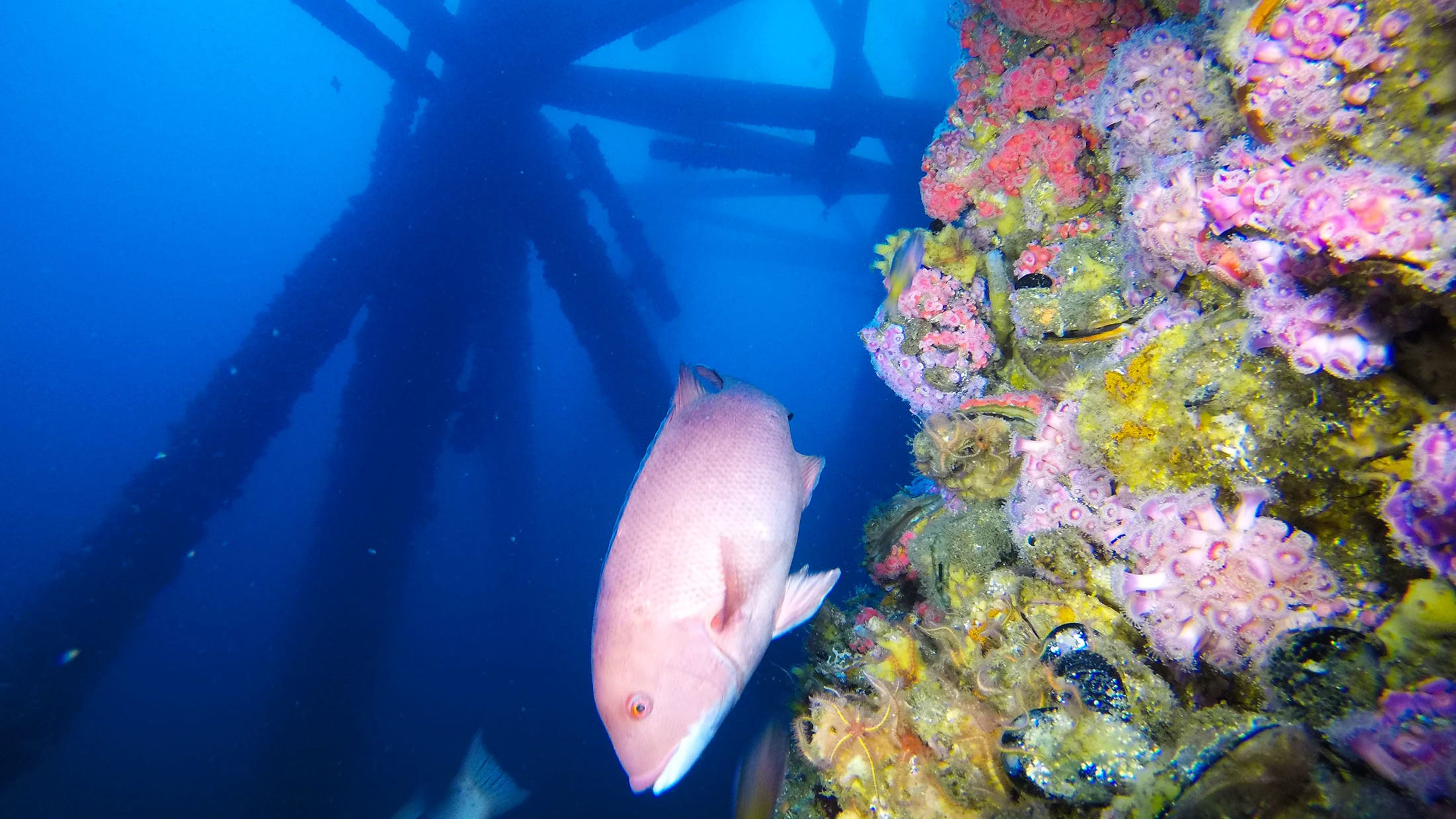
The abundance of sea life around some of California’s oil rigs is due in part to ocean upwelling near the continental shelf. (Photo: Erik Olsen)
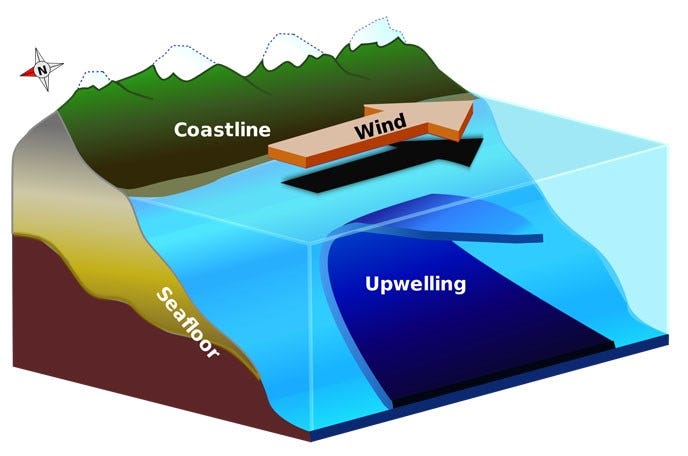
In simple terms, upwelling is when cold, nutrient-rich water from the deep ocean rises to the surface, replacing warmer surface water. A churn. Along the California coast, prevailing northerly winds push surface waters offshore through the Coriolis effect, allowing deeper, colder water to rise in their place. Over the continental shelf off shore California, this upwelled water is rapidly brought into shallower depths, delivering nutrients directly into the photic zone where phytoplankton can grow. This is one reason continental shelves, including areas around offshore oil platforms (which I wrote about a few weeks ago), are biological hotspots.
California’s upwelling system is one of the most intensively studied in the world because it fuels the region’s crazy marine productivity.
In California, upwelling occurs year-round off the northern and central coast. It’s strongest in the spring and summer when northwesterly winds are at their most powerful. Upwelling is reduced in the fall and winter when winds are more variable.
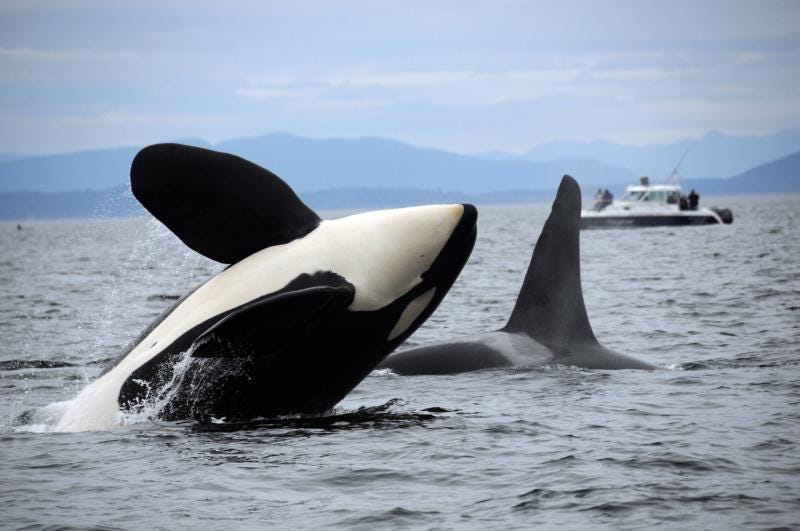
Killer whales benefit from upwelling because the nutrient-rich waters fuel a surge in phytoplankton, which triggers an increase in the populations of smaller prey fish and marine mammals that orcas rely on for sustenance. (Photo: NOAA)
Researchers from institutions like the Scripps Institution of Oceanography and Stanford University have used a variety of methods, including satellite observations and computer modeling, to study upwelling. One of the groundbreaking studies was the CalCOFI program (California Cooperative Oceanic Fisheries Investigations), which began in the late 1940s. It was a joint venture between Scripps and state and federal agencies to investigate the collapse of the sardine fishery. The study showed that the sardine collapse was not just due to overfishing but also large-scale ocean and climate variability, a finding that reshaped fisheries science. Over decades, it has expanded its scope and now provides invaluable long-term datasets that help scientists understand upwelling and its impacts on marine populations.
Deep, cold ocean water is rich in nutrients because organic matter from the surface sinks as it dies or is consumed, and is broken down at depth, releasing nutrients back into the water. When that water is brought to the surface through upwelling, it delivers a fresh supply of nutrients that fuels phytoplankton growth and supports the entire marine food web.
The food web is kind of like a ladder. Or a chain. Nutrient-rich cold waters support blooms of phytoplankton: microscopic, photosynthetic organisms (meaning they are teeming with chlorophyll) that produce oxygen and form the base of marine food webs. When these primary producers flourish, it triggers a chain reaction throughout the ecosystem: zooplankton feed on phytoplankton, small fish feed on zooplankton, and larger predators, including fish, marine mammals, seabirds, (and humans) reap the rewards! So a well functioning upwelling system is pretty important for abundant sea life.
Also, cold water holds more dissolved gases like oxygen compared to warm water (yet another reason that warming seas could be a problem in the future). Oxygen is crucial for marine animals. In cold, oxygen-rich environments, organisms can efficiently carry out metabolic processes, which leads to higher rates of feeding, growth, and reproduction, thereby further boosting biological productivity. Everyone wins!
But there’s a problem.
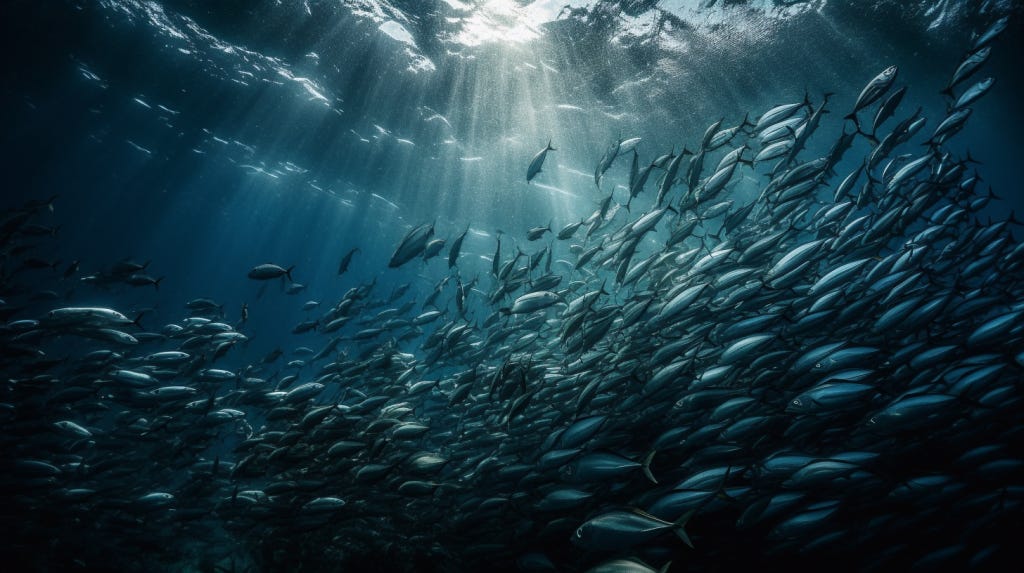
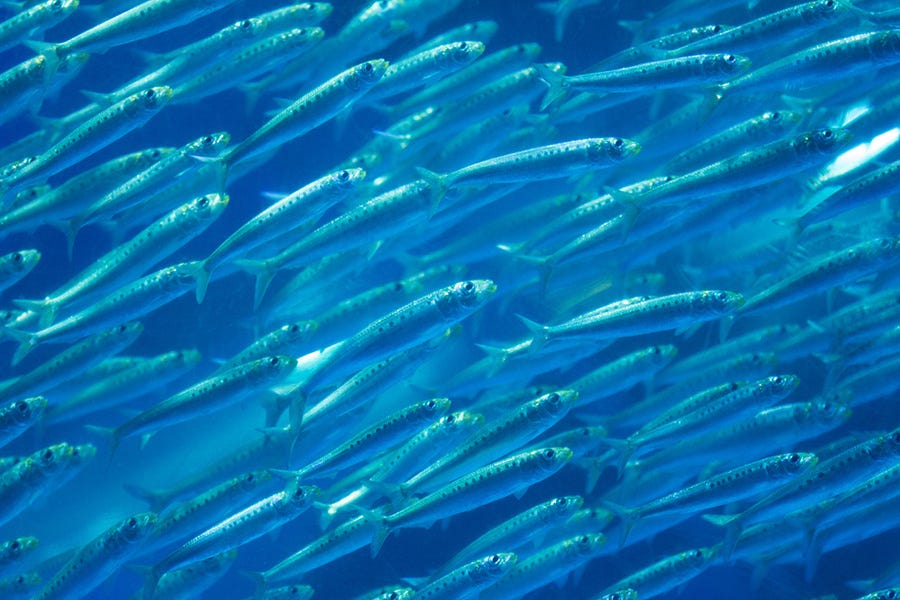
Sardines off the coast of California (Photo: NOAA)
Studies have shown that natural changes in climate, like El Niño and La Niña events have a significant impact on wildlife and the local ocean ecosystem. During El Niño events, warmer waters and weaker upwelling reduce nutrient levels in the California Current, lowering phytoplankton productivity and causing deadly ripples through the food web. La Niña conditions generally strengthen upwelling, bringing nutrient-rich water to the surface and boosting marine productivity.
Climate change adds a potentially dangerous new layer of uncertainty: oceans are warming and growing more acidic, which can disrupt the timing, strength, and benefits of upwelling. While climate change does not necessarily mean more El Niño years, it does mean that El Niño events now play out in a warmer ocean, often amplifying their impacts and increasing stress on marine life, with serious consequences for some organisms.
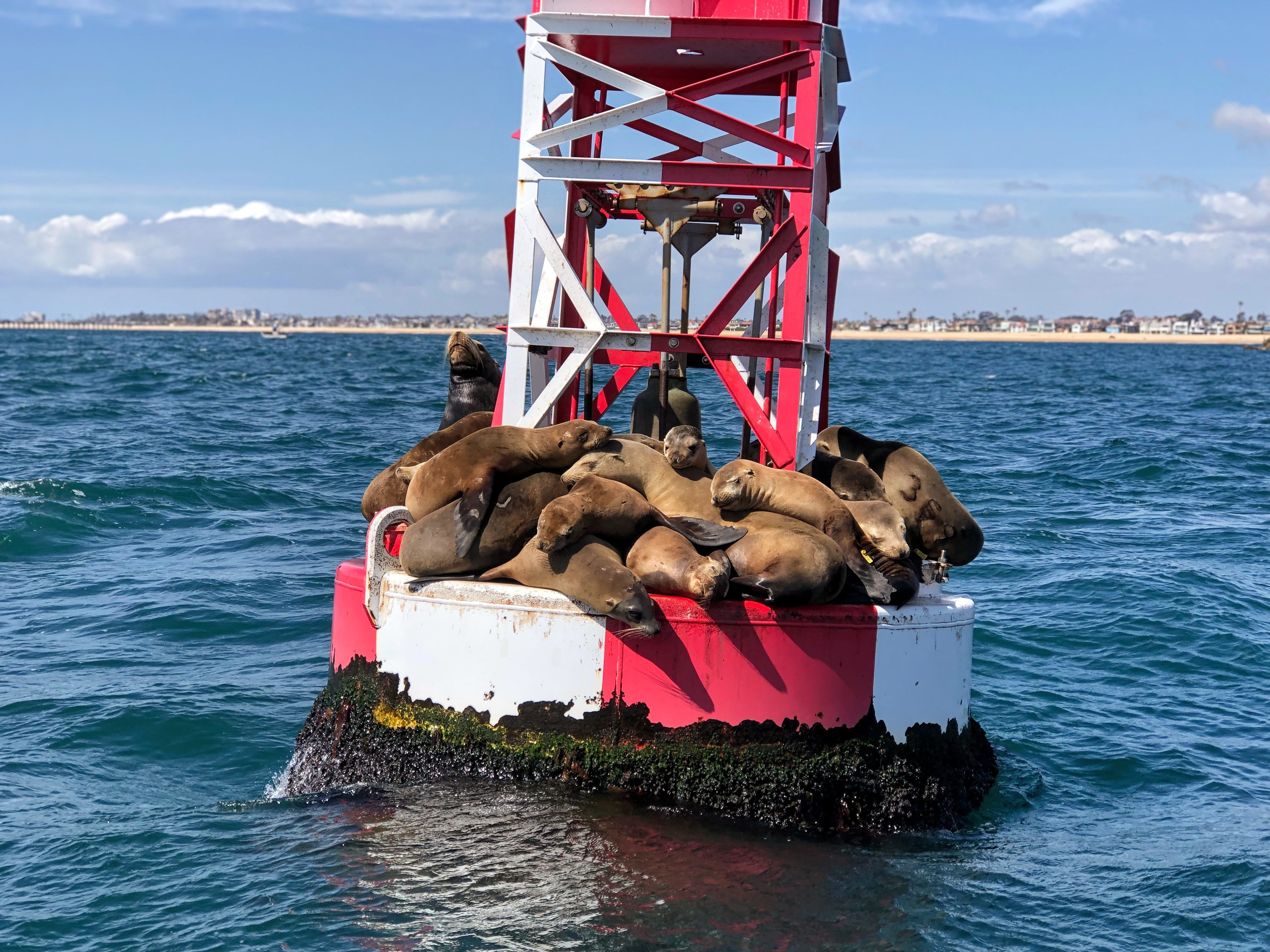
Sea lions off the Southern California coast. (Photo: Erik Olsen)
We’ve been seeing some of these impacts. Take sea lions and large fish populations. In years of strong upwelling, prey is more abundant and closer to shore, allowing California sea lions to forage more efficiently and increasing populations. During weak upwelling years, prey becomes scarcer and more dispersed, forcing sea lions to travel farther for food, increasing stress and reducing reproductive success. Variations like this have been observed in recent years during El Niño periods along the California coast, showing how quickly marine ecosystems respond to shifts in ocean conditions.
Of course, upwelling isn’t just a California thing; it’s a global phenomenon that occurs in various parts of the world, from the coasts of Peru to the Canary Islands. It serves a similar churning life inducing function in these places, too. But California is sort of the poster child for scientists thanks to extensive research here and its vital role in a multi-billion dollar fishing industry that includes species like albacore tuna, swordfish, Dungeness crab, squid, and sardines.
Anacaps Island in California’s Channel Islands (Photo: Erik Olsen)
Upwelling is one of those critical oceanic processes that helps maintain our stable and immensely productive California waters, but warming ocean temperatures and changes in wind patterns could cause big problems, disrupting the timing and intensity of upwelling, putting sea life off California’s coast at risk.
Pick up some California wildlife gifts at our Etsy store. Seriously, they’re cool.
Of course, I do not mean for this piece to be yet another downer about climate change. California’s coastal ecosystem is, in many ways, healthier today than it has been in decades, thanks to policies and practices put in place once we began to understand what was truly at stake. Whenever I get offshore and experience the ocean firsthand, I feel deeply grateful for what we have now, even as I remain aware that it is something we could still damage if we’re stupid and careless…which is not out of the question. The encouraging part is that Californians have shown, again and again, a real capacity to rally when it matters. For now, then, it is worth appreciating what we have and getting out there to experience it whenever you get the chance.
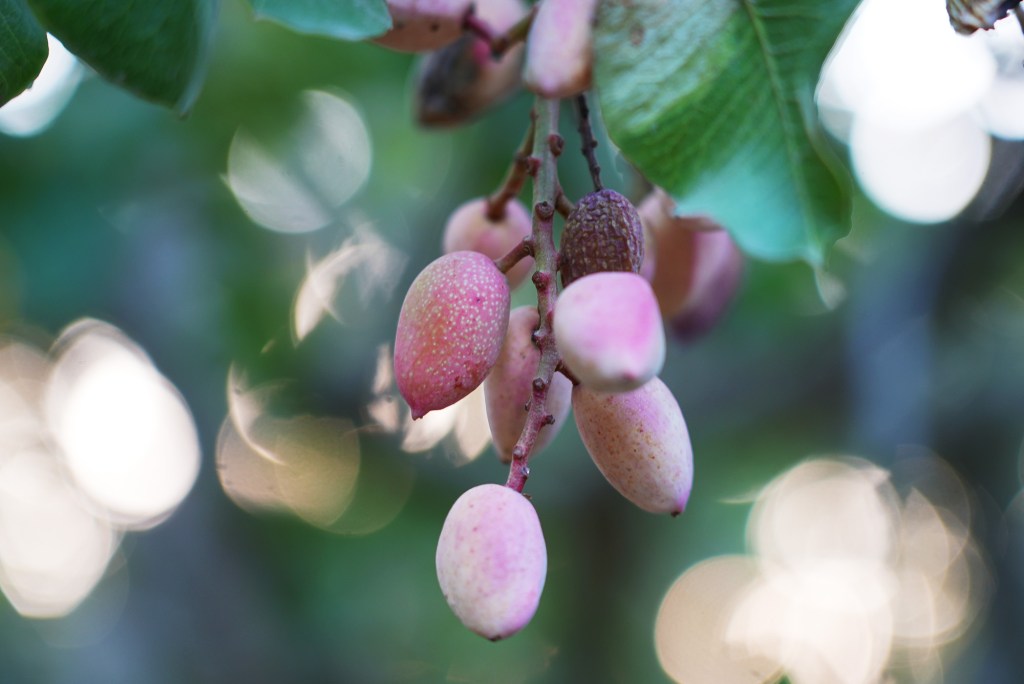
I just got back from a filming assignment in California’s Central Valley. That drive up I-5 and Highway 99 is always a strange kind of pleasure. After climbing over the Grapevine, the landscape suddenly flattens and opens into a vast plain where farmland and dry earth stretch endlessly in every direction. A pumpjack. A dairy farm. Bakersfield. There’s a mysterious, almost bleak beauty to it. Then come the long stretches where the view shifts from dust to trees: pistachio trees. Especially through the San Joaquin Valley, miles of low, gray-green orchards extend to the horizon. At various points, I busted out a drone and took a look, and as far as I could see, it was pistachio trees. A colorful cluster of pistachios hung from a branch and I picked on and peeled off the fruity outer layer. There was that familiar nut with the curved cracked opening. The smiling nut.
California now grows more pistachios than any place on Earth, generating nearly $3 billion in economic value in the state. Nearly every nut sold in the United States, and most shipped abroad, comes from orchards in the Central Valley. The state produces about 99 percent of America’s pistachios, and the U.S. itself accounts for roughly two-thirds of the global supply. And that all happened relatively quickly.
When the U.S. Department of Agriculture began searching for crops suited to the arid West in the early 1900s, the pistachio was an obvious choice. In 1929, a USDA plant explorer named William E. Whitehouse traveled through Persia collecting seeds. Most failed to germinate, but one, gathered near the city of Kerman, produced trees that thrived in California’s dry heat. The resulting Kerman cultivar, paired with a compatible male variety named Peters, became the foundation of the modern industry. Every commercial orchard in California today descends from those early seeds.
For decades, pistachios were sold mainly to immigrants from the Middle East and Mediterranean. It wasn’t until the 1970s that California growers, backed by UC Davis researchers and improved irrigation, began planting on a large scale. By the early 1980s, they had found their perfect home in the southern San Joaquin Valley—Kern, Tulare, Kings, Fresno, and Madera Counties—a region with crazy hot summers, crisp winters…according to researchers, the kind of stress the trees need to flourish.
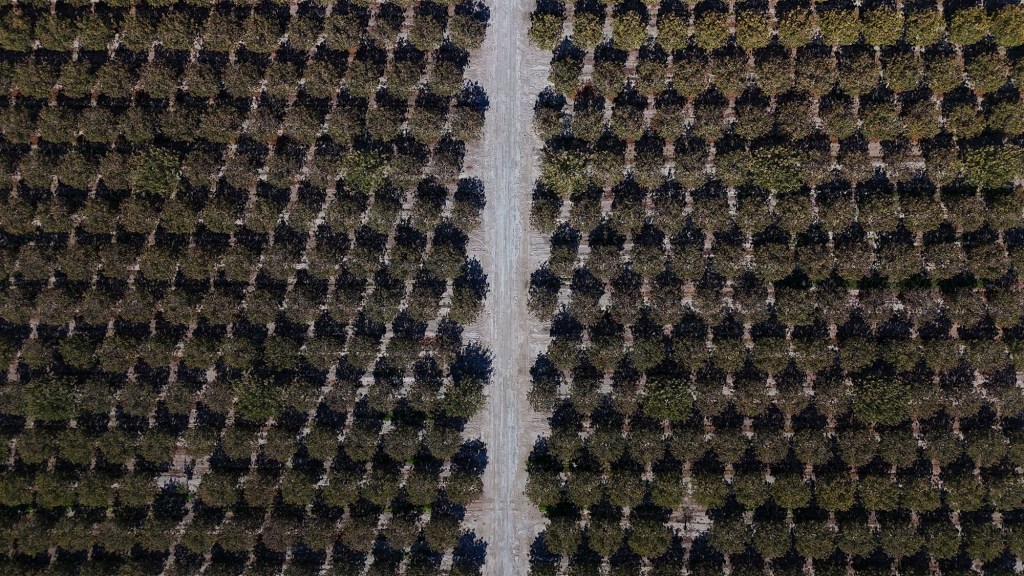
Pistachio trees in the Central Valley of California (Photo: Erik Olsen)
Then came The Wonderful Company, founded in 1979 by Los Angeles billionaires Stewart and Lynda Resnick. From a handful of orchards, they built an empire of more than 125,000 acres, anchored by a vast processing plant in Lost Hills. Their bright-green “Wonderful Pistachios” bags and silly “Get Crackin’” ads turned what was once an exotic import into a billion-dollar staple.
But the company’s success is riddled with controversy. Mark Arax wrote a scathing piece a few years ago about the Resnicks in the (now, sadly defunct) California Sunday Magazine. The Resnicks have been criticized for their immense control over California’s water and agriculture, using their political influence and vast network of wells to secure resources that many see as public goods. Arax described how the couple transformed the arid west side of the San Joaquin Valley into a private agricultural empire, while smaller farmers struggled through droughts and groundwater depletion. “Most everything that can be touched in this corner of California belongs to Wonderful,” Arax writes. (Side note: Arax’s The Dreamt Land made our recent Ten Essential Books About California’s Nature, Science, and Sense of Place.)
And yes, pistachios have been immensely profitable for the Resnicks. Arax write: “All told, 36 men operating six machines will harvest the orchard in six days. Each tree produces 38 pounds of nuts. Typically, each pound sells wholesale for $4.25. The math works out to $162 a tree. The pistachio trees in Wonderful number 6 million. That’s a billion-dollar crop.”
Pistachios at golden hour. (Photo: Erik Olsen)
Alas, California’s pistachio boom carries contradictions. The crop is both water-hungry and drought-tolerant, a paradox in a state defined by water scarcity. Each pound of nuts requires around 1,400 gallons of water, less than almonds, but still a heavy draw from aquifers and canals. Pistachio trees can survive in poor, salty soils and endure dry years better than most crops, yet once established, they can’t be left unwatered without risking long-term damage. Growers call them a “forever crop.” Plant one, and you’re committed for decades.
The pistachio has reshaped the Central Valley’s landscape. Once a patchwork of row crops and grazing land, vast acres are now covered in pistachio orchards, the ones I was recently driving through.
Pretty much everyone growing anything in California – pistachios, almonds, strawberries (especially strawberries) – can thank the University of California at Davis for help in improving their crops and managing problems like climate change and pests. Davis is a HUGE agricultural school and has many programs to help California farmers.
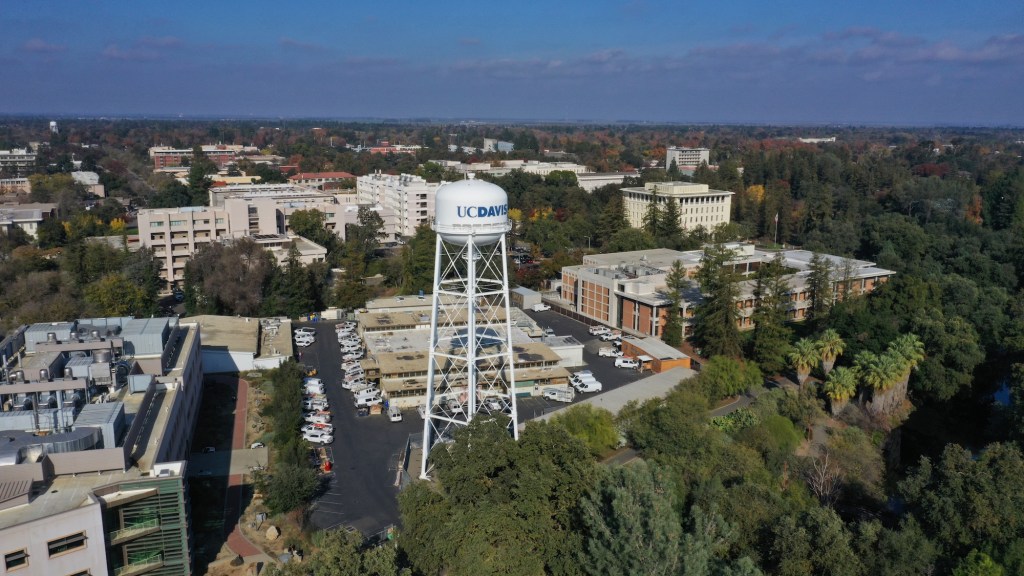
UC Davis is one of the world’s leading research centers for nuts, especially pistachios, almonds, and walnuts. Scientists here study everything from drought-tolerant rootstocks to disease resistance and pollination, making it the quiet engine behind California’s multibillion-dollar nut industry. (Photo: Erik Olsen)
In the case of the pistachio, recent research at UC Davis has shed new light on the tree’s genetic makeup. Scientists there recently completed a detailed DNA map of the Kerman variety, unlocking the genetic controls of kernel size, flavor compounds, shell-splitting behaviour and climate resilience. The idea is to help growers by making pistachios adapt to hotter, drier conditions. UC Davis is now one of the world’s leading centers for pistachio and nut science.
Here’s something I’ll bet you didn’t know: pistachios can spontaneously combust. Pistachios are rich in unsaturated oils that can slowly oxidize, generating enough heat to ignite large piles if ventilation is poor. Shipping manuals classify them as a “spontaneous-combustion hazard”, a rare but real risk for warehouses and freighters hauling tons of California pistachios across the world. Encyclopedia Britannica notes they are often treated as “dangerous cargo” at sea.
Now, some pistachio biology: The pistachio is dioecious, meaning male and female flowers grow on separate trees. Almonds are not. Farmers plant one male for every eight to ten females, relying on wind for pollination. The trees follow an alternate-bearing cycle, heavy one season, light the next. They don’t produce a profitable crop for about seven years, but once mature, they can keep producing for half a century or more.
California grows nearly all of America’s pistachios, and most of them come from the empire built by Lynda and Stewart Resnick, the power couple behind the Wonderful Company. Their orchards stretch across hundreds of thousands of acres in the Central Valley, transforming a desert landscape into one of the most lucrative nut operations in the world.
Another strange quirk of pistachios is that they are green and, if you look closely, streaked with a faint violet hue. The green comes from chlorophyll, the same pigment that gives leaves their color, which in pistachios lingers unusually long into the nut’s maturity. Most seeds lose chlorophyll as they ripen, but pistachios retain it, especially in the outer layers of the kernel. The purple tint, meanwhile, comes from anthocyanins, antioxidant pigments also found in blueberries and grapes.
As I walked among the pistachio trees recently, I marveled at how alone I was on one of the dirt roads off Highway 99. Not a soul in sight, only the hum of irrigation pumps and the rattle of dry leaves in the breeze. I like to write about the things we all see and experience in California but rarely stop to look at closely. Pistachios are one of those things. If you’ve ever driven through the San Joaquin Valley, you’ve seen how the landscape stretches for miles in orderly rows of pistachio trees. It’s easy to forget, amid the fame of Silicon Valley and Hollywood, that so much of California’s wealth still comes from the land itself, from agriculture and other extractive industries. The pistachio boom is a story of astonishing scale, but it’s also riven with the contradictions and complexities of modern California itself, where innovation and exploitation often grow from the same soil.
The ocean covers about 70 percent of Earth’s surface and holds 96 percent of its water. But because it’s saturated with salt, it isn’t drinkable. Sailors have known this for centuries, and that’s a profound challenge for California, with more than 800 miles of coastline and a history of drought that has persisted for over two decades despite occasional relief from heavy rains.
Remember those rains?
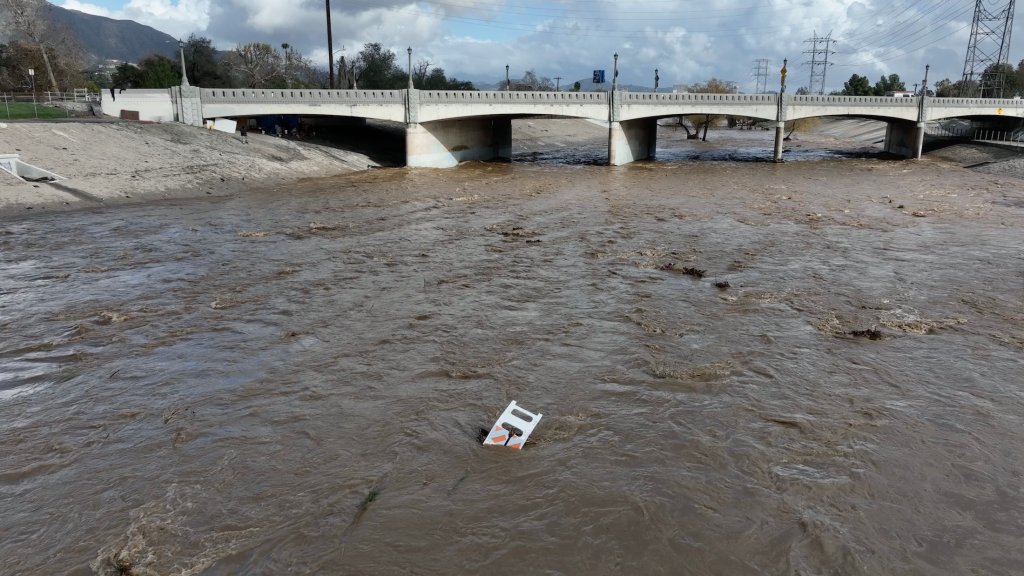
The atmospheric rivers of 2024 in California briefly filled reservoirs and restored snowpack, but drought has already returned to parts of the state, underscoring the state’s precarious water future and fueling renewed debate over desalination as a long-term water solution.
The Los Angeles Rifer flows high following atmospheric river storms in 2024 (Photo: Erik Olsen)
Several regions facing severe drought have turned to desalination with notable success. Israel now supplies up to 40 percent of its domestic water through desalination and is widely recognized as a global leader in technological innovation. In the Gulf, countries like Saudi Arabia, the United Arab Emirates, Kuwait, and Qatar depend heavily on desalinated water, with the region producing roughly 40 percent of the world’s supply of desal. Saudi Arabia’s Ras Al-Khair plant, for example, is the largest hybrid desalination facility in the world. Australia has also invested heavily, with Adelaide’s desalination plant able to provide up to half of the city’s water and ramping up to full capacity during the 2024–2025 drought.
By contrast, California, the world’s fourth-largest economy, continues to struggle with recurring droughts despite some relief from those recent rains.
Many new projects are underway to recycle and store water, but desalination remains an important option that could play a larger role in how California manages supplies for its residents and farmers. For now, the state has only a handful of desalination plants, with just two operating at significant scale, leaving California far behind global leaders.
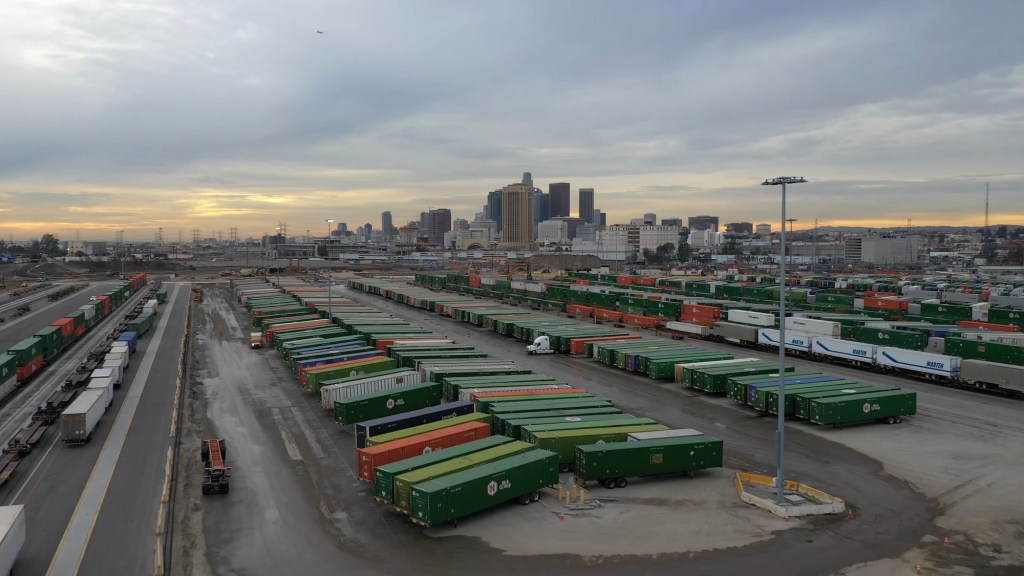
The Piggyback Yard rail site in Los Angeles, long used for freight operations, is now at the center of a proposal to transform the space into a massive stormwater capture and storage project. (Photo: Erik Olsen)
California will keep bouncing between wet and dry years, and that reality has pushed seawater and brackish-water desalination from a thought experiment into a real, if specialized, tool. It’s a big deal: The promise is reliable “drought-proof” supply. The tradeoffs are clear: high costs, heavy energy demands, and the challenge of careful siting. California has pushed the frontier of desalination technology, but it remains far from being an integral or dependable part of the state’s supply. Many observers doubt it ever will be.
But let’s take a look at where we are.
Desalination is already part of daily life in a few places. The 50-million-gallon-per-day Claude “Bud” Lewis Carlsbad Desalination Plant supplies roughly a tenth of the San Diego region’s potable demand, making it the largest seawater desalination facility in the United States. Water from Carlsbad is reliable during drought, but that reliability carries a premium: Recent public figures put its delivered cost in the low-to-mid $3,000s per acre-foot, higher than most imported supplies when those are plentiful. Even advocates frame the key tradeoff as price and energy intensity in exchange for certainty.
Rules matter as much as membranes. Since 2015, California has required new ocean desal plants to use the best available site, design, technology, and mitigation measures to minimize marine life mortality at intakes and to limit brine impacts at outfalls. These standards make facilities gentler on the ocean and they shape where plants can be built and what they cost. But it’s complicated.
The permitting bar is real, some say too onerous. In May 2022 the California Coastal Commission unanimously denied the proposed Huntington Beach seawater desalination plant after staff raised concerns about high costs, harm to marine life from an open-ocean intake, exposure to sea-level rise, and a lack of demonstrated local demand. That decision did not end desalination, but it clarified where and how it can pencil out. The same year, the Commission unanimously approved the smaller Doheny project in Dana Point because it uses subsurface intake wells and showed stronger local need and siting.
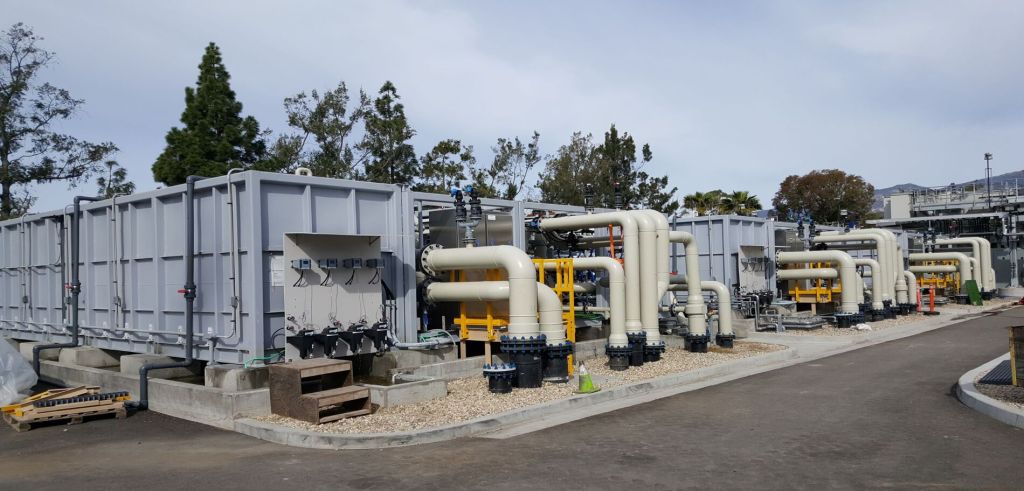
The Seawater Desalination Test Facility in Port Hueneme, Ventura. (Photo: John Chacon / California Department of Water Resources)
Doheny is frequently described as a late-2020s project, but its official timeline has slipped as partners and financing have taken longer to come together. That’s so California. The South Coast Water District has projected completion and operations in 2029, with key procurement milestones running through 2025. Given California’s regulatory climate, I’d say these dates are optimistic rather than bankable.
Elsewhere on the coast, the California American Water project for the Monterey Peninsula cleared a major hurdle in November 2022. Designed to add about 4.8 million gallons per day and pair with recycled water to replace over-pumping groundwater (a huge issue), it underscored desal’s role where other options are limited. In August 2025, the CPUC projected a 2050 supply deficit of 815 million gallons per year and cleared the way for construction to begin by year’s end. So, yeah. We’ll see.
Project site map of the Doheny Ocean Desalination Project (South Coast Water District)
Desalination is not only ocean-sourced. Several California systems quietly run on brackish water, which is less salty and cheaper to treat than seawater. Antioch’s brackish plant on the San Joaquin River is designed for about 6 million gallons per day to buffer the city against salinity spikes during drought. It was slated to come online this year, but operations have yet to begin (at least, I could not find any new info to this effect). Up the coast, Fort Bragg installed a small reverse-osmosis system in 2021 to deal with high-tide salt intrusion in the Noyo River during critically low flows, and it has piloted wave-powered desal buoys for emergency resilience.
Santa Barbara’s Charles E. Meyer plant was reactivated in 2017 after years in standby and now functions as a reliability supply the city can dial into. In 2024 it contributed a meaningful slice of deliveries.
These are targeted, local solutions, not silver bullets, and that is the point.
Energy remains the biggest driver of desalination costs. Even with modern technology cutting usage to 2.5 to 4 kilowatt-hours per cubic meter, desal still requires far more power and therefore higher expense than water recycling or imported supplies. Beyond cost, desalination also brings added challenges, from greenhouse gas emissions tied to electricity use to the disposal of concentrated brine back into the ocean.
Santa Barbara’s Charles E. Meyer plant (City of Santa Barbara)
But the reality today is that the biggest additions to statewide water supply are coming from large-scale potable reuse, aka recycling. San Diego’s Pure Water program begins adding purified water to the drinking system in 2026 and scales toward about 83 million gallons per day by 2035. Metropolitan Water District’s Pure Water Southern California is planning up to roughly 150 million gallons per day at full build-out. These projects do not replace desal everywhere, but they change the calculus in big metro areas by creating local, drought-resilient supplies with generally lower energy and environmental footprints.
With most desalination projects carrying steep costs, success may hinge on innovation. Several new approaches now being tested in California waters are showing early promise. In 2025, OceanWell began testing underwater desalination pods in a reservoir near Malibu. These cylindrical units are designed to test how membranes perform when microorganisms are present in the water, since bacteria and algae can grow on the surfaces and form biofilms that clog the system.
A drawing of OceanWell’s underwater desalination pod system (OceanWell)
The longer-term vision is “water farms” made up of subsea pods tethered 1,300 feet down, where natural hydrostatic pressure does much of the work. Each pod could produce up to a million gallons of fresh water per day with roughly 40 percent less energy than a conventional onshore plant. Because the brine would be released gradually at depth, the approach could also reduce ecological impacts. OceanWell has said its first commercial-scale project, called Water Farm 1, could be operating by 2030 if tests and permitting go as planned. It’s interesting, for sure, but in the end, we’re talking long-shot here.
Big picture, desalination works best as a specialty tool—it’s not the answer everywhere, but it can be a game-changer in the right spots. Think coastal towns with little groundwater, islands or peninsulas with fragile aquifers, or inland areas that get hit with salty water now and then. California’s rules now push projects toward gentler ocean intakes and better brine disposal, but the real strategy is a mix: conservation, stormwater capture, groundwater banking, recycled water, and just the right amount of desal. Those huge atmospheric river storms are not predictable. Who knows if we’ll get another next year or the year after that? The next drought will come, and the communities that invested in a full toolkit will be the ones that hold up the best.
Hey readers — we’re working on ways to keep California Curated going, and one new effort is our Etsy shop. It’s filled with science-inspired fish and bird designs that make great gifts for friends, family, or even yourself. Check it out and help support our work!
I’m going to keep this week’s article shorter than usual. I want to talk about the ocean. I know I do this a lot; many articles on California Curated are ocean-related (please explore, I think you’ll enjoy them). But that’s because I honestly believe it’s the most important feature on the planet. Protecting the ocean is the most important thing we can do. Let me explain.
The ocean covers more than 70 percent of Earth’s surface. So why do we even call this place Earth? We should call it Planet Ocean. Or Thalassa, from the Greek word for sea.
But it’s not just the size that matters, it’s the ocean’s vast, mysterious depth and the essential role it plays in sustaining life on Earth. The ocean is vital to all living things. Tiny organisms called phytoplankton absorb more carbon dioxide from the atmosphere than any other biological force on the planet. Through photosynthesis, they transform sunlight and carbon into organic matter, forming the base of the marine food web. Despite making up just a fraction of Earth’s plant biomass, phytoplankton are responsible for nearly half of all global carbon fixation. Zooplankton are tiny animals that eat phytoplankton. Zooplankton feed small fish, which feed bigger fish, which feed us. That’s the food chain. It’s literally a scaffolding for all life on earth. And a huge percentage of humanity depends on it to survive. If one link breaks, the whole thing risks collapse.
Phytoplankton (Photo: NOAA)
Which brings me to why I’m writing this. I recently watched the new National Geographic documentary Oceans, narrated by David Attenborough. I love Attenborough. His calm, British-inflected voice has been the backdrop to so much of my science education over the years. He feels like a wise grandfather. Kind, brilliant, and usually right.
In this film, he is absolutely right.
The documentary takes us to places no human has ever seen. In one scene, the team attaches cameras to a deep-sea trawling net. The footage is devastating. These massive nets kill everything in their path. Octopuses, fish, coral, entire ecosystems. Most of the species caught never even make it to market. They are bycatch, considered waste and tossed back into the sea. It’s wasteful, brutal, and legal. These trawlers are still out there, operating at scale, stripping the sea of life.
Bottom Trawling scene from Oceans with David Attenborough (National Geographic)
The film also shows how industrial fishing has hammered fish populations around the world. We are seeing species crash and food chains fracture. According to the Food and Agriculture Organization, nearly 35 percent of the world’s fish stocks are being overfished, a figure that has more than tripled since the 1970s. This kind of collapse has never happened before at this scale. And it is not getting better. We are talking about extinctions. We are talking about systems breaking down.
Friends often tell me the biggest threats to our planet are climate change, pollution, and microplastics. They’re not wrong. All this stuff is connected in a way. But if you ask me what really threatens human survival, it’s the breakdown of ocean ecosystems. If we lose one part of that chain for good, it won’t just be bad. It could be the beginning of the end. And I mean for humans, for organized society, not for all life on earth.
And yet, there is hope.
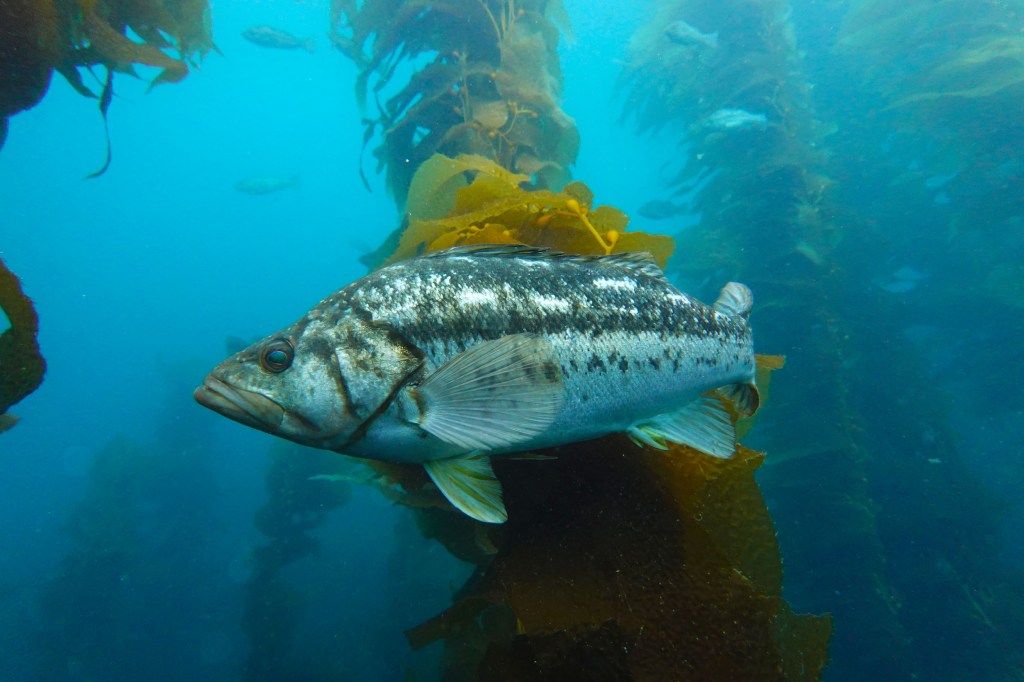
Kelp bed and bass in a marine protected area (MPA) in California’s Channel Islands (Photo: Erik Olsen)
Like any great documentary, Oceans ends with a sliver of optimism. It brings us back to California. Specifically, to the Channel Islands, one of my favorite places on Earth. I’ve been out there many times, several times recently reporting on ghost lobster traps and exploring. It’s stunning. And there is something very special going on.
Park rangers patrol the waters off the Channel Islands (Photo: Erik Olsen)
Much of the Channel Islands are protected as a Marine Protected Area, or MPA. You can’t fish. You can’t extract. And, most importantly, the rules are enforced. There are rangers out there at most all times patrolling. That part is key. I’ve done stories in places like Belize, Kiribati and Indonesia where the protections exist on paper but don’t work in practice. Kiribati, for instance, established the Phoenix Islands Protected Area, one of the largest MPAs on the planet. But it’s so vast and remote that enforcing its protections is nearly impossible. It’s a good idea on paper, but a cautionary tale in execution. But here in California, the rangers take it seriously. Because of that, the ecosystem is bouncing back. Twenty years after protection began, the kelp, the fish, the invertebrates, they’re thriving. These islands are alive.
California’s MPAs are a model for the world. They prove that if we give the ocean space and time, it will heal. But they remain the exception. They don’t have to be.
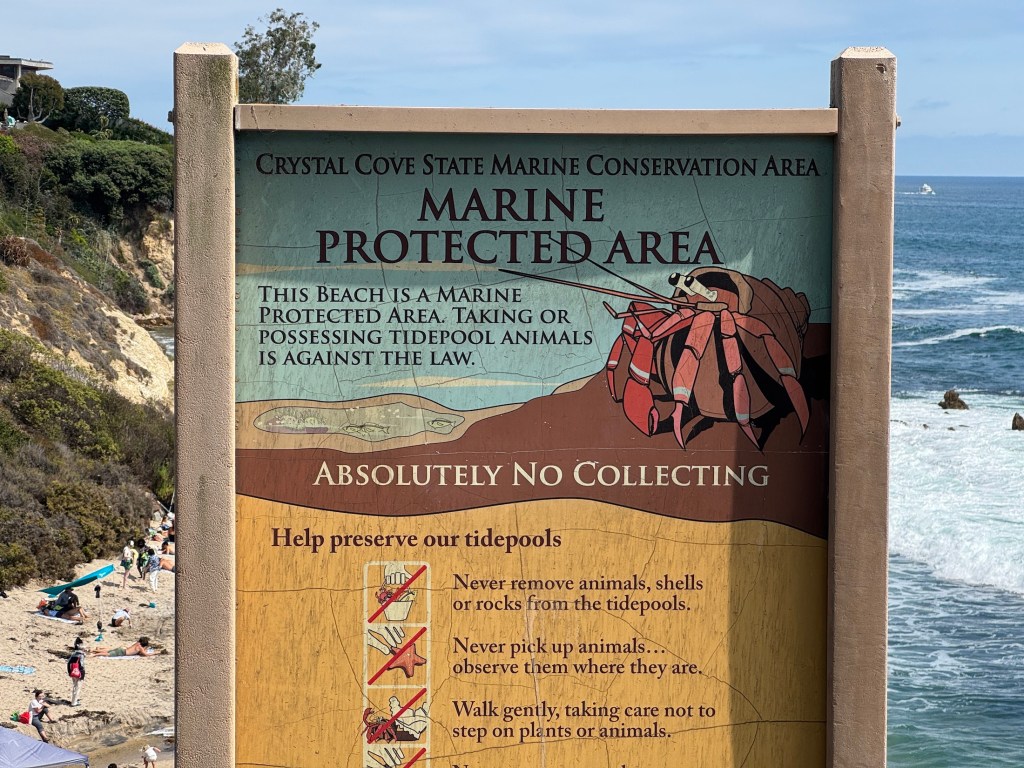
Marine Protected Area (MPA) sign in Corona del Mar, CA (Photo: Erik Olsen)
There’s a global movement right now to protect 30 percent of the world’s oceans by 2030. It’s called 30 by 30. Just recently, at the 2025 UN Ocean Conference in Nice, France, more than 70 countries reaffirmed their commitment to the 30 by 30 goal, calling for urgent action to protect ocean biodiversity and create well-managed, effectively enforced MPAs around the world. I’m not naive. I don’t think we’ll hit that goal perfectly. But we are finally moving in the right direction. And we don’t have another option. The ocean is too important.
So I’ll step off the soapbox now and let you enjoy your day. But before you click away, please take a moment to think about the ocean. Think about what it gives us. Think about how it restores us. As a diver, I can tell you there’s nothing like the world beneath the waves. It’s as strange, beautiful, and alien as any other planet we’ve imagined. The creatures there rival anything you’d find in Mos Eisley on Tatooine.
The author filming cuttlefish in Indonesia. Such strange creatures. (Photo: Erik Olsen)
Watch the documentary. Let it educate and inspire you. It might fill you with dread too. But in the end, its message is hopeful. And that message lands right here off the coast of California, the greatest state in the country. Or at least, that’s the opinion of one well-traveled guy with a newsletter about the state he loves.
Rare earth metals are now essential to the global economy, powering everything from smartphones and electric vehicles to wind turbines and defense systems. As China continues to dominate the market—producing more than 70% of the world’s supply—the urgency to find reliable alternatives has grown. The United States is locked in a high-stakes race to secure new sources of rare earth elements, along with other critical minerals like lithium and nickel, which are key to the clean energy transition. At the center of this effort is a storied mine in California that not only helped launch the rare earth industry decades ago but now stands as America’s most promising hope for rebuilding a domestic supply chain.
Mining shaped California’s growth, from the 1849 Gold Rush to key industries like mercury, silver, copper, tungsten, and boron. While some have declined, others, like the Rio Tinto U.S. Borax Mine in Boron, California, remain major global suppliers, while rare earth element extraction continues to be an important industry.
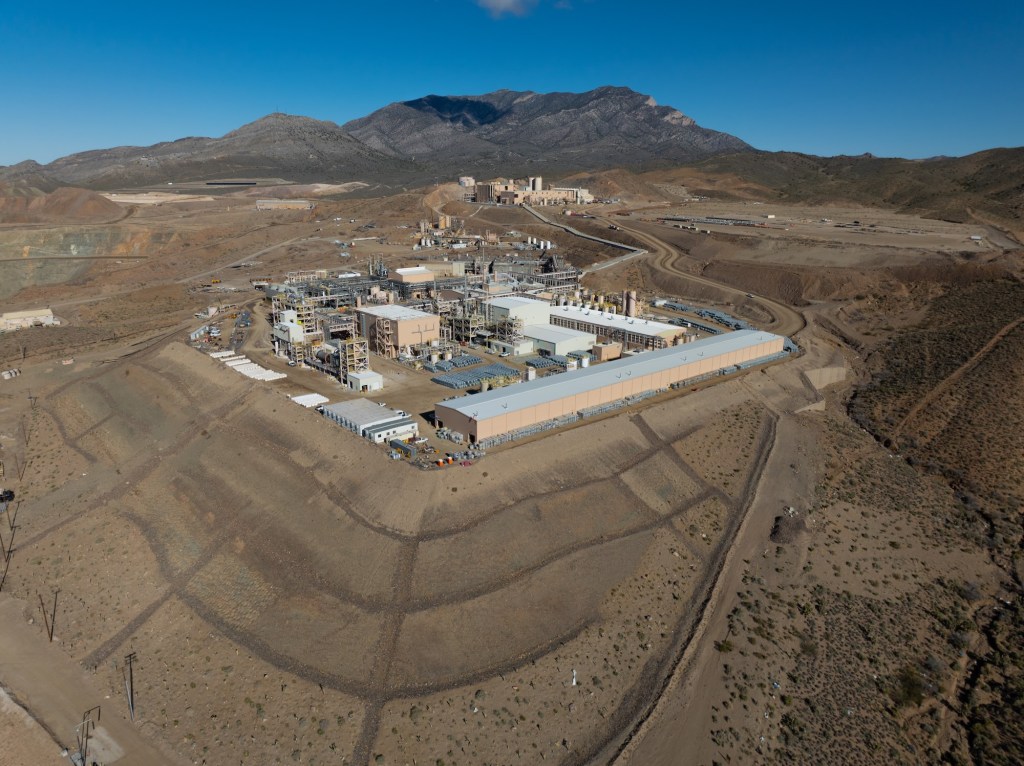
MP Materials’ Mountain Pass rare earths mine in California is a remarkable example of industrial resurgence and the strategic importance of critical metals in the modern era. Located in Mountain Pass in the remote Californian desert near the Nevada border (it’s easily viewable from Interstate 15), this mine, initially developed in the mid-20th century, has seen dramatic shifts in fortune, technology, and geopolitics, reflecting the complex role rare earth elements (REEs) play in global industries.
The rock at Mountain Pass contains an average of 7 to 8 percent rare earth elements—a remarkably high concentration by industry standards. This richness is a key factor in the mine’s potential. However, extracting these valuable elements from the surrounding material remains a challenge.
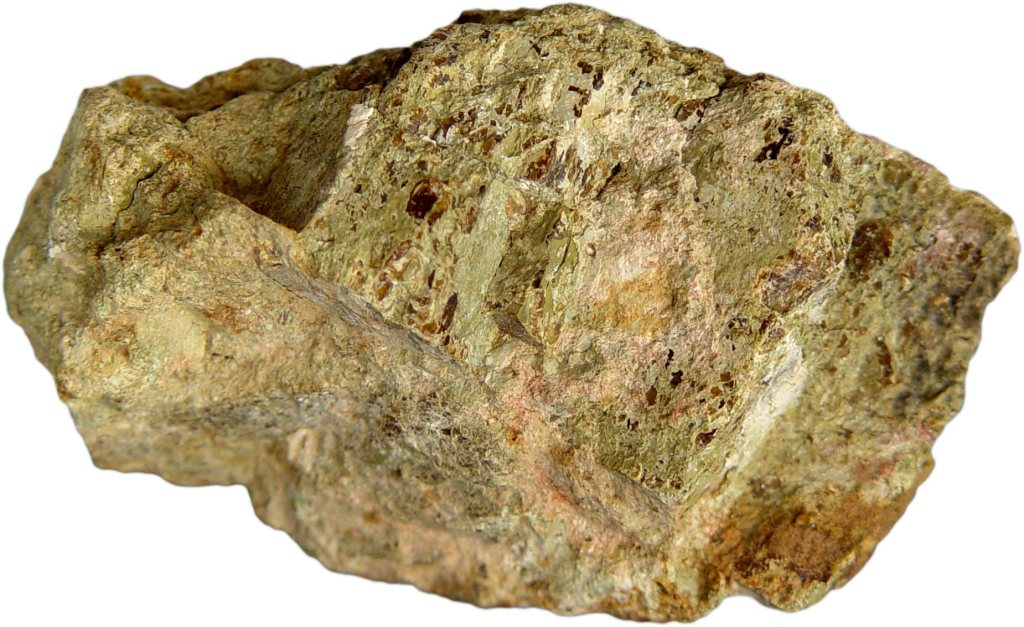
Discovered in 1949 while prospectors searched for uranium, the Mountain Pass deposit instead revealed bastnaesite, an ore rich in rare earth elements like neodymium, europium, and dysprosium. These elements are indispensable to modern technologies, powering innovations across consumer electronics, environmental solutions, and advanced military systems.
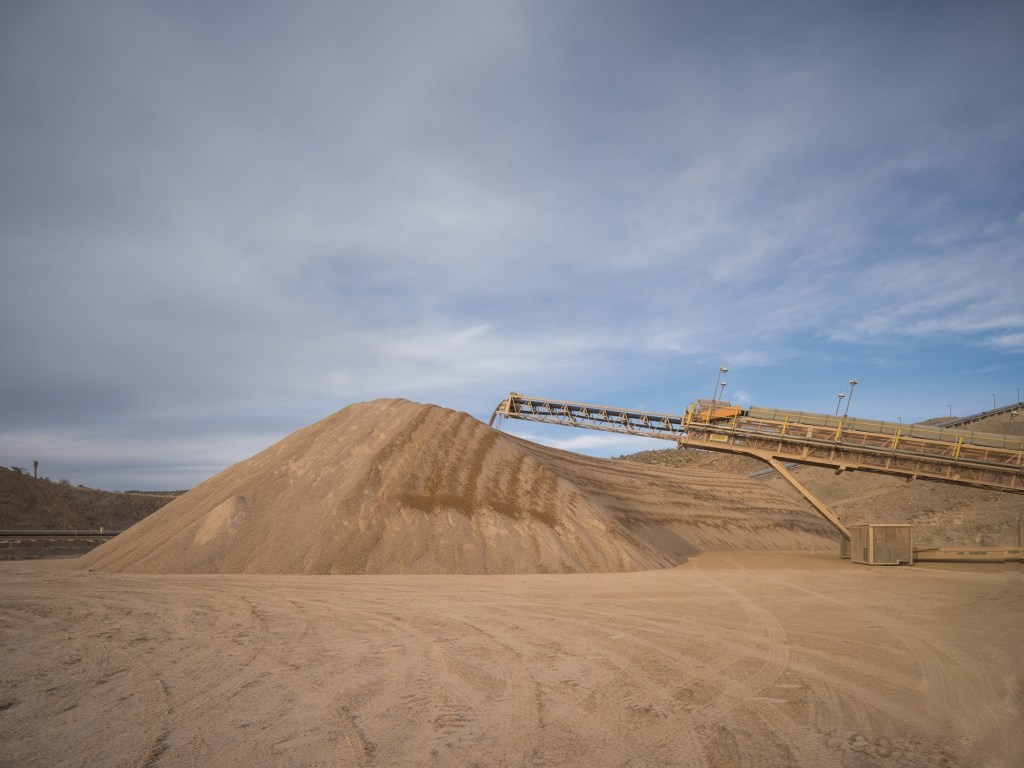
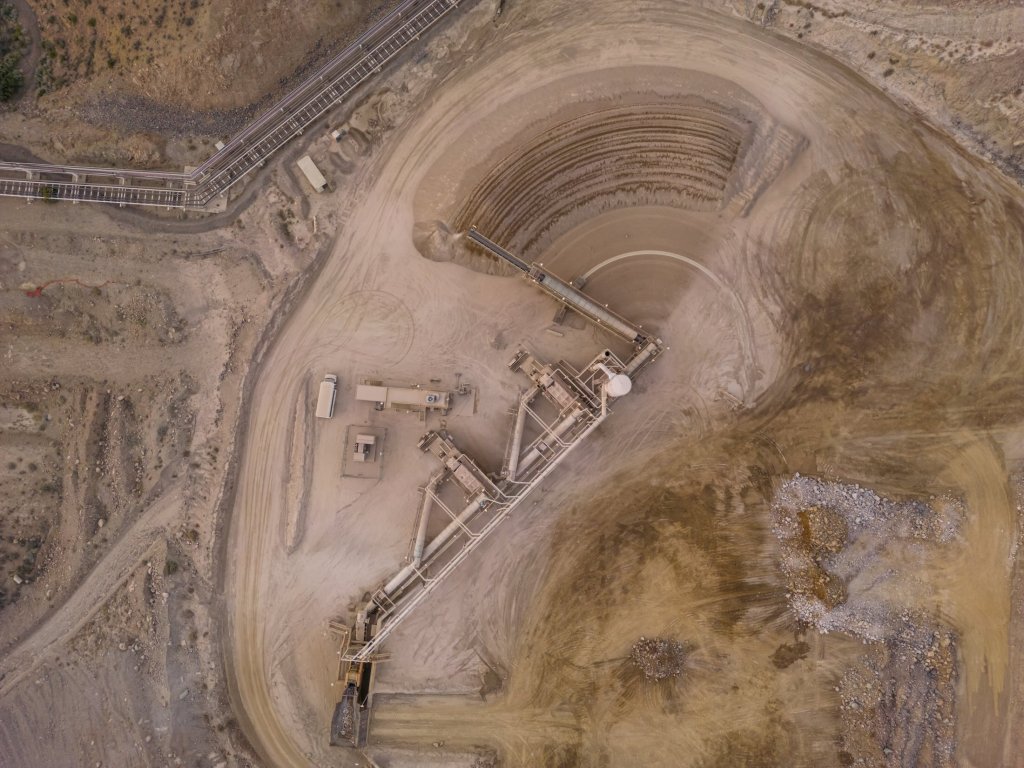
A computer-controlled arm deposits the raw crushed ore into a mound at the MP Materials mine and ore processing site in Mountain Pass, CA. (Courtesy: MP Materials)
Smartphones, for instance, are packed with rare earth elements that enable their functionality. Europium and gadolinium enhance the brightness and color of their screens. Lanthanum and praseodymium contribute to the efficiency of their circuits, while terbium and dysprosium enable the compact, high-performance speakers. Beyond smartphones, rare earth elements are essential to electric vehicles and renewable energy technologies, particularly in the production of permanent magnets. Thanks to their distinctive atomic structure, rare earth elements can produce magnetic fields far stronger than those generated by other magnetizable materials like iron. This exceptional capability arises from their partially filled 4f electron shell, which is shielded by outer electrons. This configuration not only gives them unique magnetic properties but also results in complex electronic arrangements and a tendency for unpaired electrons with similar spins. These characteristics make rare earth elements indispensable for creating the most advanced and powerful commercial magnets, as well as for applications in cutting-edge electronics.
Permanent magnets are among the most significant uses of rare earths, as they convert motion into electricity and vice versa. In the 1980s, scientists discovered that adding small amounts of rare earth metals like neodymium and dysprosium to iron and boron created incredibly powerful magnets. These magnets are ubiquitous in modern technology: tiny ones make your phone vibrate, medium-sized ones power the wheels of electric cars, and massive ones in wind turbines transform the motion of air into electricity. A single wind turbine can require up to 500 pounds of rare earth metals, highlighting their critical role in reducing greenhouse gas emissions.
MP Materials Processing Facility in Mountain Pass, California (Courtesy: MP Materials)
Additionally, rare earths play a significant role in environmental applications. Cerium is used in catalytic converters to reduce vehicle emissions, while lanthanum enhances the efficiency of water purification systems. Rare earth-based phosphors are employed in energy-efficient lighting, such as LED bulbs, which are central to reducing global energy consumption.
The importance of these elements underpins the strategic value of deposits like Mountain Pass, making the extraction and refinement of rare earths a critical aspect of both technological progress and national security. In the military domain, rare earths are integral to cutting-edge systems. They are used in the production of advanced lasers, radar systems, night vision equipment, missile guidance systems, and jet engines. According the the Department of Defense, for example, the F-35 Lightning II aircraft requires more than 900 pounds of rare earth elements. Alloys containing rare earth elements also strengthen armored vehicles, while lanthanum aids in camera lenses and night vision optics, giving military forces a strategic advantage.
Bastnaesite concentrate. Bastnaesite is a mineral that plays a crucial role in the production of rare earth metals. (Courtesy of MP Materials)
To fully appreciate the significance of rare earth elements and their crucial role in the United State’s economic future, it’s essential to explore the history of Mountain Pass, one of the most important rare earth mines in the world. This storied site not only played a pivotal role in meeting the surging demand for these elements but also serves as a case study in the challenges of balancing industrial ambition with environmental responsibility.
The Molybdenum Corporation of America, later renamed Molycorp, initially capitalized on the booming demand for europium in color televisions during the 1960s. In 1952, the company acquired the Mountain Pass site, recognizing its rich deposits of rare earth minerals. As the first major player in rare earths in the United States, it began operations at Mountain Pass, establishing a foothold in the burgeoning industry. Over the ensuing decades, Mountain Pass became the world’s premier source of rare earths, serving a growing market for advanced materials.
By the 1990s, however, the mine faced significant challenges. Environmental damage caused by leaks of heavy metals andradioactive wastewater led to regulatory scrutiny and costly fines, culminating in the mine’s closure. During its dormancy, global rare earth production shifted overwhelmingly to China, which gained near-monopoly control over the market. By the time Molycorp attempted to revive the site in the early 2000s, it struggled against operational inefficiencies, low rare earth prices, and fierce Chinese competition. Molycorp eventually declared bankruptcy, leaving the mine idle once again.
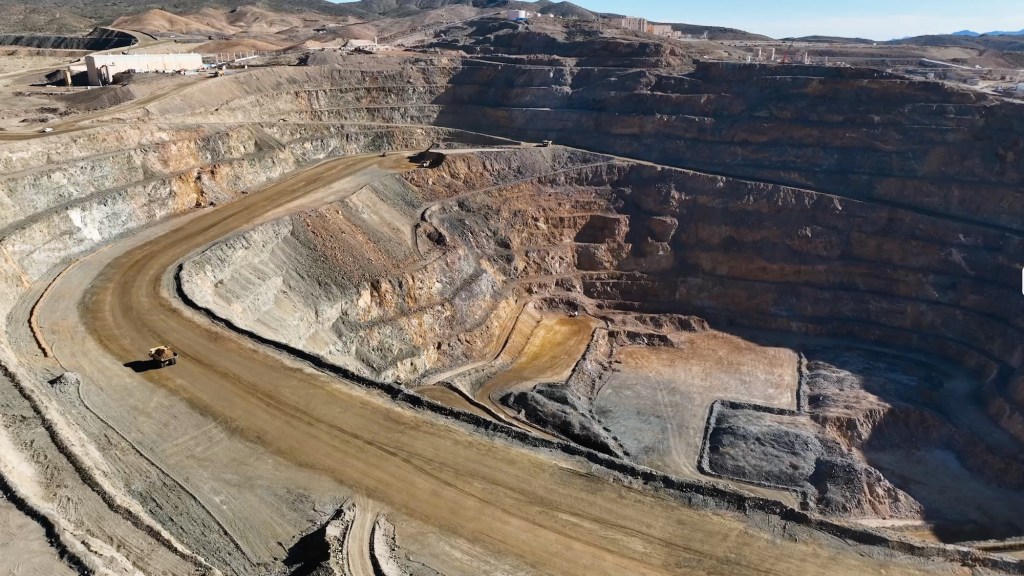
MP Materials Mine Facility (Photo: Erik Olsen)
In 2017, MP Materials, led by investors including Michael Rosenthal and Jim Litinsky, acquired the shuttered Mountain Pass mine after recognizing its untapped potential. Initially, they anticipated an established mining or strategic buyer would emerge. Faced with the risk of losing the mine’s permit and seeing it permanently closed through reclamation, they made the bold decision to operate it themselves. To restart operations, MP Materials partnered with Shenghe Resources, a Chinese state-backed company that provided critical early funding and became the company’s primary customer. Through this arrangement, MP shipped raw rare earth concentrate to China for processing, laying the foundation for a business model that was heavily reliant on the Chinese supply chain.
Over the next several years, Mountain Pass far exceeded expectations. By 2022, it was producing 42,000 metric tons of rare earth oxides—three times the best output achieved under its previous owner, Molycorp—and accounted for about 15% of global production. In 2024, the mine hit a U.S. production record with over 45,000 metric tons of REO in concentrate. But even as the mine’s output surged, MP Materials’ ties to China remained central to its operations. Shenghe not only purchased the bulk of that concentrate but also maintained an 8% ownership stake. In 2024, roughly 80% of MP’s revenue came from this relationship. That changed in 2025, when China imposed steep tariffs and new export restrictions. MP responded by halting all shipments to China, shifting instead to processing much of its output domestically and selling to U.S.-aligned markets like Japan and South Korea. It has since invested nearly $1 billion to build out a full domestic supply chain and launched a joint venture with Saudi Arabia’s Ma’aden, marking a decisive pivot away from reliance on China.
The processing of rare earth elements, particularly for high-value applications like magnets, involves a complex, multi-step value chain. It begins with extraction, where ores containing rare earths are mined, followed by beneficiation, a process that concentrates the ore to increase its rare earth content. Next, separation and refining isolate individual rare earth oxides through solvent extraction or other chemical methods. These refined oxides then undergo metallization, where they are reduced into their metallic form, making them suitable for further industrial use. The metals are then alloyed with other elements to enhance their properties, and finally, the material is shaped into high-performance magnets essential for applications in electric vehicles, wind turbines, and advanced electronics. Each of these steps presents significant technical, economic, and environmental challenges, making rare earth processing one of the most intricate and strategically important supply chains in modern technology.
Bastnaesite ore (Wikipedia)
Despite MP Materials’ success and efforts to ramp up facets of processing at its Mountain Pass mine in California, a critical portion of the rare earth refining process—metallization, alloying, and magnet manufacturing—remains dependent on other countries, including China and Japan. These procedures are both intricate and environmentally taxing, and California’s stringent regulatory framework, designed to prioritize environmental protections, has made domestic processing particularly challenging. Across the rare earths industry, this dependence on Chinese facilities exposes a significant vulnerability in the rare earth supply chain, leaving the United States and other countries reliant on foreign infrastructure to produce critical materials essential for technologies such as electric vehicles and advanced military systems.
However, to address the dependency on foreign processing, MP Materials is investing heavily in building a fully domestic rare earth supply chain. At its Mountain Pass mine in California, the company is enhancing its processing and separation capabilities to refine rare earth elements on-site. Meanwhile, at its new Independence facility in Fort Worth, Texas, MP Materials has begun producingneodymium-praseodymium (NdPr) metal and trialing sintered neodymium-iron-boron (NdFeB) magnets. This facility marks the first domestic production of these critical materials in decades, with the capability to produce 1,000 metric tons of magnets annually, amounting to the production of roughly half a million EV motors.
“This is our ultimate goal,” says Matt Sloustcher, EVP of Corporate Affairs for MP Materials. “To handle the entire separation and refining process on-site—but that ramp-up takes time.”
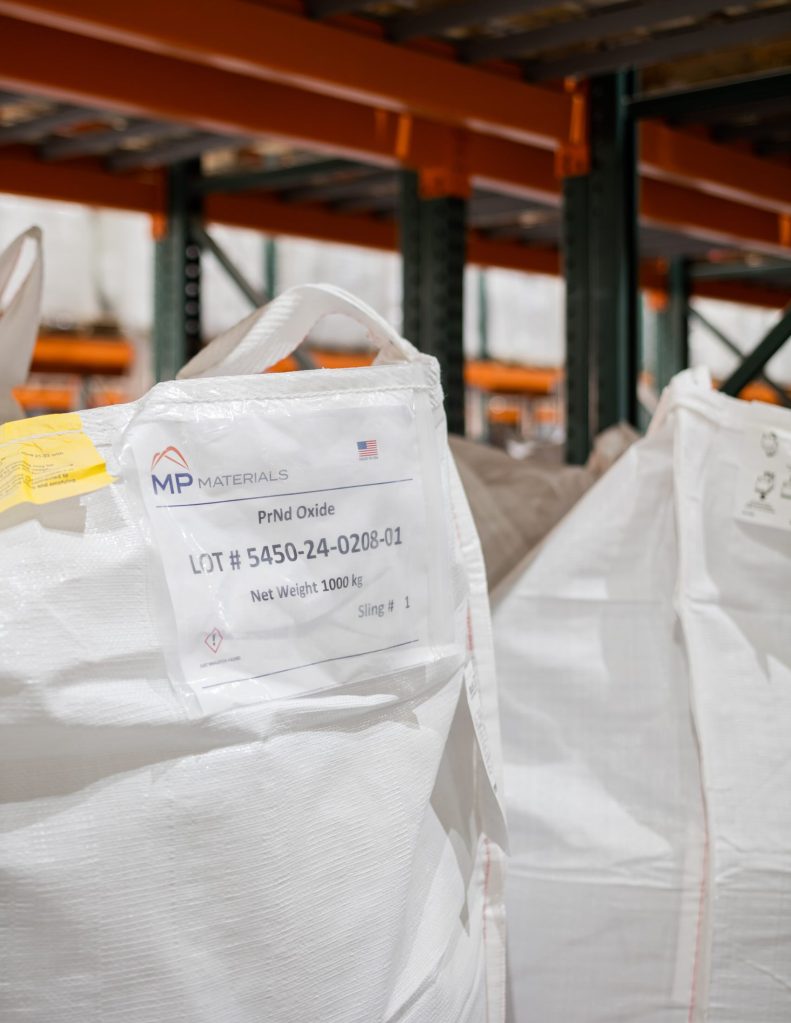
Individual slings of PrNd Oxide, the primary product produced at MP Materials. (Courtesy: MP Materials)
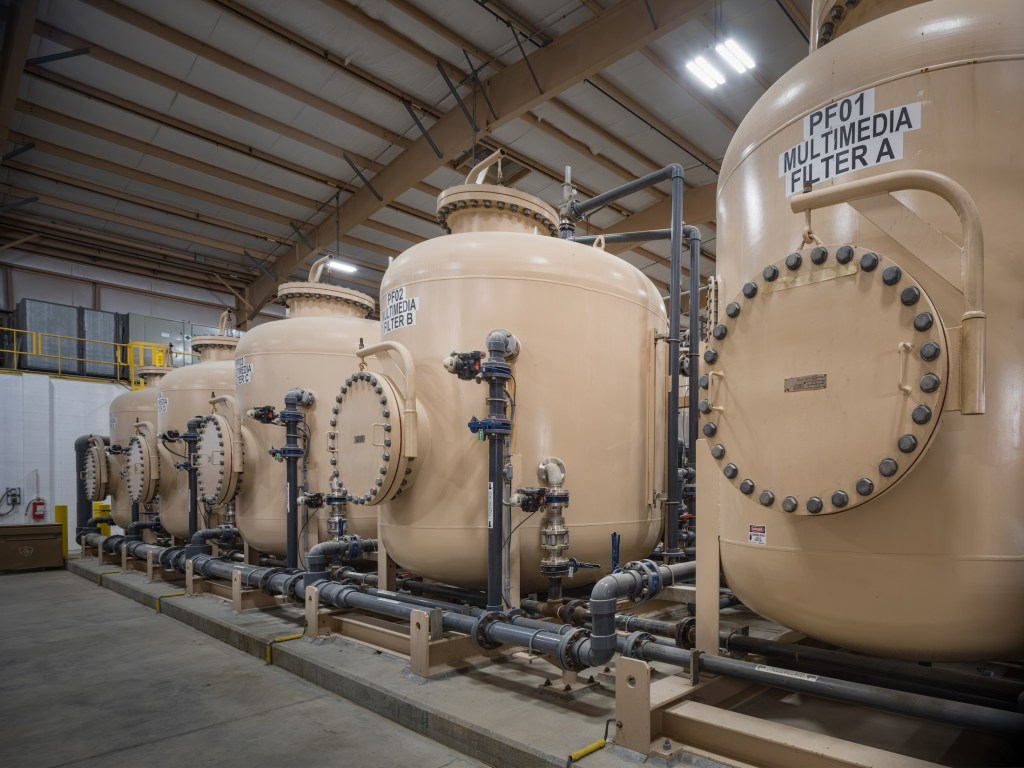
MP Materials asserts that the new U.S.-based rare earth supply chain it is developing will be a “zero discharge” facility, recycling all water used on-site and disposing of dry waste in lined landfills. That will make it a far more environmentally sustainable than its counterparts in Asia, where rare earth mining and processing have led to severe pollution and ecological damage. The company says it is making progress. MP Materials’ Sloustcher pointed California Curated to a Life Cycle Assessment (LCA) study published in the American Chemical Society which “found that NdFeB magnets produced from Mountain Pass ore have about one-third the environmental footprint of those from Bayan Obo, China’s largest rare earth mine.”
“With record-setting upstream and midstream production at Mountain Pass and both metal and magnet production underway at Independence , we have reached a significant turning point for MP and U.S. competitiveness in a vital sector,” said James Litinsky, Founder, Chairman, and CEO of MP Materials in a company release.
Interior view of the Water Treatment Plant at the MP Materials mine and ore processing site in Mountain Pass, CA. (Courtesy: MP Materials)
MP Materials has also partnered with General Motors to produce rare earth magnets for electric vehicles, signaling its commitment to integrating domestic production into key industries. The push for domestic EV production is not just about economic security but also about environmental sustainability, as reducing the carbon footprint of mining, processing, and transportation aligns with the broader goal of clean energy independence.
The resurgence of the Mountain Pass mine aligns with a broader initiative by the U.S. government to secure domestic supplies of critical minerals. Recognizing Mountain Pass as a strategic asset, the Department of Defense awarded MP Materials a $35 million contract in February 2022 to design and build a facility for processing heavy rare earth elements at the mine’s California site Additionally, the Department of Energy has been actively supporting projects to strengthen the domestic supply chain for critical minerals, including rare earth elements, through various funding initiatives.
Mountain Pass’s operations, however, highlight the challenges inherent in mining rare earths. The extraction process involves significant environmental risks, particularly in managing wastewater and tailings ponds. MP Materials claims to prioritize sustainable practices, yet its long-term ability to minimize environmental impact while scaling production remains under scrutiny. The mine’s bastnaesite ore, with rare earth concentrations of 7–8%, is among the richest globally, making it economically competitive. Still, as mentioned above, processing bastnaesite to isolate pure rare earth elements involves complex chemical treatments, underscoring why global production remains concentrated in a few countries.
Overhead view of the Crusher at the MP Materials mine and ore processing site in Mountain Pass, CA. (Courtesy: MP Materials)
Today, Mountain Pass is not only a critical supplier but also a symbol of U.S. efforts to reduce dependency on Chinese rare earth exports as well as other minerals such as lithium and copper vital to a transition to clean energy technology. As demand for REEs surges with advancements in green energy and technology, the increasing mine’s output supports the production of permanent magnets used in electric motors, wind turbines, and countless other applications. This resurgence in domestic rare earth production offers hope for a revitalized U.S.-based supply chain, reducing dependence on foreign sources and ensuring a more stable, sustainable future for critical mineral access.
However, significant obstacles remain, including the environmental challenges of mining, the high costs of refining and processing, and the need to develop advanced manufacturing infrastructure. Overcoming these barriers will require coordinated efforts from industry, government, and researchers to make domestic production both economically viable and environmentally responsible, ensuring a truly climate-friendly future. With the global race for critical minerals intensifying, MP Materials’ success demonstrates the potential—and challenges—of revitalizing domestic mining infrastructure in an era of heightened resource competition.
As the world pivots toward renewable energy sources, the challenge of energy storage looms ever larger. The sun doesn’t always shine, and the wind doesn’t always blow — but the demand for electricity never stops. Currently, natural gas and coal are the primary ways we generate electricity. These are dirty, pollution-causing industries that will need to be phased out if we are to tackle the problems associated with climate change. Many different solutions to this problem are currently being investigated across the country and the world.
For example, the Gemini Solar + Battery Storage Project, located about 30 miles northeast of Las Vegas, is one of the largest solar battery facilities in the United States, launched in 2023. Spanning approximately 5,000 acres, it combines a 690-megawatt solar photovoltaic array with a 380-megawatt battery storage system, capable of powering about 50,000 homes and providing 10% of Nevada’s peak energy demand. By storing solar energy in massive batteries, the facility ensures a stable and reliable power supply even after the sun sets, addressing the intermittency challenges of renewable energy.
The Gemini Solar + Storage (“Gemini”) project in Clark County, Nevada is now fully operational. It uses lithium ion batteries from China to store solar power (Gemini Solar + Storage)
However, these facilities face significant challenges due to the inherent explosive potential of lithium batteries. The Moss Landing battery facility fire serves as a stark reminder of the challenges associated with large-scale energy storage. Housing one of the world’s largest lithium-ion battery systems, the facility experienced multiple fire incidents, raising concerns about the safety of these technologies. These fires were particularly alarming due to the potential for thermal runaway, a phenomenon where a single battery cell’s failure triggers a chain reaction in neighboring cells, leading to uncontrollable fires and explosions. While no injuries were reported, the incidents caused significant operational disruptions and prompted widespread scrutiny of fire safety protocols in energy storage systems. Investigations have pointed to the need for more robust cooling mechanisms, advanced monitoring systems, and comprehensive emergency response strategies to prevent similar events in the future.
Aside from the potential fire dangers of large battery facilities, building large-scale solar battery projects like Gemini is costly, often exceeding hundreds of millions of dollars, due to the expense of new lithium-ion batteries. A more sustainable and economical solution could involve repurposing old batteries, such as those from retired electric vehicles. These batteries, while unsuitable for cars, still retain enough capacity for energy storage, reducing costs, resource use, and electronic waste.
That’s where B2U Storage Solutions, a California-based company founded by Freeman Hall and Mike Stern, offers an innovative answer to this critical problem. By harnessing the power of old electric vehicle (EV) batteries to store renewable energy, B2U is giving these aging batteries a productive second life and helping enhance the viability of green energy grids. The effort could pave the way for not only improving solar storage but also reusing old batteries that might otherwise end up in landfills or pose environmental hazards.
According to Vincent Beiser in his wonderful new book Power Metal: The Race for the Resources That Will Shape the Future, “by 2030, used electric car batteries could store as much as two hundred gigawatt-hours of power per year. That’s enough to power almost two million Nissan Leafs.”
Founded in 2019, B2U emerged as a spin-off from Solar Electric Solutions (SES), a solar energy development company with a strong track record of success, having developed 100 megawatts across 11 projects in California since 2008. Freeman Hall, a seasoned renewable energy strategist, and Mike Stern, a veteran in solar project development, combined their expertise to address a growing challenge: how to create affordable and sustainable energy storage.
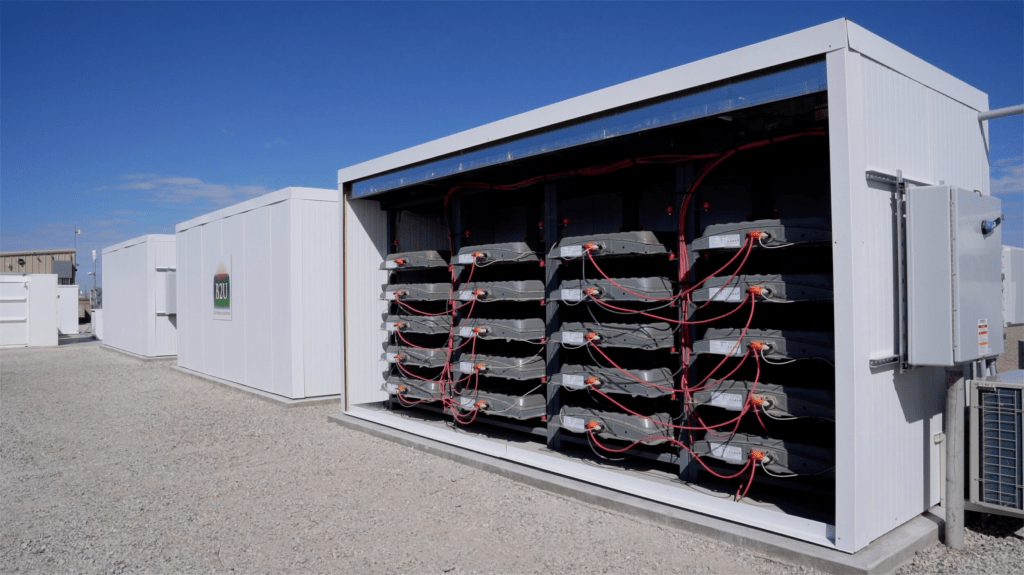
Leveraging their knowledge, B2U developed their patented EV Pack Storage (EPS) technology. This technology allows for the integration of second-life EV batteries without the need for costly repurposing, making large-scale energy storage more economically feasible. Their vision took shape in Lancaster, California, where they established the SEPV Sierra facility in 2020.
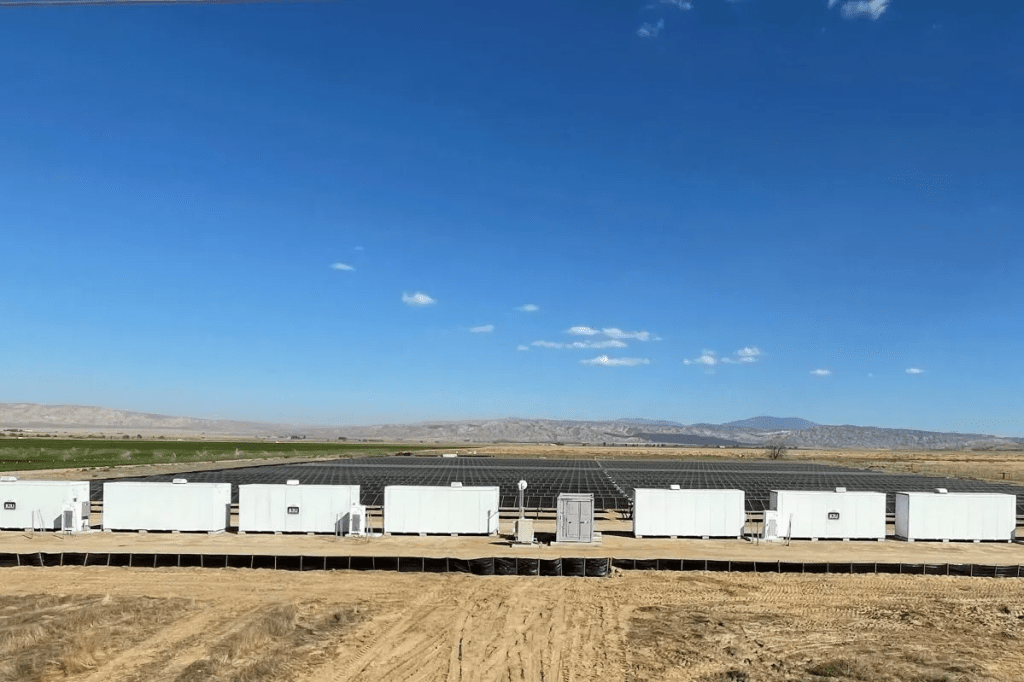
At the Lancaster site, B2U uses over 1,300 repurposed EV batteries to form a large-scale battery energy storage system (BESS). When solar farms generate more electricity than the grid can immediately use, the excess power is stored in these second-life batteries. Later, when the sun sets or demand peaks, that stored energy is released back into the grid. This process reduces waste and helps stabilize renewable energy supply.
B2U is not alone. The second-life market for EV batteries is projected to grow to $7 billion by 2033, according to a March report by market research firm IDTechEx. While most EVs rely on lithium-ion batteries, these typically lose viability for vehicle use after about eight to ten years. However, depending on their remaining capacity and “state of health”—a measure of cell aging—they can be repurposed for less demanding applications, such as stationary energy storage, the report notes.
B2U Storage Solutions has launched its second hybrid battery storage facility near New Cuyama in Santa Barbara County, California. This innovative project uses approximately 600 repurposed electric vehicle batteries, primarily from Honda Clarity models, to provide 12 megawatt-hours of storage capacity. Charged by a 1.5-megawatt solar array and supplemental grid power, the facility supplies electricity and grid services to the California energy market. By employing patented technology, the system integrates second-life EV batteries in their original casings, reducing costs and enhancing sustainability. Building on the success of its first facility in Lancaster, this project demonstrates a scalable approach to energy storage while minimizing electronic waste and supporting renewable energy adoption.
2015 Honda Clarity FCV (Wikipedia)
B2U claims its technology enables batteries to be repurposed in a nearly “plug-and-play” manner, eliminating the need for disassembly. The system is compatible with units from multiple manufacturers, including Honda, Nissan, Tesla, GM, and Ford, allowing them to be seamlessly integrated into a single storage system.
Renewable energy is essential to combating climate change, but its intermittent nature poses challenges for maintaining a reliable power grid. Without effective storage, surplus renewable power generated during peak periods is wasted, and fossil fuels must often be burned to cover shortfalls. By using second-life EV batteries, B2U provides a sustainable, cost-effective solution to this problem.
Freeman Hall and Mike Stern’s innovative approach at B2U addresses the pressing need for affordable energy storage while giving EV batteries a second life. Their Lancaster facility and the one in New Cuyama demonstrate how smart storage solutions can make renewable power more reliable and accessible. By extending the lifecycle of EV batteries and supporting a resilient energy grid, B2U is at the forefront of sustainable energy innovation.
As California works toward ambitious renewable energy goals and the world increasingly embraces electric vehicles, companies like B2U could play a crucial role in shaping a cleaner, more sustainable future.
Update (February 2025): The Ivanpah Solar Electric Generating System, once a milestone in renewable energy, now faces possible closure. Pacific Gas & Electric has agreed to terminate its contracts, citing the higher cost of Ivanpah’s solar-thermal technology compared to photovoltaics. If approved, two of the plant’s three units could shut down by 2026. Southern California Edison is also considering a contract buyout, adding to uncertainty. Environmental concerns, including bird and tortoise deaths from intense solar radiation, have further complicated Ivanpah’s legacy, reflecting the challenges of large-scale clean energy projects.
In the heart of the Mojave Desert, a glittering sea of mirrors sprawls across 3,500 acres, harnessing the relentless desert sun to power homes and businesses across California. As you drive to or from Las Vegas to the West, the facility rises from the desert, resembling an alien spaceport in the distance. From the air, passengers on flights over the desert can easily spot the plant, with its three towering structures gleaming nearly as brilliantly as the sun.
This ambitious undertaking, known as the Ivanpah Solar Electric Generating System, stands as one of the largest concentrated solar power (CSP) plants in the world. Since its completion in 2014, Ivanpah has been celebrated as a major milestone in renewable energy innovation, while also facing considerable scrutiny and challenges.
The idea behind Ivanpah was born from the vision of BrightSource Energy, led by Arnold Goldman, who was an early pioneer of solar thermal technology. Goldman had previously been involved with Luz International, a company that attempted similar solar ventures in the 1980s. Those early projects struggled due to high costs and limited efficiency, eventually falling victim to the market forces of low fossil fuel prices and a lack of policy support. But by the mid-2000s, the winds had shifted. California, driven by its Renewable Portfolio Standard (RPS), began pushing aggressively for renewable energy sources, setting ambitious targets that mandated utilities procure a large percentage of their electricity from clean sources. This provided fertile ground for a revived effort in concentrated solar power.
Ivanpah Solar Power Facility, a glittering sea of mirrors sprawls across 3,500 acres, harnessing the relentless desert sun to power homes and businesses across California. (Erik Olsen)
With significant financial backing from NRG Energy, Google—which has a strong interest in promoting renewable energy as part of its sustainability goals—and the U.S. Department of Energy (which provided a $1.6 billion loan guarantee), the Ivanpah project broke ground in 2010 and began operation in 2014. By its completion, it had become a landmark renewable energy installation—a bold attempt to demonstrate the viability of CSP technology at scale, with a capacity of 392 megawatts (MW), enough to power around 140,000 homes at peak production.
Ivanpah’s CSP technology differs significantly from the more common photovoltaic (PV) solar panels that typically sprawl across rooftops and solar farms. Instead of directly converting sunlight into electricity, Ivanpah employs a central tower system that uses concentrated solar power to generate steam. The facility harnesses the reflections of 173,500 heliostats (large mirrors) spread across the desert floor, each of which tracks the sun throughout the day using computer algorithms, reflecting sunlight onto a central receiver at the top of Ivanpah’s three 450-foot towers.
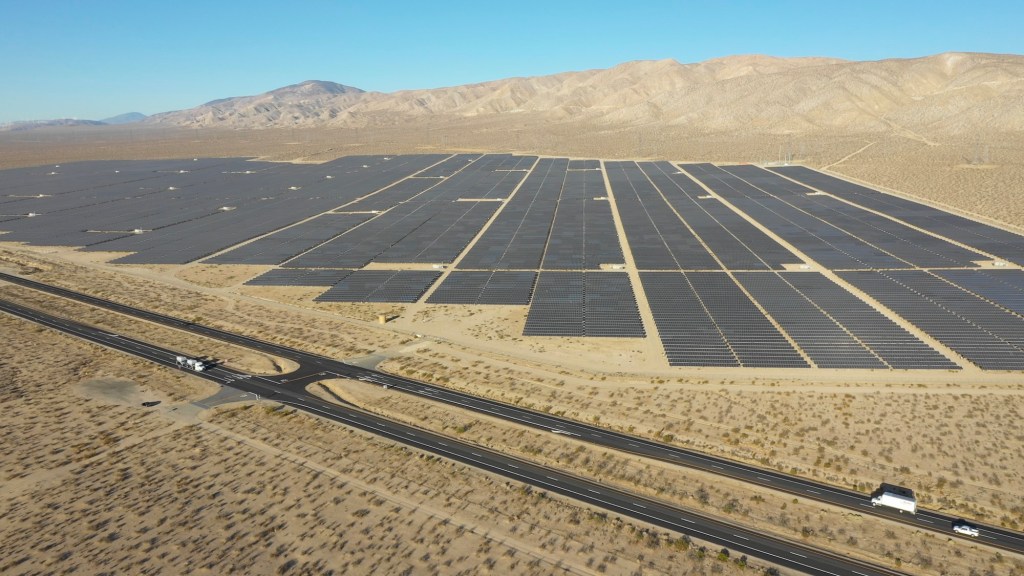
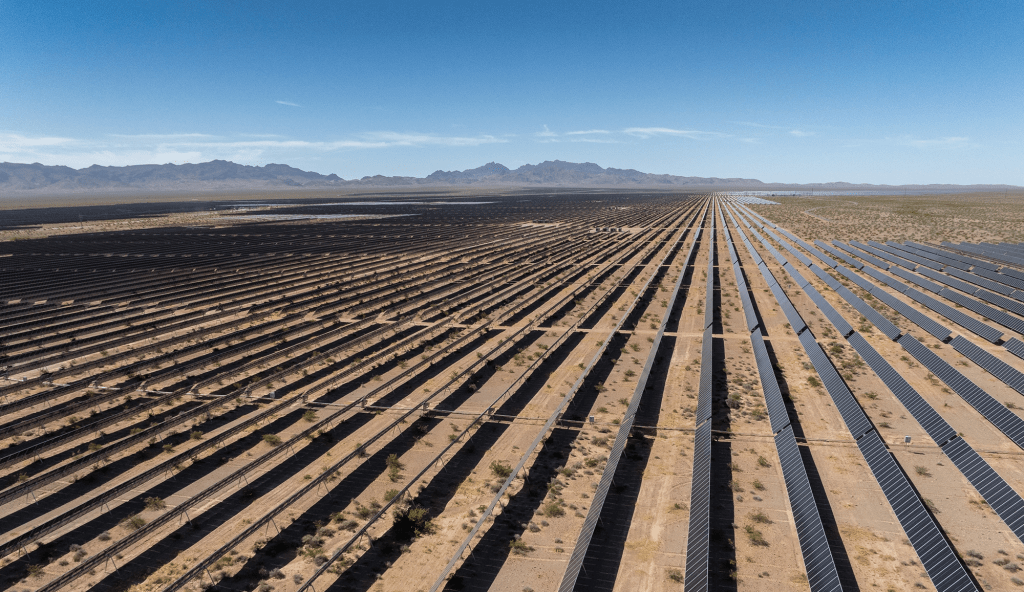
Photovoltaic solar array in the Mojave Desert in California (Erik Olsen)
Inside these towers, the intense, concentrated sunlight heats water to temperatures of over 1,000°F (537°C). This heat turns water into steam, which drives turbines to generate electricity. This process—turning solar energy into heat, then into steam, and finally into electricity—requires multiple stages of energy conversion, introducing inefficiencies along the way. While innovative, these conversions come with inherent energy losses that ultimately affect overall efficiency. Some of these inefficiencies and energy losses were unanticipated, demonstrating the complexities of scaling concentrated solar power to this level.
The theoretical efficiency of CSP systems like Ivanpah is generally around 15-20%. By comparison, modern PV panels convert sunlight directly into electricity, achieving efficiencies of 15-22%, with some high-end models exceeding 25%. The direct conversion of sunlight by PV systems avoids the multiple stages of transformation needed by CSP, making PV generally more efficient and cost-effective. That is not to say the project was not an unworthwhile effort, just that it has not yet met the early expectations for the technology.
Ivanpah Solar Power Facility from an airplane. (Erik Olsen)
While Ivanpah was a leap forward in solar technology, it has faced several challenges, both technical and environmental. One of the first issues arose in the initial years of operation: the plant produced less electricity than anticipated, often falling short of its projected targets. This shortfall was attributed to a combination of technical complications, lower-than-expected solar irradiance, and operational adjustments as engineers sought to optimize the plant’s complex systems.
In addition, Ivanpah relies on natural gas to preheat its boilers in the early morning or during cloudy weather, ensuring the turbines are ready to operate as soon as the sun provides enough energy. This auxiliary use of natural gas has sparked criticism, with some questioning whether Ivanpah can truly be considered a clean, renewable energy source. While the natural gas usage is minimal relative to the plant’s total output, it highlights a practical limitation of CSP systems, which need to overcome the intermittent nature of sunlight.
Environmental impacts have also drawn attention. Ivanpah’s vast array of mirrors produces a phenomenon known as solar flux, a concentrated field of heat that can reach temperatures high enough to injure or kill birds flying through it. Dubbed ‘streamers,’ because of the smoke that comes from their wings when they burn in midair, birds that enter this concentrated beam often die. (Here’s a video about it.) A report from the California Energy Commission refers to what they call a “megatrap,” where birds are drawn to insects that are attracted to the intense light emitted from the towers. This unintended effect on wildlife has been a significant concern for conservation groups, prompting Ivanpah to work on mitigation measures, including testing visual deterrents to keep birds away.
A burned MacGillivray’s Warbler found at the Ivanpah solar plant during a visit by U.S. Fish and Wildlife Service in October 2013. U.S. Fish and Wildlife Service/AP Photo
Moreover, the sheer size of Ivanpah, covering a significant area of desert land, has raised concerns about the impact on local ecosystems. The Mojave Desert is a delicate environment, and constructing such a large facility inevitably affected the flora and fauna, prompting debates about whether renewable energy projects should be balanced with efforts to preserve pristine habitats.
Ivanpah is just one of several large-scale CSP projects around the globe. Another notable example is the Noor Ouarzazate Solar Complex in Morocco, which is one of the largest CSP installations in the world. The Noor Complex uses both parabolic trough and solar tower technologies and, crucially, incorporates molten salt to store heat, allowing it to generate electricity even after the sun has set. The use of molten salt offers several advantages over water-based systems like Ivanpah. Molten salt can retain heat for longer periods, enabling the plant to continue generating power during periods of low sunlight or even after sunset, which greatly improves grid reliability and helps balance energy supply with demand.
The Crescent Dunes Solar Energy Project, once a symbol of cutting-edge solar technology with its 640-foot tower and field of over 10,000 mirrors, now stands as a cautionary tale of ambitious renewable energy efforts. Despite its initial promise, the project was plagued by technical issues and ultimately failed to meet its energy production goals, leading to its closure. (U.S. Department of Energy)
Similarly, the Crescent Dunes project in Nevada was another attempt to utilize molten salt for energy storage. It initially showed promise but struggled with technical setbacks and eventually ceased operation in 2019 due to persistent issues with the molten salt storage system and failure to meet performance expectations. The technology, although innovative, struggled with high maintenance costs, particularly with the heliostat mirrors and salt storage tanks. The company behind Crescent Dunes, SolarReserve, went bankrupt after being sued by NV Energy for failing to meet its contractual obligations.
Despite these setbacks, the project has not been fully decommissioned. ACS Cobra, the Spanish firm involved in its construction, now operates the plant at reduced capacity, mainly delivering energy during peak demand at night. Although Crescent Dunes has never reached its full potential, it continues to produce some electricity for Nevada’s grid, albeit far below the originally planned levels.
Crescent Dunes underscored the challenges associated with large-scale CSP projects, particularly the difficulty of balancing complexity, maintenance, and operational costs. However, the use of molten salt in Crescent Dunes demonstrated the significant potential for improving CSP efficiency through effective thermal storage, highlighting a critical advantage over water-based systems like Ivanpah that lack extensive storage capabilities.
While CSP holds the advantage of potential energy storage—something PV cannot inherently achieve without additional batteries—PV technology has seen a steep decline in cost and significant improvements in efficiency over the past decade. This rapid evolution has made PV panels more attractive, leading to widespread adoption across both utility-scale and residential projects. Hybrid projects, like Phase IV of the Mohammed bin Rashid Al Maktoum Solar Park in Dubai, are now combining PV and CSP technologies to maximize efficiency and output, utilizing each technology’s strengths.
Ivanpah remains operational, continuing to contribute renewable energy to California’s grid.
Photovoltaic solar array in the Mojave Desert in California (Erik Olsen)
Governor Gavin Newsom has commented on the importance of renewable projects like Ivanpah in meeting California’s ambitious clean energy goals. Newsom has praised Ivanpah as a vital component of the state’s effort to transition away from fossil fuels, emphasizing the need for innovative projects to meet California’s target of achieving 100% renewable energy by 2045. He has highlighted the symbolic value of Ivanpah, not only as a source of clean energy but as a testament to California’s leadership in renewable technology and environmental stewardship. Its story is one of both ambition and caution, highlighting the promise of concentrated solar power as well as its practical and environmental limitations. In many ways, Ivanpah serves as a testbed for CSP technology, providing valuable insights into the challenges of scaling such systems to utility-level production. It has also sparked discussions on the role of CSP compared to other forms of renewable energy, especially as battery technology advances to address PV’s storage challenges.
While CSP is unlikely to overtake PV in terms of widespread adoption due to its complexity and cost, it still has a role to play, particularly in regions with intense sunlight and a need for energy storage. The lessons learned at Ivanpah—both the successes and the setbacks—will inform the next generation of solar projects, driving innovation and helping policymakers, engineers, and investors make more informed decisions about the future of renewable energy infrastructure.
Mohammed bin Rashid Al Maktoum Solar Park (Government of Dubai)
California’s solar and renewable energy installations have seen remarkable success in recent years, as the state continues to push toward its ambitious goal of 100% clean electricity by 2045. In 2024, California achieved several milestones that highlight the effectiveness of its clean energy initiatives. For example, the state has more than 35,000 MW of renewable energy capacity already serving the grid, with 16,000 MW added just since 2020. A key component of this growth is the rapid expansion of battery storage, which has become essential for balancing the grid, especially during peak demand times when solar power diminishes in the evening. In 2024 alone, battery storage capacity grew by over 3,000 MW, bringing the total to more than 13,000 MW—a 30% increase in just six months
In addition to storage, new solar projects like the Blythe Solar Power Project, which generates 485 MW of photovoltaic power and adds 387 MW of battery storage, are powering over 145,000 homes, further demonstrating California’s leadership in clean energy development. This continued investment not only strengthens the grid but also ensures resilience during extreme weather events, which have become more frequent due to climate change.
Despite these successes, California still has a long way to go. The state will need to bring an additional 148,000 MW of renewable resources online by 2045 to fully meet its goals. However, with the state’s rapid advancements in storage technology, solar capacity, and governmental support, California is well on its way to achieving a cleaner, more sustainable energy future.
Google arranged the mirrors at Ivanpah to create a tribute to Margaret Hamilton, the pioneering computer scientist who led the software engineering efforts for the Apollo space missions. (Google)
Beyond its role in renewable energy, Ivanpah has also found itself at the intersection of technology and art. One notable example is when Google arranged the mirrors at Ivanpah to create a tribute to Margaret Hamilton, the pioneering computer scientist who led the software engineering efforts for the Apollo space missions. This artistic alignment of mirrors highlighted Ivanpah’s versatility—not just as an engineering marvel for energy generation but also as a symbol of human achievement. The intricate choreography of heliostats to form an image visible from above served as a powerful visual homage, merging art, science, and technology in a striking way. Such projects have helped broaden the cultural significance of Ivanpah, presenting it not only as a source of renewable energy but also as an inspirational platform that celebrates human creativity and accomplishment.
The next time you’re driving to Vegas and spot the three massive, sun-like objects glowing in the desert, give a thought to the immense power—and challenges—of harnessing the sun’s energy in such a dramatic way.