California’s Eye on the Cosmos: The SLAC-Built Camera That Will Time-Lapse the Universe

Images from the most powerful astronomical discovery machine ever created, and built in California

A breathtaking zoomed-in glimpse of the cosmos: this first image from the Vera C. Rubin Observatory reveals a deep field crowded with galaxies, offering just a taste of the observatory’s power to map the universe in unprecedented detail.
(Credit: NSF–DOE Vera C. Rubin Observatory)

I woke up this morning to watch a much-anticipated press conference about the release of the first images from the Vera Rubin Telescope and Observatory. It left me flabbergasted: not just for what we saw today, but for what is still to come. The images weren’t just beautiful; they hinted at a decade of discovery that could reshape what we know about the cosmos.I just finished watching and have to catch my breath. What lies ahead is very, very exciting. 

The first images released today mark the observatory’s “first light,” the ceremonial debut of a new telescope. These images are the result of decades of effort by a vast and diverse global team who together helped build one of the most advanced scientific instruments ever constructed. In the presser, Željko Ivezić, Director of the Rubin Observatory and the guy who revealed the first images, called it “the greatest astronomical discovery machine ever built.”

This image combines 678 separate images taken by NSF–DOE Vera C. Rubin Observatory in just over seven hours of observing time. Combining many images in this way clearly reveals otherwise faint or invisible details, such as the clouds of gas and dust that comprise the Trifid nebula (top) and the Lagoon nebula, which are several thousand light-years away from Earth.
(Credit: NSF–DOE Vera C. Rubin Observatory)

The images shown today are a mere hors d’oeuvre of what’s to come, and you could tell by the enthusiasm and giddiness of the scientists involved how excited they are about what lies ahead. Here’s a clip of Željko Ivezić as the presser ended. It made me laugh.

So, that first image you can see above. Check out the detail. What would normally be perceived as black, empty space to us star-gazing earthlings shows anything but. It shows that in each tiny patch of sky, if you look deep enough, galaxies and stars are out there blazing. If you know the famous Hubble Deep Field image, later expanded by NASA’s James Webb Space Telescope, you may already be aware that there is no such thing as empty sky. The universe contains so much stuff, it is truly impossible for our brains (or at least my brain) to comprehend. Vera Rubin will improve our understanding of what’s out there and what we’ve seen before by orders of magnitude.   

This image captures a small section of NSF–DOE Vera C. Rubin Observatory’s view of the Virgo Cluster, revealing both the grand scale and the faint details of this dynamic region of the cosmos. Bright stars from our own Milky Way shine in the foreground, while a sea of distant reddish galaxies speckle the background.
(Credit: NSF–DOE Vera C. Rubin Observatory)

I’ve been following the Rubin Observatory for years, ever since I first spoke with engineers at the SLAC National Accelerator Laboratory about the digital camera they were building for a potential story for an episode of the PBS show NOVA that I produced (sadly, the production timeline ultimately didn’t work out). SLAC is one of California’s leading scientific institutions, known for groundbreaking work across fields from particle physics to astrophysics. (We wrote about it a while back.)

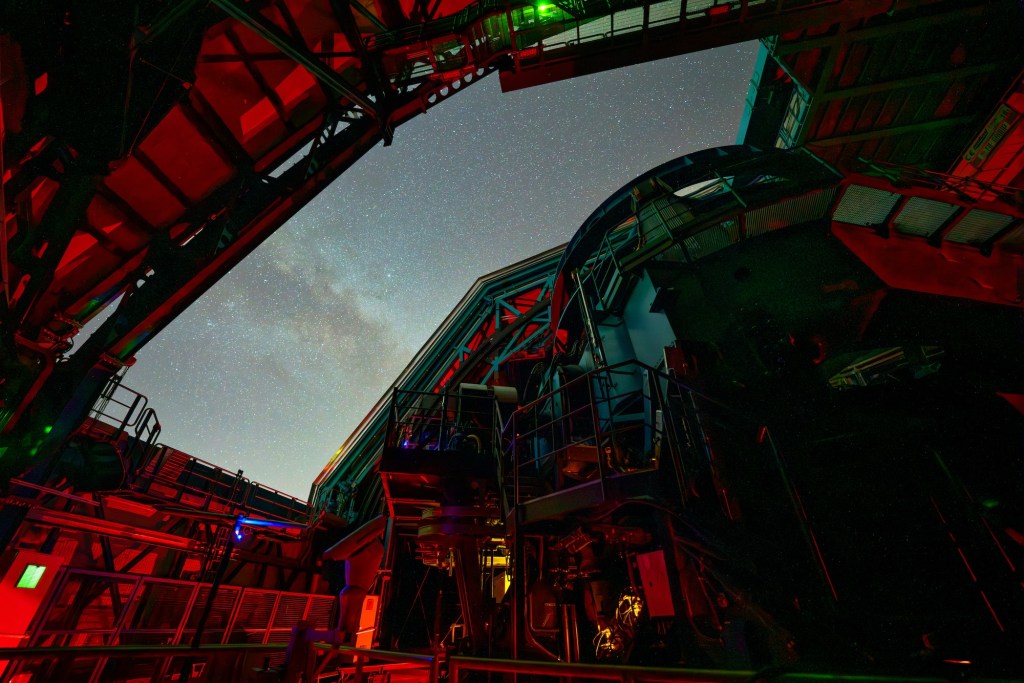
The night sky seen from inside the Vera Rubin Observatory (Credit: NSF–DOE Vera C. Rubin Observatory)

Now fully assembled atop Chile’s Cerro Pachón, the Vera C. Rubin Observatory is beginning its incredible and ambitious mission. Today’s presser focused on unveiling the first images captured by its groundbreaking camera, offering an early glimpse of the observatory’s vast potential. At the heart of the facility is SLAC’s creation: the world’s largest digital camera, a 3.2-gigapixel behemoth developed by the U.S. Department of Energy.

This extraordinary instrument is the central engine of the Legacy Survey of Space and Time (LSST), a decade-long sky survey designed to study dark energy, dark matter, and the changing night sky with unprecedented precision and frequency. We are essentially creating a decade-long time-lapse of the universe in detail that has never been captured before, revealing the dynamic cosmos in ways previously impossible. Over the course of ten years, it will catalog 37 billion individual astronomical objects, returning to observe each one every three nights to monitor changes, movements, and events across the sky. I want to learn more about how Artificial Intelligence and machine learning are being brought to bear to help scientists understand what they are seeing.

The camera, over 5 feet tall and weighing about three tons, took more than a decade to build. Its focal plane is 64 cm wide-roughly the size of a small coffee table-and consists of 189 custom-designed charge-coupled devices (CCDs) stitched together in a highly precise mosaic. These sensors operate at cryogenic temperatures to reduce noise and can detect the faintest cosmic light, comparable to spotting a candle from thousands of miles away.

The LSST Camera was moved from the summit clean room and attached to the camera rotator for the first time in February 2025. (Credit: RubinObs/NOIRLab/SLAC/DOE/NSF/AURA)

Rubin’s camera captures a massive 3.5-degree field of view-more than most telescopes can map in a single shot. That’s about seven times the area of the full moon. Each image takes just 15 seconds to capture and only two seconds to download. A single Rubin image contains roughly as much data as all the words The New York Times has published since 1851. The observatory will generate about 20 terabytes of raw data every night, which will be transmitted via a high-speed 600 Gbps link to processing centers in California, France, and the UK. The data will then be routed through SLAC’s U.S. Data Facility for full analysis.

The complete focal plane of the future LSST Camera is more than 2 feet wide and contains 189 individual sensors that will produce 3,200-megapixel images. Crews at SLAC have now taken the first images with it. Explore them in full resolution using the links at the bottom of the press release. (Credit: Jacqueline Orrell/SLAC National Accelerator Laboratory)

The images produced will be staggering in both detail and scale. Each exposure will be sharp enough to reveal distant galaxies, supernovae, near-Earth asteroids, and other transient cosmic phenomena in real time. By revisiting the same patches of sky repeatedly, the Rubin Observatory will produce an evolving map of the dynamic universe-something no previous observatory has achieved at this scale.

What sets Rubin apart from even the giants like Hubble or James Webb is its speed, scope, and focus on change over time. Where Hubble peers deeply at narrow regions of space and Webb focuses on the early universe in infrared, Rubin will cast a wide and persistent net, watching the night sky for what moves, vanishes, appears, or explodes. It’s designed not just to look, but to watch. Just imaging the kind of stuff we will see!

The LSST Camera’s imaging sensors are grouped into units called “rafts.” Twenty-one square rafts, each with nine sensors, will capture science images, while four smaller rafts with three sensors each handle focus and telescope alignment. (Credit: Farrin Abbott/SLAC National Accelerator Laboratory)

This means discoveries won’t just be about what is out there, but what happens out there. Astronomers expect Rubin to vastly expand our knowledge of dark matter by observing how mass distorts space through gravitational lensing. It will also help map dark energy by charting the expansion of the universe with unprecedented precision. Meanwhile, its real-time scanning will act as a planetary defense system, spotting potentially hazardous asteroids headed toward Earth.

But the magic lies in the possibility of the unexpected. Rubin may detect rare cosmic collisions, unknown types of supernovae, or entirely new classes of astronomical phenomena. Over ten years, it’s expected to generate more than 60 petabytes of data-more than any other optical astronomy project to date. Scientists across the globe are already preparing for the data deluge, building machine learning tools to help sift through the torrent of discovery.

And none of it would be possible without SLAC’s camera. A triumph of optics, engineering, and digital sensor technology, the camera is arguably one of the most complex and capable scientific instruments ever built. I don’t care if you’re a Canon or a Sony person, this is way beyond all that. It’s a monument to what happens when curiosity meets collaboration, with California’s innovation engine powering the view.

As first light filters through the Rubin Observatory’s massive mirror and into SLAC’s camera, we are entering a new era of astronomy-one where the universe is not just observed, but filmed, in exquisite, evolving detail. This camera won’t just capture stars. It will reveal how the universe dances.

Caltech’s Einstein Papers Project is a Window into the Mind of a Genius

Albert Einstein on the beach in Santa Barbara in 1931 (The Caltech Archives)

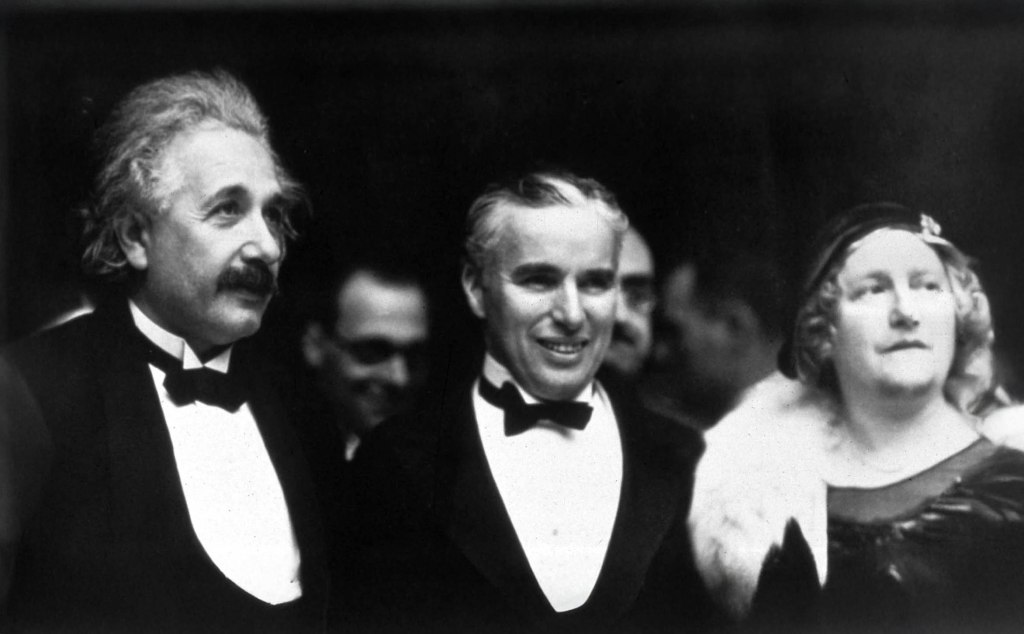
We wrote a piece a while back about the three winters Albert Einstein spent in Pasadena, a little-known chapter in the life of a man who changed how we understand the universe. It was our way of showing how Einstein, often seen as a figure of European academia and global science, formed a real affection for California and for Pasadena in particular. It’s easy to picture him walking the streets here, lost in thought or sharing a laugh with Charlie Chaplin. The idea of those two geniuses, one transforming physics and the other revolutionizing comedy, striking up a friendship is something worth imagining.

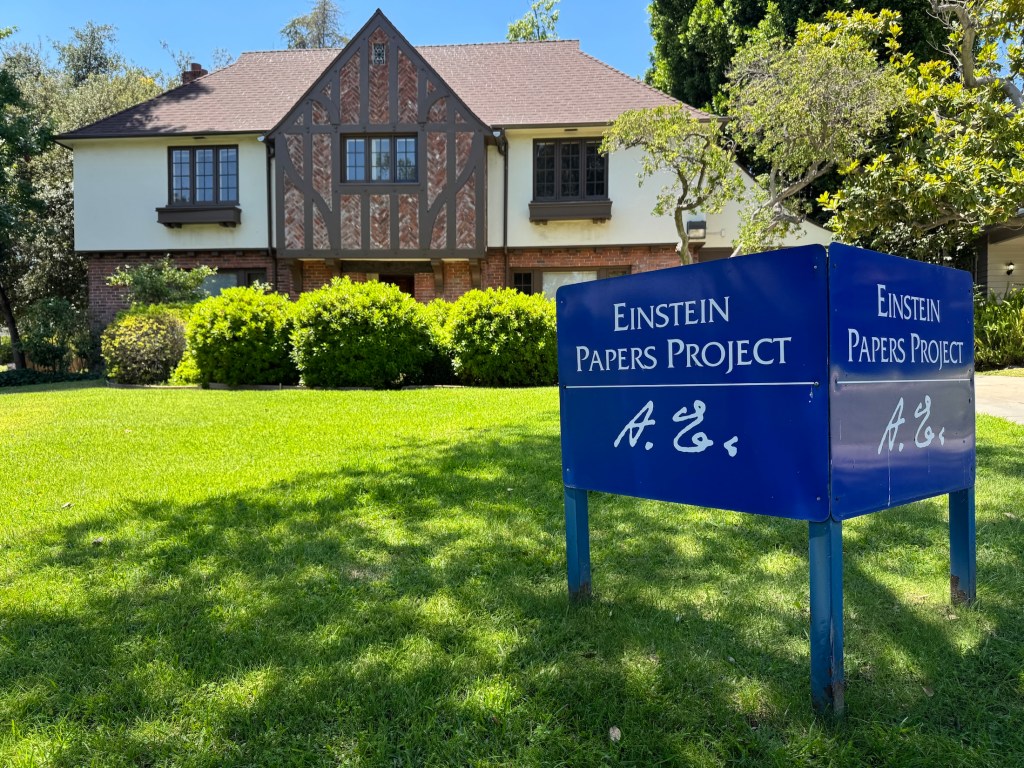
But Einstein’s connection to Pasadena didn’t end there. It lives on in a small, nondescript building near the Caltech campus, where a group of researchers continues to study and preserve the legacy he left behind.

The Einstein Papers Project (EPP) at Caltech is one of the most ambitious and influential scientific archival efforts of the modern era. It’s not just about preserving Albert Einstein’s work—it’s about opening a window into the mind of one of the most brilliant thinkers in history. Since the late 1970s, a dedicated team of scholars has been working to collect, translate, and annotate every significant document Einstein left behind. While the project is headquartered at the California Institute of Technology, it collaborates closely with Princeton University Press and the Hebrew University of Jerusalem, which houses the original manuscripts.

Einstein at the Santa Barbara home of Caltech trustee Ben Meyer on Feb. 6, 1933.
(The Caltech Archives)

The idea began with Harvard physicist and historian Gerald Holton, who saw early on that Einstein’s vast output—scientific papers, personal letters, philosophical musings—deserved a meticulously curated collection. That vision became the Einstein Papers Project, which has since grown into a decades-long effort to publish The Collected Papers of Albert Einstein, now spanning over 15 volumes (and counting). The project’s goal is as bold as Einstein himself: to assemble a comprehensive record of his life and work, from his earliest student notebooks to the letters he wrote in the final years of his life.

Albert Einstein and Charlie Chaplin during the premiere of the film ‘City Lights’. (Wikipedia)

Rather than being stored in a traditional library, these documents are carefully edited and presented in both print and online editions. And what a treasure trove it is. You’ll find the famous 1905 “miracle year” papers that revolutionized physics, laying the foundation for both quantum mechanics (which Einstein famously derided) and special relativity. You’ll also find handwritten drafts, scribbled calculations, and long chains of correspondence—sometimes with world leaders, sometimes with lifelong friends. These documents don’t just chart the course of scientific discovery; they reveal the very human process behind it: doubt, revision, flashes of inspiration, and stubborn persistence.

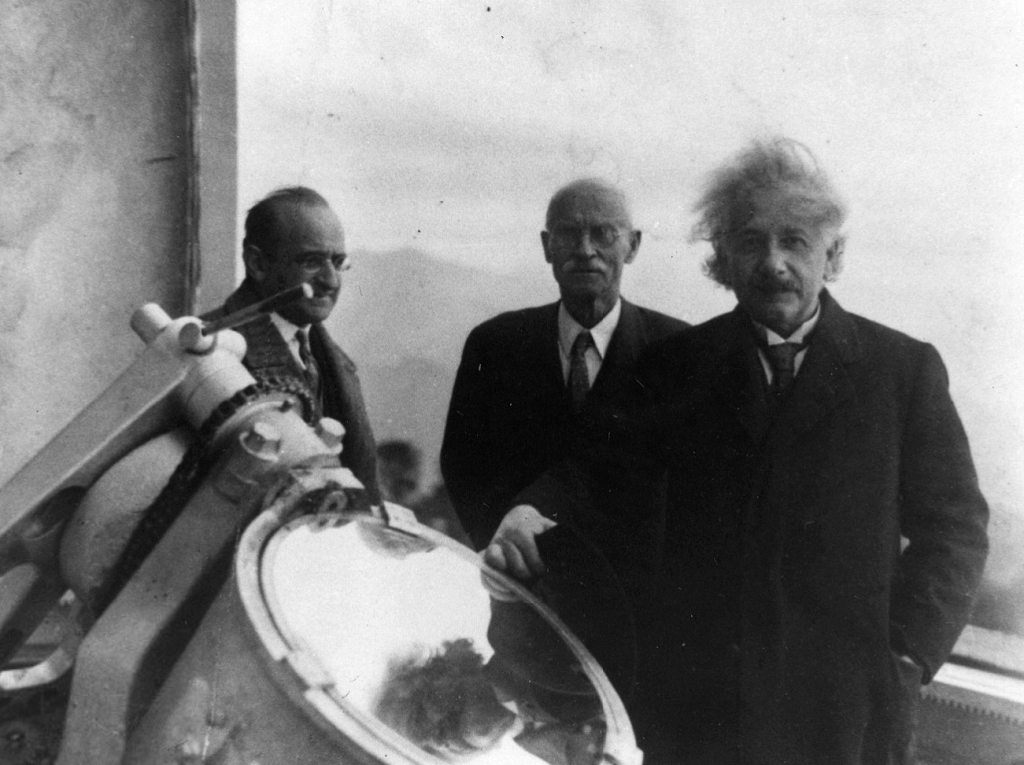
At the Mount Wilson Observatory with the Austrian mathematician Walther Mayer, left, and Charles St. John of the observatory staff. (The Caltech Archives)

Some of the most fascinating material involves Einstein’s attempts at a unified field theory, an ambitious effort to merge gravity and electromagnetism into one grand framework. He never quite got there, but his notebooks show a mind constantly working, refining, rethinking—sometimes over decades.

But the project also captures Einstein the person: the political thinker, the pacifist, the refugee, the cultural icon. His letters reflect a deep concern with justice and human rights, from anti-Semitism in Europe to segregation in the United States. He corresponded with Sigmund Freud about the roots of violence, with Mahatma Gandhi about nonviolent resistance, and with presidents and schoolchildren alike. The archive gives us access to the full spectrum of who he was, not just a scientist, but a citizen of the world.

The Einstein Papers Project home near Caltech in Pasadena (Photo: Erik Olsen)

One of the most exciting developments has been the digitization of the archive. Thanks to a collaboration with Princeton University Press, a large portion of the Collected Papers is now freely available online through the Digital Einstein Papers website. Students, teachers, historians, and science nerds around the globe can now browse through Einstein’s original documents, many of them translated and annotated by experts. The most recent release, Volume 17, spans June 1929 to November 1930, capturing Einstein’s life primarily in Berlin as he travels across Europe for scientific conferences and to accept honorary degrees. The volume ends just before his departure for the United States. Princeton has a nice story on the significance of that particular volume by EPP Editor Josh Eisenthal.

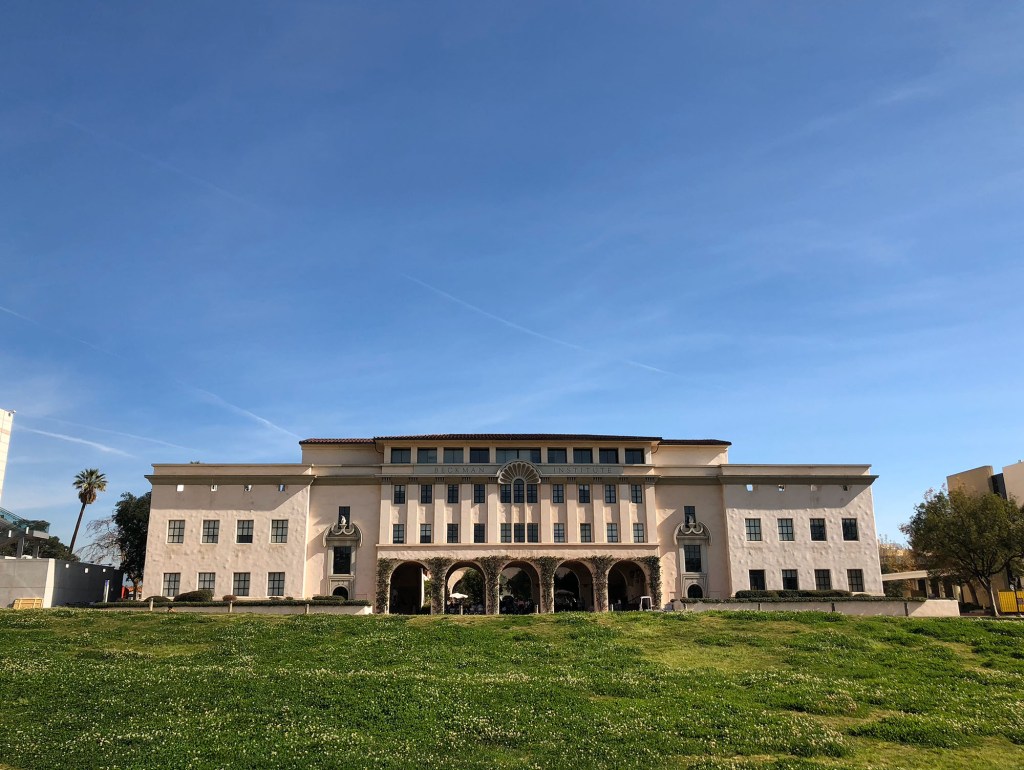
The California Institute of Technology, CalTech (Photo: Erik Olsen)

For scholars, the project is a goldmine. It’s not just about Einstein—it’s about the entire intellectual climate of the 20th century. His collaborations and rivalries, his responses to global upheaval, and his reflections on science, faith, and ethics all provide insight into a remarkable era of discovery and change. His writings also show a playful, curious side—his love of music, his wit, and his habit of thinking in visual metaphors.

Caltech’s role in all this goes beyond simple stewardship. The Einstein Papers Project is a reflection of the institute’s broader mission: to explore the frontiers of science and human understanding. For decades, Caltech has been a breeding ground for great minds. As of January 23, 2025, there are 80 Nobel laureates who have been affiliated with Caltech, making it the institution with the highest number of Nobelists per capita in America. By preserving and sharing Einstein’s legacy, Caltech helps keep alive a conversation about curiosity, responsibility, and the enduring power of ideas.

The Fight for California’s Coastline and the Future of the Coastal Commission

For over 50 years, the California Coastal Commission has protected public access and natural beauty, but growing challenges—wildfires, housing shortages, and political pressure—are testing its authority like never before.

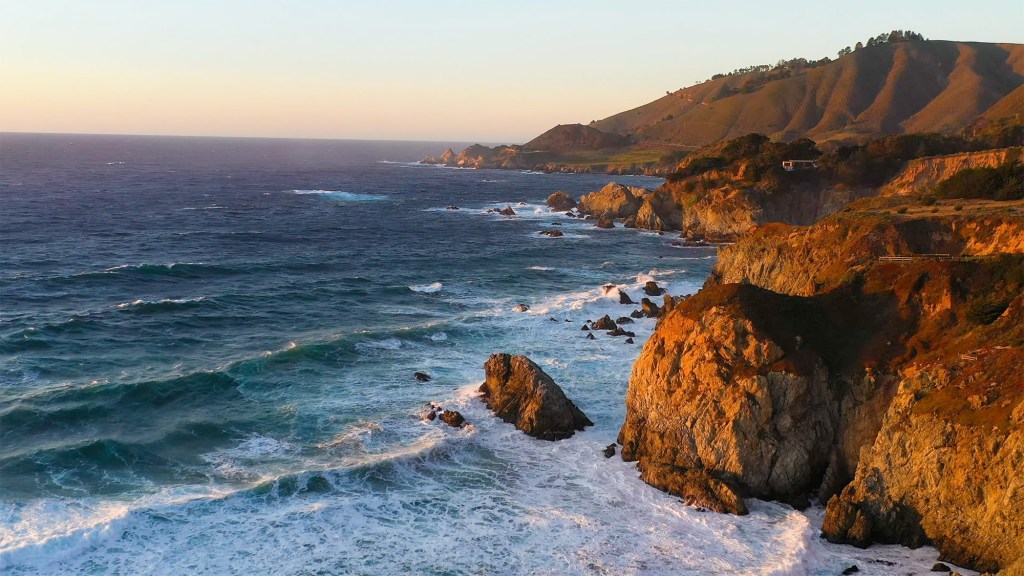
California Coast at Big Sur (Erik Olsen)

Having lived for nearly 20 years on the East Coast, I’ve witnessed firsthand how vast stretches of coastline have been heavily developed, often turning pristine shores into exclusive enclaves inaccessible to the general public. In the latter half of the 20th century, America saw a surge in coastal development, driving beachfront property values to unprecedented heights. This boom was accompanied by exclusionary practices from coastal property owners and municipalities, limiting access and reinforcing barriers to the shore. From gated beachfront mansions in the Hamptons to private communities along the Jersey Shore, not to mention the vast development of the coast of Florida (Carl Hiaasen shout out!), many coastal areas are reserved for a privileged few, limiting public access and enjoyment of natural spaces. In stark contrast, California learned from these mistakes early on, adopting a fundamentally different approach focused on keeping its coastline accessible and preserved for everyone.

Many beaches in the Hamptons are private. Unlike California, which has strong public access protections under the California Coastal Act, New York follows a mix of public and private beach ownership laws. In the Hamptons, beachfront property owners often hold rights extending to the high tide line, meaning much of the sandy shore is off-limits to the general public.

This ethic of preservation and accessibility has profoundly shaped California’s coastal policies and given rise to institutions specifically tasked with safeguarding the shore. The ethic of preserving California’s coast stretches back more than a century, championed by early conservationists like Julia Platt, a pioneering marine biologist and activist. Platt was a fascinating figure, and we previously covered her story, which you can read here. In the late 19th and early 20th centuries, Monterey’s coastline was being ravaged by sardine canneries and industrial operations that polluted the bay and threatened marine life. Defying societal barriers, Platt became mayor of Pacific Grove in 1931 and secured public control over the town’s intertidal zones, ensuring their protection from commercial exploitation.

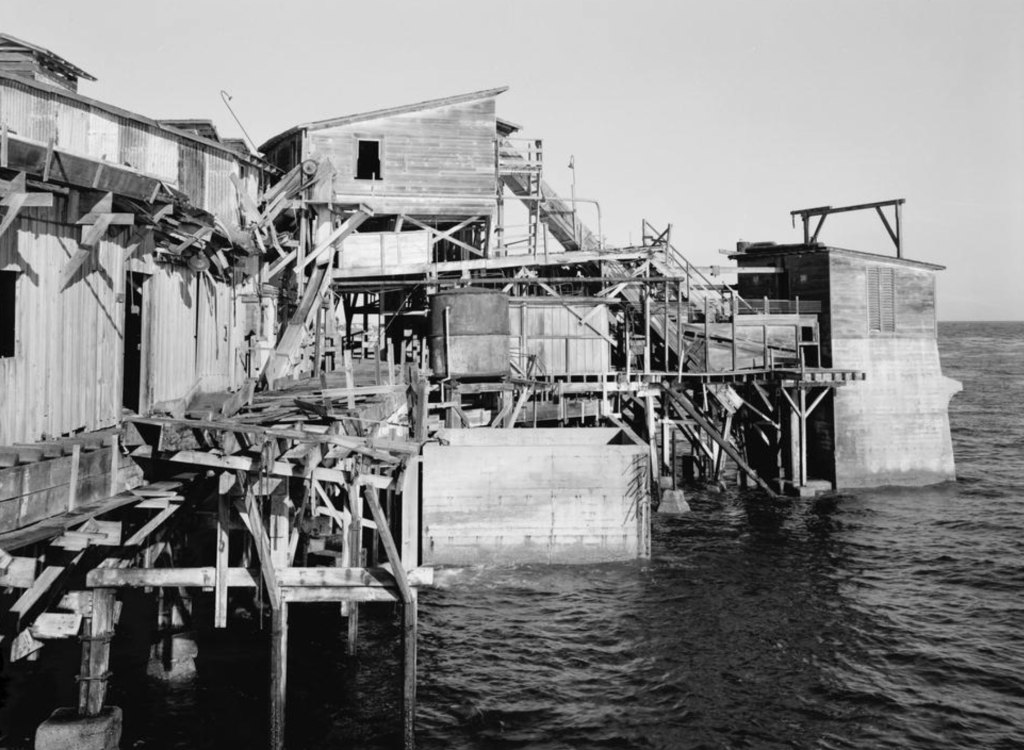
Hovden Cannery, 886 Cannery Row, Monterey, Monterey County, CA (Library of Congress)

That ethic of appreciation and commitment to coastal preservation remained deeply embedded in California’s identity as the state moved into the 20th century. By the 1970s, this consciousness transformed into action, leading to formal protections that would shape the coastline for generations. Spanning approximately 840 miles from San Diego’s sun-drenched shores to the wild, windswept cliffs of Crescent City, California’s coastline did not remain protected and accessible by accident. It was the result of a concerted effort to safeguard its natural beauty and ensure public access—an effort that culminated in the establishment of the California Coastal Commission, a state agency created to oversee and enforce these critical protections.

The Coastal Commission’s story began in 1972 amid growing environmental awareness and concerns about unchecked development. California residents, alarmed by the threat of losing their treasured coastline to developers, launched grassroots campaigns resulting in Proposition 20—the Coastal Initiative. This public referendum created the Coastal Commission initially as a temporary regulatory body.

Senate President pro-tem Jim Mills led a bicycle tour of the coast from San Francisco to San Diego, stopping for press conferences and public events in coastal communities along the route. (Credit: California Coastal Commission)

In 1976, recognizing the importance of long-term coastal preservation, the California Legislature passed the Coastal Act, permanently institutionalizing the Coastal Commission and its values (values shared by a majority of Californians, I should add). Key legislative figures included Assemblymember Alan Sieroty and Senator Jerry Smith. Peter Douglas, a passionate advocate for environmental justice who later became the Commission’s long-serving Executive Director, was instrumental in drafting the Coastal Act. Born in Berlin and fleeing Nazi Germany during World War II, Douglas’s personal experiences deeply influenced his dedication to environmental protection. One of his most lasting statements about the coast is, “The coast is never saved, it is always being saved.” (Makes for a good T-shirt.)

Peter M. Douglas (1942–2012) was an environmental activist, UCLA law graduate, and key author of Proposition 20, which established the California Coastal Commission. He co-authored the 1976 Coastal Act and served as its Executive Director for 26 years.
(University of California, Berkeley)

Under Douglas’s leadership, which spanned from 1985 until his retirement in 2011, the Coastal Commission achieved significant conservation victories. One landmark success was securing public access to Malibu’s Broad Beach in 1981, previously restricted to wealthy homeowners (many of them famous celebrities). Similarly, the Commission prevented extensive development of Orange County’s Bolsa Chica Wetlands, preserving this crucial ecological habitat and protecting numerous bird and marine species. Also in Orange County, the historic cottages at Crystal Cove State Park were preserved as affordable accommodations rather than being transformed into a luxury resort. Douglas was tenacious and stubborn in his efforts to protect the coast. He was “the world’s best bureaucratic street fighter,” according to Steve Blank, a member of the commission, who spoke to The New York Times in 2010.

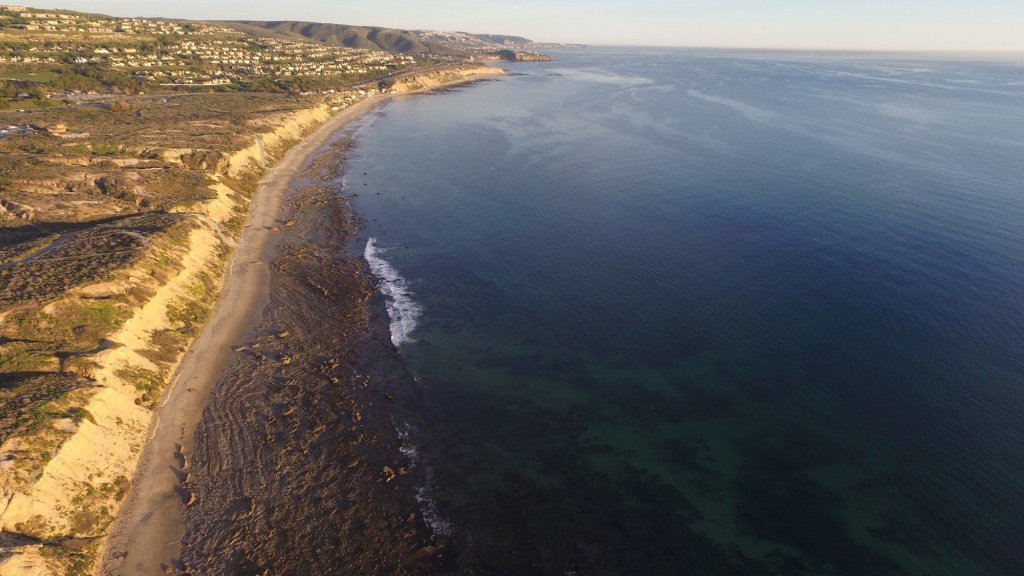
Crystal Cove’s unspoiled coastline remains protected thanks to the California Coastal Commission’s efforts to preserve both its natural beauty and fragile ecosystems. Once threatened by development, this stretch of shoreline continues to thrive as a sanctuary for marine life and a place for the public to experience California’s coast as it once was. (Photo: Erik Olsen)

Perhaps the Commission’s most publicized battle was with billionaire Vinod Khosla over Martins Beach near Half Moon Bay. After purchasing land surrounding the beach in 2008, Khosla closed the access road, igniting a lengthy legal fight. The Commission, alongside advocacy groups, successfully argued that public beach access must be maintained, culminating in court decisions mandating the reopening of Martins Beach to the public. It was a significant affirmation of the public’s coastal rights.

Khosla became something of a vilified figure, perhaps for a good reason. As of March 2025, the legal dispute over public access to Martins Beach continues. In May 2024, San Mateo County Superior Court Judge Raymond Swope ruled that the lawsuit filed by the California State Lands Commission and the California Coastal Commission against Khosla could proceed. The state agencies argue that, based on the public’s longstanding use of the beach, access should remain open under the legal doctrine of implied dedication.

Vinod Khosla speaks at South by Southwest 2024 (Wikipedia)

Beyond these high-profile victories, the Commission diligently protects scenic coastal views by regulating construction along vulnerable bluffs, safeguarding habitats for endangered species like the California least tern and the Western snowy plover. The significance of this protection extends far beyond simply claiming a spot on the sand or catching a wave. The California coast is a global treasure trove of biodiversity, shaped by the collision of cold and warm ocean currents, rugged geology, and an array of microclimates. Its kelp forests, some of the most productive ecosystems on Earth, form towering underwater cathedrals that shelter fish, sea otters, and invertebrates while sequestering carbon and buffering coastal erosion. Tide pools teem with anemones, sea stars, and scuttling crabs, while offshore waters host migrating gray whales, pods of orcas, and dolphin super pods. Few places on Earth does such a dramatic convergence of oceanic and terrestrial life create a living laboratory as dynamic, fragile, and irreplaceable as California’s coastline.

Safeguarding these resources has always been a core part of the Coastal Commission’s mission. Yet, the Commission’s broad regulatory authority hasn’t been without controversy (understatement alert!). In fact, there’s been a lot over the years, and in particular right now. Critics argue it often overreaches, impacting private property rights and overriding local governance. Property owners have faced severe challenges due to stringent permit requirements and mandatory easements for public access. Furthermore, vast amounts of red tape have often contributed to delays and higher costs, fueling tension between environmental protection and economic development, particularly in the context of California’s ongoing housing crisis. The commission’s plans for managed retreat in response to coastal erosion have sparked ongoing concern among coastal property owners.

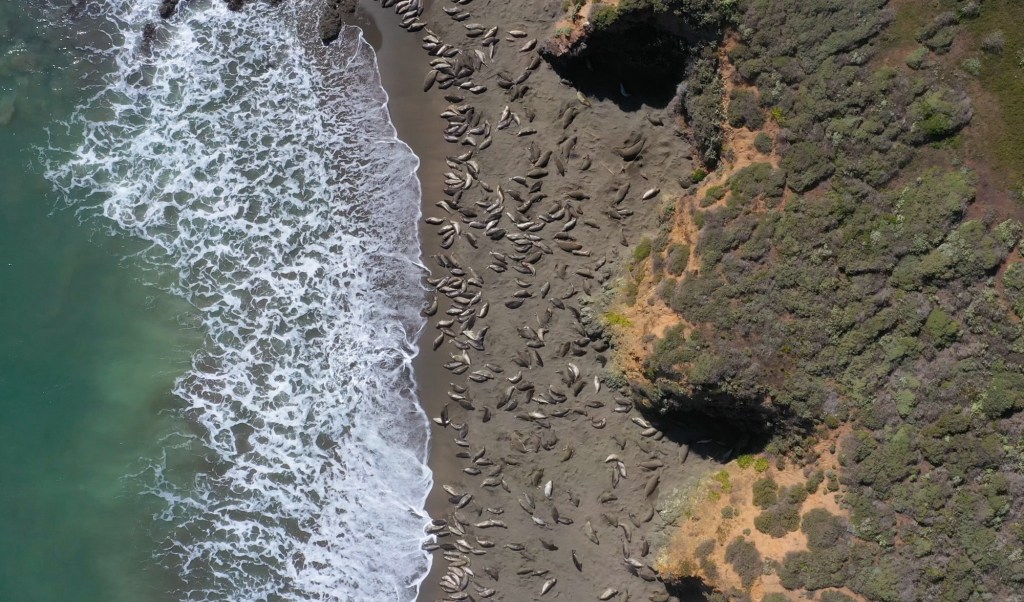
Elephant seal colony at San Simeon (Erik Olsen)

Jeff Jennings, the mayor of Malibu commented: “The commission basically tells us what to do, and we’re expected to do it. And in many cases that extends down to the smallest details imaginable, like what color you paint your houses, what kind of light bulbs you can use in certain places.

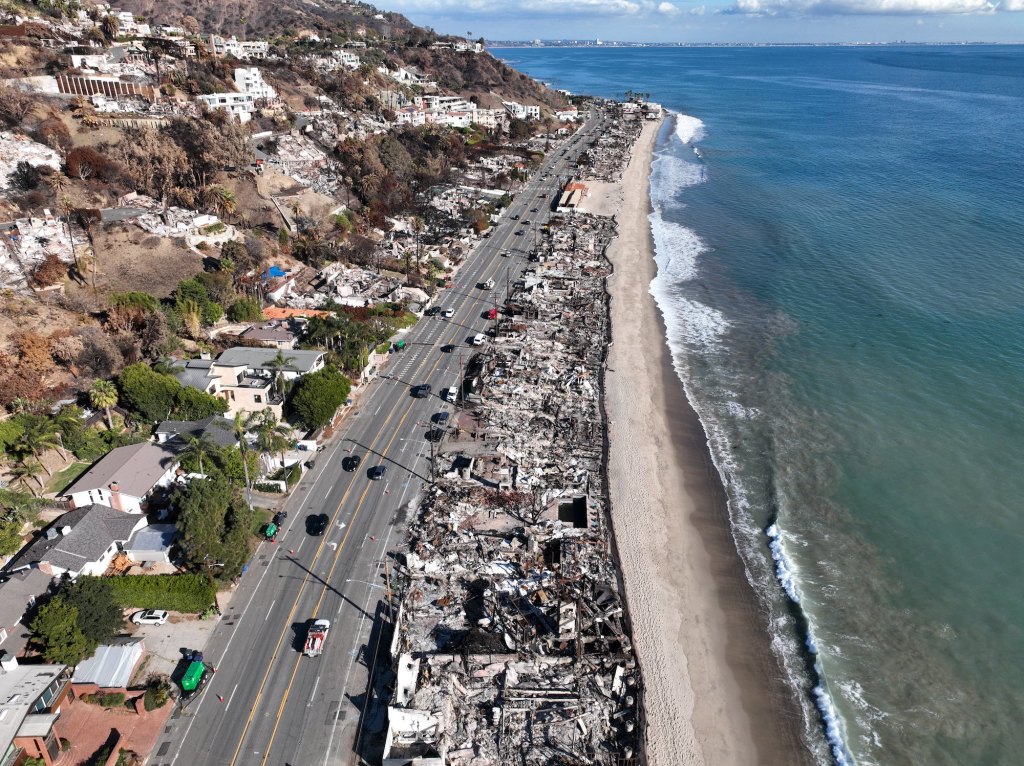
The challenges of balancing conservation with development have become even more urgent in the face of devastating wildfires, such as the Palisades Fire. This historically destructive blaze burned numerous homes along the coast, leaving behind not only physical devastation but also a complex and expensive rebuilding process. Restoring these communities requires immense resources, regulatory approvals, and long-term planning, raising questions about whether the Coastal Commission is up to the task.

Stretch of Malibu destroyed in the Palisades fire (Erik Olsen)

Even Governor Gavin Newsom has been critical of the Commission, citing delays and bureaucracy that may hinder swift rebuilding efforts. The ongoing tension between preserving the natural environment and addressing the needs of displaced residents continues to test the Commission’s authority and effectiveness. Before dismantling the Commission and stripping it of its authority as the guardian of the coast, we must ask ourselves what it would mean to lose an agency that has stood for public access, environmental protection, and coastal preservation for over 50 years. The consequences of weakening its influence could reshape California’s coastline in ways that future generations may come to regret.

The California Coastal Commission has 12 voting members and 3 non-voting members, appointed by the Governor, the Speaker of the Assembly, and the Senate Rules Committee. Six of these are locally elected officials, and six are public members. They are supported by key figures like Executive Director Kate Huckelbridge (the first woman to lead the California Coastal Commission in its 50-year history) and Chair Justin Cummings. However, the Commission now faces mounting pressure as it navigates growing criticism over its efficiency and decision-making. Some argue that the Commission has become too rigid, impeding much-needed development, while others warn that weakening its authority would open the door to rampant privatization and environmental degradation. Surely, there is a middle ground?

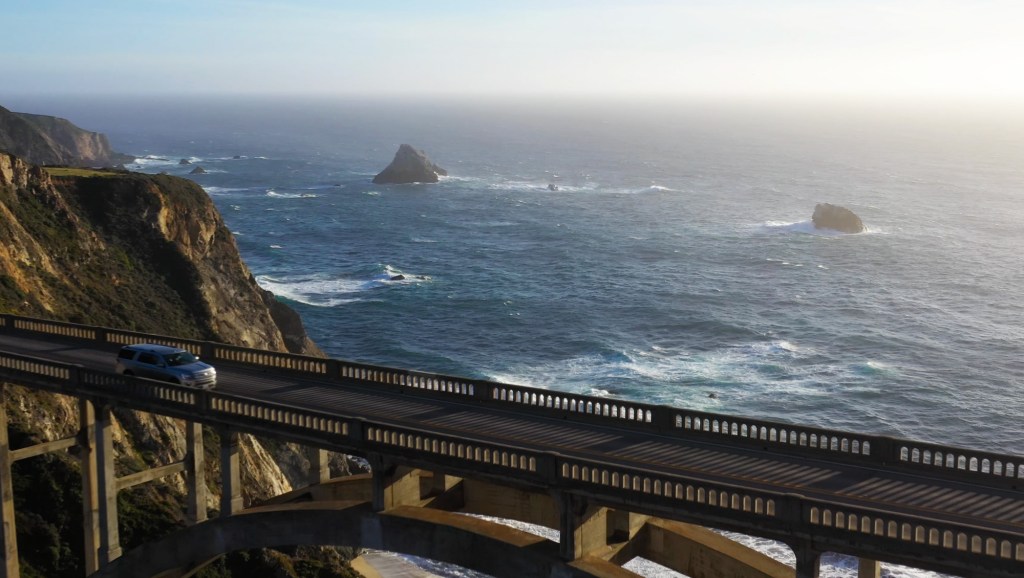
Bixby Bridge at Big Sur (Erik Olsen)

But before dismantling an institution that has served as California’s coastal safeguard for over five decades, we must fully understand what is at stake. The California Coastal Commission has played a crucial role in preserving public access, protecting natural habitats, and maintaining the scenic beauty of the shoreline. Its legacy is visible in the open beaches, thriving wetlands, and untouched bluffs that define the state’s coastline. Stripping away its influence could have lasting consequences, reshaping California’s shorelines in ways that future generations may find irreversible and regrettable. Changes to the Commission’s authority may be necessary, at least temporarily, to expedite rebuilding efforts for those who have lost their homes. However, we must be cautious about how much power is stripped away, ensuring that any reforms do not undermine the very protections that have kept California’s coast open and preserved for decades. 

The Plate Tectonic Revolution and How California Became the Epicenter of a Scientific Breakthrough

How the 1969 Penrose Conference on plate tectonics at Asilomar in California transformed our understanding of Earth’s dynamic processes.

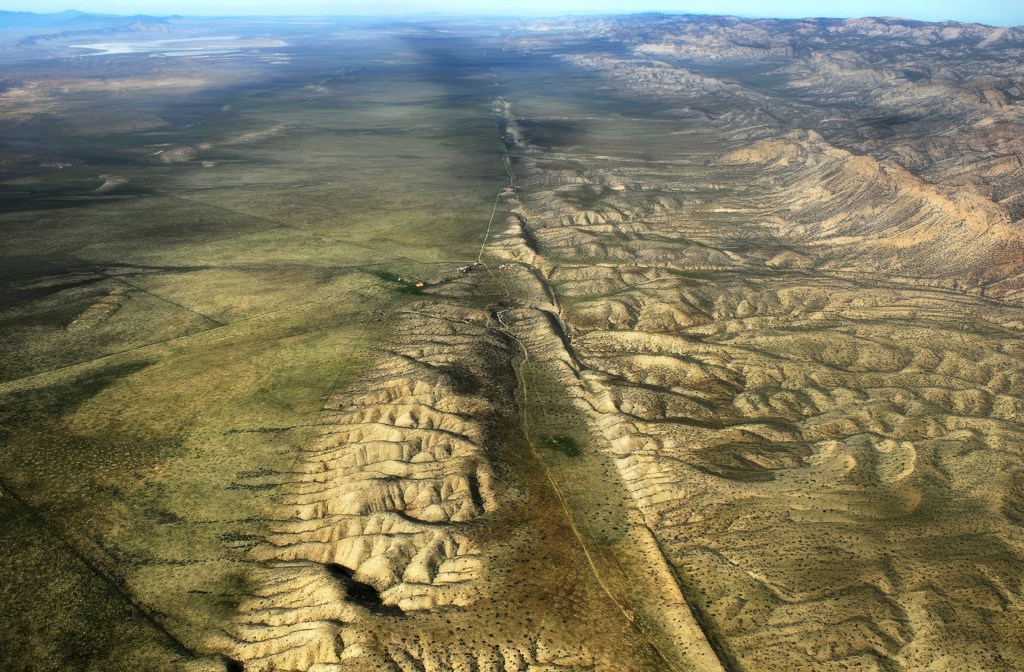
Aerial photo of San Andreas Fault looking northwest onto the Carrizo Plain with Soda Lake visible at the upper left. (Wikipedia)

Before the late 1960s, understanding Earth’s shifting surface, particularly in a geologically active region like California, was a major scientific challenge. For most of human history, the causes of earthquakes remained an enigma—mysterious and terrifying, often attributed to supernatural forces. In Japan, for example, earthquakes were traditionally believed to be caused by Namazu, a giant catfish said to live beneath the earth and whose thrashing would shake the land. Many societies believed earthquakes were divine punishments or omens, while others considered them an essential part of creation, events necessary to form a world habitable by us humans.

The complexity of California’s landscape, its mountains, valleys, deserts, and intricate network of faults, posed difficulties for early geologists. The land appeared chaotically interwoven, with many different types of rock making up the gaping deserts and soaring peaks. As the great University of California at Davis geologist Eldridge Moores once put it, “Nature is messy. Don’t expect it to be uniform and consistent.”

An image of humans battling a Namazu (Credit: Tokyo University Library. Public Domain)

But there was no overarching explanation for how these earthly features got there. Scientists could observe and record earthquakes, but without a unifying theory, they struggled to piece together the deeper mechanisms driving these powerful events.

This frustration lingered until the late 1960s when an intellectual revolution in geology took shape. Despite the dawn of the space age and the rise of computing power, many earth scientists still clung to the belief that the continents were fixed, immovable features on the Earth’s surface. The breakthrough came with the acceptance of plate tectonics—a theory that elegantly explained not just earthquakes, but the entire dynamic nature of Earth’s surface. And for many geologists, the moment this new understanding solidified was in December 1969, at a groundbreaking conference at the Asilomar Conference Center in California that reshaped the future of the field. (Notably, Asilomar was also the site of the historic 1975 conference on recombinant DNA, where scientists gathered to establish ethical guidelines for genetic research, an event we have explored previously.) This was the moment when plate tectonics, a concept that would fundamentally reshape our view of the planet, truly took hold in the Western American geological community.

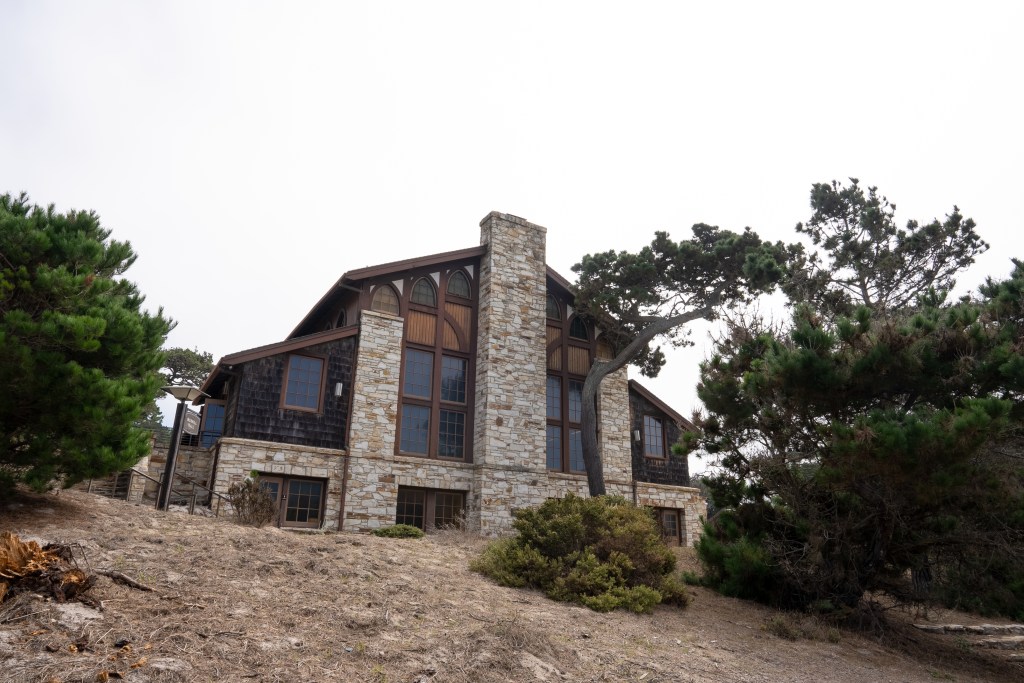
At California’s Asilomar Conference Grounds, nestled amid Monterey pines and dramatic granite formations, scientists gathered to rewrite our understanding of tectonics—and reshape how we think about Earth’s restless surface. (Erik Olsen)

For centuries, explanations for Earth’s features ranged from catastrophic events to gradual uplift and erosion, a debate that became known as uniformitarianism versus catastrophism. In California, the sheer complexity of the geology, with its links go far beyond the borders of the state, hinted at powerful forces at play. Scientists grappled with the origins of the Sierra Nevada, the formation of the Central Valley, and the persistent threat of earthquakes along the now-famous San Andreas Fault. The prevailing models, however, lacked the comprehensive framework to connect these disparate observations into a coherent narrative.

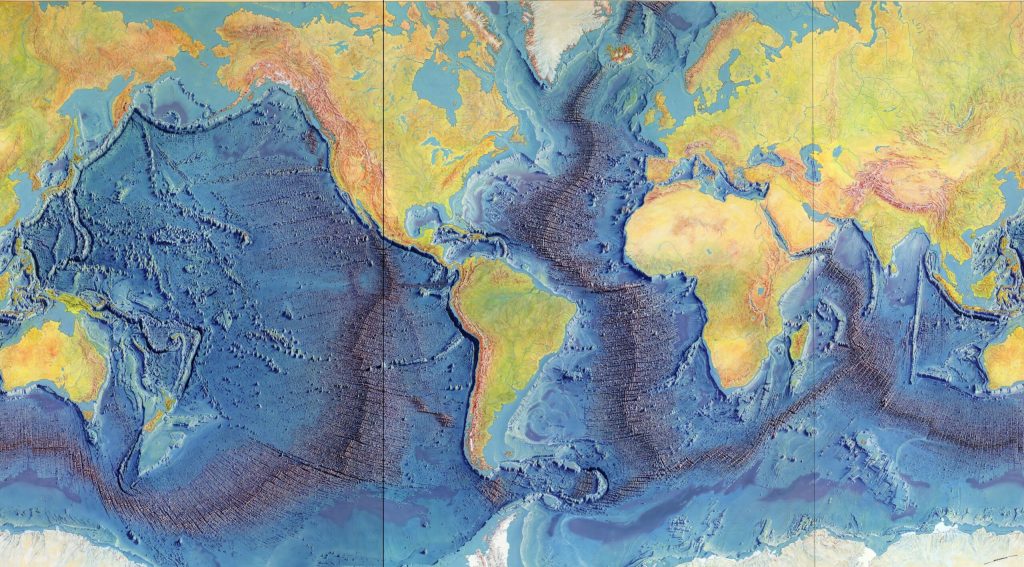
The seeds of the plate tectonic revolution had been sown earlier in the 20th century with Alfred Wegener’s theory of continental drift. Anyone looking at a world map or globe could see how the coastlines of certain continents, particularly South America and Africa, seemed to fit together like pieces of a puzzle, suggesting they were once joined. Wegener proposed that the continents were once joined together in a supercontinent called Pangaea and had gradually drifted apart over millions of years. While his ideas were initially met with skepticism, particularly regarding the mechanism that could drive such massive movements, compelling evidence from paleontology, glacial geology, and the jigsaw-like fit of continental coastlines slowly began to sway opinions. The discovery of seafloor spreading in the 1960s (itself a great story, featuring the brilliant geologist and cartographer Marie Tharp) which revealed that new oceanic crust was constantly being generated at mid-ocean ridges and that the ocean floor itself was moving like a conveyor belt, provided the crucial mechanism Wegener lacked.

Heinrich Berann’s 1977 painting of the Heezen-Tharp “World Ocean Floor” map, a landmark in cartography that showed how the earths plates in some areas are pulling apart while others collide. (Library of Congress)

It was against this backdrop of burgeoning evidence that the Geological Society of America convened one of its annual Penrose Conferences in December 1969 at the Asilomar Conference Center in Pacific Grove, California. Titled “The Meaning of the New Global Tectonics,” the event drew structural geologists from all over the world.  The geological world changed overnight. A key figure in the conference was William R. Dickinson, a leading structural geologist whose work helped bridge the gap between traditional geological interpretations and the emerging plate tectonic framework. Dickinson’s research on sedimentary basins and tectonic evolution provided critical insights into how plate movements shaped the western United States, further solidifying the new theory’s acceptance.

These conferences were designed to be intimate gatherings where geologists could engage in focused discussions on cutting-edge research. The 1969 meeting proved to be a pivotal one. As UC Davis’ Moores, then a youthful figure who would become a leading voice of the “New Geology” in the West, later wrote, “the full import of the plate tectonic revolution burst on the participants like a dam failure”.

The Palmdale Road Cut on Hwy 14 in Southern California is a 90-foot slice through swirling sediments that have spent millions of years being squeezed and twisted by the San Andreas fault. Some say that this view of the fault is one of the best in all of California.
(Photo: Erik Olsen)

Paper after paper presented at the conference demonstrated how the seemingly simple notion of large plates floating atop the Earth’s plastic mantle (the asthenosphere) could explain a vast array of geological phenomena. The location of volcanoes, the folding of mountains (orogeny), the distribution of earthquakes, the shape of the continents, and the history of the oceans all suddenly found a compelling and unified explanation within the framework of plate tectonics. Geologist John Tuzo Wilson famously referred to plate tectonics as ‘the dance of the continents,’ a phrase that captured the excitement and transformative nature of this intellectual breakthrough.

For Moores, the conference was a moment of profound realization. “It was a very exciting time. I still get goosebumps even talking about it,” he told the writer John McPhee. “A turning point, I think it was, in the plate tectonic revolution, that was the watershed of geology.” Moores had been contemplating the perplexing presence of ophiolite sequences – distinctive rock assemblages consisting of serpentines, gabbro/lava, and sediments – found high in the mountains of the West, including California. He suddenly grasped that these strange and “exotic” rock sequences were remnants of ancient ocean floors that had been lifted on top of the continent through the collision of tectonic plates.

Asilomar Conference Grounds Interior (Erik Olsen)

Moores reasoned that the serpentines and coarsely crystalline igneous rocks at the base of these sequences were characteristic of the rocks underlying all the world’s oceans. The “green rocks” in the middle (now the state rock of California) showed evidence of moderate pressure and temperatures, indicating they had been subjected to significant geological forces. By connecting these ophiolite sequences to the processes of plate collision and obduction (where one plate rides over another), Moores provided a powerful piece of evidence for plate tectonics and offered a new lens through which to understand the complex geological architecture of the American West.

His deduction was in line with what is now known about plate tectonics. The geological “confusion” apparent in the Rockies, the Sierra Nevada, and other western mountain chains was now understood as the result of neighboring plates bumping into each other repeatedly over vast geological timescales. The concept of terranes, foreign rock slabs or slices or sequences that have traveled vast distances and become accreted to continents, further illustrated the dynamic and assembly-like nature of California’s geological landscape.

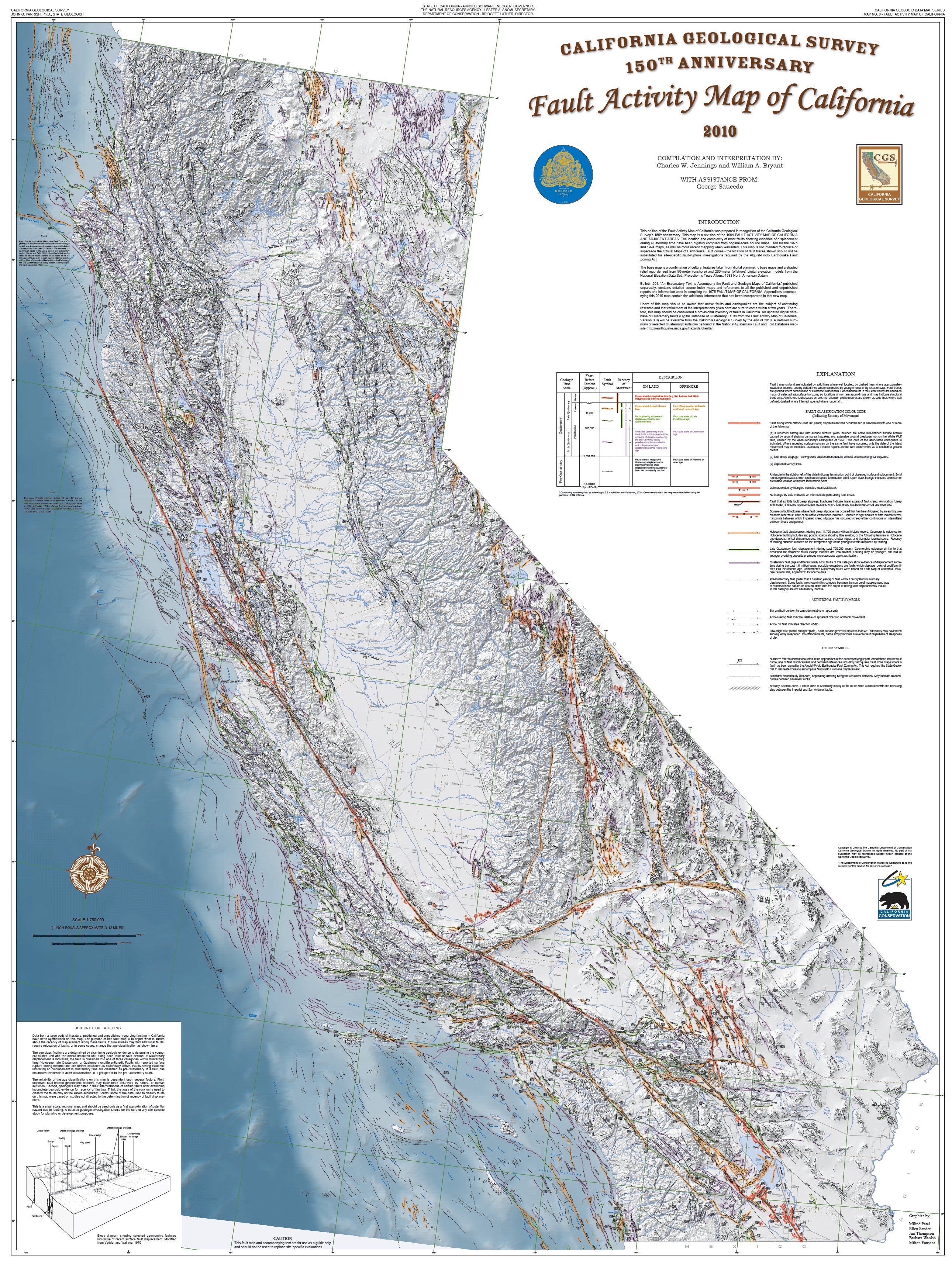
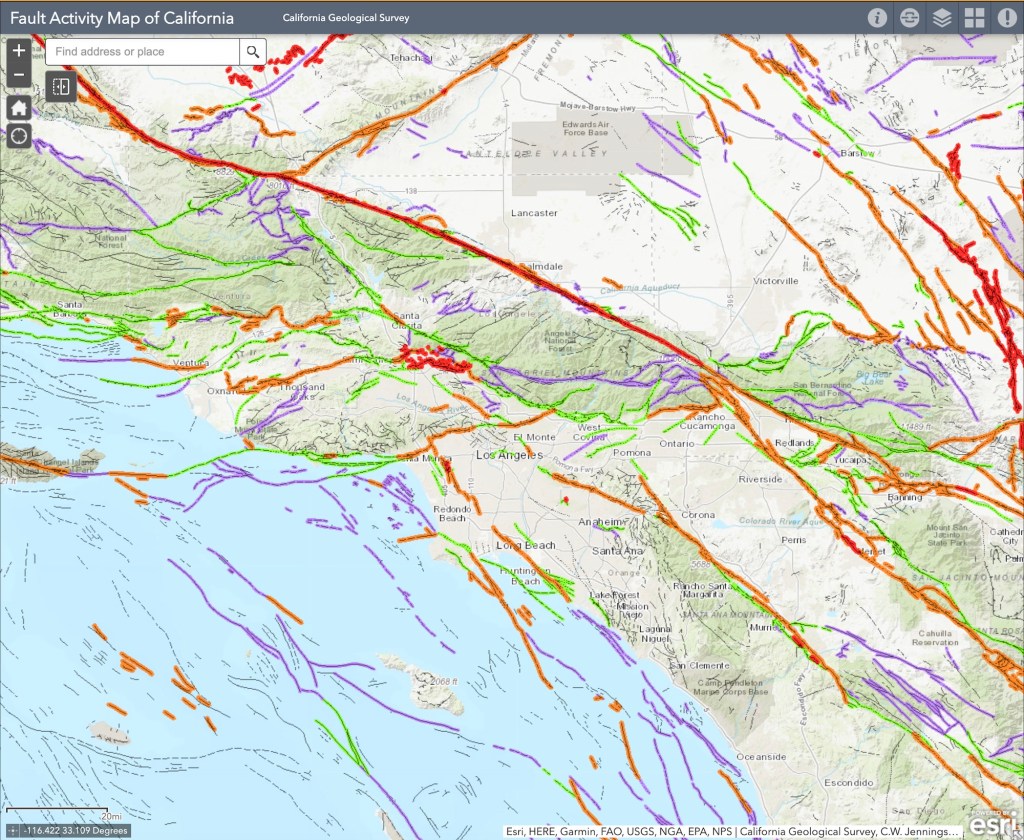
Fault Activity Map of LA Area in California (California Geological Survey)
)

California, situated at the active boundary between the massive Pacific Plate and the North American Plate, became a prime natural laboratory for studying the principles of plate tectonics. The San Andreas Fault, a “right-lateral strike-slip fault” where the Pacific Plate slides northward relative to the North American Plate, is a direct consequence of this ongoing tectonic interaction. Places like Parkfield, California, lying directly on the fault, became the center of the seismic universe, offering invaluable opportunities to study the processes of locking and unlocking that precede earthquakes.

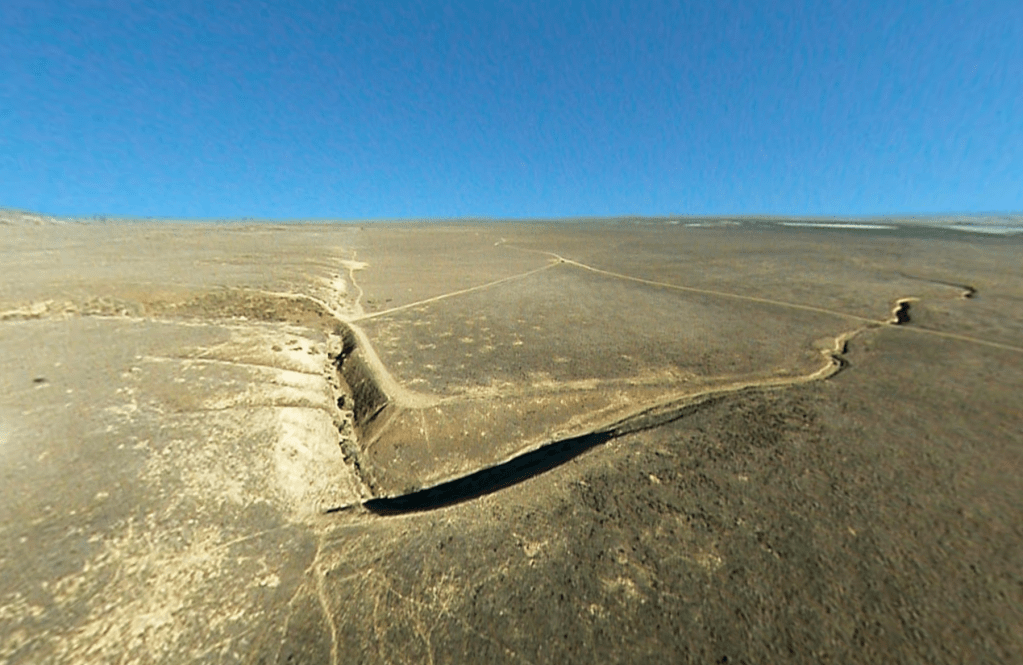
The San Andreas Fault at Wallace Creek. On January 9, 1857, the M 7.9 Fort Tejon earthquake occurred just north of the Carrizo Plain. Here, at Wallace Creek, the fault moved 30 feet (9m), forming the offset stream channel seen in the photo. (USGS)

The dramatic offsets of streams like Wallace Creek on the Carrizo Plain vividly demonstrate the horizontal movement along the fault. These offsets, where streams appear abruptly displaced, serve as clear, visual records of the fault’s slip history, showing just how much the land has shifted over time. Further proof of the movement of plates along the fault was uncovered in a remarkable investigation by Thomas Dibblee Jr., a pioneering field geologist who meticulously mapped vast regions of California. One of his most compelling discoveries was the striking geological similarity between rocks found at Pinnacles National Park and those in the Neenach Volcanic Field, located more than 195 miles to the southeast. Dibblee determined that these formations were once part of the same volcanic complex but had been separated by the gradual (but pretty damn quick in geological time) movement of the Pacific Plate along the San Andreas Fault over millions of years.

The insights gained from the plate tectonic revolution, sparked in part by that pivotal conference in Pacific Grove, continue to inform our understanding of California’s geological hazards and history. The work of scientists like Eldridge Moores and the subsequent advancements in the field have provided a robust framework for interpreting the state’s complex and ever-evolving landscape. The 1969 Penrose Conference marked not just a shift in scientific thinking but a fundamental unlocking of some of the Earth’s deep secrets, with California the place, once again, at the center of scientific advance.

A Deep Dive into Monterey Canyon, California’s Great Abyss


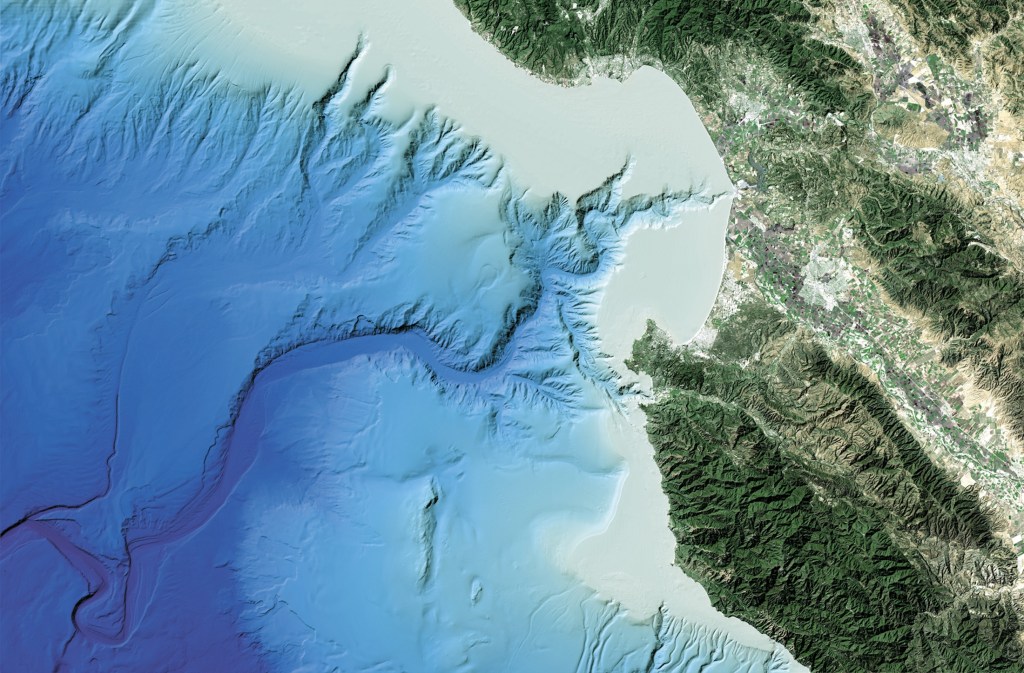
Monterey Canyon stretches nearly 95 miles out to sea, plunging over 11,800 feet into the depths—one of the largest submarine canyons on the Pacific Coast, hidden beneath the waves. (Courtesy: Monterey Bay Aquarium Research Institute MBARI)

Standing at Moss Landing, a quaint coastal town known for its fishing heritage, bustling harbor, and the iconic twin smokestacks of its power plant, you might never guess that a massive geological feature lies hidden beneath the waves. From this unassuming spot on the California coast, Monterey Canyon stretches into the depths, a colossal submarine landscape that rivals the grandeur of the Grand Canyon itself.

Monterey Canyon, often called the Grand Canyon of the Pacific, is one of the largest and most fascinating submarine canyons in the world. Stretching over 95 miles from the coast of Monterey, California, and plunging to depths exceeding 3,600 meters (11,800 feet), this underwater marvel rivals its terrestrial counterpart in size and grandeur. Beneath the surface of Monterey Bay, the canyon is a hotspot of geological, biological, and scientific exploration, offering a window into Earth’s dynamic processes and the mysterious ecosystems of the deep sea.

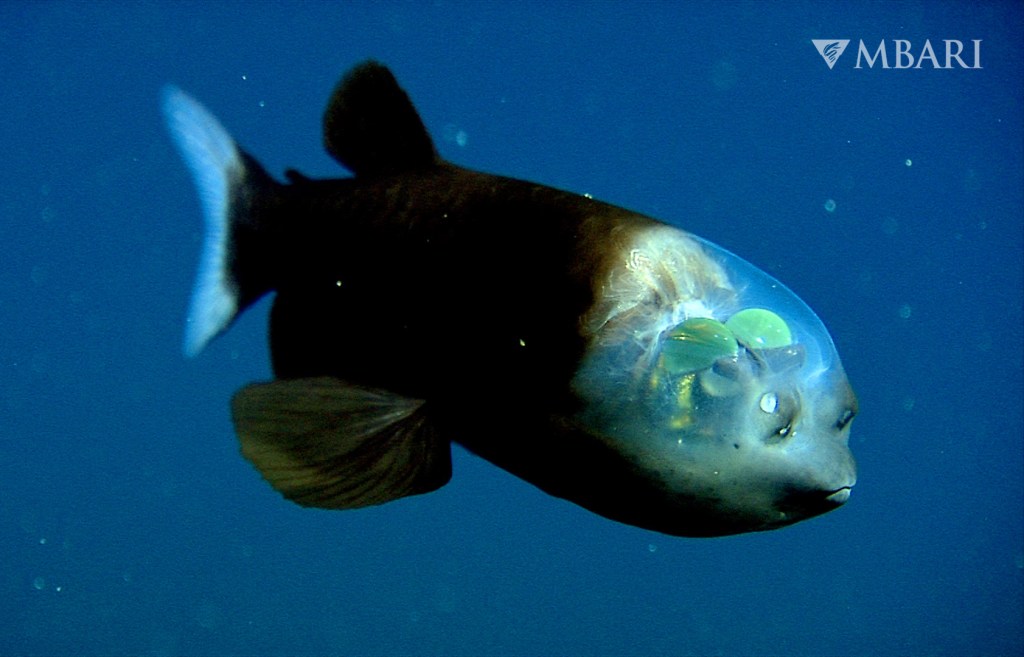
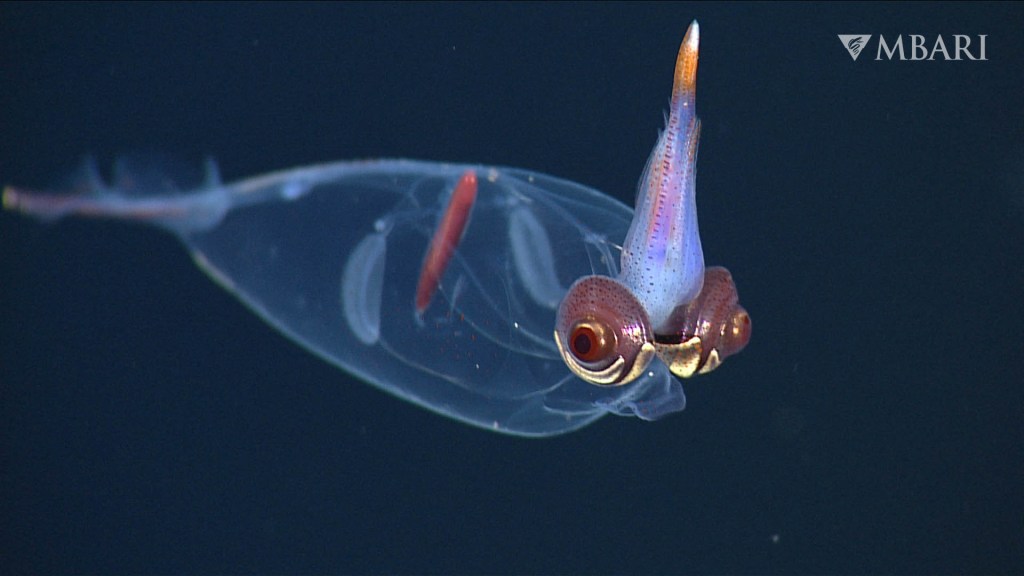
Drifting through the depths of Monterey Canyon, the elusive barreleye fish reveals its transparent head and tubular eyes—an evolutionary marvel perfectly adapted to the dark, mysterious waters off Monterey Bay.
(Courtesy: Monterey Bay Aquarium Research Institute MBARI)

Monterey Canyon owes its impressive scale and structure to the patient yet powerful forces of geological time. Formed over millions of years, Monterey Canyon has been shaped by a range of geological processes. One prevailing theory is that the canyon began as a river channel carved by the ancestral Salinas River, which carried sediments from the ancient Sierra Nevada to the ocean. As sea levels fluctuated during ice ages, the river extended further offshore, deepening the canyon through erosion. Another hypothesis points to tectonic activity along the Pacific Plate as a significant factor, creating fault lines and uplifting areas around the canyon while subsidence allowed sediment to accumulate and flow into the deep. These forces, combined with powerful turbidity currents—underwater landslides of sediment-laden water—worked in tandem to sculpt the dramatic contours we see today. Together, one or several of these processes forged one of Earth’s most dramatic underwater landscapes.

While the geology is awe-inspiring, the biology of Monterey Canyon makes it a living laboratory for scientists. The canyon is teeming with life, from surface waters to its darkest depths. Near the top, kelp forests and sandy seafloors support a wide variety of fish, crabs, and sea otters, while the midwater region, known as the “twilight zone,” is home to bioluminescent organisms like lanternfish and vampire squid that generate light for survival. Lanternfish, for example, employ bioluminescence to attract prey and confuse predators, while vampire squid use light-producing organs to startle threats or escape unnoticed into the depths. In the canyon’s deepest reaches, strange and hardy creatures thrive in extreme conditions, including the ghostly-looking Pacific hagfish, the bizarre gulper eel, and communities of tube worms sustained by chemical energy from cold seeps.

A vampire squid (Vampyroteuthis infernalis) observed by MBARI’s remotely
operated vehicle (ROV) Tiburon in the outer Monterey Canyon at a depth of approximately
770 meters. (Courtesy: Monterey Bay Aquarium Research Institute MBARI)

The barreleye fish, captured in stunning video footage by MBARI, is one of the canyon’s most fascinating inhabitants. This deep-sea fish is known for its’ domed transparent head, which allows it to rotate its upward-facing eyes to track prey and avoid predators in the dimly lit depths. Its unique adaptations highlight the remarkable ingenuity of life in the deep ocean. Countless deep-sea creatures possess astonishing adaptations and behaviors that continue to amaze scientists and inspire awe. Only in recent decades have we gained the technology to explore the depths and begin to uncover their mysteries.

The canyon’s rich biodiversity thrives on upwelling currents that draw cold, nutrient-rich water to the surface, triggering plankton blooms that sustain a complex food web. This process is vital in California waters, where it supports an astonishing array of marine life, from deep-sea creatures to surface dwellers like humpback whales, sea lions, and albatrosses. As a result, Monterey Bay remains a crucial habitat teeming with life at all levels of the ocean.

A woolly siphonophore (Apolemia lanosa) observed by MBARI’s remotely
operated vehicle (ROV) Tiburon in the outer Monterey Canyon at a depth of 1,200 meters.
(Courtesy: Monterey Bay Aquarium Research Institute MBARI)

What sets Monterey Canyon apart is the sheer accessibility of this underwater frontier for scientific exploration. The canyon’s proximity to the shore makes it a prime research site for organizations like the Monterey Bay Aquarium Research Institute (MBARI). Using remotely operated vehicles (ROVs) and advanced oceanographic tools, MBARI scientists have conducted groundbreaking studies on the canyon’s geology, hydrology, and biology. Their research has shed light on phenomena like deep-sea carbon cycling, the behavior of deepwater species, and the ecological impacts of climate change.

This animation, the most detailed ever created of Monterey Canyon, combines ship-based multibeam data at a resolution of 25 meters (82 feet) with high-precision autonomous underwater vehicle (AUV) mapping data at just one meter (three feet), revealing the canyon’s intricate underwater topography like never before.

MBARI’s founder, the late David Packard, envisioned the institute as a hub for pushing the boundaries of marine science and engineering, and it has lived up to this mission. Researchers like Bruce Robison have pioneered the use of ROVs to study elusive deep-sea animals, capturing stunning footage of creatures like the vampire squid and the elusive giant siphonophore, a colonial organism that can stretch over 100 feet, making it one of the longest animals on Earth.

Bruce Robison, deep-sea explorer and senior scientist at MBARI, has spent decades uncovering the mysteries of the ocean’s twilight zone, revealing the hidden lives of deep-sea creatures in Monterey Canyon. (Photo: Erik Olsen)

Among the younger generations of pioneering researchers at MBARI, Kakani Katija stands out for her groundbreaking contributions to marine science. Katija has spearheaded the development of FathomNet, an open-source image database that leverages artificial intelligence to identify and count marine animals in deep-sea video footage, revolutionizing how researchers analyze vast datasets. Her work has also explored the role of marine organism movements in ocean mixing, revealing their importance for nutrient distribution and global ocean circulation. These advancements not only deepen our understanding of the deep sea but also showcase how cutting-edge technology can transform our approach to studying life in the deep ocean.

Two leading scientists at MBARI, Steve Haddock and Kyra Schlining, have made groundbreaking discoveries in Monterey Canyon, expanding our understanding of deep-sea ecosystems. Haddock, a marine biologist specializing in bioluminescence, has revealed how deep-sea organisms like jellyfish and siphonophores use light for communication, camouflage, and predation. His research has uncovered new species and illuminated the role of bioluminescence in the deep ocean. Schlining, an expert in deep-sea video analysis, has played a key role in identifying and cataloging previously unknown marine life captured by MBARI’s remotely operated vehicles (ROVs). Her work has helped map the canyon’s biodiversity and track environmental changes over time, shedding light on the delicate balance of life in this hidden world.

A peacock squid (Taonius sp.) observed by one of MBARI’s remotely operated
vehicles. (Courtesy: Monterey Bay Aquarium Research Institute MBARI)

Monterey Canyon continues to inspire curiosity and collaboration. Its unique conditions make it a natural laboratory for testing cutting-edge technologies, from autonomous underwater vehicles to sensors for tracking ocean chemistry. The canyon also plays a vital role in education and conservation efforts, with institutions like the Monterey Bay Aquarium engaging visitors and raising awareness about the importance of protecting our oceans.

As we venture deeper into Monterey Canyon—an astonishing world hidden just off our coast—we find ourselves with more questions than answers. How far can life push its limits? How do geology and biology shape each other in the depths? And how are human activities altering this fragile underwater landscape? Yet with every dive and every discovery, we get a little closer to unraveling the mysteries of one of Earth’s last great frontiers: the ocean.

How a Tiny Beetle Helped Save California

California’s citrus industry confronted a deadly challenge, leading to a groundbreaking innovation in pest control.

Cottony Cushion Scale (Public Domain)

In the sun-drenched orchards of late 19th-century California, a crisis was unfolding that threatened to decimate the state’s burgeoning citrus industry. The culprit was a small sap-sucking insect native to Australia called the cottony cushion scale (Icerya purchasi). First identified in New Zealand in 1878, this pest had made its way to California by the early 1880s, wreaking havoc on citrus groves. The pest is believed to have arrived in the United States through the global trade of plants, a common vector for invasive species during the 19th century. As horticulture expanded globally, ornamental plants and crops were frequently shipped between countries without the quarantine measures we have today. Once established in the mild climate of California, the cottony cushion scale found ideal conditions to thrive, spreading rapidly and wreaking havoc on the citrus industry.

The cottony cushion scale infested trees with a vengeance, covering branches and leaves with a white, cotton-like secretion. This not only weakened the trees by extracting vital sap but also led to the growth of sooty mold on the honeydew excreted by the insects, further impairing photosynthesis. Growers employed various methods to combat the infestation, including washing trees with whale oil, applying blistering steam, and even detonating gunpowder in the orchards. Despite these efforts, the pest continued its relentless spread, causing citrus exports to plummet from 2,000 boxcars in 1887 to just 400 the following year. This decline translated to millions of dollars in lost revenue, threatening the livelihoods of countless farmers and jeopardizing the state’s citrus economy, which was valued at over $10 million annually (approx. $627 million in today’s dollars) during this period.

Orange and lemon groves, along with the home of citrus pioneer William Wolfskill, circa 1882. (California Historical Society)

In 1885, the independent growers across Southern California banded together in response to the insect invasion and the broader difficulties facing citrus growers at the time, forming the state’s first fruit cooperative, which would later become Sunkist. Despite their efforts, homemade mixtures of kerosene, acids, and other chemicals failed to halt the relentless spread of Icerya purchasi. The pests, with an endless supply of citrus trees to feed on, continued to multiply unchecked. New laws mandated growers to uproot and burn infected orange trees, but the devastation was widespread. By 1888, real estate values, which had soared by 600 percent since 1877, had plummeted.

Enter Charles Valentine Riley, the Chief Entomologist for the U.S. Department of Agriculture. A visionary in the field of entomology, Riley had previously attempted biological control by introducing predatory mites to combat grape phylloxera in France, albeit with limited success. Undeterred, he proposed a similar strategy for the cottony cushion scale crisis. In 1888, Riley dispatched his trusted colleague, a fellow entomologist named Albert Koebele, to Australia to identify natural enemies of the pest.

The cottony cushion scale infestations were so severe that citrus trees appeared as though they had been coated with artificial snow, resembling Christmas flocking. Fruit production sharply declined, and many trees succumbed to the damage. (UC Riverside)

Interestingly, Valentine resorted to subterfuge to send an entomologist to Australia despite Congress’s objections. Lawmakers had prohibited foreign travel by the Agriculture Department to curb Riley’s frequent European excursions. However, Riley, well-versed in navigating political obstacles, cleverly arranged for an entomologist to join a State Department delegation heading to an international exposition in Melbourne.

Charles Valentine Riley (Wikipedia)

Koebele’s expedition proved fruitful. He worked with Australian experts to locate the pest in its rare habitats along with its natural enemies, including a parasitic fly and approximately the Vedalia beetle. The vedalia beetle (Rodolia cardinalis) is a small ladybird with a voracious appetite for the cottony cushion scale. Koebele collected and shipped hundreds of these beetles back to California. Upon their release into infested orchards, the vedalia beetles rapidly established themselves, feasting on the scales and reproducing prolifically. Within months, the cottony cushion scale populations had diminished dramatically, and by 1890, the pest was largely under control across the state. This 1888-89 campaign marked the beginning of biological control in the United States, a strategy involving the introduction of natural predators to manage invasive pests.

In her 1962 classic Silent Spring, Rachel Carson described the Novius beetle’s work in California as “the world’s most famous and successful experiment in biological control.”

Novius ladybug devours an Icerya.  (UC Riverside)

This was far from the last time California employed such measures. It became a relatively common practice to introduce new species to control those that posed threats to the state’s economically vital crops, but not always successfully.

In the 1940s, California introduced parasitic wasps such as Trioxys pallidus to control the walnut aphid, a pest threatening the state’s walnut orchards. These tiny wasps laid their eggs inside the aphids, killing them and dramatically reducing infestations, saving the industry millions of dollars. Decades later, in the 1990s, the state faced an invasive glassy-winged sharpshooter, a pest that spread Pierce’s disease in grapevines. (Interesting fact: The glassy-winged sharpshooter drinks huge amounts of water and thus pees frequently, expelling as much as 300 times its own body weight in urine every day.) To combat this, scientists introduced Gonatocerus ashmeadi, a parasitic wasp that targets the pest’s eggs. This biological control effort helped protect California’s wine industry from devastating losses.

The Vedalia beetle (novius cardinalis) also known as the cardinal ladybird (Katja Schulz Wikipedia)

While the introduction of the vedalia beetle was highly effective and hailed as a groundbreaking success, biological control efforts are not without risks, often falling prey to the law of unintended consequences. Although no major ecological disruptions were recorded in the case of the cottony cushion scale, similar projects have shown how introducing foreign species can sometimes lead to unforeseen negative impacts. For example, the cane toad in Australia, introduced to combat beetles in sugarcane fields, became a notorious ecological disaster as it spread uncontrollably, preying on native species and disrupting ecosystems. Similarly, the mongoose introduced to control rats in sugarcane fields in Hawaii also turned predatory toward native birds. These examples highlight the need for meticulous study and monitoring when implementing biological control strategies. Today, regulatory frameworks require rigorous ecological assessments to minimize such risks.

The glassy-winged sharpshooter (Georgia Tech)

In the case of the Vedalia beetle, its precise and targeted predation led to a highly successful outcome in California. Citrus quickly became one of the state’s most dominant and profitable crops, helping to establish California as a leader in agricultural production—a position it continues to hold firmly today.

This groundbreaking use of biological control not only rescued California’s citrus industry but also established a global precedent for environmentally sustainable pest management. The success of the Vedalia beetle’s introduction showcased the power of natural predators in managing agricultural pests, offering an alternative to chemical pesticides. While pesticides remain widely used in California and across the world, this effort underscores the value of understanding ecological relationships, evolutionary biology, and the benefits of international scientific collaboration.

Visit the California Curated store on Etsy for original prints showing the beauty and natural wonder of California.

The story of the Vedalia beetle and the cottony cushion scale highlights human ingenuity and the effectiveness of nature’s own checks and balances. It stands as an early example of integrated pest management, a method that continues to grow and adapt to meet modern agricultural challenges. This successful intervention underscores the importance of sustainable practices in protecting both our food systems and the environment.

Walter Munk was a Californian Oceanographer Who Changed Our Understanding of the Seas

Photo: Erik Jepsen (UC San Diego)

Walter Munk, often referred to as the “Einstein of the Oceans,” was one of the most influential oceanographers of the 20th century. Over a career that spanned more than 70 years, Munk fundamentally altered how we think about the oceans, contributing to our understanding of everything from wave prediction during World War II to deep-sea drilling in California. His work at the Scripps Institution of Oceanography in La Jolla, California, was groundbreaking and continues to influence scientific thinking to this day.

Walter Heinrich Munk was born in Vienna, Austria, on October 19, 1917. At 14, he moved to New York, where he later pursued physics at Columbia University. He became a U.S. citizen in 1939 and earned a bachelor’s degree in physics from the California Institute of Technology the same year, followed by a master’s in geophysics in 1940. Munk then attended the Scripps Institution of Oceanography and completed his Ph.D. in oceanography from the University of California in 1947.

Dr. Walter Munk in 1952. (Scripps Institution of Oceanography Archives/UC San Diego Libraries)

In the early 1940s, Munk’s career took a defining turn when the United States entered World War II. At the time, predicting ocean conditions was largely guesswork, and this posed a significant challenge for military operations. Munk, a PhD student at Scripps at the time, was recruited by the U.S. Army to solve a problem that could make or break military strategy—accurate wave prediction for amphibious landings.

CALIFORNIA CURATED ART ON ETSY

Purchase stunning art prints of iconic California scenes.
Check out our Etsy store.

One of his most famous contributions during the war came in 1944, ahead of the Allied invasion of Normandy. Alongside fellow oceanographer Harald Sverdrup, Munk developed a method to predict the size and timing of ocean waves, ensuring that troops could land safely during the D-Day invasion. Using their model, the Allied forces delayed the invasion by one day, a move that proved crucial in reducing casualties and securing the beachhead. This same wave prediction work was used again in the Pacific theater, particularly for landings on islands like Iwo Jima and Eniwetok. Munk’s contributions not only helped win the war but also laid the foundation for modern oceanography. Wave forecasting is now a standard tool for naval operations, shipping, and even recreational surfers.

Landing craft pass supporting warships in the Battle of Eniwetok, 19 February 1944. (U.S. Army)

After the war, Munk returned to Scripps, a place that would remain central to his career. Established in 1903, Scripps had been growing into a major center for oceanographic research, and Munk’s work helped elevate it to new heights. Located in La Jolla, just north of San Diego, Scripps was perfectly positioned on the California coastline to be at the forefront of oceanographic studies. Scripps is one of the premier oceanographic institutions in the world.

During the post-war years, Munk helped pioneer several new areas of research, from the study of tides and currents to the mysteries of the deep sea. California, with its rich marine ecosystems and coastal access, became the perfect laboratory. In La Jolla, Munk studied the Southern California Current and waves that originated across the Pacific, bringing new understanding to local coastal erosion and long-term climate patterns like El Niño. His research had a direct impact on California’s relationship with its coastline, from naval operations to public policy concerning marine environments.

Walter Munk in 1963 with a tide capsule. The capsule was dropped to the seafloor to measure deep-sea tides before such measurements became feasible by satellite. Credit Ansel Adams, University of California

While Munk’s contributions to wave forecasting may be his most widely recognized work, one of his boldest projects came in the 1960s with Project Mohole. It was an ambitious scientific initiative to drill into the Earth’s mantle, the layer beneath the Earth’s crust. The project was named after the Mohorovičić Discontinuity (named after the pioneering Croatian seismologist Andrija Mohorovičić), the boundary between the Earth’s crust and mantle. The boundary is often referred to as the “Moho”. The goal was revolutionary: to retrieve a sample from the Earth’s mantle, a feat never before attempted.

The idea was to drill through the ocean floor, where the Earth’s crust is thinner than on land, and reach the mantle, providing geologists with direct insights into the composition and dynamics of our planet. The project was largely conceived by American geologists and oceanographers, including Munk, who saw this as an opportunity to leapfrog the Soviet Union in the ongoing Cold War race for scientific supremacy.

The Glomar Challenger, launched in 1968, was the drill ship for NSF’s Deep Sea Drilling Project. (Public Domain)

California was again the backdrop for this audacious project. The drilling took place off the coast of Guadalupe Island, about 200 miles from the Mexican coast, and Scripps played a key role in organizing and coordinating the scientific work. The project succeeded in drilling deeper into the ocean floor than ever before, reaching 600 feet into the seabed. However, funding issues and technical challenges caused the U.S. Congress to abandon the project before the mantle could be reached. Despite its early end, Project Mohole is considered a precursor to modern deep-sea drilling efforts, and it helped pave the way for initiatives like the Integrated Ocean Drilling Program, which continues to explore the ocean’s depths today. For example, techniques for dynamic positioning for ships at sea were largely developed for the Mohole Project.

Munk’s work was deeply tied to California, a state whose coastlines and oceanography provided a wealth of data and opportunities for study. Scripps itself is perched on a stunning bluff overlooking the Pacific Ocean, a setting that greatly inspired Munk and his colleagues. Throughout his career, Munk worked on understanding the coastal dynamics of California, from studying the erosion patterns of beaches to analyzing how global warming might impact the state’s famous coastal cliffs.

Scripps Institution of Oceanography

His legacy continues to shape how California manages its vast coastline. The methodologies and insights he developed in wave prediction are now used in environmental and civil engineering projects that protect harbors, beaches, and coastal infrastructure from wave damage. As climate change accelerates the rate of sea level rise, Munk’s work on tides, ocean currents, and wave dynamics is more relevant than ever for California’s future.
Walter Munk’s contributions to oceanography stretched well beyond his wartime work and Project Mohole. He was instrumental in shaping how we understand everything from deep-sea currents to climate patterns, earning him numerous awards and accolades. His work at Scripps set the stage for the institution’s current status as a world leader in oceanographic research.
One of the most notable examples of this work was an experiment led by Munk to determine whether acoustics could be used to measure ocean temperatures on a global scale, offering insights into the effects of global warming. In 1991, Munk’s team transmitted low-frequency underwater acoustic signals from a remote site near Heard Island in the southern Indian Ocean. This location was strategically chosen because sound waves could travel along direct paths to listening stations in both the Pacific and Atlantic Oceans. The experiment proved successful, with signals detected as far away as Bermuda, New Zealand, and the U.S. West Coast. The time it took for the sound to travel was influenced by the temperature of the water, confirming the premise of the study.

Walter Munk in 2010 after winning the Crafoord Prize. (Crafoord Prize)

Munk passed away in 2019 at the age of 101, but his influence lives on. His approach to science—marked by curiosity, boldness, and a willingness to take on complex, high-risk projects—remains an inspiration for generations of scientists. He was a giant not only in oceanography but also in shaping California’s role in global scientific innovation. As the state faces the challenges of a changing climate, Munk’s legacy as the “Einstein of the Oceans” continues to be felt along its shores and beyond.