The Plate Tectonic Revolution and How California Became the Epicenter of a Scientific Breakthrough

How the 1969 Penrose Conference on plate tectonics at Asilomar in California transformed our understanding of Earth’s dynamic processes.

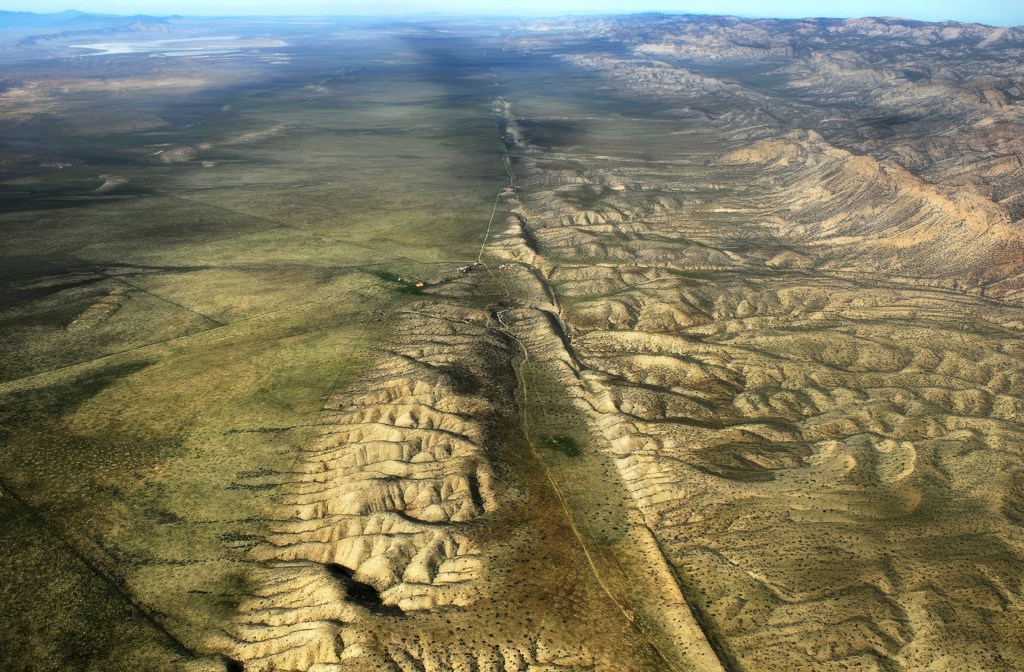
Aerial photo of San Andreas Fault looking northwest onto the Carrizo Plain with Soda Lake visible at the upper left. (Wikipedia)

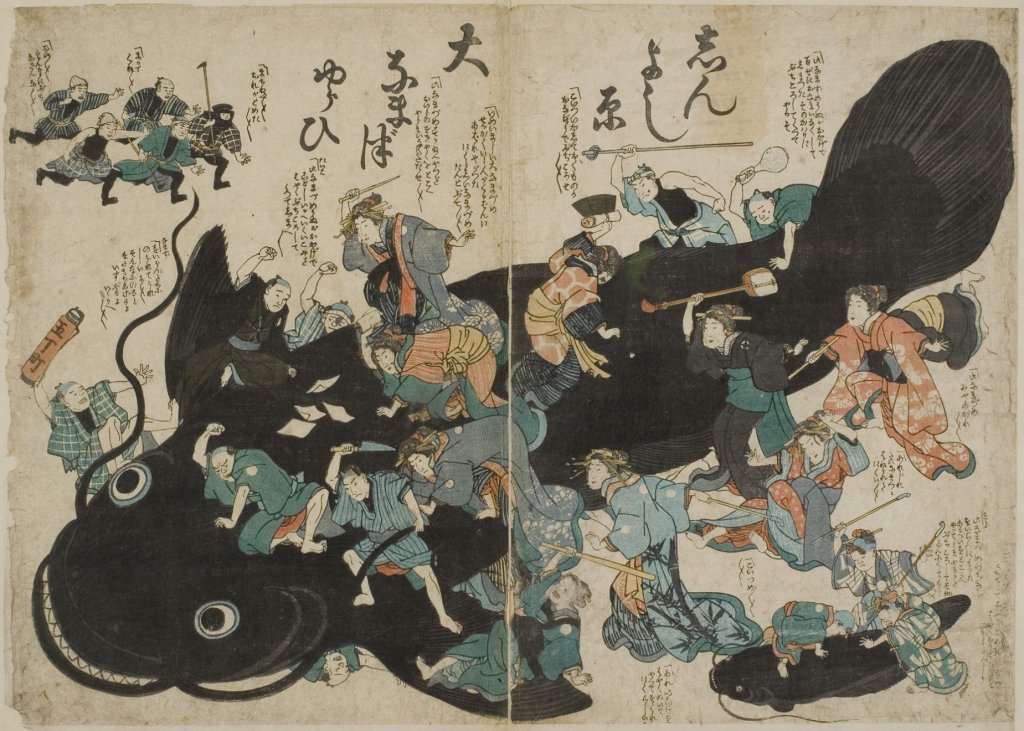
Before the late 1960s, understanding Earth’s shifting surface, particularly in a geologically active region like California, was a major scientific challenge. For most of human history, the causes of earthquakes remained an enigma—mysterious and terrifying, often attributed to supernatural forces. In Japan, for example, earthquakes were traditionally believed to be caused by Namazu, a giant catfish said to live beneath the earth and whose thrashing would shake the land. Many societies believed earthquakes were divine punishments or omens, while others considered them an essential part of creation, events necessary to form a world habitable by us humans.

The complexity of California’s landscape, its mountains, valleys, deserts, and intricate network of faults, posed difficulties for early geologists. The land appeared chaotically interwoven, with many different types of rock making up the gaping deserts and soaring peaks. As the great University of California at Davis geologist Eldridge Moores once put it, “Nature is messy. Don’t expect it to be uniform and consistent.”

An image of humans battling a Namazu (Credit: Tokyo University Library. Public Domain)

But there was no overarching explanation for how these earthly features got there. Scientists could observe and record earthquakes, but without a unifying theory, they struggled to piece together the deeper mechanisms driving these powerful events.

This frustration lingered until the late 1960s when an intellectual revolution in geology took shape. Despite the dawn of the space age and the rise of computing power, many earth scientists still clung to the belief that the continents were fixed, immovable features on the Earth’s surface. The breakthrough came with the acceptance of plate tectonics—a theory that elegantly explained not just earthquakes, but the entire dynamic nature of Earth’s surface. And for many geologists, the moment this new understanding solidified was in December 1969, at a groundbreaking conference at the Asilomar Conference Center in California that reshaped the future of the field. (Notably, Asilomar was also the site of the historic 1975 conference on recombinant DNA, where scientists gathered to establish ethical guidelines for genetic research, an event we have explored previously.) This was the moment when plate tectonics, a concept that would fundamentally reshape our view of the planet, truly took hold in the Western American geological community.

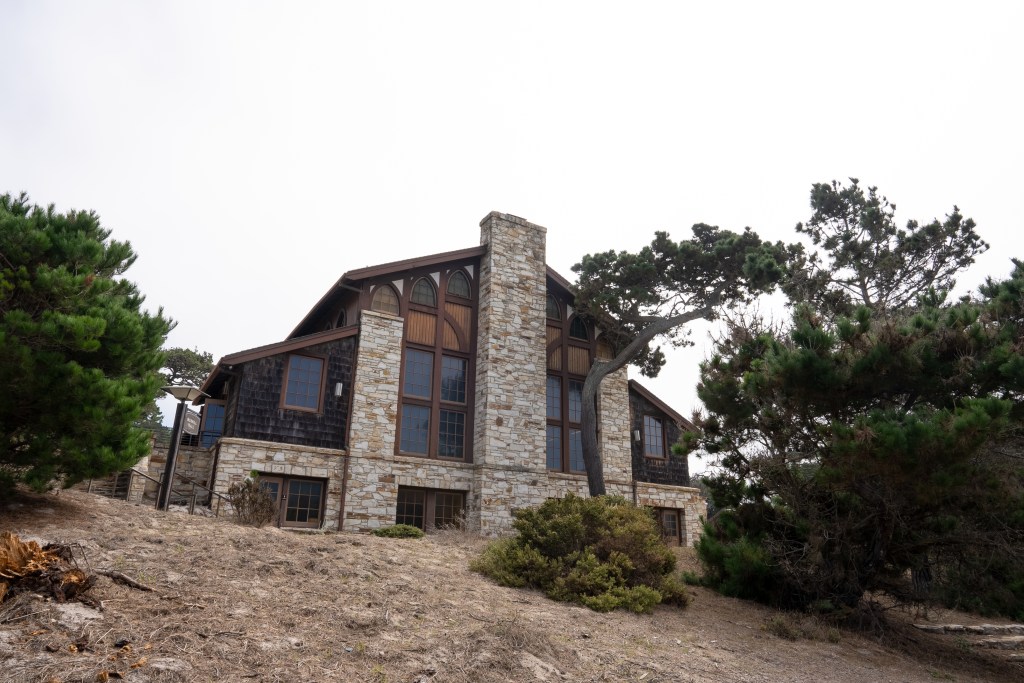
At California’s Asilomar Conference Grounds, nestled amid Monterey pines and dramatic granite formations, scientists gathered to rewrite our understanding of tectonics—and reshape how we think about Earth’s restless surface. (Erik Olsen)

For centuries, explanations for Earth’s features ranged from catastrophic events to gradual uplift and erosion, a debate that became known as uniformitarianism versus catastrophism. In California, the sheer complexity of the geology, with its links go far beyond the borders of the state, hinted at powerful forces at play. Scientists grappled with the origins of the Sierra Nevada, the formation of the Central Valley, and the persistent threat of earthquakes along the now-famous San Andreas Fault. The prevailing models, however, lacked the comprehensive framework to connect these disparate observations into a coherent narrative.

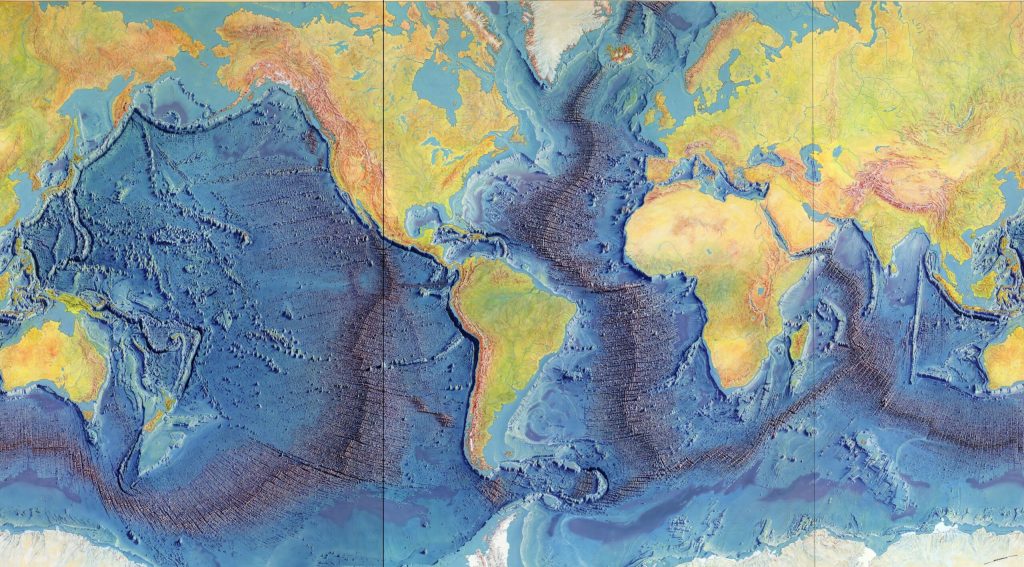
The seeds of the plate tectonic revolution had been sown earlier in the 20th century with Alfred Wegener’s theory of continental drift. Anyone looking at a world map or globe could see how the coastlines of certain continents, particularly South America and Africa, seemed to fit together like pieces of a puzzle, suggesting they were once joined. Wegener proposed that the continents were once joined together in a supercontinent called Pangaea and had gradually drifted apart over millions of years. While his ideas were initially met with skepticism, particularly regarding the mechanism that could drive such massive movements, compelling evidence from paleontology, glacial geology, and the jigsaw-like fit of continental coastlines slowly began to sway opinions. The discovery of seafloor spreading in the 1960s (itself a great story, featuring the brilliant geologist and cartographer Marie Tharp) which revealed that new oceanic crust was constantly being generated at mid-ocean ridges and that the ocean floor itself was moving like a conveyor belt, provided the crucial mechanism Wegener lacked.

Heinrich Berann’s 1977 painting of the Heezen-Tharp “World Ocean Floor” map, a landmark in cartography that showed how the earths plates in some areas are pulling apart while others collide. (Library of Congress)

It was against this backdrop of burgeoning evidence that the Geological Society of America convened one of its annual Penrose Conferences in December 1969 at the Asilomar Conference Center in Pacific Grove, California. Titled “The Meaning of the New Global Tectonics,” the event drew structural geologists from all over the world.  The geological world changed overnight. A key figure in the conference was William R. Dickinson, a leading structural geologist whose work helped bridge the gap between traditional geological interpretations and the emerging plate tectonic framework. Dickinson’s research on sedimentary basins and tectonic evolution provided critical insights into how plate movements shaped the western United States, further solidifying the new theory’s acceptance.

These conferences were designed to be intimate gatherings where geologists could engage in focused discussions on cutting-edge research. The 1969 meeting proved to be a pivotal one. As UC Davis’ Moores, then a youthful figure who would become a leading voice of the “New Geology” in the West, later wrote, “the full import of the plate tectonic revolution burst on the participants like a dam failure”.

The Palmdale Road Cut on Hwy 14 in Southern California is a 90-foot slice through swirling sediments that have spent millions of years being squeezed and twisted by the San Andreas fault. Some say that this view of the fault is one of the best in all of California.
(Photo: Erik Olsen)

Paper after paper presented at the conference demonstrated how the seemingly simple notion of large plates floating atop the Earth’s plastic mantle (the asthenosphere) could explain a vast array of geological phenomena. The location of volcanoes, the folding of mountains (orogeny), the distribution of earthquakes, the shape of the continents, and the history of the oceans all suddenly found a compelling and unified explanation within the framework of plate tectonics. Geologist John Tuzo Wilson famously referred to plate tectonics as ‘the dance of the continents,’ a phrase that captured the excitement and transformative nature of this intellectual breakthrough.

For Moores, the conference was a moment of profound realization. “It was a very exciting time. I still get goosebumps even talking about it,” he told the writer John McPhee. “A turning point, I think it was, in the plate tectonic revolution, that was the watershed of geology.” Moores had been contemplating the perplexing presence of ophiolite sequences – distinctive rock assemblages consisting of serpentines, gabbro/lava, and sediments – found high in the mountains of the West, including California. He suddenly grasped that these strange and “exotic” rock sequences were remnants of ancient ocean floors that had been lifted on top of the continent through the collision of tectonic plates.

Asilomar Conference Grounds Interior (Erik Olsen)

Moores reasoned that the serpentines and coarsely crystalline igneous rocks at the base of these sequences were characteristic of the rocks underlying all the world’s oceans. The “green rocks” in the middle (now the state rock of California) showed evidence of moderate pressure and temperatures, indicating they had been subjected to significant geological forces. By connecting these ophiolite sequences to the processes of plate collision and obduction (where one plate rides over another), Moores provided a powerful piece of evidence for plate tectonics and offered a new lens through which to understand the complex geological architecture of the American West.

His deduction was in line with what is now known about plate tectonics. The geological “confusion” apparent in the Rockies, the Sierra Nevada, and other western mountain chains was now understood as the result of neighboring plates bumping into each other repeatedly over vast geological timescales. The concept of terranes, foreign rock slabs or slices or sequences that have traveled vast distances and become accreted to continents, further illustrated the dynamic and assembly-like nature of California’s geological landscape.

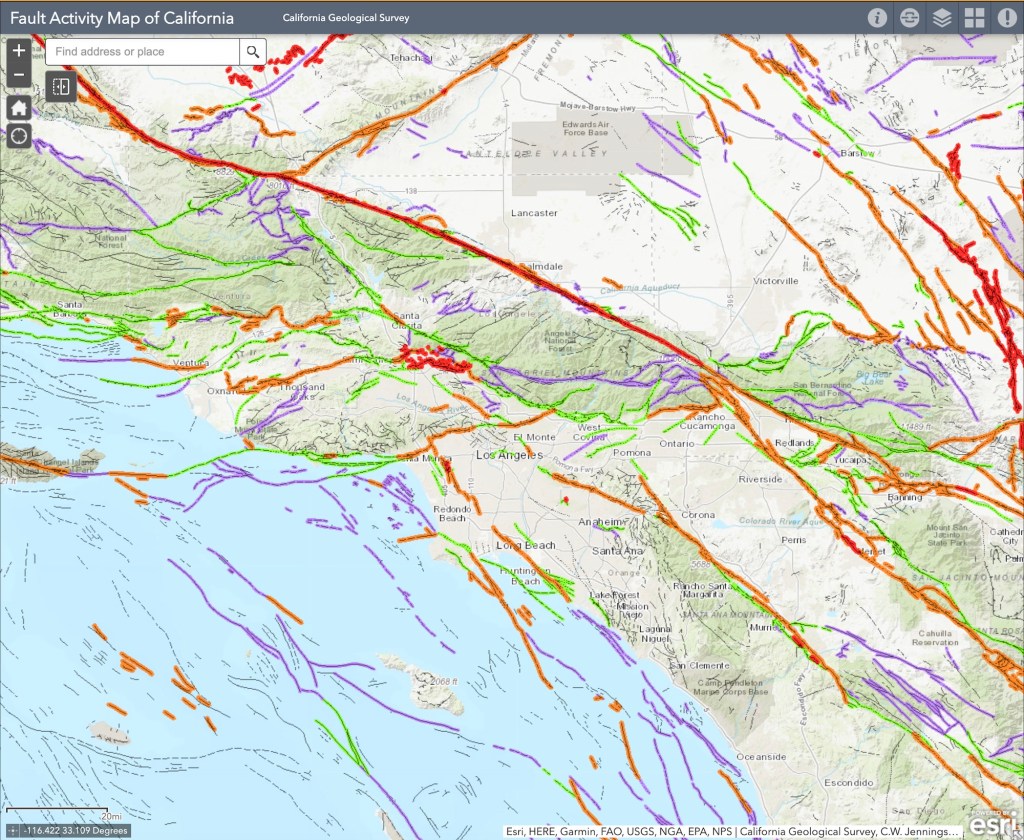
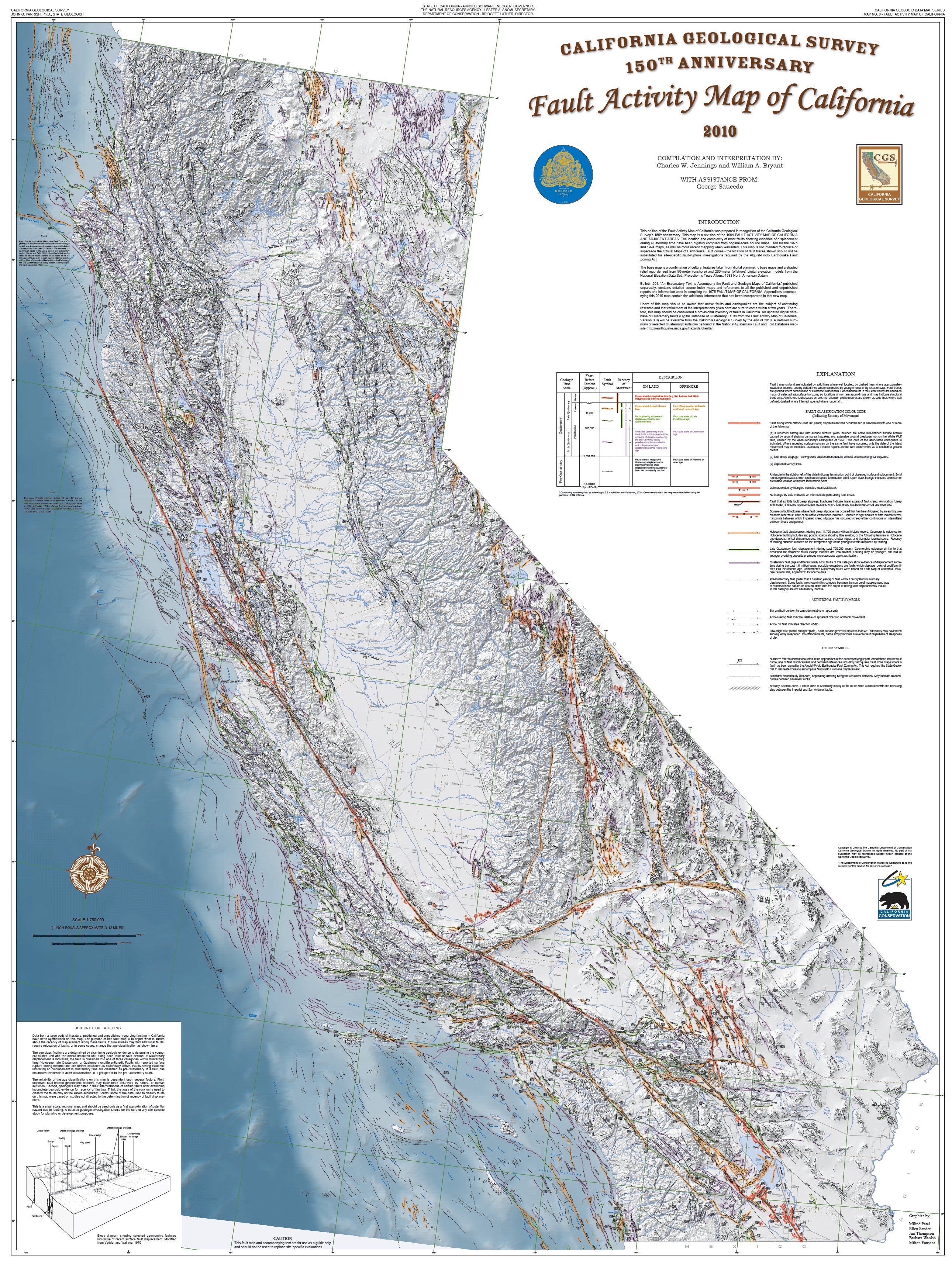
Fault Activity Map of LA Area in California (California Geological Survey)
)

California, situated at the active boundary between the massive Pacific Plate and the North American Plate, became a prime natural laboratory for studying the principles of plate tectonics. The San Andreas Fault, a “right-lateral strike-slip fault” where the Pacific Plate slides northward relative to the North American Plate, is a direct consequence of this ongoing tectonic interaction. Places like Parkfield, California, lying directly on the fault, became the center of the seismic universe, offering invaluable opportunities to study the processes of locking and unlocking that precede earthquakes.

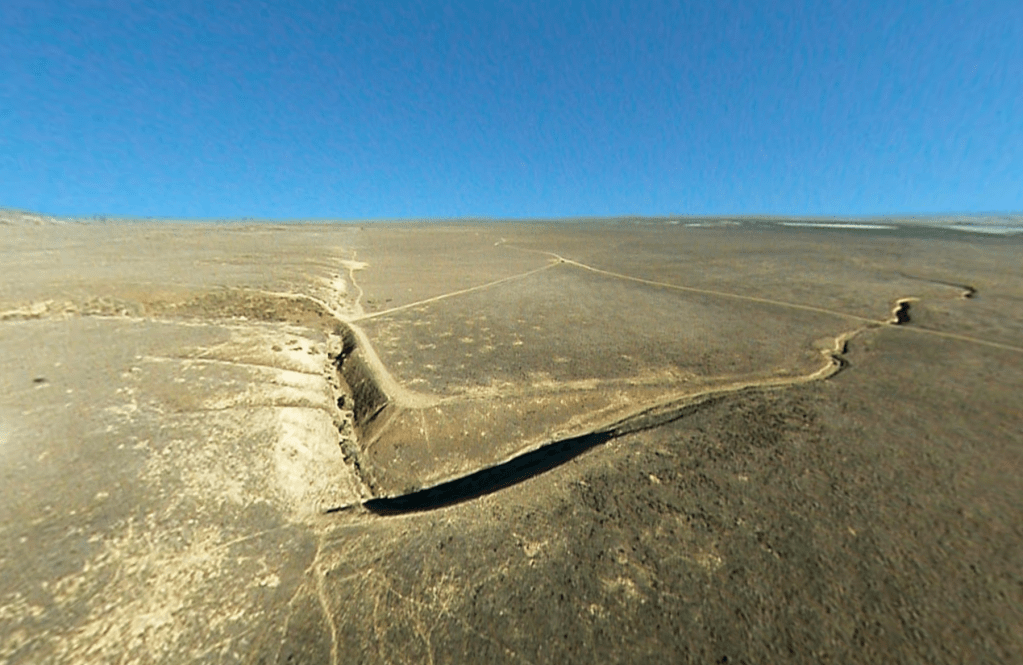
The San Andreas Fault at Wallace Creek. On January 9, 1857, the M 7.9 Fort Tejon earthquake occurred just north of the Carrizo Plain. Here, at Wallace Creek, the fault moved 30 feet (9m), forming the offset stream channel seen in the photo. (USGS)

The dramatic offsets of streams like Wallace Creek on the Carrizo Plain vividly demonstrate the horizontal movement along the fault. These offsets, where streams appear abruptly displaced, serve as clear, visual records of the fault’s slip history, showing just how much the land has shifted over time. Further proof of the movement of plates along the fault was uncovered in a remarkable investigation by Thomas Dibblee Jr., a pioneering field geologist who meticulously mapped vast regions of California. One of his most compelling discoveries was the striking geological similarity between rocks found at Pinnacles National Park and those in the Neenach Volcanic Field, located more than 195 miles to the southeast. Dibblee determined that these formations were once part of the same volcanic complex but had been separated by the gradual (but pretty damn quick in geological time) movement of the Pacific Plate along the San Andreas Fault over millions of years.

The insights gained from the plate tectonic revolution, sparked in part by that pivotal conference in Pacific Grove, continue to inform our understanding of California’s geological hazards and history. The work of scientists like Eldridge Moores and the subsequent advancements in the field have provided a robust framework for interpreting the state’s complex and ever-evolving landscape. The 1969 Penrose Conference marked not just a shift in scientific thinking but a fundamental unlocking of some of the Earth’s deep secrets, with California the place, once again, at the center of scientific advance.

Long Valley Caldera Discover the Science and Beauty of California’s Ancient Supervolcano

The Legacy of One of North America’s Largest Volcanic Eruptions

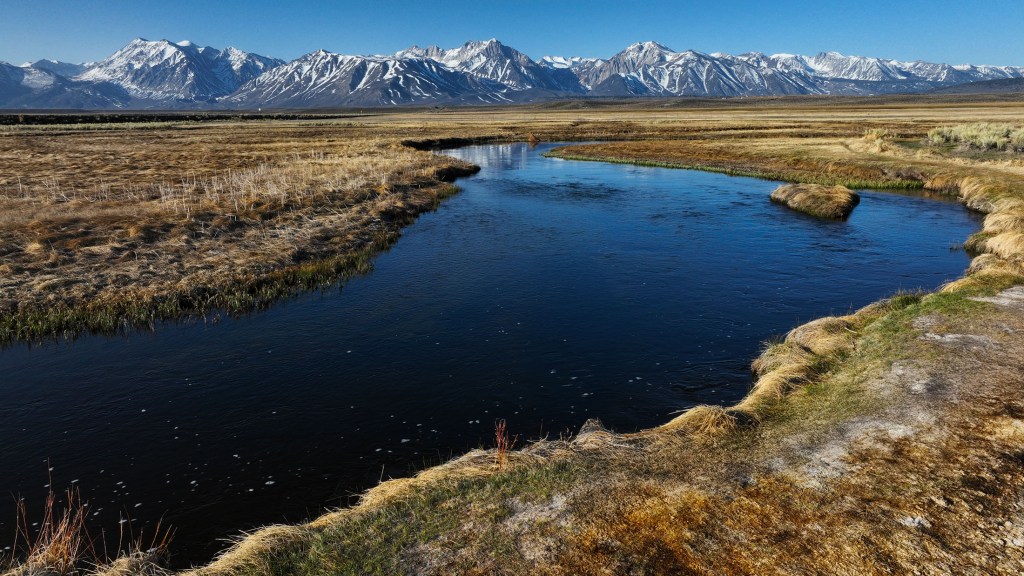
The Long Valley Caldera is one of the most active volcanic sites in the United States.
Here, the Owens River flows through it, winding south through Owens Valley. (Erik Olsen)

Driving up Highway 395 toward Mammoth Lakes is one of the most breathtaking road trips in California. The highway winds through the rugged Eastern Sierra, offering stunning views of snow-capped peaks, alpine meadows, and vast chaparral plains. But beneath this dramatic landscape lurks a hidden danger—an ancient volcanic giant that still stirs beneath the surface.

The Long Valley Caldera in eastern California is an extraordinary geological feature, spanning about 20 miles in length and 11 miles in width. It owes its existence to one of the most dramatic volcanic events in Earth’s history, a supereruption that occurred approximately 760,000 years ago. This event, known as the Bishop Tuff eruption, ejected an estimated 150 cubic miles of molten rock and ash into the atmosphere, far surpassing the 1980 eruption of Mount St. Helens, which released just 0.3 cubic miles of material. The magnitude of the Bishop Tuff eruption resulted in the collapse of the ground above the magma chamber, creating a massive depression known as a caldera. In other words, it’s hard to get your head around how big this eruption was.

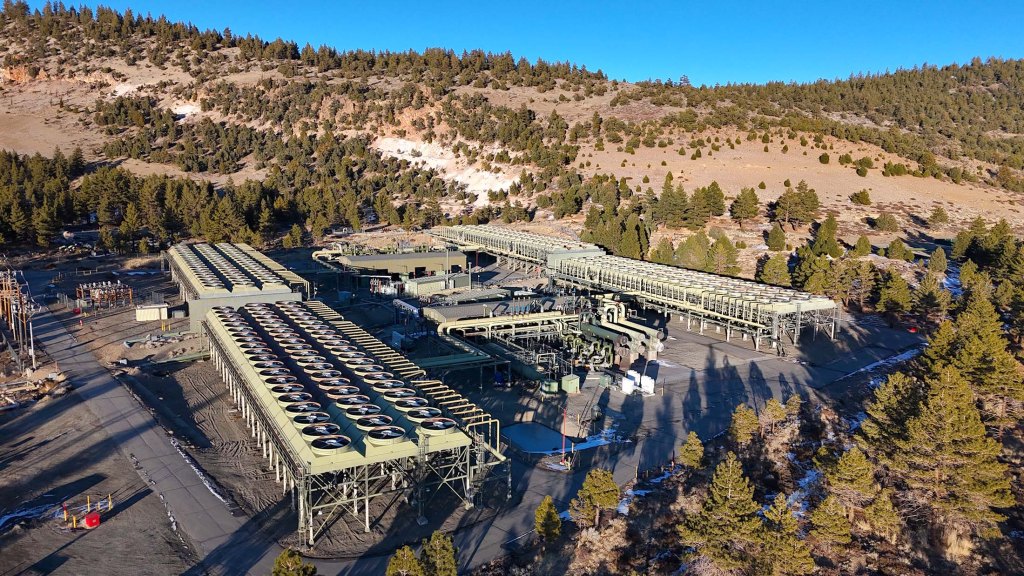
The Long Valley Caldera is a striking reminder of Earth’s immense, often hidden, volcanic power and its potential for destruction—located right here in California, near one of the nation’s most popular ski towns, Mammoth Lakes. Geothermal activity, visible in the form of hot springs, fumaroles, and hydrothermal systems, is a constant feature of the landscape. This activity has made the caldera a hub for geothermal energy production, with the Casa Diablo thermal power plant utilizing its subterranean heat to generate electricity. The energy produced at Casa Diablo is enough to power about 36,000 homes, making it an important renewable energy source for the region.

Casa Diablo Geothermal Facility, Long Valley Caldera, California (Erik Olsen)

The surface of the caldera is also marked by the Bishop Tuff, a layer of welded volcanic ash that provides a vivid record of the eruption’s intensity and the pyroclastic flows that reshaped the landscape. Pyroclastic flows are fast-moving, hot clouds of gas and volcanic material that can destroy everything in their path. Often they are considered more dangerous than the lava that pours forth from an erupting volcano. For example, pyroclastic flows killed far more people at Pompeii than lava, as the 79 AD eruption of Mount Vesuvius unleashed fast-moving clouds of superheated gas, ash, and volcanic debris that raced down the slopes at over 100 mph, reaching temperatures above 1,000°F, instantly asphyxiating and incinerating thousands, while the slower-moving lava played a minimal role in fatalities.

Geothermal features at the Long Valley Caldera commonly support microbial communities of thermophilic bacteria and algae, which thrive in the caldera’s hot springs and fumaroles. These organisms not only influence the terrain by contributing to mineral precipitation but also serve as models for studying life in extreme environments, offering analogs for early Earth and potential extraterrestrial ecosystems. Scientists are just beginning to understand how these bacteria live and thrive in deep ocean vent systems. In some areas around the Long Valley Caldera and Mono Lake, mats of thermophilic bacteria and algae thrive around the geothermal features, like the many hot tubs that dot the landscape, forming colorful, textured surfaces. These microbial communities contribute to the unique environment and can even make the ground feel crunchy underfoot, offering a tangible connection to the caldera’s dynamic, living systems.

The Owens River flows through the Long Valley Caldera near Mammoth Lakes, California (Erik Olsen)

While the caldera’s formation was sudden and catastrophic, its story stretches back millions of years. Scientific studies at the Long Valley Caldera have advanced our understanding of volcanic processes, crustal dynamics, and geothermal systems. The Long Valley Caldera sits within the Basin and Range Province, an area of North America characterized by extensional tectonics, where the Earth’s crust is being pulled apart, allowing magma to rise to the surface.

Using seismic tomography, researchers have mapped the magma chamber beneath the caldera, revealing a layered structure with a partially molten zone capped by solidified magma. This configuration, as highlighted in a 2023 study published in Science Advances, helps explain the periodic episodes of unrest observed in the caldera and provides a basis for assessing potential future activity. Before the eruption, the region experienced significant volcanic activity, with lava flows and smaller eruptions setting the stage for what was to come. Even after the formation of the caldera, volcanic activity continued in the area. Rhyolitic lava flows emerged within the caldera, and the nearby Mono-Inyo Craters volcanic chain has seen eruptions as recently as 600 years ago, underscoring the region’s enduring geological vitality.

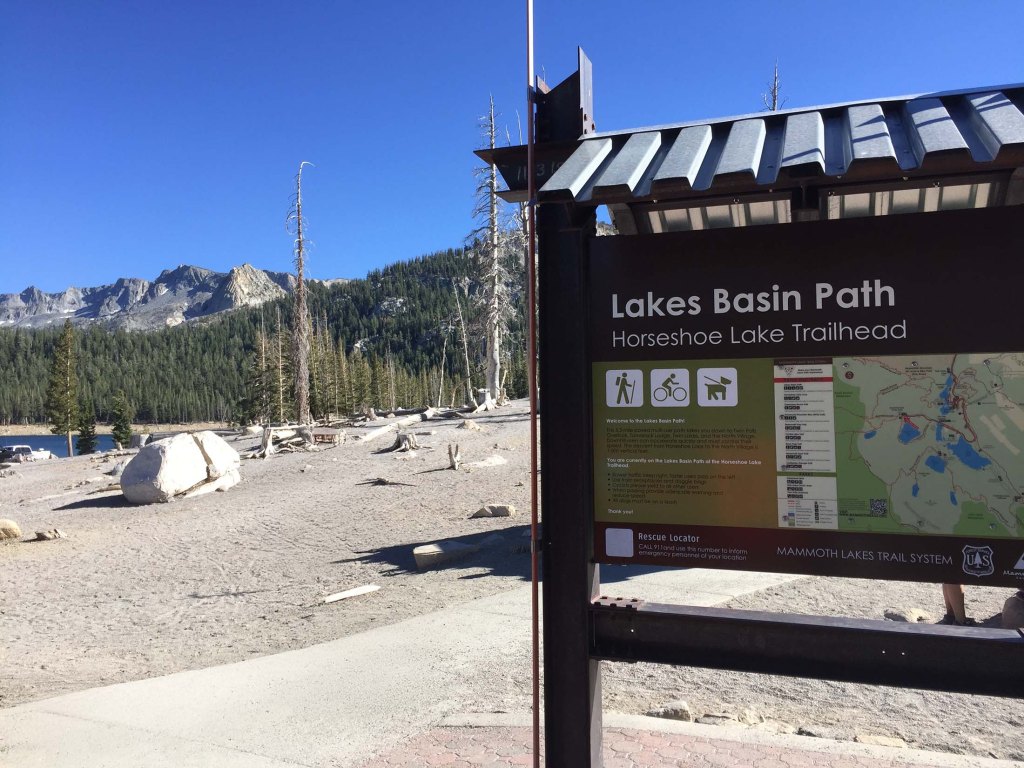
Horseshoe Lake in the Mammoth Lakes area, where underground carbon dioxide emissions have caused widespread tree die-off
(Photo: Erik Olsen)

Another place where the region’s volcanic activity can be experienced firsthand is Horseshoe Lake, where carbon dioxide continuously seeps from the ground, suffocating tree roots and causing a vast die-off of trees. The result is a barren, almost ghostly landscape of skeletal trunks and lifeless ground, a stark reminder that Long Valley’s volcanic system is still active beneath the surface. The area is not just eerie but also hazardous—high concentrations of CO₂ can accumulate in low-lying areas, posing a serious risk to humans and animals. Signs around the site warn visitors of the danger, as pockets of odorless, colorless gas can be lethal if inhaled in high enough doses.

Hot Springs geological site near Mammoth Lakes, California. (Erik Olsen)

The caldera has not been entirely quiet since its dramatic birth. Ground deformation studies, using GPS and InSAR technology (satellites), have tracked uplift in the caldera’s floor, offering critical data on magma movement and hydrothermal activity. In a 2016 study published in Geophysical Research Letters, researchers linked changes in uplift patterns to deeper magmatic processes, reinforcing the importance of continuous monitoring. In 1980, a series of magnitude 6 earthquakes occurred along its southern margin, drawing the attention of volcanologists from USGS. These earthquakes were accompanied by noticeable uplift in the caldera’s floor, a sign of magma movement beneath the surface. Since then, the region has experienced periodic episodes of ground deformation and seismic activity, reminding scientists that the volcanic system beneath Long Valley is far from dormant.

Recent research has provided valuable insights into the caldera’s potential for future activity. While there is currently no indication of an imminent eruption, the area is closely monitored by the United States Geological Survey (USGS). This surveillance includes the measurement of ground deformation, gas emissions, and seismic activity, all of which serve as indicators of changes within the magma chamber. The 1980s unrest heightened awareness of the need for vigilance, particularly in regions where volcanic hazards could affect human populations.

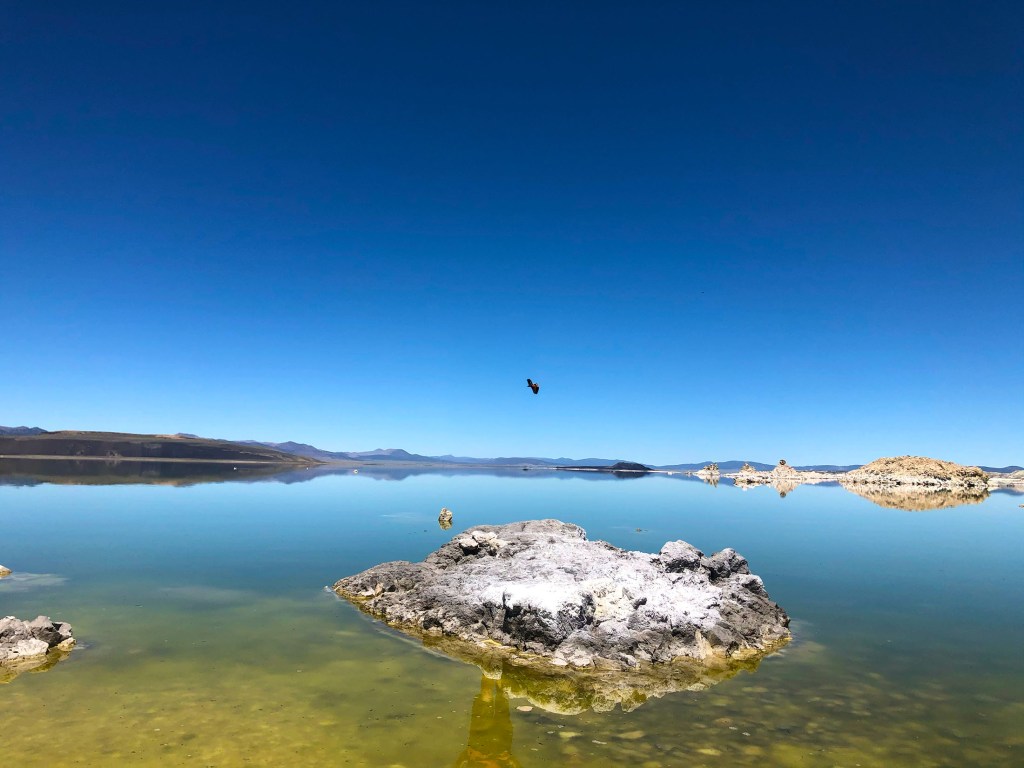
Mono Lake is home to thermophilic (heat-loving) and extremophilic (extreme-condition-loving) bacteria. These microorganisms thrive in the lake’s unusual environment, characterized by high alkalinity, high salinity, and elevated levels of carbonate. (Erik Olsen)

As a result of these studies, the town of Mammoth Lakes took proactive measures to ensure public safety. Local authorities constructed an emergency evacuation route to serve as an escape in the event of a volcanic eruption or other natural disaster stemming from the Long Valley Caldera. After local businesses and residents expressed concerns that the original name implied danger, it was changed to Mammoth Scenic Loop to emphasize the area’s beauty and appeal. The United States Geological Survey (USGS) also intensified its monitoring efforts, implementing a color-coded alert system to communicate volcanic activity risks.

Beyond its scientific significance, the Long Valley Caldera is a destination for outdoor enthusiasts and other researchers. Numerous hot springs dot the landscape and are immensely popular among tourists and residents. Mammoth Lakes is one of California’s top recreational spots, providing amazing opportunities to hike and fish during the summer and excellent skiing in the winter months. For geologists, the caldera serves as a natural laboratory, providing an opportunity to study volcanic processes in a setting shaped by one of the most powerful eruptions in recent geological history.

The eastern Sierra reflected in Little Alkali Lake near the Long Valley Caldera (Erik Olsen)

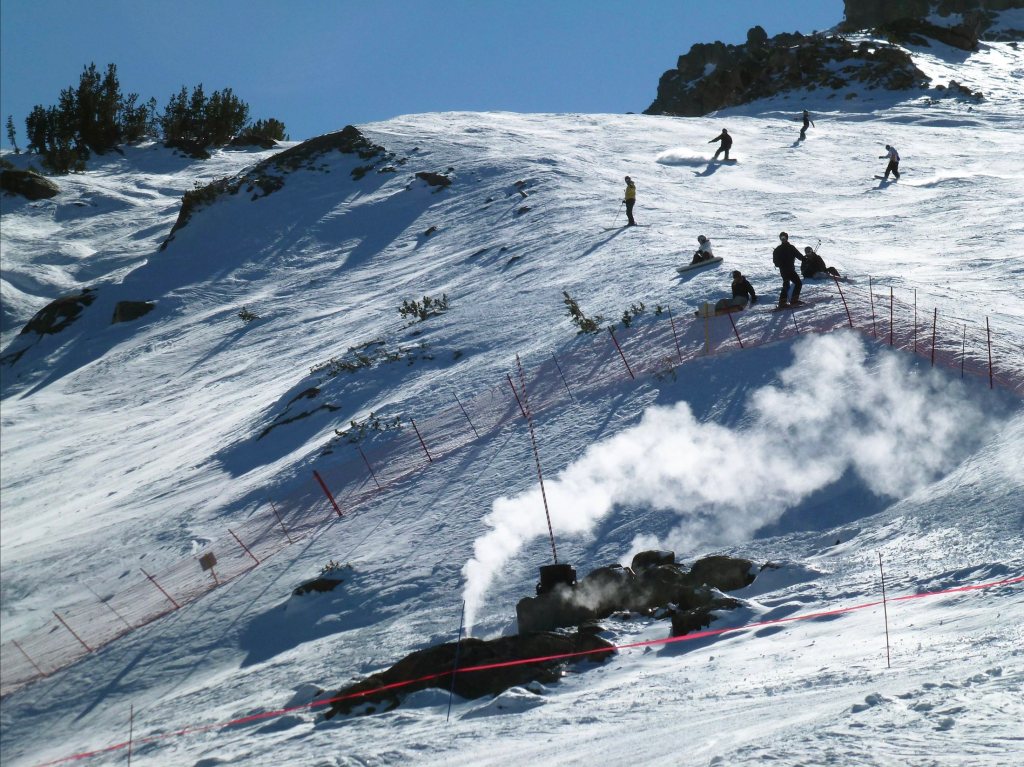
Of course, there remain certain dangers to all this volcanic activity. On April 6, 2006, three members of the Mammoth Mountain ski patrol tragically lost their lives after falling into a volcanic fumarole near the summit. The incident happened while they were conducting safety operations to secure a snow-covered geothermal vent following an unprecedented snowfall. If you’ve ever skied Mammoth before, there is a distinct sulphurous smell around the Christmas Bowl ski run at Chair 3 near McCoy Station.

Steam from an active fumarole near McCoy Station on Mammoth Mountain in 2012. (Flickr)

Standing at the center of the Long Valley Caldera, surrounded by the remnants of a prehistoric supereruption, offers a profound sense of scale and wonder. The vastness of the caldera, framed by the Sierra Nevada and dotted with geothermal vents, creates a landscape that feels alive yet ancient. It’s amazing place to be, both during the day and at night when the stars spread out across the gaping Sierra sky. The ground beneath your feet, shaped by cataclysmic forces, whispers of Earth’s power and the quiet persistence of geological time. Yet beneath the surface, the processes that shaped it continue to evolve, as magma slowly shifts and geothermal systems release heat from the planet’s interior. As research continues and technology advances, the Long Valley Caldera will undoubtedly yield further insights into the intricate workings of our planet’s volcanic systems.

Unraveling the Geology Behind Palos Verdes’ Ongoing Landslide Crisis

A neighborhood threatened by landslides at Portuguese Bend on Palos Verdes (Erik Olsen)

For decades, geologists and engineers have been aware that the Portuguese Bend region of Palos Verdes is prone to landslides. Early maps and aerial surveys from the 1930s show continuous movement from the upper hills towards the high cliffs and bluffs that reach the Pacific Ocean.

Over the years, with a few exceptions, the ground movement was relatively slow, averaging about a foot per year. However, after the intense rains of the past year or two, the land is now shifting much more rapidly—up to 9 to 12 inches per week—plunging neighborhoods and communities built on this unstable terrain into panic and disarray. This accelerated movement has caused irreparable damage to some homes and led California to declare a state of emergency.

Aerial survey from the 1930s showing landslide potential at Portuguese Bend in Palos Verdes (Ranch Palos Verdes city government)

People have been allowed to build homes at Portuguese Bend largely due to a combination of historical oversight, demand for coastal real estate, and limited understanding of the area’s geologic instability when development first began. In the 1950s and 1960s, when much of the residential development in the area took place, there was less awareness and fewer regulations regarding the risks of building on unstable ground. Additionally, the picturesque coastal views and desirable location made Portuguese Bend an attractive area for developers and homeowners. Despite known landslide risks, building permits were often issued because of insufficient geotechnical assessments, political and economic pressures, and a lack of stringent land-use policies at the time. Over the years, as the understanding of the area’s geologic hazards has grown, there have been more restrictions and efforts to mitigate risks, but many homes already exist on land prone to movement.

CALIFORNIA CURATED ON ETSY

Purchase stunning art prints of iconic California scenes.
Check out our Etsy store.

The situation is similar to building homes in fire-prone areas – well-known to Californians, of course – within the so-called Wildland-Urban Interface (WUI), where human development meets and mixes with natural landscapes, creating a high-risk zone for natural disasters.

Small landslide at Portuguese Bend in Palos Verdes (Erik Olsen)

Portuguese Bend is one of the most active landslide zones on the peninsula. Here, the earth moves continuously, almost imperceptibly at times, but the effects are undeniable. The land isn’t just sliding; it’s flowing—like a slow-moving river of rock and dirt—down a natural depression, a sort of bowl or gulch formed by the interplay of tectonic activity and erosion. This gradual yet relentless descent toward the sea is driven by a combination of factors: the underlying geology of ancient marine sediment layers, heavy rainfall, and the constant forces of gravity pulling on the steep slopes. As a result, roads buckle, homes crack, and entire sections of land shift over time.

The geological makeup of Palos Verdes is complex and varied. The most prominent rocks on the Palos Verdes Peninsula, and the most crucial in terms of slope stability, belong to the Miocene Monterey Formation, which we wrote about in a previous article. This formation, over 2,000 feet thick in some areas, has been divided into three distinct members based on their rock types: the Altamira Shale, the Valmonte Diatomite, and the Malaga Mudstone, arranged from oldest to youngest.

Portuguese Bend at Palos Verdes

The Altamira Shale primarily consists of thin-bedded sedimentary rocks formed from layers of clay, interspersed with numerous layers of tuff, or volcanic ash that has largely transformed into weak clays over time. Thick deposits of volcanic ash, laid down millions of years ago, have been compacted into a clay-like material known as bentonite. When bentonite comes into contact with water, it becomes extremely slippery, acting like a natural lubricant. This slippery nature has been a major factor in triggering landslides throughout the Rancho Palos Verdes area, where the land’s stability is continually undermined by these underlying geological conditions.

Another factor contributing to landslides is the region’s tectonic activity. Palos Verdes sits above several active faults, including the Palos Verdes Fault. The movement along these faults exerts stress on the rock formations, leading to fractures and cracks that weaken the slopes. These cracks often become pathways for water to seep into the ground, further destabilizing the already precarious terrain.

The road along the coast at Portuguese Point has been moving for decades, a slow but relentless reminder of the dynamic nature of California’s landscape. (Erik Olsen)

Water plays a crucial role in triggering landslides in this region. Heavy rains, especially those associated with El Niño events like the atmospheric rivers of the last few years, can lead to a rapid increase in groundwater levels. When water infiltrates the ground, it increases the pressure within the soil and rock, reducing the friction that holds everything together. In Palos Verdes, where irrigation, septic systems, and urban development are common, human activities can exacerbate this natural process by altering drainage patterns and increasing water saturation in vulnerable areas. This convergence of natural and human-made factors makes the slopes more prone to sliding, particularly during or after intense rainfall.

To combat this, construction teams have installed a series of dewatering wells and pumps to actively extract groundwater from deep within the hillside. By lowering the water table and reducing the amount of water that saturates the soil, these efforts help to decrease the pressure within the slope and mitigate the risk of further ground movement. This method of dewatering is a crucial element in stabilizing the land, as it helps prevent the soil from becoming too heavy and reduces the lubricating effect that water has on the bentonite clay layers.

Closed road at Portuguese Bend in Palos Verdes (Erik Olsen)

Coastal erosion is another critical factor. The rugged cliffs of Palos Verdes are constantly being eroded by the ocean’s waves, wind, and rain. Over time, wave action undercuts the base of the cliffs, removing the support for the upper layers and leaving them hanging precariously over the ocean. As the base erodes away, the upper cliffs become more susceptible to collapse. When combined with the weakened geology and increased groundwater levels, this coastal erosion sets the stage for dramatic landslides.

Portuguese Point cliffs are part of the constant coastal erosion process at Palos Verdes aerial photo (Erik Olsen)

Recent studies are shedding new light on why landslides in Palos Verdes continue to be a concern. Geologists are now using advanced technologies, such as ground-penetrating radar and satellite imagery, to better understand the underground conditions that contribute to landslides. A study from the University of California, Los Angeles, has explored how even minor shifts in groundwater levels, exacerbated by climate change and increasingly unpredictable weather patterns, can tip the balance and trigger significant slope failures. This research emphasizes that it’s not just the obvious heavy rainfall events that pose a threat; subtle changes in water content due to human irrigation, drought, or even slight variations in precipitation can also destabilize these slopes over time.

CALIFORNIA CURATED ON ETSY

Purchase stunning art prints of iconic California scenes.
Check out our Etsy store.

Moreover, new geological mapping and subsurface studies have provided a clearer picture of the fault lines and the fractured rock layers beneath Palos Verdes. These studies suggest that the interaction between multiple fault zones may be more significant than previously thought, potentially increasing the region’s susceptibility to movement. Understanding these interactions is crucial for predicting future landslides and developing mitigation strategies.

But in the end, nature will likely have the final say.

Portuguese Bend in Palos Verdes (Erik Olsen)

The picture that emerges from these studies is one of a region where natural geological processes and human activities are in a delicate balance. It’s an ongoing fight that really offers a precarious vision of the future for residents and others who use the area for recreation. The weak rock formations, intersecting fault lines, and relentless coastal erosion create an environment where the land is always moving and on the brink of collapse. Add to this the unpredictable impacts of climate change, which can bring more intense storms and alter precipitation patterns, and it becomes clear why Palos Verdes is so prone to landslides.

Efforts to mitigate the risk are ongoing. Local governments and geologists are working to develop more effective monitoring systems and better land-use planning guidelines to manage development in these sensitive areas. Understanding the complex geology and hydrology of Palos Verdes is critical to preventing future disasters and protecting the communities that call this beautiful but unstable coastline home.

Why Parkfield, California is the Nation’s Earthquake Capital

Parkfield, California

When Big Joe Turner sang “Shake, Rattle and Roll,” he probably wasn’t thinking about a dusty little town in Central California, but in Parkfield, it’s practically the town motto.

Parkfield, California, is a quiet, dusty farming town tucked into the rolling hills of the Cholame Valley, just off Highway 46 (worth the drive if you ever have the chance). A few miles down the road lies an historic intersection, the place where James Dean was killed in a near head on collision crash in his Porsche 550 Spyder on September 30, 1955. The collision ended a blazing young career just as it was taking off and cemented Dean’s image as a tragic icon of American cinema. While tourists still visit the nearby memorial, Parkfield itself is better known to scientists than to star-watchers.

Parkfield is an unremarkable town, with one exception: it lies directly atop the San Andreas Fault and is known as the Earthquake Capital of the World. This is not because there are so many earthquakes there, although there are, but because it has one of the highest densities of seismic technology anywhere. In addition to the larger magnitude 6.0 earthquakes that tend to strike about every 22 years, Parkfield also experiences a steady rhythm of smaller quakes. These minor tremors, often below magnitude 1.0, happen with such regularity, that scientists have compared them to “seismic pulsars” for their consistent, almost clock-like behavior. (And for what it’s worth, Petrolia, California actually has the most earthquakes).

Visit the California Curated store on Etsy for original prints showing the beauty and natural wonder of California.

The San Andreas Fault is one of the best known, and most active faults in the world. In the Parkfield area, the San Andreas Fault is constantly shifting—millimeter by millimeter, day by day. This continuous movement is unique to the region, as the fault remains relatively locked in both the northern section around San Francisco and the southern section near Palmdale. While the fault in these other areas stays immobile, the central part near Parkfield steadily creeps, creating a contrast that puts pressure on the locked sections to the north and south.

Parkfield’s main strip, stretching just a quarter mile, hosts a small collection of buildings, including a one-room elementary school, the USGS-Berkeley earthquake monitoring site, a Cal Fire station, and the Parkfield Cafe and Lodge. Outside the cafe, a row of mismatched mailboxes serves the dozen or so homes scattered along a few dirt roads branching off the main street. Parkfield might be a small, obscure town to most Californians, but to geologists fascinated by the workings of the Earth, it’s the epicenter of seismic research.

San Andreas Fault (Wikipedia)

Every hillside and valley, grassy nook and riverbed is home to some kind of instrument that measures earthquakes. Over the years, these instruments have become more sophisticated and expensive, making it necessary in many cases to fence them off with the threat of arrest.  These instruments monitor, hour by hour, or better, millisecond by millisecond, the stirrings of the earth. To geologists, it is ground zero for seismic measurement. 

The town is proud of its reputation. A water tower boasts the tourism slogan: BE HERE WHEN IT HAPPENS (see photo). There is also an iron bridge in the town that has the distinction of standing astride the San Andreas Fault. One one side of the creek that runs beneath the bridge is the North American tectonic plate. On the other is the Pacific tectonic plate. Those two plates are moving south and north respectively at a rate of about 2 inches a year. As we all know, that movement creates immense pressure as the two plates seem otherwise locked in place. That pressure will have to be released at some point. It always has. When that happens, we can expect a potentially devastating earthquake that will rock the state from top to bottom. 

Parkfield, CA (Photo: Wikipedia)

The writer Simon Winchester calls the fault an “ever-evolving giant that slumbers lightly under the earth’s surface and stirs, dangerously and often, according to its own whims and its own rules.” 

Since 1985, a focused earthquake prediction experiment has been in progress in Parkfield. Known as “The Parkfield Experiment“, the project’s stated purpose is to “better understand the physics of earthquakes — what actually happens on the fault and in the surrounding region before, during and after an earthquake.”

Since the mid-1980s, scientists have deployed an array of advanced monitoring devices, including seismometers, strainmeters, creepmeters, and GPS sensors, to capture detailed data on ground movement and strain accumulation. These instruments are designed to measure subtle changes in the Earth’s crust, helping researchers predict seismic events and understand the processes leading up to an earthquake. By continuously collecting data, the experiment has provided valuable insights into the mechanics of fault movement and the potential for earthquake prediction.

An art installation, known as the Parkfield Interventional EQ Fieldwork (PIEQF), used earthquake waves recorded by the USGS seismic network in California to trigger a hydraulic shake table which was installed in an excavated trench.  (USGS)

Experts also once bored a 10,000-foot-deep hole into the ground in Parkfield, into which they placed a large array of sensors to measure the earth’s movements. The goal of the $300 million project, called the San Andreas Fault Observatory at Depth, or SAFOD, was to allow scientists to study how faults work and how earthquakes happen. The drilling stopped in 2007, but Parkfield remains a hot spot for geologic research.

Additionally, the Berkeley Seismological Laboratory operates the High-Resolution Seismic Network (HRSN) in the Parkfield area. This network comprises geophone arrays aimed at monitoring microseismicity along the San Andreas Fault, providing valuable data on the fault’s behavior.

Parkfield remains critical to better understanding seismic dangers in California. The fault zone is poorly understood at depth and so far, the predictability of earthquakes in the near term is pretty limited. But devices like these could help improve prediction, especially if there is a large quake. But that’s the rub, really. We need to experience a large earthquake to get the best data to know how to predict later ones. So it is in California.  

Geologist Thomas Dibblee Jr. and the Theory Behind Pinnacles National Park’s 200-Mile Tectonic Journey

Pinnacles National Park (NPS)

Pinnacles National Park’s open landscape of dramatic rock formations and craggy spires looks otherworldly, especially in golden hour light. But few people who visit the park, located in Central California, southeast of the San Francisco Bay Area, are aware that the rock formations were once at the center of a fierce debate in the history of California geology.  

And at the center of the controversy was a young geologist named Thomas Dibblee Jr. 

Pinnacles National Park, formerly Pinnacles National Monument, tells the story of ancient volcanic activity and the relentless geologic forces of the San Andreas Fault. This fault, a major boundary between the Pacific and North American tectonic plates, is the platform for the dramatic northward journey of the park’s volcanic remnants. Dibblee’s research illuminated how, over millions of years, the landscapes we see today were sculpted by the movements of these tectonic plates and how the shape of California as a state has changed dramatically as a result.

Thomas Dibblee Jr. (Source: Wikipedia)

The crux of Dibblee’s discovery lies in the relationship between Pinnacles National Park and a volcanic source located near present-day Neenach, close to Palmdale in Southern California. The geological narrative that Dibblee pieced together revealed that the rock formations at Pinnacles originated from volcanic eruptions that occurred approximately 23 million years ago, near what is now Neenach. Over millions of years, the relentless movement along the San Andreas Fault has transported these formations over 195 miles (314 kilometers) to their current location. At the time, very few people, geologists included, believed that was possible.

CALIFORNIA CURATED ON ETSY

Purchase stunning coffee mugs and art prints of iconic California scenes.
Check out our Etsy store.

Dibblee had to be wrong. But it turned out, he was not, and his measurements and discovery launched a passionate debate about the speed of geologic forces.

Dibblee’s findings not only shed light on the significant distances that landscapes can travel over geological timeframes but also provided a tangible connection between the theory of plate tectonics and observable geological features. The juxtaposition of Pinnacles National Park and the Neenach volcanic formation serves as a clear indicator of the San Andreas Fault’s role in shaping California’s geological, indeed it’s physical, identity.

Pinnacles National Park (NPS)

A key aspect of Dibblee’s methodology was his keen observational skills, which enabled him to recognize that the rocks at Pinnacles National Park were strikingly similar in composition and age to those near Neenach, even though these areas are separated by about 195 miles (314 kilometers) today. He noted the volcanic origins of these formations and, through detailed mapping, was able to correlate specific rock types and strata between these distant locations.

Another crucial element in Dibblee’s discovery was his understanding of the San Andreas Fault as a major geological feature capable of significant lateral movement (remember the San Andreas is a slip or sliding fault). By correlating the age and type of rocks across this fault line, Dibblee inferred that the only plausible explanation for the similarity between the rocks at Pinnacles and those near Neenach was that they had once been part of the same volcanic field, which had been split and displaced over millions of years due to the movement of the San Andreas Fault.

Rock formations at Pinnacles National Park (Brocken Inaglory)

Dibblee’s work also benefited from the broader scientific context of his time, particularly the emerging theory of plate tectonics in the mid-20th century. This theoretical framework provided a mechanism for understanding how large-scale movements of the Earth’s crust could result in the displacement of geological formations over vast distances. Dibblee’s findings at Pinnacles and Neenach became a compelling piece of evidence supporting the theory of plate tectonics, showcasing the San Andreas Fault’s role in shaping California’s landscape.

But Dibblee’s ideas were controversial at the time. Many in the scientific community were hesitant to embrace a theory that suggested such dramatic movement across the Earth’s crust, partly because it challenged existing paradigms and partly due to the limitations of the geological evidence available at the time. The prevailing theories favored more static models of the earth’s crust, with changes occurring slowly over immense periods. Dibblee’s insights into tectonic movements and the geological history of regions like the Pinnacles National Park were ahead of their time and laid the groundwork for the acceptance of plate tectonics.

This Pinnacles revelation was groundbreaking, emphasizing the dynamic and ever-changing nature of the Earth’s surface. Dibblee’s ability to piece together these monumental shifts in the Earth’s crust from his detailed maps and observations has left a lasting impact on our understanding of geological processes. His work at Pinnacles and the recognition of its journey alongside the San Andreas Fault underscores the importance of detailed geological mapping in unraveling the Earth’s complex history.

San Andreas Fault looking northwest onto the Carrizo Plain (John Wiley)

Born in 1911 in Santa Barbara, California, Dibblee’s life and work were deeply intertwined with the rugged terrains and picturesque landscapes of the Golden State, Dibblee’s journey into geology began at a young age, fostered by his natural curiosity and the geological richness of his native state.

After earning his degree from Stanford in 1936, Dibblee embarked on his professional journey with Union Oil, later moving to Richfield. It was during this period that his extensive field mapping efforts culminated in the discovery of the Russell Ranch oil field near New Cuyama. By 1952, Dibblee had meticulously mapped every sedimentary basin in California with potential for oil, cementing his legendary status as a petroleum geologist. His reputation for traversing the state’s backcountry on foot for extended weeks became a defining aspect of his character and contributed to his storied career in geology. 

Dibblee moved on to a career at the United States Geological Survey (USGS) that would span over six decades, much of it spent with the agency and then later through independent projects. His work ethic and passion for fieldwork were unparalleled; Dibblee was known for his meticulous and comprehensive approach, often spending long days in the field, mapping out California’s complex strata with precision and care.

Over his career, Dibblee mapped over 240,000 square kilometers of California’s terrain, an achievement that provided an invaluable resource for understanding the state’s geological history and structure. He mapped large swaths of the Mojave Desert, the Coast Range and the Los Padres National Forest, earning a presidential volunteer action award in 1983 from President Reagan.

His maps are celebrated for their accuracy and detail, serving as critical tools for academic research, oil exploration, environmental planning, and education. The Dibblee Geological Foundation, established to honor his work, continues to publish these maps, ensuring that his legacy lives on.

Dibblee Map

Dibblee’s insights into the geology of California were pivotal in several areas, including the understanding of the San Andreas Fault, a major fault line that has been the focus of extensive seismic research due to its potential for large earthquakes. Dibblee’s mapping efforts helped to clarify the fault’s characteristics and behavior, contributing to our understanding of earthquake risks in California and aiding in the development of safer building practices and disaster preparedness strategies.

Furthermore, Dibblee’s work shed light on the process of plate tectonics and the geological history of the western United States. His observations and mapping of sedimentary formations and fault systems in California provided empirical evidence that supported the theory of plate tectonics, a cornerstone of modern geology that explains the movement of the Earth’s lithospheric plates and the formation of various geological features.

Thomas Dibblee Jr.’s contributions to the field of geology are not just confined to his maps and scientific discoveries. He was also a mentor and inspiration to many aspiring geologists, sharing his knowledge and passion for the Earth’s history through lectures, field trips, and personal guidance. His dedication to his work and his ability to convey complex geological concepts in an accessible manner made him a respected figure among his peers and students alike. Through his dedication and pioneering work, Dibblee has left an indelible mark on the field of geology, making him a true giant in the scientific exploration of California as well as our planet.

Roadcut Revelations: Unearthing California’s Deep History Along the Highway

Roadcut in Southern California on Angeles Crest Highway (Photo: Erik Olsen)

“Man is a geologic agent,” the late California geologist Eldridge Moores.

Roadcuts in California, those slices through hills and mountainsides made during the construction of roads, are like open books to geologists. They reveal the intricate and often dramatic geological history of the state. When you drive along the highways of California, you’re likely to pass by these exposed cliffs of rock. To the everyday traveler, they might just be a part of the landscape, but to geologists, they are invaluable windows into the Earth’s past.

““Geologists on the whole are inconsistent drivers. When a roadcut presents itself, they tend to lurch and weave,” wrote the great geology (and many other topics) writer John McPhee in his excellent book Annals of the Former World. “To them, the roadcut is a portal, a fragment of a regional story, a proscenium arch that leads their imaginations into the earth and through the surrounding terrane.”

Glacier carved domes tell the story of thousands of years of glaciation in California. (Photo: Erik Olsen)

Roadcuts expose layers of rock that have been hidden from view for millions of years. Each layer, or stratum, tells a story of what the environment was like when that layer was deposited. By studying these layers, geologists can reconstruct a timeline of events that shaped the region. For example, they can identify periods of volcanic activity, times when the area was submerged under an ancient ocean, or epochs when massive glaciers were carving out the valleys.

California is especially interesting due to its active tectonic setting. It’s not just the San Andreas Fault that captivates geologists; there are numerous lesser-known faults that crisscross the state, and roadcuts can expose these hidden fractures. By studying the composition of rocks along these faults, geologists learn about the nature of past seismic activity and can make predictions about future earthquakes.

The rock composition in California varies widely, offering a rich tapestry of geological history. In the Sierra Nevada, granite roadcuts tell of a time when massive chambers of magma slowly cooled and crystallized deep beneath the Earth’s surface. Elsewhere, roadcuts through sedimentary rocks like sandstone and shale may contain fossils, giving clues about the life forms that once inhabited the region.

The San Gabriel Mountains consist of granite rocks of several kinds and a variety of other crystalline rocks, mainly schists, some of which were originally shales and sandstones but have been altered (metamorphosed) by great igneous intrusions and compression. (Photo: Erik Olsen)

These man-made artifacts also reveal the forces that have shaped California’s diverse landscapes. In roadcuts, geologists might find evidence of powerful geological processes such as metamorphism, where existing rock types are transformed into new types due to high pressure and temperature conditions. For instance, the presence of metamorphic rocks like schist and gneiss can indicate ancient collision zones where Earth’s tectonic plates have crashed together.

The value of California roadcuts is wonderfully illustrated in John McPhee’s “Assembling California.” The book is an excellent narrative that weaves the tale of California’s complex geology with the lives of the geologists who study it. Eldridge Moores, a late prominent geologist from the University of California, Davis (Moores died in 2018), played a significant role in deciphering the geological history of the region, particularly through his fieldwork involving roadcuts.

Roadcut in San Gabriel mountains. (Photo: Erik Olsen)

At the time Eldridge Moores entered the field, the theory of plate tectonics was only beginning to gain traction. In the early 1960s, the idea that continents drifted and that vast slabs of the Earth’s crust moved over the mantle was still controversial, met with skepticism by many geologists trained in older, fixist models. Moores, however, embraced the theory early, recognizing in it an explanation for the chaotic structures he saw in California’s mountain belts. As a young researcher, he studied the Troodos ophiolite in Cyprus, an exposed section of ancient oceanic crust, and realized that similar rock assemblages—serpentinized peridotites, deep-sea sediments, and basaltic lavas—were scattered across California.

“It was a very exciting time. I still get goosebumps even talking about it,” Moores told KQED in 2017. “A turning point, I think it was, in the plate tectonic revolution, that was the watershed of geology.”

With plate tectonics as a guiding framework, Moores understood that these rocks were remnants of vanished oceans, relics of seafloor that had been uplifted and accreted onto the edge of North America. His work helped reveal that much of California had arrived in pieces, a geological patchwork of island arcs, deep-sea basins, and continental fragments welded together by subduction. While others were still debating the validity of plate tectonics, Moores was already applying it, using it to decode the assembly of an entire state.

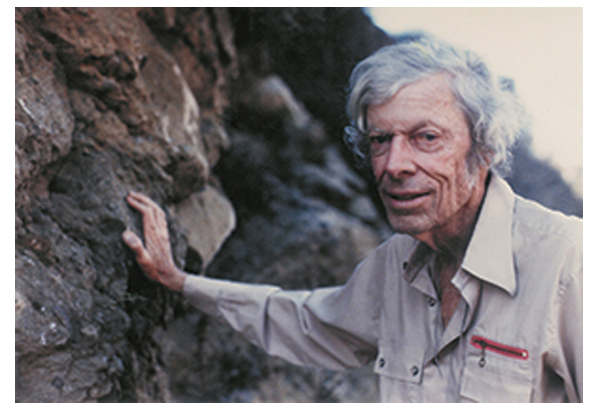
Eldridge Moores at the Cordelia fault.  (Photo: UC Davis)

Moores was renowned for his work on ophiolites, sections of the ocean floor that have been thrust up onto the continent. One of his notable discoveries was the identification of ophiolite sequences in the roadcuts along the highways of the Sierra Nevada. These discoveries were crucial in understanding the ancient tectonic movements that shaped western North America.

Through roadcuts, Moores and his colleagues were able to observe and study the juxtaposition of different rock types, providing further evidence for the theory of plate tectonics. They could literally walk along the cuts and see how different terranes—large packets of rock with a distinct geological history—were stitched together like a geological quilt, offering insight into the past locations of tectonic plates.

CALIFORNIA CURATED ON ETSY

Purchase stunning coffee mugs and art prints of iconic California species.
Check out our Etsy store.

“Nature is messy,” Moores once told McPhee. “Don’t expect it to be uniform and consistent.”

There are thousands of roadcuts across California, each exposing a fragment of the state’s chaotic geology. The Palmdale Roadcut, a striking geological feature along the San Andreas Fault, has been an invaluable resource for geologists studying the dynamics of this infamous fault line. This natural cut exposes a cross-section of the earth, revealing layers of rock and sediment that have been shifted and shaped by seismic activity over millions of years. The rock here is a chaotic mélange—fault gouge, shattered granite, and twisted layers of sedimentary rock that have been pulverized and ground together by the relentless motion of the Pacific and North American plates. By analyzing these layers, geologists can better understand the history and behavior of the San Andreas Fault, including the patterns of past earthquakes and the movements of tectonic plates. This, in turn, contributes significantly to the broader understanding of seismic risks and aids in preparing for future seismic events.

The Palmdale Road Cut on Hwy 14 in Southern California is a 90-foot slice through swirling sediments that have spent millions of years being squeezed and twisted by the San Andreas fault. Some say that this view of the fault is one of the best in all of California.
(Photo: Erik Olsen)

Another geologist, Garniss Curtis, used California roadcuts to study volcanic rocks and their embedded minerals, which allowed for the dating of geologic events with greater precision. His work on the potassium-argon dating method turned roadcuts into time machines, where the age of rocks could be determined with the help of exposed minerals.

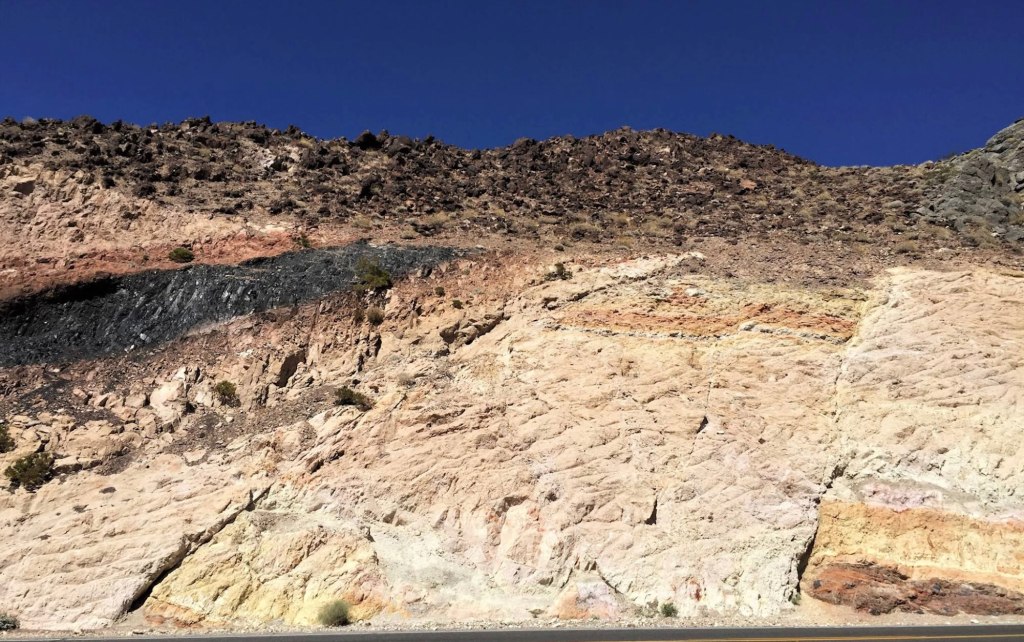
One of California’s most well-known roadcuts, the Charlie Brown Outcrop (map), is a favorite among geologists. Located along Highway 178 near the Nevada border, it has been highlighted by geology teacher Garry Hayes, author of the acclaimed Geotripper blog. Hayes says of the roadcut (also known as the Shoshone Roadcut):

“There are really three stories told in this exposure, that of distant ash eruptions, a violent eruption close by, and earthquakes with associated mountain-building.”

Charlie Brown outcrop along highway 178 in California. (Google Maps)

These geologists, among others, have used roadcuts as a means to peel back the layers of time, revealing the processes that have operated to create the state’s diverse geologic scenery. Roadcuts have provided the evidence for groundbreaking theories and have been instrumental in mapping the geological evolution of California. The work of these scientists exemplifies the roadcut’s role as a natural laboratory, a place where Earth’s geologic history is on full display for those who know how to read the rocks.

Moreover, roadcuts are crucial for educating the next generation of geologists. They serve as natural laboratories where students can practice identifying rock types, deciphering the sequence of geological events, and understanding the dynamic forces that continue to shape the Earth.

Roadcuts in California, those slices through hills and mountainsides made during the construction of roads, are like open books to geologists. They reveal the intricate and often dramatic geological history of the state. (Photo: Erik Olsen)

In Assembling California, McPhee remarked that “geologists are like dermatologists: they study, for the most part, the outermost two per cent of the earth. They crawl around like fleas on the world’s tough hide, exploring every wrinkle and crease, and try to figure out what makes the animal move.”

Manmade creations like roadcuts greatly assist geologists in their work. In essence, roadcuts are not just incidental byproducts of infrastructure development; they are key to understanding California’s complex geological evolution. They tell stories of ancient environments, tectonic upheavals, and the slow but inexorable forces that continue to mold the landscape. For geologists in California, the roadcut is a portal into the deep past, offering a tangible connection to the processes that have made the state what it is today.

Tejon Pass is a Journey Through Time, Terrain, and Tectonics

Interstate 5 coming out of the Grapevine near Tejon Pass (Photo: Erik Olsen)

There’s a drive that I’ve done many times where I tend to look around and wonder about the place. It’s while I’m on I-5 headed north, a while after passing Santa Clarita, Magic Mountain (I always strain to see if there are people on the roller coasters), and the CalArts up on the hill (where so many Pixar legends once trained).

Perhaps you’ve done it, too. Maybe you get gas in Castaic, then you pass Pyramid Lake, and you’ve fully left the San Fernando Valley behind. Then the climb begins and the terrain changes dramatically. It’s subtle at first. The road starts to rise, winding past low ridges covered in golden grass and sun-bleached rock. Then the grade steepens. You see warning signs for trucks: “Turn off A/C to avoid overheating.” Semis tuck into the right lanes, their flashers blinking, straining against gravity. You’re ascending into the Tehachapi Mountains. The name comes from the Southern Paiute word “Tihachipia” meaning “hard climb”, which makes a ton of sense when you’re there. These mountains are part of the geologically fascinating Transverse Ranges, which we’ve written about before. Up ahead is Tejon Pass, the official name for the mountain crossing, but it’s more famously known to most drivers as the Grapevine, the steep stretch of I-5 that descends into the Central Valley.

The highway carves through steep canyon walls and hillsides sometimes bright with flowers, sometimes scarred by past wildfires. If it’s summer, the air gets drier and hotter; in winter, it might be raining or even snowing. You’re crossing one of the most weather-vulnerable stretches of highway in the state. The road is wide but unforgiving. Watch for crosswinds, or the occasional patrol car tucked into a turnout. Tejon Pass is more than just a mountainous pathway connecting the San Joaquin Valley to Los Angeles. It’s a geological and historical hotspot that tells a story of native tribes, daring transportation, seismic activity, and human ingenuity.

The weather can change quickly near Tejon Pass (Photo: Erik Olsen)

Rising to an elevation of 4,160 feet, Tejon Pass’s unique topography is a fascinating blend of rugged mountains, deep canyons, and expansive plateaus. At the summit, the land briefly levels out. There’s a moment where the mountains give you a glimpse in both directions. Behind, the tangled ridges of Southern California. Ahead, a vast, hazy bowl: the southern end of the Central Valley. You pass the Fort Tejon Historical Park turnoff, and suddenly, you’re descending.

The road plunges down in a series of long, controlled curves. Runaway truck ramps cut into the hillside like scars. Then, like stepping through a door, you’re out of the mountains. Flatness stretches to the horizon. Orchards, oil derricks, and cattle fields mark your arrival in the valley. The air feels different. Denser, warmer. You’re in Kern County now, approaching the outskirts of Bakersfield, and the Grapevine is behind you. It’s as if you crossed an invisible line, a border between two Californias.

CALIFORNIA CURATED ART ON ETSY

Purchase stunning coffee mugs and art prints of California icons.
Check out our Etsy store.

Perhaps one of the most captivating aspects of Tejon Pass is its seismic significance. The region is situated at the intersection of two major fault lines: the San Andreas Fault and the Garlock Fault. This combination has made the area a hotspot for seismic activity and has resulted in a number of substantial earthquakes over the years.

Image of the Garlock Fault created with data from NASA’s Shuttle Radar Topography Mission (SRTM)

The most significant of these occurred in 1857, with an estimated magnitude of 7.9. Known as the Fort Tejon earthquake, it caused a rupture along the San Andreas Fault, leaving a lasting imprint on the landscape. Although the area was sparsely populated at the time, the quake’s impacts were far-reaching and could be felt as far as Las Vegas. The event is a reminder of the LA region’s seismic vulnerability, spurring modern research and monitoring to understand and mitigate future risks.

Tejon Pass near Grapevine, California, in 1868

Long before European contact, Tejon Pass was a vital passageway for several Native American tribes, including the Chumash and Tataviam. The area around present-day Gorman, near the pass, was home to the Tataviam village of Kulshra’jek, which functioned as a significant trading crossroads for centuries. These Indigenous communities recognized the strategic importance of the pass, utilizing it for travel, trade, and communication across regions.

With the arrival of European settlers, the pass continued to play a vital role in California’s development. It became one of the state’s oldest continuously used roadside rest stops, a title it still holds today. The pass has borne witness to the evolution of transportation, from horse-drawn carriages to modern highways.

However, not all the tales from Tejon Pass are picturesque. The area has earned the foreboding nickname “Dead Man’s Curve.” This name references a notoriously dangerous curve on the old Ridge Route, infamous for its high number of accidents. The treacherous curve became symbolic of the broader challenges of early automotive travel through the mountains, where both engineering and human limitations were tested.

A section of the 1915 Ridge Route in Lebec, California, known as “deadman’s curve,” was abandoned when the highway was improved over the Tejon Pass. photo by George Garrigues.

The Ridge Route, completed in 1915, was California’s first paved highway directly connecting the Los Angeles Basin with the San Joaquin Valley. Engineered to traverse the challenging terrain of the Sierra Pelona Mountains, it followed a winding path from Castaic to Gorman, culminating at Tejon Pass. This innovative route was a significant milestone in California’s transportation history, facilitating automobile travel between Southern and Central California. ​

A notable segment of this route is known as “The Grapevine,” located in the northern portion descending into the Central Valley. The name originates from the Spanish term “La Cañada de las Uvas,” meaning “The Canyon of the Grapes,” a reference to the wild grapevines that early Spanish explorers, including Don Pedro Fages in 1772, observed growing abundantly in the area.

Over time, the Ridge Route underwent several significant transformations to accommodate increasing traffic and improve safety. In 1933, it was replaced by a three-lane alternate highway, later designated as U.S. Route 99. This was expanded into a four-lane expressway by 1953 . Eventually, the route evolved into the modern eight-lane beast known as the Interstate 5 Freeway, completed in 1970, which continues to serve as a vital artery for transportation in California. You will encounter lots and lots of trucks. ​

Driving Tejon Pass and the Grapevine

Today, Tejon Pass continues to serve as a crucial thoroughfare for Californians and visitors alike, with Interstate 5 traversing the landscape. The Tejon Ranch Conservancy plays a central role in protecting and interpreting this remarkable landscape. Established as part of a landmark 2008 conservation agreement, the Conservancy is tasked with stewarding over 240,000 acres of permanently protected land—making it one of the largest private conservation efforts in California history. Its mission goes beyond preservation; the Conservancy offers guided hikes, wildlife tracking programs, and educational outreach that invite the public to engage directly with the land.

Superbloom near Tejon Ranch (Tejon Ranch Conservancy)

Soon, however, you leave Tejon Pass behind and continue north on I-5, dropping into the southern end of the Central Valley. You pass through the outskirts of Buttonwillow and Lost Hills, where the landscape flattens into a broad, arid plain. It’s mile after mile of industrial agriculture, just endless rows of almonds, pistachios, and oil wells under a hazy sky. The scenery turns monotonous, and although it does have a story (mostly about moving water), it’s one we’ll save for later.

Tejon Pass is one of those places most people barrel through without a second thought. It’s just a steep stretch of I-5 between Los Angeles and the Central Valley, a name on a weather report when the Grapevine closes in winter. But if you take a moment to look beyond the guardrails and gas stations, you’ll find a landscape layered with deep history and surprising complexity. Knowing what lies beneath the pavement won’t make the climb any less steep—but it might make the ride a little more meaningful.