

Vasquez Rocks: Where Plates Collide and Captain Kirk Roamed
This is Vasquez Rocks, one of California’s most interesting and dramatic geologic formations.
It’s not every day that you can drive down the highway and personally witness one of the great tectonic collisions in Earth’s history. But, if you happen to be motoring along Highway 14, the Antelope Valley Freeway, towards Palmdale near Santa Clarita, there they are: great slabs of rock stretching skyward at steep angles out of the dirt and scrub brush, creating dramatic formations that seem otherworldly.
This is Vasquez Rocks, one of California’s most interesting and dramatic geologic formations.
In a way, the rocks are otherworldly. Widely used as a setting for Westerns and space dramas, they have been seen in more than 200 films and television shows. But this is no ordinary set, erected for a few months and taken down. Vasquez Rocks have taken shape over 25 million years, erected through the violent, but slow, tectonic forces of two continental plates crashing into one another. This is near the top of the San Andreas Fault, at the juncture of the North American and Pacific continental plates.
Vasquez Rocks’ tallest peak juts 150 feet above the canyon floor, offering spectacular views to those courageous (or foolhardy) enough to scramble up it’s steep and treacherous face. (I’ve done it. Many times) The fact is, though, that the rock above ground is like an iceberg. The rock below extends an extra 22,000 feet into the earth.
 Vasquez Rocks (Photo: Erik Olsen)
Over the last half-century, Vasquez Rocks have been a stage for episodes of the TV series “Star Trek: The Next Generation,” “Star Trek: Voyager” and “Star Trek: Enterprise” as well as the films, including “Star Trek VI: The Undiscovered Country” and J.J. Abrams’ 2009 “Star Trek” reboot. They served as part of the planet Vulcan landscape, home to Spock. Abrams said that the site was chosen in homage to the site’s use in the original, including the classic episode of the original Star Trek series “Arena” which pit Kirk against an ambling, hissing, intelligent lizard creature on a foreign world.
 The original Star Trek TV series made use of Vasquez Rocks as an other worldly setting. 
There’s a reason that Vasquez Rocks is so often chosen as a set. The site lies at the edge of what’s known as the Thirty Mile Zone, a region around Los Angeles and Hollywood where those in the Screen Actors Guild and technical crew can report for work without paying higher premiums which dramatically increase the costs of production.
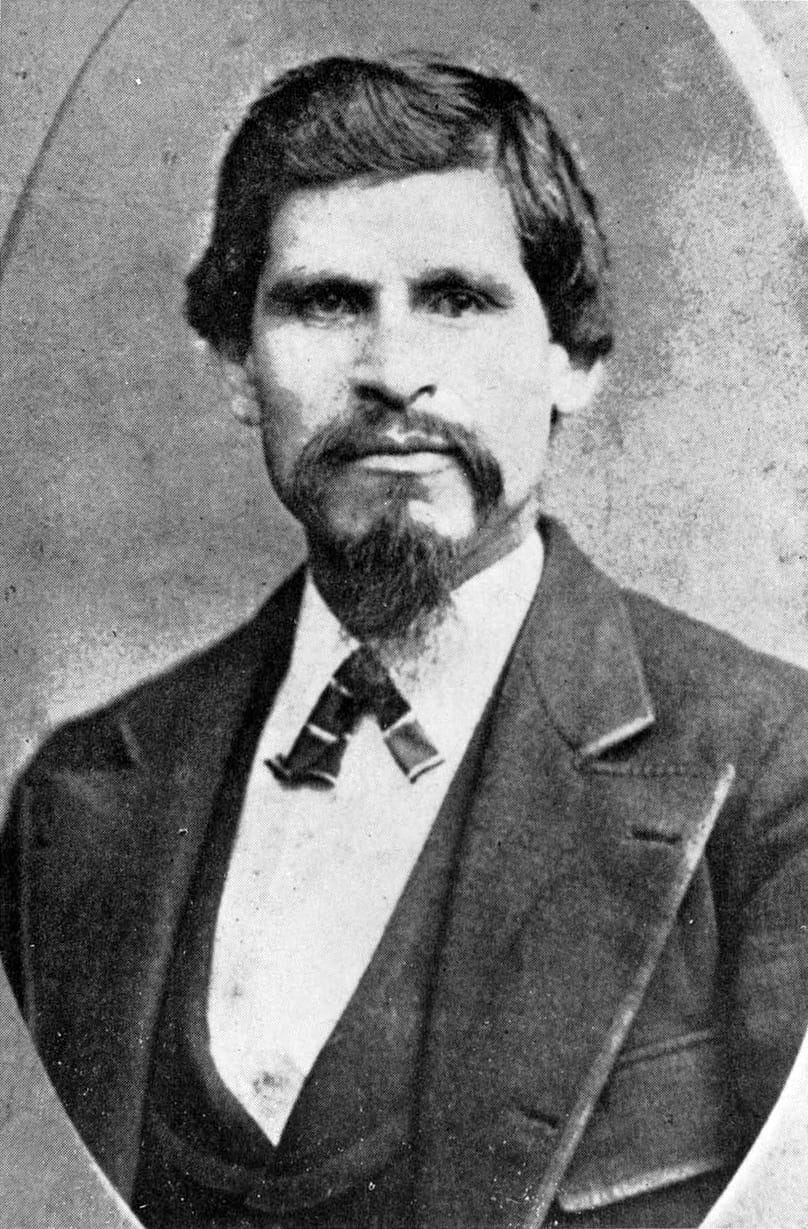
Named for Tiburcio Vásquez, a notorious California Bandit who used the formation to elude officials in 1873-1874, the rocks have made it a favorite filming location going back to the Saturday-morning westerns of the 1920s and ’30s like “The Texas Ranger” in 1931 and “The Girl and the Bandit” in 1939. Other, non-Star Trek productions include the 1994 film version of “The Flintstones” and “The Big Bang Theory.”
Most people are aware of the rocks’ fame in cinema, but its geological history is in many ways even more interesting. Vasquez Rocks sit astride or are near several other faults. The Elkhorn Fault, an offshoot of the San Andreas Fault, runs right through the Vasquez Rocks Natural Area Park, administered by LA County. Other faults, such as the Pelona, Vasquez Canyon, Soledad, and San Gabriel Faults, all lie near to the formation, making it a boon for geologists hoping to better understand California’s geological and seismographic history.
(Hikers: It should also be noted that the site also serves as a small section of The Pacific Crest Trail.)
The rocks consist mainly of sandstone that accumulated over millions of years from the erosion of the nearby San Gabriel Mountains. Rain, landslides, wind, flooding, and earthquakes, all played a role, depositing vast amounts of sand and gravel in the region.