About California Curated
California Curated is an independent publication about California's natural world: marine biology, geology, wildlife, climate, and the people studying it. Written and edited by Los Angeles–based journalist Erik Olsen.
Stories that help readers see California with fresh eyes.
What this is
California Curated is an independent publication about California's natural world. The coast comes up a lot. So does the geology, the wildlife, and the science institutions that have made this state one of the world's great centers of discovery. I write about deep-sea canyons and upwelling, faults and volcanoes, marine mammals and fish, and the researchers at places like Scripps, MBARI, Caltech, and JPL who spend their careers trying to understand it all.
Who's behind it
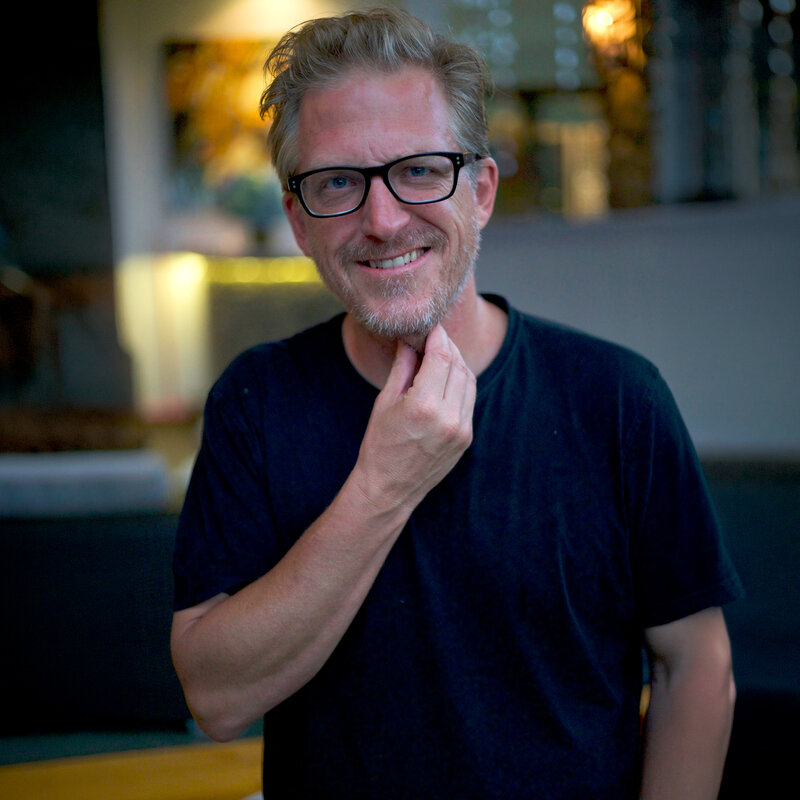
I'm Erik Olsen, a journalist and filmmaker based in Los Angeles. I spent more than a decade as a Senior Video Journalist at The New York Times, reporting from New York and Berlin, and later covered the West Coast as a correspondent for Quartz. My work has appeared in National Geographic, the BBC, Scientific American, Popular Science, CNN's Great Big Story, MSNBC, and PBS NOVA, where I've directed science documentaries. I've worked with aerial drones, dived in submersibles more than 2,000 feet below the surface, and spent a lot of time reporting in the field with scientists.
I started California Curated because California's natural-history beat deserves more careful, patient coverage than it usually gets. After years of working for other people's publications, I wanted something of my own, where I call the shots, for better or worse.
What you'll find here
Original reporting, longer features, photo essays, and a curated daily rail of California science and nature news drawn from sources I trust: the Los Angeles Times, KQED, Bay Nature, NPR, Mongabay, Eos, Caltech, UC Berkeley, MBARI, and others. The news rail updates every few hours; the features take longer.
Stay in touch
The best way to follow the work is to subscribe to the Substack. New pieces and the occasional newsletter land there first. If you'd like to help keep this going, you can also make a small donation. Tips, story ideas, and corrections are always welcome.