
Section
Oceans
California's ocean world: kelp forests, the California Current, Monterey Canyon, deep-sea creatures, marine mammals, whale migration, and the oceanography of the Pacific Coast.
-

The Night a Tidal Wave Erased Downtown Crescent City, California
Why California’s most northern town is a magnet for deadly tsunamis.
-
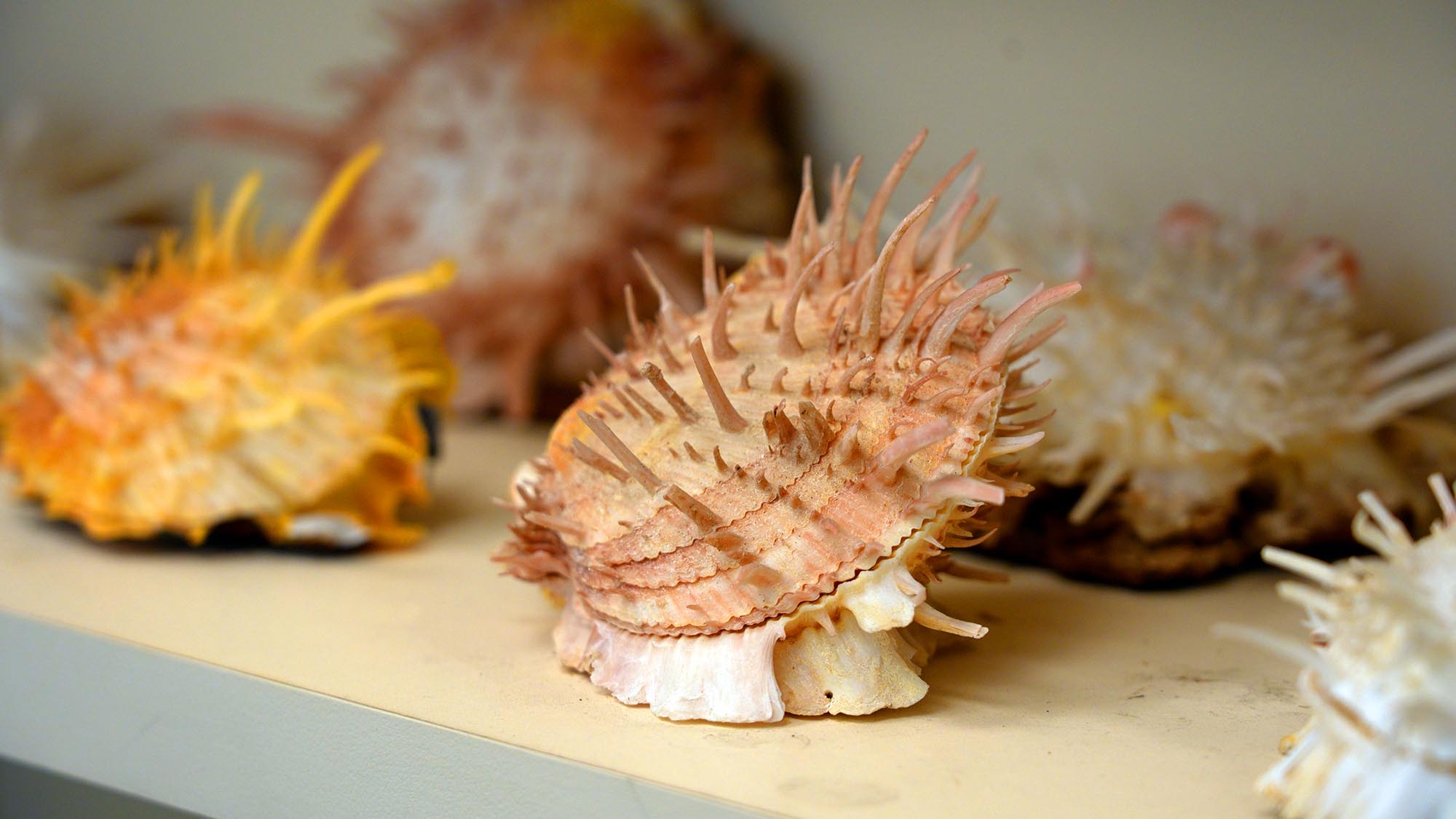
Inside a Collection of 117,000 Shells and the World’s Deadliest Snail
Hidden at Occidental College, the Cosman Collection holds nearly 117,000 shells, possible undiscovered species, preserved DNA, and some of nature’s deadliest venom.
-
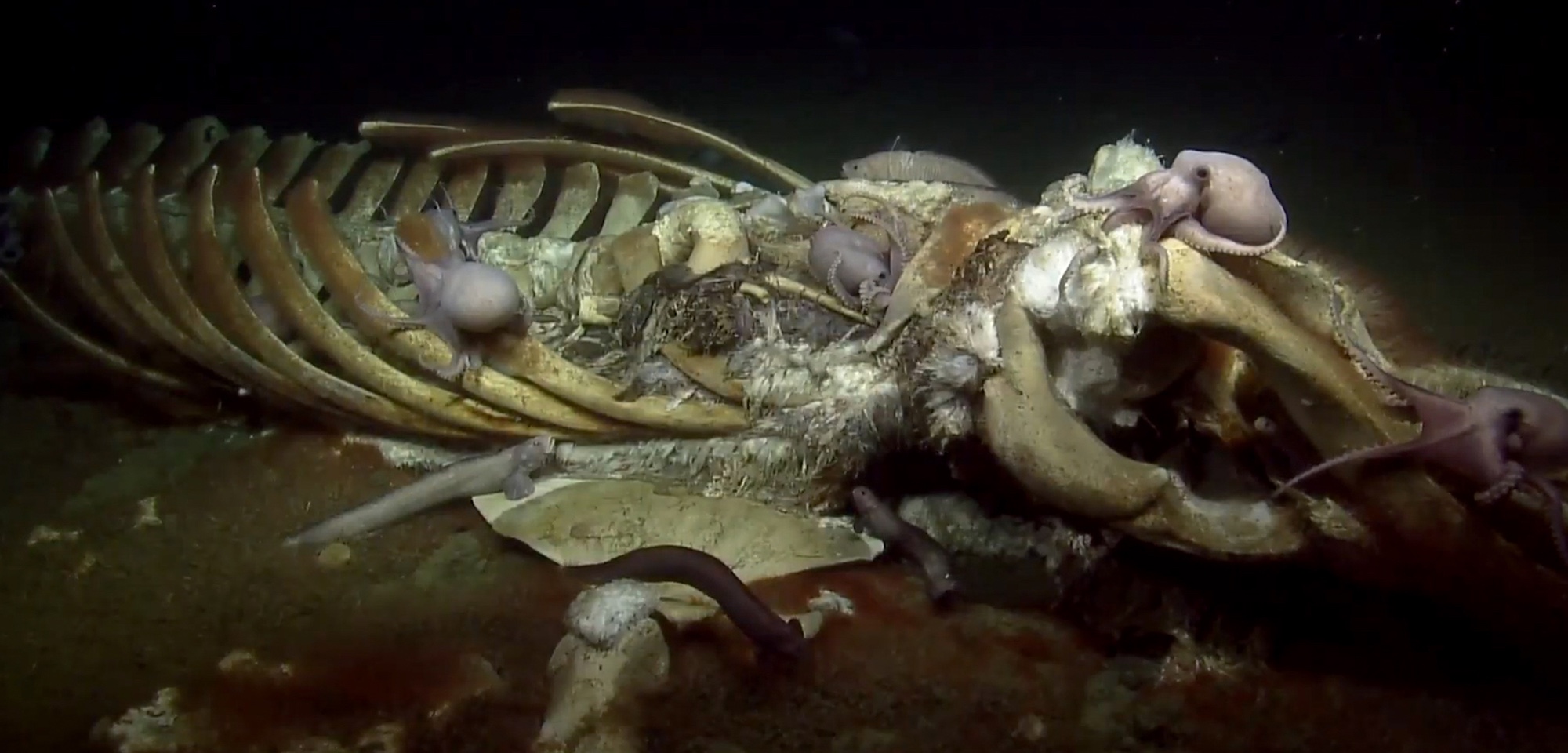
California Has a Huge Whale Graveyard off the Coast. And That’s Not a Terrible Thing.
Whale falls offer scientists a treasure trove of information about life in the deep ocean. Microbiologist Jeffery Marlow talks about the importance of microbes.
-

A Planet Built by Microbes
Deep-sea scientist Jeffrey Marlow discusses the astonishing diversity of microbial life, whale falls, hydrothermal vents, deep-sea mining, and the tiny organisms that help make Earth habitable.
-
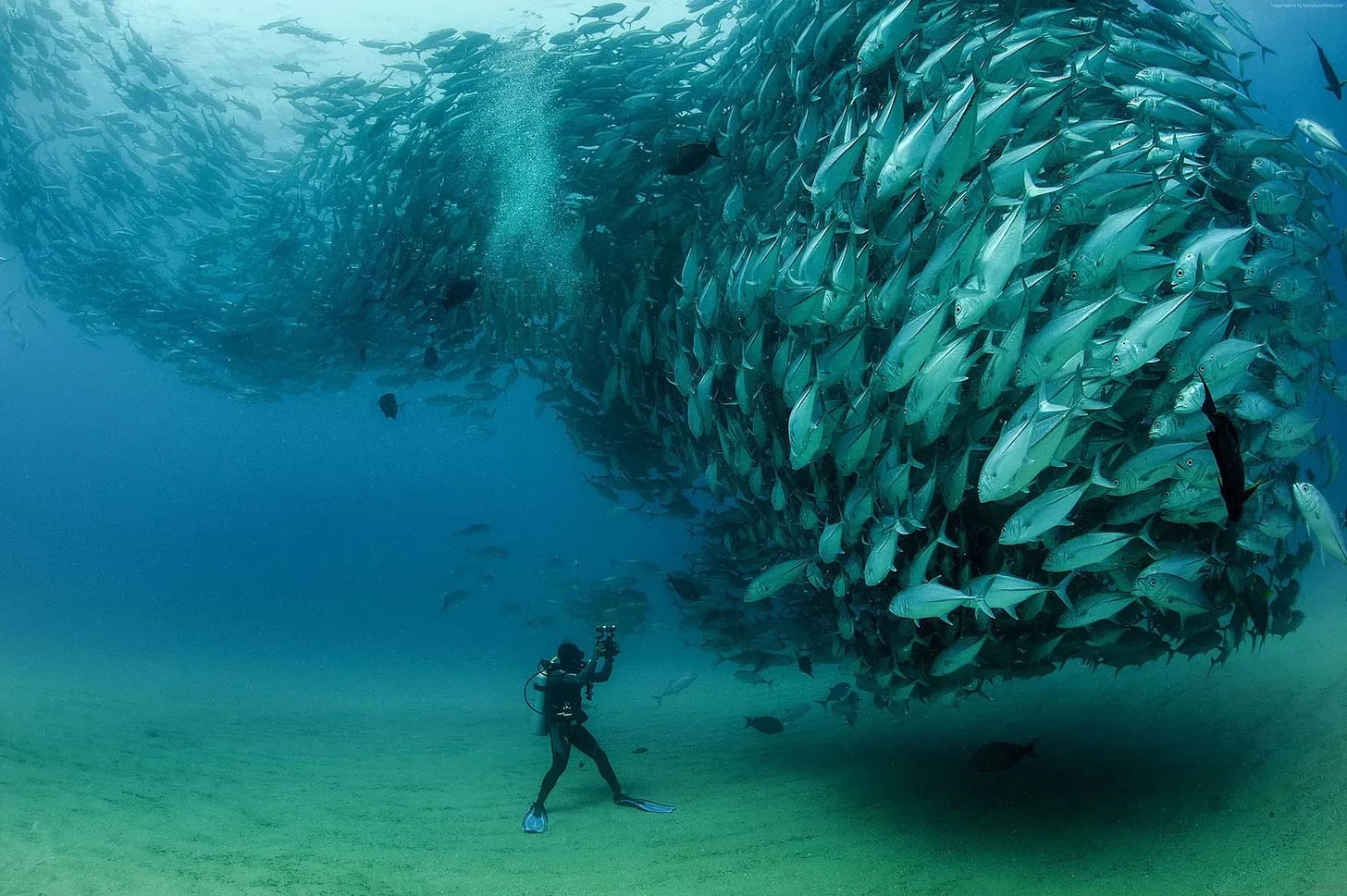
The Miracle of Cabo Pulmo in Baja California
How local fishermen transformed Cabo Pulmo into one of the world's greatest marine conservation success stories.
-
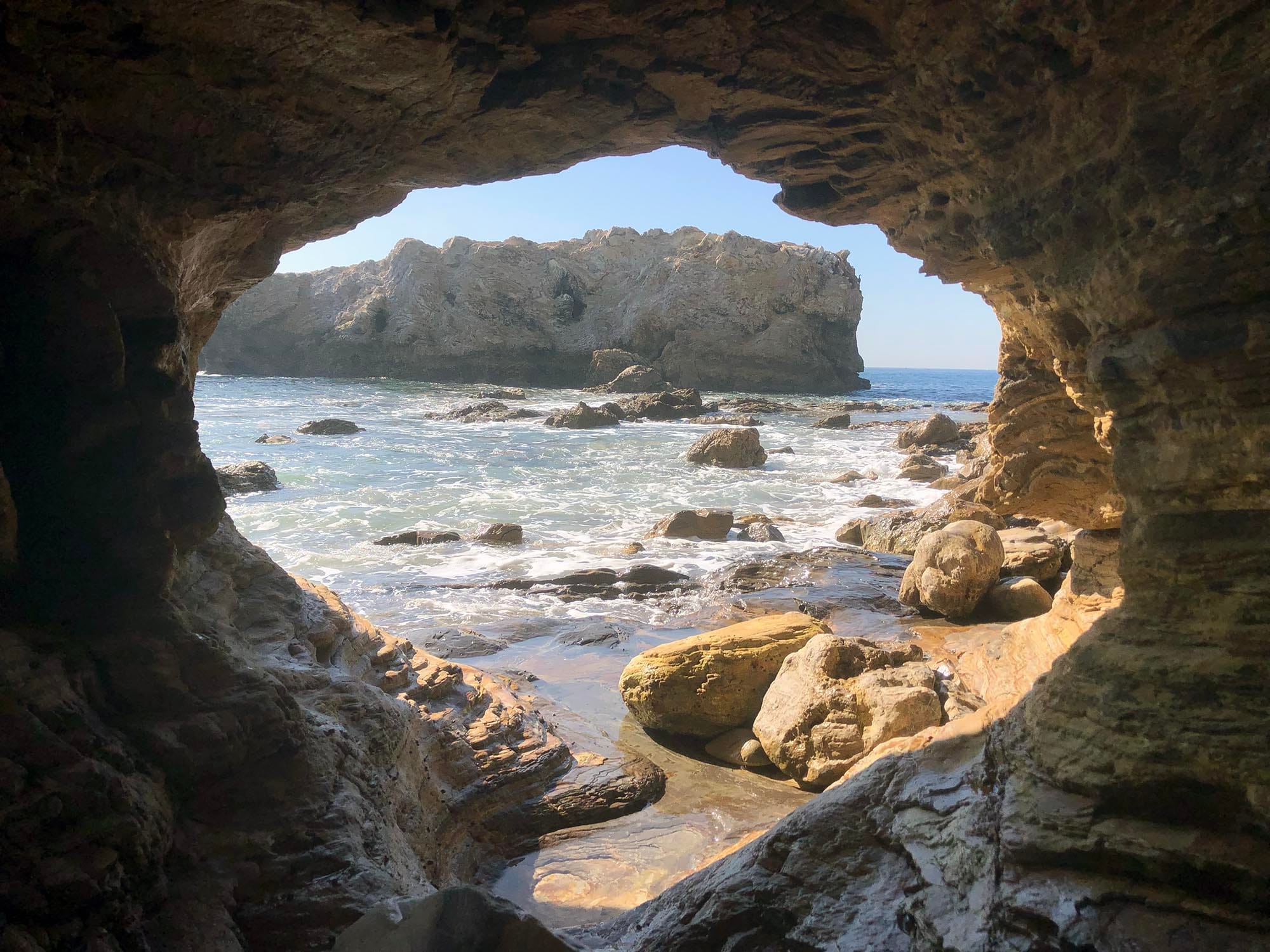
The Rock That Powered California: The Monterey Formation
From microscopic plankton to billions of barrels of oil, few rock formations have shaped California's history more profoundly than the Monterey formation.
-
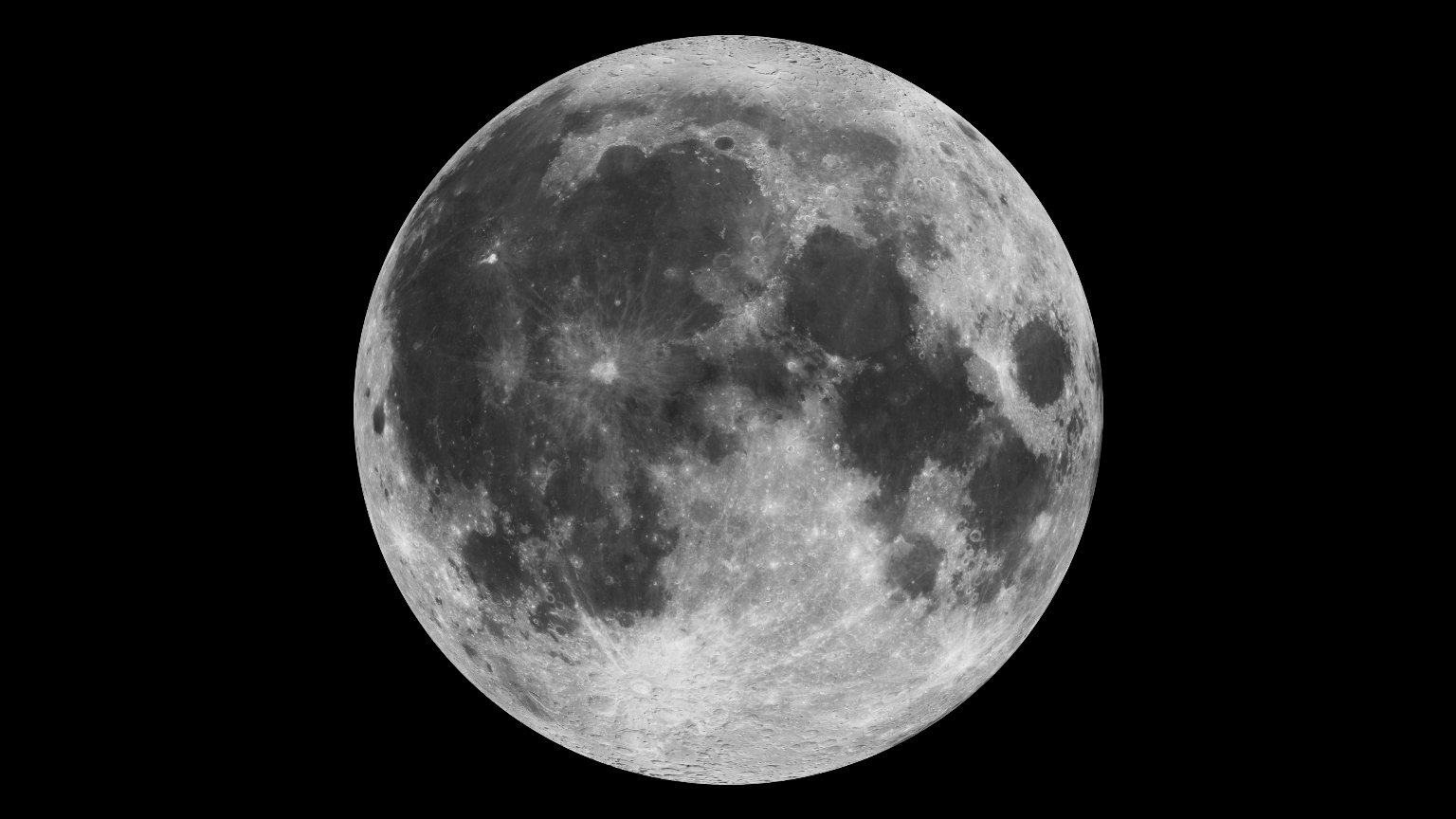
The Moon May Help Drive California’s Next Flooding Crisis
An 18.6-year lunar cycle is expected to amplify tides just as rising seas push more of California’s coastline toward flooding thresholds.
-
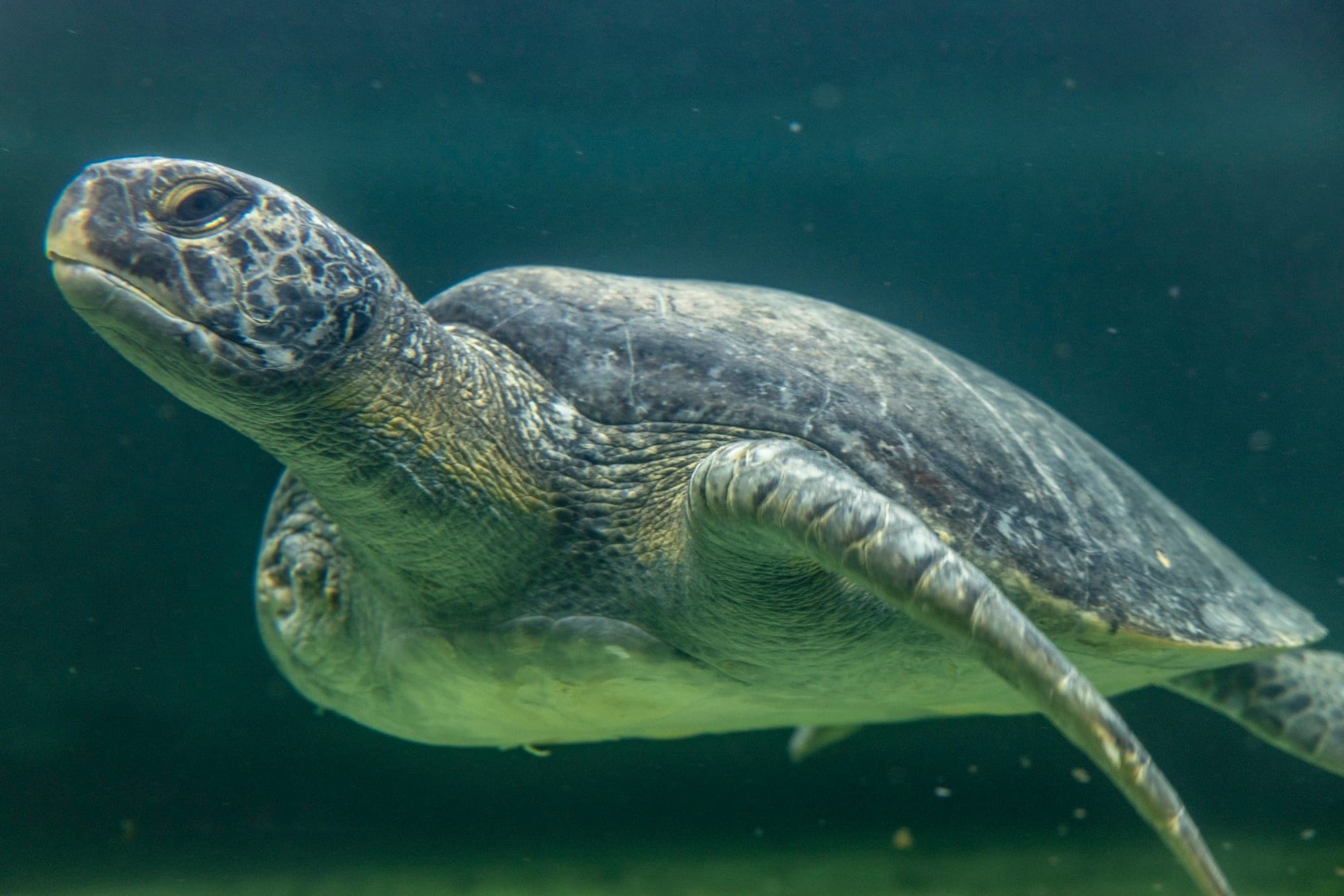
Sea Turtles Are Thriving in a Concrete River in Los Angeles
A threatened population of green sea turtles is thriving in the concrete channels of the San Gabriel River in Long Beach.
-
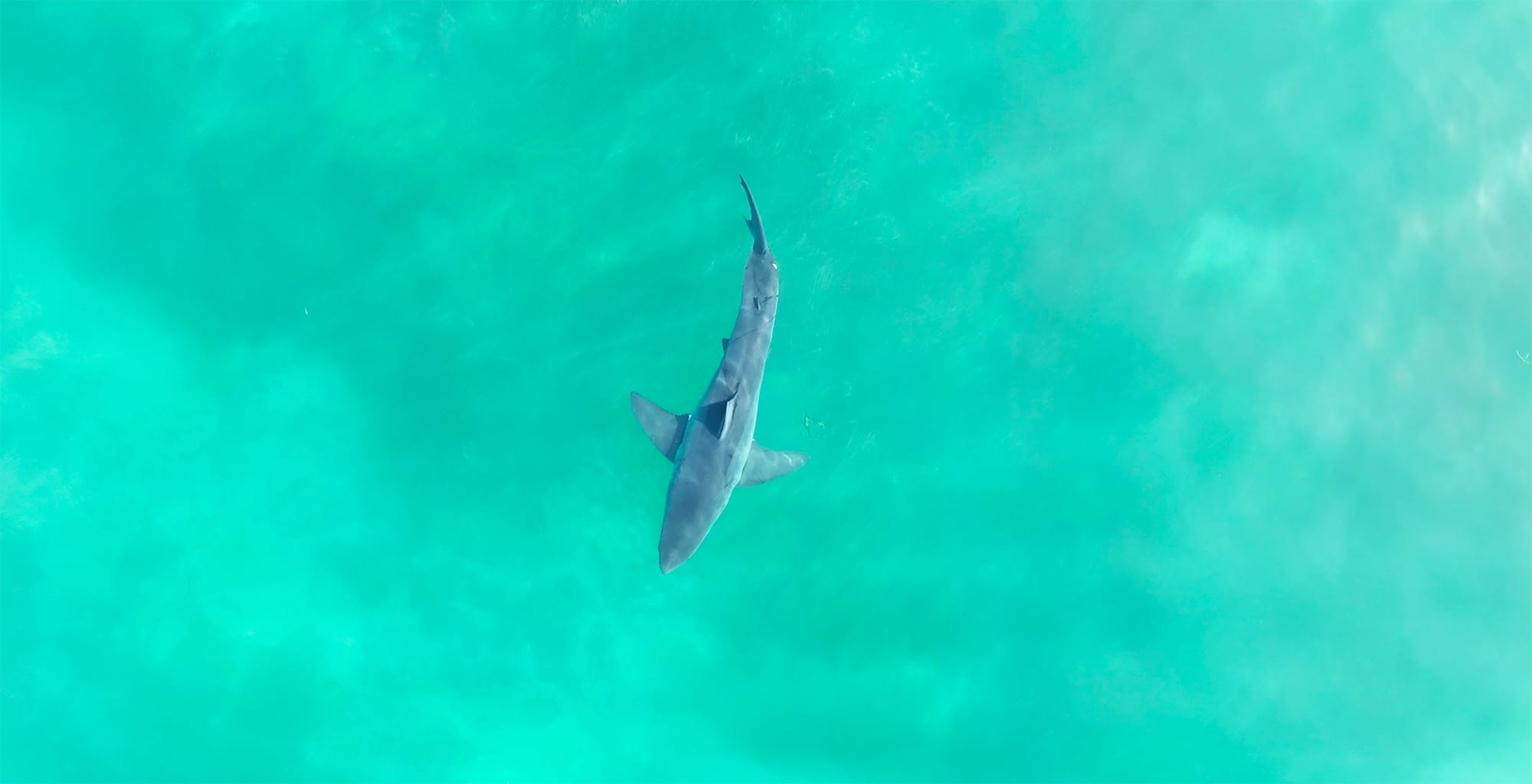
It’s Going to Be a Sharky Summer. Here’s Why That’s Okay.
Shark populations are rebounding along California’s coast, and the risks may be far lower than people think, says Chris Lowe, the director of the Shark Lab at Cal State Long Beach.
-

That Time We Tried to Live Under the Sea Off California
One of the most ambitious attempts to allow humans to live on the ocean floor took place just off San Diego. It’s called SEALAB II.
-
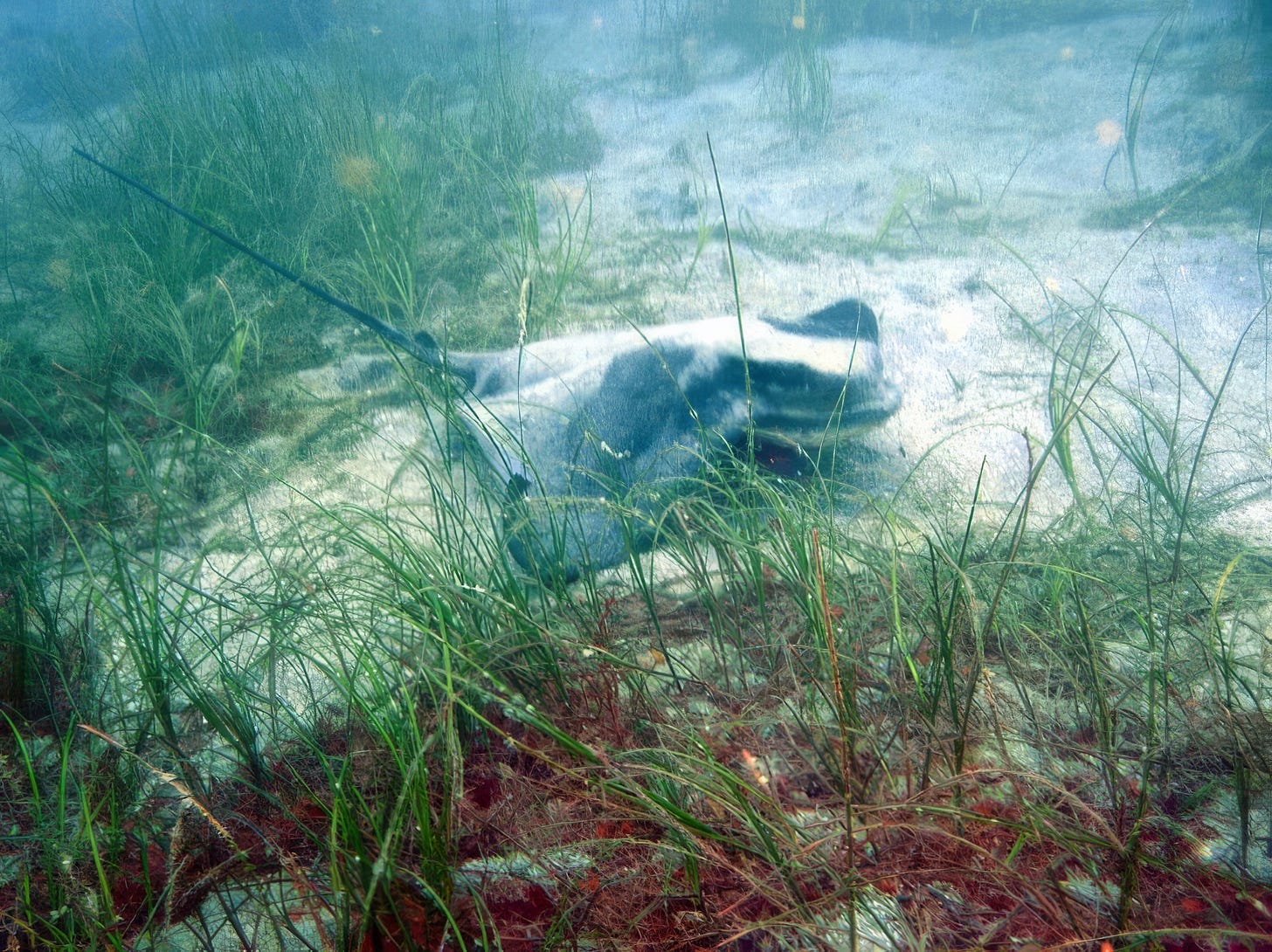
Why Southern California is the Stingray Capital of the World
According to research led by Dr. Chris Lowe at California State University, Long Beach Shark Lab, Southern California’s nearshore waters may host one of the densest concentrations of stingrays anywhere in the world.
-
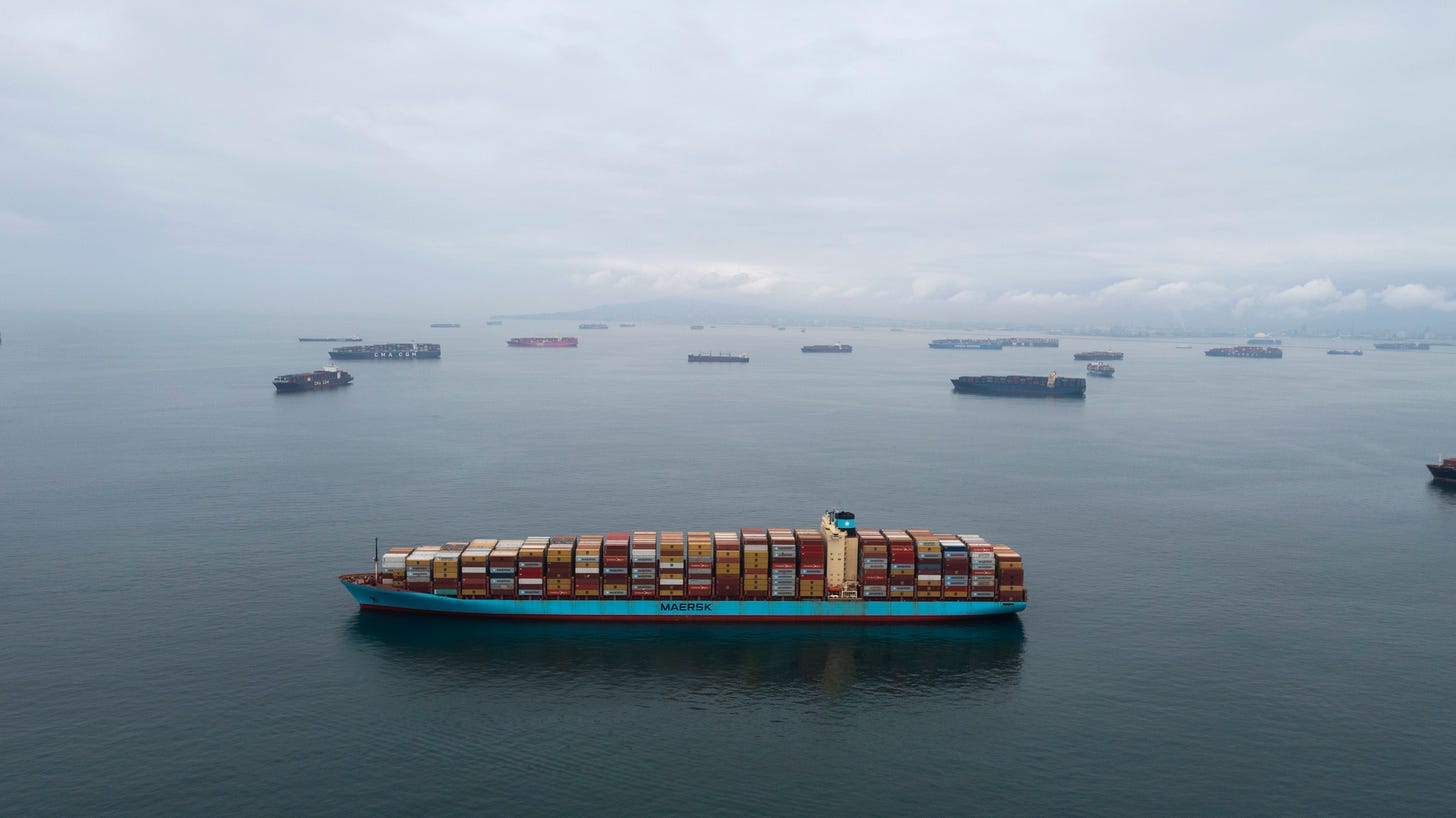
How the Jones Act Strangles California Innovation and Keeps I-5 Packed with Trucks
California’s highways are clogged with trucks moving goods that could travel by sea, but the Jones Act makes coastal shipping too costly to scale, locking freight onto crowded roads and limiting a cleaner alternative.
-

MBARI and the Machines That Let Us See the Deep
From glowing deep-sea creatures to underwater canyons deeper than the Grand Canyon, MBARI is helping uncover the mysteries of the Pacific off California.
-
Curiosity Is the Point
The more you look around in California, the more you realize there is almost always something fascinating to notice and something worth learning a little more about.
-
California’s Daily Tidal Wave of Life
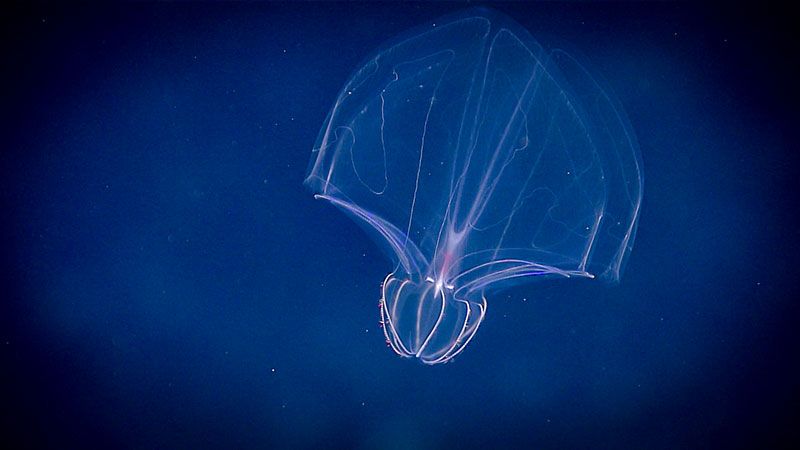
Every day, trillions of marine animals migrate up and down through the ocean in the largest daily movement of biomass on Earth. California’s exceptionally productive waters, and research hubs like MBARI near Moss Landing, make the state one of the best places in the world to observe and study this vast, invisible pulse of life.
-
California’s Two-Spot Octopus is the Alien Mind Off Shore
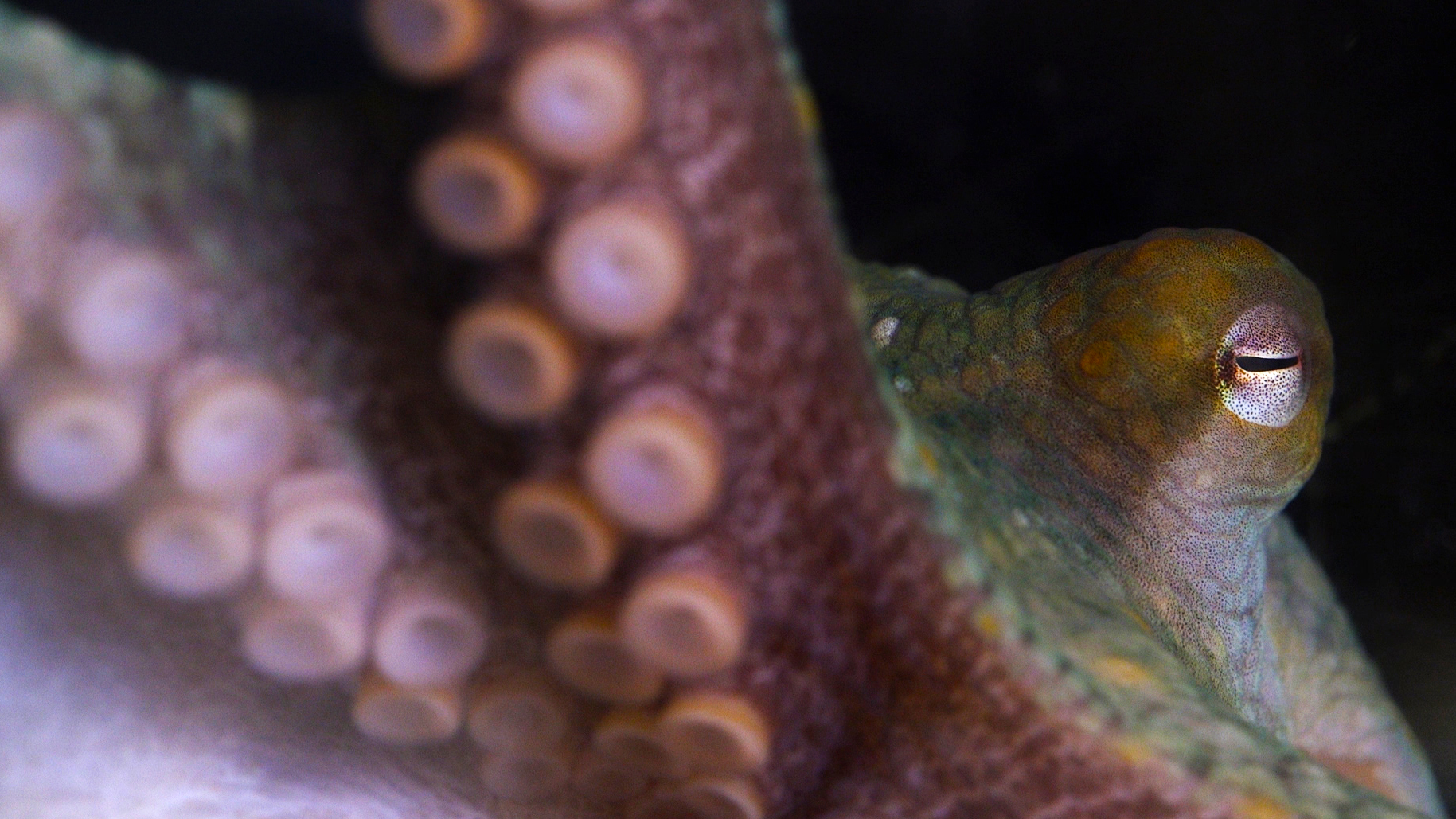
I have a deep passion for octopuses. I have made several short documentaries about them and even traveled twice to Indonesia with one of…
-
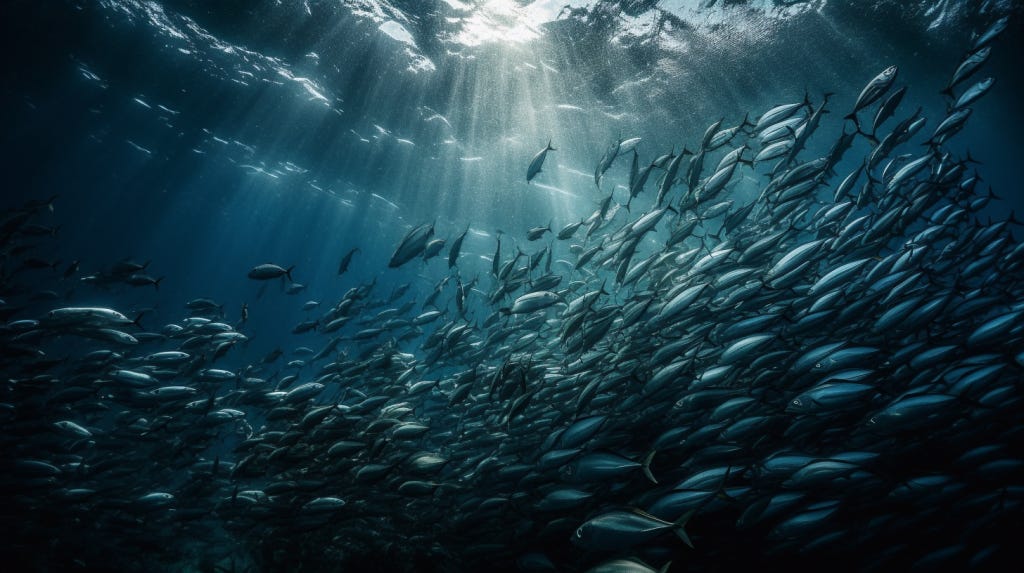
Upwelling, the Ocean’s Engine Beneath California’s Waters
Few marine processes are as impactful on the abundance of sea life off the coast of California as upwelling. It may not be a term you’ve heard before, but the natural oceanic process of upwelling is one of the most important engines driving climate, biological diversity, and the ocean’s food web.
-
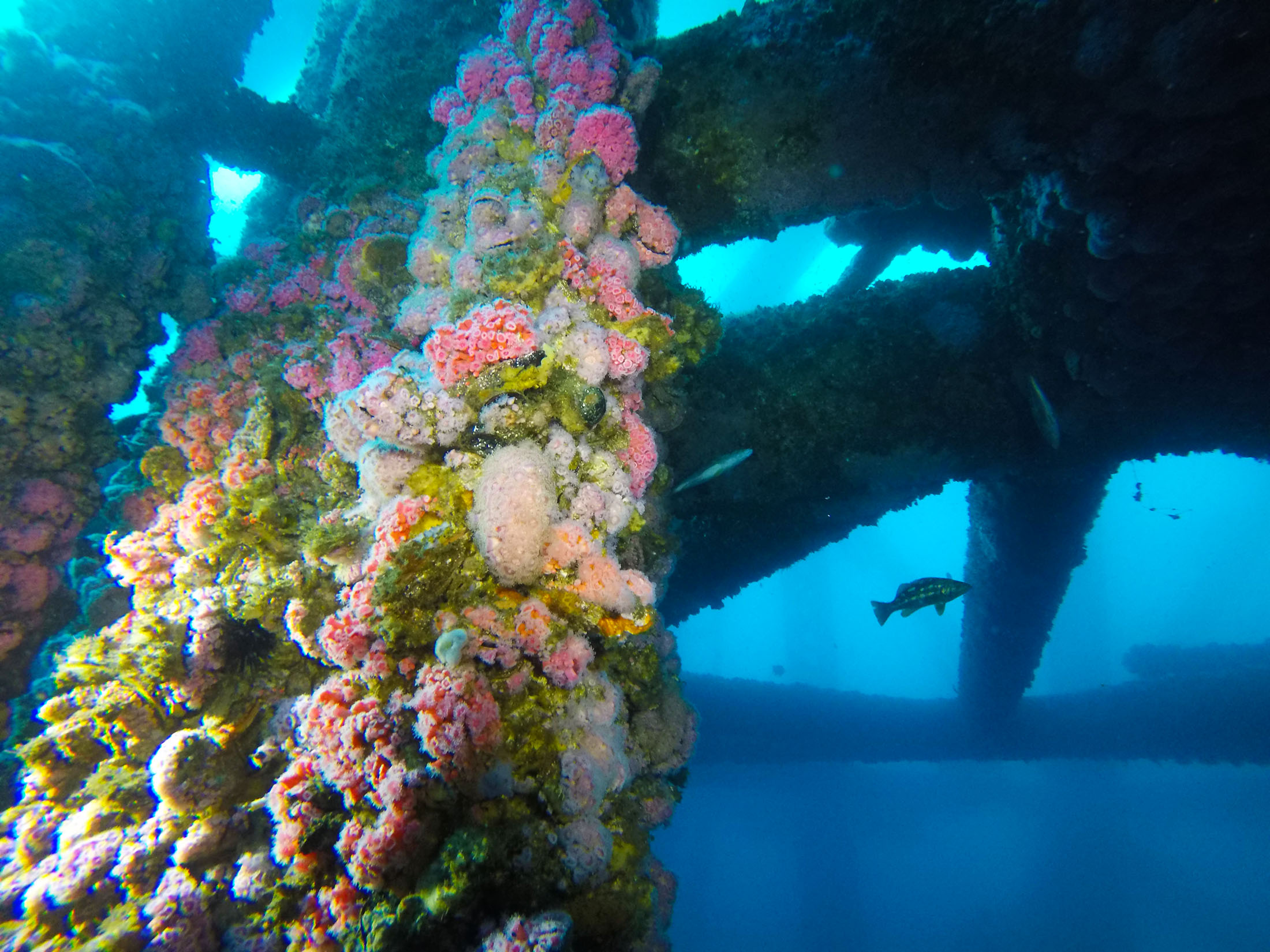
Transforming California’s Oil Platforms into Marine Sanctuaries
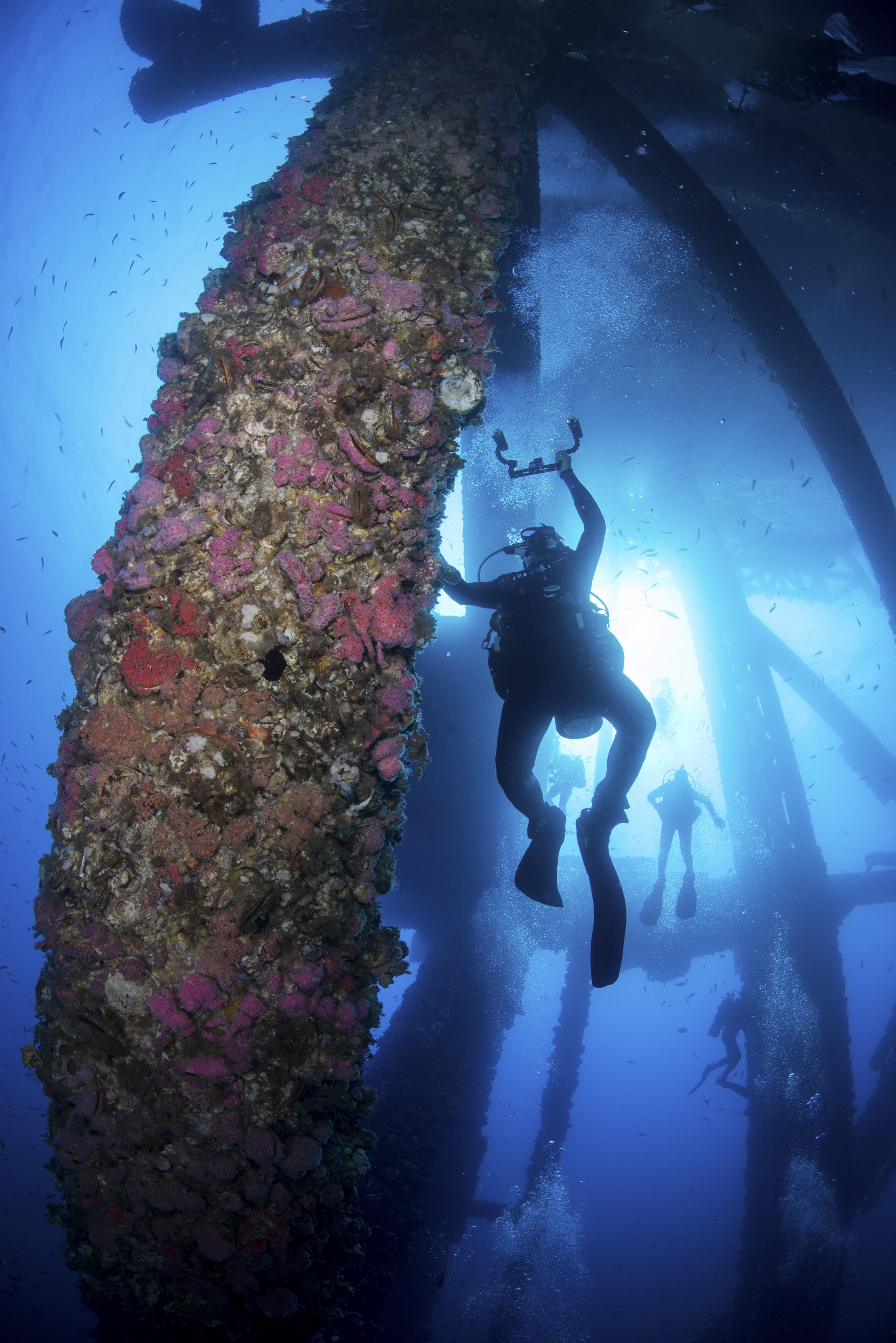
Beneath the surface of California’s offshore oil platforms lies one of the most productive ecosystems on Earth. As the state debates whether to remove or reef these massive structures, scientists, divers, and environmental advocates like Blue Latitudes’ Amber Sparks are fighting to keep the life they support alive.
-
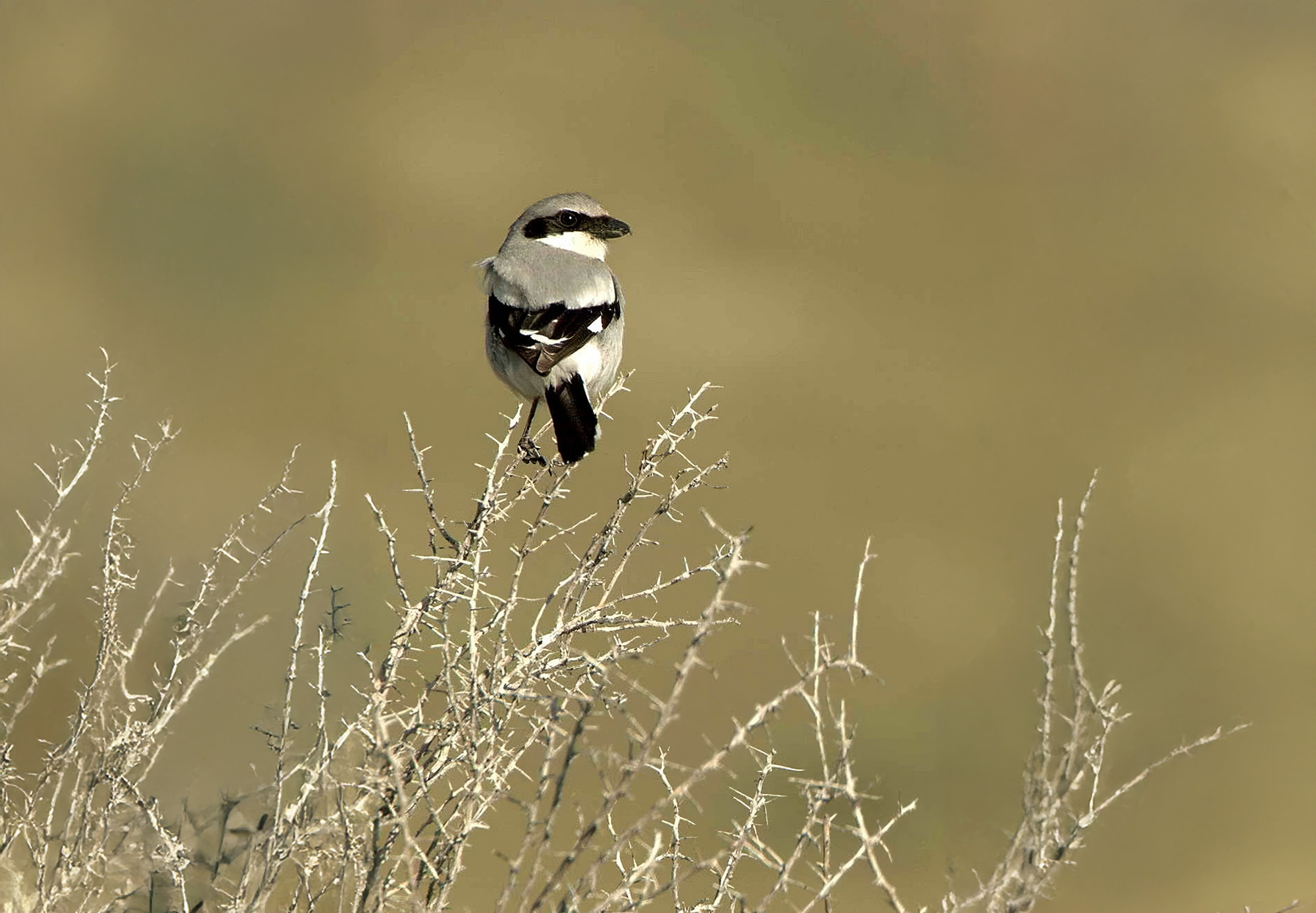
San Clemente Island is Where War Games and Wildlife Coexist
San Clemente Island is a remote, Navy-controlled island off Southern California where live-fire military training zones share rugged terrain with rare birds, endemic foxes, and ancient Tongva sites.
-
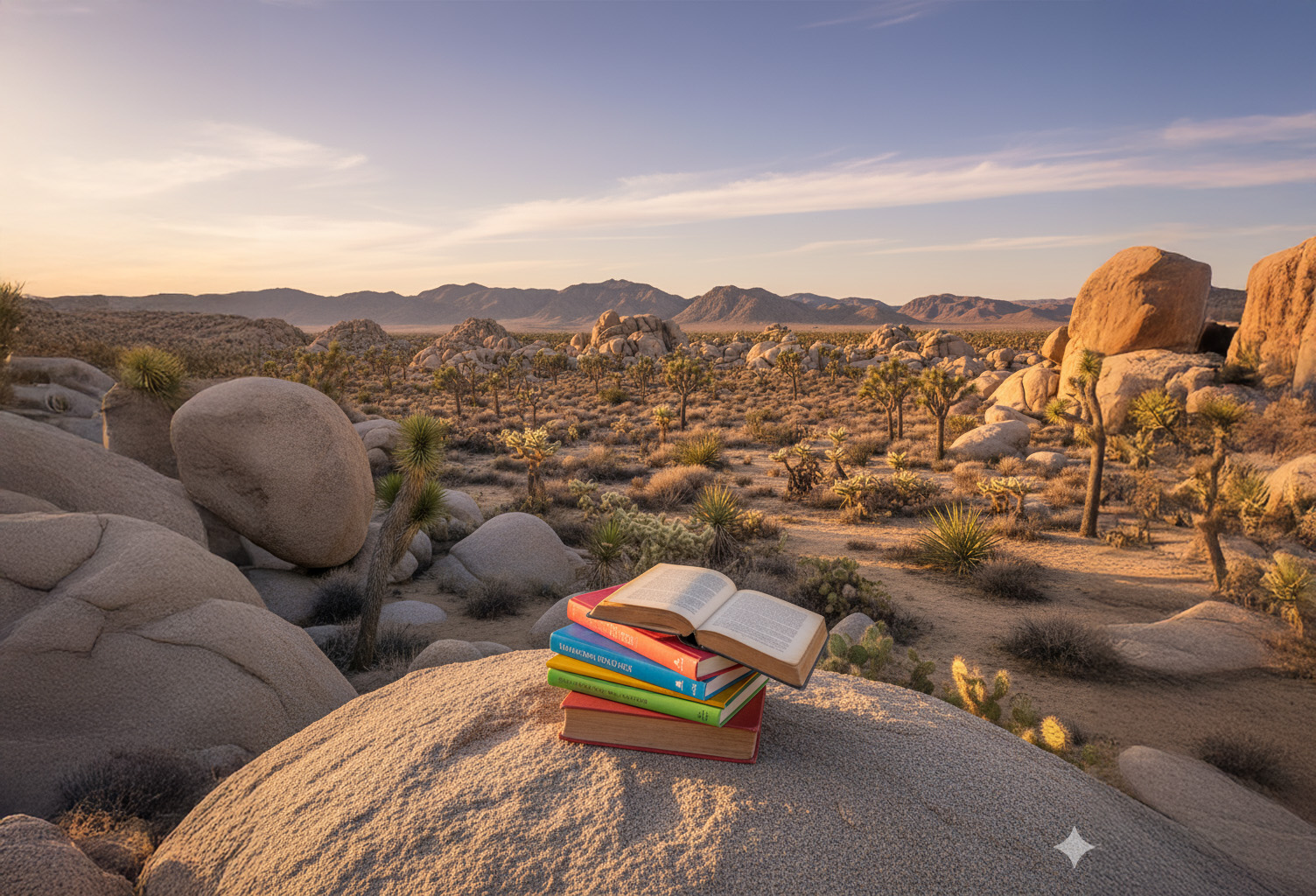
Ten Essential Books About California’s Nature, Science, and Sense of Place
I’m an avid reader, and over the past decade I’ve dedicated a large section of my bookshelf to books about California—its wild side, its nature, and its scientific wonders.
-

The Myth of the 100-foot Whale
So, according to the best records we have, the largest blue whale ever properly measured was 98 feet long. Granted, 98 feet is close to 100 feet, but it’s not 100 feet, and it’s certainly not over 100 feet, as so many otherwise reputable references state.
-
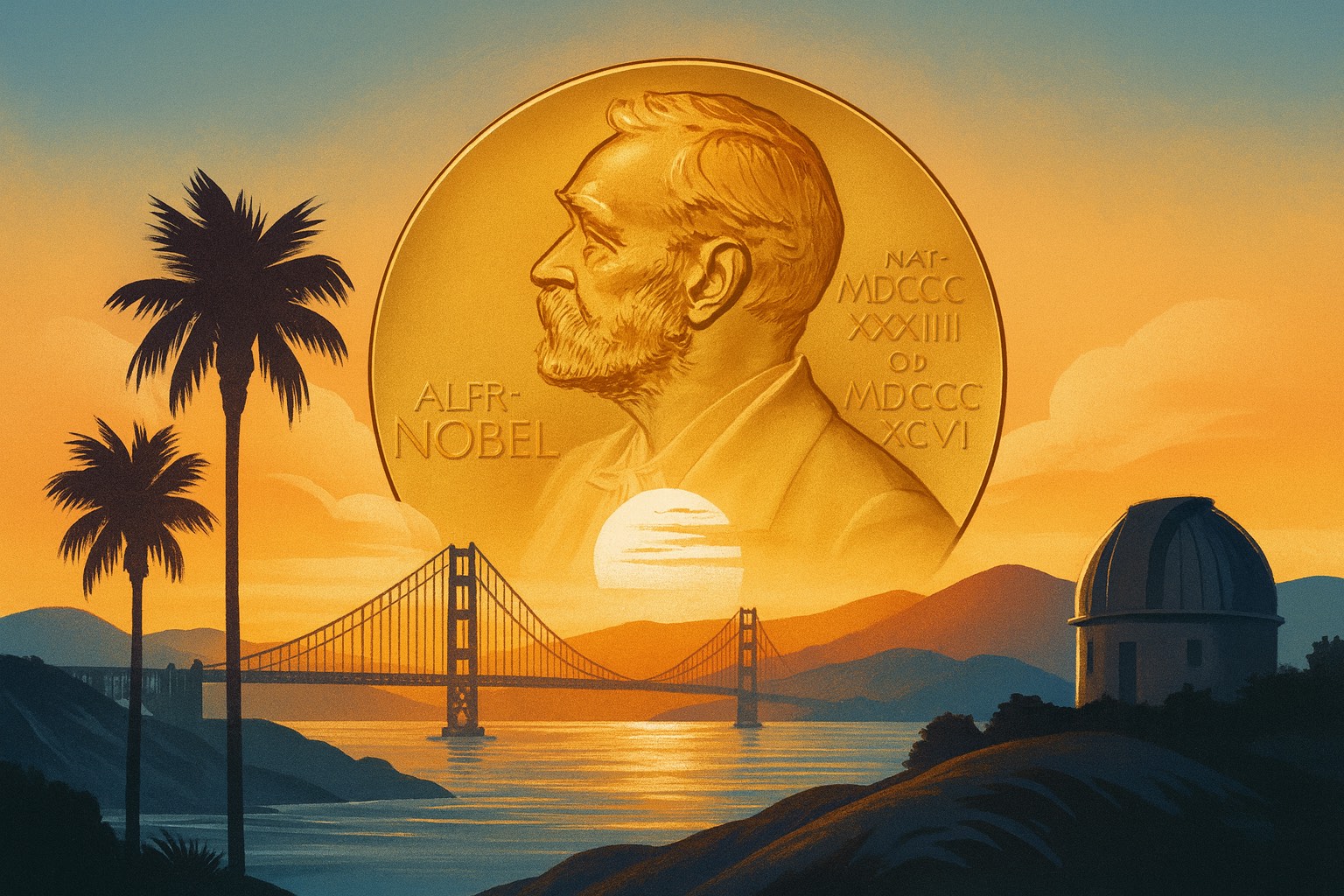
California Is a Nobel Powerhouse
The University of California system now counts 74 Nobel Prizes among its faculty and researchers. 23 in physics and 16 in chemistry. Berkeley leads the list, with 26 laureates, followed by UC San Diego, UCLA, UC Santa Barbara, and UC San Francisco. Even smaller campuses, such as UC Riverside, have ties to winners like Barry Barish, who shared the 2017 Nobel in Physics for detecting gravitational waves.
-

Corals Revealed as Never Before Through a Groundbreaking New Microscope in California
A groundbreaking underwater microscope developed at Scripps Institution of Oceanography is giving scientists their first up-close look at coral stress before bleaching begins.
-

A Tiny California Seaweed Could Make a Big Dent in Livestock Methane
Because methane is so potent, trapping more than 80 times as much heat as carbon dioxide over a 20-year period, the livestock industry’s footprint has become a central focus for climate scientists searching for solutions.
-

The Story of Southern California Sand from Mountains to Surf
It turns out most of the grains between your toes actually began their journey high in the mountains above LA, on craggy slopes far from the shore. Mostly, we are talking about the San Gabriel Mountains and other peaks in the Transverse Ranges that run east-west across Southern California.
-
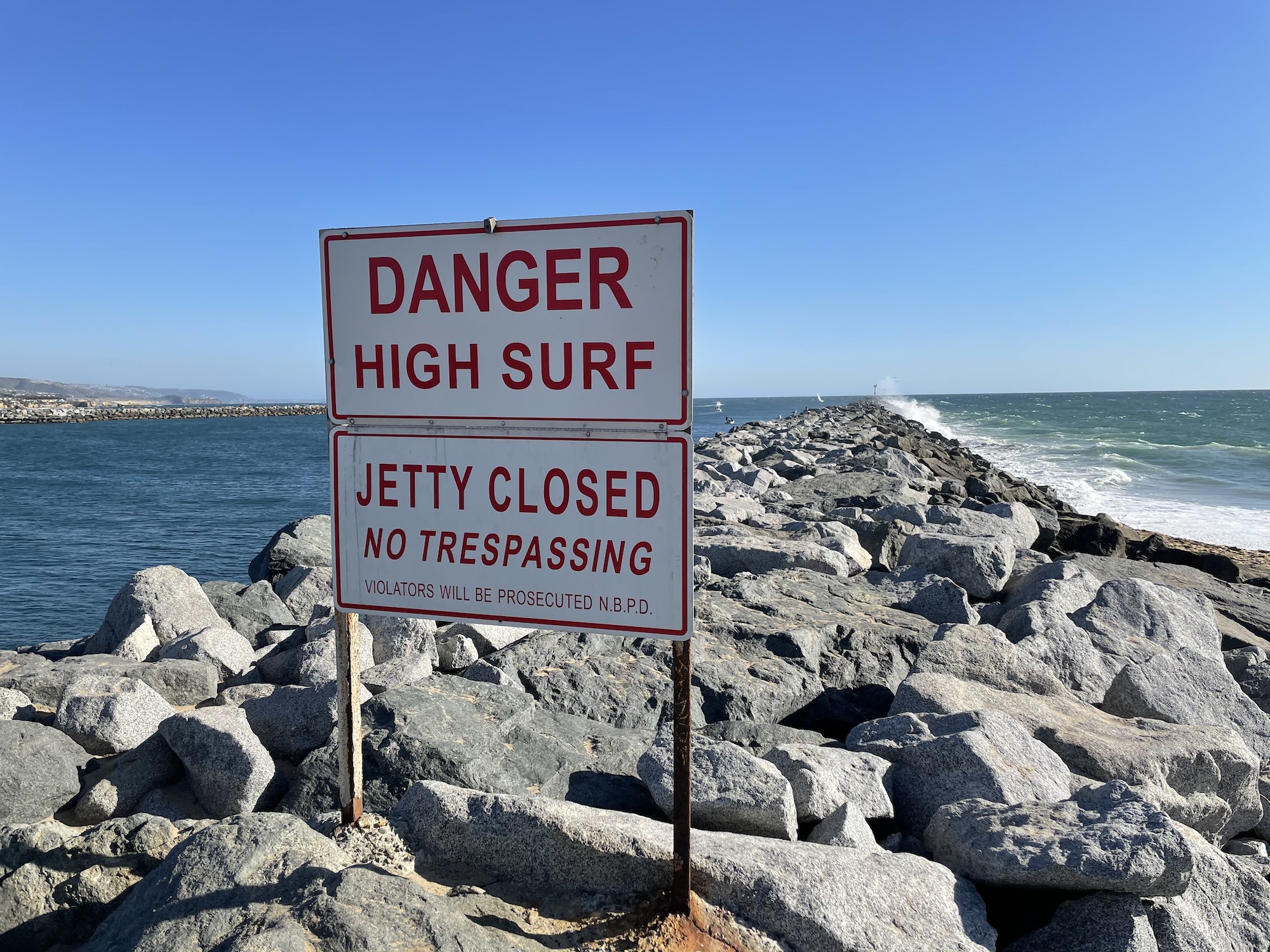
The Physics and Geology of The Wedge, California’s Most Dangerous Wave
There is something unforgettable about the Wedge and the way its waves crash with such raw force. Sometimes they detonate just offshore, sending water skyrocketing into the air; other times they slam thunderously against the sand, eliciting groans and whoops from bystanders.
-

California’s Precarious Future and the Promise—and Limits—of Desalination
As drought becomes California's new normal, desalination offers a tantalizing solution — but the technology comes with serious costs and limits that could reshape the state's water future.
-

Bring Human Exploration Back to California’s Deep Ocean
California's deep ocean remains one of the least explored places on Earth. Here's why it's time to send humans back down into the sea. And what we stand to discover.
-

How California Has Revived Its Groundfish Fisheries
How Smart Policy and Collaboration Brought Groundfish Back From the Brink
-

The Channel Islands Are California’s Own Galápagos
Pygmy mammoths, island foxes and jays found nowhere else: California’s Channel Islands are a natural laboratory for evolution, and a conservation success story, just 12 miles off Ventura.
-

The Scourge of Ghost Lobster Traps and the Battle to Save Marine Life in California
Lobster is delicious. Let’s just get that out of the way. Yes, I’m sure there are some who either don’t…
-
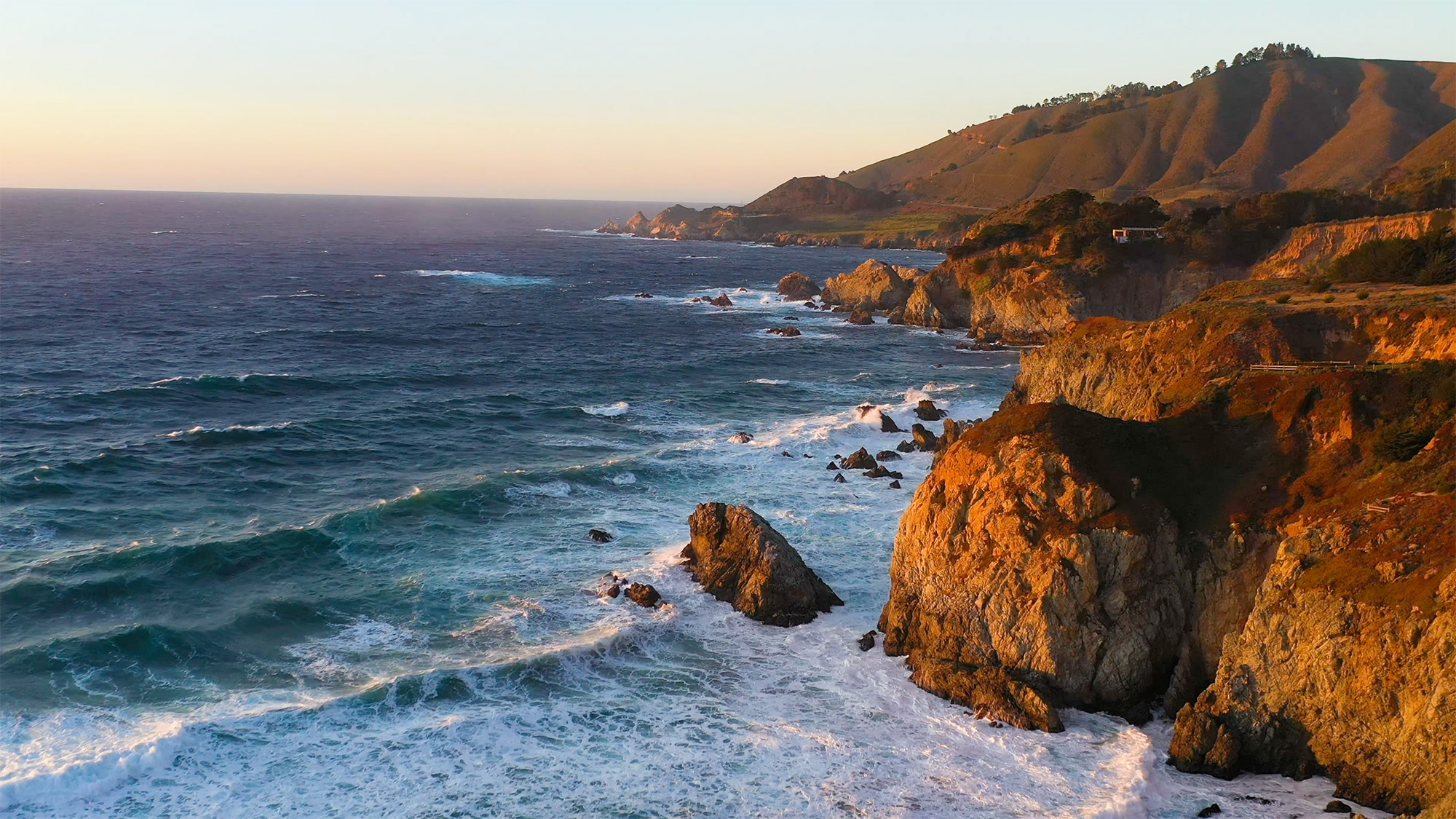
The Fight for California’s Coastline and the Future of the Coastal Commission
For over 50 years, the California Coastal Commission has protected public access and natural beauty, but growing challenges—wildfires, housing shortages, and political pressure—are testing its authority like never before.
-
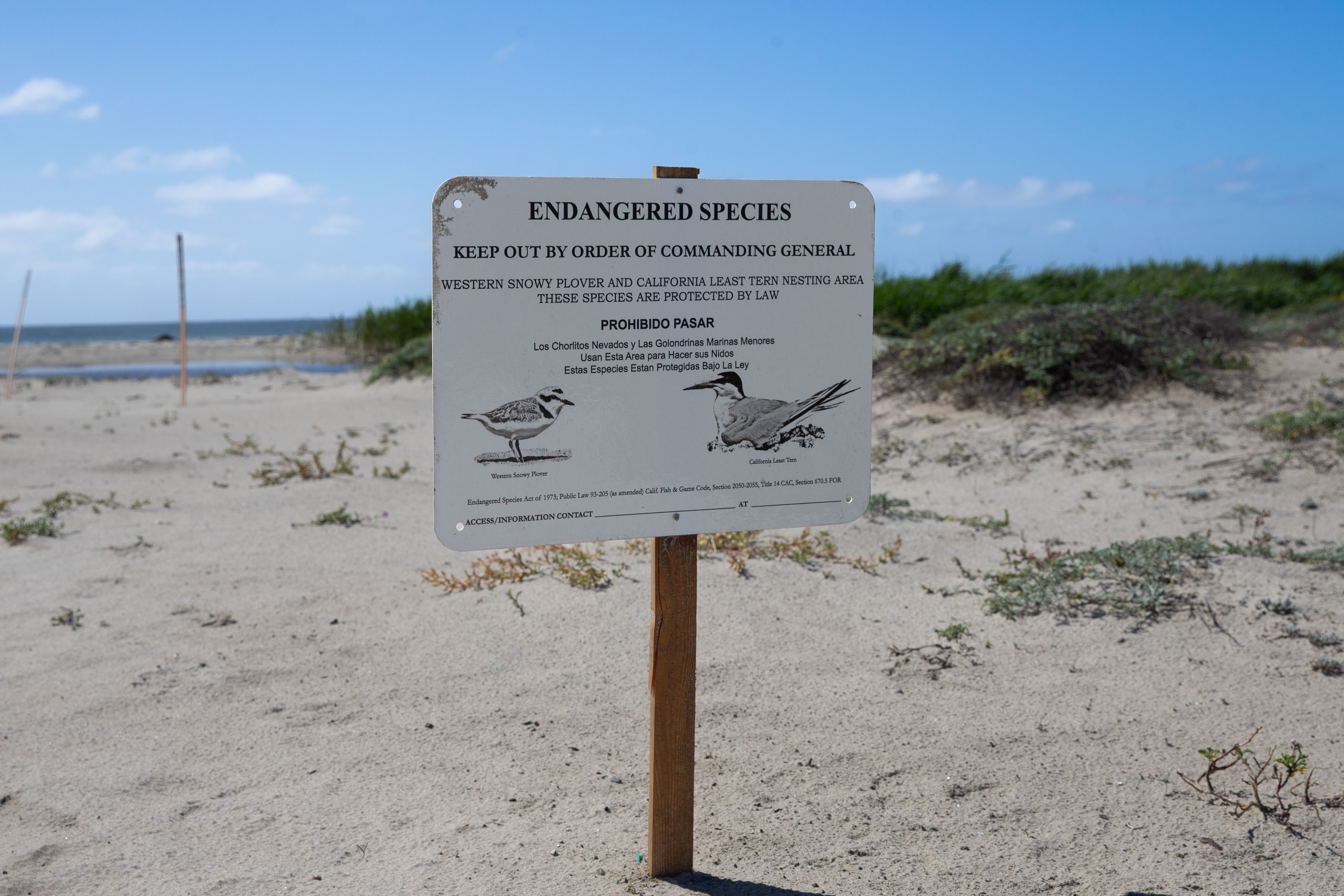
Camp Pendleton’s Wild Landscape as a Natural Refuge
Covering approximately 200 square miles in north San Diego County, the base has served as a critical training ground for the U.S. Marine Corps since 1942. However, its restricted access and limited development have inadvertently preserved some of Southern California’s last remaining wild coastal terrain.
-
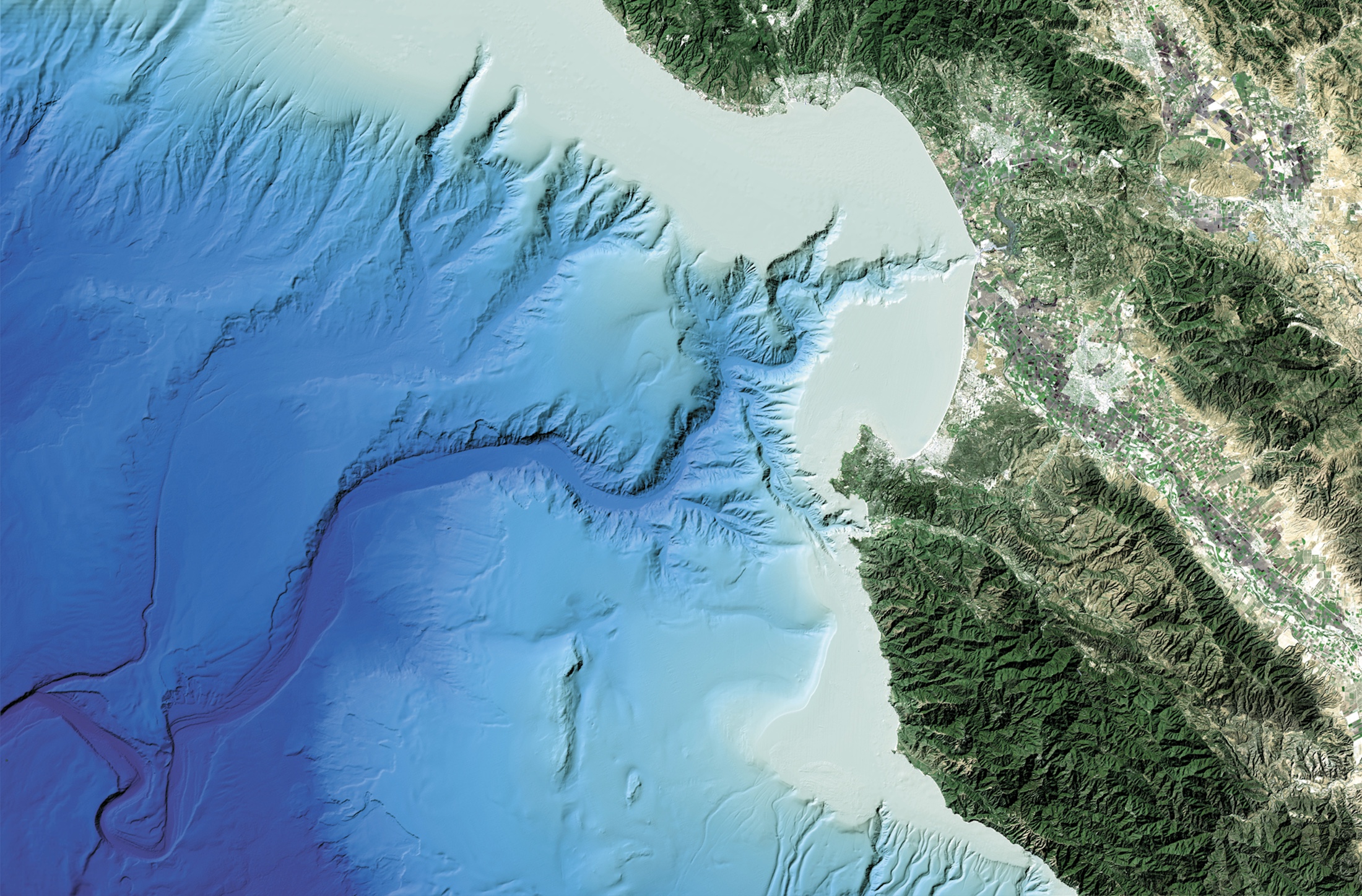
A Deep Dive into Monterey Canyon, California’s Great Abyss
Monterey Canyon, often called the Grand Canyon of the Pacific, is one of the largest and most fascinating submarine canyons in the world. Stretching over 95 miles from the coast of Monterey, California, and plunging to depths exceeding 3,600 meters (11,800 feet), this underwater marvel rivals its terrestrial counterpart in size and grandeur.
-

Walter Munk was a Californian Oceanographer Who Changed Our Understanding of the Seas
Photo: Erik Jepsen (UC San Diego) Walter Munk, often referred to as the “Einstein of the Oceans,” was one of the most influential oceanographers of…
-

Giant Sea Bass Are Making a Comeback at Catalina
Giant sea bass can reach 560 pounds and live 75 years. Fished nearly to extinction, they’re slowly returning to Southern California, especially Catalina. Here’s how, and why scientists say it’s too early to celebrate.
-

John Isaacs, the Maverick Oceanographer Who Wanted to Tow Icebergs to California
California’s water crises have always inspired bold solutions, but few ideas rival the sheer audacity of John Isaacs’ proposal to tow a giant Antarctic iceberg to San Diego.
-

All the Fish We Did Not See: How a WWII Sonar Glitch Off San Diego Revealed the Ocean’s False Bottom
In 1942, Navy sonar off San Diego found a mysterious ‘false bottom’ hundreds of feet down. It turned out to be alive: the deep scattering layer, part of the largest animal migration on Earth.
-

The USS Independence, a WWII Carrier That Survived Two Atomic Bombs, Lies Off San Francisco
The USS Independence fought across the Pacific, survived two atomic bomb tests at Bikini Atoll and was sunk off San Francisco in 1951. Found in 2015, it’s now a deep-sea reef.
-

The Magic, Wonder, and Science of Ocean Bioluminescence in Southern California
The phenomenon that causes the blue glow has been known for centuries, but that in no way detracts from its wonder and beauty. The phenomenon is called bioluminescence, and it is one of nature’s most magical and interesting phenomena.
-

Santarosae, the Lost Ice Age Island Off California, Had Pygmy Mammoths and Some of America’s First People
During the Ice Age, four of the Channel Islands were one big island called Santarosae, home to pygmy mammoths and some of the earliest people in the Americas. Rising seas drowned most of it.
-

California’s Elephant Seals Came Back From the Brink, With an Asterisk
Northern elephant seals were hunted down to a few dozen animals. Now hundreds of thousands haul out on California beaches. Here’s how they live, dive and fight, and where to see them.
-

Squid Pro Quo: The California Market Squid Feeds the Ocean and the State’s Biggest Fishery
The California market squid lives fast, dies young and supports the state’s largest fishery by volume. Here’s how they live, how they’re caught and why climate change is pushing them toward Alaska.
-

The Monterey Formation, the Layered Rock Behind California’s Oil and Its Crumbling Cliffs
Those stacked, cream-colored cliffs at Crystal Cove and Montaña de Oro are the Monterey Formation, an ancient seafloor built from tiny algae. It’s the source of most of California’s oil and a big reason the coast keeps sliding.
-

Why bringing back California’s kelp is so important
Sea urchins have devastated kelp forests in California. Support California Curated by buying us a coffee? Two centuries ago, the waters off the California coast were home to a vibrant ecosystem of…
-

California Sea Lions, the Barking Comeback Kids of the Coast
California sea lions were once hunted for oil and hides. Now there are about 300,000 of them barking from buoys and docks. How they live, what eats them and why some years they starve.
-

Julia Platt was the Unwavering Force Behind Monterey’s Ecological Conservation
In the 18th century, when Spanish and French explorers ventured along the northern California coast they encountered…
-

The Barreleye Fish Has a See-Through Head, and It Lives Off Monterey
With a transparent head and glowing tube-shaped eyes that swivel, the barreleye fish looks like science fiction. MBARI scientists filmed it in Monterey Canyon and solved the mystery of how it sees.
-

Navigating the Unseen Current: How the California Current System Shapes Our Ocean, Climate, and Future
The California Current, originating from the colder regions up near British Columbia, sweeps its way down toward Baja California, extending laterally several hundred miles offshore into deep oceanic waters off the continental shelf.
-

Davidson Seamount and the Unseen Mountains and Hidden Treasures Off California’s Coast
Perhaps the most astonishing discovery at Davidson Seamount occurred in 2018, when scientists discovered the “Octopus Garden,” the largest known aggregation of octopuses in the world. The garden is about two miles deep and was discovered by researchers on the research vessel (RV) Nautilus.
-

The San Gabriel Mountains Are Still Growing. Here's Their Story
The mountains hovering above Los Angeles are geologically young, tectonically restless, and still getting taller.
-

The Garibaldi Is California’s Bright Orange, Bad-Tempered State Fish
California’s state marine fish is impossible to miss, fiercely territorial and oddly curious about divers. Here’s why garibaldi are orange, how the males build nests and where to see one.
-
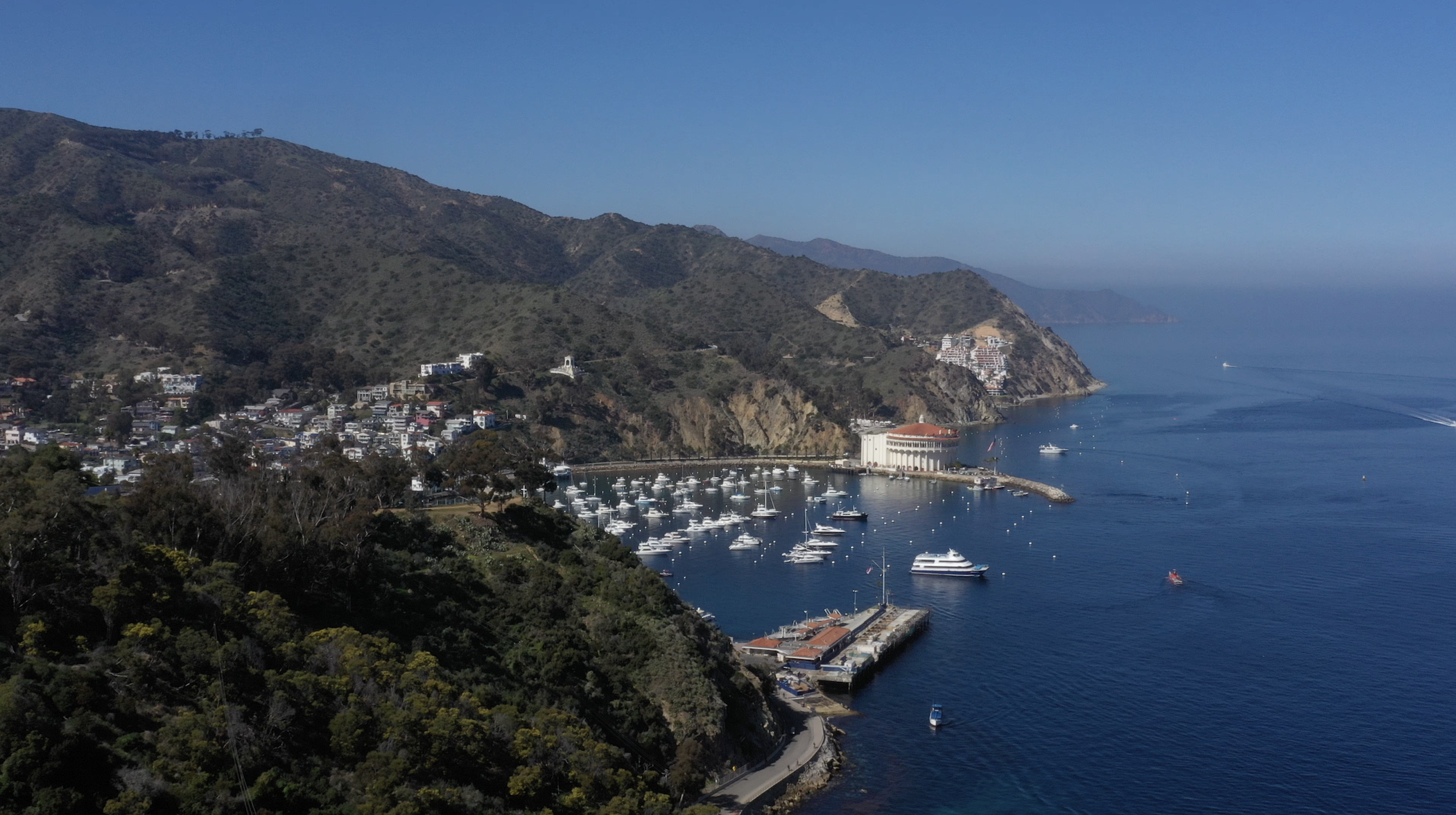
Hannes Keller’s Deadly 1,000-Foot Descent off Catalina Island Was the Dive of the Century
In 1962, Swiss diver Hannes Keller and journalist Peter Small rode a diving bell 1,000 feet down off Catalina Island to prove humans could work at impossible depths. It made history and cost two lives.
-
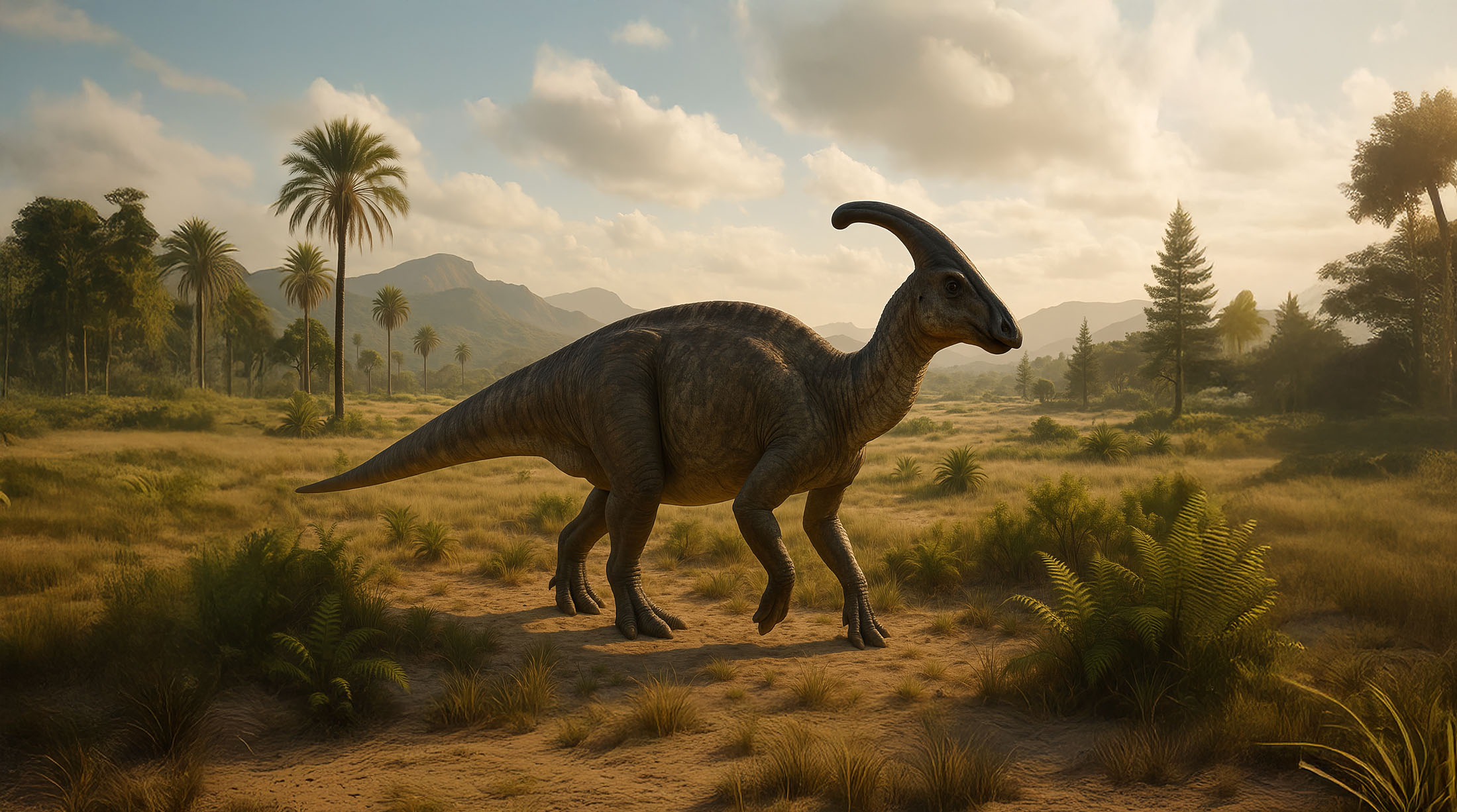
Why Are Dinosaur Fossils So Scarce in California?
Hadrosaur on ancient California landscape. Hadrosaurs like this AI generated one are among the very few dinosaurs whose fossils have ever been found in California. Support California Curated with a…
-

Ten Little-Known Facts About California
Giant Sequoia California is known for its sunny beaches, bustling cities, and iconic landmarks such as the Golden Gate Bridge and Hollywood sign. However, the state is also home to a wealth of…
-

California is a dolphin paradise
More than a dozen dolphin species swim California's waters, making the state one of the best places on Earth to spot wild dolphins. Here's what draws them to our coast.
-

White shark sightings are up in California, but don’t panic
White shark sightings are increasing along California's coast — but scientists say the risk is far lower than headlines suggest. Here's what the data actually shows.
-

How California Companies are Leading the Effort to Save the World with Microbes
Synbio startups like NovoNutrients are developing novel products to help feed the world and stop climate change. Wikipedia - CC BY-SA 3.0 (Sign up for the California Science Weekly newsletter ,…