
Section
Science History
The history of science in California: Caltech, UC Berkeley, Scripps, the Manhattan Project, plate tectonics, the discovery of the Richter scale, and the people who transformed our understanding of the world.
-
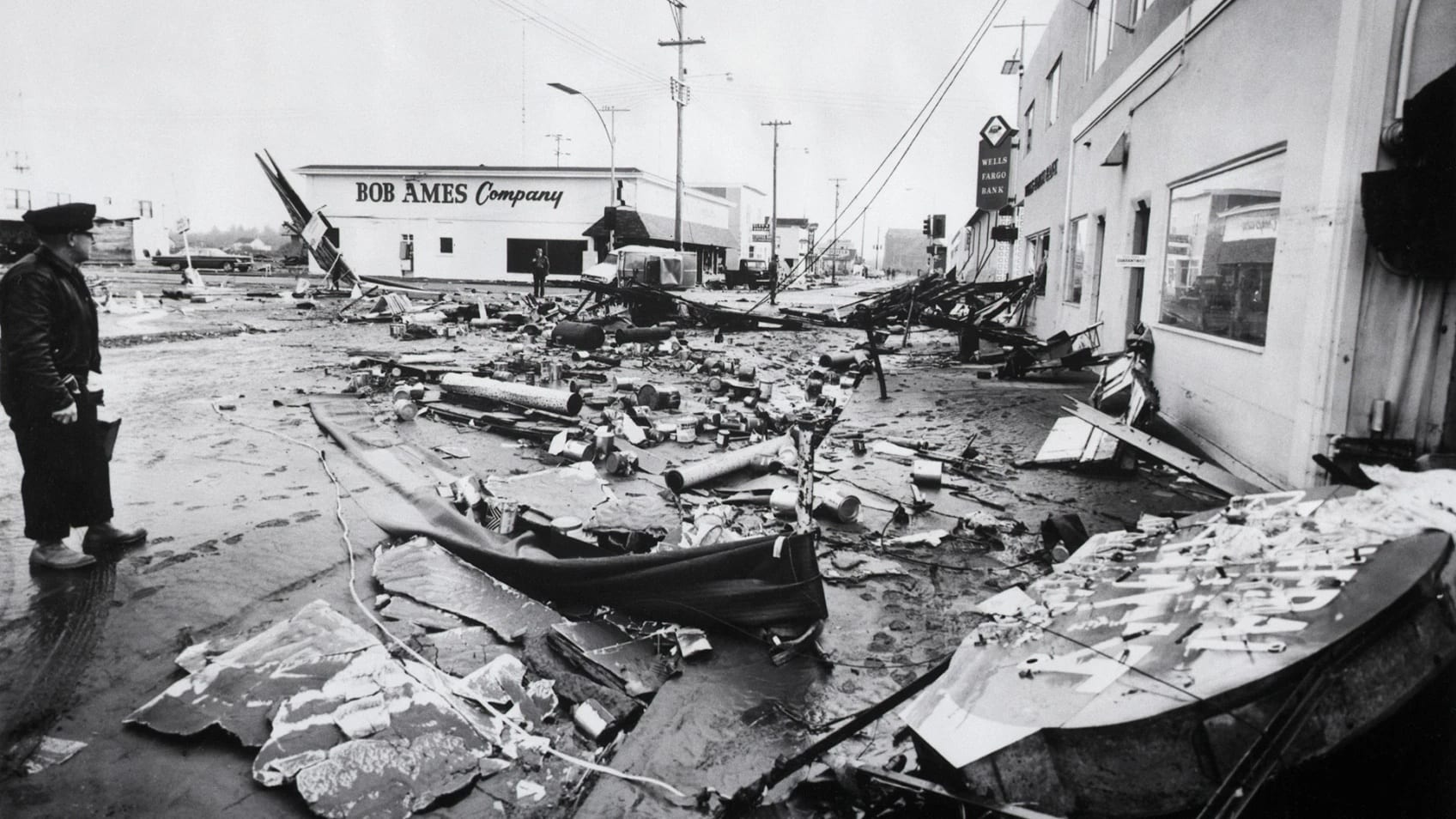
The Night a Tidal Wave Erased Downtown Crescent City, California
Why California’s most northern town is a magnet for deadly tsunamis.
-
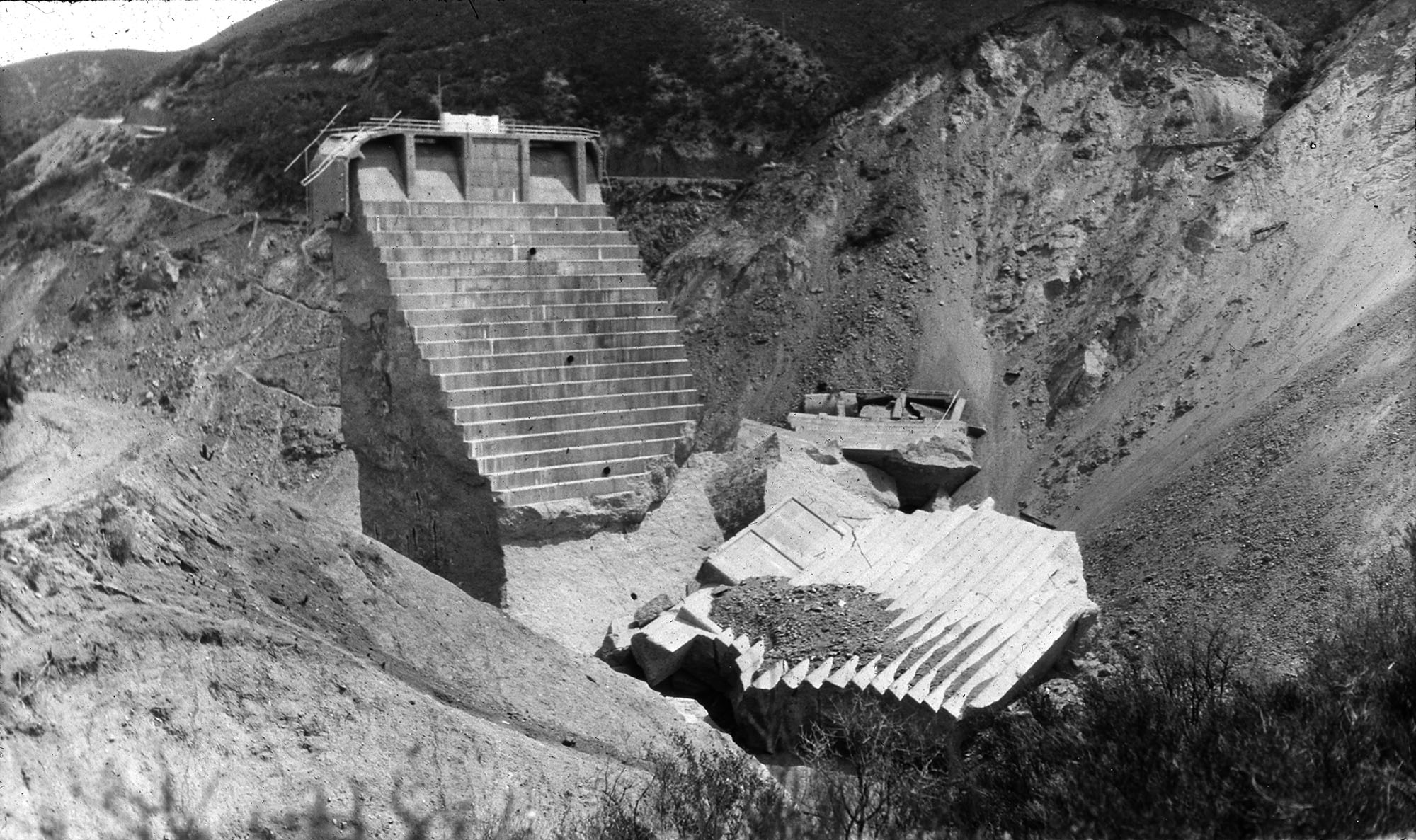
The Himalayan Flood Has an Echo in California’s Past
The collapse of the St. Francis Dam in 1928 sent a wall of water through a narrow canyon, killing hundreds. The cause was different, but the destruction is hauntingly familiar.
-
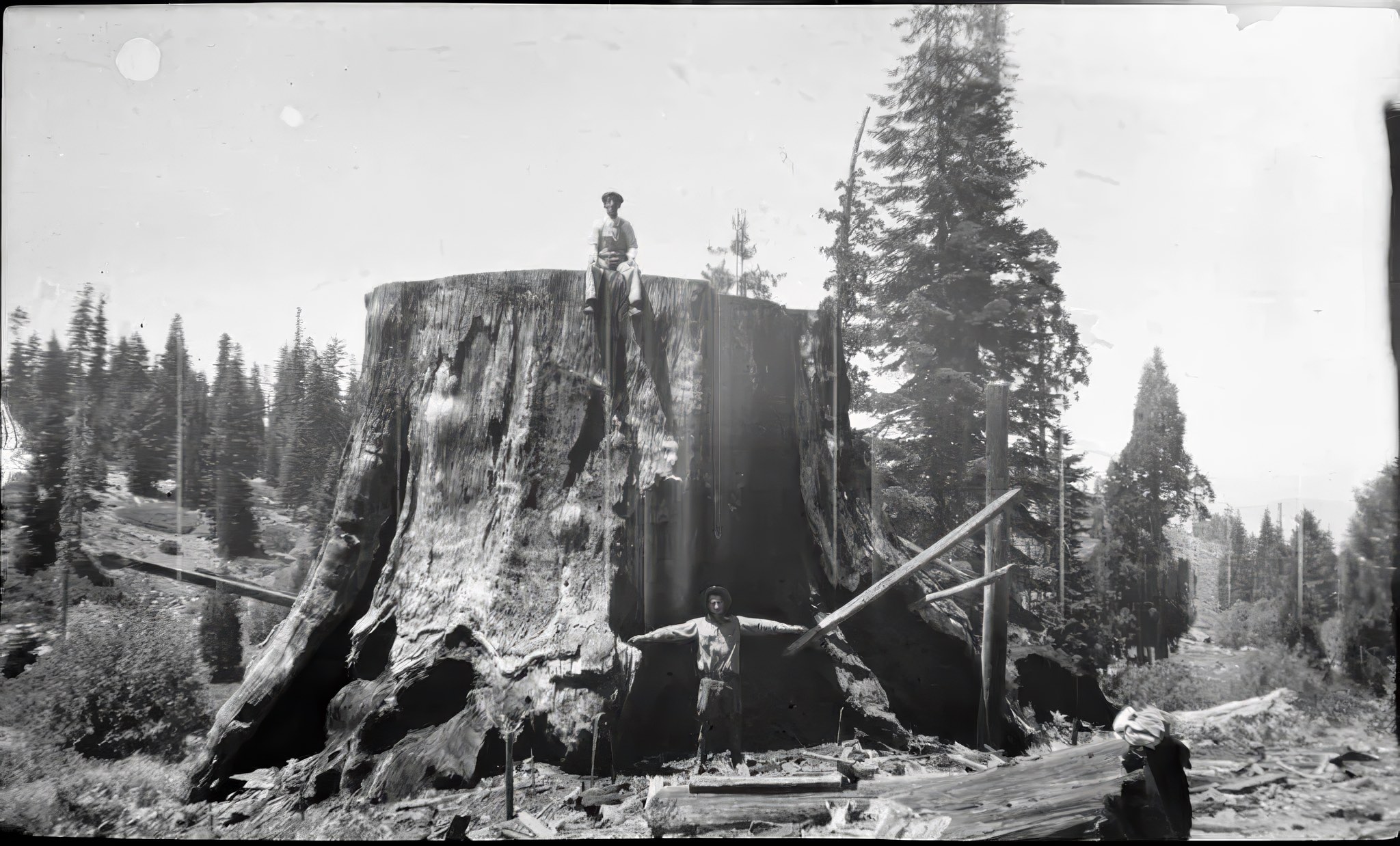
Giants Fallen: The Destruction of Converse Basin Grove and its Giant Sequoias
The true tragic story of one of the worst environmental crimes in California history.
-
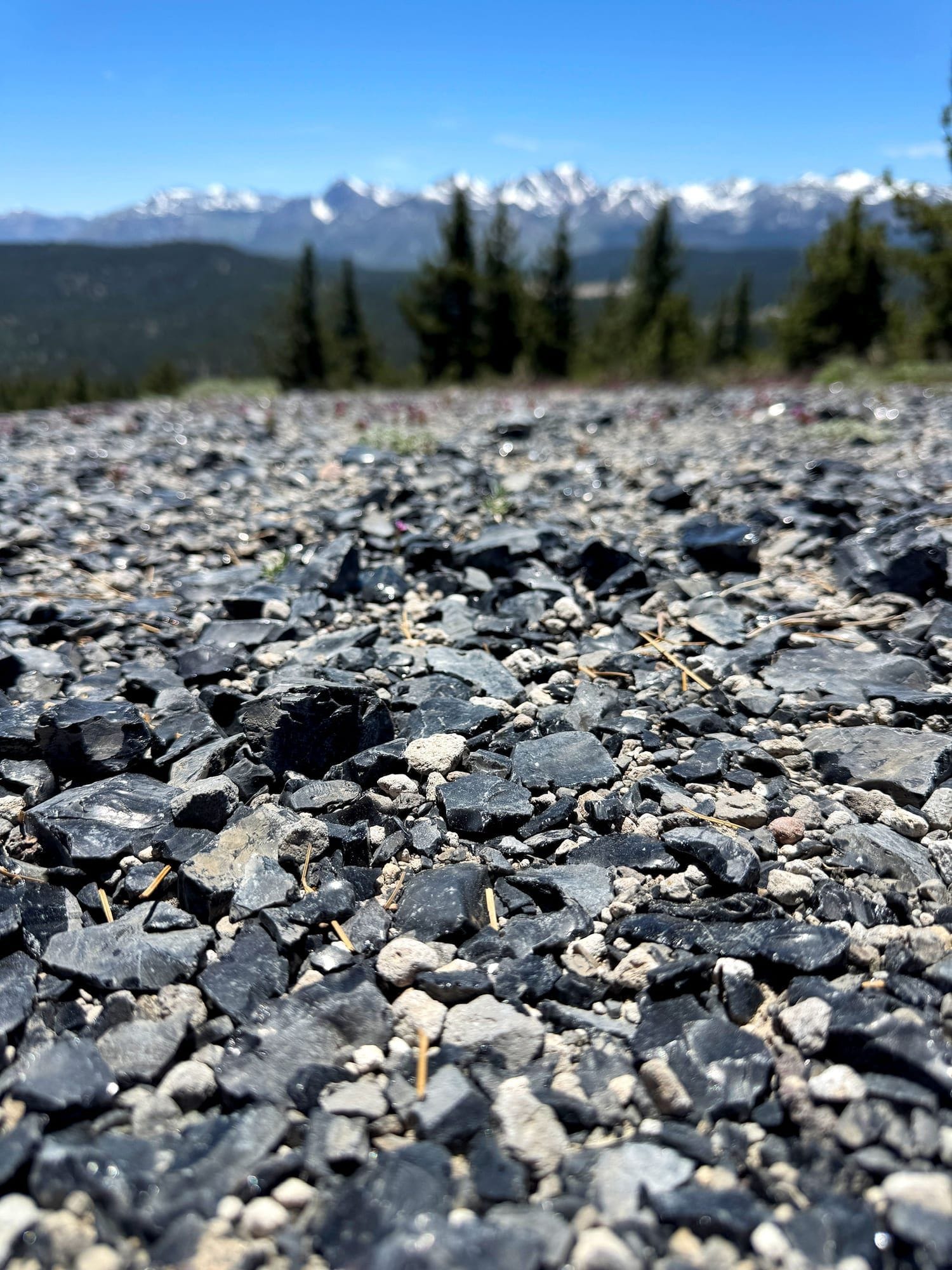
Mountain of Knives
Lookout Mountain obsidian became prized toolstone, traded through Indigenous networks from the eastern Sierra to the Channel Islands.
-

That Time We Tried to Live Under the Sea Off California
One of the most ambitious attempts to allow humans to live on the ocean floor took place just off San Diego. It’s called SEALAB II.
-

The Man Who Saved the Owens Pupfish
Less than 2.5 inches in length, the Owens pupfish is a silvery-blue fish in the family Cyprinodontidae. Endemic to California’s Owens Valley, 200 miles north of Los Angeles, the fish has lived on the planet since the Pleistocene, becoming a new species when its habitat was divided by changing climatic conditions, 60,000 years ago.
-
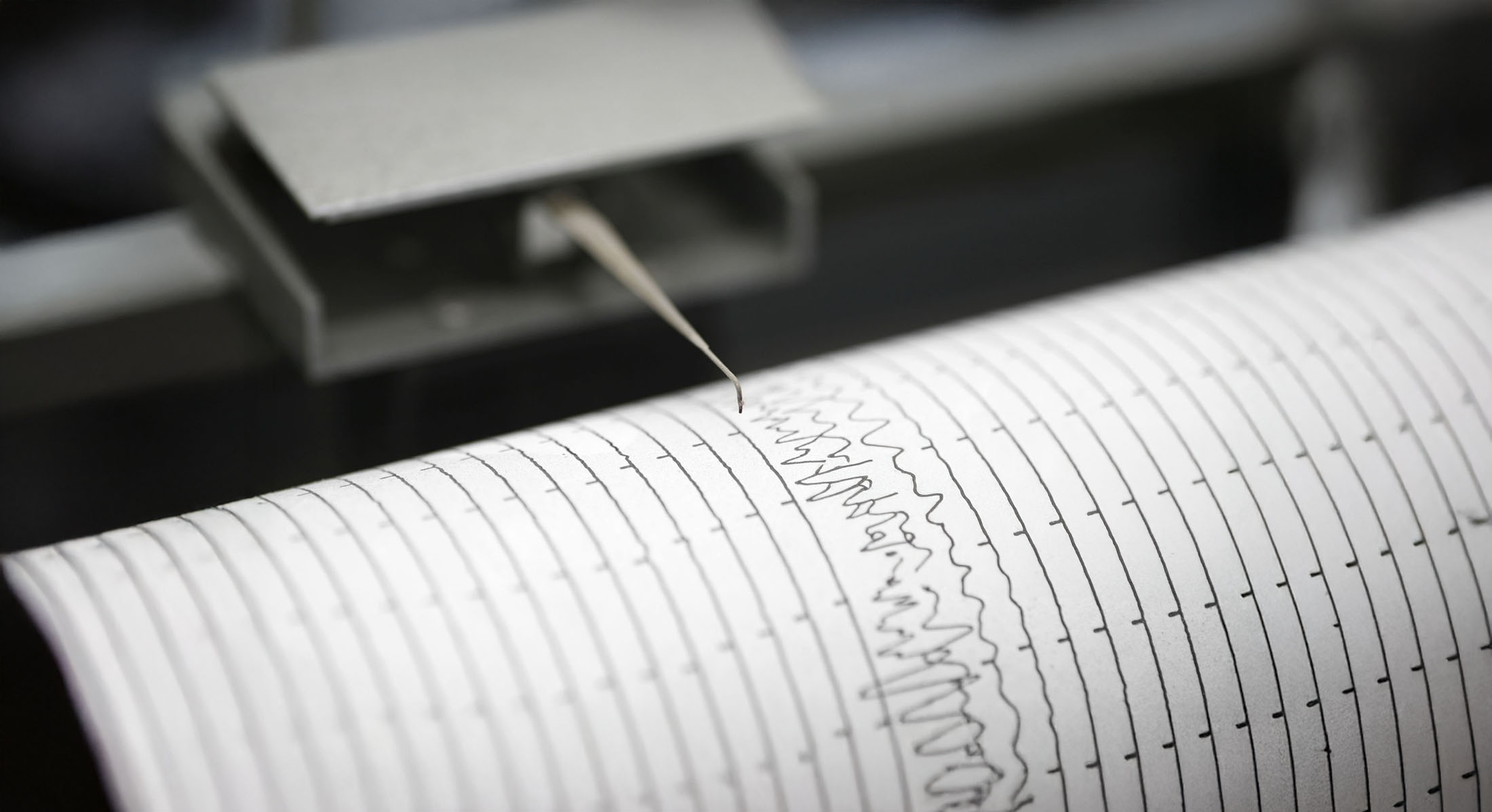
Measuring the Earth’s Tremors and the Development of the Richter Scale
In 1935, Charles F. Richter, a seismologist at CalTech, introduced a groundbreaking method to quantify earthquakes: the Richter scale.
-
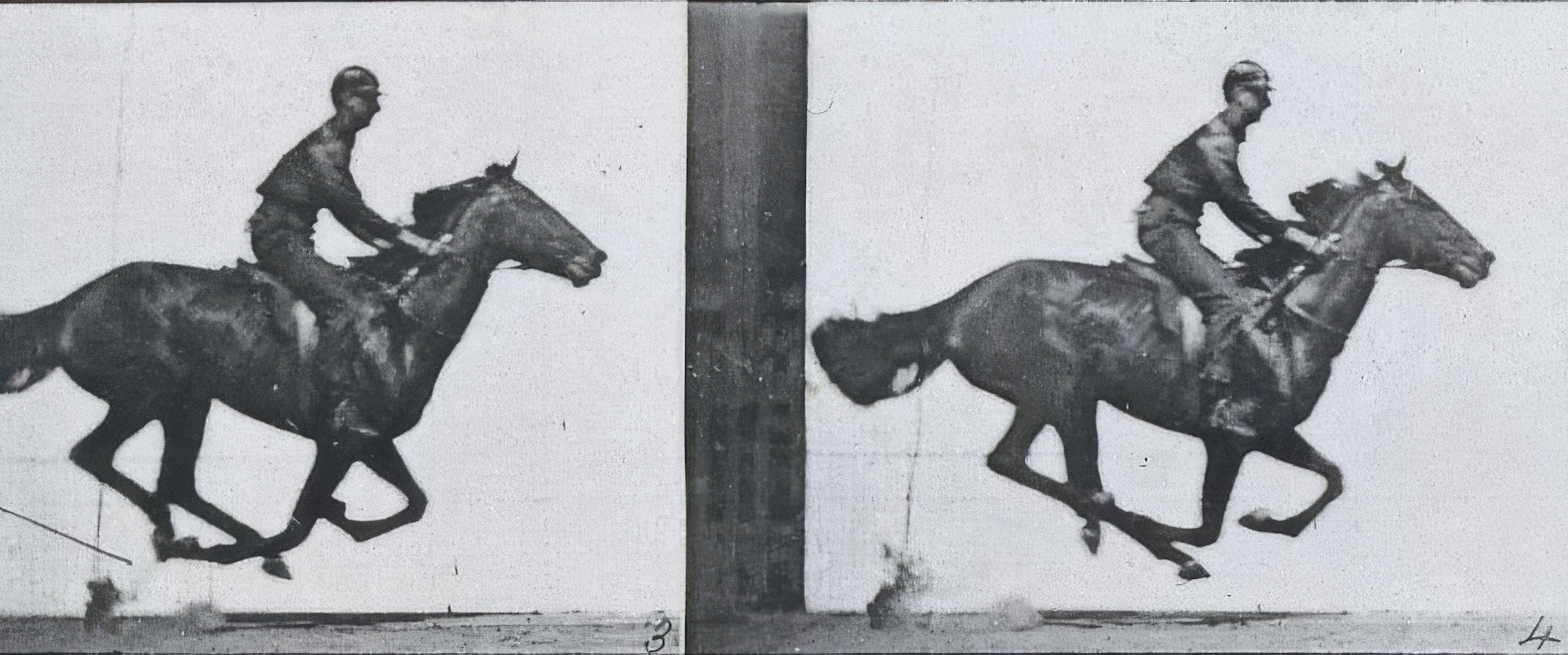
When Muybridge Made Motion Visible in Palo Alto
Eadweard Muybridge’s ‘Animal Locomotion’ was the first scientific study to use photography. Now, more than 130 years later, Muybridge’s work is seen as both an innovation in photography and the science of movement.
-

The Myth of the 100-foot Whale
So, according to the best records we have, the largest blue whale ever properly measured was 98 feet long. Granted, 98 feet is close to 100 feet, but it’s not 100 feet, and it’s certainly not over 100 feet, as so many otherwise reputable references state.
-
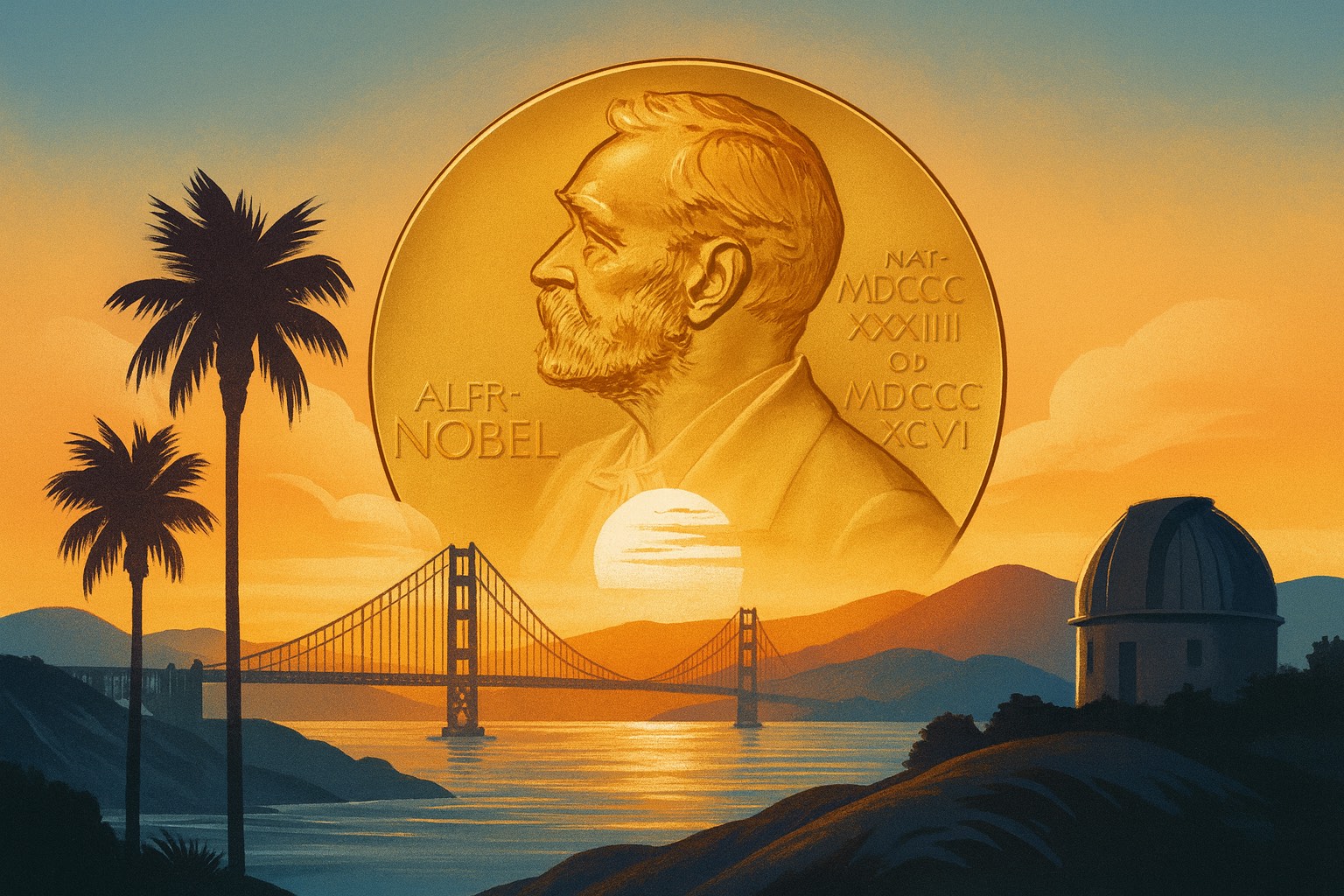
California Is a Nobel Powerhouse
The University of California system now counts 74 Nobel Prizes among its faculty and researchers. 23 in physics and 16 in chemistry. Berkeley leads the list, with 26 laureates, followed by UC San Diego, UCLA, UC Santa Barbara, and UC San Francisco. Even smaller campuses, such as UC Riverside, have ties to winners like Barry Barish, who shared the 2017 Nobel in Physics for detecting gravitational waves.
-
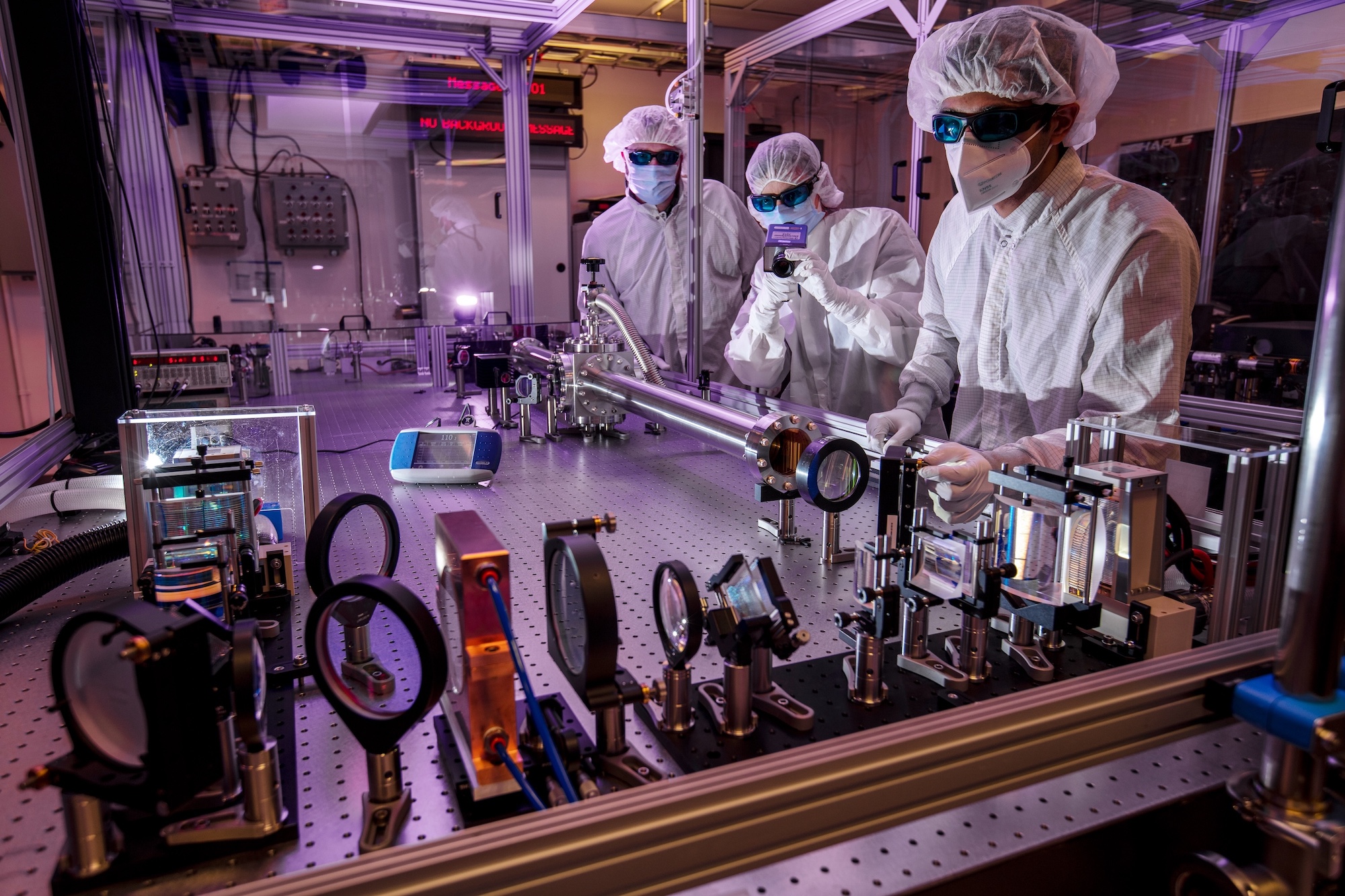
The Unsung California Labs That Powered the Digital Revolution
The technology is extreme ultraviolet lithography (EUV). And one of the most important points I want to leave you with is that the origins of EUV are not found in Silicon Valley startups or corporate boardrooms but in California’s national laboratories, where government-funded science made the impossible possible.
-

The Salton Sea Was California’s Strangest Catastrophe
In California’s southeastern desert, the Salton Sea stretches across a wide, shimmering basin, a lake where there shouldn’t be one. At about 340…
-

The Caltech Experiment That Proved How Life Copies Itself
The Meselson-Stahl experiment didn’t just prove a point. It told a story about how knowledge is built: carefully, creatively, and with a precision that leaves no room for doubt. It became a model for how science can answer big questions with simple, clean logic and careful experimentation. And it all happened in California.
-

California’s Eye on the Cosmos: The SLAC-Built Camera That Will Time-Lapse the Universe
Images from the most powerful astronomical discovery machine ever created, and built in California A breathtaking zoomed-in glimpse of the cosmos: this first image from the Vera C. Rubin Observatory…
-
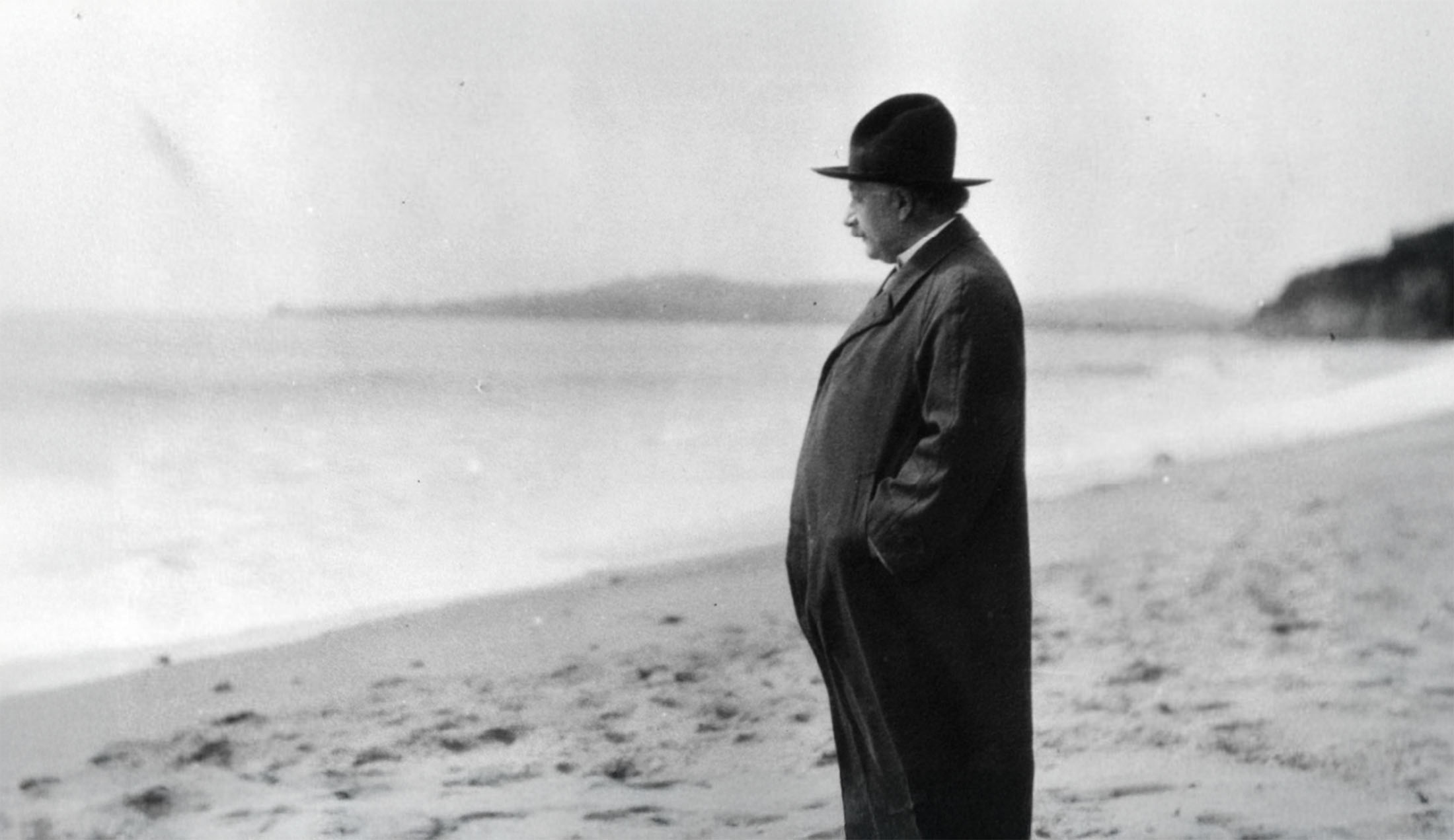
Caltech’s Einstein Papers Project Is a Window Into Einstein’s Mind
In a small building near Caltech, scholars have spent decades collecting and annotating everything Albert Einstein wrote, from physics breakthroughs to letters to Freud and Gandhi. Much of it is free online.
-
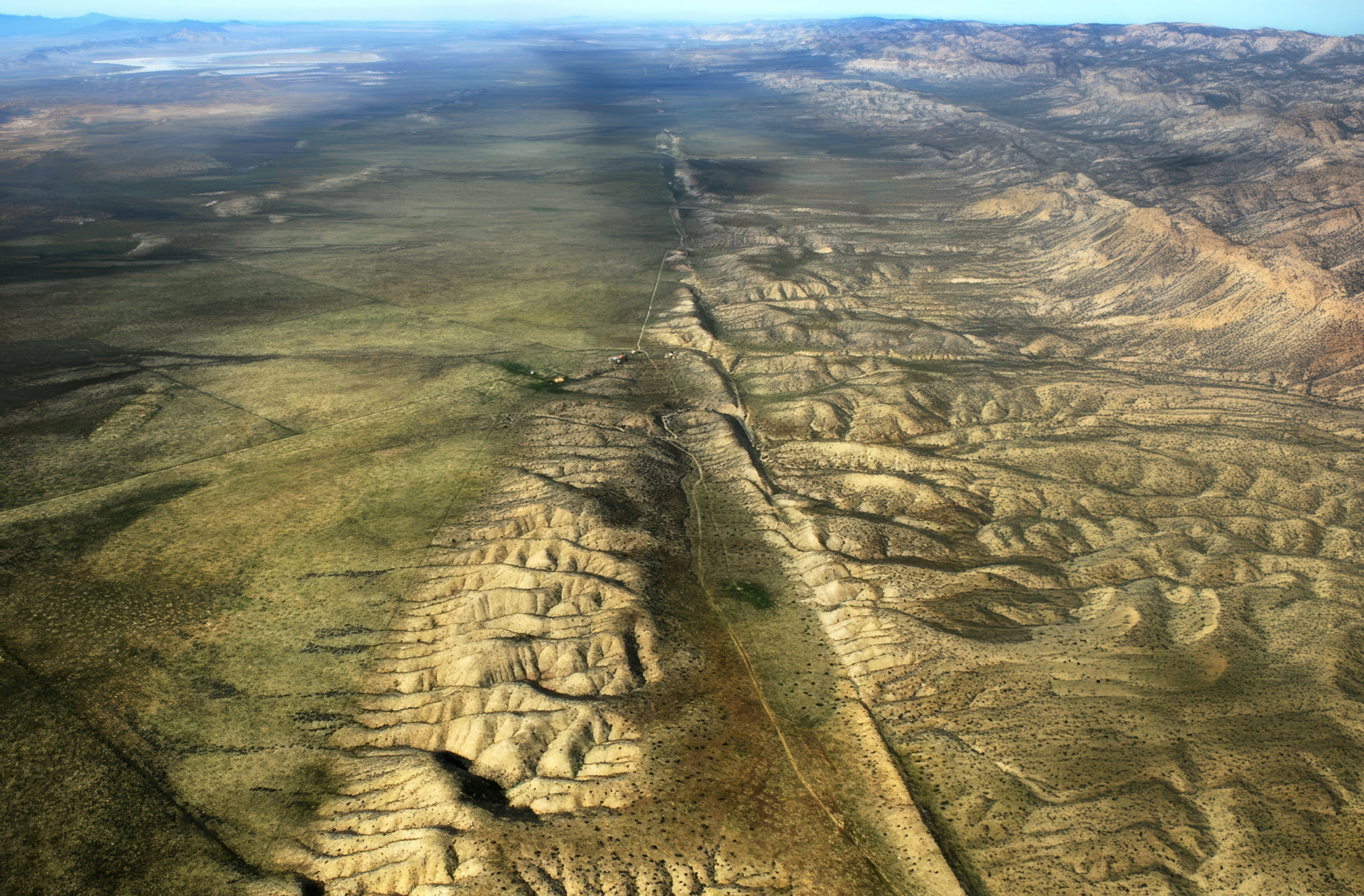
How a 1969 Meeting at Asilomar Made California the Center of the Plate Tectonics Revolution
In December 1969, geologists gathered at Asilomar in Pacific Grove, and plate tectonics finally clicked. How the theory explained California’s earthquakes, mountains and jumbled rocks.
-
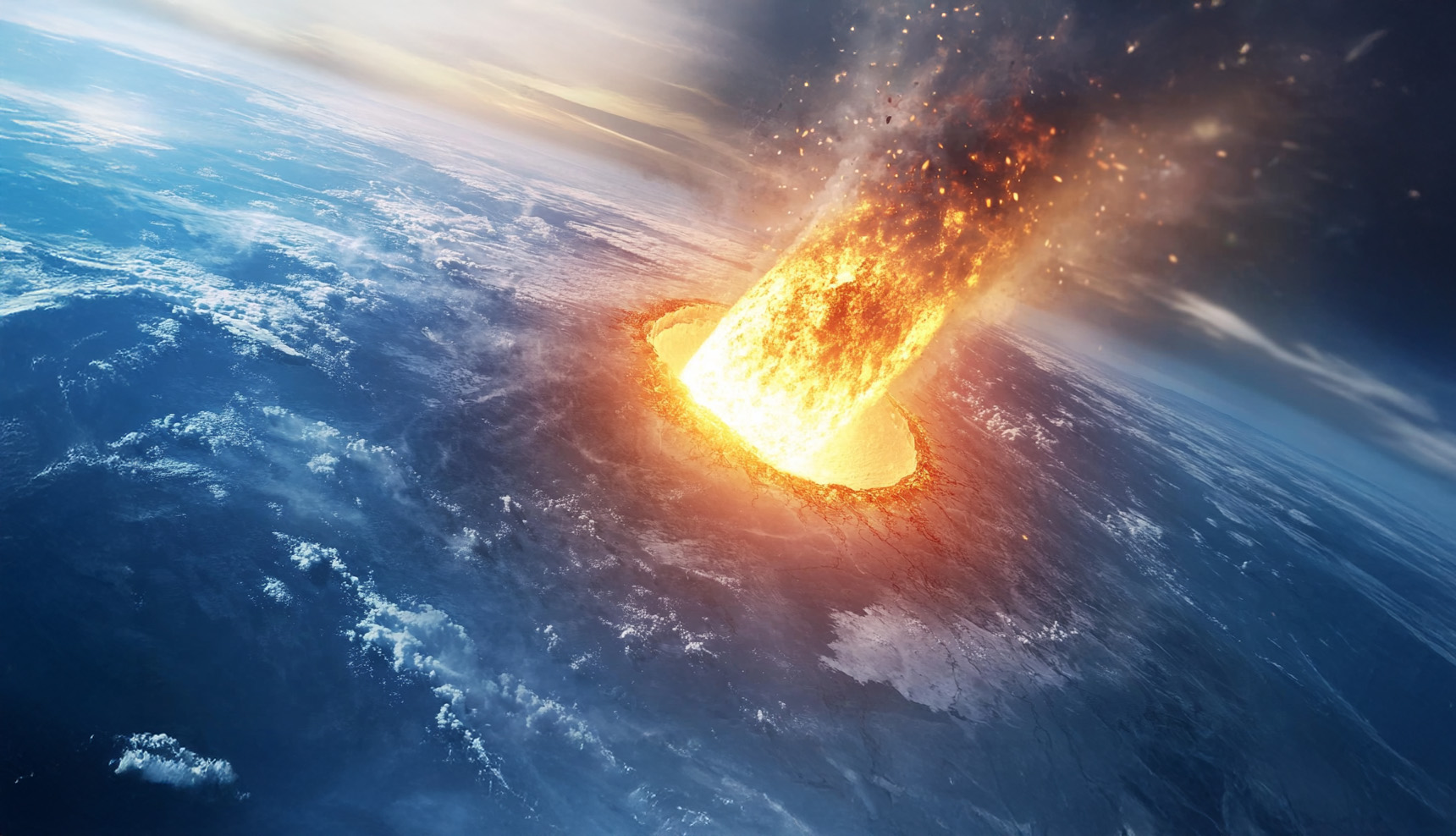
Berkeley’s Cosmic Breakthrough and the Alvarez Discovery That Rewrote Earth’s History
The Alvarez’ work led to one of the most significant scientific breakthroughs of the 20th century: the discovery that a massive meteorite impact was responsible for the extinction of the dinosaurs and much of life on Earth.
-
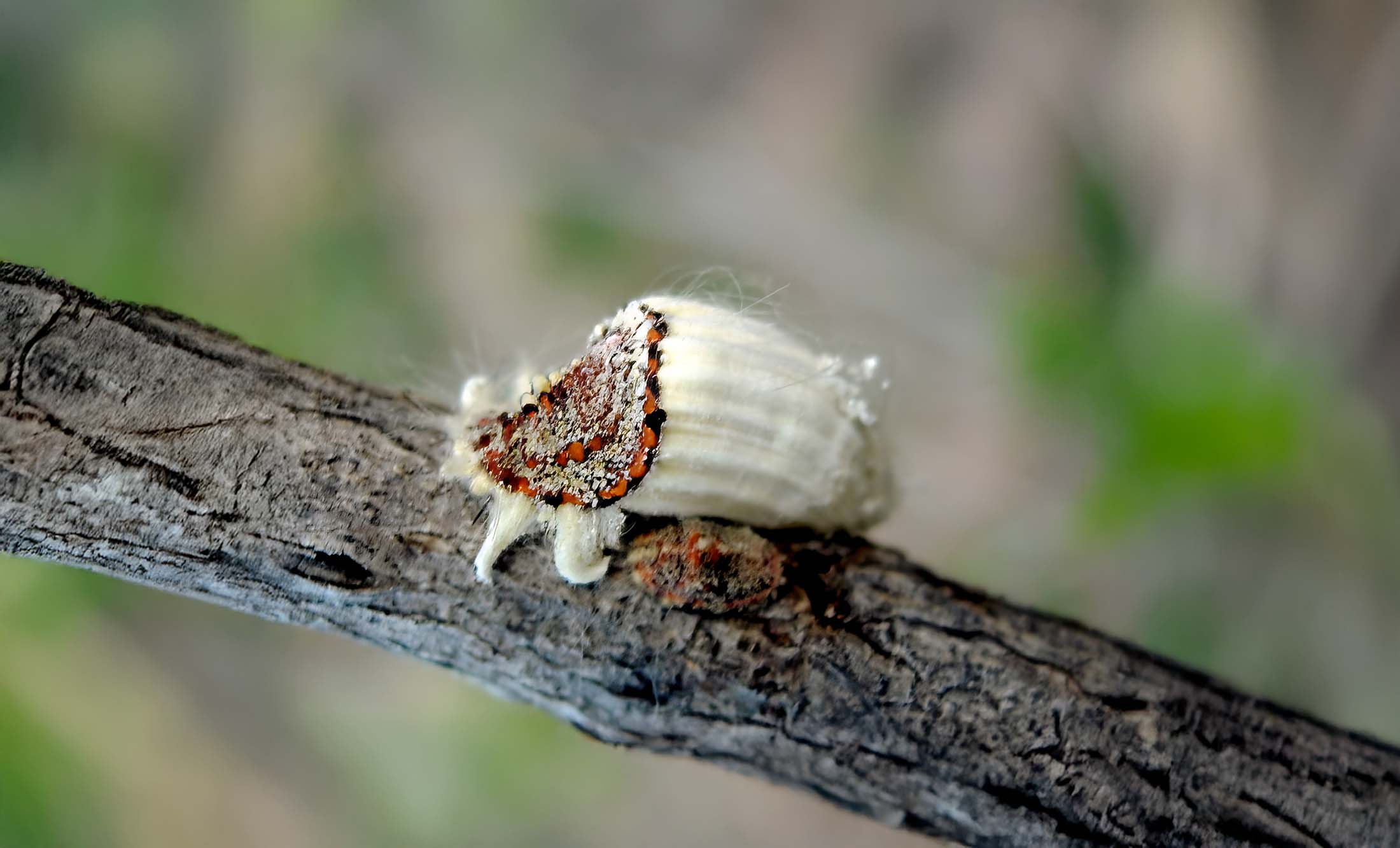
How a Tiny Beetle Helped Save California
In the 1880s, an Australian insect was killing California’s orange groves. A USDA entomologist smuggled in a tiny ladybug that wiped it out, the world’s first great success in biological pest control.
-

Walter Munk was a Californian Oceanographer Who Changed Our Understanding of the Seas
Photo: Erik Jepsen (UC San Diego) Walter Munk, often referred to as the “Einstein of the Oceans,” was one of the most influential oceanographers of…
-

All the Fish We Did Not See: How a WWII Sonar Glitch Off San Diego Revealed the Ocean’s False Bottom
In 1942, Navy sonar off San Diego found a mysterious ‘false bottom’ hundreds of feet down. It turned out to be alive: the deep scattering layer, part of the largest animal migration on Earth.
-

Cadillac Desert Is Still the Book to Read About California Water
Marc Reisner’s 1986 Cadillac Desert tells how the American West moved its rivers to grow, and what it cost. Nearly 40 years later, it’s more relevant than ever.
-

The USS Independence, a WWII Carrier That Survived Two Atomic Bombs, Lies Off San Francisco
The USS Independence fought across the Pacific, survived two atomic bomb tests at Bikini Atoll and was sunk off San Francisco in 1951. Found in 2015, it’s now a deep-sea reef.
-

The Sierra Nevada Batholith, the Giant Block of Granite Under Half Dome and Mount Whitney
Half Dome, El Capitan and Mount Whitney are all part of the Sierra Nevada Batholith, a mass of granite 450 miles long that formed miles underground. Here’s how it got there and how it was uncovered.
-

The Magic, Wonder, and Science of Ocean Bioluminescence in Southern California
The phenomenon that causes the blue glow has been known for centuries, but that in no way detracts from its wonder and beauty. The phenomenon is called bioluminescence, and it is one of nature’s most magical and interesting phenomena.
-

Santarosae, the Lost Ice Age Island Off California, Had Pygmy Mammoths and Some of America’s First People
During the Ice Age, four of the Channel Islands were one big island called Santarosae, home to pygmy mammoths and some of the earliest people in the Americas. Rising seas drowned most of it.
-

New Research Sheds Light on the Saber-Toothed Cats of California, Fierce Predators of the Pleistocene
Among the region’s Pleistocene Epoch megafauna, the Saber-toothed cats are some of the most iconic prehistoric predators to have roamed California.
-

Why John McPhee’s Assembling California Is Still the Best Book on California Geology
John McPhee’s Assembling California, written with geologist Eldridge Moores, explains how the state was pieced together by plate tectonics. Here’s why it’s still the book to read, and what’s changed since.
-

Why Parkfield, California is the Nation’s Earthquake Capital
In Parkfield, every hillside and valley, grassy nook and riverbed is home to some kind of instrument that measures earthquakes. Over the years, these instruments have become more sophisticated and expensive, making it necessary in many cases to fence them off with the threat of arrest. These instruments monitor, hour by hour, or better, millisecond by millisecond, the stirrings of the earth. To geologists, it is ground zero for seismic measurement.
-

How Theodore Roosevelt’s 1903 trip to California gave birth to modern conservation
Theodore Roosevelt’s 1903 trip to California gave birth to modern conservation.
-
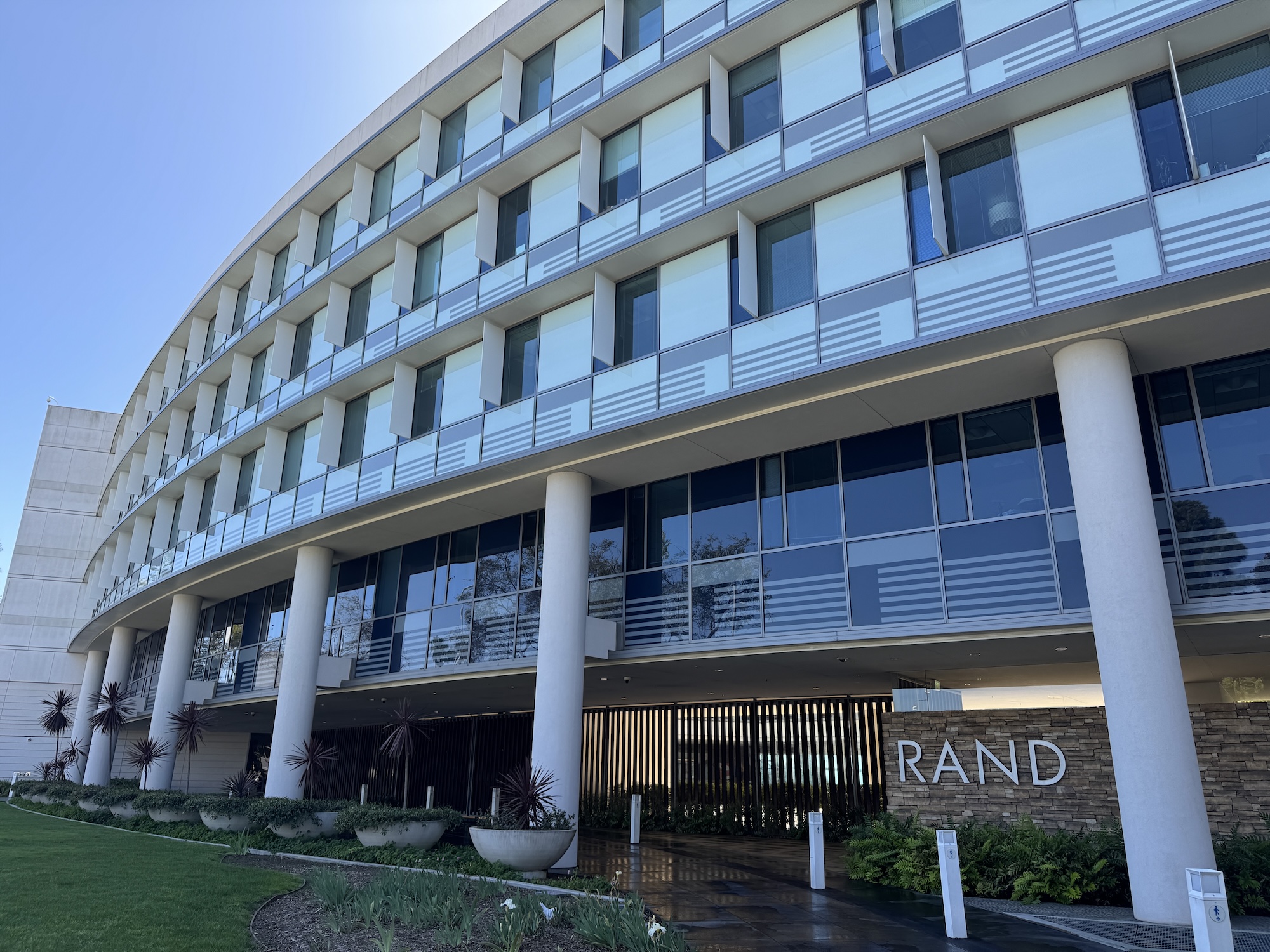
Beyond the Beach: How Santa Monica Became Home to the RAND Corporation, America’s Premier Defense Think Tank
“This was a very smart bunch,” said Ellsberg, before his death on June 16, 2023. “The smartest group of people I ever did associate with. It turns out, by the way, intelligence is not a very good guarantee of wisdom.”
-

Caltech Fly Labs and a Century of Genetic Discovery
And much of the work to understand the fruit fly has taken place and is taking place now, right here in California at the Cal Tech fly labs.
-

Pasadena Is One of the Great Science Cities on Earth
Pasadena is known for the Rose Bowl, but it’s also home to Caltech, JPL, Carnegie Observatories and the Planetary Society. Here’s how a pleasant Southern California suburb became a science powerhouse.
-

From Desert Treasures to Resilient Glass: How a California Boron Mine Transformed the World
Acknowledgment: Many of my stories begin with something I come across while reading. Often, it is a…
-

The Pacific Coast Highway (PCH): Icon of American Scenic Roadways
The Pacific Coast Highway — California's iconic Highway 1 — winds 655 miles along one of the most dramatic coastlines on Earth. Here's its history, geology, and what makes it legendary.
-

Julia Platt was the Unwavering Force Behind Monterey’s Ecological Conservation
In the 18th century, when Spanish and French explorers ventured along the northern California coast they encountered…
-

JPL and the Voyager Golden Record, Humanity’s Mixtape for the Stars
In 1977, JPL sent two gold-plated records into space aboard the Voyager probes, loaded with music, whale songs, greetings in 55 languages and a kiss. Here’s what’s on them and how they were made.
-

Geologist Thomas Dibblee Jr. and the Theory Behind Pinnacles National Park’s 200-Mile Tectonic Journey
Pinnacles National Park’s wide landscape of dramatic rock formations and craggy spires looks otherworldly, especially in golden hour light. But few people who visit the park, located in Central California, southeast of the San Francisco Bay Area, are aware that the rock formations were once at the center of one of the most fierce debates in the history of California geology.
-

The Blythe Intaglios Are California’s Own Nazca Lines
Giant human and animal figures, the largest 171 feet long, are scraped into the desert near Blythe. Nobody knows exactly how old they are or why they were made. California’s little-known geoglyphs.
-

SLAC, the Two-Mile Machine Behind Stanford That Changed Physics
SLAC National Accelerator Laboratory, near Stanford, helped discover quarks, hosted the first U.S. website and built the world’s largest digital camera. Today its X-ray lasers film chemistry in action.
-

Roadcut Revelations: Unearthing California’s Deep History Along the Highway
Roadcuts in California, those slices through hills and mountainsides made during the construction of roads, are like open books to geologists. They reveal the intricate and often dramatic geological history of the state.
-

The San Gabriel Mountains Are Still Growing. Here's Their Story
The mountains hovering above Los Angeles are geologically young, tectonically restless, and still getting taller.
-

The Eucalyptus Tree’s Twisted Path to Californian Soil
The California landscape is dotted with numerous plant species, many of them native , but few have a story as…
-

Mt. Wilson Observatory, Where We Learned the Universe Is Expanding
High above Los Angeles, Mt. Wilson Observatory is where Edwin Hubble discovered other galaxies and the expanding universe. It nearly burned in 2020, and you can still look through its telescopes.
-

How the Boysenberry Was Saved From a Weedy Lot and Built Knott’s Berry Farm
The boysenberry was bred in Anaheim, nearly lost and rescued by Walter Knott, whose roadside berry stand grew into Knott’s Berry Farm. The sweet, slightly tart story of a California original.
-

Einstein in Pasadena: Three Wonderful Winters in Paradise
Of all the places he visited, one city stood out in particular. Pasadena, with its warm weather, lively culture, and, most importantly, its reputation as a scientific hub, had a deep personal appeal to Einstein. He visited Pasadena during the winters of 1931, 1932, and 1933, each time staying for approximately two to three months.
-

Tejon Pass is a Journey Through Time, Terrain, and Tectonics
Tejon Pass — the dramatic gateway between the LA Basin and the Central Valley — is where the San Andreas Fault, ancient sea floors, and millions of years of California geology converge.
-
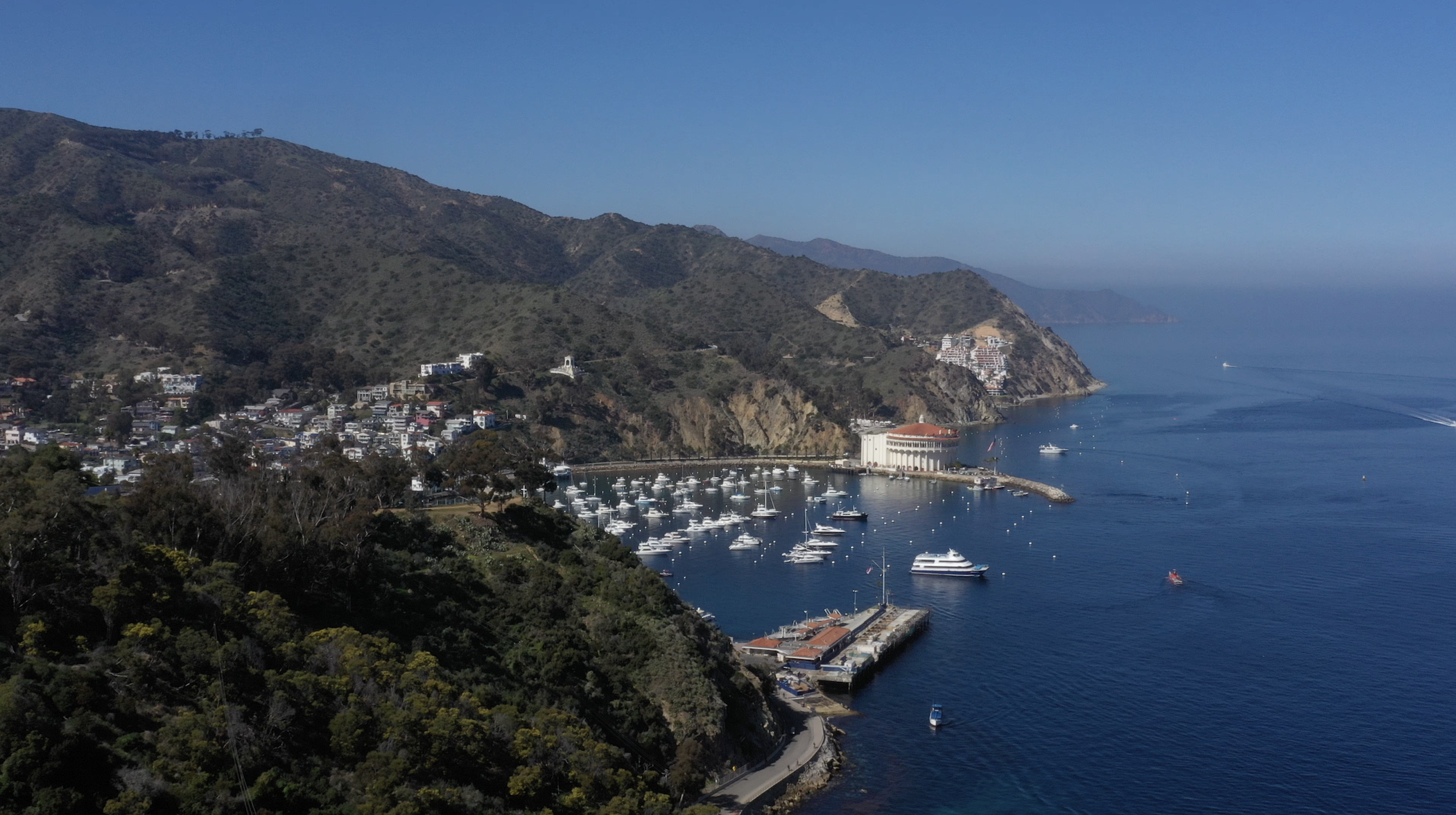
Hannes Keller’s Deadly 1,000-Foot Descent off Catalina Island Was the Dive of the Century
In 1962, Swiss diver Hannes Keller and journalist Peter Small rode a diving bell 1,000 feet down off Catalina Island to prove humans could work at impossible depths. It made history and cost two lives.
-

Baja California Is Slowly Breaking Away from the Mainland and May One Day Become an Island
The Baja California Peninsula is slowly being pulled away from mainland Mexico by powerful tectonic forces. As the Pacific Plate moves northwest, it is tearing the peninsula from North America, opening the Sea of Cortez and reshaping the landscape in a geologic process that continues today.
-
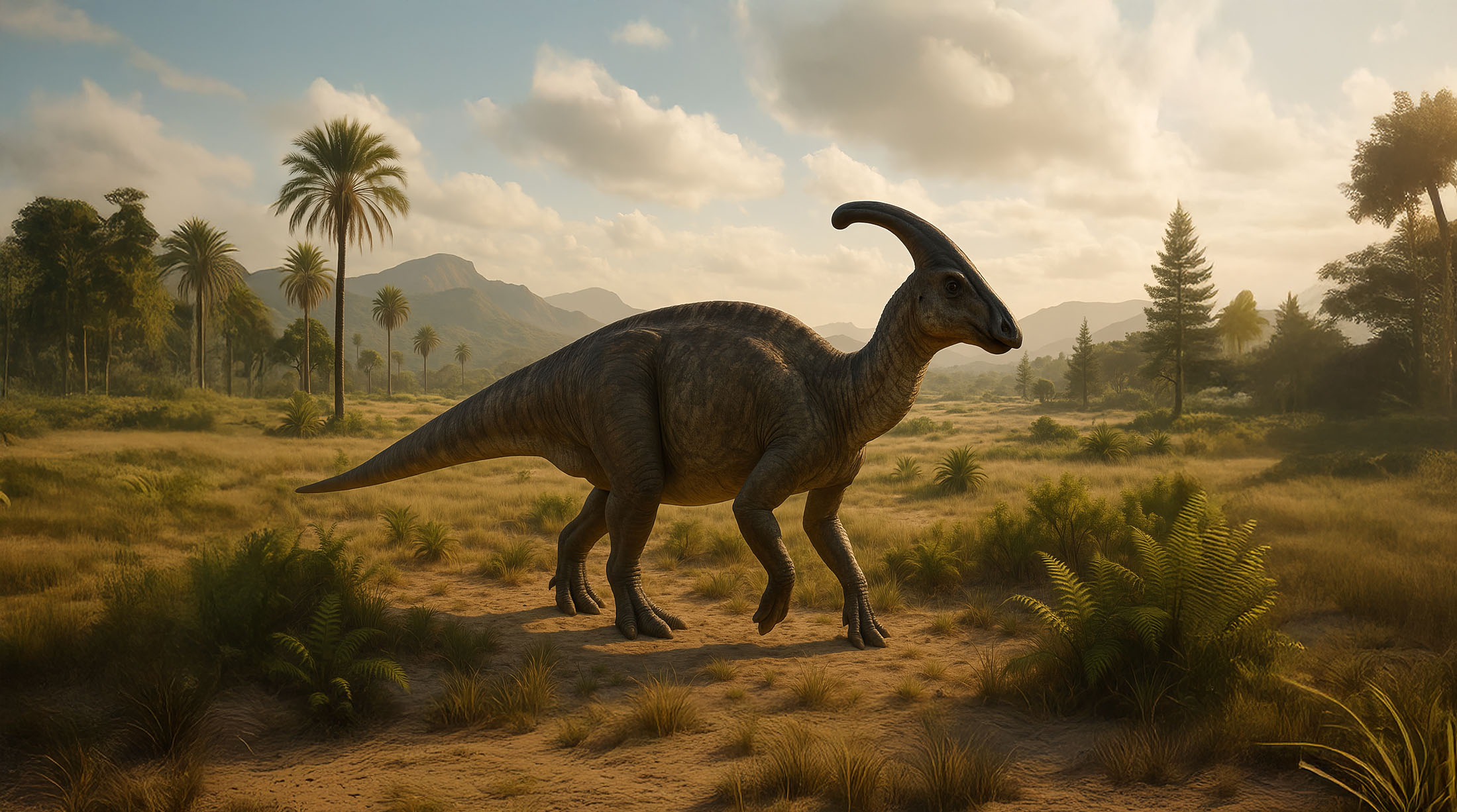
Why Are Dinosaur Fossils So Scarce in California?
Hadrosaur on ancient California landscape. Hadrosaurs like this AI generated one are among the very few dinosaurs whose fossils have ever been found in California. Support California Curated with a…
-

How Oranges Built Southern California
Before Hollywood and freeways, Southern California sold the world oranges. How navel and Valencia oranges, railroads and immigrant labor turned citrus into an industry that shaped the state.
-

Before Los Alamos, Oppenheimer Built the Atomic Age at Berkeley
J. Robert Oppenheimer spent 14 years at UC Berkeley, where he built a world-class physics program and colleagues discovered plutonium and invented the calutron. California’s role in the Manhattan Project.
-

The 1975 Asilomar Conference, Where Scientists Decided to Police Genetic Engineering
In 1975, scientists met at Asilomar on the Monterey Peninsula to decide whether genetic engineering was too dangerous. Their answer, self-imposed safety rules, shaped biotech for decades and still echoes in the CRISPR debate.
-

The Long Life and Accidental Death of Prometheus, One of the World’s Oldest Trees
Prometheus, a Great Basin bristlecone pine, was nearly 5,000 years old when a young scientist cut it down in 1964 to count its rings. The story of the tree, the mistake and the ancient bristlecones that still survive.
-

The Enduring Legacy of Hydraulic Mining in California
California's Gold Rush-era hydraulic mining reshaped entire mountains and choked rivers with debris. Its environmental legacy is still visible in the Sierra Nevada foothills today.
-

Maybe You’ve heard of Josiah Whitney, Mt. Whitney’s Namesake
Mount Whitney, the highest mountain in the contiguous United States, is one of the great peaks in California. A wildly popular destination for…
-

Serpentine, California’s Slippery, Controversial State Rock
California’s state rock is a chunk of the Earth’s mantle that ended up in the hills. Here’s how serpentine forms, why it nearly lost its title over asbestos and why rare plants love it.
-

The Los Angeles Aqueduct Cascades, Where LA’s Water Comes Tumbling In
Off Interstate 5 in Sylmar, water from the Eastern Sierra tumbles down the Los Angeles Aqueduct Cascades. The story of the 233-mile aqueduct, Mulholland’s “There it is. Take it.” and the cost to the Owens Valley.
-

The Rich Historical and Geological Past of the Alabama Hills
The hills are known for their unique geological formations, including massive rounded boulders and natural arches, and their rich history and cultural significance.
-

Clair Patterson: The little-known California scientist who may have saved millions of lives.
The Caltech geologist who proved leaded gasoline was poisoning all of humanity — and then spent decades fighting the oil industry to get it removed from the air we breathe.
-

The Majesty and Mystery of California’s Bristlecone Pines
Bristlecones are the longest living organism on earth. Gnarled and oftentimes squat, especially when compared to the majestic coastal redwoods and giant sequoias living near the coast further west, they hardly seem like mythical beings. But to scientists, they are a trove of information, offering clues to near immortality and to the many ways that the earth’s climate has changed over the last 5,000 years.
-
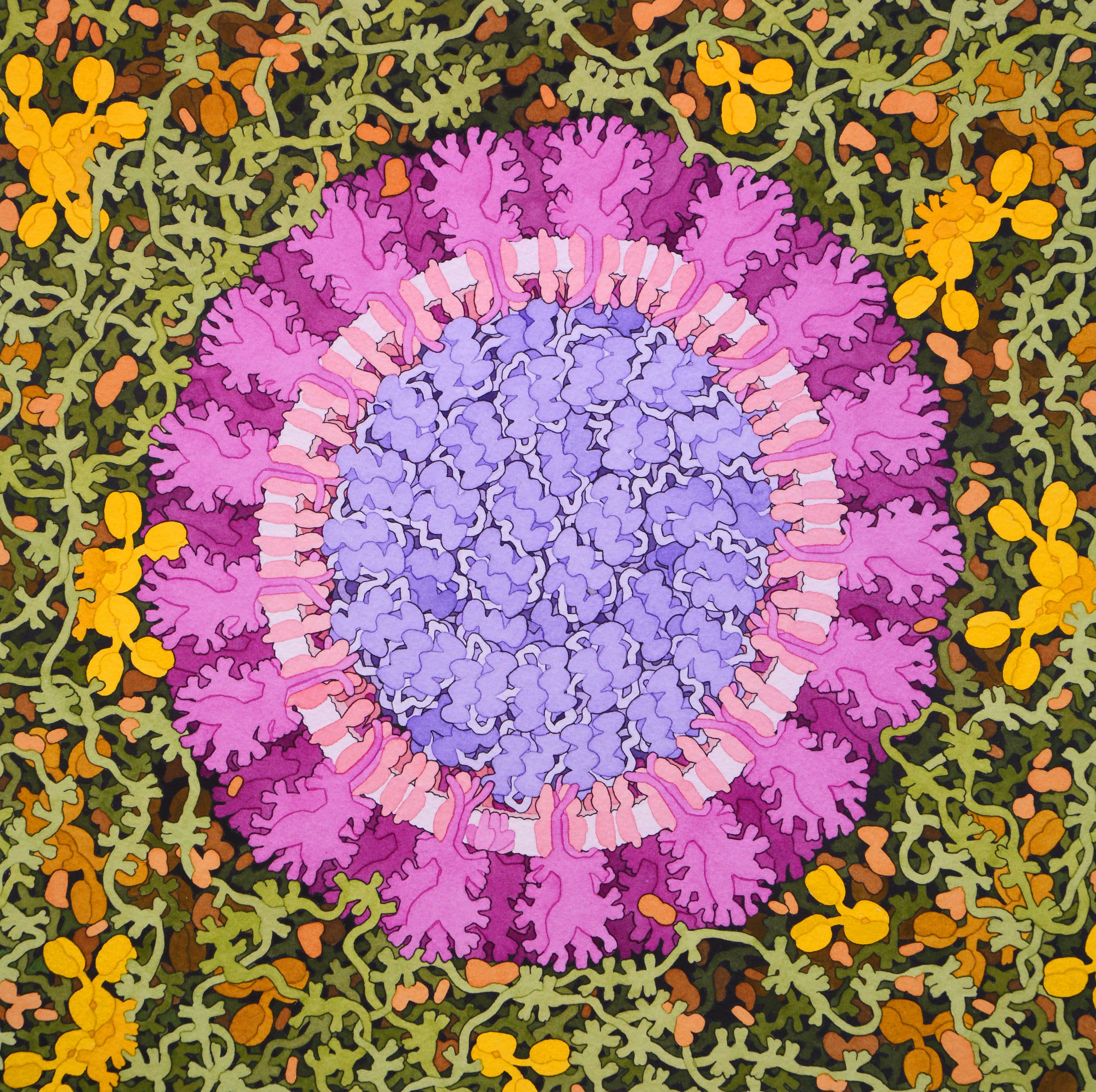
Beautiful, but Deadly: Painting the Coronavirus
Pandemic as art. You’ve seen it. Probably a thousand or more times by now. It’s the image of a greyish sphere, hanging in space, barbed with blood-red spikes. It looks like an undersea Navy mine……
-

The genius of Luther Burbank, father of the most famous potato in the world
Luther Burbank created some of the most successful fruits and vegetables in the world, all from his California farm.
-

Towing an iceberg from Antarctica isn’t a new idea.
It was proposed 70 years ago by a maverick California scientist at Scripps. Sign up for the California Science Weekly newsletter . Fresh California science every Friday! Annie Spratt…