
Section
Plants
California's remarkable plant life: giant sequoias, ancient bristlecone pines, Joshua trees, native oaks, kelp, wildflowers, and the botanical wonders of one of the world's most biodiverse regions.
-
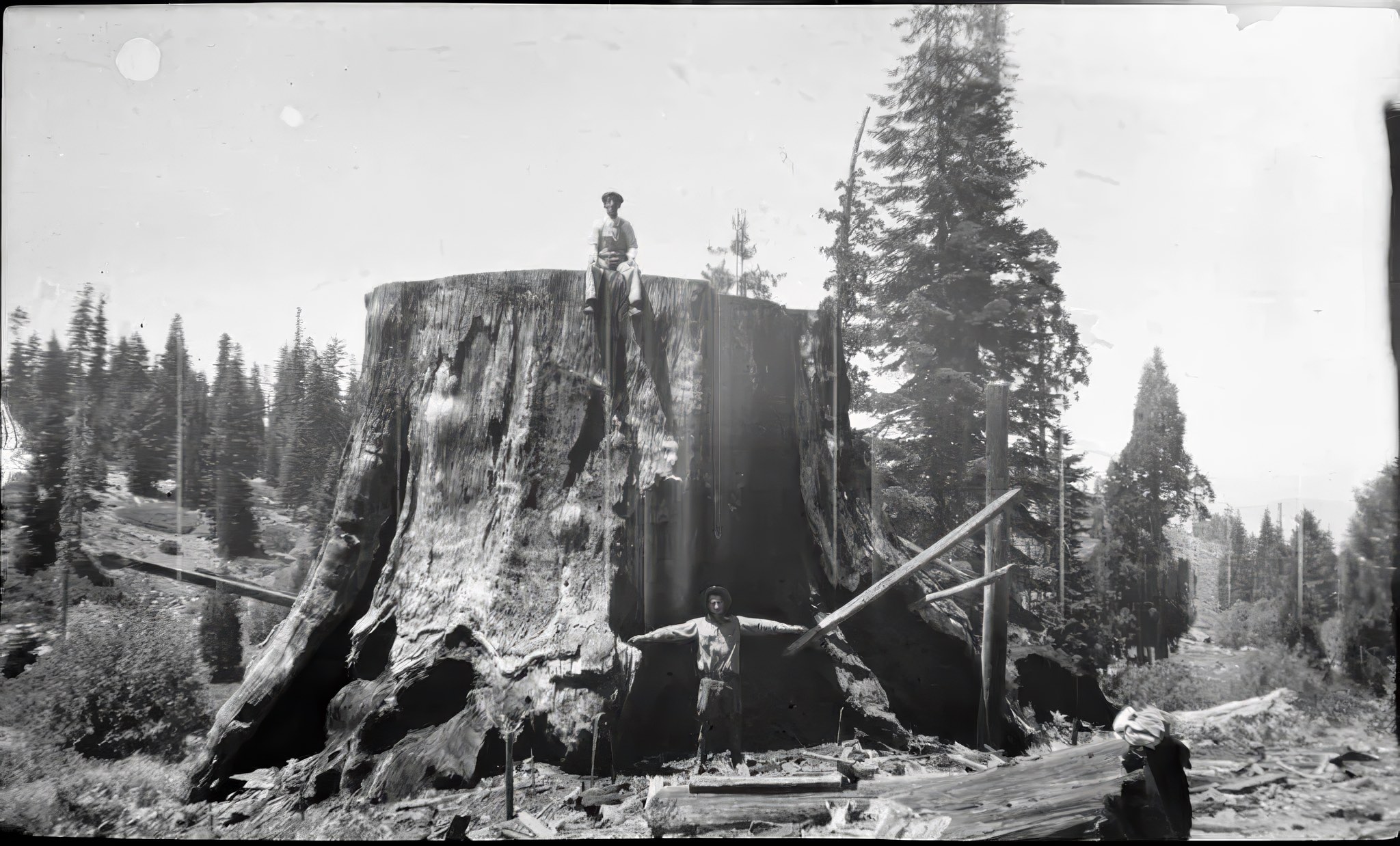
Giants Fallen: The Destruction of Converse Basin Grove and its Giant Sequoias
The true tragic story of one of the worst environmental crimes in California history.
-
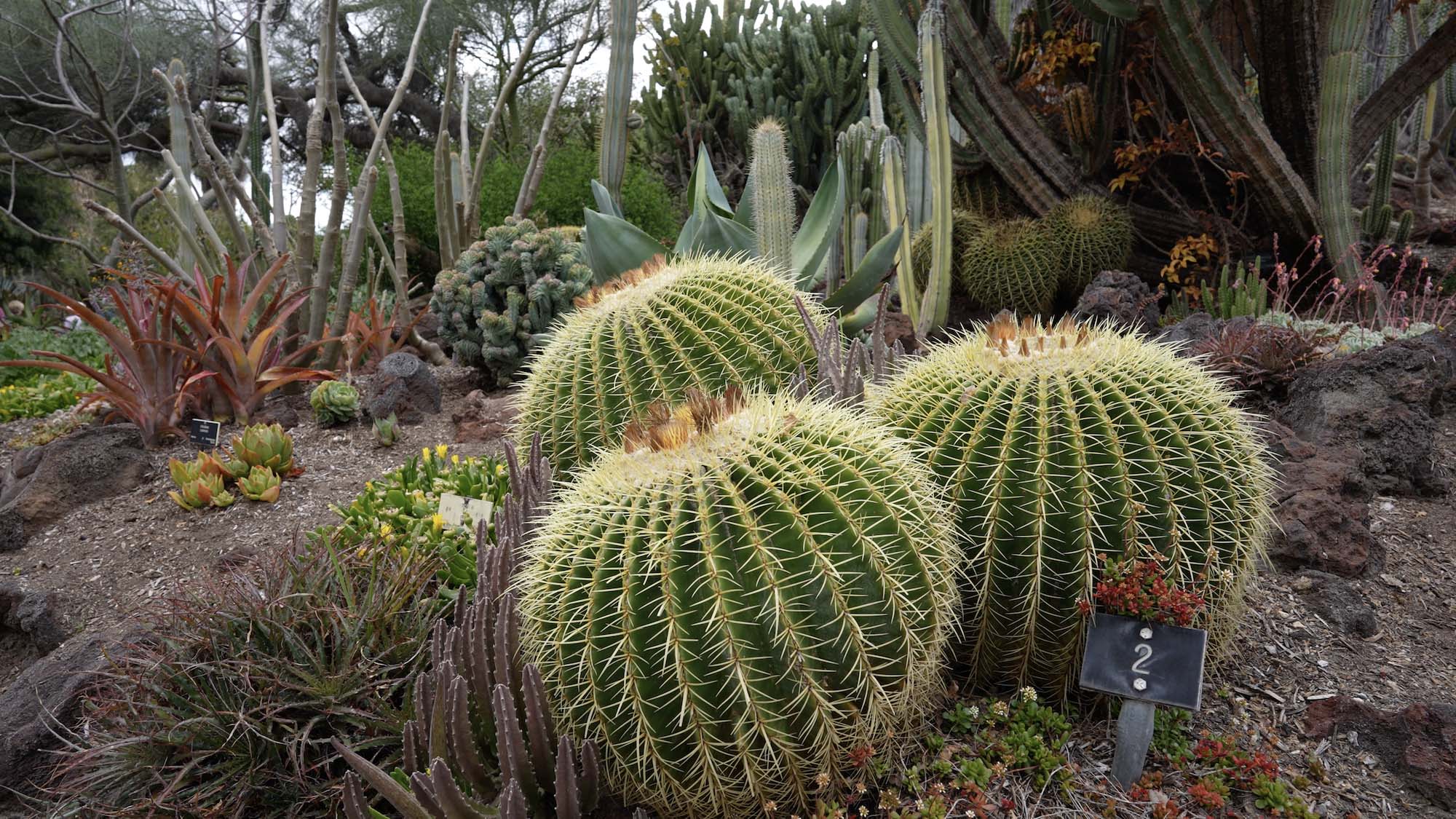
Inside The Huntington’s Extraordinary Succulent Garden
At The Huntington, one of the world’s great succulent collections reveals how plants from some of Earth’s harshest climates evolved to survive, even as many species face threats from plant theft.
-
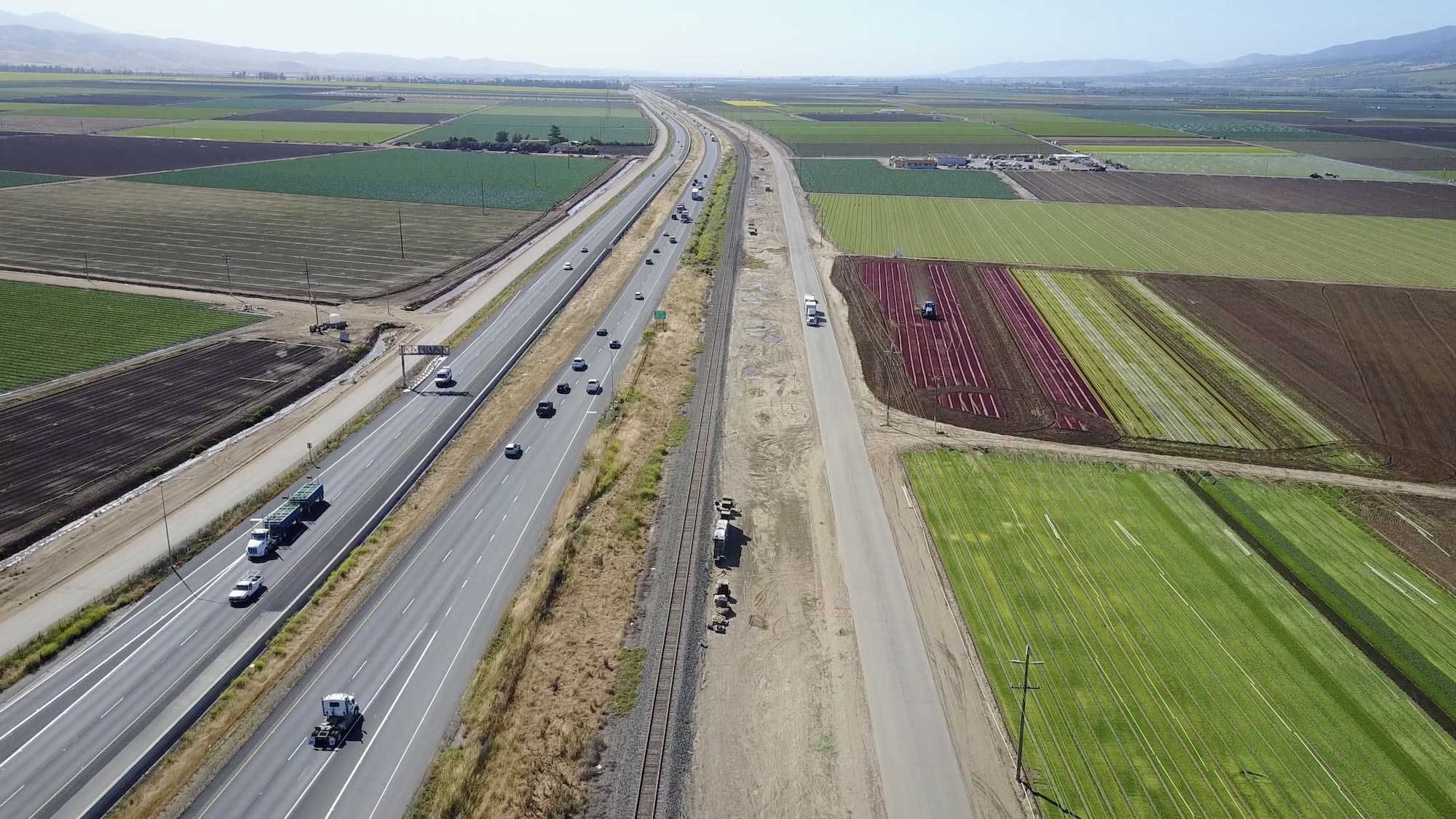
The Valley That Feeds a Nation
When it comes to a geological feature that has quietly shaped daily life in California more than almost any other, we should consider the Central Valley, arguably the state’s most important geological masterpiece.
-

Ancient and Poisonous Cycads Are the Prehistoric Plants of Southern California
These living fossils predate dinosaurs and bear some of the largest seed cones on Earth — yet most Californians walk past them in gardens without ever recognizing what they’re seeing.
-

Laurel Sumac, the Resilient Beauty of Southern California's Chaparral
Laurel sumac is one of Southern California's most resilient native shrubs — a chaparral cornerstone that shelters wildlife, survives fire, and thrives where other plants struggle.
-
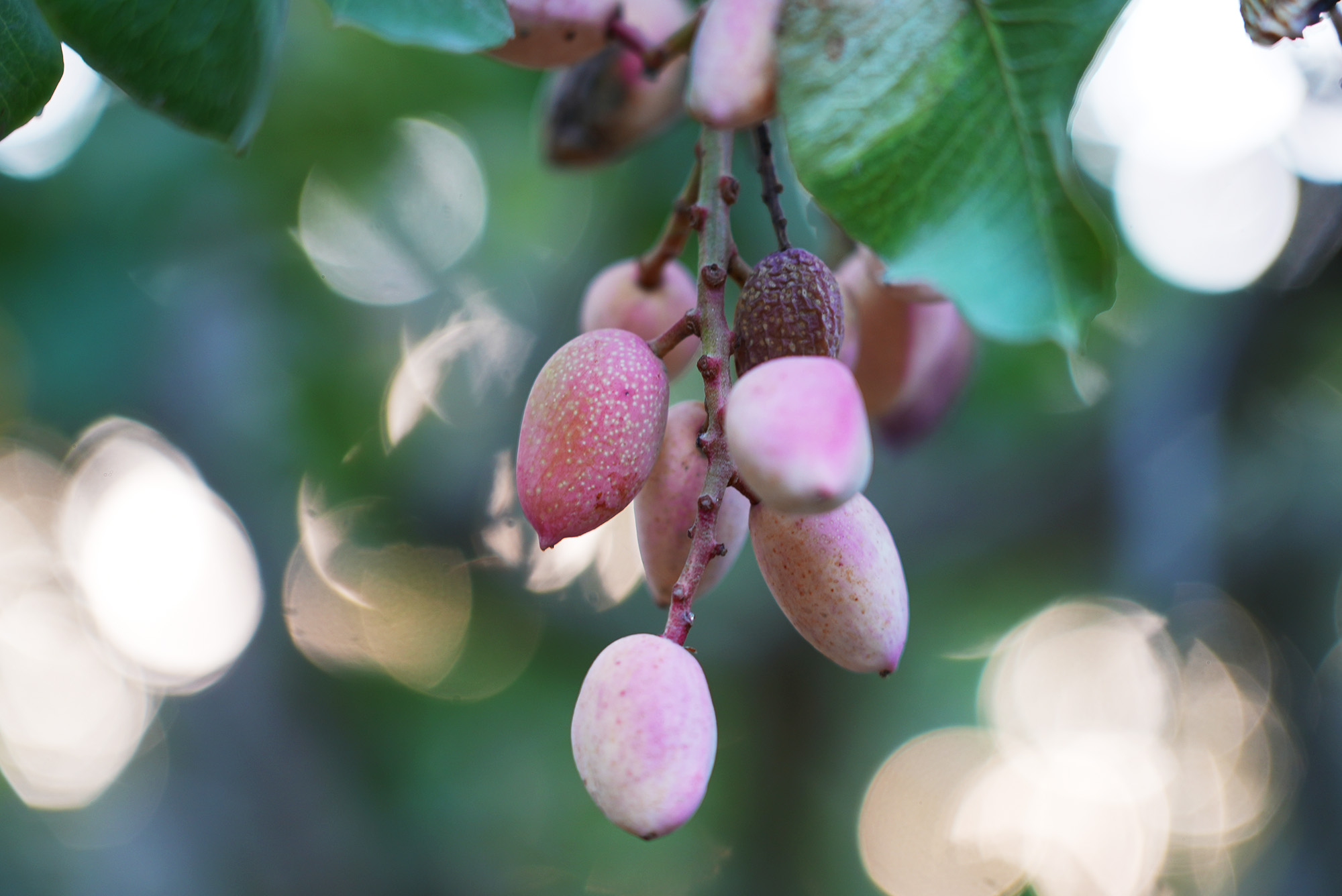
The Happy Nut: California’s Rise to Pistachio Power
California now grows more pistachios than any place on Earth, generating nearly $3 billion in economic value in the state. Nearly every nut sold in the United States, and most shipped abroad, comes from orchards in the Central Valley.
-
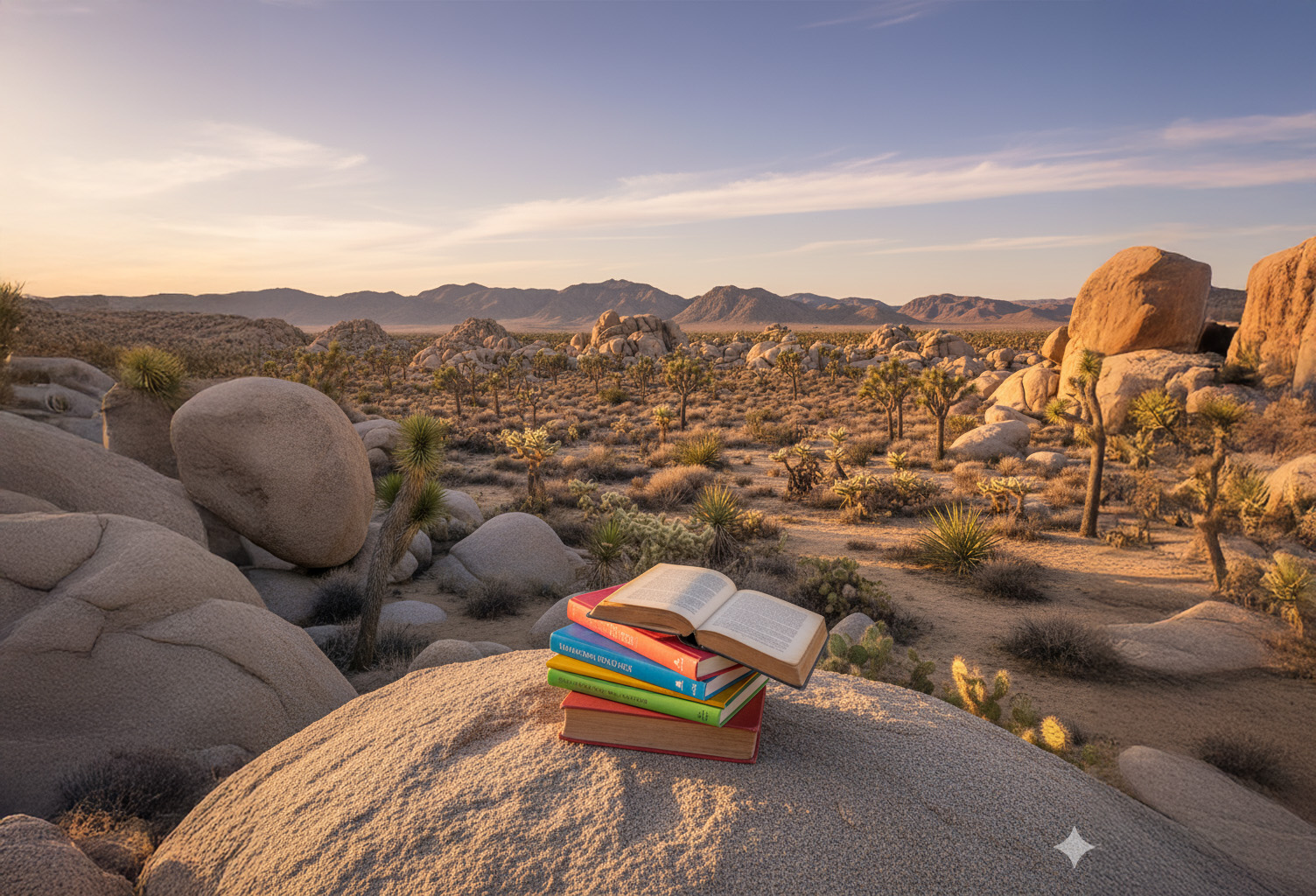
Ten Essential Books About California’s Nature, Science, and Sense of Place
I’m an avid reader, and over the past decade I’ve dedicated a large section of my bookshelf to books about California—its wild side, its nature, and its scientific wonders.
-
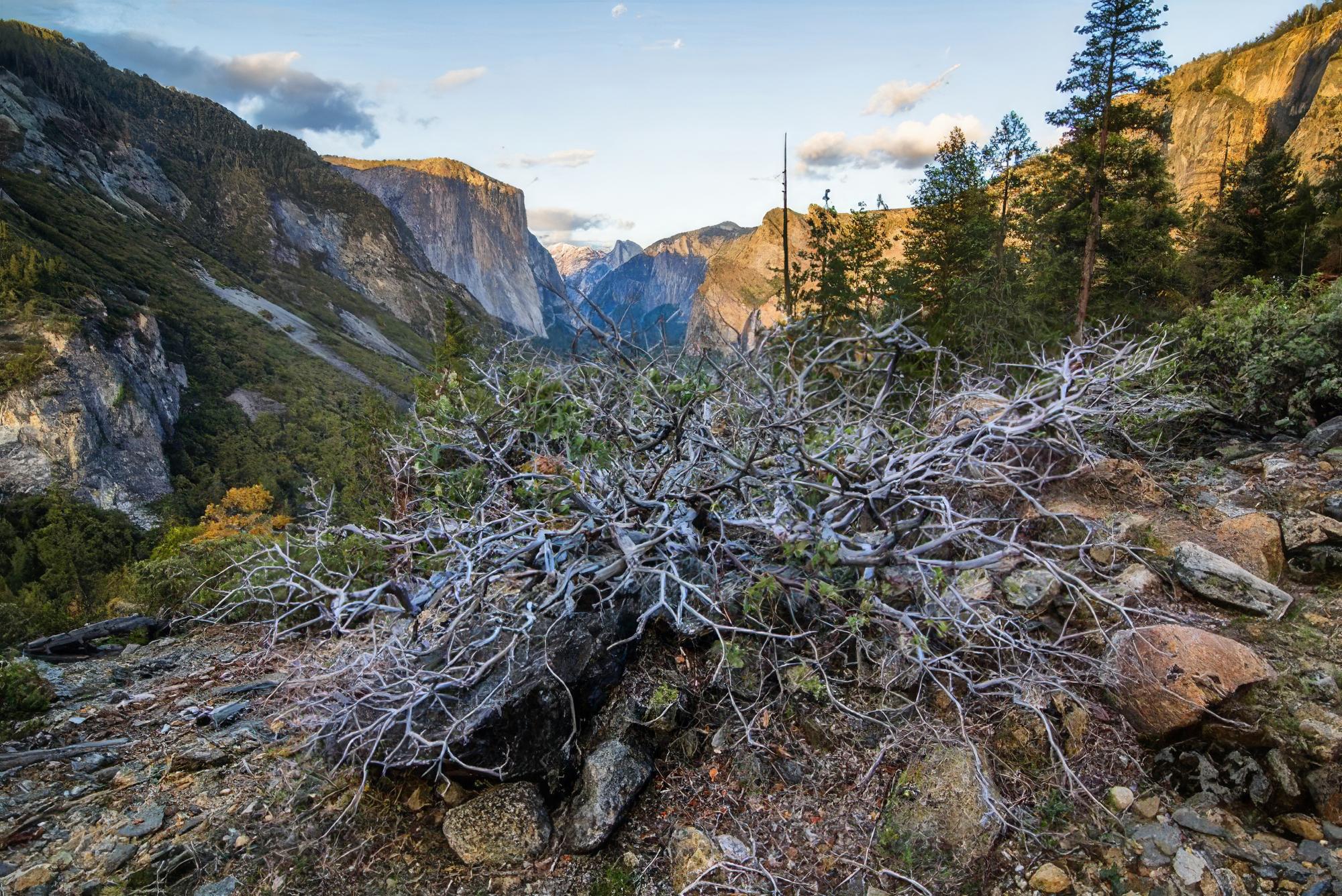
Manzanitas are California's Sculptured Survivors
With twisting, terra-cotta limbs and bark polished smooth by the sun, manzanita doesn’t just grow in California’s chaparral, it sculpts itself into the landscape.
-

The Channel Islands Are California’s Own Galápagos
Pygmy mammoths, island foxes and jays found nowhere else: California’s Channel Islands are a natural laboratory for evolution, and a conservation success story, just 12 miles off Ventura.
-
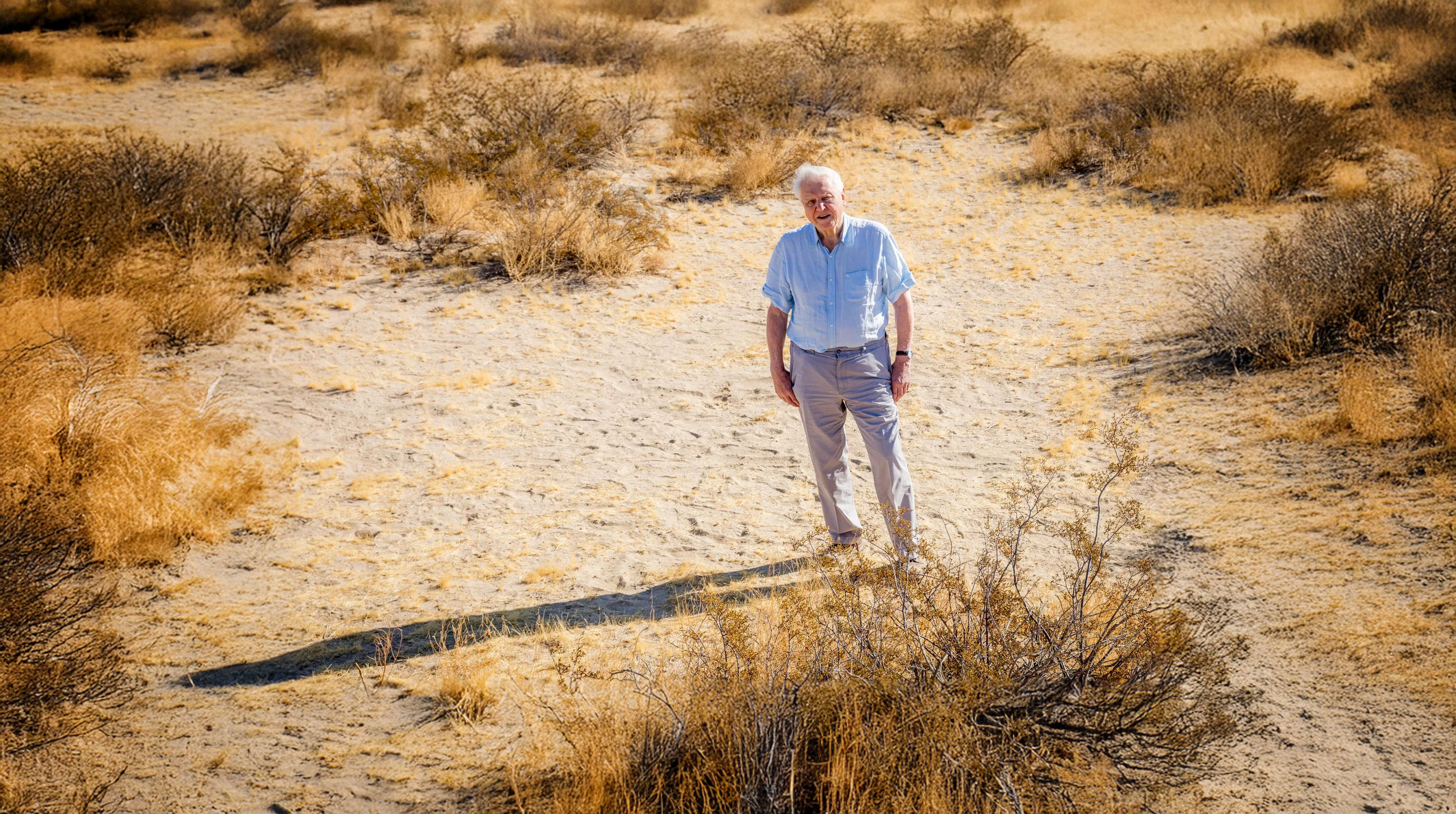
Creosote Bushes Are the Mojave Desert’s Time Travelers
In the Mojave Desert, one creosote plant known as “King Clone” is estimated to be over 12,000 years old, making it one of the oldest living clonal organisms on Earth.
-
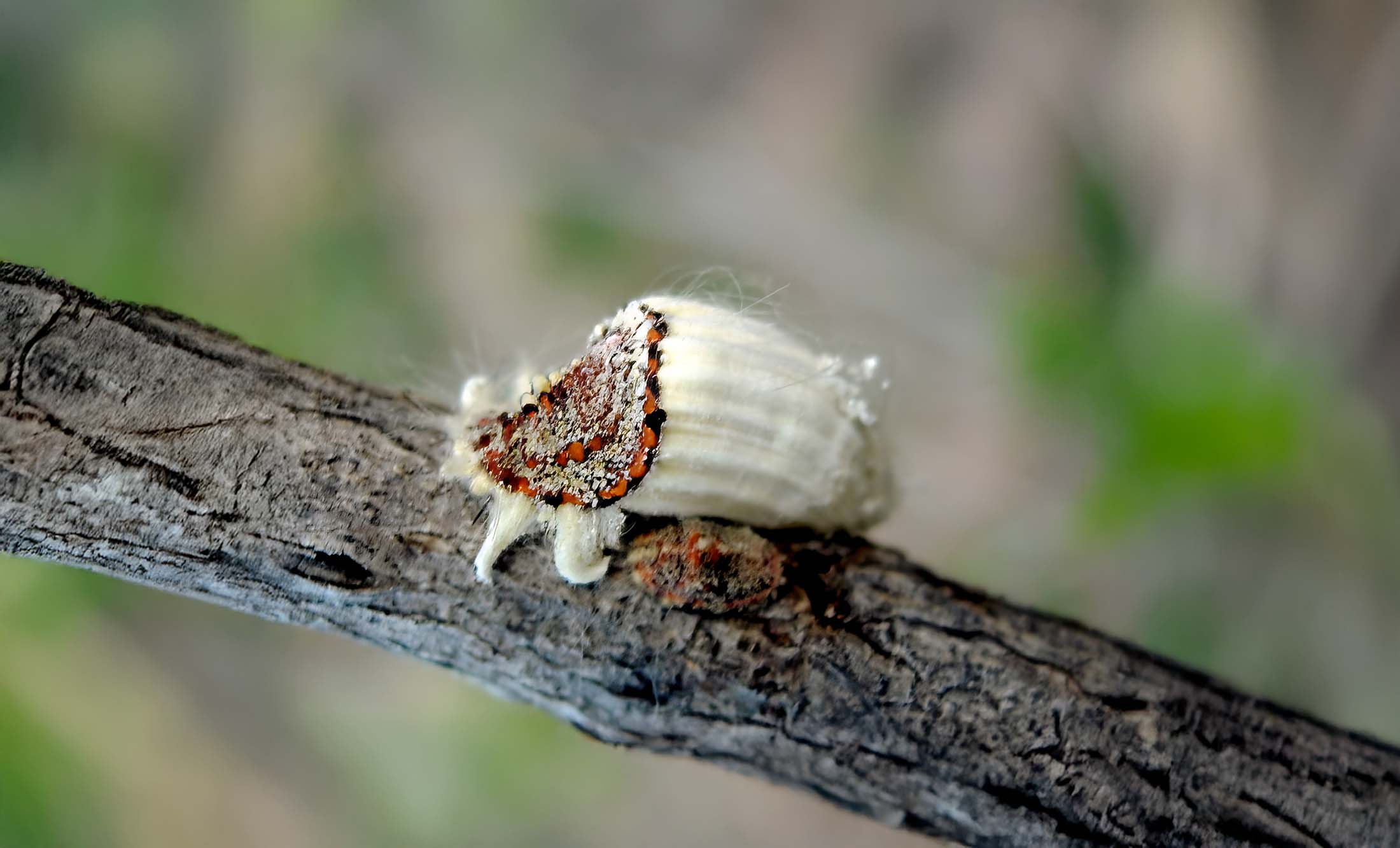
How a Tiny Beetle Helped Save California
In the 1880s, an Australian insect was killing California’s orange groves. A USDA entomologist smuggled in a tiny ladybug that wiped it out, the world’s first great success in biological pest control.
-
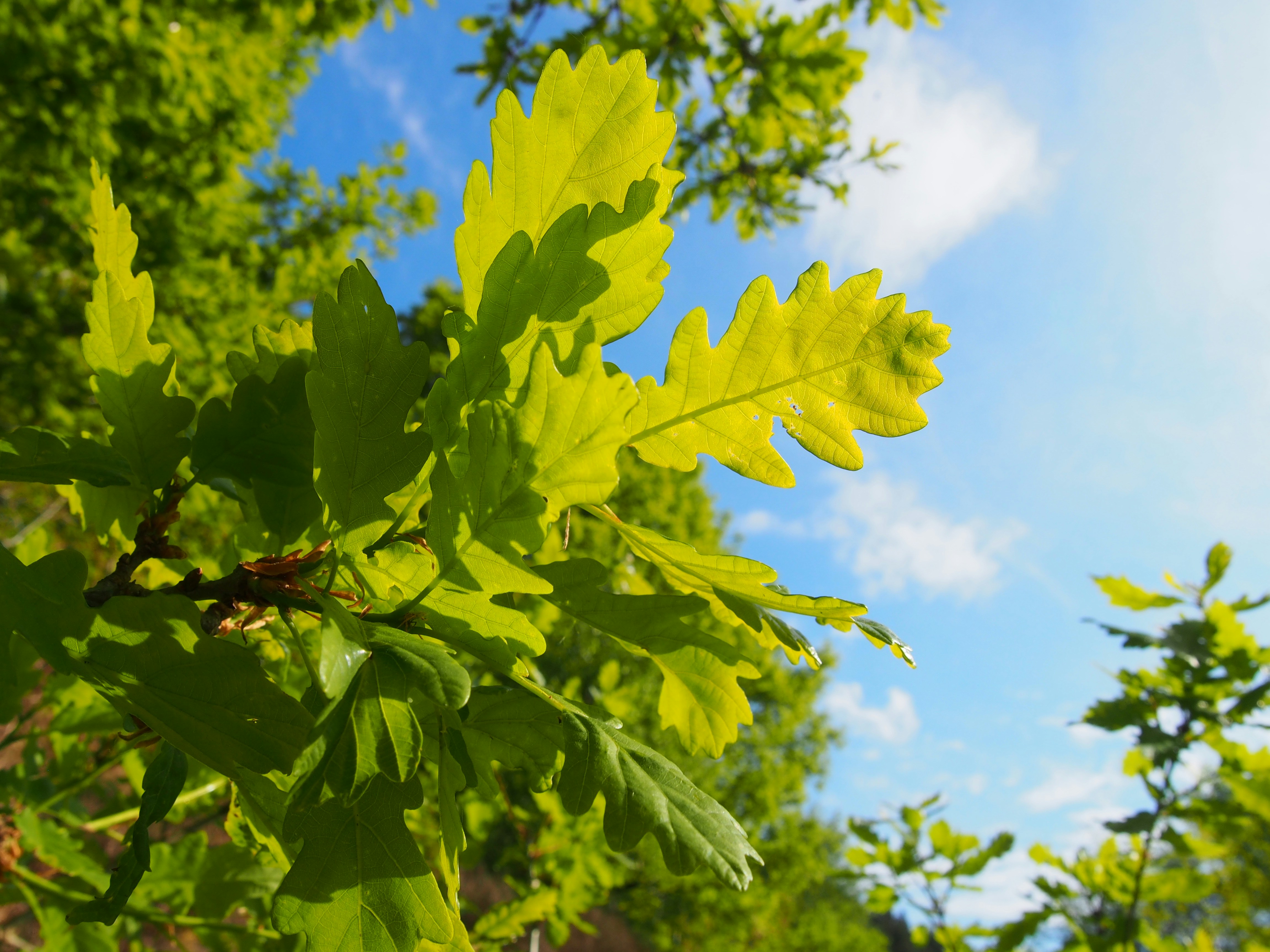
The Mighty Oaks of California Are a Keystone of the Golden State’s Ecosystem
California has about 20 kinds of oak, and they feed and shelter more wildlife than almost anything else that grows here. A look at the trees that hold the state's landscapes together.
-

The Joshua Tree Isn’t Really a Tree, and Its Future Isn’t Certain
The Mojave’s signature plant is a giant yucca that depends on a single moth to reproduce. Here’s how Joshua trees got their name, why they’re so hard to age and why fire and heat threaten them.
-

The Eucalyptus Tree’s Twisted Path to Californian Soil
The California landscape is dotted with numerous plant species, many of them native , but few have a story as…
-

How the Boysenberry Was Saved From a Weedy Lot and Built Knott’s Berry Farm
The boysenberry was bred in Anaheim, nearly lost and rescued by Walter Knott, whose roadside berry stand grew into Knott’s Berry Farm. The sweet, slightly tart story of a California original.
-

How Oranges Built Southern California
Before Hollywood and freeways, Southern California sold the world oranges. How navel and Valencia oranges, railroads and immigrant labor turned citrus into an industry that shaped the state.
-

The Long Life and Accidental Death of Prometheus, One of the World’s Oldest Trees
Prometheus, a Great Basin bristlecone pine, was nearly 5,000 years old when a young scientist cut it down in 1964 to count its rings. The story of the tree, the mistake and the ancient bristlecones that still survive.
-

Toyon, the Everyday California Shrub That May Have Named Hollywood
You’ve walked past toyon a thousand times. California’s red-berried native shrub feeds winter birds, was food and medicine for Indigenous Californians, and may be the “holly” in Hollywood.
-
See Dinosaur-Era Cycads at Descanso Gardens’ Ancient Forest
Cycads ruled the Jurassic and fed the dinosaurs. Thanks to a local couple’s donation, one of the best places to see them is Descanso Gardens’ Ancient Forest in La Cañada Flintridge.
-
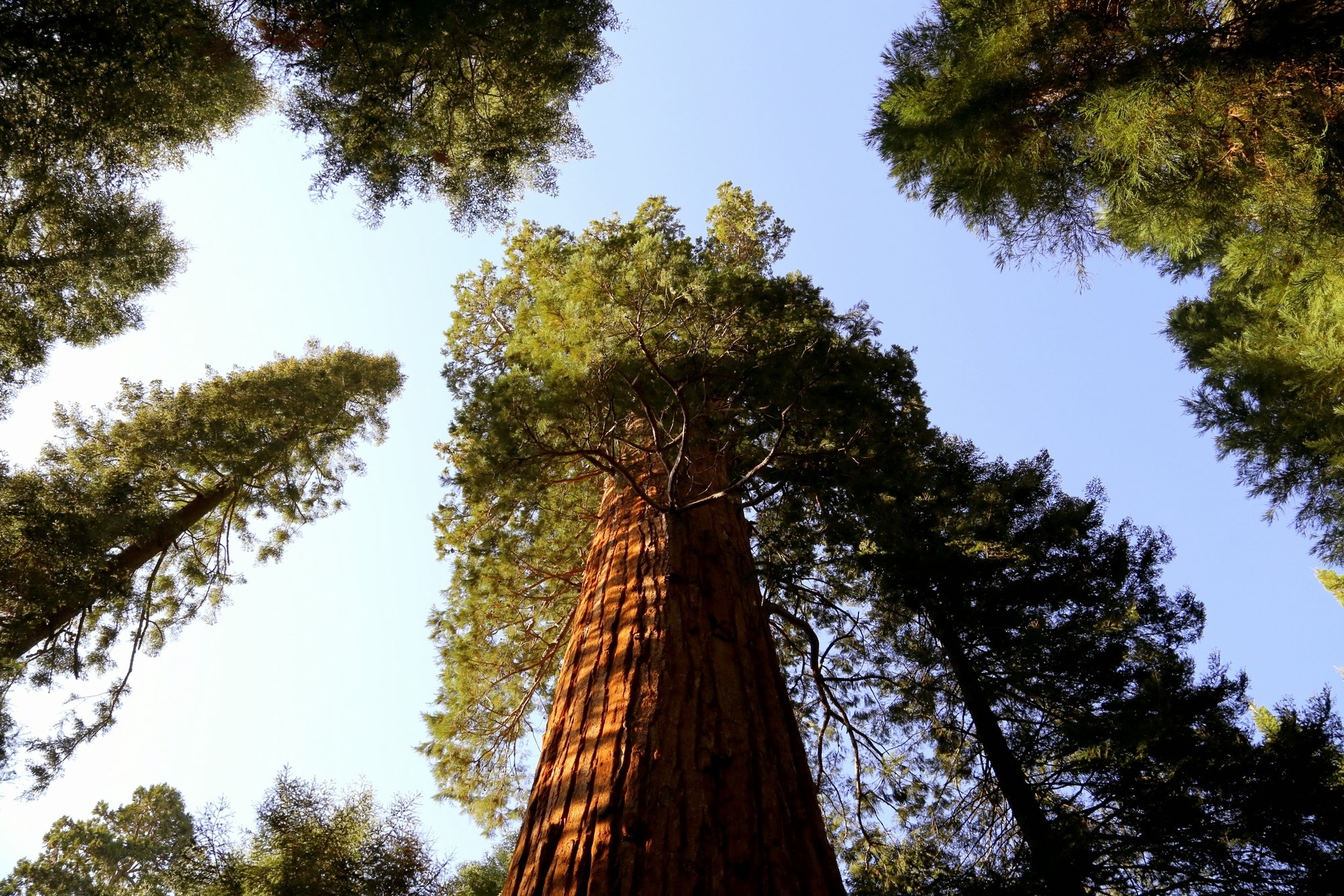
Why are California’s redwoods and sequoias so big and tall?
California’s coast redwoods and giant sequoias are the tallest and most massive trees on Earth. Here’s the science behind why they grow so enormous — and why they only grow here.
-

The Majesty and Mystery of California’s Bristlecone Pines
Bristlecones are the longest living organism on earth. Gnarled and oftentimes squat, especially when compared to the majestic coastal redwoods and giant sequoias living near the coast further west, they hardly seem like mythical beings. But to scientists, they are a trove of information, offering clues to near immortality and to the many ways that the earth’s climate has changed over the last 5,000 years.
-
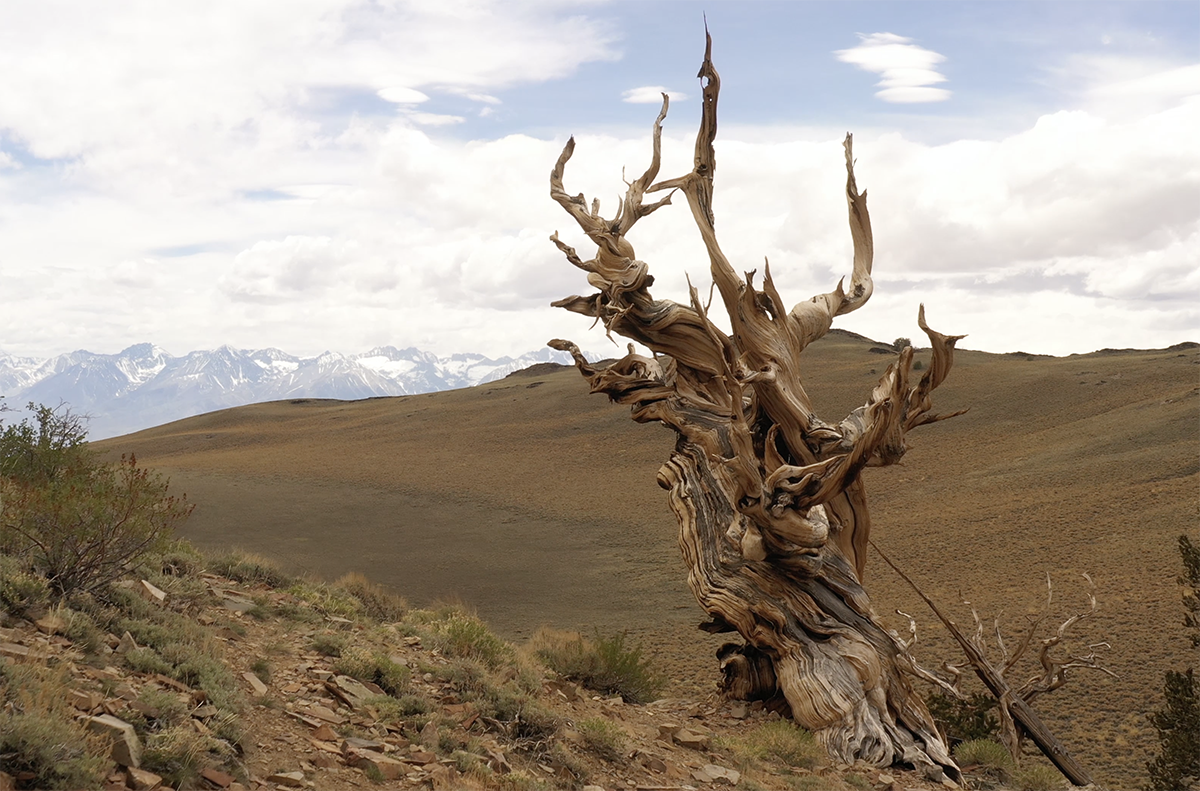
Ancient Bristlecone Pines by Drone
The Ancient Bristlecone Pine Forest in California's White Mountains is home to the oldest living trees on Earth — some over 5,000 years old. Here's what a drone reveals from above.
-

The genius of Luther Burbank, father of the most famous potato in the world
Luther Burbank created some of the most successful fruits and vegetables in the world, all from his California farm.