
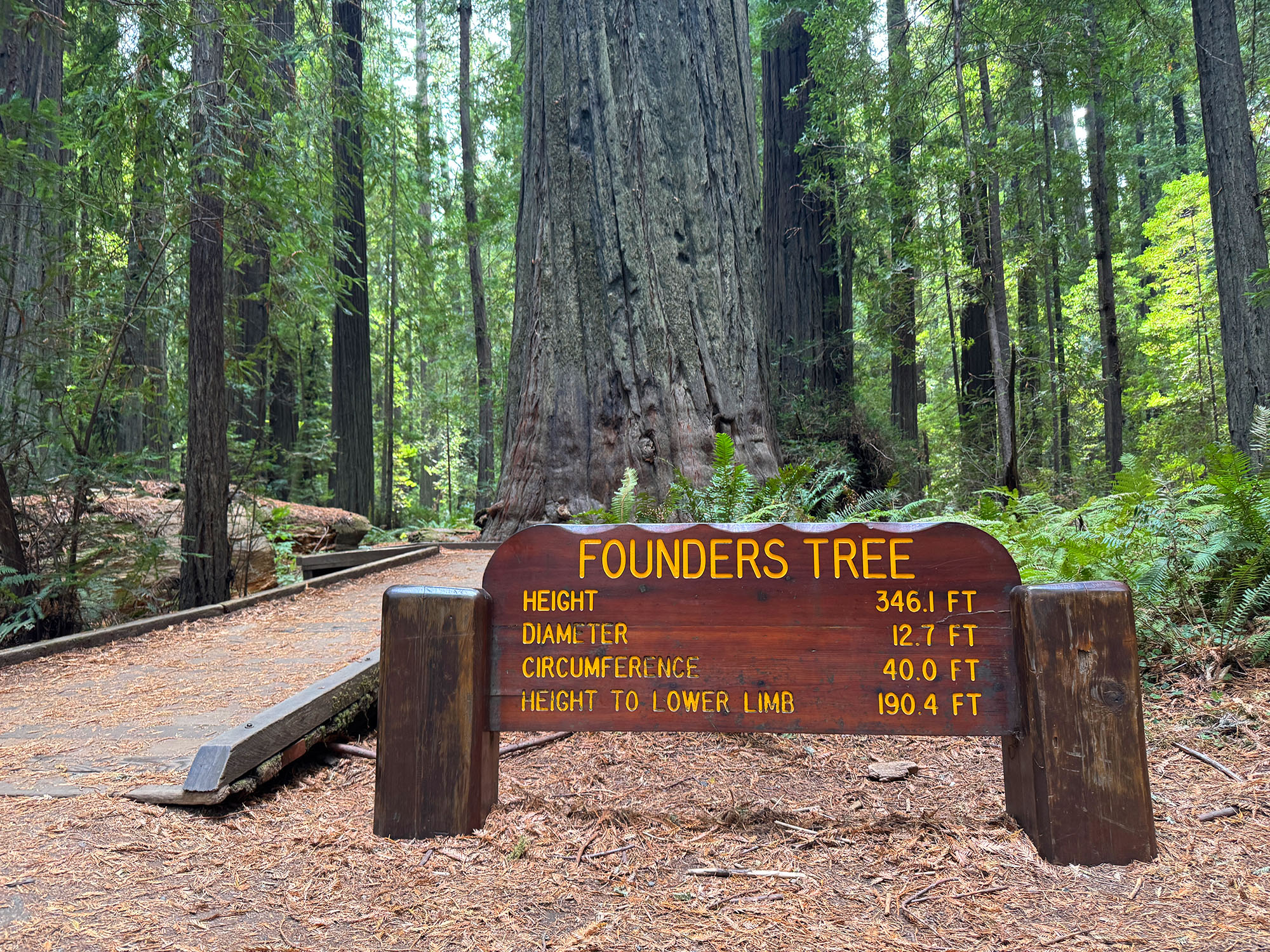
The Complicated Legacy of Founders Grove and the Save the Redwoods League
Founders Grove is a conservation triumph built on a far more complicated history of logging, industry and eugenics.
I recently took one of those great California road trips that reminds you just how astonishing this state is. After dropping my daughter off for her freshman year at the University of Washington, I drove south from Seattle to Los Angeles.
I’ve always loved the redwoods, and wondered why so few of the ancient forests remain. Along the way, I listened to journalist Greg King’s book The Ghost Forest, about the battle to save them, and became increasingly curious about one place in particular: Founders Grove in Humboldt Redwoods State Park.
So I decided to visit.
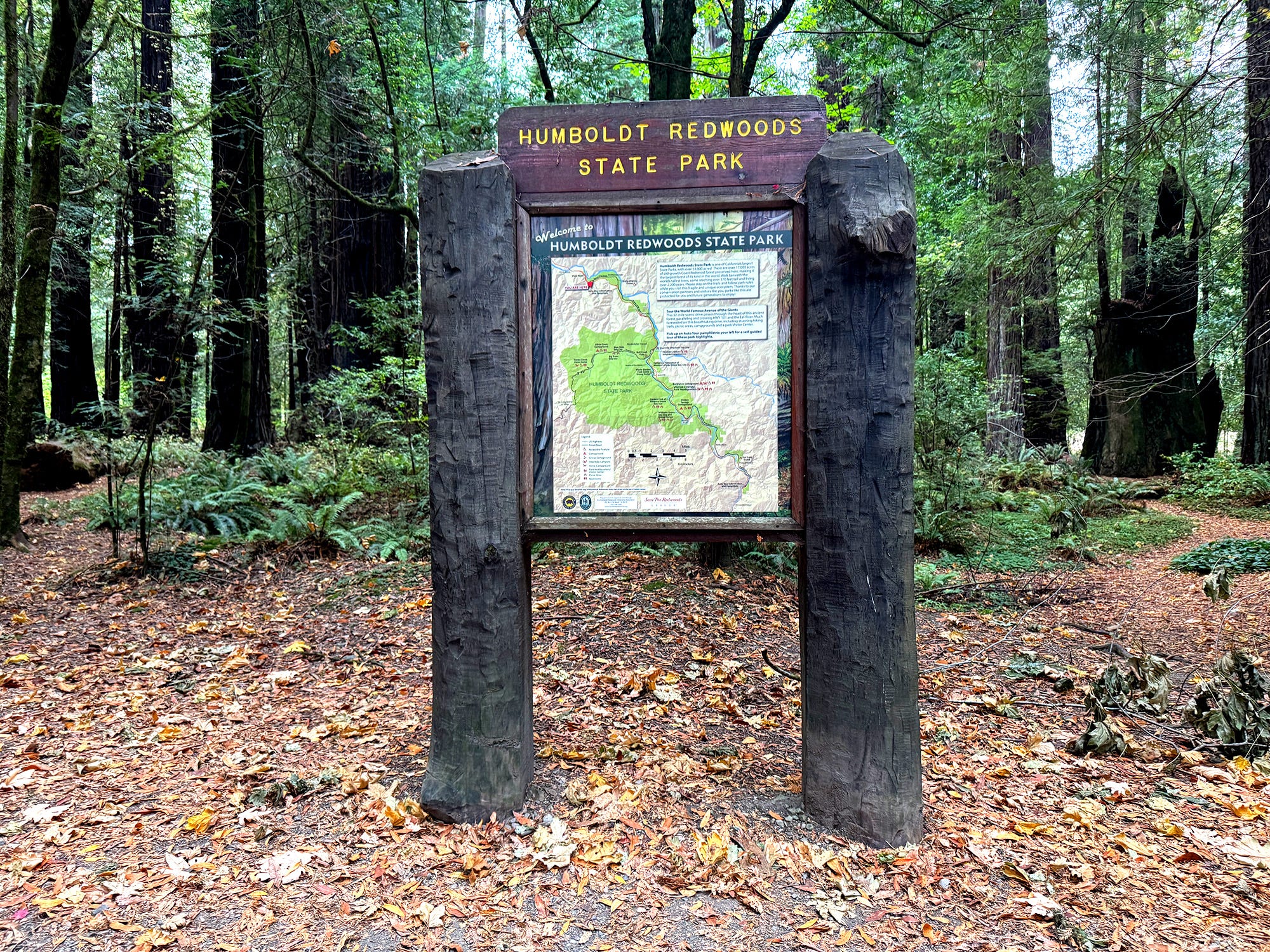 Humboldt Redwoods State Park. (Photo: Erik Olsen)
The grove comes after a long, beautiful drive down the Avenue of the Giants. The parking lot was busy, but the walk itself is remarkably easy. I grabbed one of the trail pamphlets and headed in.
Everything about Founders Grove is built around a familiar story: visionary conservationists saw these magnificent trees disappearing and stepped in to save them.
Standing there, surrounded by ancient redwoods, it is an easy story to believe.
That story is true. It’s also considerably more complicated.
In 1917, John C. Merriam, Madison Grant, and Henry Fairfield Osborn traveled through the redwoods along the Eel River. The experience helped inspire them to create Save the Redwoods League the following year.
And the League accomplished an enormous amount.
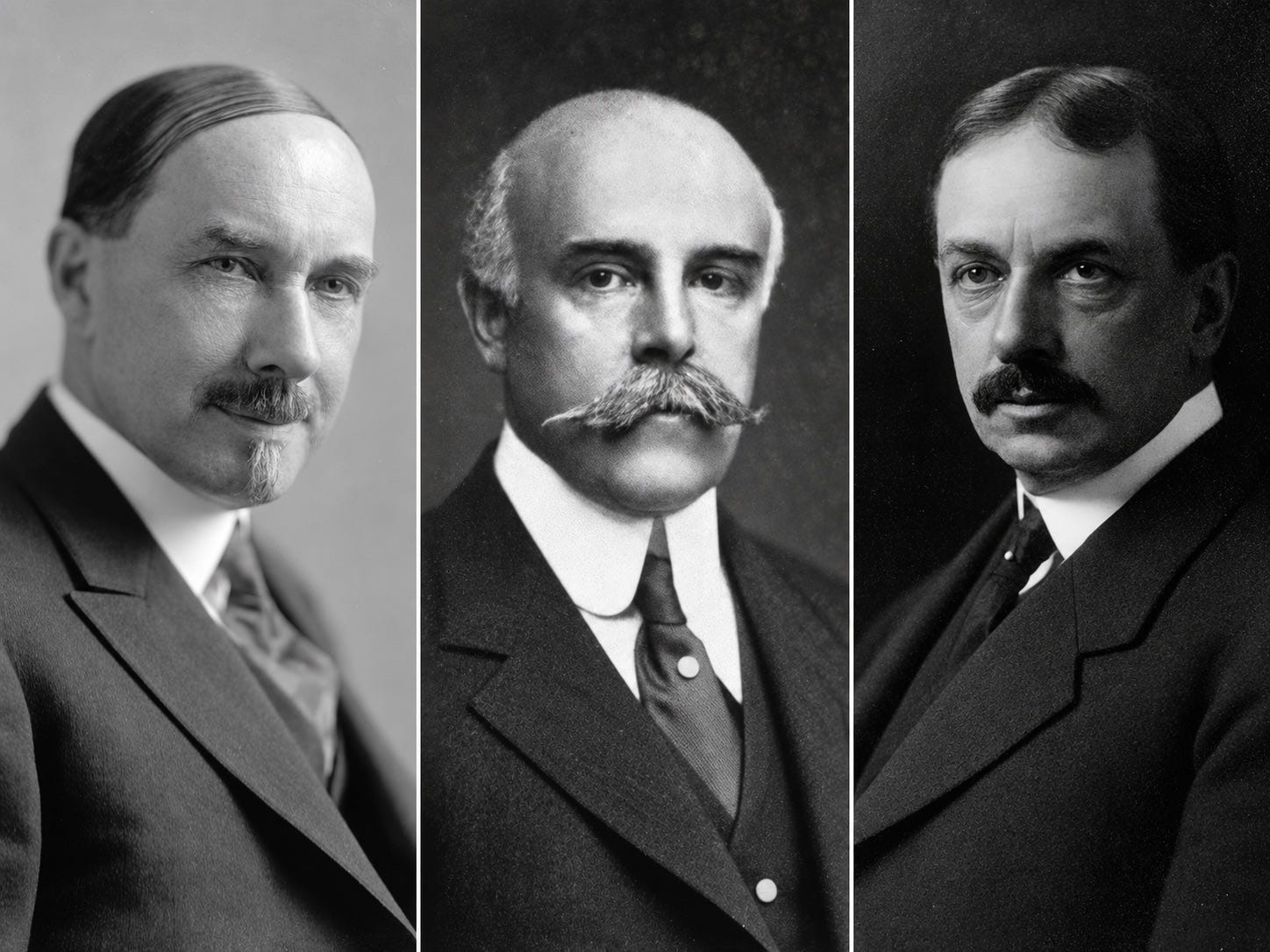
From left: John C. Merriam, Madison Grant and Henry Fairfield Osborn, the three men who founded Save the Redwoods League in 1918. Their conservation legacy helped save some of California’s greatest redwood groves, even as Grant and Osborn also became prominent advocates of eugenics.
Working with the state of California, wealthy donors, and others, it helped preserve some of the most spectacular remaining stands of old-growth redwoods in the state. Humboldt Redwoods State Park, including the Rockefeller Forest, are there in large part because people organized, raised the cash, and fought to keep the trees around me standing.
And the trees, my God, they are spectacular. You can see them in pictures, but nothing does them justice — the height, the girth, the scale — as walking among them.
Here are the Google facts: Coast redwoods can approach 380 feet in height and live for roughly 2,000 years. Some survive fires that burn deeply into their trunks and continue growing for centuries afterward (I saw one doing just that). They support an extensive ecosystem, from marbled murrelets and spotted owls to salamanders, bats, and tree voles.
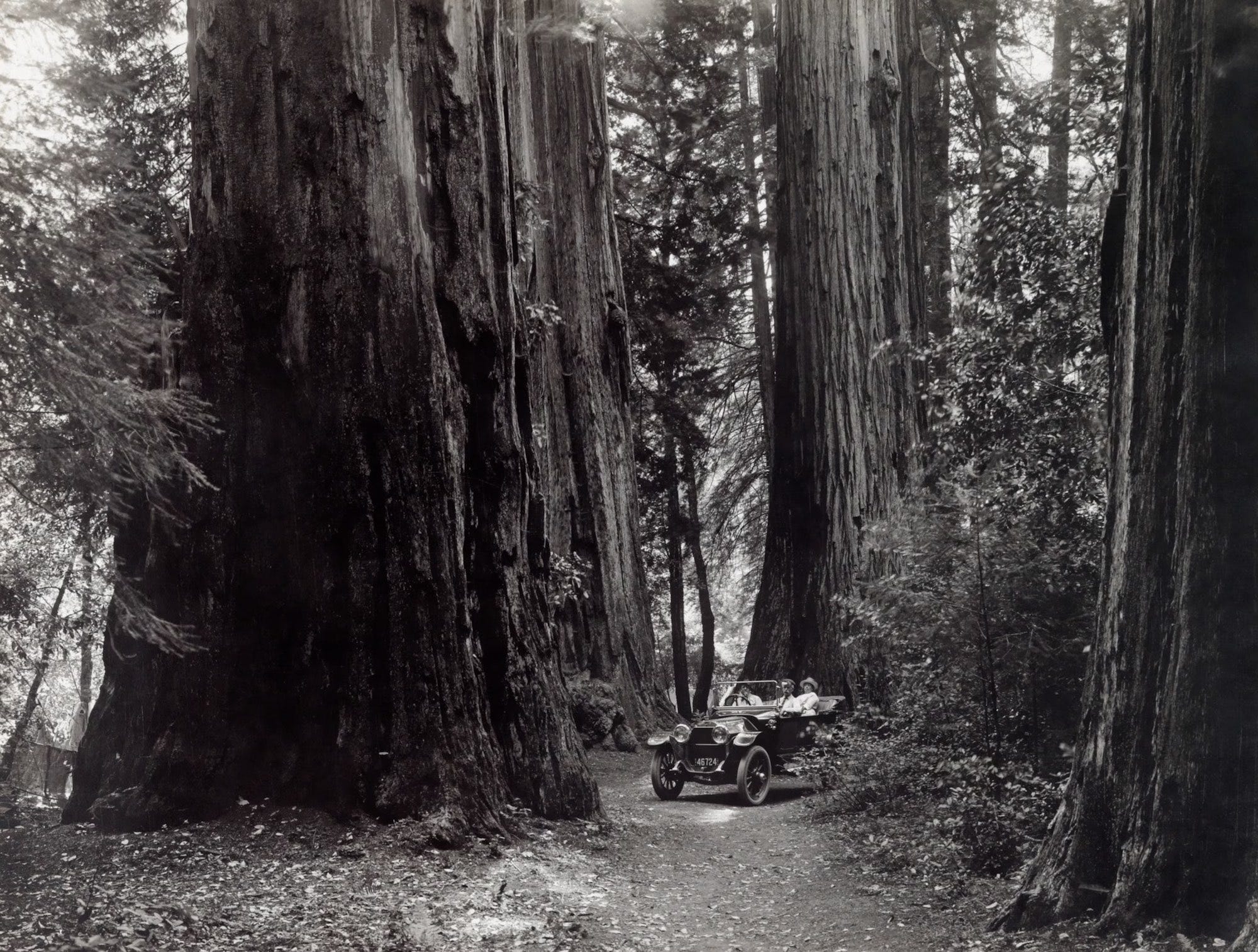
An early automobile winds through a grove of old-growth coast redwoods, a reminder of the era when California’s giant trees were becoming both tourist attractions and conservation icons.
Oh, and they also turn out to be one of the best building materials in the history of the world.
Their incredible durability and versatility made men lust after their wood, and so a great cutting carnage began. Over the next century, roughly 95 percent of California’s ancient coast redwood forest was logged. Gone.
But here we still have Founders Grove.
Thank you, Founders, right?
Well, sort of. You see, the success of Save the Redwoods League can also eclipse a much larger failure.
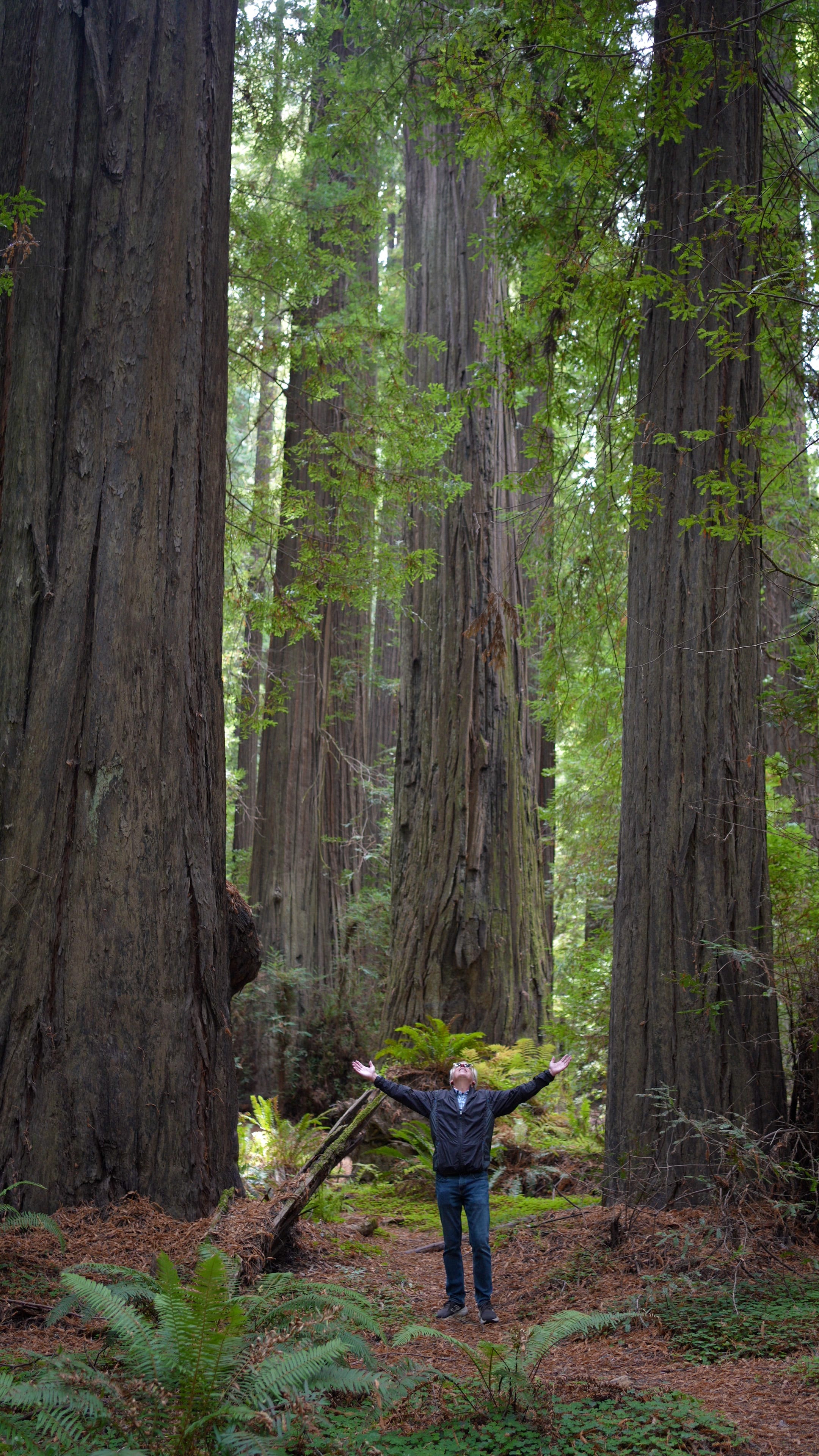 Standing among the redwoods. (Photo: Erik Olsen)
According to King (and I found this to be true in further reporting), the League frequently concentrated on saving particularly beautiful groves and stands along roads and rivers. In some places, motorists traveling through the redwood country could still see walls of ancient trees along the highway even as enormous stretches of forest behind them were being logged. Those massive logged areas are called clearcuts. I have seen many clearcuts. They are not pretty.
And so the result was preservation, but often in fragments. Tiny fragments. Before European settlement, California had roughly 2.2 million acres of ancient coast redwood forest. Today, only about 120,000 acres remain.
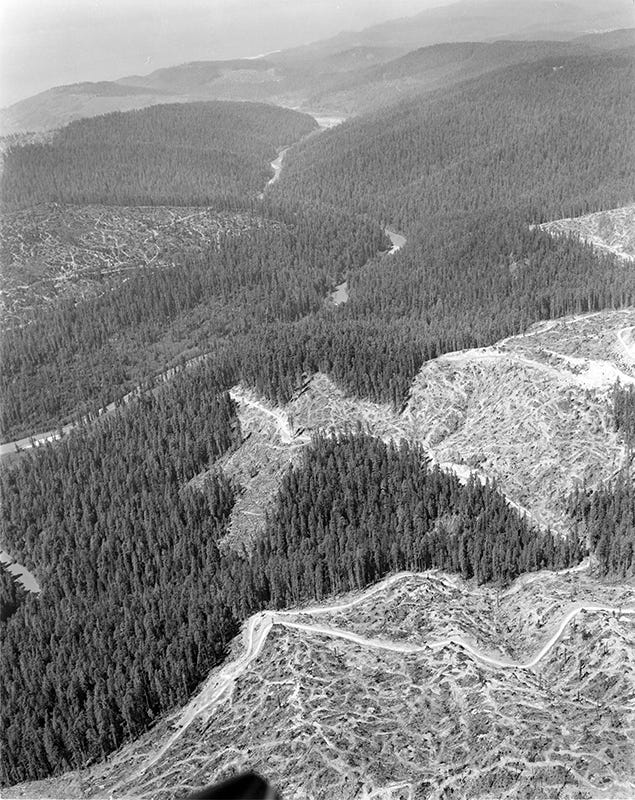
Aerial view of clear-cut logging in California’s redwood country, showing how intact forest was reduced to isolated stands amid expanding timber harvests.
Part of the problem, as King reports, is that some of the people involved in that preservation were not what they seemed to be.
Wigginton Creed was an early League leader who actually helped draft its bylaws. He also became president of Pacific Gas & Electric and president of C. A. Hooper & Co., a major California lumber business with extensive redwood interests. Redwood was immensely valuable for making the enormous stave pipes that companies like PG&E used to carry water to hydroelectric plants.
Wigginton Creed may have loved the trees. But he was also president of PG&E, a major user of redwood stave pipe, and president of a major company that manufactured redwood stave pipe At the same time, he was deeply involved in Save the Redwoods League, becoming a founding director and even writing its articles of incorporation and bylaws. That is an awfully strange position for a man whose businesses depended so heavily on redwood.
Was Creed trying to save the redwoods? Or was he trying to control which redwoods got saved?
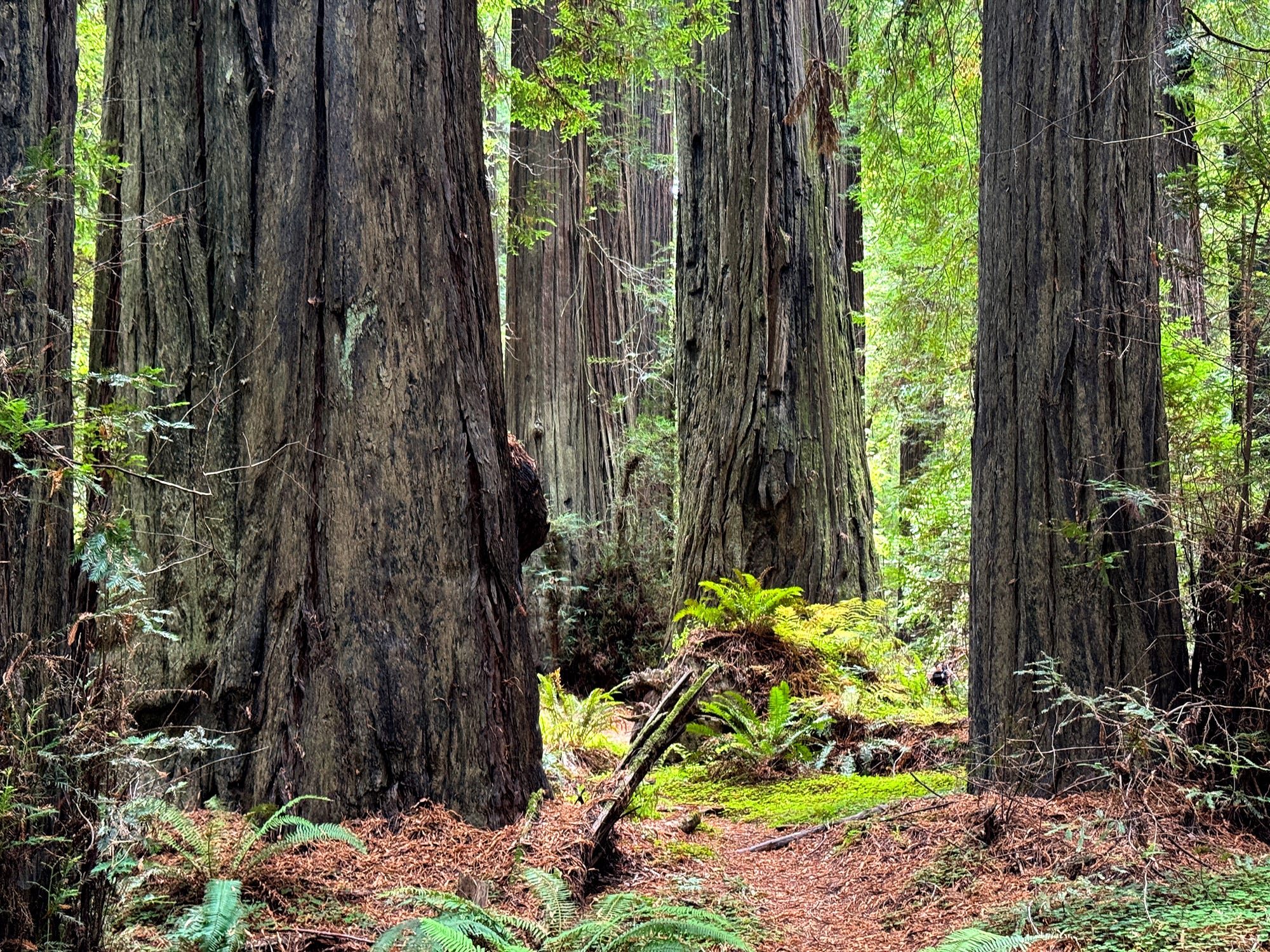 Redwoods in Humboldt Redwoods State Park. (Photo: Erik Olsen)
King argues that these industrial relationships shaped the kind of conservation that emerged: save extraordinary groves, but leave much of the commercially valuable forest available for logging.
The League disputes some of King’s interpretation. And it would be wrong to say that the organization was responsible for the rampant destruction of the redwoods.
But the numbers are still kind of crazy.
There is another uncomfortable chapter to this story, and this one the official literature does address.
Turns out that two of the League’s founders, Madison Grant and Henry Fairfield Osborn, were also major figures in the American eugenics movement. Grant promoted white supremacy and and advocated immigration policies to preserve what he considered the country’s racial character.
Now, none of this erases what the League accomplished, but, boy it’s an interesting series of historical twists when you stand there in awe among the trees.
The grove is simultaneously a monument to one of California’s great conservation stories and a prompt to ask a harder question: What wasn’t saved, and why?