A Planet Built by Microbes
Deep-sea scientist Jeffrey Marlow discusses the astonishing diversity of microbial life, whale falls, hydrothermal vents, deep-sea mining, and the tiny organisms that help make Earth habitable.
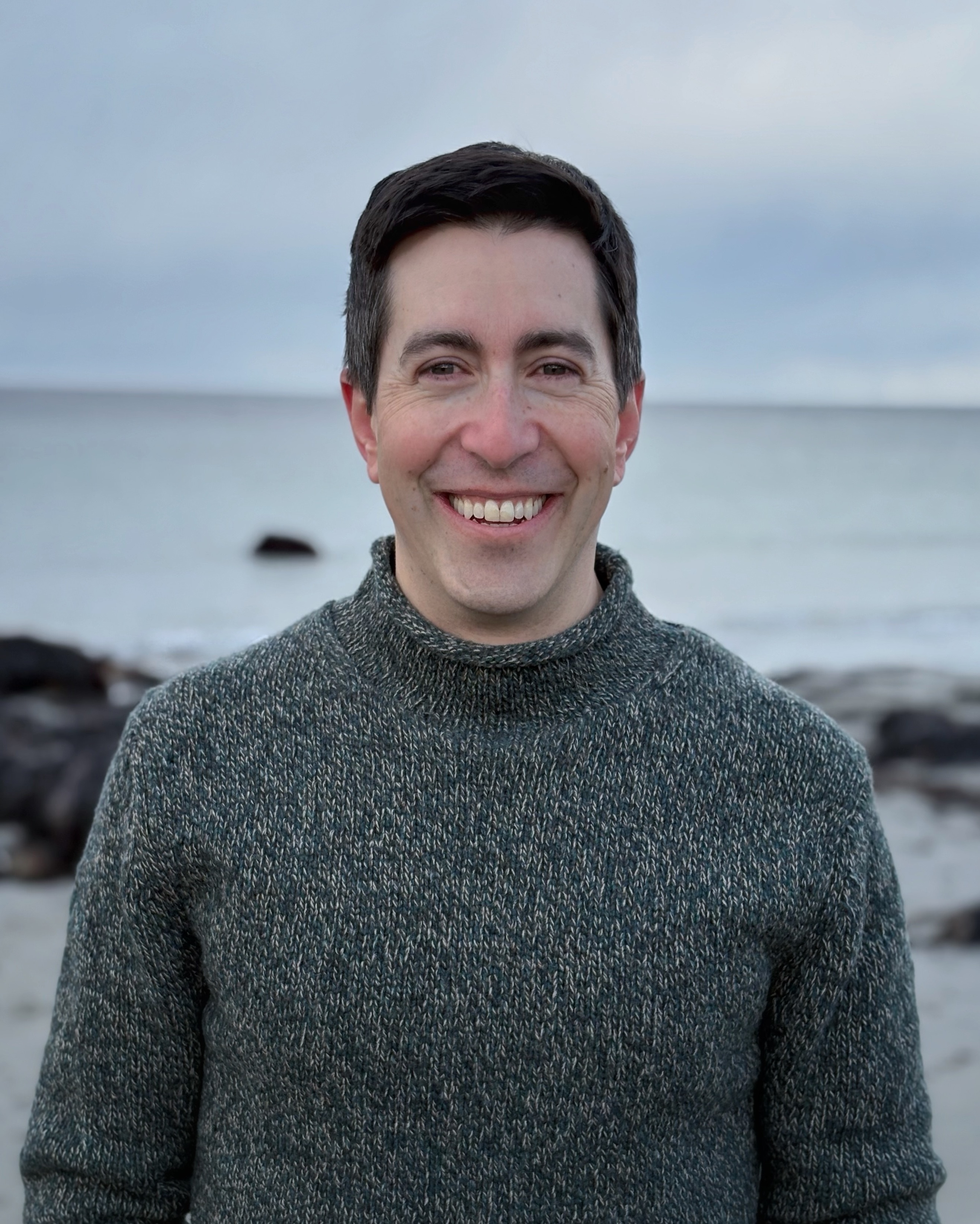
Dr. Jeff Marlow has spent much of his career exploring some of the most extreme and least understood environments on Earth: The deep ocean. A microbiologist and assistant professor of biology at Boston University, Marlow studies the remarkable microorganisms that thrive in extreme places in the deep ocean.
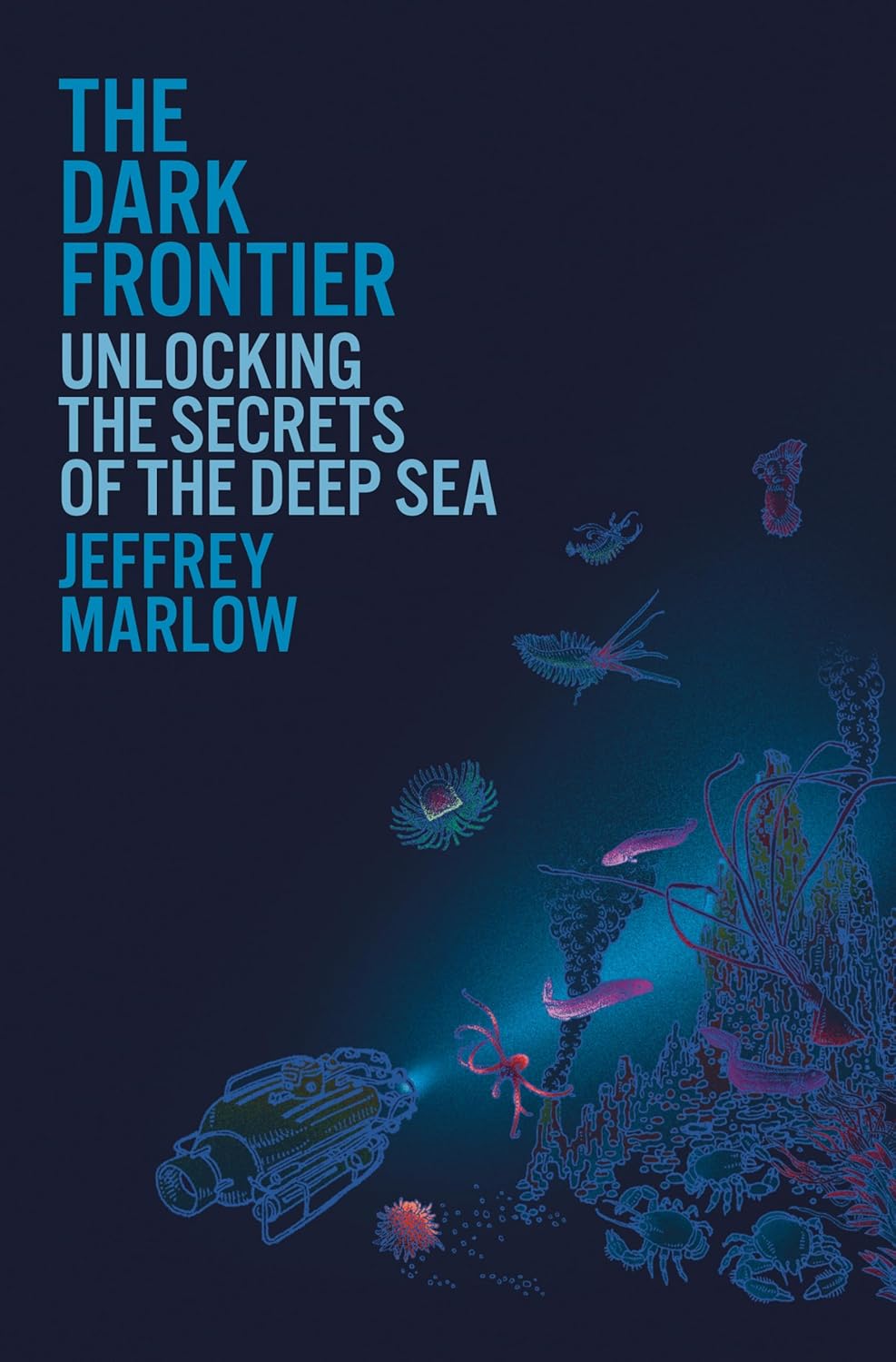
Marlow is also the author of the recent book The Dark Frontier: Unlocking the Secrets of the Deep Sea, a fascinating exploration of how microbes help sustain life on Earth. It is excellent, and I highly recommend it.
Microbes are everywhere. They inhabit the oceans, the soil, the air we breathe, and even our own bodies (a good book on this last topic is I Contain Multitudes: The Microbes Within Us and a Grander View of Life by Ed Yong). Microbes also drive the biogeochemical cycles that make the planet habitable, influence the climate, and they form the foundation of ecosystems across the globe. Yet we are only beginning to understand what they do and the critical roles they play in Earth’s systems.
The diversity of microbial life is staggering. Scientists have estimated there may be as many as a trillion microbial species on Earth, with well under one percent formally described. But Marlow covers many other fascinating and timely topics as well, all of them very dear to me, including hydrothermal vents and the growing push to mine the deep ocean for so-called polymetallic nodules. This effort could help supply the metals needed for batteries and other green technologies, but it also threatens vast and poorly understood deep-sea ecosystems.
As readers of California Curated know, I believe the ocean and its health are among the most important issues facing humanity. Marlow’s book makes a compelling case that the deep sea is not a distant, disconnected realm. It is an essential part of the planet’s systems that support life on Earth, and understanding and protecting it may be one of the most important scientific challenges of our time.
Earlier this week, I spoke with him about whale falls, hydrothermal vents, deep-sea mining, California’s role in ocean science, and why microbes may be among the most important organisms on Earth. What follows is an edited and condensed version of our conversation.
Erik Olsen: I finished your book this morning, The Dark Frontier: Unlocking the Secrets of the Deep Sea, and I thought it was fascinating. One of the topics you write about was an experiment in California. It involved a so-called whale fall in San Diego. They called it Rosebud. Tell me about that expedition, what it meant, and what you learned. What surprised you most about the ecosystems that develop around whale falls?
Jeff Marlow: Whale falls are what happen when a whale dies and falls to the seafloor. Most of the seafloor is actually pretty barren. A lot of the organisms down there depend on food falling from above. Often it’s tiny pieces we call marine snow, roughly the size and shape of snowflakes.
But every now and then, something huge, like a whale carcass, falls to the seafloor. That is an enormous amount of food, and it causes these oases to bloom on the seafloor.
The one I visited is called Rosebud. A ship had killed the whale maybe five or six years earlier, and a scientist at Scripps Institution of Oceanography named Greg Rouse was on the lookout for exactly that kind of situation. Most of the time, scientists come across whale falls that just happen to be there, which means we don’t know how long they’ve been there or what stage of ecological succession they’re in.
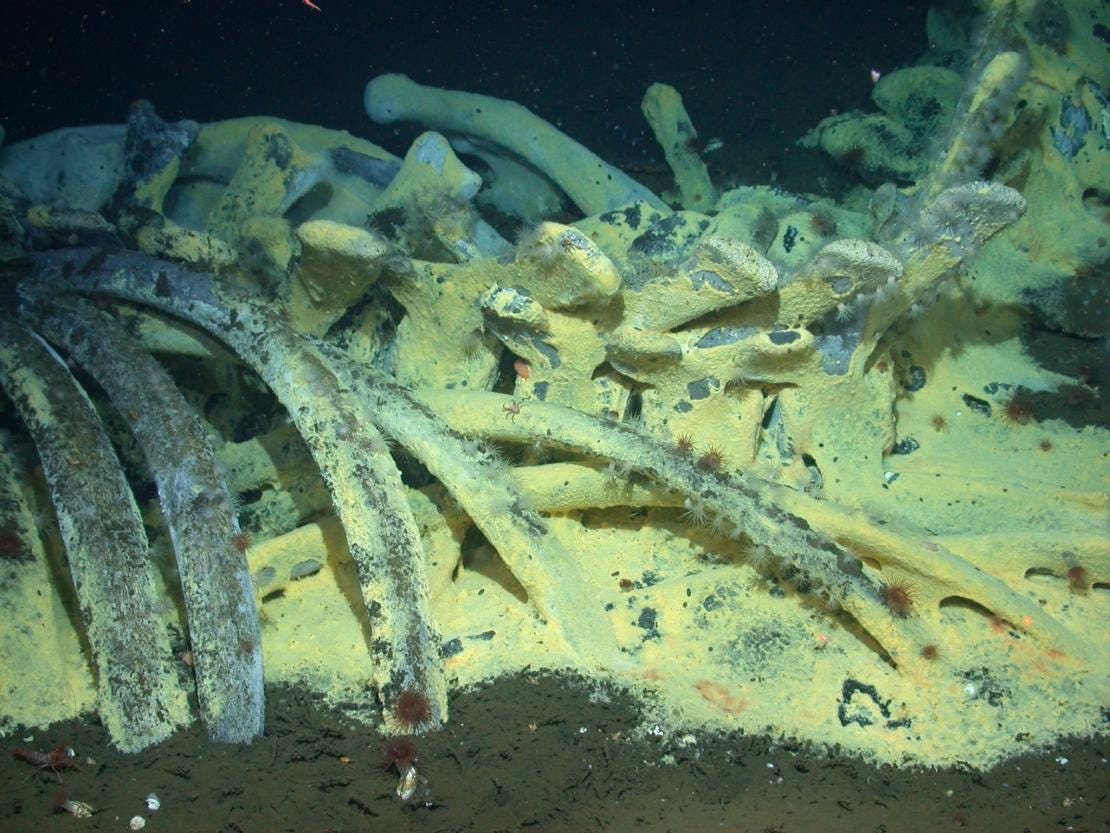 Rosebud, a fin whale whose carcass became the focus of a landmark deep-sea research project off San Diego, helped scientists better understand the unique ecosystems that develop around whale falls. (Photo: Wikimedia Commons)
But if you’re able to start the clock from zero, that is an exciting opportunity. We went out there about five years later. There was still a little bit of flesh around. Normally the hagfish, sharks, and big fish come in first and eat the meat off the bones.
What interested me most were these tufts of fluffy, feather-like shapes on the bones. Those are bone-eating worms called Osedax. They work because they have microbes inside of them that are able to break down the tough fibers of whale bone and release nutrients.
It’s a really interesting endosymbiosis, where a microbe and an animal, in partnership, unlock new habitats for each of them. We think this is probably the longest part of whale-fall succession. The bone-eating worms can break it down over decades. We don’t really know how a whale-fall ecosystem ends. It probably goes for decades, maybe even a century or two.
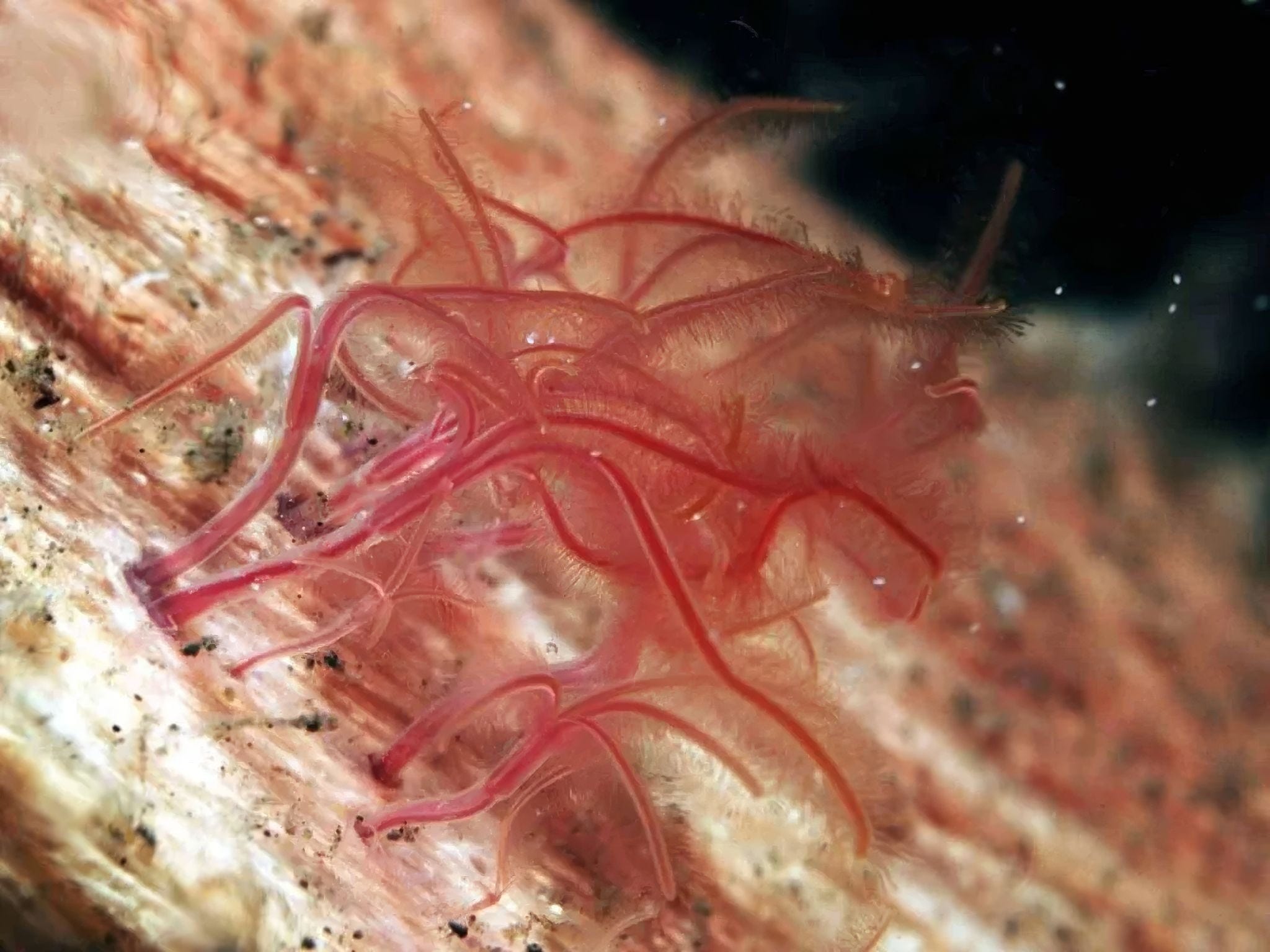 Zombie worm, Osedax on a bone. (Photo: Yoshihiro Fujiwara/JAMSTEC)
Erik Olsen: Like so many deep-sea systems, they’re aided by microbes. One of the magnificent discoveries was in 1977 off the Galápagos, when scientists discovered these vent systems teeming with life. We learned that a massive amount of life beyond the reach of light gets by through chemosynthesis. Is that still a “my gosh” moment? How far have we come in understanding these organisms?
Jeff Marlow: Absolutely. I think that was one of the most important discoveries in all of biology. I might be a little biased, but I think it still stands as a huge, transformative moment.
With whale falls, the energy and food and nutrients are coming from above, which means ultimately they come back to the sun. Whales eat plankton or fish or something else that ultimately ties back to photosynthesis and the sun as a source of energy.
The discovery of hydrothermal vents completely changed that because it meant energy could come from below. It could come from inside the planet in a way that sustains microbes first, and then ultimately animals and larger ecosystems.
Today, we know there are many more types of chemosynthetic sites than we imagined. There are hydrothermal vents, which were found first, but even within that category there are many different versions based on chemistry, rocks, and temperatures.
Then there are methane seeps, where methane comes out of the seafloor and fuels microbes and animals. So 1977 was the start, and we’re still trying to understand the full range of chemosynthetic sites on the seafloor.
Jeff Marlow discusses the staggering diversity of microbes and how scientists are still discovering entirely new branches of the tree of life.
Erik Olsen: Do we have a sense of the diversity of life among microbes? Where do you think we are in terms of fully understanding the breadth of the microbial universe?
Jeff Marlow: It’s hard to say. There are so many sequencing studies where people collect microbes, extract their DNA, and read their sequences that you might think we have a pretty decent handle on the overall picture.
And yet, every now and then, there’s a study that blows it all wide open. Even within the last decade, there have been studies revealing entire new branches of the tree of life, things like the Asgard archaea or the candidate phyla radiation, which is a whole branch of bacteria.
Those discoveries make you wonder whether we’ve found it all. We certainly haven’t found every species, far from it. But even at the level of big families or higher groupings of organisms, we’re still figuring things out.
There have been estimates that there are a trillion different microbial species. I don’t know how many we’ve characterized or sequenced, but certainly far fewer than one percent of that. There is a lot more out there.
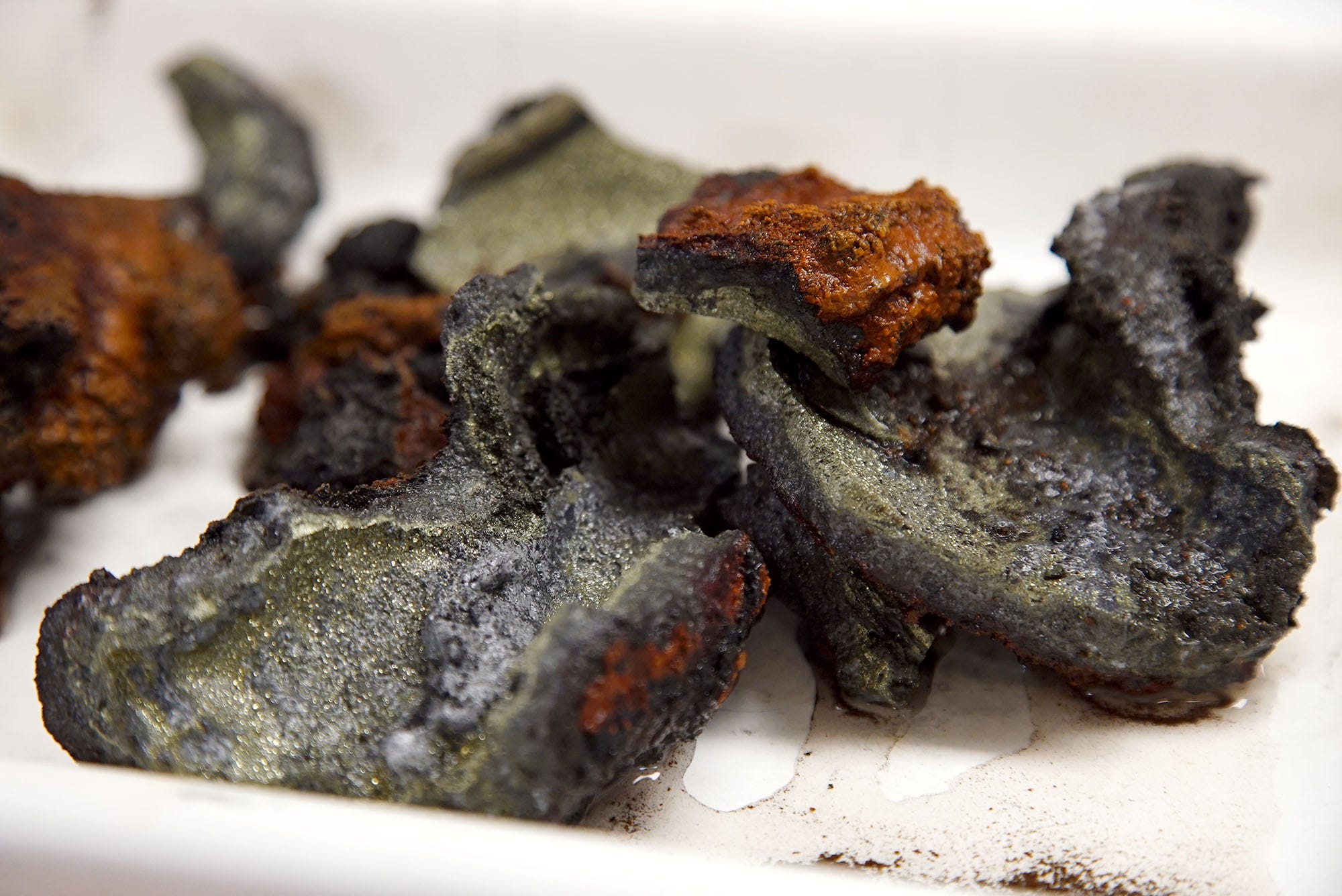 Pieces of a hydrothermal vent from the Kermadec Arc north of New Zealand. The orange material is composed of microbes that flourish in the extreme conditions surrounding deep-sea vents. (Photo: Erik Olsen)
Erik Olsen: I was trying to articulate to a friend recently that if you took a cubic centimeter of almost any air or water on the planet, in almost any place, you would find life. Would that be accurate?
Jeff Marlow: Absolutely. The rule of thumb I like to teach my students is that in a cubic centimeter of air, you might have one to ten microbes. That means every breath you take probably contains about a hundred.
In that same cubic centimeter of water, maybe you have a million. In soil, you may have a billion individual microbes. In some of the richest soils, that same cubic centimeter has more microbes than all the humans on Earth.
They’re everywhere.
Erik Olsen: You did your PhD at Caltech. Given your experience here, what is your thought about California as an ecosystem and as an ocean biology hotspot?
Jeff Marlow: California was completely formative for my way of thinking about microbes and their place in the world, and the way geological and biological forces interact.
My undergraduate degree and initial training were in geology, and the biology came later, so I have always viewed them as connected and inseparable. That becomes glaringly obvious in California.
It is also an interesting blend of exploration and exploitation, which I highlight in the book. Most obviously in Southern California, oil drilling was pretty straightforward because oil had been seeping out of the ground for centuries. The La Brea Tar Pits are a great example.
That set off much of the oil drilling industry offshore, as well as some of the fundamental science we’re talking about. The same microbes that are eating methane at these chemosynthetic sites and building interesting ecosystems that might inform the search for life beyond Earth are connected to the processes that led to offshore oil drilling.
It all converges in really interesting ways in California.
Erik Olsen: Deep-sea mining is one of the dominant ocean topics of the age. What makes it so important, why should we be concerned, and where do you think it’s headed?
Jeff Marlow: It is such an interesting, complicated, and challenging issue.
Let’s start with science. The challenge is that we know very little about these environments. There are a few types of seafloor sites that companies are interested in mining to get metals like copper, nickel, cobalt, and zinc, which could fuel battery technology and help move us away from fossil fuels.
On the face of it, that sounds great. It’s an environmental argument for getting rid of a carbon economy. The challenge is that we would be going to areas that have not yet been affected by human influence and scraping up the seafloor to get those metals.
Hydrothermal vents have been proposed as one place to get them, but the community has pretty effectively said that these are important areas for biodiversity and volatile environments where we don’t really know how magma systems would respond to mining.
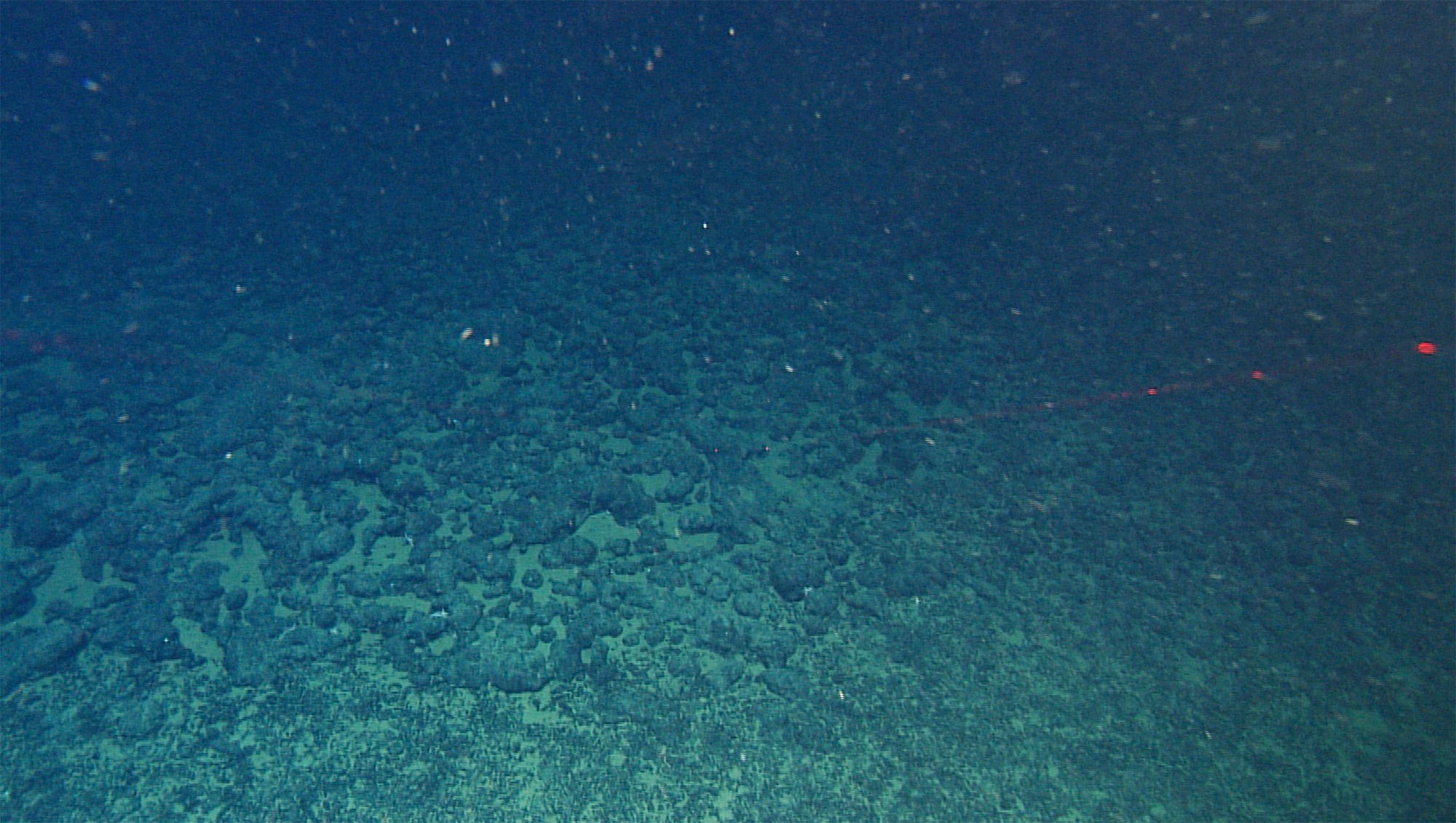 Polymetallic nodules carpet the seafloor of the Clarion-Clipperton Zone, a vast region of the Pacific Ocean targeted for potential deep-sea mining. (Photo: NOAA)
The area now on the front lines is the Clarion-Clipperton Zone in the middle of the Pacific Ocean. This area has polymetallic nodules, little rocks covering the seafloor across much of the region. We don’t have a great sense of what all lives there or what biogeochemistry those nodules enable.
Removing them and disrupting this ancient ecosystem, which takes millions of years to form, would have more or less irreversible impacts. We don’t know exactly what those impacts are, but they could be significant in terms of nutrient cycling and other processes.
Note: The High Seas Treaty is the first major international agreement focused on protecting biodiversity in waters beyond any nation’s borders. As of 2026, the treaty has been signed by dozens of nations but has not yet entered into force. It creates a framework for marine protected areas, environmental reviews, and scientific cooperation on the high seas. Marlow advised several national delegations on scientific aspects of the treaty during negotiations.
Erik Olsen: What impact do you think the High Seas Treaty and the biodiversity beyond national jurisdiction process will have?
Jeff Marlow: It’s hard to say. I don’t mean to dodge the question, but I have no idea where we’ll end up.
The High Seas Treaty is not the primary legislation controlling deep-sea mining. That would be the International Seabed Authority, which is based in Jamaica and has domain over the seafloor and the resources below it. That group has been developing regulations for many years. They are not enormously close to a final version, but they are working on it.
In addition to the scientific questions of whether we should even consider this, there are major economic challenges. One question is whether it will be economically viable. There are smart economists questioning that.
The second question is what the International Seabed Authority and the UN propose to do with any money that comes in. In theory, these areas beyond national jurisdiction are the common heritage of humankind. That phrase appears in a lot of UN texts. So the profits from any exploitation of those resources should be distributed pretty equally.
We are currently far from that. Often, only single-digit percentages of any profits are likely to accrue to the global community.
So economically, scientifically, and logistically, things are challenging. We are not there quite yet, but it could still come together in the coming years.
Erik Olsen: As a scientist, what do you think we should be doing?
Jeff Marlow: The first order of business is to understand what is happening in these environments. In that sense, it is a precautionary approach. These places take millions of years to form, and they could be doing important things for the planet.
I have a thought exercise in the book where I imagine the first Victorian-era coal power plant writing an environmental impact statement. You can imagine them saying, “We burn this coal and it turns into an odorless, invisible gas. There’s no issue. Let’s move ahead.”
The point is that these things have long inertia cycles. If we start changing things, it is very hard to get back on course.
For now, I don’t think it is necessarily the best decision to start mining the deep sea. But I also like to think I’m a realist. We do currently need these metals from somewhere, and right now, one alternative is the Indonesian rainforest. It is not an easy calculus. We need to be aware of all the trade-offs implied by blocking off one area in favor of another.
Erik Olsen: What is your feeling about the further development of human-occupied submersibles? Is this something we need to put more money and effort into, and why? What is the difference between that and ROVs or AUVs?
Jeff Marlow: The most straightforward answer is that any version of accessing and interacting with the deep sea is valuable. We need all of these.
With ROVs, we are typically able to stay down longer. There aren’t human systems that need to breathe and eat, so ROV dives can be much longer. You can also get live footage back to a ship or even online, which means many more people can participate in the dive and help determine the best area to sample or explore.
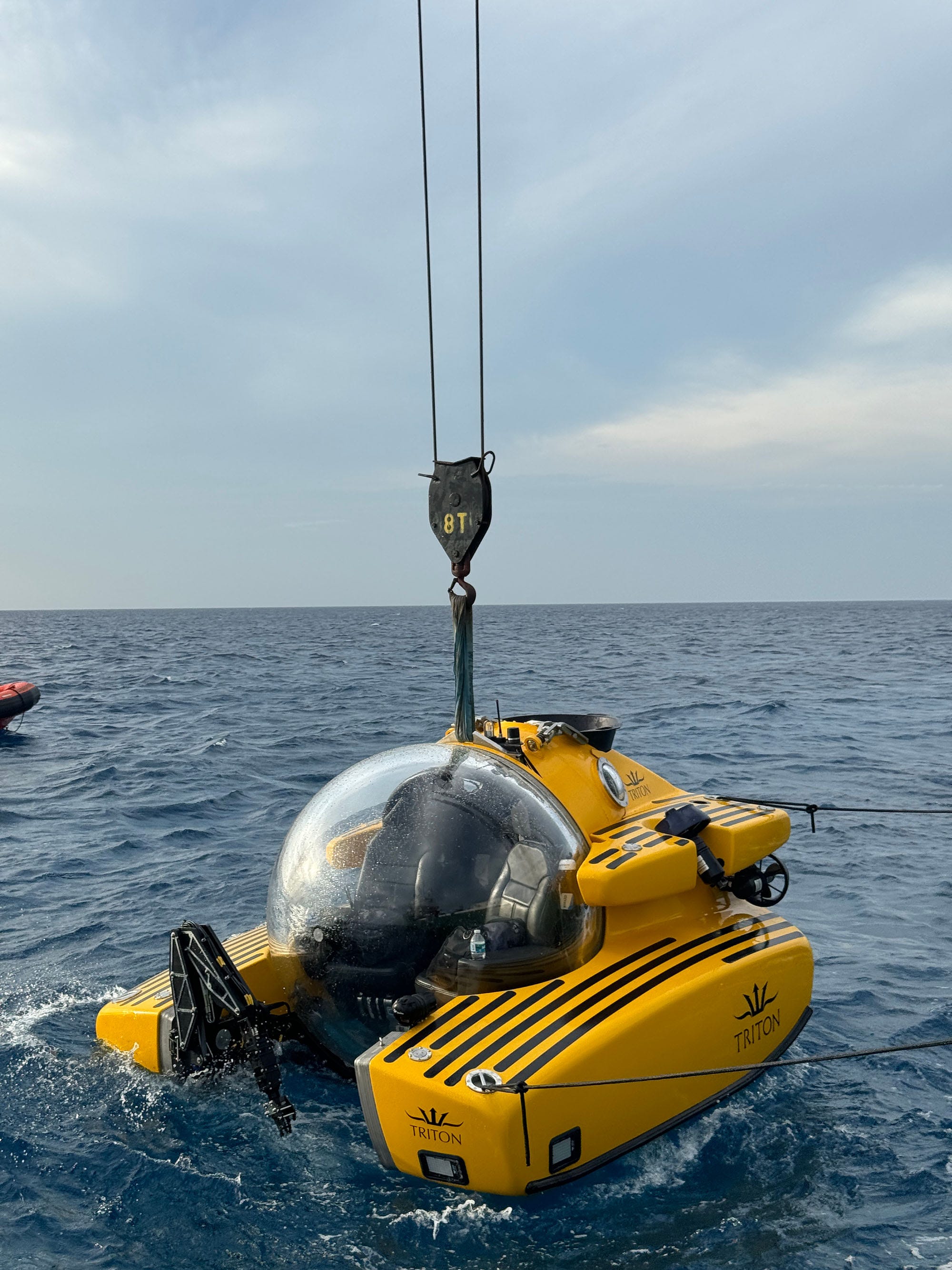 A Triton submersible is being lowered into the ocean. (Photo: Erik Olsen)
But you are missing the visceral, in-person experience and the almost spiritual experience of being immersed in this realm that is the vast majority of our planet.
As an outreach tool, and as a way to get people to understand the ocean in a more embodied way, human-occupied vehicles are essential.
I’m also intrigued by the idea of psychological distance. The more distant you are from something, the more you focus on big-picture items. Distance can mean physically distant or emotionally distant. If you are very close to something, you look more at the details.
I don’t have data to back this up yet, but I’m interested in the idea that the type of science we do is probably different. If you are there in person, maybe you are looking at intricate details with your nose a few inches from a snail, worm, or hydrothermal vent. If you are seeing the same thing from your office, maybe you are focusing more on global-scale processes and bigger-picture interactions.
There are clear differences that we understand, and probably others that we don’t. But we really need them all.
Erik Olsen: What compelled you to write The Dark Frontier: Unlocking the Secrets of the Deep Sea? What was the key message you were trying to deliver?
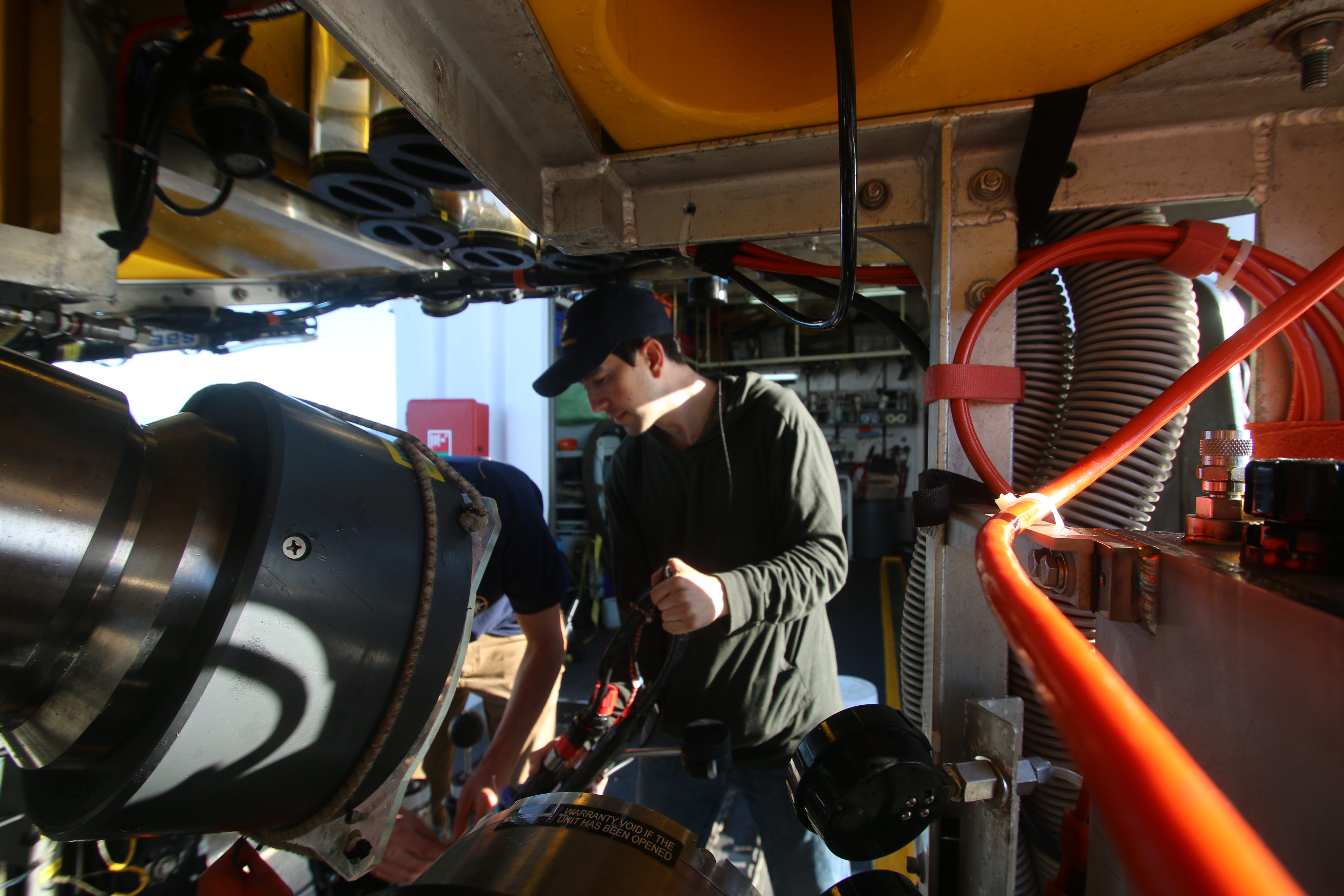 Jeff Marlow in the field. (Photo: Jeffrey Marlow)
Jeff Marlow: Two things made me want to write it.
First, I have been enormously privileged to have a front-row seat to these exploratory efforts. Being able to go down in Alvin and see these microbes, rocks, and smelly sediments up close, and then spend years with them in the lab, has made me understand that these places matter so much.
They are things we are only beginning to understand, but they are the foundation of our planet and capable of amazing things that creative scientists are still piecing together. I wanted to share more broadly what I have learned and the intellectual journey I have been on.
The other reason is that in coming into contact with so many amazing scientists and policymakers, I wanted to tell as many stories as I could. The deep sea is huge. The book really just scratches the surface.
I wanted to take a mostly journalistic approach and talk about the history of deep-sea science, whale falls, hydrothermal vents, methane seeps, outer space, deep-sea oil, potential deep-sea mining, and policy at places like the UN.
I was hoping to provide a kaleidoscopic view of the ocean within thirteen chapters. Hopefully, the book at least makes a start at that.
Erik Olsen: You are a scientist, but you’ve also become a science communicator. How difficult was that transition, and what has been your key takeaway?
Jeff Marlow: I think I’ve landed on two things.
First, people want to read about people. Many readers are interested in the science and the natural history, but having it reflected through the viewpoint of a person is often a great way in. I try to center a lot of things around that idea. Those people do not need to be people just like us. Diverse communities and scientists around the world can be a great way into interesting science.
Second, I think you can lose precision but keep accuracy. I don’t need to tell you every single detail of how we do DNA extractions or stain microbes under a microscope. But I can still be completely accurate and tell you truthful things about how it works and why it matters.
Tuning that level of detail is important, but we never want to stray too far from what is true and based on evidence.
Erik Olsen: Why should people care about microbes?
Jeff Marlow: They are the foundation of life on Earth. They form our microbiomes and help us digest food and interact with the broader environment. They fuel the biogeochemical cycles that establish habitable environments for everything else.
We are also finding that they are important players in climate regulation. A lot of the organisms I study turn methane into carbonate rock and lock up carbon in long-term repositories.
Finally, there is still so much diversity out there that we don’t understand. That matters for global processes, but also for things that might be more directly applicable, like medicines, industrial enzymes, and bioprospecting.
Microbes are a huge blind spot. They are hard to see, hard to photograph, and hard to build evocative stories around in the way we can with animals. It is an uphill battle in terms of emotional resonance.
But in terms of the rationale for studying and prioritizing microbes, I think it is very clear.
Erik Olsen: Well, Jeff, thank you very much.
Jeff Marlow: Of course, thank you.