
The Himalayan Flood Has an Echo in California’s Past
The collapse of the St. Francis Dam in 1928 sent a wall of water through a narrow canyon, killing hundreds. The cause was different, but the destruction is hauntingly familiar.
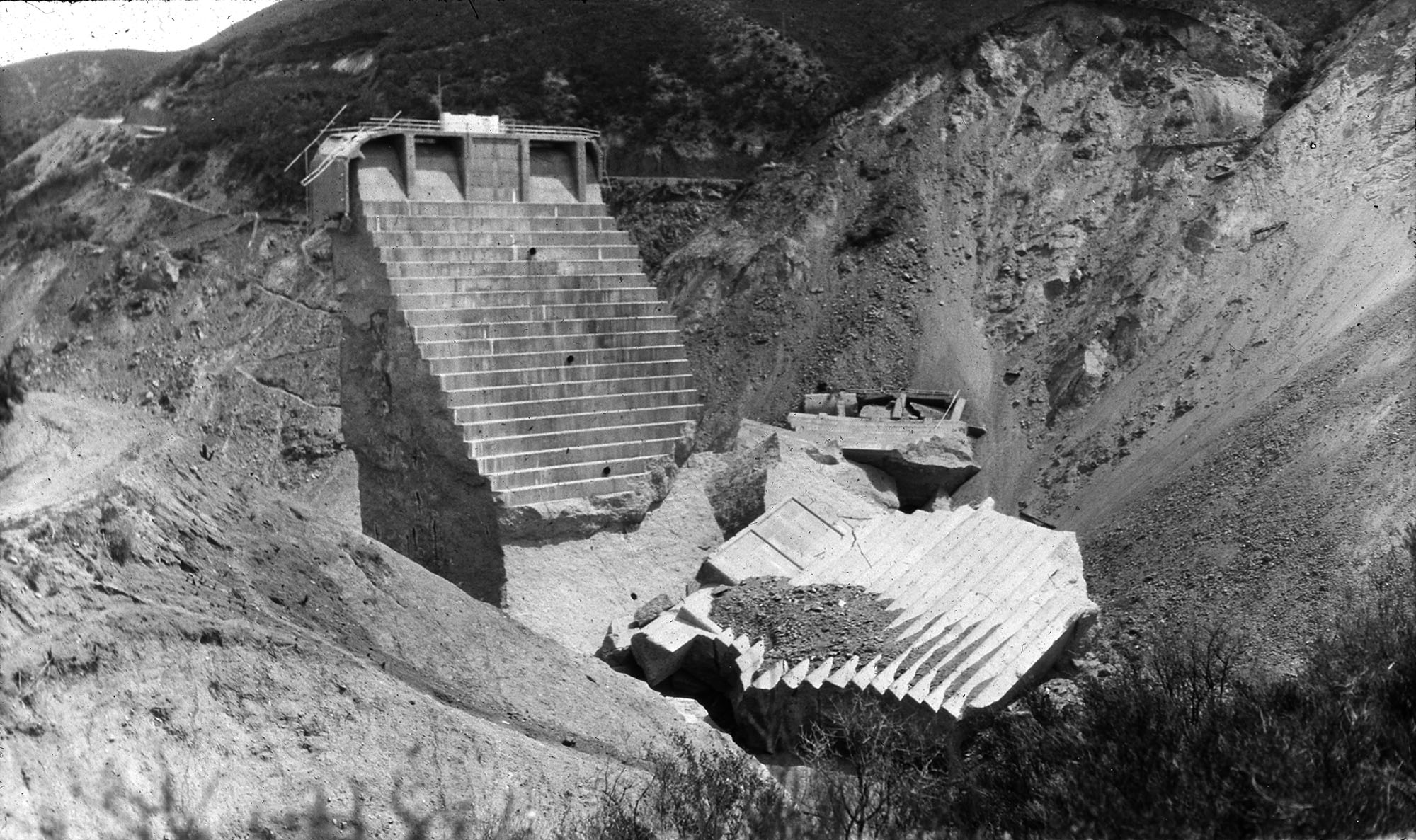
The images from Nepal and Tibet are difficult to grasp: towns submerged in mud, a border crossing swept away, and a river carrying boulders and buildings downstream. The scenes from high in the Himalayas may seem like a disaster in a distant part of the world. But for Californians, the flood has a haunting historical echo. Ninety-eight years ago, a deluge caused by the collapse of the St. Francis Dam tore through San Francisquito Canyon and killed hundreds of people on its way to the Pacific Ocean.
The causes of the two floods were obviously different. The August 26 disaster in Nepal and Tibet began when a rock wall high on Langtang Lirung collapsed, causing glacier ice to careen down with it. A new scientific assessment found that human-caused warming likely helped destabilize the slope by thinning the glacier, thawing ice within the rock, and increasing meltwater.
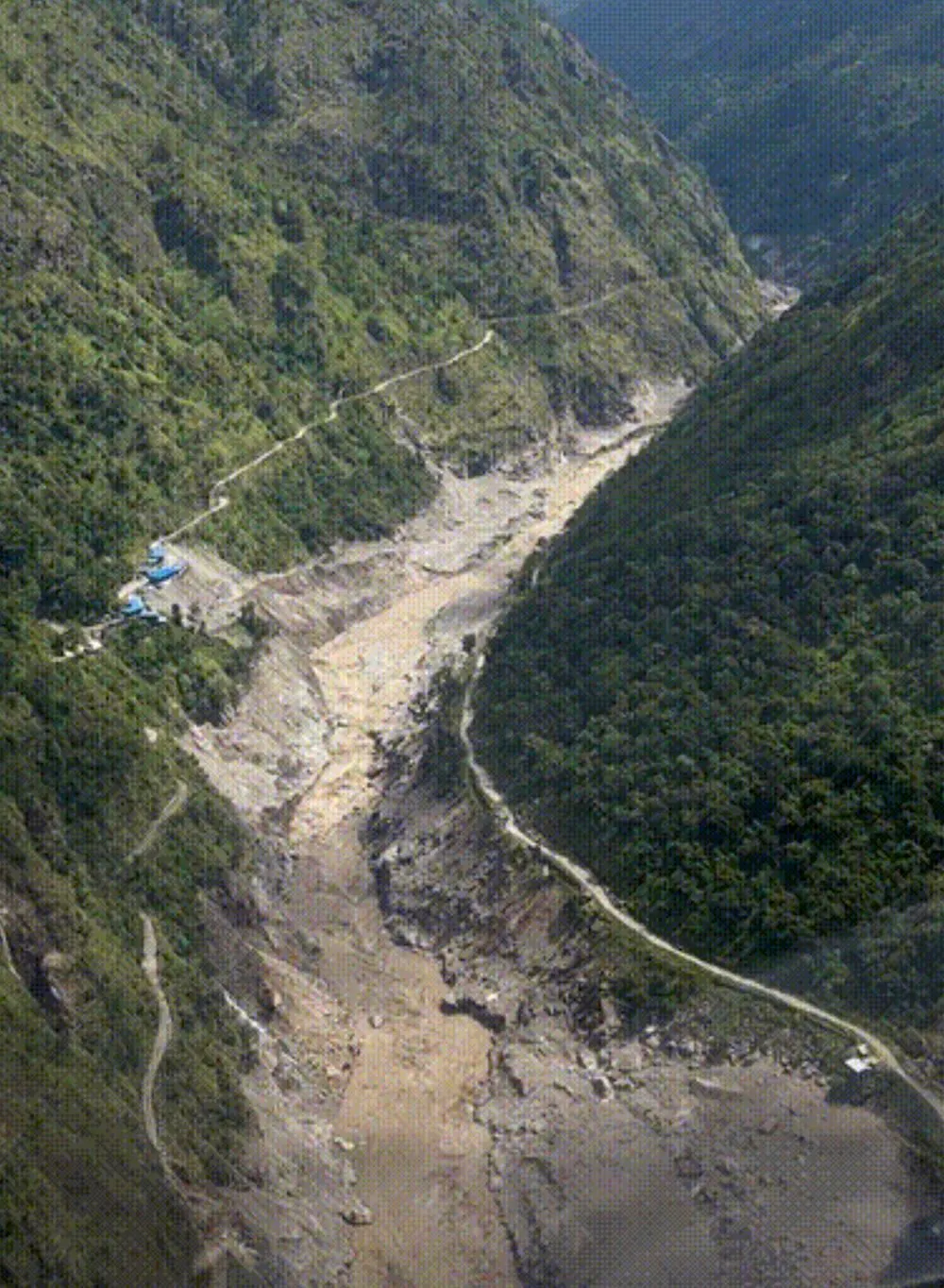 Steep canyon walls channeled the flood’s rush of water, mud and rock through the Nepal–Tibet border region in August 2026. (Photo: New York Times)
The St. Francis flood began with the failure of a dam built on unstable ground, a dam whose driving force was one of the most controversial figures in California history: William Mulholland.
It happened just before midnight on March 12, 1928, north of present-day Santa Clarita. The St. Francis Dam held a reserve of water for Los Angeles, meant to protect the city’s supply if the Los Angeles Aqueduct was interrupted.
Los Angeles was booming. Its population more than doubled during the 1920s as newcomers arrived for work, sunshine, and the promise of a better life. But all those new residents needed water. William Mulholland, the city’s powerful chief water engineer, had made it his life’s work to supply it. Fifteen years before the St. Francis Dam collapsed, he had overseen construction of the Los Angeles Aqueduct, bringing water more than 200 miles from the Owens Valley.
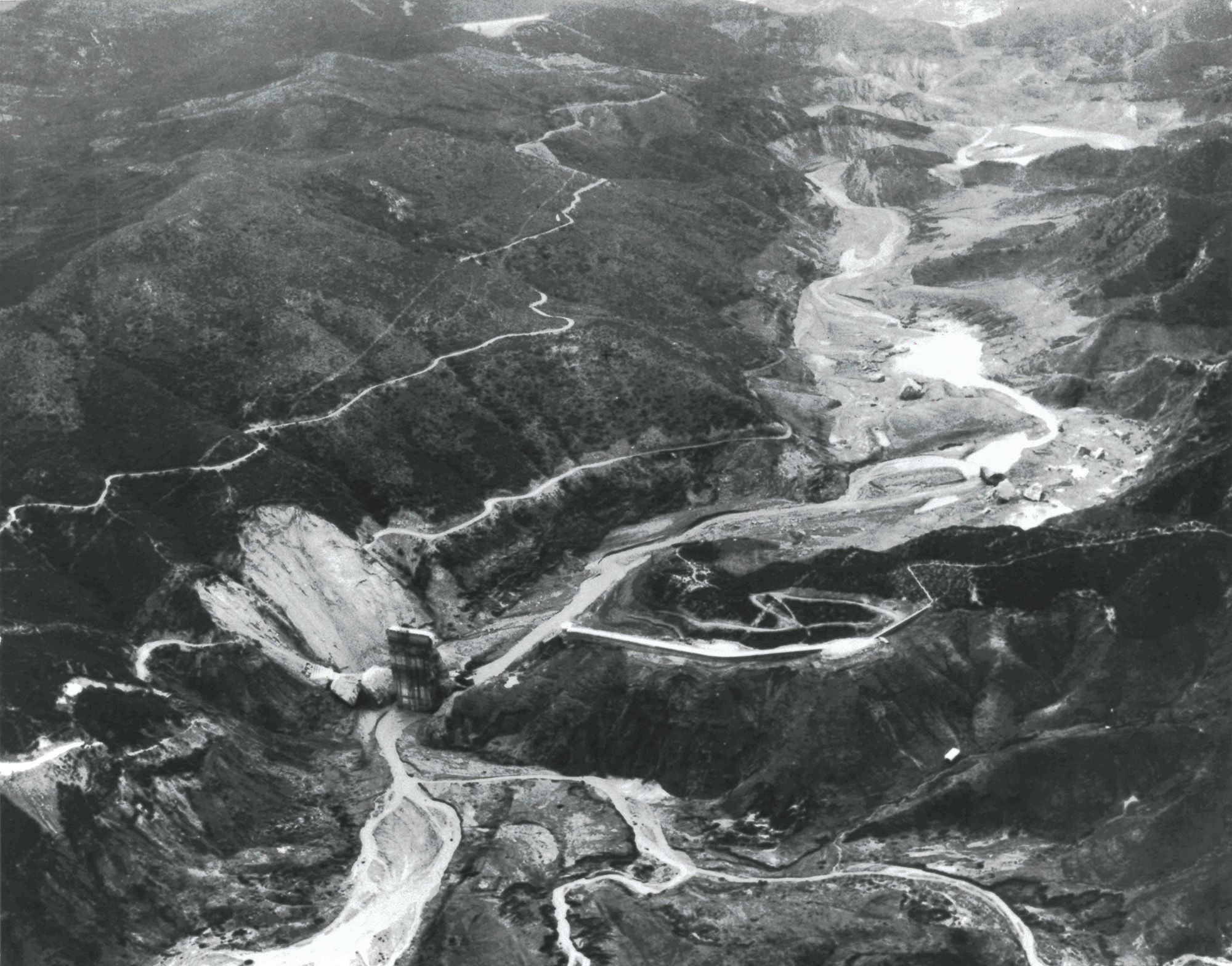 An aerial view of San Francisquito Canyon after the St. Francis Dam collapsed in 1928. The dam’s surviving center section is visible near the bottom, where the steep canyon walls channeled the flood downstream. (Photo: SkyG702/Wikimedia Commons, CC BY-SA 4.0)
Former Los Angeles mayor Fred Eaton helped launch the aqueduct project by secretly acquiring land and water rights in the Owens Valley. Some landowners didn’t realize that their water was ultimately bound for Los Angeles. The city continued buying rights long after Eaton’s first deals, and its diversions devastated the valley’s farming communities. It also dried the massive Owens Lake, the remnants of which you can see driving highway 395.
To Los Angeles, the aqueduct was a way to continue growing. To many in the Owens Valley, it was a crime.
The St. Francis Dam was Mulholland’s next major water project. Built between 1924 and 1926, the concrete structure rose roughly 185 feet above the canyon floor. But there were critical weaknesses in the ground beneath it. There was not a sufficient geological survey of the site, and water began seeping beneath its foundations. Dam engineers’ later assessments also found that Mulholland had raised the dam during construction without making its base proportionately wider.
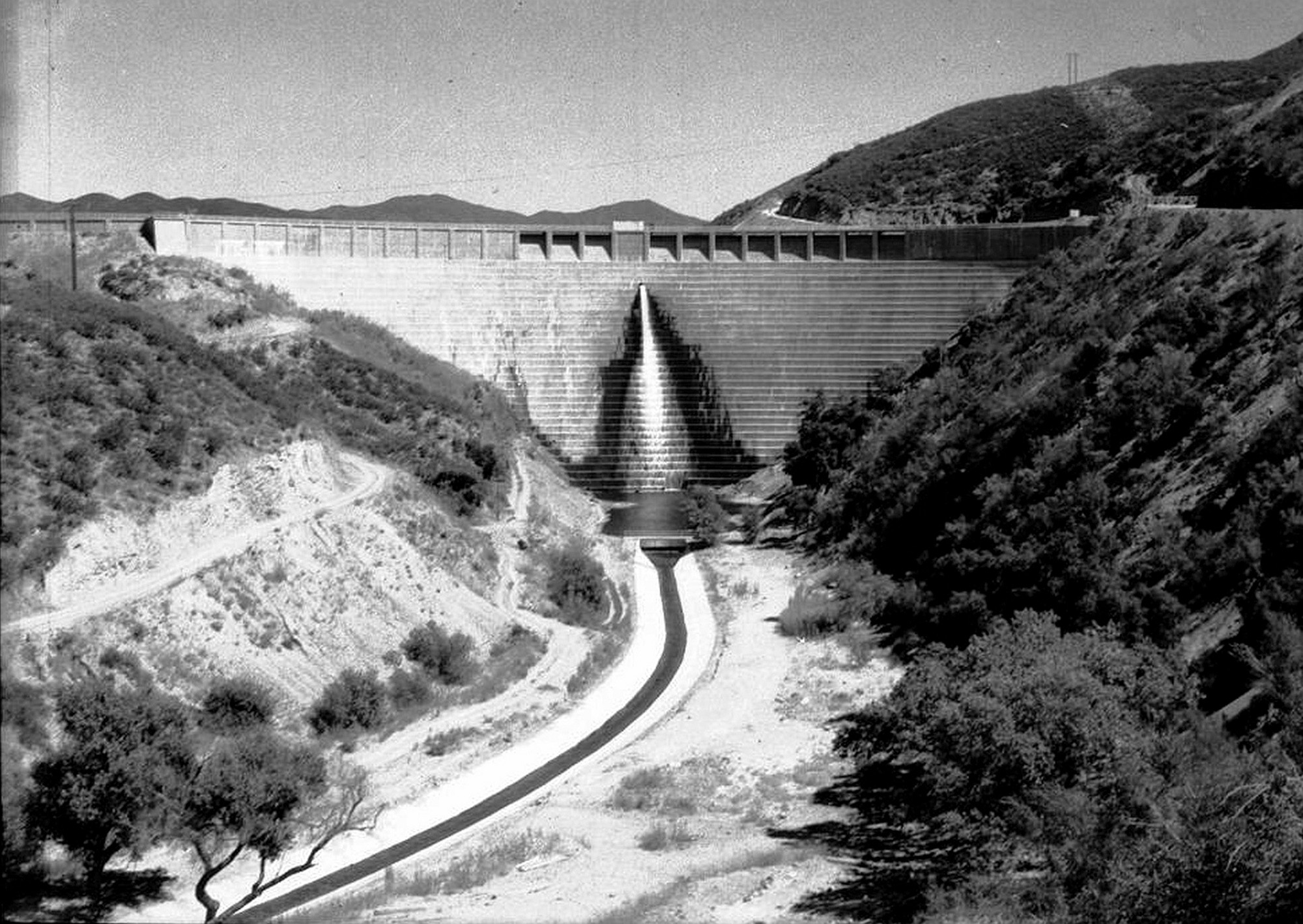 The St. Francis Dam spans San Francisquito Canyon in early 1928, shortly before its collapse sent a deadly flood between the canyon walls. (Photo: Imveracity/Wikimedia Commons, CC BY-SA 4.0)
By March 1928, the reservoir was nearly full, and leaks had become a major concern. On the morning of March 12, the dam keeper called Mulholland about muddy water seeping near the structure. Mulholland and his deputy inspected it and concluded that it was safe.
Hours later, the dam collapsed. It became one of California’s deadliest disasters, the result of dangerous geology along with by colossal failures of engineering and judgment.
Like the Himalayan flood, the steep canyon walls confined the rush of water. As it ripped down the canyon, the flood picked up trees, vehicles, and huge pieces of concrete. The U.S. Geological Survey (USGS) says the wave reached 140 feet high in some places. It demolished a hydroelectric powerhouse, swept through ranches and worker camps, and continued down the Santa Clara River Valley.
By the time it reached the ocean, it had traveled roughly 54 miles. At least 431 people died.
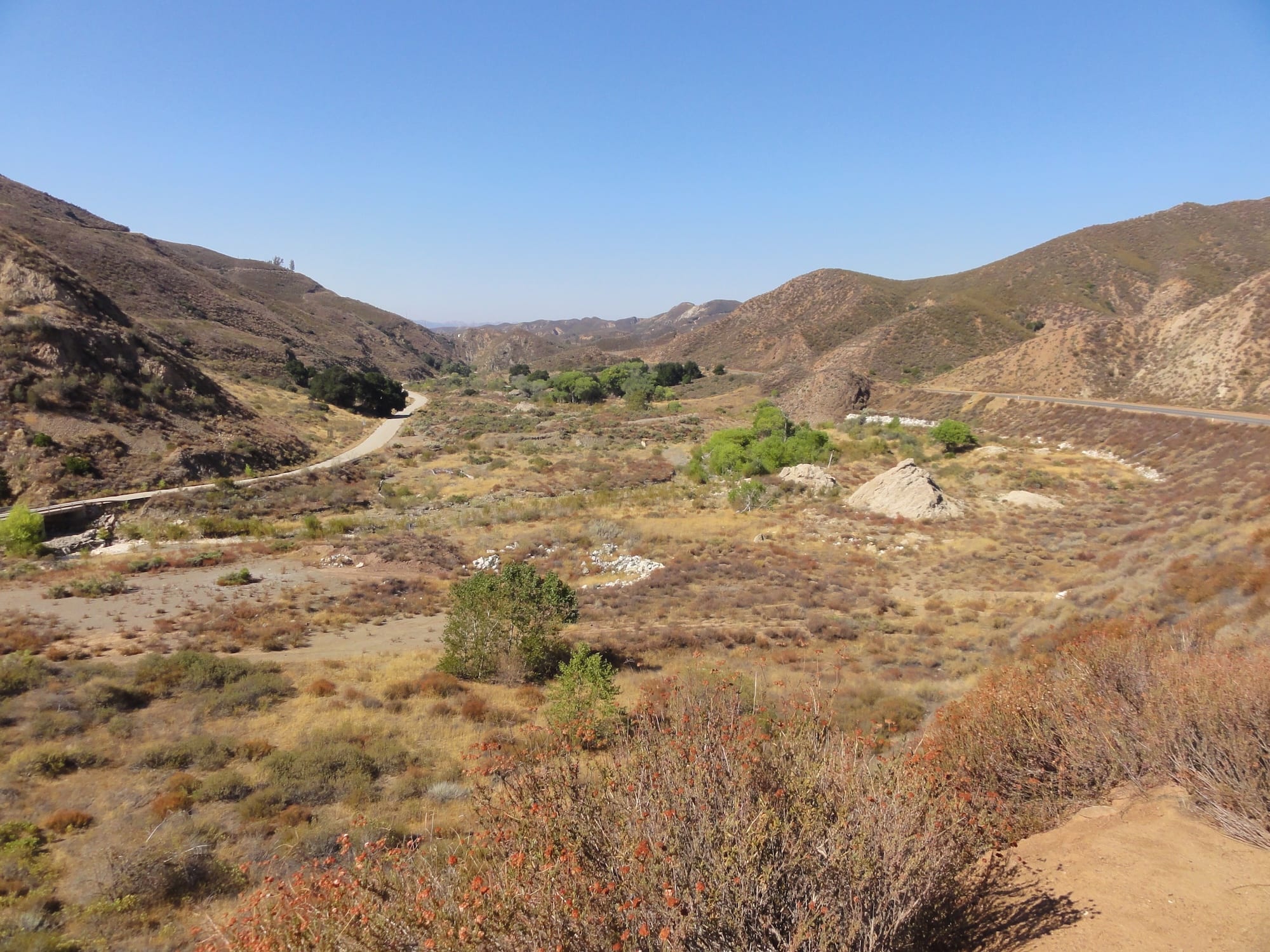 The site of the St. Francis Dam in San Francisquito Canyon, photographed in 2012. Pieces of the dam still lie scattered across the canyon floor. (Photo: Chevy111/Wikimedia Commons, CC BY-SA 4.0)
Mulholland took responsibility, but the disaster shattered his reputation and left him, by historical accounts, overcome with grief. He retired later that year and withdrew from public life. The collapse also prompted California to strengthen its oversight of dams.
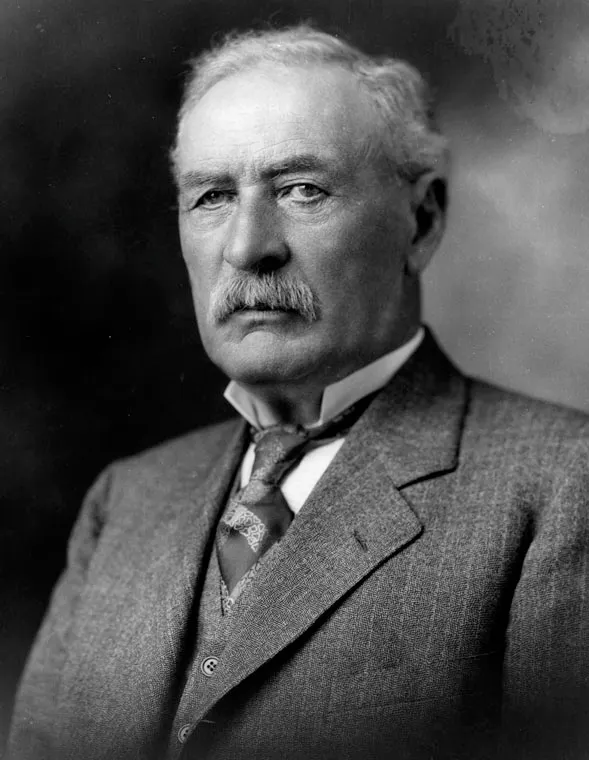 William Mulholland in 1924, four years before the collapse of the St. Francis Dam ended his career as Los Angeles’s leading water engineer. (Photo: Los Angeles Herald-Examiner/Wikimedia Commons)
I know. There are limits to the comparison. Nepal’s flood began with a natural ice/rock slope failure, perhaps partly induced by climate change; the St. Francis collapse was a failure of engineering…and judgment. The dam collapse killed at least 431 people, while the Nepal–Tibet flood has killed about 1,400, with thousands still missing. But I still find the comparison both intriguing and horrifying.
As we all know, disasters do occasionally hit Los Angeles. We haven’t experienced a major earthquake in more than three decades, and many say we’re overdue. But the St. Francis disaster and the flood in Nepal and Tibet let us know that both Mother Nature and human folly can still wreak havoc.