The Moon May Help Drive California’s Next Flooding Crisis
An 18.6-year lunar cycle is expected to amplify tides just as rising seas push more of California’s coastline toward flooding thresholds.
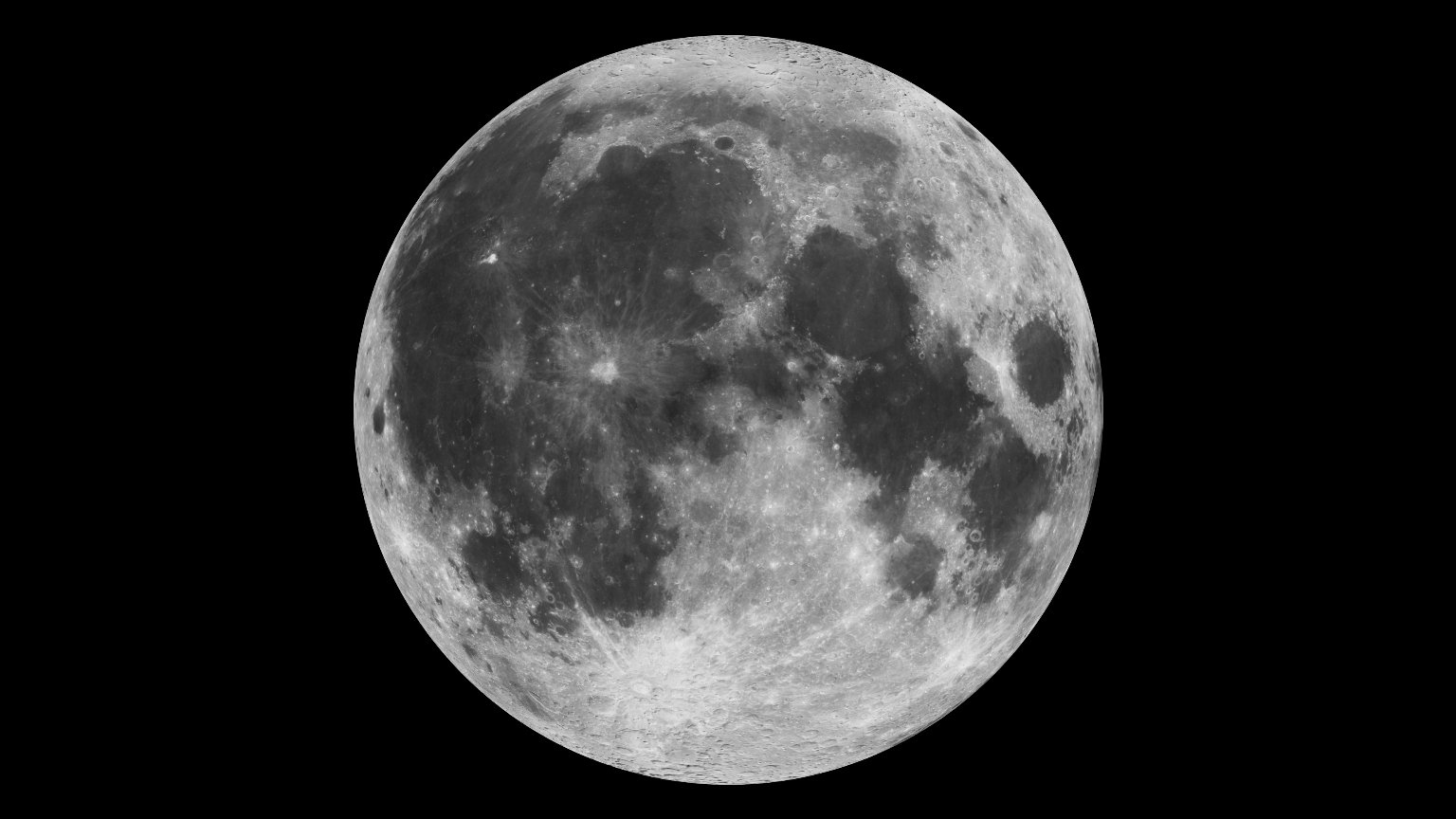
For thousands of years, the moon has quietly tugged at California’s coastline.
Its gravitational pull raises and lowers the Pacific twice a day, creating the tides that surfers and beachgoers know so well. In this way, the rhythms of the moon are also the rhythms of the earth. But tucked within those familiar rhythms is a much longer cycle, one that takes nearly 19 years to complete.
Scientists call it the lunar nodal cycle.
Most Californians have never heard of it. Yet it may help shape some of the state’s biggest environmental challenges of the coming decade: coastal flooding and erosion.
In 2021, researchers from NASA’s Jet Propulsion Laboratory, the University of Hawaiʻi and NOAA published a study warning that coastal flooding could increase dramatically during the mid-2030s as this natural lunar cycle begins amplifying tides just as rising seas push the ocean to higher levels. Combined, they could push many coastlines past critical flooding thresholds with increasing regularity.
“They’re getting awfully close to the brim in coastal communities due to decades of sea level rise,” William V. Sweet, an oceanographer with the National Oceanic and Atmospheric Administration and one of the paper’s authors, told the New York Times.
All of this may come as a surprise to many people living near the coast, but scientists warn that parts of California could be especially vulnerable. Places that today flood only during the highest king tides may find themselves dealing with water on streets, trails, parking lots, and marshes far more often. In some communities, flooding could occur every few days during particularly vulnerable months, not because of storms, but simply because the tide came in.
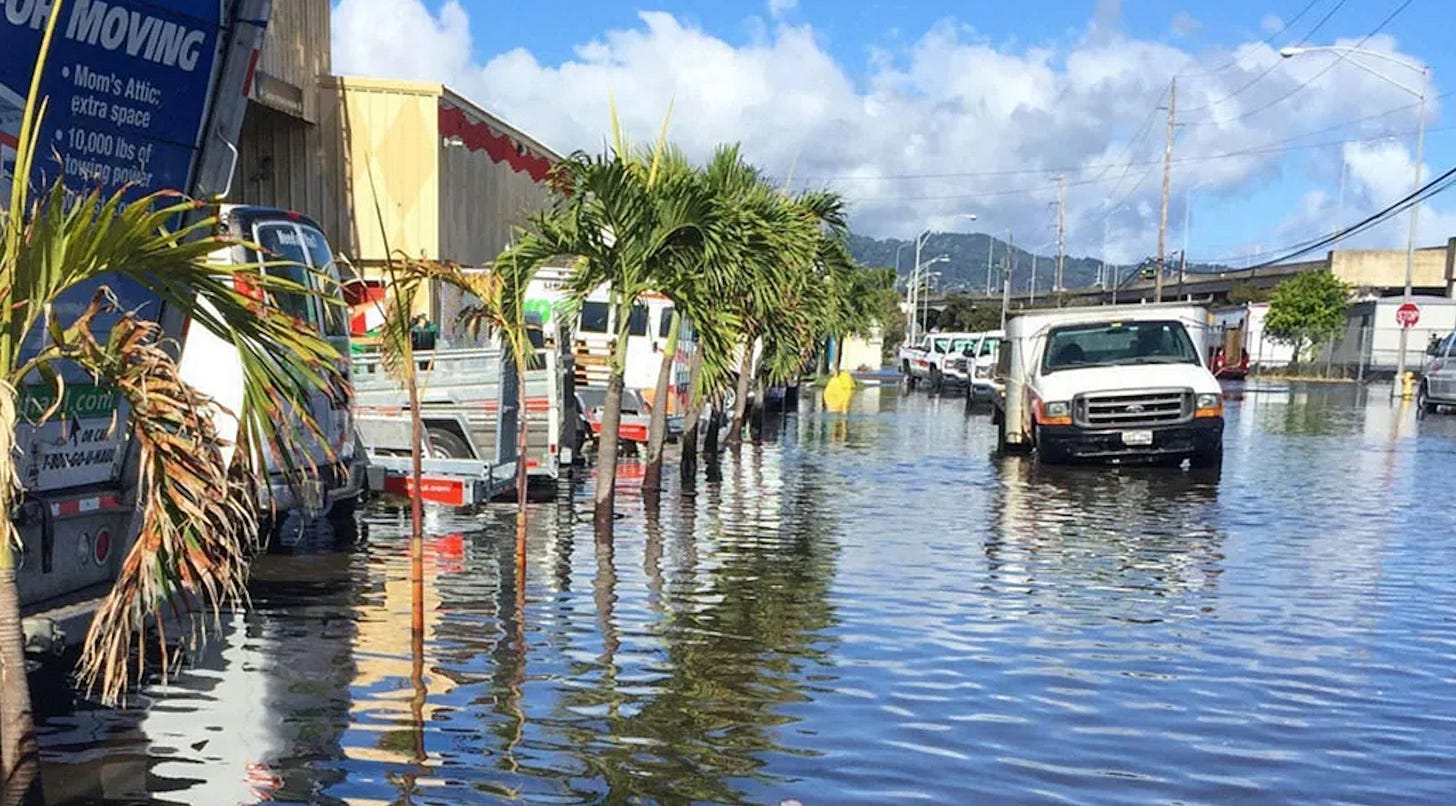 High-tide flooding in Honolulu. (Photo: Hawaii Sea Grant King Tides Project)
There’s a climate change angle to this, and that’s the major driver here, but it’s the lunar nodal cycle that adds a new potentially damaging dimension. The moon itself is not changing. Instead, the plane of the moon’s orbit slowly wobbles over an 18.6-year cycle. Astronomers have known about this phenomenon since the 18th century, but only recently have scientists begun to understand how it may interact with rising sea levels to amplify coastal flooding in places like California. The outlook is not especially encouraging.
As NASA put it in a published report in 2021: “There’s nothing new or dangerous about the wobble; it was first reported in 1728. What’s new is how one of the wobble’s effects on the moon’s gravitational pull — the main cause of Earth’s tides — will combine with rising sea levels resulting from the planet’s warming.”
The sun plays a role here, too. Along with the moon, it helps drive Earth’s tides. Twice each month, the sun, Earth, and moon align to produce the highest tides of the lunar cycle. Normally, that’s not a major concern. But when those alignments coincide with the amplifying phase of the lunar nodal cycle and a higher ocean, the result can be enough to push some coastal areas past flooding thresholds.
Ben Hamlington, who co-wrote the paper and runs the Sea Level Change Team at JPL, said the findings offer an important planning tool for coastal communities. While cities often focus on preparing for rare disasters like tsunamis and storm surge, the more immediate, but quiet challenge may be a steady increase in disruptive high-tide flooding.
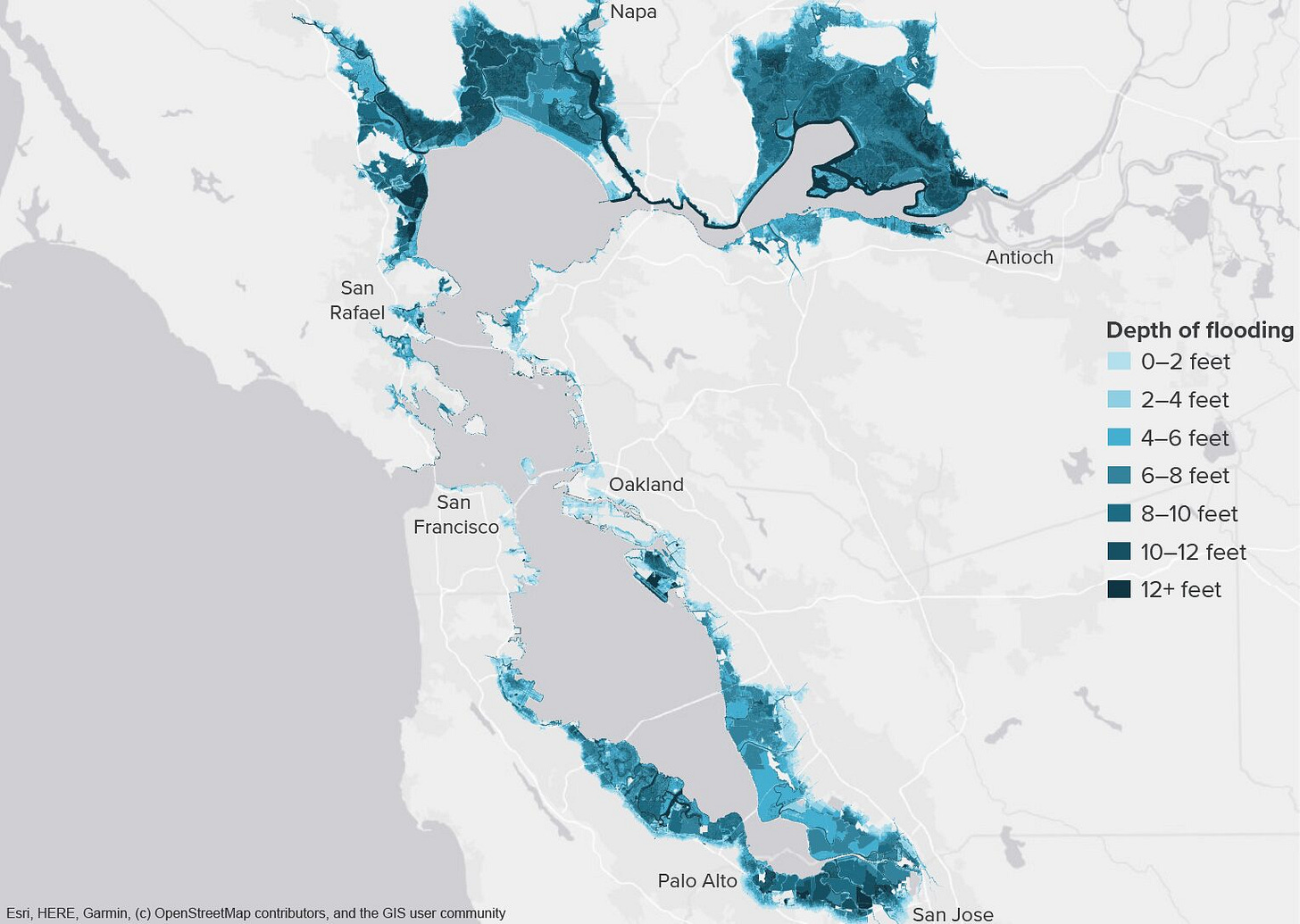
Coastal flooding in the Bay Area could be widespread with 3 feet of sea level rise.
Future sea level rise is already baked into the climate system. Sea level along California’s coast has risen roughly 8 inches over the past century, and scientists project additional rise in the decades ahead. As oceans continue to climb, the next high phase of the lunar nodal cycle will give tides an extra boost. The increase may only amount to a few inches in many locations, but when coastal communities are already operating near flooding thresholds, a few inches can make all the difference.
What exactly is happening?
Hamlington compares the lunar nodal cycle to a coin spinning on its edge (scientists also use the term “the Regression of Lunar Nodes”). As the coin slows, it develops a subtle wobble. I didn’t find this explanation very satisfying. I think this is a situation where words don’t quite suffice and a visual explanation helps quite a bit. Here’s a video where Professor Kevin Horsburgh of the National Oceanography Centre uses a soccer ball and a tennis ball to demonstrate how the moon’s tilted orbit slowly changes orientation over the 18.6-year cycle.
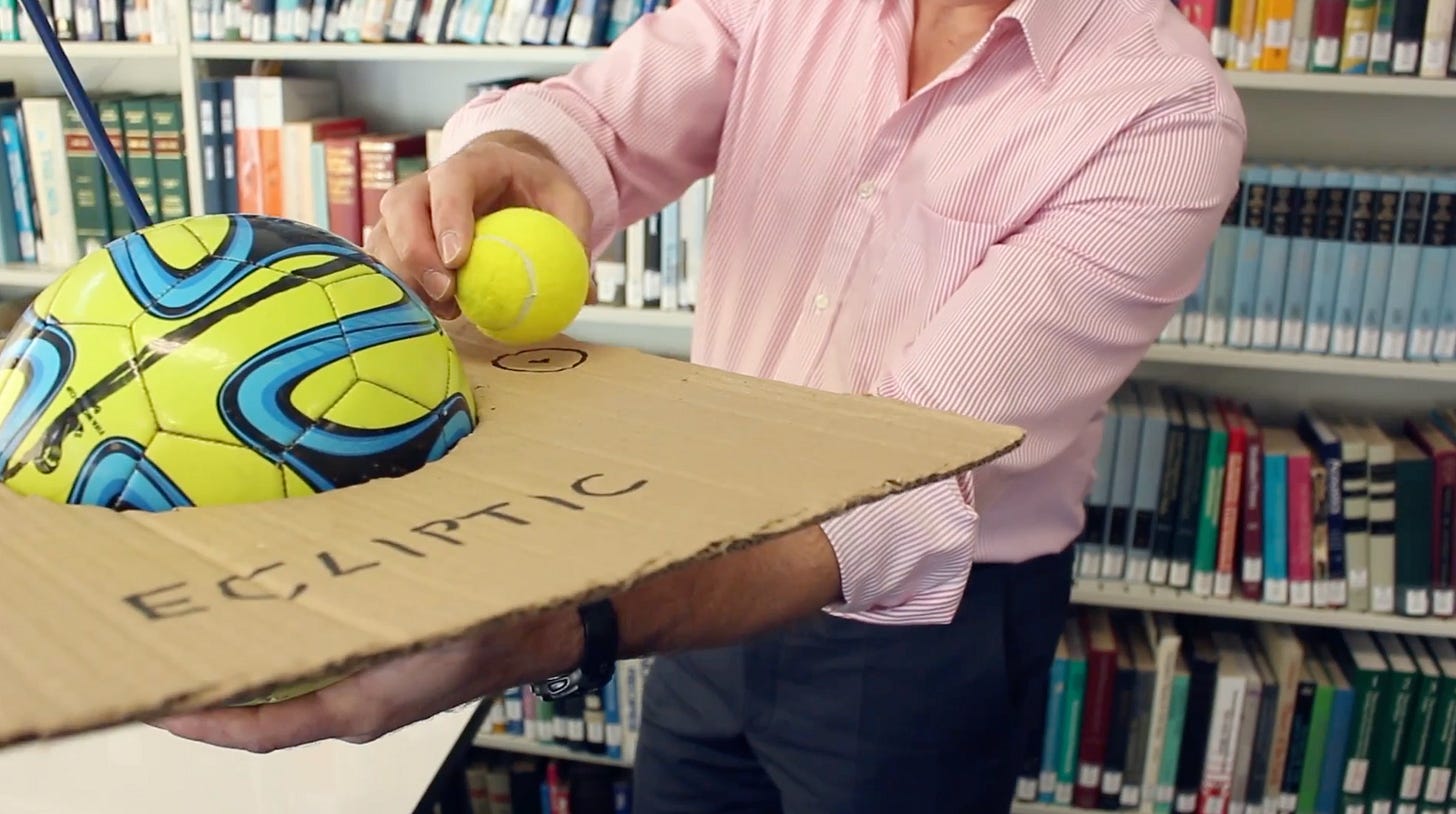
This video does a decent job explaining, in very simple terms, what is happening during the lunar nodal cycle. (YouTube)
The moon itself isn’t wobbling, however. Instead, the tilt of the moon’s orbit slowly shifts direction over time, completing a full cycle every 18.6 years. That gradual change alters the way the moon’s gravity affects Earth’s tides, causing them to be slightly amplified during some decades and slightly suppressed during others. We’re soon entering the amplification period. It’s a small effect, but one that could become much more important as rising seas push coastal communities closer to flooding thresholds.
The lunar nodal cycle has been going on for thousands of years. Historically, it was little more than a scientific curiosity. Today, however, the Pacific Ocean is slightly different than where it was decades ago. So, tides that once stopped just short of roads, wetlands, and sea walls may soon spill over them. And it’s coming relatively soon, likely as early as the mid 2030s.
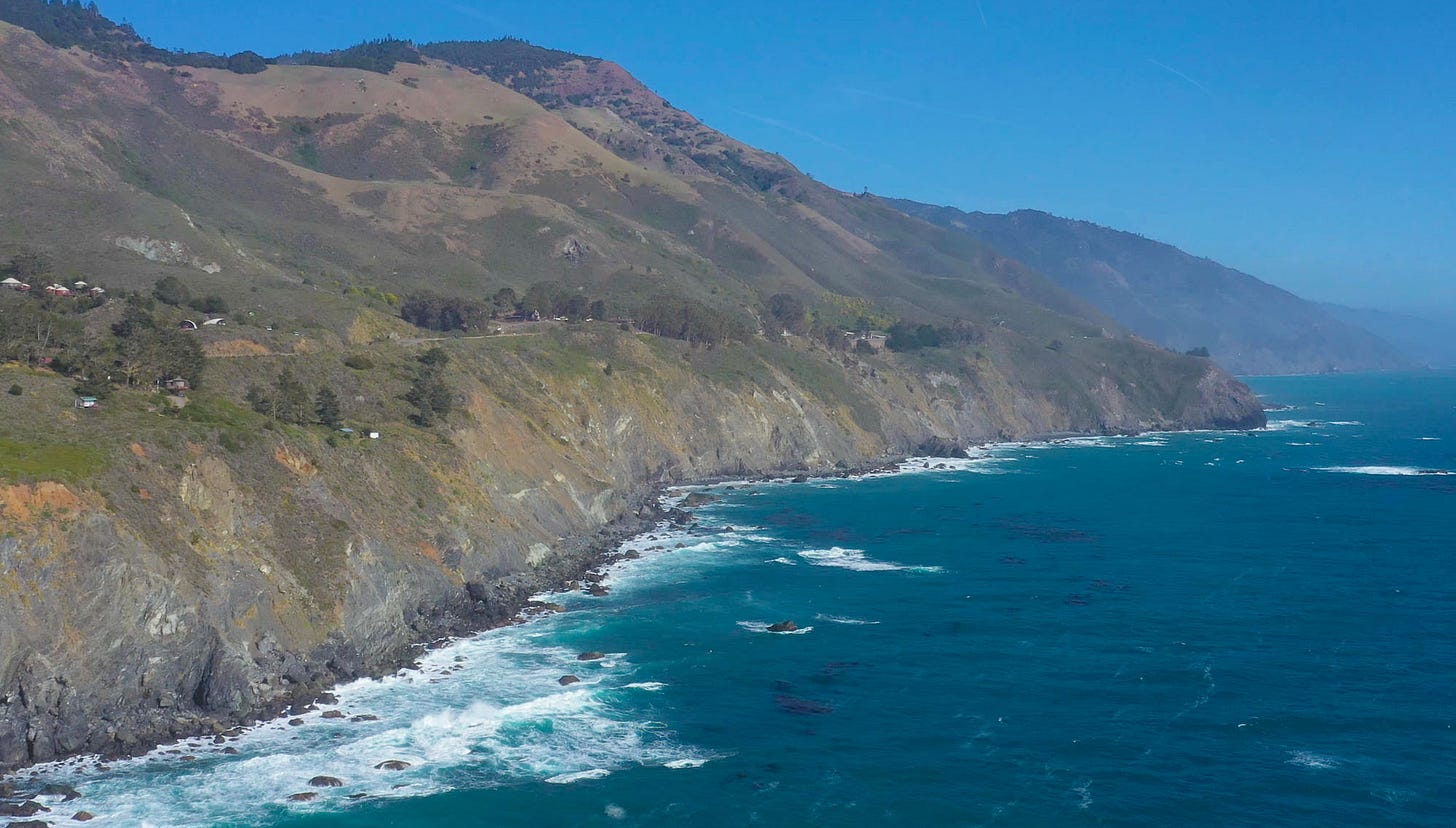 California coast near Big Sur (Photo: Erik Olsen)
For California, the impacts are likely to be somewhat localized. The state’s dramatic cliffs protect many stretches of coast. But low-lying areas are increasingly vulnerable. San Francisco Bay may be particularly impacted. Large stretches of the bay shoreline sit only a few feet above the present sea level. Wetlands, airports, highways, wastewater treatment plants and neighborhoods already deal with periodic flooding during king tides. According to this report, things could get worse in these vulnerable areas.
Southern California has its own vulnerable places. Beach communities, coastal lagoons, harbor infrastructure, wetlands, and transportation corridors may all face increasing pressure from higher water levels. Even places that remain dry can experience problems when seawater backs up drainage systems and reduces their ability to handle runoff.
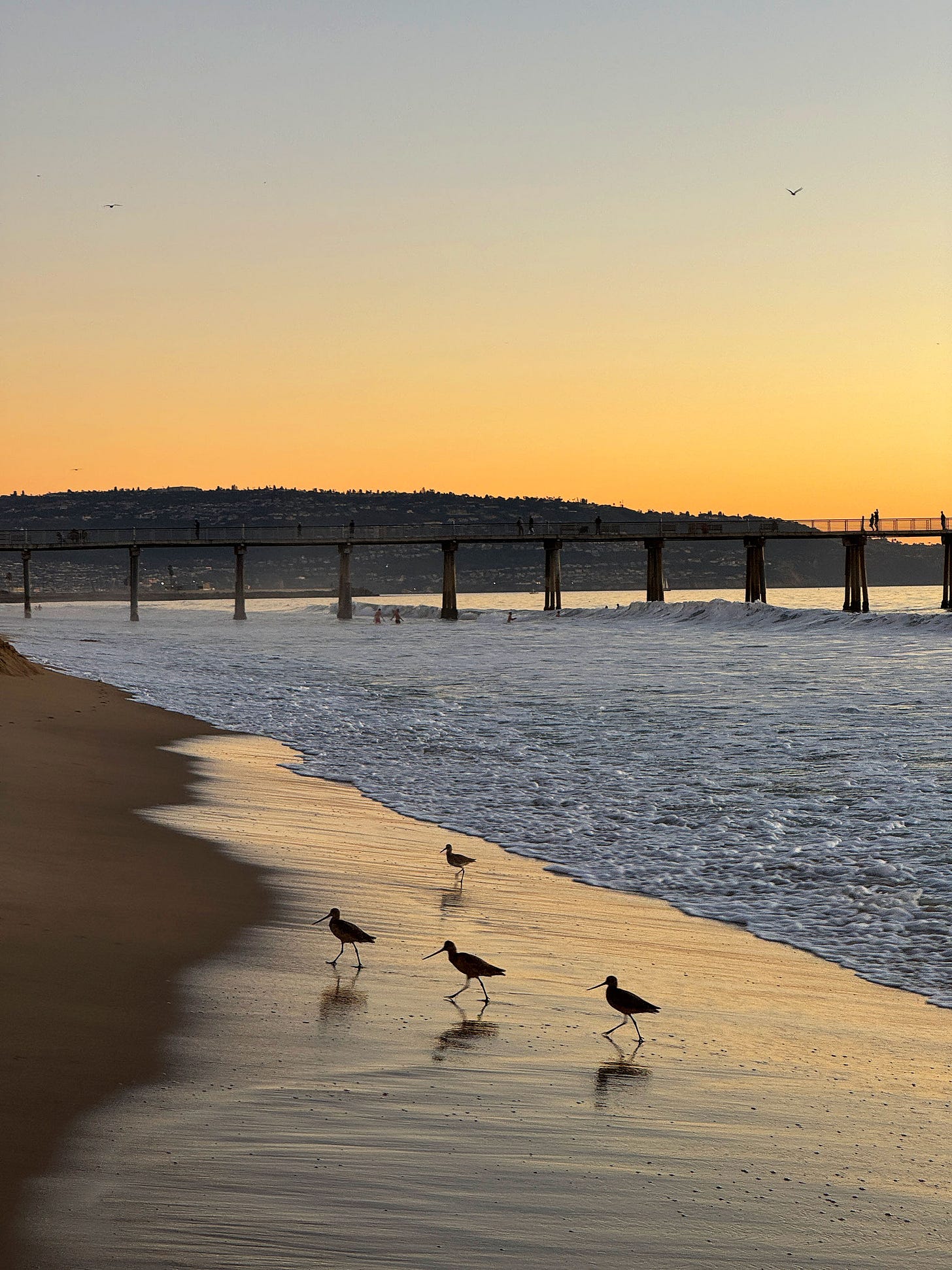 California coast at Hermosa Beach. (Photo: Erik Olsen)
One of the more surprising findings of the research is that future flooding may not be evenly distributed throughout the year. Instead, flood days could cluster together into what the researchers called “extreme months.” And so imagine a coastal community dealing not with a handful of nuisance flooding events spread throughout the year, but with flooding every few days for weeks at a time.
The researchers’ hope is that the information will be of use to planners and policy-makers in coastal areas. “Understanding that all your events are clustered in a particular month, or you might have more severe flooding in the second half of a year than the first – that’s useful information,” says Hamlington.
The good news is that none of this is a surprise. Scientists know the lunar cycle is coming, and coastal communities have time to prepare. Last year, I read Rosanna Xia’s excellent book California Against the Sea, which explores the difficult choices California faces as rising seas inch farther inland. Across the state, communities are experimenting with solutions ranging like wetland restoration and building seawalls, etc. Unfortunately, in some places like Ocean Beach and Pacifica it seems the most practical long-term option may be managed retreat: moving roads, buildings, and other development away from vulnerable, crumbling shorelines.
All of this is already unfolding. California’s coastline is changing, and communities are increasingly being forced to adapt. The amplifying phase of the lunar nodal cycle expected in the 2030s is obviously not the root cause these problems, but it could briefly make them worse. As higher tides combine with higher seas, some coastal areas may find themselves facing a period of elevated flooding risk and greater uncertainty.
As Philip R. Thompson, the lead author of the study and the director of the Sea Level Center at the University of Hawaii said to the Times, “If we know what’s going on, then we shouldn’t be complacent. It’s important to realize that at the mid-2030s point, where the switch flips and the natural cycle seems to amplify the rate of sea level rise, then we are going to see a rapid change.”
So, let’s get ready.